
Mexican Salsas Explained: Roja, Verde, Macha, Borracha, Taquera & More
Some people think Mexican salsa comes in two varieties: red and green. Then they visit Mexico and suddenly discover smoky salsa macha, fiery salsa taquera, tangy salsa borracha, chunky pico de gallo, creamy avocado salsa, roasted molcajete salsa, and enough family recipes to fill an entire cookbook. Mexican salsa isn’t one recipe—it’s an entire world of flavor. Once you understand the major salsa families, you’ll never look at the salsa bar the same way again.
When many people hear the words Mexican salsa, they picture a bowl of red tomato salsa served with tortilla chips.
In reality, that’s only one small part of the story.
Across Mexico, salsa is one of the foundations of everyday cooking. It appears on breakfast tables, beside grilled meats, spooned over tacos, served with seafood, paired with tamales, drizzled onto tortas, and placed at nearly every street-food stand. Some salsas are bright and tangy. Others are smoky, creamy, chunky, fiery, or rich with toasted chiles and oil.
The remarkable variety exists because Mexico isn’t defined by a single cuisine. Every region has developed its own ingredients, traditions, and favorite combinations of chiles, herbs, vegetables, and preparation techniques. Just as every state has signature dishes, nearly every region also has signature salsas.
Rather than asking which salsa is “the authentic one,” it’s better to think of Mexican salsa as a family of sauces. Some are made with tomatoes, others with tomatillos. Some rely on fresh green chiles, while others use dried chiles that create deep, smoky flavors. Some are blended until silky smooth, while others are crushed by hand in a traditional molcajete or left intentionally chunky.
This guide isn’t meant to teach hundreds of individual recipes.
Instead, it will help you understand the major families of authentic Mexican salsa, what makes each one unique, when they’re traditionally served, and how they reflect the incredible regional diversity of Mexican cooking.
Once you understand the big picture, every salsa bar, taquería, market, and family table starts to make a lot more sense.
If you’re beginning a broader journey through authentic Mexican cuisine, our Mexican Street Food Beyond Tacos: Elote, Tortas, Tamales & More guide explores the regional dishes, snacks, sandwiches, and specialties that these remarkable salsas were created to accompany.
Later in this guide, we’ll also recommend several Peppers of Key West products that capture similar bright, smoky, roasted, and chile-forward flavor profiles for tacos, grilled meats, seafood, eggs, and everyday meals.
🌶️ Mexican Salsas Quick Guide
What is Mexican salsa?
Mexican salsa is a broad family of sauces made from ingredients such as fresh or dried chiles, tomatoes, tomatillos, herbs, garlic, onions, spices, seeds, nuts, and oils. Every region has its own traditional recipes.
What are the main types of Mexican salsa?
Some of the best-known varieties include salsa roja, salsa verde, salsa macha, salsa taquera, salsa borracha, pico de gallo, habanero salsa, and molcajete salsa.
What is the difference between salsa roja and salsa verde?
Salsa roja usually features tomatoes and red chiles, while salsa verde is typically made with tomatillos and green chiles. Both can range from mild to extremely spicy.
Which Mexican salsa is the hottest?
Heat depends on the chiles used rather than the salsa’s color. Salsa taquera and chile de árbol salsas are often among the hottest, while many salsa verdes and rojas are much milder.
Are all Mexican salsas tomato-based?
No. Some rely on tomatillos, dried chiles, oil, nuts, seeds, fruit, or herbs instead of tomatoes.
Why are there so many different Mexican salsas?
Mexico’s diverse regions, local ingredients, and family traditions have produced hundreds of unique salsa recipes, each designed to complement specific foods and local cooking styles.
What Makes Mexican Salsa Different?
One of the biggest differences between Mexican salsa and the versions many people know outside Mexico is purpose.
In Mexican cooking, salsa isn’t simply a condiment added after the meal is finished.
It’s part of the recipe.
The right salsa can brighten rich carnitas, balance smoky carne asada, add freshness to seafood, deepen the flavor of grilled vegetables, or provide just enough heat to bring an entire taco together. Changing the salsa often changes the entire eating experience.
That’s why most taquerías don’t serve just one salsa.
They serve several.
Each one has a different personality, a different level of heat, and a different purpose on the table.
Understanding those different salsa families is the key to understanding authentic Mexican cooking.
MEXICAN SALSA ISN’T ONE RECIPE—IT’S A FAMILY OF SAUCES THAT BRINGS REGIONAL FLAVOR, BALANCE, AND PERSONALITY TO EVERY MEAL.
The Major Families of Authentic Mexican Salsa
Walk into ten different taquerías across Mexico, and you’ll probably find ten different salsa bars.
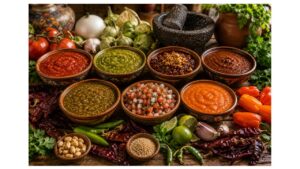
One bowl might hold a smooth roasted salsa roja, while the next contains bright salsa verde made with tomatillos. Others feature bright salsa verde made with tomatillos. One restaurant may serve a deeply smoky salsa macha rich with toasted chiles and oil, while another proudly offers a fiery salsa taquera that’s only for the brave.
At first glance, the choices can feel overwhelming.
Fortunately, most authentic Mexican salsas belong to a handful of major families. Each has its own ingredients, texture, cooking method, and traditional pairings. Once you understand these families, you’ll quickly recognize why certain salsas appear beside carne asada, seafood, tacos, tamales, or breakfast dishes.
Let’s meet the most common styles you’ll encounter.
At a Glance
- Salsa Roja → smoky, tomato-based, versatile
- Salsa Verde → bright, tangy, tomatillo-based
- Salsa Macha → rich, nutty, oil-based
- Salsa Taquera → spicy, taco-focused
- Salsa Borracha → roasted, regional
- Pico de Gallo → fresh and chunky
- Habanero Salsa → fruity, very hot
- Molcajete Salsa → rustic texture
Salsa Roja
Salsa roja, or red salsa, is probably the variety most familiar to visitors, but there is no single authentic recipe.
Some versions are made with ripe tomatoes and fresh red chiles. Others rely on dried guajillo, ancho, or chile de árbol peppers for deeper color and smoky flavor. The ingredients may be roasted, boiled, or blended raw depending on family traditions and regional preferences.
Because salsa roja ranges from mild and smoky to intensely spicy, it’s one of Mexico’s most versatile table salsas. You’ll find it paired with tacos, enchiladas, grilled meats, eggs, burritos, and countless everyday meals.
If you’re exploring Northern Mexico’s grilling traditions, salsa roja is one of the classic accompaniments to Carne Asada Explained: Northern Mexico’s Legendary Grilled Beef Tradition, where smoky grilled beef and roasted chile flavors naturally complement one another.
Salsa Verde
Instead of tomatoes, salsa verde usually begins with tomatillos, whose bright, slightly tart flavor creates an entirely different personality.
Fresh serrano or jalapeño peppers often provide the heat, while cilantro, onion, garlic, and lime round out the flavor. Depending on the recipe, the ingredients may be blended raw for a crisp, lively salsa or roasted first to create a deeper, more complex taste.
Salsa verde is especially popular with carnitas, chicken, seafood, enchiladas, chilaquiles, and many breakfast dishes because its acidity balances rich foods beautifully.
Its bright freshness also pairs naturally with seafood dishes like Aguachile Explained: Mexico’s Fiery Seafood Dish That Makes Ceviche Look Tame, where fresh chiles and citrus play equally important roles.
Salsa Macha
Unlike tomato-based salsas, salsa macha belongs to an entirely different family.
Traditionally prepared with dried chiles gently fried in oil, garlic, and often peanuts, sesame seeds, or other nuts and seeds, salsa macha delivers smoky, nutty, deeply savory flavors rather than the bright acidity found in salsa roja or salsa verde.
Although versions now appear throughout Mexico, salsa macha has become especially associated with Veracruz and neighboring regions, where families often guard their own recipes for generations.
Because its flavor is so distinctive, salsa macha deserves its own article—which we’ll explore separately in much greater depth.
Many chefs consider salsa macha one of Mexico’s most complex and addictive condiments because toasted chiles, garlic, nuts, and oil create flavors unlike any tomato-based salsa.
Salsa Taquera
As its name suggests, salsa taquera is made for tacos.
Every taquería has its own version, and many recipes remain closely guarded secrets. Some feature roasted tomatoes, others rely on tomatillos, but most share one thing in common:
They’re designed to wake up every bite.
Chile de árbol is frequently used to create an assertive heat that cuts through rich meats without overwhelming their flavor. That’s why salsa taquera appears so often beside tacos al pastor, carne asada, suadero, barbacoa, and many other street-food favorites.
If you’re just beginning your taco journey, Mexican Street Tacos Explained: The Authentic Street Food That Started It All demonstrates why choosing the right salsa is almost as important as choosing the meat itself.
Salsa Borracha
The name salsa borracha, or “drunken salsa,” often surprises first-time visitors.
Despite its playful name, the alcohol used in many traditional recipes—whether pulque, beer, tequila, or another regional favorite—is meant to add depth of flavor rather than make the salsa taste alcoholic.
Recipes vary widely throughout Central and Northern Mexico, making salsa borracha one of the country’s most regionally diverse salsa styles.
Some are roasted.
Some are smoky.
Some are surprisingly mild.
Like many Mexican family recipes, there is no single correct version.
Pico de Gallo
Although many people think of pico de gallo as simply another salsa, it’s actually one of Mexico’s freshest preparations.
Made from diced tomatoes, onions, chiles, cilantro, and lime juice, pico de gallo isn’t blended into a smooth sauce. Instead, its crisp texture provides freshness and contrast alongside grilled meats, seafood, tortas, and tacos.
Because the ingredients remain uncooked, every bite highlights the quality of the fresh produce.
Habanero Salsa
Travel to the Yucatán Peninsula and you’ll quickly discover that habanero salsa deserves its own category.
Bright, fruity, and intensely hot, habanero-based salsas are served with regional specialties such as cochinita pibil, poc chuc, panuchos, and salbutes.
Unlike many central Mexican salsas, these preparations celebrate the unmistakable aroma and citrus-like character of the habanero pepper.
If you’re interested in how regional ingredients shape local cuisine, Regional Mexican Street Food Guide: Famous Dishes from Every Corner of Mexico explores the traditions that made habanero peppers such an important part of the peninsula’s culinary identity.
Molcajete Salsa
Some of Mexico’s most memorable salsas aren’t defined by ingredients at all.
They’re defined by how they’re made.
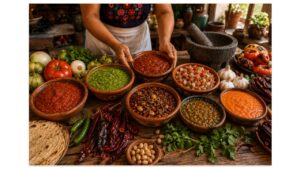
Molcajete salsa is crushed by hand in a traditional volcanic-stone mortar rather than puréed in a blender. The rough stone breaks down roasted tomatoes, chiles, garlic, and herbs while preserving a rustic texture that’s difficult to duplicate with modern equipment.
Many cooks believe this traditional preparation creates a richer flavor and aroma, making the molcajete an enduring symbol of Mexican cooking.
ALTHOUGH MEXICO IS HOME TO HUNDREDS OF SALSA RECIPES, MOST BELONG TO A HANDFUL OF DISTINCT FAMILIES THAT REFLECT THE COUNTRY’S EXTRAORDINARY REGIONAL DIVERSITY.
Why Every Region of Mexico Has Its Own Salsa Traditions
Walk through Mexico and you’ll quickly notice that salsa changes from one state to the next. The ingredients may seem familiar, but local agriculture, climate, history, and regional cooking traditions have shaped hundreds of unique recipes that reflect the character of each community.
Northern Mexico often features bold roasted chile salsas that pair beautifully with grilled meats, flour tortillas, and traditional ranch cooking. In Sonora and Nuevo León, smoky salsa roja and spicy salsa taquera are common companions for carne asada, burros, cabrito, and other northern favorites.
Along Mexico’s Pacific coast, seafood plays a starring role. Fresh green salsas made with tomatillos, serranos, cilantro, and lime brighten dishes like Mexican Ceviche Explained: Fresh Coastal Street Food Bursting with Citrus Flavor and other mariscos without overwhelming the delicate flavors of fresh seafood.
Central Mexico is known for an incredible variety of cooked and raw table salsas served with tacos, tlacoyos, sopes, huaraches, and countless street foods. Many family recipes have been passed down for generations, with each cook adjusting the balance of chiles, tomatoes, garlic, and herbs to create a signature flavor.
In Oaxaca, rich chile-based sauces often become more complex, incorporating toasted ingredients, local chiles, seeds, nuts, and traditional grinding techniques using a molcajete. These deeply layered flavors reflect one of Mexico’s most celebrated culinary regions.
The Yucatán Peninsula brings a completely different personality to the table. Bright citrus, fiery habaneros, and tropical ingredients create vibrant salsas that perfectly complement regional specialties like cochinita pibil and other Mayan-influenced dishes.
Even neighboring towns may prepare the same style of salsa differently. One family may roast every ingredient over wood fire, another may boil the vegetables before blending, while another prefers grinding everything by hand in a molcajete to preserve a chunkier texture.
These local differences are part of what makes Mexican cuisine so fascinating. Rather than searching for one “correct” salsa recipe, it’s better to appreciate each salsa as an expression of its region, its ingredients, and the people who prepare it.
MEXICO’S EXTRAORDINARY SALSA TRADITIONS PROVE THAT THE SAME SIMPLE INGREDIENTS CAN CREATE COUNTLESS DISTINCT REGIONAL FLAVORS.
Molcajete vs Blender: Does It Really Matter?
One of the biggest questions home cooks ask is whether authentic Mexican salsa must be made in a traditional molcajete.
The answer is no—but the preparation method does affect the finished salsa.
A molcajete is a volcanic-stone mortar and pestle that has been used throughout Mexico for centuries. Instead of cutting ingredients with sharp blades, it gently crushes tomatoes, tomatillos, garlic, onions, herbs, and chiles together. This releases natural oils slowly while preserving small pieces of each ingredient, creating a thicker, more rustic texture.
Many cooks believe a molcajete also contributes subtle mineral notes while producing a salsa with greater body and complexity.
A blender offers speed and consistency, making it the preferred choice for many home kitchens and restaurants that prepare large batches. Smooth restaurant-style salsa roja and salsa verde are often blended after roasting or boiling the ingredients, producing an evenly textured sauce that’s ideal for dipping tortilla chips or topping tacos.
Neither method is inherently better. Instead, each creates a different style of salsa.
If you enjoy chunky, rustic salsa with noticeable texture, a molcajete produces outstanding results. If you prefer silky, smooth sauces or need to prepare larger quantities, a blender works exceptionally well.
Many Mexican cooks use both, choosing the method that best matches the type of salsa they’re preparing.
THE BEST SALSA ISN’T DEFINED BY THE TOOL—IT’S DEFINED BY FRESH INGREDIENTS, BALANCED FLAVORS, AND THE TRADITIONS BEHIND THE RECIPE.
How to Pair Authentic Mexican Salsa with Your Favorite Foods
Choosing the right salsa isn’t about finding the hottest one—it’s about matching flavors, textures, and heat levels with the dish you’re serving. Throughout Mexico, cooks select salsas to complement a meal rather than overpower it, creating balance between the food and the sauce.
Fresh seafood often calls for bright, citrus-forward salsas. Tomatillo-based salsa verde and fresh pico de gallo add acidity that enhances shrimp, grilled fish, ceviche, and other coastal specialties without masking their delicate flavors.
Grilled meats benefit from bolder choices. Smoky salsa roja, spicy salsa taquera, and rich salsa borracha stand up beautifully to carne asada, steak, chicken, pork, and roasted vegetables. Their roasted chiles and deeper flavors match the caramelized notes created over the grill.
Street tacos offer endless possibilities because nearly every filling has a natural salsa partner. Mild meats often pair well with roasted red salsas, while richer cuts can handle hotter chile-forward recipes. Regional taco stands frequently prepare multiple salsas so customers can customize every bite.
Breakfast dishes also rely heavily on salsa. Scrambled eggs, huevos rancheros, breakfast burritos, chilaquiles, and breakfast tacos become brighter and more flavorful with the addition of salsa verde, salsa roja, or fresh pico de gallo.
Even tortilla chips tell a different story in Mexico. While chips and salsa are popular appetizers in the United States, many authentic Mexican salsas are designed primarily as table sauces for tacos, grilled meats, seafood, tortas, tamales, and countless everyday meals.
The beauty of Mexican salsa is its versatility. There isn’t one perfect salsa for every meal—there’s a perfect salsa for the food sitting in front of you.
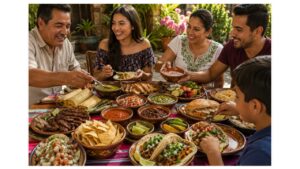
It’s also common for Mexican families and taquerías to serve more than one salsa at the same meal. A mild salsa verde might accompany grilled chicken, while a smoky salsa roja pairs with beef and a fiery salsa taquera is available for anyone who wants extra heat. Offering several salsas lets every diner customize each bite.
THE BEST MEXICAN SALSA IS THE ONE THAT COMPLEMENTS YOUR MEAL, NOT THE ONE WITH THE MOST HEAT.
🌶️ Recommended Peppers of Key West Products for Authentic Mexican Salsas
Whether you’re serving fresh salsa with tortilla chips, topping tacos, grilling carne asada, or adding bold flavor to seafood, the right sauce or salsa can elevate every meal. These Peppers of Key West favorites complement the authentic Mexican salsa traditions you’ve just explored while giving you even more ways to enjoy tacos, grilled meats, seafood, vegetables, and backyard gatherings.
Product Pairing Quick Guide
- Fresh Tortilla Chips & Appetizers → Catch a Fire’s Mango Salsa
- Fish Tacos, Shrimp & Grilled Seafood → Key West Key Lime Salsa
- Tacos, Burritos & Grilled Meats → Peppers of Key West Habanero Pepper Sauce
- Taco Night, Parties & Entertaining → Peppers of Key West 5-Pack Gift Box
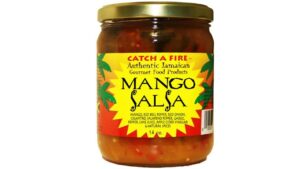
Catch a Fire’s Mango Salsa
If you enjoy the fresh, fruit-forward side of Mexican salsa, Catch a Fire’s Mango Salsa is an excellent addition to your table. Sweet ripe mango balances gentle heat, making it especially delicious with tortilla chips, grilled chicken, pork, shrimp, fish tacos, and tropical-inspired meals. It’s also an easy way to introduce guests to salsa without overwhelming them with heat.
👉 Perfect For: Tortilla chips, grilled chicken, fish tacos, shrimp, pork, and party appetizers.
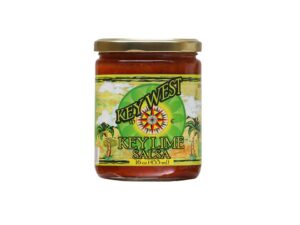
Key West Key Lime Salsa
Bright citrus and fresh vegetables give Key West Key Lime Salsa a vibrant flavor that naturally complements seafood and lighter Mexican dishes. The lively acidity echoes the fresh lime found in many authentic salsa verde recipes while pairing beautifully with shrimp, fish, ceviche, grilled chicken, tacos, and nachos.
👉 Perfect For: Seafood, shrimp, fish tacos, ceviche, grilled chicken, nachos, and fresh appetizers.
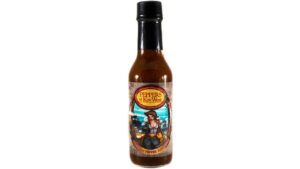
Peppers of Key West Habanero Pepper Sauce
For salsa lovers who enjoy turning up the heat, Peppers of Key West Habanero Pepper Sauce adds bold, fruity habanero flavor without overwhelming the fresh ingredients in homemade salsa. Stir a few drops into salsa roja, salsa verde, or pico de gallo, or drizzle it over tacos, burritos, grilled meats, eggs, and roasted vegetables for an authentic-style kick.
👉 Perfect For: Homemade salsa, tacos, burritos, carne asada, grilled chicken, eggs, roasted vegetables, and nachos.

Peppers of Key West 5-Pack Gift Box
For salsa lovers who enjoy experimenting with different flavors, the Peppers of Key West 5-Pack Gift Box offers a variety of hot sauces to pair with everything from tacos and grilled meats to eggs, seafood, burgers, wings, and homemade Mexican-inspired meals. It’s an ideal gift for cooks who enjoy creating their own salsa combinations.
👉 Perfect For: Taco nights, cookouts, family dinners, entertaining, and gift giving.
Authentic Mexican salsa is far more than a simple dip for tortilla chips. Across Mexico, salsa reflects regional ingredients, family traditions, cooking techniques, and generations of culinary knowledge. From the smoky depth of salsa roja to the bright freshness of salsa verde, the rich complexity of salsa macha, and the vibrant simplicity of pico de gallo, each variety tells part of Mexico’s remarkable food story.
Learning the major salsa families is the first step toward appreciating how they complement different foods and regions. Once you understand the ingredients and traditions behind each style, you’ll begin seeing salsa not as a single recipe but as one of the most diverse and essential elements of Mexican cuisine.
Whether you’re preparing tacos for family dinner, grilling carne asada, serving fresh seafood, or hosting friends for game day, choosing the right salsa can transform an ordinary meal into something memorable.
Visit almost any busy taquería and you’ll usually find several house salsas lined up beside the grill, allowing customers to customize every taco.
The next time you stand in front of a salsa bar, you won’t simply see red and green—you’ll recognize generations of regional traditions, local ingredients, and family recipes that have shaped Mexican cooking for centuries.
THE MORE YOU EXPLORE AUTHENTIC MEXICAN SALSA, THE MORE YOU’LL DISCOVER THAT EVERY BOWL HAS A STORY TO TELL.
Want to keep learning?
If terms like molcajete, tomatillo, guajillo, serrano, taquería, or fonda are new to you, visit The Complete Mexican Street Food Guide: Ingredients, Dishes, Regions & Cooking Terms Explained for a complete glossary of the ingredients, regions, and cooking techniques behind authentic Mexican cuisine.
Frequently Asked Questions About Authentic Mexican Salsa
Is Mexican salsa always spicy?
No. Authentic Mexican salsa ranges from very mild to extremely hot depending on the ingredients and the region. Many recipes focus on fresh flavor and balance rather than maximum heat, allowing diners to choose the salsa that best matches their meal.
What’s the difference between salsa roja and salsa verde?
Salsa roja is typically made with red tomatoes and red chiles, creating a smoky, rich flavor. Salsa verde uses tomatillos and green chiles such as serranos or jalapeños, resulting in a brighter, tangier taste.
Is pico de gallo considered a salsa?
Yes. Pico de gallo, also known as salsa fresca or salsa cruda, is one of Mexico’s most popular fresh salsas. Because its ingredients aren’t blended, it has a chunky texture that makes it ideal for tacos, grilled meats, seafood, and tortilla chips.
What is salsa macha made from?
Salsa macha is an oil-based salsa made with dried chiles, garlic, and oil, often enhanced with peanuts, sesame seeds, or other nuts and seeds. Unlike tomato-based salsas, it has a rich, crunchy texture and deep roasted flavor.
Do authentic Mexican restaurants usually serve more than one salsa?
Yes. Many taquerías, fondas, and restaurants offer two or more house-made salsas so diners can choose different heat levels and flavor profiles for tacos, grilled meats, seafood, and other traditional dishes.
Can I make authentic Mexican salsa in a blender?
Absolutely. While many traditional recipes are prepared in a molcajete, a blender produces excellent results and is commonly used in homes and restaurants throughout Mexico, especially for smoother salsas.
Why do some Mexican salsas use roasted ingredients?
Roasting tomatoes, tomatillos, onions, garlic, and chiles adds smoky flavor, natural sweetness, and greater depth. This technique is especially common in salsa roja and many regional table salsas.
Which salsa is best for tacos?
There isn’t a single answer. Salsa roja, salsa verde, salsa taquera, pico de gallo, and salsa macha are all popular choices. The best pairing depends on the type of taco, the filling, and your preferred level of heat.
Can authentic Mexican salsa be served with foods besides tacos?
Yes. Mexican salsa complements grilled meats, seafood, tamales, tortas, burritos, eggs, roasted vegetables, rice, beans, and countless other traditional dishes. In Mexico, salsa is an everyday table condiment rather than simply a dip for tortilla chips.
How long does homemade Mexican salsa last?
Most fresh homemade salsas stay at their best for about 3 to 5 days when refrigerated in a sealed container. Oil-based salsas such as salsa macha generally keep longer because of their ingredients, although refrigeration is still recommended for freshness.
Continue Your Adventure
Keep Exploring Mexican Street Food
- Mexican Street Food Sauces Beyond Salsa: Crema, Chili Oils, Citrus Heat & More
- Mexican Street Tacos Explained: The Authentic Street Food That Started It All
- Street Quesadillas vs American Quesadillas: Why They’re Not the Same Thing
- Aguachile Explained: Mexico’s Fiery Seafood Dish That Makes Ceviche Look Tame
- Mexican Ceviche Explained: Fresh Coastal Street Food Bursting with Citrus Flavor
- Tostadas Loaded with Crispy Crunch, Seafood, Meat & Bold Mexican Flavor
- Mexican Street Food Markets Explained: How to Order Like a Local and Find the Best Food Fast
- Regional Mexican Street Food Guide: Famous Dishes from Every Corner of Mexico
Expand Your Flavor Journey
- The Complete Mexican Street Food Guide: Ingredients, Dishes, Regions & Cooking Terms Explained
- Best Hot Sauces for Taco Night: Crowd-Pleasing Heat from Mild to Wild
- Best Taco Toppings for Taco Night: Fresh, Spicy & Crowd-Pleasing Favorites
- Best Mexican Street Taco Meats: The Ultimate Guide to Authentic Taco Flavor
See More Keywords
Mexican salsa recipes, homemade salsa, authentic salsa, salsa mexicana, salsa fresca, salsa cruda, roasted salsa, tomatillo salsa, red salsa, green salsa, spicy Mexican salsa, chip salsa, taco salsa, burrito salsa, carne asada salsa, seafood salsa, grilled chicken salsa, tortilla chip dip, Mexican condiments, traditional Mexican cooking, Mexican street food, fresh salsa ingredients, dried chile salsa, molcajete salsa, chile de árbol salsa, guajillo salsa, habanero salsa, cilantro salsa, roasted tomato salsa, authentic Mexican flavors, salsa pairing guide, Mexican food culture, regional Mexican cuisine, Mexican cooking techniques, best salsa for tacos.
