Cochinita Pibil Explained: The Legendary Yucatán Pork Dish Americans Are Missing
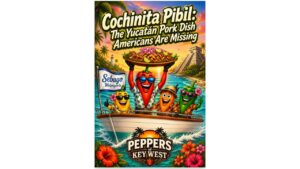
Most Americans think authentic Mexican food begins and ends with tacos, burritos, and maybe a plate of nachos. Meanwhile, the Yucatán has been quietly perfecting one of the most flavorful pork dishes on the planet for centuries. Slow-roasted, citrus-marinated, achiote-colored, and unbelievably tender, Cochinita Pibil deserves a permanent place on every food lover’s bucket list—and it’s far easier to make at home than you might think.
Walk through an early morning market anywhere in Mexico’s Yucatán Peninsula and you’ll notice the aroma before you ever see the food.
It’s smoky.
Earthy.
Citrusy.
Rich with slow-cooked pork that’s been quietly roasting for hours.
Vendors begin carving tender meat before breakfast, piling it onto fresh tortillas, tortas, panuchos, or salbutes while locals line up long before lunch.
There’s no flashy presentation.
No gimmicks.
Just generations of tradition wrapped inside one remarkably flavorful dish.
For many Americans, Cochinita Pibil remains almost completely unknown.
That’s surprising because it combines nearly everything people already love about Mexican cuisine—slow-cooked pork, bold spices, bright citrus, and endless serving possibilities.
Once you taste it, you begin to wonder why it hasn’t become as famous as carnitas or barbacoa.
Exploring dishes like Cochinita Pibil is exactly why Mexican Street Food Beyond Tacos: Elote, Tortas, Tamales & More reveals an entirely different side of Mexican cuisine that deserves far more attention than it receives.
Before diving into its fascinating history, here’s a quick look at what makes this legendary Yucatán specialty so unforgettable.
Quick Guide: What Makes Cochinita Pibil Special?
- Traditional slow-roasted Yucatán pork
- Marinated in achiote paste and citrus juices
- Originally cooked in underground pib ovens
- Typically served with pickled red onions
- Excellent in tacos, tortas, panuchos, and rice bowls
- Deep, earthy flavor with bright citrus notes
- One of Mexico’s oldest regional specialties
SOME OF THE WORLD’S BEST FOOD NEVER BECAME FAMOUS—IT SIMPLY STAYED AUTHENTIC.
The Ancient Yucatán Tradition Behind Cochinita Pibil
Long before modern kitchens and backyard smokers existed, the ancient Maya had already mastered slow cooking.
The word pibil comes from the Mayan word pib, meaning “buried” or “underground.”
Traditionally, a whole pig—or other meats before pigs were introduced by the Spanish—was wrapped in banana leaves and placed inside a stone-lined pit filled with hot coals. The earth trapped heat and moisture, allowing the meat to slowly roast for hours until it became incredibly tender.
That cooking method wasn’t simply practical.
It created a flavor impossible to rush.
Did You Know? Before pigs arrived with the Spanish, the Maya traditionally cooked wild game such as deer, peccary, turkey, and iguana using the same underground pib technique. When pork was introduced, it became the preferred meat because its richness paired beautifully with achiote and citrus.
Banana leaves gently steamed the pork while preserving moisture, and the underground oven produced remarkably even heat without exposing the meat directly to flames.
Modern ovens and smokers have made Cochinita Pibil easier to prepare at home, but many cooks throughout the Yucatán still believe the traditional pib creates unmatched flavor and texture.
Understanding dishes like this reminds us that Mexican cuisine is built upon thousands of years of regional traditions rather than a handful of familiar restaurant favorites.
Anyone fascinated by Mexico’s remarkable culinary diversity quickly discovers why Best Mexican Street Taco Meats: The Ultimate Guide to Authentic Taco Flavor showcases so many unforgettable local specialties.
THE BEST RECIPES DON’T JUST FEED PEOPLE—THEY PRESERVE HISTORY.
Why Achiote Gives Cochinita Pibil Its Famous Flavor and Color
If Cochinita Pibil has a signature ingredient, it’s achiote.
Made primarily from annatto seeds blended with spices, garlic, vinegar, oregano, cumin, and other seasonings, achiote paste creates the dish’s unmistakable brick-red color while adding a mild, earthy flavor that’s unlike any other Mexican marinade.
The achiote alone isn’t enough.
The real magic happens when it’s combined with the bright acidity of sour orange juice—or a mixture of orange and lime juice when sour oranges aren’t available.
That citrus slowly penetrates the pork during marination, tenderizing tougher cuts while balancing the richness of the meat with fresh, vibrant flavor.
Unlike smoky barbecue rubs or fiery chili pastes, achiote doesn’t overpower.
Instead, it works quietly in the background, allowing the pork itself to remain the star of every bite.
This balance explains why Cochinita Pibil feels rich without becoming heavy and bold without becoming spicy.
The dish proves that incredible flavor doesn’t always require overwhelming heat.
Food lovers who enjoy discovering bold Mexican flavor combinations often find themselves drawn toward Mexican Street Food Sauces Beyond Salsa: Crema, Chili Oils, Citrus Heat & More, where citrus, spice, and regional sauces come together in equally memorable ways.
SOMETIMES THE MOST MEMORABLE FLAVORS ARE THE ONES THAT WHISPER INSTEAD OF SHOUT.
How Cochinita Pibil Is Traditionally Served Across the Yucatán
One of the biggest surprises for first-time visitors to the Yucatán isn’t how Cochinita Pibil tastes.
It’s how many different ways locals enjoy it.
Early in the morning, you’ll often find vendors serving it simply on warm corn tortillas topped with cebolla morada encurtida—bright pink pickled red onions—and a fiery habanero salsa for anyone brave enough to add extra heat.
Later in the day, the same pork might appear inside a torta layered with creamy avocado, refried beans, and fresh vegetables.
Some restaurants pile it onto crispy tostadas, while others serve generous portions alongside Mexican rice, black beans, and warm tortillas that let diners build their own meal.
In Mérida, one of the Yucatán’s culinary capitals, Cochinita Pibil also becomes the filling for panuchos and salbutes—two beloved regional specialties that rarely appear on American restaurant menus but remain staples throughout southeastern Mexico.
Despite all these serving styles, one thing never changes.
The pork always remains the star.
The toppings enhance its flavor rather than bury it beneath mountains of cheese or heavy sauces.
That’s one reason the dish has remained virtually unchanged for generations.
Sometimes the simplest presentation allows exceptional ingredients to speak for themselves.
Anyone who enjoys discovering Mexico’s lesser-known regional classics will appreciate Tamales Explained: The Ancient Mexican Comfort Food That Still Dominates Street Food Culture another example of how different parts of the country have developed completely unique street-food traditions.
GREAT STREET FOOD DOESN’T NEED TO BE COMPLICATED—IT NEEDS TO BE MEMORABLE.
Why Americans Are Finally Discovering Cochinita Pibil
For decades, Mexican food in the United States centered around a relatively small group of familiar dishes.
Enchiladas.
While those classics deserve their popularity, they represent only a small fraction of Mexico’s remarkable regional cuisine.
Today’s diners are becoming far more adventurous.
Travel, cooking shows, food documentaries, and social media have introduced millions of people to authentic regional dishes that were once nearly impossible to find outside Mexico.
Cochinita Pibil is one of the biggest beneficiaries of that shift.
Its rich flavor appeals to barbecue lovers.
Its slow-cooked tenderness attracts fans of pulled pork.
Its bright citrus marinade offers something noticeably different from both American barbecue and traditional carnitas.
It’s also remarkably versatile.
One batch can become tacos for lunch, tortas for dinner, rice bowls the next day, or even breakfast alongside eggs and roasted potatoes.
That versatility makes it just as practical as it is delicious.
As more home cooks discover authentic Mexican regional cooking, dishes like Cochinita Pibil are steadily moving from “hidden gem” to household favorite.
It’s easy to see why Mexican Street Food for First-Timers: What to Order and Why often becomes the gateway for people beginning to explore Mexico’s incredible culinary diversity beyond the restaurant menu they’re already familiar with.
THE BEST DISCOVERIES USUALLY HAPPEN JUST OUTSIDE YOUR COMFORT ZONE.
Best Peppers of Key West Products for Cochinita Pibil
Cochinita Pibil is all about balance. The achiote marinade delivers earthy depth, while citrus brings brightness and slow cooking creates incredibly tender pork. The best Peppers of Key West products complement those flavors rather than overpowering them.
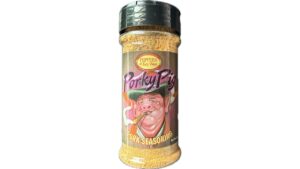
This seasoning adds savory depth that works beautifully with pork shoulders, pork roasts, and backyard versions of Cochinita Pibil. Use it lightly alongside the achiote marinade to enhance the meat without masking its traditional flavor.
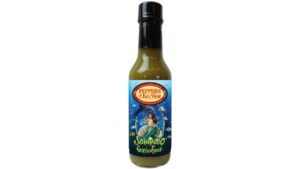
The balanced jalapeño flavor pairs naturally with citrus-marinated pork, tortas, tacos, and black beans. It’s an excellent everyday sauce for guests who enjoy flavor more than intense heat.
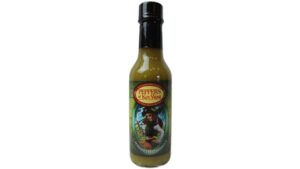
Fresh serrano heat complements pickled onions, fresh cilantro, and warm corn tortillas without overwhelming the subtle earthiness of the achiote.

Peppers of Key West BBQ Gift Box
While Cochinita Pibil is rooted in Yucatán tradition, backyard cooks often prepare it alongside ribs, grilled chicken, or smoked pork. The BBQ Gift Box provides Cherry Pomegranate BBQ Sauce, Jamaican Jerk Sauce, Asian Marinade, and Chicken Wing Sauce, making it an outstanding companion for anyone who loves cooking outdoors and exploring new flavor combinations.
Whether you’re recreating an authentic Yucatán recipe or putting your own spin on this legendary pork dish, choosing products that complement the citrus, achiote, and slow-roasted pork will always produce the most satisfying results.
Conclusion
Cochinita Pibil isn’t just another pulled pork recipe.
It’s one of Mexico’s oldest culinary traditions still being celebrated every single day.
Every bite reflects centuries of history, regional pride, and a cooking technique that values patience over shortcuts.
It reminds us that some of the world’s greatest foods never became famous because they chased trends.
They became famous because generations refused to change what already worked.
If you’ve only experienced Mexican cuisine through tacos, burritos, or enchiladas, Cochinita Pibil offers a delicious reminder that an entire world of regional specialties is still waiting to be discovered.
And once you’ve tasted authentic Yucatán pork wrapped in warm tortillas with pickled onions and a touch of bright hot sauce, you’ll probably find yourself wondering why Americans didn’t discover it much sooner.
THE GREATEST REGIONAL DISHES DON’T NEED TO BE REINVENTED—THEY SIMPLY NEED TO BE DISCOVERED.
Frequently Asked Questions
What is Cochinita Pibil?
Cochinita Pibil is a traditional slow-roasted pork dish from Mexico’s Yucatán Peninsula. The pork is marinated in achiote paste and citrus juice, then slowly cooked until exceptionally tender and flavorful.
What does “Pibil” mean?
The word pibil comes from the Mayan word pib, referring to an underground oven. Traditionally, Cochinita Pibil was wrapped in banana leaves and slow-cooked in a stone-lined pit beneath the earth.
Is Cochinita Pibil spicy?
Not usually. Achiote provides earthy flavor and vibrant color rather than intense heat. The dish is traditionally served with habanero salsa on the side so diners can adjust the spice level to their preference.
What cut of pork is best for Cochinita Pibil?
Pork shoulder, also known as Boston butt or pork butt, is the preferred cut because its marbling and connective tissue become incredibly tender during the long cooking process.
Can I make Cochinita Pibil without a traditional underground oven?
Absolutely. Most home cooks prepare it in a Dutch oven, slow cooker, smoker, or covered roasting pan. While the traditional pib adds authenticity, modern cooking methods still produce outstanding results.
What is achiote paste made from?
Achiote paste is primarily made from annatto seeds blended with spices such as garlic, oregano, cumin, cloves, vinegar, and other seasonings. It gives Cochinita Pibil its signature red color and earthy flavor.
How is Cochinita Pibil traditionally served?
It’s commonly served in warm corn tortillas with pickled red onions (cebolla morada encurtida), fresh lime, and habanero salsa. It’s also delicious in tortas, panuchos, salbutes, rice bowls, and tostadas.
What’s the difference between Cochinita Pibil and Carnitas?
Carnitas are slowly cooked in their own fat until crispy around the edges, while Cochinita Pibil is marinated in achiote and citrus, wrapped in banana leaves, and gently roasted. The flavor profiles and cooking techniques are distinctly different.
What hot sauce pairs best with Cochinita Pibil?
Bright, flavorful sauces work best. Serrano Pepper Hot Sauce adds fresh pepper flavor without masking the achiote, while Jalapeño Garlic Hot Sauce complements the pork with balanced heat and savory garlic notes.
Why is Cochinita Pibil becoming more popular in the United States?
As Americans continue exploring authentic regional Mexican cuisine, more restaurants and home cooks are discovering the incredible flavor, history, and versatility of this legendary Yucatán specialty.
Continue Your Street Food Adventure
- Mexican Street Food Beyond Tacos: Elote, Tortas, Tamales & More
- Tortas Loaded with Meat, Melted Cheese & Street Food Flavor That Hits Hard
- Tamales Explained: The Ancient Mexican Comfort Food That Still Dominates Street Food Culture
- Mexican Street Food for First-Timers: What to Order and Why
- Mexican Street Food Sauces Beyond Salsa: Crema, Chili Oils, Citrus Heat & More
- Why Mexican Street Food Delivers Bigger Flavor Than Most Restaurant Food
- Mexican Street Food by Region: How Flavor Changes from Baja to the Yucatán
Keep Exploring the World of Tacos & Mexican Street Food
- Carnitas Tacos That Deliver Crispy Pork, Smoky Heat & Authentic Street Taco Flavor
- Best Hot Sauce for Pork Tacos: Sweet, Smoky & Spicy Pairings That Win
- Mexican Street Taco Meat Marinades That Create Ridiculously Bold Flavor & Aggressive Heat
- What Makes Mexican Street Tacos Different from Regular Tacos?
Explore More Cochinita Pibil Keywords
cochinita pibil, authentic cochinita pibil, cochinita pibil recipe, yucatán pork, yucatán cuisine, mexican regional food, achiote paste, annatto seeds, sour orange marinade, citrus marinated pork, slow roasted pork, underground pit cooking, pib oven, mayan cooking, mexican pork recipes, authentic mexican food, yucatán street food, mexican street food, pork shoulder recipe, banana leaf cooking, pulled pork tacos, pork tortas, panuchos, salbutes, pickled red onions, cebolla morada encurtida, habanero salsa, best pork tacos, pork street food, gourmet mexican recipes, mexican culinary traditions, traditional mexican cooking, peppers of key west pork seasoning, serrano pepper hot sauce, jalapeño garlic hot sauce, pork seasoning, mexican barbecue, yucatán specialties, regional mexican cuisine, authentic pork dishes
