Burros Explained: Northern Mexico’s Oversized Flour Tortilla Classic
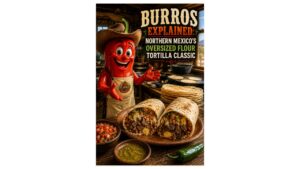
If you’ve always assumed a burro is just another way to say burrito, Northern Mexico has a delicious surprise waiting for you. While the two share the same family tree, authentic burros have developed their own identity across the ranches, border towns, and desert landscapes of Sonora and Chihuahua. Built around oversized handmade flour tortillas and simple, hearty fillings, burros reflect generations of practical ranch cooking where portability mattered just as much as flavor. Before giant restaurant burritos became famous around the world, families throughout Northern Mexico were wrapping grilled beef, beans, potatoes, eggs, and slow-cooked meats into flour tortillas large enough to satisfy hardworking ranchers. Understanding burros isn’t just about learning another Mexican dish—it’s about discovering one of Northern Mexico’s most authentic everyday foods and the regional traditions that helped inspire one of the world’s most recognizable wrapped meals.
Stretchy flour tortillas, hearty beef, simple fillings, and generations of ranch cooking have made burros one of Northern Mexico’s most satisfying everyday meals. Although they’re often confused with burritos, authentic burros tell their own story—one rooted in the wheat-growing regions of Sonora and Chihuahua, where practicality, portability, and fresh ingredients shaped an entirely different style of Mexican cooking.
For many people outside Mexico, the words burro and burrito seem interchangeable. In Northern Mexico, however, burros have long been recognized as a regional specialty built around large handmade flour tortillas and straightforward fillings that highlight quality ingredients instead of excessive size. They reflect the same ranching traditions, wheat farming, and family recipes that have defined Northern Mexican cuisine for generations.
Their story begins in the ranches of Sonora before spreading across the northern states of Chihuahua, Coahuila, Nuevo León, Durango, and Tamaulipas, where flour tortillas became everyday staples thanks to the region’s long history of wheat cultivation. Wrapped around grilled meats, machaca, beans, potatoes, eggs, or slow-cooked stews, burros provided an easy way for ranchers, farmers, and travelers to carry a complete meal wherever the day took them. Regional Mexican Street Food Guide: Famous Dishes from Every Corner of Mexico explores how each part of Mexico developed unique foods shaped by its landscape, agriculture, and local traditions.
Today, burros remain a beloved part of everyday life throughout Northern Mexico. You’ll find them at family kitchens, neighborhood cafés, roadside diners, and small restaurants where handmade tortillas are still rolled fresh each morning. While international versions of burritos have grown larger and more elaborate, authentic Northern Mexican burros continue to celebrate simplicity, fresh ingredients, and the practical ranch cooking that inspired them.
If you’re inspired to recreate authentic Northern Mexican burros at home, Peppers of Key West offers handcrafted hot sauces and seasonings that pair beautifully with grilled carne asada, machaca, eggs, potatoes, beans, and fresh homemade salsa. Throughout this guide, we’ll recommend a few regional-friendly favorites that complement these traditional flavors without overpowering them.
Within Mexican Street Food Beyond Tacos: Elote, Tortas, Tamales & More, burros remind us that some of Mexico’s most iconic foods weren’t created for restaurants—they were created for everyday life, built to travel, and perfected by generations of families who understood that the simplest meals are often the most memorable.
Whether filled with grilled carne asada, tender machaca, beans, potatoes, eggs, or slow-cooked meats, authentic burros represent another delicious chapter in Northern Mexico’s remarkable culinary story.
Burros Quick Guide:
What Is a Burro? An authentic Northern Mexican meal made by wrapping simple, hearty fillings inside a large handmade flour tortilla.
Where Did Burros Originate? Northern Mexico, especially Sonora and Chihuahua, where wheat farming made flour tortillas an everyday staple.
What’s Usually Inside? Carne asada, machaca, beans, potatoes, eggs, slow-cooked meats, cheese, or simple regional fillings.
Are Burros the Same as Burritos? They’re closely related, but authentic Northern Mexican burros tend to emphasize simpler fillings, handmade tortillas, and regional traditions.
Why Are They So Large? Oversized flour tortillas made them practical meals for ranchers, farmers, and travelers who needed portable, filling food.
What Makes Northern Flour Tortillas Different? They’re typically larger, thinner, and softer than many tortillas found elsewhere in Mexico.
Which States Are Most Famous? Sonora and Chihuahua, with strong traditions throughout Northern Mexico.
Are Burros Street Food? Yes. They’re commonly sold by roadside vendors, neighborhood cafés, and family-run restaurants throughout Northern Mexico.
What Pairs Well with Burros? Fresh salsa, grilled chiles, beans, potatoes, avocado, queso, and flavorful hot sauces.
What Is an Authentic Northern Mexican Burro?
To understand burros, it helps to forget the oversized restaurant burritos that have become popular throughout much of the United States. Although they share a common ancestry, authentic Northern Mexican burros remain wonderfully simple, focusing on fresh ingredients wrapped inside large handmade flour tortillas rather than overwhelming portions or dozens of fillings.
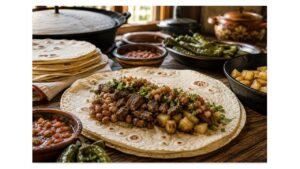
A traditional burro begins with a soft, oversized flour tortilla that has been cooked moments before on a hot comal. Inside, you’ll usually find just a handful of carefully chosen ingredients—grilled carne asada, machaca made from traditional carne seca (Northern Mexico’s famous dried beef), beans, potatoes, eggs, slow-cooked meats, or fresh cheese.
This straightforward approach reflects Northern Mexico’s ranching culture, where practical meals needed to be portable, filling, and easy to prepare. Ranch workers, farmers, and travelers could wrap breakfast, lunch, or dinner into a single flour tortilla and carry it into the fields without sacrificing flavor or freshness.
Unlike many modern burritos loaded with rice, sour cream, multiple cheeses, and elaborate sauces, authentic burros celebrate restraint. Every ingredient has a purpose, and the quality of the tortilla often matters just as much as whatever is tucked inside it.
A GREAT BURRO ISN’T DEFINED BY HOW MUCH IT HOLDS—IT’S DEFINED BY HOW WELL EVERY INGREDIENT WORKS TOGETHER.
Northern Mexico’s famous flour tortillas make this style of cooking possible. Northern Mexico Breakfast Traditions: Machacado, Burritos & Ranch Cooking explores how wheat farming and ranch culture transformed flour tortillas into one of the region’s defining everyday foods.
Why Are Burros Different from Burritos?
The words burro and burrito are often used interchangeably, but throughout Northern Mexico many people still distinguish between the two. While both rely on flour tortillas, authentic burros usually emphasize regional traditions instead of oversized portions or endless combinations of ingredients.
One of the biggest differences is simplicity. Traditional burros often feature just one primary filling—such as machaca, carne asada, beans, potatoes, or eggs—allowing each ingredient to stand on its own. Fresh salsa, roasted chiles, or a little cheese may accompany the meal, but the tortilla and filling remain the stars.
Modern restaurant burritos, particularly those popular outside Mexico, often become complete meals packed with rice, multiple cheeses, sour cream, lettuce, sauces, and numerous additional ingredients. Although delicious in their own right, they represent an evolution of the original concept rather than the everyday burros still enjoyed throughout Northern Mexico.
Regional traditions also influence size and preparation. Northern Mexican burros are wrapped tightly using fresh handmade tortillas that are thin, soft, and flexible enough to hold generous fillings without becoming heavy or difficult to eat.
THE BEST BURROS ARE BUILT ON TRADITION, NOT EXCESS.
Many authentic Mexican foods have evolved differently after crossing the border. Street Quesadillas vs American Quesadillas: Why They’re Not the Same Thing explores another great example of how traditional regional dishes often differ from the larger, ingredient-packed versions that became popular in the United States.
Why Flour Tortillas Made Burros Possible
Burros simply wouldn’t exist without Northern Mexico’s remarkable flour tortillas.
Unlike much of Central and Southern Mexico, where corn has long been the dominant grain, Northern Mexico developed a strong tradition of wheat farming after its introduction during the colonial period. No Mexican state is more closely associated with oversized handmade flour tortillas than Sonora. For generations, Sonoran cooks have perfected exceptionally thin, soft, handmade tortillas that became the ideal foundation for authentic burros. Neighboring Chihuahua developed its own traditions as well, but Sonora’s flour tortillas remain the benchmark for many Northern Mexican cooks.
Their size made them incredibly practical.
Large tortillas could wrap grilled meats, beans, potatoes, eggs, machaca, or slow-cooked stews into complete meals that stayed together while traveling across ranches or working long days in the fields. They were durable enough to carry yet soft enough to fold without cracking, making them ideal for everyday life.
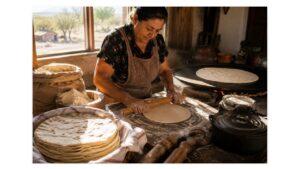
Even today, many Northern Mexican families continue making flour tortillas by hand each morning. Rolled thin, cooked briefly on a hot comal, and served almost immediately, they’re valued not simply as bread but as the foundation of countless regional dishes—including the authentic burro.
AN EXTRAORDINARY BURRO ALWAYS BEGINS WITH AN EXTRAORDINARY FLOUR TORTILLA.
Handmade flour tortillas are one of the defining ingredients of Northern Mexican cuisine. Mexican Street Food Ingredients & Cooking Terms Explained: The Building Blocks of Authentic Mexican Flavor explains the essential ingredients, cooking tools, and traditional techniques—including comales and regional flour tortillas—that give authentic Mexican dishes their distinctive character.
Why Burros Became a Northern Mexican Everyday Favorite
One reason burros have remained popular for generations is their remarkable versatility. Whether eaten for breakfast, lunch, or dinner, they can be filled with whatever fresh ingredients are available while still delivering a satisfying, complete meal.
Across Northern Mexico, family recipes vary from town to town and even from one household to the next. Some burros feature grilled carne asada with roasted chiles, while others are filled with machaca prepared from traditional carne seca, beans, potatoes, chorizo, eggs, or slow-cooked beef. Seasonal vegetables, homemade salsas, fresh cheese, and avocado are often added depending on local traditions and family preferences.
For many families throughout Sonora and the rest of Northern Mexico, making burros remains part of everyday life rather than a special occasion. Grandparents teach children how to roll paper-thin flour tortillas, parents pass down favorite carne asada marinades and homemade salsa recipes, and weekend cookouts often bring several generations together around the comal or grill. Small neighborhood cafés and roadside diners continue preparing burros much the same way they have for decades, proving that the dish’s greatest strength isn’t its size—it’s the traditions, craftsmanship, and family memories wrapped inside every handmade tortilla.
Unlike many restaurant-style burritos, authentic burros rarely try to overwhelm diners with dozens of ingredients. Instead, they celebrate balance, allowing high-quality meats, handmade flour tortillas, and fresh toppings to speak for themselves.
Their portability has also helped make them a practical favorite for ranchers, construction workers, travelers, students, and busy families. Wrapped tightly in paper or cloth, a burro travels well without losing its texture or flavor, making it one of Northern Mexico’s most dependable everyday meals.
THE MOST MEMORABLE BURROS AREN’T THE BIGGEST—THEY’RE THE ONES MADE WITH FRESH INGREDIENTS, HANDMADE TORTILLAS, AND GENERATIONS OF FAMILY TRADITION.
Many of the best burros are still found in neighborhood markets, roadside stands, and family-run cafés. Mexican Street Food Markets Explained: How to Order Like a Local and Find the Best Food Fast shares what to expect when visiting these authentic food destinations throughout Mexico.
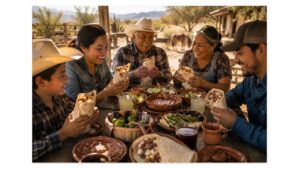
🌎 If You Ever Visit Northern Mexico…
If your travels take you through Sonora, stop at a family-owned café or roadside stand and order a freshly made burro wrapped in a handmade flour tortilla. It’s one of the region’s signature foods and one of the best ways to experience Northern Mexico’s ranch cooking traditions firsthand. As you continue through Chihuahua, Coahuila, and Nuevo León, you’ll discover local variations that reflect each region’s own culinary heritage.
Whether enjoyed on a Sonoran ranch, at a roadside café, or around a family kitchen table, authentic Northern Mexican burros remind us that some of the world’s most satisfying meals are also the simplest. Built around fresh handmade flour tortillas and generations of tradition, they continue to tell the story of Northern Mexico one delicious bite at a time.
🌶️ Peppers of Key West Products for Authentic Northern Mexican Burros
Whether your burro is filled with grilled carne asada, machaca, slow-cooked beef, eggs, beans, or roasted potatoes, the best seasonings and hot sauces should enhance the fresh ingredients—not overpower them. These Peppers of Key West favorites complement the bold yet simple flavors that have made authentic Northern Mexican burros a regional classic.
Product Pairing Quick Guide
- Macho Beefy Coffee & Ancho Steak Seasoning → Carne asada burros, grilled beef, skirt steak
- Jalapeño Garlic Hot Sauce → Machaca, eggs, potatoes, beans, breakfast burros
- Habanero Pepper Hot Sauce → Carne asada, roasted chiles, grilled onions
- Peppers of Key West 5-Pack Gift Box → Perfect for experimenting with different burro fillings and regional flavor combinations
🌶️ Build Better Northern Mexican Burros at Home
Authentic Northern Mexican burros rely on simple ingredients prepared exceptionally well. Whether you’re grilling carne asada, cooking machaca with eggs, or wrapping slow-cooked beef inside fresh handmade flour tortillas, the right seasonings and hot sauces should enhance those flavors—not overpower them. These Peppers of Key West favorites pair naturally with traditional Northern Mexican ingredients, helping you recreate the balanced, ranch-inspired flavors that have made burros a regional favorite for generations.
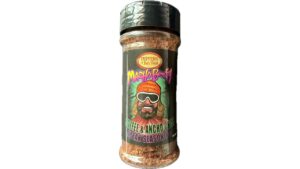
🌶️ Macho Beefy Coffee & Ancho Steak Seasoning
When grilled carne asada is the star of your burro, this seasoning brings out the natural richness of the beef with bold coffee, ancho chile, and savory spices inspired by open-fire cooking. It’s an excellent match for the simple, hearty flavors that define Northern Mexico’s ranch kitchens.
👉 Perfect For: Carne asada burros, grilled flank steak, skirt steak, fajitas, and outdoor grilling.
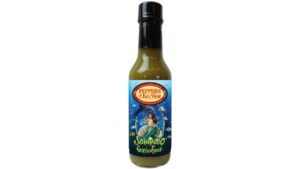
🌶️ Jalapeño Garlic Hot Sauce
Fresh jalapeños and garlic add bright, balanced heat that works beautifully with machaca, eggs, potatoes, beans, and breakfast-style burros. It enhances traditional fillings while allowing the handmade flour tortilla and fresh ingredients to remain the focus.
👉 Perfect For: Machaca, eggs, breakfast burros, beans, potatoes, and roasted vegetables.
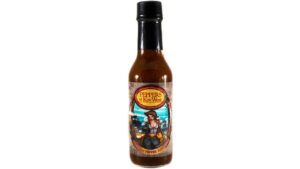
🌶️ Habanero Pepper Hot Sauce
For readers who enjoy a little more heat, this fruity habanero sauce pairs naturally with grilled beef, roasted chiles, and smoky carne asada. A few drops add vibrant flavor without masking the quality of the fresh ingredients.
👉 Perfect For: Carne asada, grilled beef, roasted onions, roasted chiles, and steak burros.

🌶️ Peppers of Key West 5-Pack Gift Box
Northern Mexican burros can be filled with everything from machaca and eggs to carne asada and slow-cooked beef. The 5-Pack makes it easy to experiment with several flavor profiles and discover your favorite pairing.
👉 Perfect For: Family taco nights, burro bars, grilling weekends, and authentic Mexican dinners.
Frequently Asked Questions
What is a burro in Northern Mexico?
An authentic Northern Mexican burro is a large handmade flour tortilla wrapped around simple, hearty fillings such as carne asada, machaca, beans, potatoes, eggs, or slow-cooked meats.
Are burros and burritos the same thing?
They’re closely related, but authentic Northern Mexican burros typically emphasize handmade flour tortillas, fewer ingredients, and traditional regional recipes, while many modern burritos have evolved into much larger, more elaborate meals.
Where did burros originate?
Burros originated in Northern Mexico, particularly in states like Sonora and Chihuahua, where wheat farming made flour tortillas a daily staple.
Why are Northern Mexican flour tortillas so large?
Their generous size made them practical for wrapping complete meals that ranchers, farmers, and travelers could carry throughout the day.
What meat is traditionally used in burros?
Popular fillings include carne asada, machaca (carne seca), slow-cooked beef, chorizo, and occasionally pork, depending on the region.
Can burros be eaten for breakfast?
Yes. Breakfast burros filled with machaca, eggs, beans, and potatoes remain popular throughout Northern Mexico.
Are burros considered street food?
Absolutely. They’re commonly sold by roadside stands, neighborhood cafés, family restaurants, and local markets throughout Northern Mexico.
What makes Sonoran flour tortillas different?
They’re known for being exceptionally large, soft, thin, and flexible, making them ideal for wrapping generous fillings without tearing.
What is traditionally served with burros?
Fresh salsa, roasted chiles, beans, grilled onions, avocado, lime wedges, and aguas frescas are common accompaniments.
Are authentic burros spicy?
Not necessarily. Most traditional burros rely on flavorful meats and fresh ingredients, while diners can add salsa or hot sauce to suit their own taste.
Continue Your Mexican Street Food Journey
From This Collection
- Mexican Street Tacos Explained: The Authentic Street Food That Started It All
- Street Quesadillas vs American Quesadillas: Why They’re Not the Same Thing
- Gorditas Explained: Mexico’s Stuffed Corn Pockets Deserve More Love
- Cemitas Explained: Mexico’s Ultimate Street Food Sandwich Loaded with Flavor
- Tlayudas Explained: Oaxaca’s Giant Street Food Masterpiece
- Huaraches Explained: Mexico’s Giant Oval Street Food Loaded with Flavor
- Mexican Street Food Ingredients & Cooking Terms Explained
- Regional Mexican Street Food Guide: Famous Dishes from Every Corner of Mexico
Expand Your Flavor Journey
- The Amazing Guide to Taco Sauce Pairing: Best Hot Sauce for Tacos, Meats, Fish & Street Taco Flavor Hacks
- Best Hot Sauce for Beef Tacos: Bold Sauces That Cut Through the Fat
- Best Hot Sauce for Breakfast Tacos: Wake Up Your Eggs with Heat
- Best Drinks for Taco Night: Margaritas, Mexican Beer & Sweet Pairings
Explore More Keywords
burros explained, authentic burros, northern Mexican burros, burro vs burrito, Sonoran burros, Chihuahua burros, oversized flour tortillas, Sonoran flour tortillas, handmade flour tortillas, flour tortilla recipes, carne asada burros, machaca burros, carne seca, grilled beef burros, breakfast burros, authentic Mexican burritos, northern Mexican food, Sonora cuisine, Chihuahua cuisine, regional Mexican cuisine, Mexican ranch cooking, traditional Mexican street food, authentic Mexican street food, comal cooking, wheat flour tortillas, ranch-style Mexican cooking, Mexican culinary traditions, portable Mexican meals, everyday Mexican food, authentic Sonoran food, northern Mexico cuisine, Mexican comfort food, traditional flour tortillas, regional Mexican specialties, handmade tortillas, carne asada, machaca con huevo, authentic Mexican cuisine
