
Tamales Explained: The Ancient Mexican Comfort Food That Still Dominates Street Food Culture
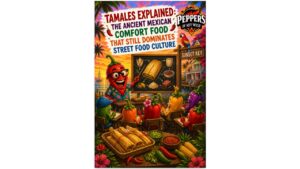
Tamales have survived empires, centuries, family recipes, street vendors, and every food trend imaginable. Wrapped in corn husks and packed with flavorful fillings, these ancient Mexican comfort foods continue to dominate street food culture because they deliver the perfect combination of tradition, portability, and incredible flavor.
Some foods become popular for a few years and disappear.
Tamales have been winning people over for thousands of years.
Long before food trucks, taco stands, social media food trends, and modern restaurants existed, tamales were already feeding travelers, workers, warriors, and families throughout Mesoamerica. Wrapped in corn husks and packed with flavorful fillings, they were portable, practical, and surprisingly delicious.
Thousands of years later, not much has changed.
Tamales remain one of the most beloved foods in Mexican cuisine because they combine comfort, tradition, convenience, and incredible flavor in a way few dishes can match. Whether filled with pork, chicken, beef, cheese, peppers, vegetables, or sweet ingredients, tamales continue to occupy a special place in Mexican culture and street food traditions.
If you’re exploring authentic Mexican street food beyond tacos, tamales are impossible to ignore. They represent one of the oldest surviving examples of portable street food and remain a staple at festivals, family gatherings, markets, and street vendors throughout Mexico.
While tacos often dominate conversations about Mexican cuisine, they’re only one part of a much larger street food culture filled with Elote, tortas, tostadas, churros, seafood specialties, and countless regional favorites. For a complete overview, explore Mexican Street Food Beyond Tacos: Elote, Tortas, Tamales & More before diving deeper into these iconic dishes.
Before exploring fillings, regional styles, and hot sauce pairings, it helps to understand why tamales have survived for centuries while countless other foods have faded into history.
Quick Guide: Why Tamales Remain So Popular
- Ancient roots create deep cultural significance.
- Portable design makes them ideal street food.
- Endless filling options create variety.
- Masa provides comforting texture.
- Regional styles keep the tradition evolving.
- Perfect balance of simplicity and flavor.
- Family recipes preserve generations of history.
WHEN A FOOD SURVIVES FOR THOUSANDS OF YEARS, IT’S PROBABLY DOING SOMETHING RIGHT.
The Ancient Origins of Tamales and Why They Still Matter Today
Few foods can trace their history back as far as tamales.
Historians believe tamales were being prepared throughout Mesoamerica thousands of years before European contact. Indigenous civilizations relied heavily on corn as a dietary staple, and tamales provided an efficient way to transport food during travel, hunting expeditions, military campaigns, and daily work.
The concept was brilliantly simple.
Ground corn masa formed the foundation.
Fillings added flavor and nutrition.
Corn husks or banana leaves protected everything during cooking.
The finished product was portable, durable, and filling.
In many ways, tamales were one of the world’s earliest convenience foods.
But unlike modern convenience foods, tamales were deeply connected to cultural traditions, celebrations, and family gatherings. Recipes passed from generation to generation, often becoming treasured family heirlooms.
Today, that cultural significance remains intact.
Many families still gather during holidays to prepare large batches together. Street vendors continue selling tamales throughout Mexico. Regional recipes remain fiercely protected and proudly shared.
The reason tamales endure is simple.
They’re more than food.
They’re tradition wrapped in a corn husk.
THE BEST COMFORT FOODS DON’T JUST FEED PEOPLE—THEY CONNECT GENERATIONS.
If you’re interested in another iconic food deeply connected to Mexican culinary traditions, you’ll enjoy Mexican Street Corn (Elote) So Addictive You’ll Forget Tacos Exist, which explores another street food favorite built around corn.
What Makes Tamales Different from Almost Every Other Street Food
At first glance, tamales may seem simple.
But they’re unlike almost anything else found in global street food culture.
Most street foods rely on grilling, frying, roasting, or assembling ingredients quickly for immediate consumption.
Tamales require patience.
The masa must be prepared properly.
Fillings must be cooked and seasoned.
Each tamal is assembled by hand.
Then everything is steamed until the texture becomes soft, tender, and perfectly cohesive.
The result is a completely different eating experience.
Instead of crispy textures and charred edges, tamales offer warmth, comfort, richness, and depth. Every bite combines soft masa with flavorful fillings that slowly reveal themselves as you eat.
This slower, more comforting style of street food helps explain why tamales remain so popular.
They’re satisfying without being complicated.
Familiar without being boring.
Simple without feeling plain.
Whether filled with pork in red chile sauce, chicken in green salsa, cheese and peppers, vegetables, or sweet ingredients, the core appeal remains remarkably consistent.
Tamales feel like home.
That’s a powerful quality for any food to possess.
GREAT STREET FOOD EXCITES YOU. GREAT COMFORT FOOD STAYS WITH YOU. TAMALES SOMEHOW DO BOTH.
For another look at how sauces and fillings help define Mexican street food, check out Mexican Street Food Sauces Beyond Salsa: Crema, Chili Oils, Citrus Heat & More.
Traditional Tamale Fillings That Actually Matter
One of the biggest misconceptions about tamales is that they’re all basically the same.
Nothing could be further from the truth.
While the masa provides the foundation, the filling is often what defines the personality of the tamal. Different regions, families, and vendors use different ingredients, seasonings, and preparation methods that create dramatically different eating experiences.
Popular tamale fillings include:
- Pork in red chile sauce
- Chicken in green salsa
- Beef with roasted peppers
- Cheese and jalapeños
- Beans and cheese
- Vegetable tamales
- Sweet tamales with fruit, cinnamon, or raisins
Pork remains one of the most traditional fillings because it pairs beautifully with the soft masa and rich chile sauces often used throughout Mexico. Chicken provides a lighter option while still delivering plenty of flavor.
Cheese and pepper tamales remain popular among vegetarians, while sweet tamales offer a completely different experience that surprises many first-time visitors.
What makes tamales fascinating is how family recipes often become local legends. Two tamales that appear similar on the outside may taste completely different depending on the cook’s seasoning, sauce, filling ratio, and preparation techniques.
The best tamales aren’t necessarily the most complicated.
They’re the ones that achieve balance between the masa and the filling.
THE SECRET TO GREAT TAMALES ISN’T WHAT’S INSIDE—IT’S HOW EVERYTHING WORKS TOGETHER.
If you’re interested in another Mexican street food that showcases endless flavor combinations, you’ll enjoy Tortas Loaded with Meat, Melted Cheese & Street Food Flavor That Hits Hard.
Best Hot Sauces for Tamales
Tamales may be one of the most comforting foods in Mexican cuisine, but that doesn’t mean they should be boring.
The soft, rich texture of masa creates an ideal canvas for hot sauce.
Because tamales tend to be milder than tacos or grilled street foods, the right sauce can completely transform the eating experience. A well-chosen hot sauce adds brightness, heat, acidity, and complexity without overwhelming the filling.
Jalapeño sauces work beautifully with chicken and vegetable tamales because they provide fresh pepper flavor while maintaining balance.
Cayenne sauces pair particularly well with pork tamales by reinforcing smoky and savory notes.
Best Sauce Pairings for Tamales
- Jalapeño Garlic Sauce → Chicken Tamales
- Cayenne Pepper Sauce → Pork Tamales
- Habanero Sauce → Cheese & Pepper Tamales
- Carolina Reaper Sauce → For Serious Heat Lovers

Peppers of Key West Habanero Hot Sauce
Bright tropical heat that complements pork, chicken, and cheese-filled tamales without overpowering their flavor.
Habanero sauces often surprise people because their natural fruitiness pairs exceptionally well with masa. The combination creates a balance of richness and brightness that keeps each bite interesting.
For adventurous eaters, Ghost Pepper and Carolina Reaper sauces can add a completely different dimension to traditional tamales. The key is using them carefully. Tamales should still taste like tamales.
GREAT HOT SAUCE DOESN’T HIDE THE TAMALE—IT HELPS THE TAMALE SHINE.
For more pairing ideas, explore Best Hot Sauces for Mexican Street Corn, Tortas & Tamales.
Regional Tamale Styles Across Mexico
One reason tamales have survived for thousands of years is their incredible adaptability.
Nearly every region of Mexico has developed its own version.
Popular regional styles include:
- Northern Mexican pork tamales
- Oaxacan tamales wrapped in banana leaves
- Yucatecan tamales with regional spices
- Sweet dessert tamales
- Seafood tamales from coastal regions
Oaxacan tamales are among the most recognizable because they’re wrapped in banana leaves instead of corn husks. The leaves add moisture and subtle flavor while creating a completely different appearance.
Coastal regions often feature seafood-based fillings that reflect local ingredients and traditions.
In some areas, tamales are massive and designed to serve multiple people. In others, they’re smaller and intended as portable street food.
The differences may seem dramatic, but they all share the same foundation: masa, filling, and tradition.
That’s part of what makes tamales such an important cultural food. They evolve from region to region without losing their identity.
THE BEST FOOD TRADITIONS ADAPT TO NEW GENERATIONS WITHOUT FORGETTING THEIR ROOTS.
If you enjoy discovering regional specialties, don’t miss Mexican Street Food for First-Timers: What to Order and Why.
Best Peppers of Key West Sauces for Tamales
Tamales already deliver comfort, richness, and tradition. The right hot sauce simply helps bring those flavors into sharper focus.
Because tamales feature soft masa and savory fillings, they pair exceptionally well with sauces that add brightness and contrast.
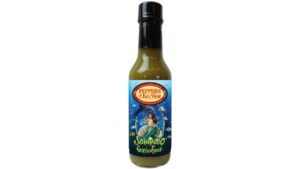
Perfect for chicken tamales, vegetable tamales, and milder fillings where fresh pepper flavor can shine.
Jalapeño sauces provide balance without overwhelming traditional flavors.
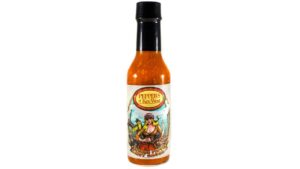
A natural match for pork tamales and red chile fillings thanks to its classic pepper flavor and moderate heat.
Cayenne helps reinforce savory flavors while adding just enough kick.

Built for serious heat lovers who want to turn traditional tamales into an extreme flavor experience.
For those who enjoy pushing limits, Carolina Reaper sauces create unforgettable heat while still allowing the masa and filling to remain the stars.
Peppers of Key West sauces work especially well because they focus on flavor as much as heat. Instead of simply adding spice, they introduce citrus, pepper complexity, and tropical character that complement traditional Mexican foods.
Whether you’re serving pork, chicken, cheese, vegetable, or sweet tamales, the right sauce helps create an even more memorable meal.
If you’re exploring the complete world of Mexican street food, these same sauces pair beautifully with Elote, tortas, tostadas, seafood specialties, and many of the dishes featured in Mexican Street Food Beyond Tacos: Elote, Tortas, Tamales & More.
Shop the complete Peppers of Key West Sauce Collection and discover the perfect heat level for tamales, tortas, tacos, Mexican street corn, seafood, and more.
Conclusion
Few foods can claim a history stretching back thousands of years while still remaining a beloved part of everyday life.
Tamales have managed to do exactly that.
What began as a practical way to transport food across ancient civilizations evolved into one of the most cherished comfort foods in Mexican culture. Wrapped in corn husks or banana leaves and filled with everything from pork and chicken to cheese, peppers, vegetables, and sweet ingredients, tamales continue to bring people together across generations.
Their appeal goes beyond flavor.
Tamales represent family traditions, cultural heritage, regional pride, and the simple comfort of a warm meal made with care.
Whether you enjoy them from a street vendor, at a holiday gathering, or fresh from a family kitchen, tamales remain one of the most authentic and enduring examples of Mexican street food.
Add the right Peppers of Key West hot sauce, and this ancient comfort food gains an entirely new layer of flavor without losing the traditions that made it legendary in the first place.
Frequently Asked Questions:
What is a tamale?
A tamale is a traditional Mexican dish made from masa (corn dough) filled with meats, cheeses, vegetables, or sweet ingredients, wrapped in a corn husk or banana leaf, and steamed until tender.
How old are tamales?
Tamales date back thousands of years to ancient Mesoamerican civilizations and are considered one of the oldest prepared foods still commonly eaten today.
What are traditional tamale fillings?
Popular fillings include pork in red chile sauce, chicken in green salsa, beef, cheese and peppers, beans, vegetables, and sweet fillings made with fruit or cinnamon.
Why are tamales wrapped in corn husks?
Corn husks help protect the tamales during steaming while helping them maintain their shape and moisture.
What is masa?
Masa is a dough made from nixtamalized corn and serves as the foundation for tamales, tortillas, and many other traditional Mexican foods.
What’s the difference between tamales and tacos?
Tacos are built with tortillas and assembled before eating, while tamales are fully enclosed in masa, wrapped, and steamed before serving.
Are tamales considered street food?
Yes. Tamales are widely sold by street vendors, markets, food stalls, and small restaurants throughout Mexico and many parts of Latin America.
What hot sauce pairs best with tamales?
Jalapeño, cayenne, habanero, and Carolina Reaper sauces can all pair well depending on the filling and desired heat level.
Can tamales be sweet?
Absolutely. Sweet tamales often contain cinnamon, raisins, fruit, chocolate, or other dessert-inspired ingredients.
Why are tamales so important in Mexican culture?
Tamales are deeply connected to family traditions, celebrations, holidays, and regional identities, making them one of the most culturally significant foods in Mexican cuisine.
Check These Out for More Flavor
- Mexican Street Food Beyond Tacos: Elote, Tortas, Tamales & More
- Mexican Street Corn (Elote) So Addictive You’ll Forget Tacos Exist
- Tortas Loaded with Meat, Melted Cheese & Street Food Flavor That Hits Hard
- Mexican Street Food Sauces Beyond Salsa: Crema, Chili Oils, Citrus Heat & More
- Best Hot Sauces for Mexican Street Corn, Tortas & Tamales
- Mexican Street Food for First-Timers: What to Order and Why
- The Most Underrated Mexican Street Foods Americans Need Immediately
- Best Mexican Street Food Party Menu for Feeding a Crowd
- Best Taco Meats Ranked from Carne Asada to Birria with Bold Flavor & Street Taco Heat
- Best Hot Sauce for Chicken Tacos (Fix Bland Chicken Fast + Flavor Pairings That Actually Work)
- What Makes Mexican Street Tacos Different from Regular Tacos?
- Best Taco Sauces for Taco Night: Salsa, Crema, Hot Sauce & More
Explore More Tamale Keywords
tamales, mexican tamales, authentic tamales, traditional tamales, pork tamales, chicken tamales, beef tamales, cheese tamales, sweet tamales, homemade tamales, tamale recipe, masa dough, corn husk tamales, banana leaf tamales, oaxacan tamales, mexican comfort food, mexican street food, authentic mexican food, tamale fillings, how to make tamales, steamed tamales, tamale history, ancient mexican food, traditional mexican recipes, holiday tamales, family tamale recipes, regional mexican cuisine, street vendor tamales, best tamale fillings, pork in red chile sauce, chicken in green salsa, classic mexican dishes, savory tamales, sweet dessert tamales, homemade mexican food, tamales explained, regional tamale styles, authentic street food
