Burritos Explained: Northern Mexico’s Handheld Meal That Conquered the World
Few foods have traveled farther than the humble burrito. From the ranches of Northern Mexico to restaurants across North America and beyond, this rolled flour tortilla has become one of the world’s most recognizable handheld meals. But the authentic Mexican burrito isn’t overloaded with endless fillings or dripping with cheese sauce. Instead, it began as a practical, portable meal built around fresh flour tortillas, quality meats, and simple ingredients that could satisfy hungry ranchers, travelers, and workers alike. Understanding where burritos came from reveals a fascinating story of regional traditions, border culture, and Northern Mexico’s lasting influence on global cuisine.
Today, burritos appear on menus from New York to Tokyo, filled with everything from grilled steak and rice to Korean barbecue, buffalo chicken, and breakfast eggs. They’ve become one of the world’s most recognizable comfort foods, yet surprisingly few people know where the burrito actually began or what an authentic Mexican burrito looks like.
The story starts in Northern Mexico, where large flour tortillas have been part of everyday life for generations. In states like Sonora and Chihuahua, wheat flour grows more successfully than corn in the region’s dry climate, making soft, oversized flour tortillas the natural choice for family meals. Ranchers, miners, farmers, and travelers quickly discovered that wrapping freshly grilled meats and simple fillings inside a warm flour tortilla fresh off the comal created a meal that was portable, filling, and easy to enjoy on the move.
Over time, that practical meal crossed borders, adapted to new tastes, and evolved into countless regional variations. While many modern burritos have become famous for their generous portions and creative fillings, the traditional Northern Mexican version remains refreshingly simple, allowing freshly made tortillas and quality ingredients to take center stage.
Whether you’re planning a trip through Northern Mexico or simply curious about one of the world’s favorite handheld meals, understanding authentic burritos offers a deeper appreciation for the people, places, and traditions that shaped them.
If you’re exploring the incredible variety of Mexican handheld foods, start with our Mexican Street Food Beyond Tacos: Elote, Tortas, Tamales & More guide before discovering how burritos fit into Mexico’s rich street food tradition.
Quick Guide
- What is an authentic Mexican burrito? An authentic Mexican burrito is a large flour tortilla wrapped around simple fillings such as beef, beans, machaca, chile colorado, or other regional ingredients rather than being packed with numerous toppings.
- Where did burritos originate? Burritos originated in Northern Mexico, particularly in states such as Sonora and Chihuahua, where flour tortillas have long been a staple of regional cooking.
- Why are burritos made with flour tortillas? Northern Mexico’s climate favors wheat production, making large flour tortillas the traditional foundation for burritos.
- What’s the difference between a Mexican burrito and an American burrito? Traditional Mexican burritos are generally smaller, simpler, and focused on a few fresh ingredients, while many American burritos include rice, multiple cheeses, sour cream, lettuce, and numerous fillings.
- Are burritos considered Mexican street food? Yes. Burritos are commonly sold from street stands, neighborhood cafés, markets, and roadside eateries throughout Northern Mexico.
- Are burros and burritos the same thing? In much of Northern Mexico, especially Sonora, the terms are often used interchangeably, although regional traditions and naming conventions vary.
What Is a Burrito?
To many people, the word burrito brings to mind an enormous tortilla stuffed with rice, beans, cheese, lettuce, salsa, guacamole, sour cream, and multiple meats. While that style has become enormously popular, it represents just one chapter in the burrito’s much longer story.
Authentic Mexican burritos are rooted in practicality rather than abundance. Their purpose was never to include as many ingredients as possible. Instead, they were designed to provide a satisfying meal that could be prepared quickly, wrapped securely, and eaten without utensils while working on ranches, traveling between towns, or spending long days outdoors.
Everything begins with the tortilla. In kitchens across Northern Mexico, handmade flour tortillas come fresh off the hot comal—thin, soft, flexible, and large enough to wrap generous portions without overwhelming the filling. Inside, cooks typically focus on one or two primary ingredients such as carne asada, machaca, beans, chile verde, chile colorado, or slow-cooked meats. This restrained approach allows each ingredient to shine while keeping the burrito balanced and easy to eat.
As burritos spread beyond Northern Mexico, local tastes introduced new ingredients and larger portions. Those adaptations helped popularize the dish internationally, but they also created the common misconception that every burrito should be oversized and filled with dozens of ingredients.
For readers interested in the Northern Mexican roots of this tradition, our Burros Explained: Northern Mexico’s Oversized Flour Tortilla Classic explores the regional style that helped inspire today’s burritos.
 🌶️ Professor Pepper Says…
The tortilla is the true hero of an authentic burrito. In Northern Mexico, families often judge a burrito as much by the quality of its handmade flour tortilla as by the filling inside.
AUTHENTIC BURRITOS CELEBRATE THE QUALITY OF A FEW EXCEPTIONAL INGREDIENTS RATHER THAN THE QUANTITY OF FILLINGS.
Why Northern Mexico Became the Birthplace of the Burrito
The burrito could only have developed in a place like Northern Mexico, where geography, agriculture, and daily life naturally came together to create the perfect handheld meal.
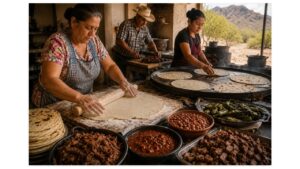
Unlike much of Central and Southern Mexico, where corn tortillas dominate everyday cooking, Northern Mexico has long been known for its wheat production. The region’s drier climate proved well suited to growing wheat, and over generations families perfected the art of making large, remarkably thin flour tortillas that became a defining feature of states such as Sonora and Chihuahua.
Life in the north also demanded practical food. Ranchers, vaqueros, miners, railroad workers, and travelers often spent long hours away from home, making portable meals both convenient and necessary. Wrapping freshly prepared meats and beans inside warm flour tortillas created a hearty meal that stayed together, traveled well, and required no plates or utensils.
As trade routes expanded and communities along the U.S.–Mexico border grew, the burrito began to spread beyond its regional roots. Travelers carried recipes across borders, restaurants adapted them for new audiences, and over time the burrito evolved into one of the world’s most recognizable Mexican-inspired foods. Yet throughout Northern Mexico, the traditional version remains deeply connected to family kitchens, roadside cafés, neighborhood fondas, and generations of tortilla-making expertise.
Over generations, Sonoran families refined the art of making remarkably thin, supple flour tortillas that could stretch around generous fillings without tearing. Cooked on hot comales and often made fresh each morning, these tortillas became more than simple bread—they became one of Northern Mexico’s defining culinary traditions and the foundation of the authentic burrito.
Continue your journey through the region with our Regional Mexican Street Food Guide: Famous Dishes from Every Corner of Mexico to discover how ranching traditions, flour tortillas, carne asada, and regional cooking continue to shape one of the country’s most distinctive culinary identities.
THE BURRITO DIDN’T BECOME A GLOBAL FAVORITE BY ACCIDENT—IT WAS BORN FROM THE LANDSCAPE, AGRICULTURE, AND WORKING TRADITIONS OF NORTHERN MEXICO.
Why Burritos Spread Far Beyond Northern Mexico
Few regional foods have traveled as successfully as the burrito. What began as a practical meal for ranchers, laborers, miners, and travelers in Northern Mexico gradually crossed borders and adapted to new communities, eventually becoming one of the world’s most recognizable handheld foods.
The burrito’s greatest strength has always been its simplicity. A fresh flour tortilla can be wrapped around almost any filling, making it easy to prepare, transport, and enjoy without utensils. That practicality made burritos popular with railroad workers, farmers, students, families, and anyone looking for a satisfying meal on the go.
As Northern Mexican communities expanded and cultural exchange increased along the U.S.–Mexico border, restaurants began introducing burritos to new audiences. Local ingredients and customer preferences naturally influenced recipes, leading to larger portions and additional fillings that differed from the traditional Northern Mexican style. Rice, multiple cheeses, lettuce, sour cream, and other ingredients gradually became common in many American burritos, creating the style most people recognize today.
Despite those changes, authentic Northern Mexican burritos never disappeared. Throughout Sonora, Chihuahua, and neighboring states, family-owned cafés, roadside stands, neighborhood fondas, and local markets continue preparing burritos much as they have for generations—using freshly made flour tortillas and a handful of carefully chosen ingredients.
Rather than viewing these different styles as competitors, it’s better to see them as chapters in the burrito’s ongoing story. One celebrates regional tradition, while the other reflects how a beloved food evolved as it traveled across cultures and continents.
Burritos aren’t the only Mexican food that’s often misunderstood. Learn how authentic Mexican street quesadillas compare to their American counterparts in Street Quesadillas vs American Quesadillas: Why They’re Not the Same Thing?
THE WORLD EMBRACED THE BURRITO, BUT ITS HEART STILL BELONGS TO THE FLOUR TORTILLA TRADITIONS OF NORTHERN MEXICO.
Traditional Burrito Fillings That Define Northern Mexico
One of the biggest surprises for first-time visitors to Northern Mexico is how uncomplicated authentic burritos really are. Instead of combining numerous fillings into a single tortilla, most traditional burritos focus on one featured ingredient paired with complementary flavors that allow the quality of the food to stand on its own.
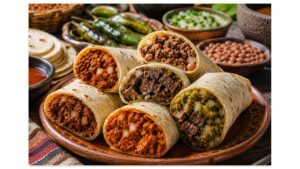
Carne asada remains one of the region’s most celebrated fillings. Thin slices of mesquite-grilled beef wrapped inside a warm flour tortilla showcase Northern Mexico’s ranching heritage and weekend grilling culture. The smoky flavor of the beef pairs perfectly with the soft texture of freshly made tortillas.
Another longtime favorite is machaca, dried beef that is shredded, rehydrated, and lightly seasoned before being wrapped inside the tortilla. Deeply connected to Sonora’s ranching traditions, machaca provided an ingenious way to preserve beef long before refrigeration became common, and it remains a beloved breakfast and lunch filling today.
Home cooks also prepare burritos with frijoles, chile colorado, chile verde, picadillo, slow-cooked pork, and other regional recipes passed from one generation to the next. Many neighborhood cafés proudly specialize in just a handful of fillings, focusing on consistency and fresh ingredients rather than endless choices.
This emphasis on simplicity reflects a broader philosophy found throughout Northern Mexican cuisine. High-quality meats, handmade flour tortillas, and time-honored family recipes take priority over elaborate combinations, allowing each ingredient to contribute its own distinct flavor.
To learn more about the ingredients that make these regional specialties possible, visit The Complete Mexican Street Food Guide: Ingredients, Dishes, Regions & Cooking Terms Explained.
🌶️ Professor Pepper Says…
In many Sonoran burrito shops, customers choose the filling first because the handmade flour tortilla is already expected to be exceptional. The tortilla isn’t just the wrapper—it’s part of the meal itself.
THE BEST AUTHENTIC BURRITOS PROVE THAT OUTSTANDING INGREDIENTS DON’T NEED TO BE HIDDEN UNDER DOZENS OF TOPPINGS.
How to Order an Authentic Burrito Like a Local
Visiting Northern Mexico offers an entirely different burrito experience than many travelers expect. Instead of scanning a menu filled with dozens of customizable combinations, you’ll often find neighborhood burrito shops specializing in a carefully curated selection of traditional fillings that have been perfected over generations.
A typical order begins by choosing the filling rather than the toppings. Depending on the café or burrito stand, options may include carne asada, machaca, chile colorado, chile verde, frijoles, picadillo, or slow-cooked pork. Once you’ve made your selection, the cook wraps it inside a freshly made flour tortilla that was often prepared earlier that same day.
One of the best ways to experience authentic burritos is to ask what the house specialty is. Many family-owned establishments are known for one signature filling, and locals return specifically for that recipe. Trusting the recommendation of the cook or the person taking your order is often the easiest way to discover a regional favorite.
You’ll also notice that authentic burritos are rarely overwhelmed with toppings. A simple salsa, roasted chile, or squeeze of fresh lime is usually all that’s needed. The goal isn’t to disguise the filling but to complement the flavor of the meat and the freshness of the tortilla.
Like many of Mexico’s best street foods, burritos are meant to be enjoyed fresh. Whether you’re standing beside a roadside stand, sitting at a neighborhood fonda, or grabbing lunch from a small café, the experience is at its best when the tortilla is still warm from the comal.
If you enjoy discovering authentic local food experiences, our Mexican Street Food Markets Explained: How to Order Like a Local and Find the Best Food Fast guide offers more tips for navigating Mexico’s markets and neighborhood food stalls with confidence.
🌶️ Professor Pepper Says…
If you hear a local recommend a burrito shop because “they make their own tortillas,” pay attention. In Northern Mexico, that’s often considered the highest compliment a burrito stand can receive.
THE BEST BURRITO EXPERIENCE COMES FROM TRUSTING LOCAL TRADITIONS, FRESH TORTILLAS, AND THE HOUSE SPECIALTY.
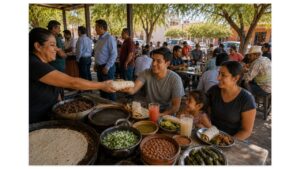
Why Every Burrito Tells the Story of Northern Mexico
Long before burritos became a worldwide favorite, they reflected the everyday rhythm of life across Northern Mexico. They were practical enough to travel across ranches and farms, hearty enough to satisfy hardworking families, and simple enough to showcase the ingredients that the region has always done best.
That connection remains just as strong today. Sonora’s famous flour tortillas, Chihuahua’s ranching traditions, and the hardworking communities that shaped Northern Mexican cuisine continue to influence every authentic burrito served throughout the region. While modern versions have introduced countless new fillings and flavors, the original philosophy remains unchanged: start with an exceptional tortilla, use high-quality ingredients, and let simplicity speak for itself.
For travelers, tasting an authentic burrito is more than checking another famous food off a list. It’s an opportunity to experience a culinary tradition that reflects the landscapes, agriculture, and families who helped shape Northern Mexico for generations.
Whether you’re enjoying a roadside burrito outside Hermosillo, grabbing lunch at a neighborhood café in Chihuahua City, or making your own at home with freshly grilled meat and handmade flour tortillas, you’ll be experiencing a meal whose greatest strength has never been its size—it has always been its authenticity.
EVERY AUTHENTIC BURRITO WRAPS TOGETHER THE FLAVORS, LANDSCAPES, AND FAMILY TRADITIONS THAT DEFINE NORTHERN MEXICO.
🌶️ Recommended Peppers of Key West Products for Authentic Northern Mexican Burritos
Authentic Northern Mexican burritos are built around handmade flour tortillas, grilled meats, and simple, bold flavors. Instead of covering those flavors, the right hot sauce should enhance them. These four Peppers of Key West favorites pair naturally with carne asada, machaca, beans, chile verde, and other traditional burrito fillings.
Product Pairing Quick Guide
- Carne Asada Burritos → Jalapeño Garlic Pepper Sauce
- Machaca & Breakfast Burritos → Serrano Pepper Sauce
- Bean, Chile Verde & Pork Burritos → Cayenne Pepper Sauce
- Burrito Night & Family Gatherings → Peppers of Key West 5-Pack Gift Set
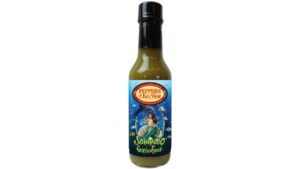
🌶️ Jalapeño Garlic Pepper Sauce
Fresh jalapeños and roasted garlic are a natural match for the grilled beef that defines many authentic Northern Mexican burritos. The balanced flavor complements carne asada without overpowering the handmade flour tortilla or smoky mesquite flavors.
👉 Perfect For: Carne asada burritos, grilled steak, fajitas, tacos, burgers, and roasted vegetables.
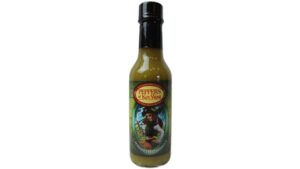
🌶️ Serrano Pepper Sauce
Traditional machaca, eggs, beans, and breakfast burritos benefit from the bright, clean flavor of serrano peppers. This sauce adds fresh heat that enhances classic Northern Mexican fillings while letting every ingredient remain the star of the burrito.
👉 Perfect For: Machaca burritos, breakfast burritos, eggs, beans, potatoes, tacos, and grilled chicken.
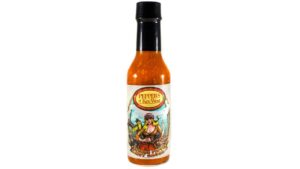
🌶️ Cayenne Pepper Sauce
When your burrito features chile verde, slow-cooked pork, beans, or shredded beef, Cayenne Pepper Sauce delivers a smooth, medium heat that blends beautifully with savory fillings without masking their authentic flavors.
👉 Perfect For: Bean burritos, chile verde, pork, shredded beef, enchiladas, tacos, and rice bowls.

🌶️ Peppers of Key West 5-Pack Gift Set
Authentic burritos come in many regional styles, from carne asada and machaca to chile colorado and bean burritos. The 5-Pack Gift Set makes it easy to experiment with different flavor pairings and discover your favorite combination for homemade burrito nights.
👉 Perfect For: Burrito bars, taco nights, backyard grilling, family dinners, gifts, and entertaining.
The burrito’s journey from the ranches and roadside cafés of Northern Mexico to restaurant menus around the world is one of the greatest success stories in Mexican cuisine. Yet despite its worldwide popularity, the authentic burrito remains remarkably true to its roots.
In Sonora and Chihuahua, handmade flour tortillas, carefully prepared fillings, and generations of family traditions continue to define what a burrito should be. Rather than relying on endless toppings, these regional classics celebrate fresh ingredients, skilled craftsmanship, and the practical spirit that first made burritos an everyday meal.
Whether you’re traveling through Northern Mexico or recreating authentic burritos at home, understanding their origins makes every bite more meaningful. Sometimes the world’s most famous foods become iconic not because they constantly change, but because generations of families perfected the simple things.
Frequently Asked Questions
What is an authentic Mexican burrito?
An authentic Mexican burrito is a large flour tortilla wrapped around a few traditional fillings such as carne asada, machaca, beans, or chile colorado, emphasizing quality over quantity.
Where did burritos originate?
Most food historians trace the burrito to Northern Mexico, particularly Sonora and Chihuahua, where handmade flour tortillas have long been part of everyday cooking.
Why are burritos made with flour tortillas?
Northern Mexico’s dry climate has favored wheat production for generations, making flour tortillas the traditional choice throughout the region.
Are burros and burritos the same thing?
In many parts of Northern Mexico, especially Sonora, the terms are often used interchangeably, although regional naming traditions vary.
Do authentic burritos contain rice?
Traditionally, no. Most authentic Northern Mexican burritos focus on one or two fillings wrapped inside a fresh flour tortilla.
What meats are commonly used in authentic burritos?
Carne asada, machaca, chile colorado, chile verde, picadillo, and slow-cooked pork are among the most traditional fillings.
Are burritos considered Mexican street food?
Yes. Burritos are commonly sold from neighborhood cafés, roadside stands, markets, and small family-run eateries throughout Northern Mexico.
Why are Sonoran flour tortillas so famous?
They’re known for being exceptionally large, thin, soft, and flexible, making them ideal for wrapping traditional burritos.
What’s the biggest difference between Mexican and American burritos?
Authentic Mexican burritos emphasize fresh tortillas and simple fillings, while many American versions include numerous additional ingredients and much larger portions.
What should I order on my first visit to a burrito stand in Northern Mexico?
Ask for the house specialty. Many family-run burrito shops are known for one signature filling that reflects local traditions and generations of experience.
Continue Your Mexican Street Food Journey
More Mexican Street Foods Worth Trying
- Burros Explained: Northern Mexico’s Oversized Flour Tortilla Classic
- Mexican Street Tacos Explained: The Authentic Street Food That Started It All
- Picadas Explained: Veracruz’s Handmade Corn Cakes Loaded with Authentic Street Food Flavor
- Tamales Explained: The Ancient Mexican Comfort Food That Still Dominates Street Food Culture
- Tortas Loaded with Meat, Melted Cheese & Street Food Flavor That Hits Hard
- Cemitas Explained: Mexico’s Ultimate Street Food Sandwich Loaded with Flavor
- Gorditas Explained: Mexico’s Stuffed Corn Pockets Deserve More Love
- Huaraches Explained: Mexico’s Giant Oval Street Food Loaded with Flavor
Expand Your Mexican Food Journey
- The Complete Mexican Street Food Guide: Ingredients, Dishes, Regions & Cooking Terms Explained
- Hot Sauce Heat Level Guide So You Stop Guessing and Start Handling Real Heat Like a Pro
- The Amazing Guide to Taco Sauce Pairing: Best Hot Sauce for Tacos, Meats, Fish & Street Taco Flavor Hacks
- Best Hot Sauce for Beef Tacos: Bold Sauces That Cut Through the Fat
Explore More Keywords
Mexican burritos, authentic burritos, Sonoran burritos, Chihuahua burritos, Northern Mexican cuisine, flour tortillas, handmade flour tortillas, carne asada burritos, machaca burritos, chile verde burritos, chile colorado burritos, bean burritos, burrito history, burrito origin, Mexican handheld food, Sonora food culture, Northern Mexico food, authentic Mexican street food, roadside burritos, neighborhood burrito stand, traditional Mexican lunch, ranch cooking Mexico, Mexican comfort food, regional Mexican dishes, wheat tortillas Mexico, Hermosillo food, Sonoran cuisine, family-run tortillería, authentic Mexican flour tortillas, everyday Mexican food, Mexican regional cuisine, Mexican food traditions, travel Mexico food, Mexican culinary culture.
