Cabrito Explained: Northern Mexico’s Legendary Fire-Roasted Goat That Defines Monterrey Cuisine
If someone told you that one of Mexico’s most legendary regional dishes is a whole young goat slowly roasting over glowing coals for hours, you might assume they’re exaggerating. They’re not. In northern Mexico, cabrito is more than dinner—it’s a celebration of ranching traditions, family gatherings, and generations of wood-fired cooking passed from one pitmaster to the next. Whether you’re strolling through Monterrey’s famous cabrito restaurants or attending a weekend family barbecue in Nuevo León, the aroma of slowly roasting meat fills the air long before the first bite is served. While tacos often steal the spotlight outside Mexico, cabrito reminds visitors that some of the country’s greatest culinary traditions are born around open flames, patient cooking, and an appreciation for simple ingredients prepared exceptionally well.
Long before Monterrey became one of Mexico’s largest cities, ranchers across the rugged landscapes of Nuevo León were raising goats that thrived in the region’s dry climate. Over generations, those ranching traditions evolved into one of northern Mexico’s most celebrated culinary experiences: cabrito, a young goat slowly roasted over hardwood coals until the meat becomes tender, juicy, and richly flavorful.
Visitors expecting another version of barbacoa or birria are often surprised. Cabrito isn’t shredded or heavily seasoned. Instead, the cooking method allows the natural flavor of the meat to take center stage, creating a dish that reflects northern Mexico’s ranching heritage more than complex sauces or marinades. It’s a meal built on patience, craftsmanship, and generations of experience.
At Peppers of Key West, we love exploring the regional traditions that make Mexican cuisine so remarkable. From northern ranch cooking and flour tortilla traditions to coastal seafood specialties and ancient Indigenous recipes, our guides help food lovers understand not only what makes each dish unique, but also the places and people that shaped it.
Cabrito is just one example of the remarkable diversity found throughout Mexico’s regional cuisine. If you’d like to see how dishes like tamales, gorditas, aguachile, tortas, cemitas, and countless other regional specialties fit into the bigger picture, Mexican Street Food Beyond Tacos: Elote, Tortas, Tamales & More is the perfect place to continue your journey.
Today, cabrito remains one of Monterrey’s defining specialties, attracting travelers from across Mexico and around the world who want to experience one of the country’s most iconic live-fire traditions. By the time you finish this guide, you’ll understand why many people consider cabrito not simply a meal, but the culinary heart of northern Mexico.
Quick Guide
What Is Cabrito?
A traditional northern Mexican dish made from young goat that is slowly roasted over hardwood coals until tender and served as one of Monterrey’s signature regional specialties.
Where Did Cabrito Originate?
Cabrito is most closely associated with Monterrey and the state of Nuevo León, where generations of ranching families perfected the art of cooking young goat over live fire.
Why Is Cabrito So Famous?
Its simple preparation highlights the natural flavor of the meat while celebrating northern Mexico’s ranching heritage, making it one of the country’s most iconic regional dishes.
How Is Cabrito Cooked?
Traditionally, the whole young goat is butterflied, secured to a metal cross or roasting frame, and slowly cooked over mesquite or hardwood coals while being carefully turned for even roasting.
What Does Cabrito Taste Like?
Properly prepared cabrito is tender, juicy, and mildly gamey, with a delicate flavor that absorbs the subtle smokiness of the wood fire without becoming overpowering.
What Is Cabrito Served With?
Cabrito is commonly served with handmade flour tortillas, grilled onions, roasted potatoes, beans, fresh salsa, lime wedges, and other simple accompaniments that let the roasted meat remain the centerpiece.
What Is Cabrito?
Cabrito is a traditional northern Mexican dish made from young milk-fed goat that is slowly roasted over hardwood coals until the meat becomes tender, juicy, and richly flavored. Although goat dishes are found throughout many parts of the world, few are as closely connected to a single city as cabrito is to Monterrey, Nuevo León, where it has become one of Mexico’s most celebrated regional specialties.
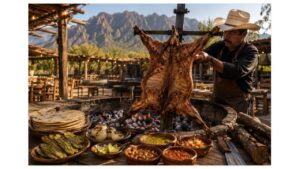
Unlike barbacoa, which is traditionally cooked underground or slowly steamed until it can be shredded, cabrito is prepared over an open fire. The entire young goat is usually butterflied and secured to a large iron roasting cross, allowing the meat to cook evenly while developing a lightly crisp exterior and subtle smoky flavor. The preparation highlights craftsmanship rather than heavy seasoning, with salt often serving as the primary seasoning.
CABRITO ISN’T JUST ROASTED GOAT—IT’S A CELEBRATION OF NORTHERN MEXICO’S RANCHING HERITAGE, LIVE-FIRE COOKING, AND GENERATIONS OF FAMILY TRADITIONS.
The rugged landscape surrounding Monterrey has long supported both cattle and goat ranching, making goat an important source of food for generations of ranch families. Over time, those practical ranch meals evolved into one of northern Mexico’s most iconic culinary traditions, served everywhere from humble roadside restaurants to some of Monterrey’s most famous dining establishments.
If you’d like to better understand the ingredients and cooking methods that appear throughout authentic Mexican cuisine, Mexican Street Food Ingredients & Cooking Terms Explained: The Building Blocks of Authentic Mexican Flavor explains traditional techniques like roasting, masa preparation, regional ingredients, and many of the culinary terms you’ll encounter throughout Mexico.
Why Is Cabrito So Important to Monterrey?
Few dishes are more closely identified with a single Mexican city than cabrito is with Monterrey, the capital of Nuevo León. Visitors quickly discover that cabrito isn’t simply another regional specialty—it’s a source of local pride that reflects centuries of ranching, hospitality, and outdoor cooking traditions unique to northern Mexico.
Families often gather around slowly roasting cabrito during holidays, birthdays, weddings, and weekend celebrations, where the cooking itself becomes part of the experience. Preparing cabrito requires patience, careful attention to the fire, and an understanding of live-fire cooking techniques passed from one generation to the next. In many households, tending the fire is as important as serving the finished meal.
The region’s dry climate also played a major role in shaping its cuisine. Goats adapted well to the rugged terrain surrounding the Sierra Madre Oriental, while northern Mexico’s vast ranches encouraged a culinary culture centered around grilling, roasting, and cooking over hardwood rather than relying on heavily sauced dishes.
Much of Nuevo León’s grilling culture grew from generations of vaqueros, whose lives revolved around cattle, goats, open fires, and cooking outdoors on the ranch. Their practical cooking methods, respect for quality meat, and tradition of gathering around the fire continue to shape the region’s cuisine today.
MONTERREY DIDN’T JUST ADOPT CABRITO—THE CITY BUILT A CULINARY IDENTITY AROUND IT.
Cabrito also reflects the broader food traditions of northern Mexico, where flour tortillas, grilled meats, roasted onions, fresh salsas, and simple, high-quality ingredients remain central to everyday cooking. Readers interested in experiencing more of the region’s hearty specialties will also enjoy Burros Explained: Northern Mexico’s Oversized Flour Tortilla Classic, which explores another iconic dish shaped by northern Mexico’s ranching traditions and love of oversized flour tortillas.
Where Did Cabrito Originate?
Although roasted goat has deep roots across the Mediterranean, the Middle East, and parts of Europe, cabrito as it is known today became firmly rooted in Nuevo León, where Spanish colonial influences blended with northern Mexico’s ranching culture. Over centuries, local families refined the technique of roasting young goat over mesquite and hardwood fires until it became synonymous with Monterrey itself.
Today, many of Monterrey’s most famous restaurants specialize almost exclusively in cabrito, drawing visitors from throughout Mexico who come specifically to experience the city’s legendary live-fire cooking. While every restaurant has its own approach, the emphasis remains remarkably consistent: exceptional meat, careful fire management, and respect for tradition rather than elaborate seasonings.
THE SECRET TO GREAT CABRITO ISN’T A COMPLEX RECIPE—IT’S PATIENCE, FIRE, AND GENERATIONS OF EXPERIENCE.
Cabrito has become one of the defining culinary symbols of Nuevo León, much like cochinita pibil represents Yucatán or tlayudas represent Oaxaca. Each reflects the geography, climate, and traditions of the region where it evolved, reminding travelers that Mexico’s greatest dishes are often inseparable from the places that created them.
How Is Cabrito Traditionally Cooked?
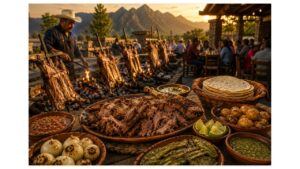
Authentic cabrito is as much about the fire as it is about the meat itself. Rather than relying on heavy marinades or elaborate spice blends, traditional cabrito allows careful roasting over hardwood coals to develop flavor naturally. The young goat is butterflied, secured to a sturdy iron roasting cross, and positioned near—not directly over—the glowing embers so it cooks slowly and evenly.
Pitmasters constantly adjust the distance between the meat and the fire, adding mesquite or other local hardwoods throughout the cooking process to maintain a consistent temperature. The result is beautifully crisp, golden skin surrounding tender, juicy meat that remains the centerpiece of the meal.
THE FIREMASTER’S SKILL—NOT A SECRET RECIPE—IS WHAT MAKES GREAT CABRITO TRULY MEMORABLE.
Northern Mexico’s grilling culture has always emphasized patience over shortcuts. Much like preparing an exceptional steak or authentic carne asada, roasting cabrito requires experience, careful attention, and an understanding of live-fire cooking passed down through generations of ranching families.
Mesquite plays an especially important role throughout Nuevo León because it burns hot, clean, and slowly while adding a subtle smoky aroma that complements rather than overwhelms the meat. Combined with simple seasoning, it creates the unmistakable flavor that visitors associate with Monterrey’s legendary cabrito restaurants.
Cabrito is only one part of northern Mexico’s rich ranch-inspired food culture, where wood-fired cooking, hearty meals, and handmade flour tortillas have shaped everyday life for generations. Northern Mexico Breakfast Traditions: Machacado, Burritos & Ranch Cooking explores how the region’s ranching heritage influences everything from early-morning breakfasts to weekend family gatherings, offering another delicious look at the flavors that define Monterrey and its neighboring states.
What Does Cabrito Taste Like?
Many first-time visitors expect goat meat to have an intensely gamey flavor, but authentic cabrito is surprisingly mild. Because the dish is traditionally prepared using young milk-fed goat, the meat is naturally tender and delicate, with only a subtle earthy character that distinguishes it from beef or lamb.
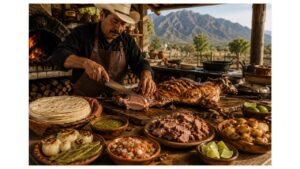
The slow roasting process produces several different textures in a single meal. Crisp, golden skin gives way to juicy, flavorful meat, while different cuts offer slightly different eating experiences. Some diners prefer the ribs for their rich flavor, while others enjoy the tender shoulder or leg.
Unlike many barbecue traditions that depend on thick sauces, cabrito is intentionally simple. Fresh salsa, lime wedges, grilled onions, and warm flour tortillas accompany the meat rather than covering it, allowing the quality of the roasting to remain the star of the meal.
GREAT CABRITO DOESN’T HIDE BEHIND SAUCES—IT LETS THE QUALITY OF THE FIRE, THE MEAT, AND THE COOKING SPEAK FOR THEMSELVES.
That simplicity reflects northern Mexico’s broader culinary philosophy, where exceptional ingredients often require very little embellishment. Visitors quickly discover that Monterrey’s most memorable meals are often built around expertly grilled meats, fresh tortillas, and family recipes refined over generations.
Why Flour Tortillas Are Part of the Experience
One of the first things many visitors notice in Monterrey is that flour tortillas often take center stage instead of corn tortillas. Northern Mexico’s wheat-growing regions and ranching economy helped shape a cuisine where soft, oversized flour tortillas became the natural companion to grilled meats like cabrito.
Fresh tortillas are used to wrap slices of roasted goat, grilled onions, roasted chiles, and salsa into simple handheld bites that highlight the quality of the meat rather than masking it with elaborate toppings. The combination perfectly reflects the practical, ranch-inspired cooking traditions that have defined Nuevo León for generations.
CABRITO AND FLOUR TORTILLAS TELL THE STORY OF NORTHERN MEXICO’S RANCHING HERITAGE BETTER THAN ALMOST ANY OTHER MEAL.
If you’d like to learn why flour tortillas became such an important part of northern Mexican cuisine, Burros Explained: Northern Mexico’s Oversized Flour Tortilla Classic explores the history, culture, and traditions behind one of the region’s most recognizable breads.
Why Nuevo León Is One of Mexico’s Great Food Regions
To understand why cabrito became so important, you have to understand Nuevo León.
The state’s rugged mountains, dry climate, and ranching economy created a cuisine unlike the corn-focused traditions found in much of central and southern Mexico. Here, cattle ranches, goat herds, wheat flour, mesquite wood, and live-fire cooking became part of everyday life, shaping a culinary identity centered on grilled meats and simple, high-quality ingredients.
Much of that outdoor cooking tradition grew from generations of vaqueros, whose lives revolved around cattle, goats, open fires, and preparing simple, hearty meals on the ranch. Their practical approach to cooking still shapes the grilled meats and live-fire traditions that define Nuevo León today.
Monterrey sits at the heart of that identity. Framed by the dramatic peaks of the Sierra Madre Oriental, the city combines modern industry with culinary traditions rooted in ranches, wood fires, and large family gatherings. Cabrito may be its most famous dish, but it belongs to a much broader food culture built around carne asada, machacado, flour tortillas, grilled onions, beans, roasted chiles, and hearty meals designed to be shared.
Weekend cooking is especially important. Families gather around grills and fire pits while meats cook slowly, tortillas warm on the comal, and bowls of salsa move around the table. The meal is rarely rushed because the preparation, conversation, and time spent together are all part of the occasion.
NUEVO LEÓN’S GREATEST FOODS WERE NOT CREATED FOR QUIET DINNERS—THEY WERE CREATED TO BRING PEOPLE TOGETHER AROUND FIRE.
Cabrito is only one part of northern Mexico’s ranch-inspired food culture, where wood-fired cooking, hearty meals, and handmade flour tortillas have shaped everyday life for generations. Northern Mexico Breakfast Traditions: Machacado, Burritos & Ranch Cooking shows how that same regional heritage influences everything from early-morning breakfasts to weekend family gatherings.
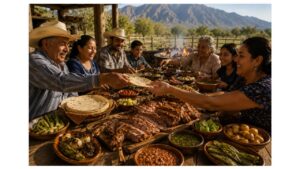
Cabrito Is the Centerpiece of Northern Mexican Celebrations
Although cabrito appears on restaurant menus throughout Monterrey, its cultural importance reaches far beyond commercial dining rooms. For generations, families have prepared it for weddings, birthdays, holidays, reunions, and Sunday gatherings when relatives have enough time to cook slowly and enjoy the meal together.
The roasting process naturally turns dinner into an event. Someone must prepare the fire, secure the meat, monitor the heat, warm the tortillas, make the salsa, and organize the side dishes. While the cabrito cooks, guests gather nearby, conversations stretch across the afternoon, and the aroma of mesquite signals that something special is happening.
That sense of occasion helps explain why cabrito remains such a powerful symbol of northern hospitality. Serving it requires time, attention, and enough food to share. The host is not simply feeding guests; the host is welcoming them into one of Nuevo León’s most meaningful culinary traditions.
CABRITO TASTES LIKE MONTERREY BECAUSE THE FIRE, THE FAMILY, AND THE WAIT ARE ALL PART OF THE MEAL.
This communal style of eating also connects cabrito with Northern Mexico’s broader carne asada culture. Both traditions transform live-fire cooking into a social ritual, where the person tending the coals becomes part cook, part host, and part storyteller.
How Cabrito Is Served in Monterrey
A traditional plate of cabrito is usually kept intentionally simple. The roasted meat remains the centerpiece, surrounded by accompaniments chosen to provide freshness, richness, heat, and texture without covering the flavor created by the fire.
Common accompaniments include:
- Warm handmade flour tortillas
- Grilled or roasted onions
- Charred nopales
- Pinto or refried beans
- Roasted potatoes
- Fresh salsa roja or salsa verde
- Lime wedges
- Grilled chiles
- Simple salads or sliced avocado
Diners can enjoy the meat directly from the plate or fold smaller pieces into flour tortillas with onion, salsa, and a squeeze of lime. The resulting bite is straightforward but deeply satisfying: tender roasted meat, warm tortilla, bright acidity, and enough chile heat to bring everything together.
Different parts of the goat also offer different textures. Rib portions provide richly flavored meat close to the bone, while the shoulder and leg offer larger, tender slices. At traditional restaurants, guests may be able to request a preferred cut or order a mixed platter for the table.
THE BEST CABRITO PLATE DOESN’T NEED A DOZEN TOPPINGS—IT NEEDS HOT TORTILLAS, FRESH SALSA, AND MEAT ROASTED WITH PATIENCE.
For readers interested in how salsa, crema, chile oils, and other finishing sauces shape Mexican meals, Mexican Street Food Sauces Beyond Salsa: Crema, Chili Oils, Citrus Heat & More explains why the right accompaniment should enhance a dish rather than hide it.
Cabrito at Monterrey’s Traditional Restaurants
For many travelers, eating cabrito at a traditional Monterrey restaurant is as important as seeing the city’s mountains or walking through its historic center. The best-known establishments often make the roasting area visible, allowing diners to watch entire goats cooking slowly beside glowing beds of coals.
That open preparation is part of the appeal. It immediately communicates that cabrito is not being reheated, hidden in a kitchen, or covered with sauce to disguise shortcuts. Guests can see the fire, the roasting crosses, the pitmasters, and the gradual transformation of the meat.
Inside, the atmosphere often blends ranch aesthetics with city hospitality: heavy wooden tables, regional photographs, clay serving dishes, flour tortillas arriving warm, and large platters designed for sharing. Some restaurants feel polished and historic, while others preserve the atmosphere of a roadside ranch kitchen.
Whether dining at a historic cabrito institution or a family-owned roadside restaurant, the best meals remind visitors that Monterrey’s culinary identity has always been built around fire, hospitality, and exceptional ranch cooking.
🌎 If You Ever Visit Monterrey…
Plan one meal specifically around cabrito rather than treating it as something to squeeze between other attractions. Look for a restaurant where the roasting area is visible and ask which cut the kitchen recommends that day. Before you even see the roasting cabrito, you’ll likely smell the sweet, smoky aroma of mesquite drifting through the restaurant. Order warm flour tortillas, beans, grilled onions, nopales, and at least two salsas so you can build each bite differently. Then slow down. Cabrito is not a rushed street snack—it is a meal meant to be shared while the Sierra Madre frames the city and Monterrey’s ranching history arrives at the table one smoky, tender piece at a time.
🌶️ Peppers of Key West Products for Cabrito & Northern Mexican Grilling
Northern Mexico’s legendary cabrito proves that exceptional grilled meat doesn’t need heavy seasoning—it needs quality ingredients and flavors that complement the fire rather than compete with it. Whether you’re roasting goat, grilling steak, cooking lamb, or preparing a backyard carne asada, these Peppers of Key West favorites bring authentic Southwestern-inspired flavor to your next cookout.
Product Pairing Quick Guide
Cabrito, grilled onions, flour tortillas & roasted potatoes → Jalapeño Garlic Hot Sauce
Grilled goat, carne asada & ranch-style barbecue → Cayenne Pepper Hot Sauce
Open-fire grilled meats, steaks & lamb → Macho Beefy Coffee & Ancho Steak Seasoning
Cabrito tacos & grilled vegetables → Ghost Pepper Hot Sauce
Grilled Mexican feasts & backyard cookouts → Peppers of Key West 5-Pack Gift Box
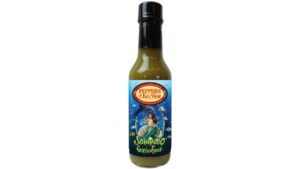
Jalapeño Garlic Hot Sauce
Cabrito is traditionally served with simple accompaniments that allow the flavor of the fire-roasted meat to remain the star. Our Jalapeño Garlic Hot Sauce adds bright jalapeño flavor and roasted garlic that complements handmade flour tortillas, grilled onions, and fresh salsa without overpowering the delicate flavor created by hours over mesquite coals.
👉 Perfect For: Cabrito, grilled onions, flour tortillas, roasted potatoes, beans, and fresh salsa.
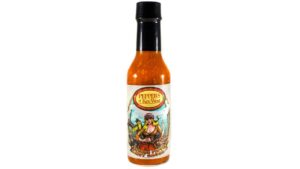
Cayenne Pepper Hot Sauce
For diners who enjoy a little more heat, our Cayenne Pepper Hot Sauce delivers clean pepper flavor that enhances grilled meats while respecting northern Mexico’s tradition of letting high-quality ingredients shine. A few drops add just enough warmth to roasted goat, steak, or tacos without masking their natural flavors.
👉 Perfect For: Cabrito, carne asada, grilled goat, tacos, burgers, and ranch-style barbecue.
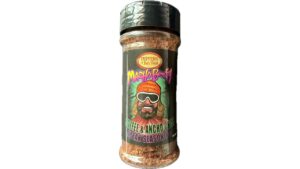
Macho Beefy Coffee & Ancho Steak Seasoning
Although created for steaks, Macho Beefy Coffee & Ancho Steak Seasoning is equally at home on goat, lamb, and other meats destined for the grill. Coffee, ancho chile, garlic, and savory spices build a rich crust that pairs beautifully with mesquite smoke and open-fire cooking.
👉 Perfect For: Cabrito, steaks, brisket, lamb, burgers, and open-fire grilling.
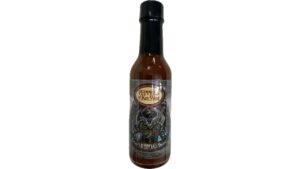
Ghost Pepper Hot Sauce
Some Northern Mexican food lovers enjoy adding serious heat after the meat comes off the grill. Ghost Pepper Hot Sauce provides bold, smoky heat that transforms a flour tortilla filled with cabrito into a fiery experience while still letting the roasted meat remain the focus.
👉 Perfect For: Cabrito tacos, grilled meats, roasted vegetables, burritos, and chile lovers.

Peppers of Key West 5-Pack Gift Box
If you love experimenting with grilled foods, the Peppers of Key West 5-Pack Gift Box offers five distinctive pepper flavors ranging from mild to seriously hot. It’s an easy way to find the perfect pairing for cabrito, carne asada, burgers, tacos, and all your favorite backyard barbecue traditions.
👉 Perfect For: Grilling enthusiasts, Mexican food lovers, backyard barbecues, and flavorful gift giving.
Frequently Asked Questions
Is cabrito the same as barbacoa?
No. Cabrito is traditionally a young goat roasted over mesquite or hardwood coals, while barbacoa is typically slow-cooked until the meat becomes tender enough to shred.
What animal is cabrito?
Cabrito is made from a young milk-fed goat, traditionally roasted whole over an open fire.
Why is Monterrey famous for cabrito?
Monterrey and the state of Nuevo León developed a strong ranching culture where goat raising and live-fire cooking became regional traditions passed down for generations.
Does cabrito taste gamey?
Not usually. Properly prepared young cabrito has a mild, tender flavor with only a subtle earthy character.
What wood is traditionally used to cook cabrito?
Mesquite is the traditional choice throughout much of northern Mexico because it burns hot, cleanly, and adds a gentle smoky flavor to the meat.
What is cabrito served with?
Traditional accompaniments include handmade flour tortillas, grilled onions, beans, roasted potatoes, nopales, fresh salsa, grilled chiles, and lime wedges.
Is cabrito spicy?
No. Cabrito itself is usually seasoned very simply, allowing diners to add fresh salsa or hot sauce to their preferred level of heat.
Why are flour tortillas commonly served with cabrito?
Northern Mexico’s wheat-growing regions helped make flour tortillas the signature bread of the region. They pair naturally with grilled meats like cabrito and are an essential part of Monterrey’s ranch-inspired cuisine.
Is cabrito only eaten in restaurants?
No. Many families prepare cabrito for holidays, weddings, birthdays, and weekend gatherings, making it an important symbol of northern Mexican hospitality and celebration.
Where can visitors try authentic cabrito?
Monterrey, Nuevo León, is considered the best destination for authentic cabrito. The city is home to numerous traditional restaurants where skilled pitmasters continue the region’s legendary live-fire roasting traditions.
Continue Your Northern Mexico Culinary Journey
From This Collection
- Burros Explained: Northern Mexico’s Oversized Flour Tortilla Classic
- Northern Mexico Breakfast Traditions: Machacado, Burritos & Ranch Cooking
- Regional Mexican Street Food Guide: Famous Dishes from Every Corner of Mexico
- Mexican Street Food Ingredients & Cooking Terms Explained: The Building Blocks of Authentic Mexican Flavor
- Mexican Street Food Markets Explained: How to Order Like a Local and Find the Best Food Fast
- Corundas vs Uchepos: Why Michoacán’s Two Most Famous Corn Dishes Aren’t the Same
- Aguachile Explained: Mexico’s Fiery Seafood Dish That Makes Ceviche Look Tame
Continue Your Mexican Street Food Journey
- Corn vs Flour Tortillas for Taco Night
- Best Hot Sauce for Pork Tacos: Sweet, Smoky & Spicy Pairings That Win
- Hot Sauce Heat Level Guide So You Stop Guessing and Start Handling Real Heat Like a Pro
- Best Mexican Street Taco Meats: The Ultimate Guide to Authentic Taco Flavor
Explore More Keywords
cabrito, cabrito explained, Monterrey cuisine, Nuevo León food, northern Mexico cuisine, roasted goat, grilled goat, fire roasted goat, mesquite grilling, live fire cooking, Mexican barbecue, ranch cooking, vaquero traditions, Sierra Madre Oriental, Monterrey restaurants, authentic cabrito, traditional cabrito, regional Mexican cuisine, flour tortillas, grilled onions, nopales, roasted potatoes, carne asada culture, northern Mexican traditions, family cookouts, wood fired cooking, Mexican ranch food, goat roasting, Mexican grilling, weekend barbecue, Monterrey food guide, Nuevo León traditions, authentic northern Mexican food, Mexican regional specialties, open fire cooking, mesquite wood, traditional Mexican grilling, ranch heritage, Mexico culinary travel, iconic Mexican dishes.
