Mexican Street Food Markets Explained: How to Order Like a Local and Find the Best Food Fast

Ever stared at a bustling Mexican street food market, smelled something incredible, and realized you had absolutely no idea what anyone was ordering? You’re not alone. Between sizzling comals, towering spits of al pastor, giant steaming pots of tamales, and vendors shouting today’s specialties, Mexican markets can feel wonderfully overwhelming. The good news? You don’t need perfect Spanish—or a fearless appetite—to eat like a local. This guide walks you through how to navigate authentic Mexican street food markets with confidence, what to order first, how to spot the busiest vendors, common menu terms you’ll encounter, and the simple etiquette that helps you enjoy one of the world’s greatest food experiences.
There’s no better place to experience authentic Mexican street food than inside a busy local market. Long before food halls became trendy around the world, Mexico’s mercados were serving freshly prepared tacos, tamales, tortas, soups, grilled meats, fresh juices, and regional specialties from small family-run stalls that often pass recipes down through generations.
Throughout Mexico, these traditional food markets—known locally as mercados—serve as neighborhood gathering places where families shop, eat, and celebrate regional cooking traditions every day.
For many visitors, however, stepping into a traditional Mexican market can be intimidating. Menus are often handwritten, dozens of vendors compete for attention, and unfamiliar dishes seem to appear around every corner. The wonderful aromas make you hungry immediately—but deciding where to begin can feel overwhelming.
Fortunately, ordering great food isn’t about speaking perfect Spanish or knowing every regional specialty. Most experienced travelers follow a handful of simple habits that locals have relied on for years: look for busy stalls, watch where families eat, understand a few common menu terms, and let fresh ingredients guide your choices.
THE BUSIEST STALL IS OFTEN THE BEST RECOMMENDATION YOU’LL EVER RECEIVE.
Before diving into market etiquette, you’ll also benefit from understanding the foods you’ll encounter. If you’re unfamiliar with dishes like tortas, tamales, tlayudas, or esquites, spend a few minutes with our Mexican Street Food Beyond Tacos: Elote, Tortas, Tamales & More before your culinary adventure. Likewise, recognizing ingredients such as masa, queso Oaxaca, epazote, crema, and nixtamalized corn becomes much easier after reading our Mexican Street Food Ingredients & Cooking Terms Explained: The Building Blocks of Authentic Mexican Flavor guide.
Whether you’re wandering through Mercado de San Juan in Mexico City, Mercado Benito Juárez in Oaxaca, Mercado Lucas de Gálvez in Mérida, or a neighborhood market that rarely appears in travel guides, these practical tips will help you order confidently, discover incredible regional specialties, and enjoy Mexican street food the way locals do every day.
Quick Guide:
- How authentic Mexican street food markets are organized
- How to identify the best food vendors quickly
- Common Spanish menu words every visitor should recognize
- Ordering etiquette that locals appreciate
- Regional specialties worth seeking out
- Food safety tips for travelers
- How to avoid tourist traps while finding authentic meals
What Makes Mexican Street Food Markets Different from Food Courts?
Walking into an authentic Mexican street food market for the first time can be surprising. If you’re expecting something similar to a modern shopping mall food court, you’ll quickly realize you’ve entered an entirely different culinary world. Mexican mercados are living community spaces where families shop for produce, neighbors gather for breakfast, cooks prepare recipes that have been passed down for generations, and regional traditions remain very much alive.
Before you’ve even ordered, you’ll hear tortillas hitting the comal, smell smoky al pastor slowly roasting, watch cooks chop fresh cilantro by hand, and hear vendors greeting regular customers by name. Those everyday moments are part of what makes Mexican street food markets unforgettable.
Unlike commercial food courts where restaurants operate independently, many Mexican markets have evolved organically over decades. One aisle may be dedicated to fresh seafood while another overflows with dried chiles, handmade tortillas, cheeses, spices, flowers, or local produce. In the center of it all are the food stalls, where vendors prepare dishes in full view of customers using techniques that often haven’t changed for generations.
Many of the ingredients you’ll see have been part of Indigenous culinary traditions for thousands of years. Fresh masa, nixtamalized corn, nopales, epazote, native chiles, and hand-ground salsas continue to define authentic Mexican cooking today. Understanding these ingredients makes the experience even more rewarding, which is why our Mexican Street Food Ingredients & Cooking Terms Explained: The Building Blocks of Authentic Mexican Flavor guide is a helpful companion before your visit.
What makes these markets especially exciting is their regional personality. A market in Oaxaca feels completely different from one in Mérida, Guadalajara, Puebla, or Mexico City. Local ingredients, family recipes, cooking methods, and even breakfast traditions change dramatically from one region to another. Instead of finding the same menu repeated everywhere, each market reflects the history and agricultural traditions of its community.
If you’d like a deeper look at how flavors, ingredients, and specialties change across the country, our Regional Mexican Street Food Guide: Famous Dishes from Every Corner of Mexico explores the unique foods that define each region.
You’ll also notice that many vendors specialize in only one or two dishes. Rather than offering a menu with dozens of options, a stall may prepare only tamales, birria, carnitas, or tortas. That narrow focus often means years—or even generations—of perfecting a single specialty.
THE BEST MEXICAN STREET FOOD MARKETS DON’T TRY TO SERVE EVERYTHING—THEY MASTER ONE THING EXCEPTIONALLY WELL.
Another difference is the pace. Food is prepared continuously throughout the day, often in small batches as customers arrive. Tortillas are pressed by hand, meats are sliced directly from the spit or grill, and toppings are assembled moments before serving. Watching the cooking process is part of the experience, and many visitors discover that simply observing a busy stall teaches them almost as much as reading a menu.
For first-time visitors, this atmosphere may seem wonderfully chaotic, but there’s an underlying rhythm. Regular customers know exactly where to go for breakfast, lunch, fresh juices, or late-afternoon snacks. Before long, you’ll start recognizing the same patterns yourself—and they’ll help you find the market’s best food surprisingly quickly.

Now that you understand how authentic Mexican street food markets are organized, the next question becomes even more important: how do locals decide which vendor is worth waiting in line for? In the next section, we’ll look at the simple clues experienced travelers use to identify the busiest—and usually the best—food stalls within minutes of arriving.
How to Find the Best Food Vendor in a Mexican Street Food Market
The biggest mistake first-time visitors make is choosing the first stall they see. While many vendors serve excellent food, experienced travelers and locals know there are simple clues that usually point toward the market’s most memorable meals.
One of the easiest indicators is the line. A busy stall with customers patiently waiting often signals consistent quality, fresh ingredients, and a reputation that has been built over years rather than days. High turnover also means ingredients are constantly being replenished, tortillas are made throughout the day, and grilled meats rarely sit for long. Many markets are especially busy during breakfast, when locals stop for tamales, chilaquiles, fresh tortillas, coffee, or aguas frescas before work.
That doesn’t mean every empty stall serves poor food, but if several vendors offer similar dishes, following the locals is usually a smart strategy. Families who have lived in the neighborhood for years rarely stand in line unless they know the food is worth the wait.
You’ll also notice that many of the busiest vendors specialize in just one or two dishes. Instead of offering an enormous menu, they perfect a handful of regional favorites. One stand may focus entirely on carnitas, another on tamales, while another has earned its reputation for tortas or fresh seafood. That specialization often reflects decades of experience and family tradition.
WHEN A VENDOR MASTERS ONE DISH INSTEAD OF TWENTY, YOU’RE USUALLY ABOUT TO EAT SOMETHING SPECIAL.
Another clue is transparency. Great vendors rarely hide their cooking. Tortillas are pressed by hand, meats are carved directly from the trompo or grill, salsas are prepared in open view, and customers can watch nearly every step of the process. The sights, sounds, and aromas become part of the experience long before the first bite.
Pay attention to the ingredients as well. Fresh cilantro, crisp onions, vibrant salsas, ripe avocados, fragrant herbs, and handmade tortillas are all signs that a vendor takes pride in quality. If you’d like to recognize these ingredients more easily while exploring, our Mexican Street Food Ingredients & Cooking Terms Explained: The Building Blocks of Authentic Mexican Flavor guide introduces many of the staples you’ll encounter throughout Mexico.
Cleanliness matters too, but it doesn’t always look the way visitors expect. Traditional markets are busy places where cooks work quickly and constantly. Rather than looking for spotless stainless-steel kitchens, focus on vendors who handle food carefully, keep raw and cooked ingredients separate, use clean utensils, and prepare food continuously instead of letting it sit.
While more vendors now accept cards or digital payments, carrying a small amount of cash is still the easiest way to order at many traditional markets.
Finally, don’t underestimate conversation. Even if your Spanish is limited, a friendly smile, a simple greeting, or pointing to what another customer is enjoying often leads to helpful recommendations. Mexican hospitality is legendary, and many vendors genuinely enjoy introducing visitors to their favorite dishes.

Once you’ve found the right vendor, the next challenge is understanding what you’re actually ordering. Fortunately, learning a handful of common Spanish menu words can make even the busiest Mexican street food market feel surprisingly easy to navigate.
Common Mexican Street Food Menu Words Every Visitor Should Know
One of the biggest surprises for first-time visitors isn’t the food—it’s the menu. Many authentic Mexican street food vendors don’t have large printed menus with photos or English translations. Instead, you’ll often find handwritten chalkboards, small laminated menus, or simply a list of specialties posted above the cooking station.
The good news is that you don’t need to become fluent in Spanish to order confidently. Learning a handful of common food words will help you understand what you’re looking at, ask better questions, and feel much more comfortable exploring busy markets.
Some menu words describe the dish itself, while others refer to ingredients, cooking methods, or the style of preparation. Before long, you’ll start recognizing familiar names and understanding why certain foods are popular in different parts of Mexico.
For example, if you see tacos, tortas, tamales, or elote, you’re looking at four completely different types of street food rather than simple variations of the same meal. Likewise, words like al pastor, carnitas, barbacoa, and carne asada describe different preparations of meat rather than separate menu categories.
If you’re curious about the stories, regional traditions, and ingredients behind these foods, our Mexican Street Food Beyond Tacos: Elote, Tortas, Tamales & More guide introduces many of Mexico’s most beloved street food specialties before you dive into the individual articles.
YOU DON’T NEED TO KNOW EVERY WORD—JUST ENOUGH TO RECOGNIZE GREAT FOOD WHEN YOU SEE IT.
Here are some of the most common menu terms you’ll encounter while exploring authentic Mexican street food markets.
Essential Mexican Street Food Menu Words
- Tacos – Soft corn tortillas filled with meats, seafood, vegetables, or other traditional fillings.
- Tortas – Large Mexican sandwiches served on crusty rolls with meats, beans, cheese, avocado, and vegetables.
- Tamales – Masa filled with meat, cheese, vegetables, or sweet fillings, wrapped in corn husks and steamed.
- Elote – Grilled corn on the cob topped with mayonnaise, cotija cheese, chile powder, and lime.
- Esquites – Elote served off the cob in a cup with the same flavorful toppings.
- Quesadilla – A tortilla folded around cheese and often additional fillings, cooked until warm and crisp.
- Tostada – A crispy fried tortilla topped with meats, beans, seafood, vegetables, cheese, and salsa.
- Salsa Roja / Salsa Verde – Red and green salsas that range from mild and tangy to intensely spicy.
- Agua Fresca – Refreshing fruit-based drinks made with fresh fruit, water, and a touch of sugar.
- Comal – The traditional flat griddle used to cook tortillas, quesadillas, vegetables, and many other street foods.
As your confidence grows, you’ll discover that recognizing just a few of these words transforms the entire market experience. Instead of wondering what to order, you’ll begin spotting dishes you’ve always wanted to try—and maybe a few you’ve never heard of before.
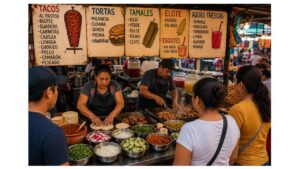
Knowing the menu is only part of the experience. The final step is understanding a few simple customs that locals follow every day—small gestures that make ordering smoother, show respect for the vendors, and help you feel like you’ve been visiting Mexican street food markets for years.
How to Order Like a Local Without Speaking Perfect Spanish
For many first-time visitors, the biggest hurdle isn’t deciding what to eat—it’s wondering how to order without speaking fluent Spanish. Fortunately, Mexican street food markets are welcoming places where great food matters far more than perfect pronunciation. A little confidence, a friendly attitude, and a willingness to observe are usually all you need.
Before stepping up to the counter, take a minute to watch how the line moves. Notice what other customers order, how they customize their food, and which dishes seem to be leaving the kitchen most often. This simple habit not only helps you understand the menu but also points you toward the vendor’s specialties.
If a dish catches your eye, don’t be afraid to point and smile. Vendors are accustomed to serving visitors, and pointing to another customer’s plate is one of the easiest ways to order something you know looks delicious. It’s also a great way to discover local favorites you may never have considered.
YOU DON’T NEED PERFECT SPANISH TO ORDER GREAT FOOD—CURIOSITY AND CONFIDENCE ARE OFTEN ENOUGH.
Learning just a few simple phrases can make the experience even smoother. A friendly greeting such as “Buenos días” (good morning), “Buenas tardes” (good afternoon), or “Hola” is always appreciated. If you hear a vendor asking, “¿Con todo?”, they’re usually asking whether you’d like the traditional toppings that come with the dish. If you’re unsure, it’s perfectly acceptable to ask politely or simply watch how locals answer.
Once your food is ready, you’ll often move to a nearby salsa or condiment station. Here you’ll find bowls of salsa roja, salsa verde, chopped onions, cilantro, radishes, pickled vegetables, grilled chiles, and fresh lime wedges. Add toppings gradually, especially if you’re unfamiliar with the heat levels. Many homemade Mexican salsas are wonderfully flavorful but considerably spicier than what most visitors expect. If you’d like to understand the ingredients behind these condiments, our Mexican Street Food Ingredients & Cooking Terms Explained: The Building Blocks of Authentic Mexican Flavor guide introduces many of the traditional chiles, herbs, and seasonings you’ll encounter.
Don’t feel pressured to rush through your meal. Mexican street food markets are social places where friends, families, and coworkers gather around simple communal tables to enjoy freshly prepared food. Sharing a table with strangers is completely normal, and it’s often where conversations begin and recommendations are exchanged.
Before you leave, a simple “Gracias” is always appreciated. Behind every taco, tamal, torta, or cup of esquites is a small business built on hard work, family recipes, and pride in serving the community. Showing appreciation for that craftsmanship is part of experiencing Mexican street food like a local.

Now that you know how to find the best vendors, understand the menu, and order with confidence, there’s just one question left: what should you try first? In the final section, we’ll highlight the must-order dishes that give first-time visitors the perfect introduction to Mexico’s incredible street food culture.
One of the oldest pieces of travel advice still applies today: follow your nose. The aroma of freshly grilled meats, handmade tortillas, roasted chiles, and simmering stews often leads you directly to the market’s most popular vendors.
What Should You Order on Your First Visit to a Mexican Street Food Market?
Standing in front of dozens of incredible food stalls can make even the most decisive traveler hesitate. Everything smells amazing, every vendor has loyal customers, and every region offers its own specialties. If you’re visiting a Mexican street food market for the first time, don’t worry about trying everything at once. Instead, begin with a few classic dishes that showcase the diversity and craftsmanship of authentic Mexican street food.
One of the best parts of exploring a traditional mercado is discovering that there isn’t a single “correct” meal. Some visitors start with tacos carved directly from an al pastor trompo, while others are drawn to steaming tamales, crispy tostadas, hearty tortas, or a cup of freshly prepared esquites. Every choice offers a different window into Mexico’s remarkable culinary traditions.
THE BEST FIRST MEAL ISN’T THE MOST FAMOUS—IT’S THE ONE MADE FRESH BY THE VENDOR WHO HAS SPENT YEARS PERFECTING IT.
If you’re wondering where to begin, these five favorites rarely disappoint.
Five Must-Try Mexican Street Food Favorites
🌮 Street Tacos
- Fresh corn tortillas, expertly seasoned meats, chopped onions, cilantro, and homemade salsa make street tacos one of Mexico’s most iconic meals. Whether you choose al pastor, carnitas, barbacoa, carne asada, or another regional specialty, they’re the perfect introduction to authentic street food culture.
- Continue reading: Mexican Street Tacos Explained: The Authentic Street Food That Started It All.
🌽 Elote
- Grilled corn brushed with creamy toppings, cotija cheese, chile powder, and fresh lime delivers one of the country’s most recognizable street food experiences.
- Continue reading: Mexican Street Corn (Elote) So Addictive You’ll Forget Tacos Exist
🥣 Esquites
- If you prefer your corn in a cup, esquites combine roasted kernels with many of the same bold flavors found on elote, making them easy to enjoy while exploring a busy market.
- Continue reading: Esquites vs Elote: Which Mexican Street Corn Style Wins?
🥪 Tortas
- These hearty sandwiches are layered with meats, cheese, avocado, beans, vegetables, and salsa, creating one of the most satisfying meals you’ll find in any mercado.
- Continue reading: Tortas: Loaded with Meat, Melted Cheese & Street Food Flavor That Hits Hard.
🫔 Tamales
- Wrapped in corn husks and steamed until tender, tamales remain one of Mexico’s oldest and most beloved comfort foods. Their rich history and endless regional variations make them a must-try for first-time visitors.
- Continue reading: Tamales Explained: The Ancient Mexican Comfort Food That Still Dominates Street Food Culture.
No matter which dish you choose first, remember that every market tells a different story. A taco enjoyed in Mexico City won’t taste exactly like one in Oaxaca, and the tamales you discover in Mérida may differ completely from those served in Puebla. Those regional differences are part of what makes exploring Mexico’s street food culture so rewarding. If you’d like to discover how specialties change from one part of the country to another, our Regional Mexican Street Food Guide: Famous Dishes from Every Corner of Mexico is the perfect next stop on your culinary journey.
The more markets you visit, the more you’ll realize that Mexican street food isn’t just about eating. It’s about meeting the people behind the recipes, discovering ingredients that have shaped Indigenous culinary traditions for centuries, and experiencing communities where food remains one of the strongest expressions of local identity. Every tortilla pressed by hand, every salsa prepared from scratch, and every family recipe passed from one generation to the next contributes to a culinary tradition that continues to inspire travelers from around the world.
Whether you’re planning your first trip to Mexico or simply hoping to understand the country’s incredible street food culture a little better, the best advice is also the simplest: arrive hungry, stay curious, and don’t be afraid to try something new. Your next favorite meal may be waiting at the very next market stall.

Now that you know how authentic Mexican street food markets work, how to identify the best vendors, understand common menu terms, and order with confidence, let’s answer a few of the questions travelers ask most often before visiting their first Mexican mercado.
Inspired by the incredible flavors you discovered in Mexico’s traditional mercados? These Peppers of Key West favorites make it easy to bring authentic street food flavor into your own kitchen.
🌶️ From the Mercado to Your Kitchen
Product Pairing Quick Guide
- Serrano Pepper Hot Sauce – Fresh tacos, elote, esquites, and grilled vegetables
- Jalapeño Garlic Hot Sauce – Chicken tacos, quesadillas, tamales, and tortas
- Habanero Pepper Hot Sauce – Al pastor, carnitas, barbacoa, and roasted street corn
- 5 Pack Gift Box – Perfect for exploring different heat levels with a variety of Mexican street food favorites
🌶️ Peppers of Key West Products for Authentic Mexican Street Food
Whether you’re recreating freshly grilled street tacos, smoky elote, hearty tortas, or homemade tamales, these Peppers of Key West favorites help bring the vibrant flavors of authentic Mexican street food to your own kitchen.
🌶️ Serrano Pepper Hot Sauce
Fresh, bright, and packed with authentic pepper flavor, our Serrano Pepper Hot Sauce is the perfect companion for classic Mexican street food. Its crisp heat complements tacos, elote, esquites, grilled vegetables, and fresh salsas without overpowering the ingredients.
🧄 Jalapeño Garlic Hot Sauce
Smooth jalapeño heat blended with bold garlic creates an incredibly versatile sauce for Mexican-inspired meals. It’s excellent on chicken tacos, quesadillas, tortas, breakfast tacos, roasted vegetables, and grilled meats.
🔥 Habanero Pepper Hot Sauce
For those who enjoy a little more excitement, our Habanero Pepper Hot Sauce delivers fruity habanero flavor with a satisfying kick. It’s especially delicious with al pastor, carnitas, carne asada, roasted corn, and smoky grilled dishes commonly found in Mexican mercados.
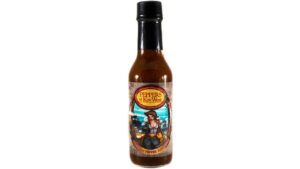
🎁 Peppers of Key West 5 Pack
Can’t decide where to start? The Peppers of Key West 5 Pack lets you explore five unique pepper varieties—from Cayenne and Jalapeño to Habanero, Ghost, and Carolina Reaper—making it easy to match the perfect heat level to every taco, torta, tamal, or plate of street food you recreate at home.

Your Mexican Street Food Adventure Starts with One Great Meal
The first time you walk into an authentic Mexican street food market, it’s easy to feel overwhelmed—in the best possible way. The aroma of freshly pressed tortillas, the sound of sizzling comals, the vibrant colors of homemade salsas, and the energy of families gathering around simple tables create an experience that’s unlike anywhere else in the world.
Fortunately, you don’t need to know every menu item or speak perfect Spanish to enjoy it. By watching where the locals eat, choosing vendors who specialize in a few signature dishes, learning a handful of common menu words, and approaching each meal with curiosity, you’ll quickly discover why Mexican street food has become one of the world’s most celebrated culinary traditions.
Remember that every market tells a different story. The dishes you’ll find in Oaxaca may be very different from those served in Mérida, Puebla, Guadalajara, or Mexico City, yet every region shares the same commitment to fresh ingredients, family recipes, and generations of culinary craftsmanship. Those regional differences are exactly what make exploring Mexico’s mercados so rewarding.
Whether your first meal is a plate of authentic street tacos, a steaming tamal, a hearty torta, smoky elote, or a cup of esquites, you’re doing much more than enjoying lunch. You’re taking part in traditions that have been shaped by Indigenous culinary heritage, local agriculture, and generations of cooks who continue to prepare food the same way their families have for decades.
THE BEST MEXICAN STREET FOOD EXPERIENCE DOESN’T COME FROM FOLLOWING A TOUR—IT COMES FROM FOLLOWING YOUR CURIOSITY.
The next time you step into a bustling Mexican street food market, don’t worry about finding the “perfect” meal. Watch the busiest vendors, ask a few simple questions, trust your senses, and enjoy the adventure. Chances are, you’ll leave with a full stomach, a few new favorite dishes, and an even greater appreciation for one of the world’s richest street food cultures.
Frequently Asked Questions:
What is a Mexican street food market?
A Mexican street food market, or mercado, is a community marketplace where vendors prepare freshly made regional dishes alongside stalls selling produce, spices, meats, cheeses, and other local ingredients. Many mercados have been serving their communities for generations.
How do I know which food vendor is the best?
Look for long lines of local customers, vendors who specialize in only a few dishes, fresh ingredients, and food that’s cooked continuously rather than sitting under heat lamps.
Do I need to speak Spanish to order food?
No. Learning a few simple greetings is helpful, but pointing to dishes, smiling, and watching how other customers order are perfectly acceptable and common ways to communicate.
Is Mexican street food safe to eat?
In general, choose busy vendors with high customer turnover, freshly prepared food, clean cooking practices, and ingredients that are actively being replenished throughout the day.
What’s the difference between a mercado and a food court?
Unlike commercial food courts, traditional Mexican mercados are community gathering places where family-run vendors specialize in regional recipes that have often been passed down through generations.
What should I order first at a Mexican street food market?
Street tacos, tamales, tortas, elote, and esquites are excellent first choices because they showcase the variety and flavors that make Mexican street food so popular.
What are aguas frescas?
Aguas frescas are refreshing fruit-based beverages made with fresh fruit, water, and a touch of sugar. Popular flavors include hibiscus (jamaica), tamarind, horchata, watermelon, and pineapple.
Should I add salsa before tasting my food?
It’s usually best to take a bite first. Every vendor prepares their food differently, and tasting it before adding salsa lets you appreciate the original flavors before customizing the heat level.
Why do many vendors only serve one or two dishes?
Specializing allows vendors to perfect their recipes over many years. Many of the most respected market stalls build their reputations by mastering a small number of traditional dishes rather than offering large menus.
Are Mexican street food markets different in every region?
Yes. Regional specialties, ingredients, cooking techniques, and even breakfast traditions vary widely across Mexico, making each market a unique culinary experience.
Continue Your Mexican Street Food Journey
From This Collection
- Mexican Street Tacos Explained: The Authentic Street Food That Started It All
- Street Quesadillas vs American Quesadillas: What’s the Real Difference?
- Mexican Street Corn (Elote): So Addictive You’ll Forget Tacos Exist
- Esquites vs Elote: Which Mexican Street Corn Style Wins?
- Tortas: Loaded with Meat, Melted Cheese & Street Food Flavor That Hits Hard
- Tamales Explained: The Ancient Mexican Comfort Food That Still Dominates Street Food Culture
- Tostadas: Loaded with Crispy Crunch, Seafood, Meat & Bold Mexican Flavor
- Mexican Street Food for First-Timers: What to Order and Why
Expand Your Flavor Journey
- Regional Mexican Street Food Guide: Famous Dishes from Every Corner of Mexico
- Mexican Street Food Ingredients & Cooking Terms Explained: The Building Blocks of Authentic Mexican Flavor
- Best Hot Sauces for Mexican Street Corn, Tortas & Tamales
- Why Mexican Street Food Delivers Bigger Flavor Than Most Restaurant Food
Explore More Keywords
Mexican street food markets, authentic Mexican mercado, how to order Mexican street food, Mexican food market guide, traditional Mexican market, best Mexican street food vendors, how to find the best taco stand, authentic Mexican tacos, handmade tortillas, Mexican comal cooking, al pastor trompo, carnitas, barbacoa, carne asada, tortas, tamales, elote, esquites, tostadas, aguas frescas, salsa bar, salsa roja, salsa verde, Mexican street food etiquette, ordering food in Mexico, mercado food stalls, regional Mexican cuisine, Oaxaca street food, Puebla street food, Mexico City street food, Yucatán street food, Mexican culinary traditions, Indigenous Mexican cuisine, traditional Mexican ingredients, fresh masa, nixtamalized corn, Mexican food travel, authentic Mexican cooking, local food markets, best food in Mexico
