Sopes Explained: Thick Corn Cakes Loaded with Street Food Flavor
Think tacos are the ultimate Mexican street food? Sopes would like a word. These thick corn cakes arrive piled high with meat, beans, cheese, salsa, and enough flavor to make you wonder why they aren’t on every menu in America.
Discover what makes Mexican sopes one of the most satisfying street foods ever created. Learn their history, toppings, regional styles, and why first-timers instantly become fans.
Some street foods are all about speed.
Others are all about portability.
Sopes are all about flavor.
The first time most people see a sope, they usually ask the same question:
“Is that a taco?”
Not exactly.
Then they ask:
“Is it a tostada?”
Also no.
A sope occupies its own delicious category somewhere between tortilla, tostada, and edible masterpiece.
Built on a thick corn masa base with raised edges designed to hold generous amounts of toppings, sopes deliver everything people love about Mexican street food in a compact package that somehow feels both rustic and indulgent.
They’re crispy.
They’re soft.
They’re messy.
They’re comforting.
And they’re one of the most underrated foods you’ll find at Mexican markets, food stalls, and street-food vendors.
While tacos often get all the attention, many Mexican food lovers eventually discover that sopes offer one of the most satisfying street-food experiences available.
Once you understand what makes them special, it’s easy to see why they’ve remained popular throughout Mexico for generations.
Quick Guide: What Is a Sope?
- A thick handmade corn masa cake
- Lightly fried or griddled
- Features a raised rim around the edge
- Loaded with meats, beans, cheese, vegetables, crema, and salsa
- Found throughout Mexico with regional variations
- Popular street food and comfort food favorite
- Similar to—but different from—gorditas, tostadas, and huaraches
THICKER TORTILLA. BIGGER FLAVOR. BETTER TOPPING-TO-CORN RATIO.
What Exactly Is a Sope?
A sope begins with masa, the same corn dough used to make tortillas, tamales, and countless other traditional Mexican foods.
Unlike tortillas, however, sopes are intentionally made much thicker.
After the masa is shaped and cooked, the edges are pinched upward to create a shallow rim.
This simple design serves an important purpose.
The raised edge helps hold toppings in place while creating the perfect balance between corn, protein, vegetables, sauces, and cheese in every bite.
The finished base is often lightly fried or griddled, creating a wonderful contrast between the crisp exterior and the tender interior.
The result feels hearty without becoming heavy.
It’s one reason so many people fall in love with sopes after a single bite.
Many of these foods appear alongside tacos in markets and food stalls throughout Mexico, making Mexican Street Food Beyond Tacos: Elote, Tortas, Tamales & More a useful introduction to the broader street-food landscape.
Why Sopes Taste Different Than Tacos
Many first-time visitors assume a sope is simply a thicker taco.
The reality is much more interesting.
Because the masa base is substantially thicker, corn flavor becomes a major part of the experience rather than simply serving as a vehicle for toppings.
Every bite delivers toasted corn notes, subtle sweetness, and a satisfying chew that tortillas simply cannot replicate.
The texture also changes everything.
A taco focuses heavily on fillings.
A sope allows the masa itself to become one of the stars.
Combined with beans, meats, fresh vegetables, crema, cheese, and salsa, the overall flavor feels richer and more layered.
It’s comfort food disguised as street food.
THE MASA ISN’T JUST THE FOUNDATION—IT’S PART OF THE MAIN EVENT.
Like sopes, tamales showcase how a simple corn dough can become the foundation for one of Mexico’s most beloved foods, a tradition explored in Tamales Explained: The Ancient Mexican Comfort Food That Still Dominates Street Food Culture.
The Most Popular Sope Toppings
One reason sopes remain so popular is their versatility.
Almost anything can go on top.
Refried beans often provide the first layer, creating a creamy foundation that helps anchor the remaining ingredients.
From there, toppings vary by vendor, region, and personal preference.
Common favorites include:
Carne asada
Carnitas
Chicken
Chorizo
Shredded beef
Lettuce
Cabbage
Onions
Queso fresco
Crema
Avocado
Fresh salsa
Hot sauce
The raised edge allows vendors to pile ingredients high without creating complete chaos.
At least most of the time.
Every sope feels slightly different, which is part of the appeal.
YOU DON’T EAT A SOPE CAREFULLY. YOU COMMIT TO THE EXPERIENCE.
Many of the meats, cheeses, vegetables, and sauces commonly found on sopes also appear in Tostadas Loaded with Crispy Crunch, Seafood, Meat & Bold Mexican Flavor.
Regional Sope Variations Across Mexico
Like many beloved Mexican foods, sopes are not identical everywhere.
Travel across Mexico and you’ll quickly discover that local ingredients, traditions, and family recipes have created countless regional interpretations of this street-food classic.
Some regions favor shredded beef.
Others lean heavily on pork.
Certain vendors load sopes with refried beans before adding meats and vegetables, while others treat beans as an optional ingredient. Fresh cheeses vary from region to region, as do the salsas that finish the dish.
In coastal areas, seafood versions often appear with shrimp, fish, or mixed seafood combinations. Inland regions frequently showcase slow-cooked meats, rich stews, and deeply savory toppings that reflect local culinary traditions.
The beauty of sopes is their flexibility.
The thick masa base serves as a blank canvas that allows each region to express its own personality.
That’s one reason sopes remain such an important part of Mexico’s street-food culture. They adapt without losing their identity.
NO MATTER WHERE YOU FIND THEM, A GREAT SOPE ALWAYS STARTS WITH GREAT MASA.
Like many regional specialties, huaraches often receive far less attention than tacos despite offering an equally memorable street-food experience, a trend highlighted in The Most Underrated Mexican Street Foods Americans Need Immediately.
Sopes vs Gorditas vs Huaraches: What’s the Difference?
These three street foods share common roots, which explains why visitors often confuse them.
At first glance, they can appear remarkably similar.
The differences become obvious once you know what to look for.
Sopes feature a thick round masa base with raised edges designed to hold toppings.
Gorditas are usually thicker and often split open to be stuffed with fillings rather than topped.
Huaraches are much larger and oval-shaped, resembling the sole of a sandal—which is exactly where the name comes from.
Each offers a slightly different eating experience.
Gorditas emphasize the filling.
Huaraches emphasize size and abundance.
Sopes strike a balance between the two by creating a perfect platform for layers of flavor without becoming overwhelming.
For many street-food fans, sopes provide the ideal middle ground.
They’re substantial enough to feel satisfying while remaining easy to enjoy as part of a larger street-food feast.
THREE FOODS. THREE DIFFERENT PERSONALITIES. ZERO BAD CHOICES.
Because both dishes share a corn-based foundation, Gorditas vs Sopes: Two Mexican Street Food Classics Most Americans Confuse helps explain the differences that often confuse first-time visitors.
Why Sopes Are Ultimate Street-Food Comfort Food
Some foods impress you with complexity.
Others impress you with simplicity.
Sopes somehow manage both.
The combination of warm masa, savory proteins, creamy beans, fresh vegetables, rich crema, crumbly cheese, and vibrant salsa creates a level of balance that feels almost effortless.
Every texture has a purpose.
Every ingredient contributes something meaningful.
Crunch from fresh vegetables.
Creaminess from beans and crema.
Saltiness from cheese.
Acidity from salsa and lime.
Richness from meats.
And underneath it all sits the corn base that ties everything together.
This balance explains why sopes work equally well as a quick lunch, a satisfying dinner, or a late-night street-food indulgence.
They’re filling without being overly heavy.
They’re flavorful without relying on excessive spice.
They’re familiar enough to feel comforting while still delivering the excitement that makes street food so memorable.
GOOD STREET FOOD FEEDS YOUR STOMACH. GREAT STREET FOOD MAKES YOU THINK ABOUT IT FOR DAYS.
For many travelers, Mexican Street Corn (Elote) So Addictive You’ll Forget Tacos Exist becomes the food that turns casual curiosity into a full-blown street-food obsession.
Best Peppers of Key West Sauces for Sopes
A great sope already delivers layers of flavor.
The right hot sauce simply helps elevate what’s already working.
Because sopes often feature rich meats, creamy beans, fresh vegetables, and cheese, sauces that balance heat with bright pepper flavor tend to perform best.
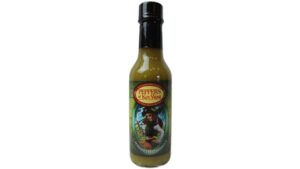
Peppers of Key West Serrano Pepper Hot Sauce is a natural pairing for traditional sopes. The clean, fresh pepper flavor complements the masa while adding enough heat to keep every bite exciting without overwhelming the toppings.
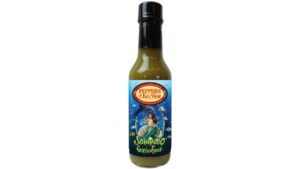
Peppers of Key West Jalapeño Garlic Sauce works exceptionally well with chicken, pork, and bean-based sopes. Its savory garlic notes blend naturally with traditional Mexican ingredients and provide approachable heat for first-time visitors.
For those who prefer more intensity, Peppers of Key West Habanero Pepper Hot Sauce delivers vibrant heat that pairs beautifully with carne asada, carnitas, and richly seasoned
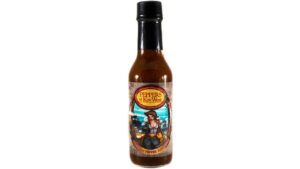
toppings. The fruit-forward character of habanero peppers creates a surprisingly balanced finish that works well with heavier proteins.
The goal isn’t to cover up the flavor of the sope.
It’s to enhance it.
A little heat, a little acidity, and a little extra pepper character can transform an already outstanding street-food experience into something unforgettable.
THE BEST HOT SAUCE SHOULD SUPPORT THE FOOD, NOT START A FIGHT WITH IT.
Food lovers looking for more authentic pairings should also read Best Hot Sauce for Street Tacos: Authentic Heat That Hits Different.
Conclusion
Sopes may not receive the same international attention as tacos, but they absolutely deserve a place among Mexico’s greatest street foods.
Their thick masa base creates a completely different experience from tortillas while providing the perfect foundation for meats, vegetables, beans, cheeses, and salsas.
Every bite feels substantial.
Every topping contributes something important.
And every region offers its own unique interpretation of the classic formula.
For first-time visitors, sopes provide an excellent introduction to the diversity and creativity that define authentic Mexican street food.
For longtime fans, they’re a reminder that some of the best foods are often the ones hiding just beyond the spotlight.
Order one the next time you see it on a menu.
Just don’t be surprised if it becomes your new favorite.
SOMETIMES THE MOST UNDERRATED STREET FOOD TURNS OUT TO BE THE ONE YOU CAN’T STOP THINKING ABOUT.
Frequently Asked Questions:
What is a sope?
A sope is a traditional Mexican street food made from a thick corn masa base with raised edges that hold toppings such as beans, meats, cheese, crema, vegetables, and salsa.
How is a sope different from a taco?
A taco uses a thin tortilla that folds around fillings, while a sope uses a thicker masa base that serves as a platform for toppings. The corn flavor and texture are much more prominent in a sope.
What is the difference between a sope and a gordita?
Sopes are topped with ingredients, while gorditas are often split open and stuffed. Both use masa, but the eating experience is noticeably different.
What is the difference between a sope and a huarache?
A huarache is larger and oval-shaped, while a sope is typically smaller and round. Both feature thick masa bases and similar toppings.
Are sopes authentic Mexican street food?
Yes. Sopes have been enjoyed throughout Mexico for generations and remain a staple at street-food stalls, markets, family gatherings, and traditional eateries.
What toppings are commonly used on sopes?
Popular toppings include refried beans, carne asada, carnitas, chicken, chorizo, lettuce, onions, queso fresco, crema, avocado, salsa, and hot sauce.
Are sopes spicy?
Not necessarily. The masa base itself is not spicy. Heat levels depend on the salsa, peppers, or hot sauce added to the finished dish.
What do sopes taste like?
Sopes offer a rich corn flavor from the masa along with a combination of savory meats, creamy beans, fresh vegetables, cheese, and salsa. Every bite delivers multiple textures and flavors.
Can sopes be made vegetarian?
Absolutely. Many versions feature beans, vegetables, cheese, avocado, and salsa without any meat while still providing plenty of flavor and texture.
Why are sopes popular in Mexican street food culture?
Their thick masa base, endless topping possibilities, portability, and satisfying texture make them one of the most versatile and beloved foods found throughout Mexico.
Continue Your Street Food Adventure
Start Here: Essential Mexican Street Food
- Mexican Street Food Beyond Tacos: Elote, Tortas, Tamales & More
- Gorditas vs Sopes: Two Mexican Street Food Classics Most Americans Confuse
- Gorditas Explained: Mexico’s Stuffed Corn Pockets Deserve More Love
- Esquites vs Elote: Which Mexican Street Corn Style Wins?
- Taquitos, Flautas & Crispy Rolled Street Food That Crunches Like Perfection
- Tostadas Loaded with Crispy Crunch, Seafood, Meat & Bold Mexican Flavor
- Tamales Explained: The Ancient Mexican Comfort Food That Still Dominates Street Food Culture
- Churros, Sweet Heat & Mexican Street Desserts That Deserve More Respect
- Mexican Street Food for First-Timers: What to Order and Why
More Mexican Street Food Favorites
- Best Mexican Street Taco Meats: The Ultimate Guide to Authentic Taco Flavor
- Mexican Street Food by Region: How Flavor Changes from Baja to the Yucatán
- The Most Underrated Mexican Street Foods Americans Need Immediately
- The Amazing Guide to Taco Sauce Pairing: Best Hot Sauce for Tacos, Meats, Fish & Street Taco Flavor Hacks
Explore More Sopes & Mexican Street Food Keywords
what are sopes, sopes explained, authentic mexican sopes, mexican street food sopes, traditional sopes recipe, thick corn cakes mexico, mexican masa dishes, sopes vs gorditas, sopes vs huaraches, mexican street food guide, authentic mexican street food, mexican food culture, traditional mexican cuisine, masa based foods, mexican comfort food, mexican market food, best mexican street food, popular mexican street foods, handmade masa dishes, mexican corn recipes, street food favorites, mexican food traditions, regional mexican foods, mexican food travel guide, mexican food experience, mexican street food for beginners, mexican snacks, authentic street food dishes, mexican food lovers, mexican culinary traditions, street food culture, traditional corn dishes, mexican food history, mexican market specialties, famous mexican street foods, mexican food adventure, corn based mexican foods, mexican street vendors, mexican food bucket list, best foods in mexico
