
Mexican Ceviche Explained: Fresh Coastal Street Food Bursting with Citrus Flavor
If you’ve ever thought ceviche was simply “raw fish soaked in lime juice,” prepare to have your taste buds—and a few misconceptions—completely rearranged. Authentic Mexican ceviche is bright, refreshing, endlessly regional, and one of the country’s favorite ways to celebrate incredibly fresh seafood. Whether it’s piled onto crispy tostadas at a bustling beachside marisquería or served from a humble street cart overlooking the Pacific, every bite delivers cool citrus, crisp vegetables, and the unmistakable flavor of Mexico’s coast. Just don’t confuse it with aguachile—they may share the ocean, but they tell two very different stories.
Some dishes instantly transport you to the ocean with a single bite, and authentic Mexican ceviche is one of them.
Cool seafood, freshly squeezed lime juice, ripe tomatoes, crisp onions, fragrant cilantro, creamy avocado, and crunchy tostadas combine to create one of Mexico’s most refreshing and beloved coastal specialties. Although ceviche is enjoyed throughout Latin America, Mexico has developed its own unmistakable style—one that’s deeply connected to beach towns, seafood markets, family gatherings, and the vibrant street food culture found along both the Pacific Ocean and the Gulf of Mexico.
The Mexican seafood dish most often compared to ceviche is aguachile. Both celebrate exceptionally fresh seafood and bright citrus, but their personalities couldn’t be more different. Ceviche is layered, refreshing, and beautifully balanced, allowing the citrus, seafood, vegetables, and herbs to develop together over time. Aguachile is sharper, hotter, and more immediate, with fresh chile peppers driving the flavor from the very first bite.
To learn more about Sinaloa’s bold chile-and-lime specialty—and why it isn’t simply a spicier version of ceviche—continue with Aguachile Explained: Mexico’s Fiery Seafood Dish That Makes Ceviche Look Tame.
Understanding ceviche also opens the door to Mexico’s remarkable coastal cuisine. Alongside shrimp cocktails, seafood tostadas, fish tacos, oysters, and countless regional shellfish dishes, ceviche represents the freshness and diversity that make Mexico’s coastlines some of the world’s greatest seafood destinations.
Whether enjoyed from a beachside vendor in Baja California, a marisquería in Veracruz, or a seafood market overlooking the Pacific, authentic Mexican ceviche proves that extraordinary flavor often begins with just a handful of remarkably fresh ingredients.
From vibrant seafood specialties like ceviche and aguachile to iconic favorites such as tortas, tamales, elote, and tostadas, Mexico’s street food culture is incredibly diverse. Mexican Street Food Beyond Tacos: Elote, Tortas, Tamales & More explores the dishes, traditions, and regional flavors that make it one of the world’s most exciting cuisines.
MEXICAN CEVICHE ISN’T JUST A RECIPE—IT’S A CELEBRATION OF THE SEA, SHARED ONE REFRESHING BITE AT A TIME.
Quick Guide:
Origin: Coastal Mexico (Pacific & Gulf regions)
Category: Mexican seafood specialty
Traditional Proteins:
- Shrimp
- White fish
- Octopus
- Mixed seafood
Traditional Marinade:
- Fresh lime juice
- Tomatoes
- Onion
- Cilantro
- Chile peppers
Heat Level: Mild to medium
Usually Served With:
- Crispy tostadas
- Saltine crackers
- Avocado
- Hot sauce
- Cold Mexican beer
- Agua fresca
Most Famous Regions:
- Baja California
- Sinaloa
- Veracruz
- Nayarit
Best Way to Describe It: A bright, citrus-marinated seafood dish that showcases Mexico’s diverse coastal traditions.
What Is Mexican Ceviche?
Few dishes capture the freshness of Mexico’s coastline quite like authentic ceviche. At its heart, ceviche is a simple combination of exceptionally fresh seafood, freshly squeezed lime juice, crisp vegetables, fragrant herbs, and chile peppers. Yet those few ingredients create one of the country’s most refreshing and beloved coastal dishes.
Unlike cooked seafood recipes, ceviche relies on the acidity of citrus juice to gently transform the seafood while preserving its clean, delicate flavor. Depending on the region and the ingredients used, the seafood may marinate anywhere from a few minutes to several hours before serving, creating textures that range from tender and silky to firm and refreshing.
Across Mexico, ceviche is as common at neighborhood marisquerías as it is at beachside food stands, seafood markets, and family celebrations. Whether enjoyed overlooking the Pacific Ocean or along the warm waters of the Gulf of Mexico, every region adds its own local ingredients while remaining true to the same philosophy: incredibly fresh seafood deserves equally fresh companions.
THE SECRET TO GREAT CEVICHE ISN’T COMPLEXITY—IT’S STARTING WITH SEAFOOD THAT NEEDS VERY LITTLE IMPROVEMENT.
The History of Mexican Ceviche
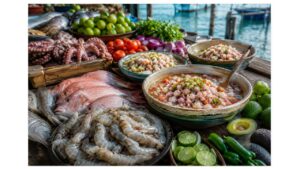
Although variations of citrus-marinated seafood appear throughout Latin America, Mexico has embraced ceviche as one of its defining coastal traditions. Long before refrigeration, coastal communities relied on the day’s catch, preparing seafood while it was at its absolute freshest using ingredients that were always close at hand—limes, chile peppers, onions, and herbs.
As trade expanded and regional cuisines evolved, ceviche spread along both of Mexico’s coastlines. Pacific states developed recipes highlighting shrimp and firm white fish, while Gulf communities introduced their own local seafood and distinctive flavor combinations. Over generations, each coastal region adapted the dish without losing the freshness that made it famous.
Today, ceviche remains one of the country’s most recognizable seafood specialties, served everywhere from humble family kitchens and neighborhood marisquerías to bustling seafood festivals and upscale coastal restaurants. Despite countless regional variations, the soul of ceviche has never changed: celebrating the incredible flavors of Mexico’s oceans with the simplest possible preparation.
Ceviche Around Mexico’s Coast
One of the most fascinating things about Mexican ceviche is that there’s no single “correct” recipe. Travel from one coastal state to another and you’ll discover new ingredients, different seafood, and unique traditions that reflect the waters nearby.
Baja California is known for pristine seafood, often featuring fresh fish ceviche served with tostadas overlooking the Pacific.
Sinaloa favors generous portions of shrimp, bright citrus, and bold chile flavors that naturally complement the state’s famous seafood culture.
Nayarit and Jalisco often incorporate local shellfish and tropical influences, creating refreshing ceviches perfect for warm afternoons along the coast.
Veracruz, on the Gulf of Mexico, brings together seafood with tomatoes, olives, herbs, and subtle Mediterranean influences that reflect the state’s rich culinary history.
Even the Yucatán Peninsula has developed its own coastal seafood traditions, combining Caribbean flavors with local citrus and regional ingredients.
Together, these regional traditions demonstrate why no single recipe can define authentic Mexican ceviche. Every coastline brings its own seafood, citrus, and culinary traditions to the table.
No matter where you travel, every bowl tells the story of its coastline.
If you’re inspired to discover more of Mexico’s remarkable coastal cuisine, Mexican Seafood Explained: The Coastal Dishes Every Food Lover Should Know introduces the fish, shellfish, and regional specialties that make the country’s Pacific and Gulf coasts some of the world’s greatest seafood destinations.
MEXICO’S CEVICHE CHANGES WITH EVERY SHORELINE, BUT FRESHNESS ALWAYS COMES FIRST.
Traditional Mexican Ceviche Ingredients
Authentic Mexican ceviche proves that remarkable flavor doesn’t require a long ingredient list. Every component has a purpose, working together to highlight the freshness of the seafood rather than overpowering it. While recipes vary from one coastline to another, the foundation remains surprisingly consistent.
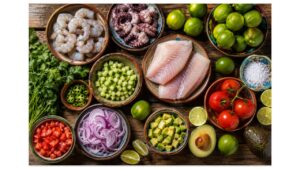
Fresh seafood is always the centerpiece. Depending on the region, cooks may use shrimp, firm white fish such as snapper or sea bass, octopus, scallops, or a combination of shellfish harvested from nearby waters. The quality of the seafood determines the quality of the finished dish, making freshness the single most important ingredient.
If you’re preparing ceviche at home, always purchase seafood from a trusted source and follow current food safety recommendations. Fresh, properly handled seafood is the foundation of authentic Mexican ceviche and the key to enjoying it safely.
Freshly squeezed lime juice gives ceviche its unmistakable brightness. Beyond adding vibrant citrus flavor, the lime gently transforms the seafood while creating the refreshing character that has made ceviche a favorite throughout Mexico’s coastal communities.
Tomatoes, red onion, cilantro, and chile peppers add color, texture, and balance. Crisp cucumber is common in many regional recipes, while creamy avocado is often served alongside the ceviche rather than mixed into it, allowing diners to enjoy contrasting textures with every bite.
Although each region proudly adds its own local ingredients, authentic Mexican ceviche never loses sight of its purpose: allowing exceptionally fresh seafood to remain the star of the plate.
How Is Mexican Ceviche Served?
One of the reasons ceviche has become such an iconic Mexican street food is its versatility. A bowl of freshly prepared ceviche can be enjoyed as a light meal, a refreshing appetizer, or the centerpiece of a leisurely afternoon overlooking the water.
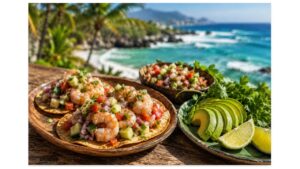
The most traditional presentation includes crispy tostadas served alongside generous spoonfuls of ceviche, allowing diners to build each bite with just the right balance of seafood, vegetables, and citrus. In many coastal towns, saltine crackers are equally popular, offering a simple crunch that lets the fresh ingredients remain the focus.
Creamy avocado, extra lime wedges, sliced jalapeños, and your favorite Mexican hot sauce are common accompaniments, giving each person the opportunity to customize the dish without changing its fresh character.
Whether enjoyed from a beachside food stand in Baja California, a family-owned marisquería in Sinaloa, or a bustling seafood market in Veracruz, ceviche is almost always served cold and eaten immediately while every ingredient is at its freshest.
If you’re fascinated by Mexico’s seafood traditions, Mexican Mariscos Explained: Why Coastal Seafood Is Street Food at Its Finest explores the restaurants, markets, and seafood culture that have made coastal cuisine an essential part of Mexican street food.
THE BEST SEAT FOR EATING CEVICHE IS ANYWHERE YOU CAN SMELL THE OCEAN.
How to Order Mexican Ceviche Like a Local
Walk up to a busy marisquería almost anywhere along Mexico’s coast, and you’ll quickly discover that ordering ceviche is about more than simply asking for “a bowl.” Every region has its own specialties, and choosing the seafood is often the first decision.
Shrimp ceviche is one of the most popular choices, but many coastal restaurants also offer fresh fish, octopus, mixed seafood, or combinations featuring the day’s catch. If you’re unsure where to begin, ask what’s freshest—that answer is often the best item on the menu.
When your ceviche arrives, it will usually be served with crispy tostadas or traditional saltine crackers. Both are authentic, and locals happily enjoy either. Use them to scoop up the seafood, vegetables, and bright citrus marinade, creating the perfect bite every time.
If hot sauce is available, taste the ceviche first before reaching for the bottle. Authentic ceviche is carefully balanced, and sampling it as the chef prepared it lets you appreciate the freshness of the seafood and the brightness of the lime before adding extra heat.
A chilled agua fresca, sparkling mineral water, or an ice-cold Mexican lager is the perfect companion, providing a refreshing contrast to the citrus and chile flavors while letting the seafood remain the star of the meal.
Most importantly, enjoy ceviche while it’s fresh and cold. Unlike many dishes that improve as they sit, ceviche is at its absolute best the moment it reaches your table, when every ingredient is crisp, vibrant, and perfectly balanced.
THE BEST WAY TO EXPERIENCE AUTHENTIC MEXICAN CEVICHE IS THE WAY LOCALS DO—FRESH, SIMPLE, AND SHARED WITH GOOD COMPANY.
How Mexican Ceviche Is Different from Other Latin American Styles
Although ceviche is enjoyed throughout Latin America, no two countries prepare it exactly the same way. Every region has adapted the dish to reflect its own coastline, local seafood, and culinary traditions, creating distinctive styles that celebrate the same simple idea in remarkably different ways.
Mexican ceviche is known for its generous use of fresh vegetables. Tomatoes, red onion, cilantro, cucumber, avocado, and chile peppers create a colorful, hearty dish that’s often substantial enough to enjoy as a complete meal. Crispy tostadas or traditional saltine crackers add texture, turning every bite into a satisfying combination of fresh seafood and vibrant produce.
Peruvian ceviche takes a different approach. It traditionally highlights firm white fish marinated in fresh lime juice with red onion and aji peppers, often served alongside sweet potato, giant corn, or cancha. The focus remains squarely on the fish and its delicate balance with the citrus marinade.
Elsewhere in Latin America, regional ingredients continue to shape the dish. Ecuadorian ceviche is frequently served with a more generous citrus-based broth, while Central American recipes often incorporate tropical fruits, coconut, or locally abundant seafood.
Rather than searching for a single “best” version, it’s more rewarding to appreciate how each country has transformed fresh seafood into a reflection of its own culture and coastline. Mexican ceviche stands apart for its bright vegetables, lively textures, and unmistakable street food spirit.
One of the characteristics that makes Mexican ceviche instantly recognizable is its presentation. Crispy tostadas transform the dish into a satisfying street food meal, and Tostadas Loaded with Crispy Crunch, Seafood, Meat & Bold Mexican Flavor explores why this simple corn base has become one of Mexico’s most versatile ways to enjoy seafood, meats, and fresh toppings.
EVERY COASTLINE TELLS ITS STORY THROUGH SEAFOOD—MEXICO’S STORY JUST HAPPENS TO BE ESPECIALLY COLORFUL.
Mexican Ceviche vs Aguachile at a Glance
Mexican Ceviche
- Origin: Coastal Mexico
- Citrus-forward
- Marinated longer
- Often includes tomatoes, cucumber, cilantro, and avocado
- Usually served with tostadas or crackers
Aguachile
- Origin: in Sinaloa
- Chile-forward
- Served almost immediately
- Usually features shrimp
- Bold, spicy lime broth
The Best Types of Authentic Mexican Ceviche to Try
One of the joys of traveling through Mexico’s coastal regions is discovering that no two bowls of ceviche are exactly alike. Every fishing community proudly prepares the dish using the seafood, citrus, and local ingredients that are freshest nearby, creating regional specialties worth seeking out.
Shrimp ceviche remains the classic choice and is often the best introduction for first-time visitors. Tender shrimp combine beautifully with tomatoes, cilantro, onion, cucumber, and fresh lime, creating a refreshing balance that’s become synonymous with Mexican coastal cuisine.
Fish ceviche is another favorite, particularly in Baja California and other Pacific communities where exceptionally fresh snapper, sea bass, and other firm white fish are abundant. The clean flavor of the fish allows the citrus and herbs to shine while showcasing the quality of the day’s catch.
Mixed seafood ceviche offers a little of everything. Shrimp, octopus, scallops, squid, and fresh fish are often combined into colorful bowls that celebrate the remarkable variety of Mexico’s oceans. Every bite offers a different texture while maintaining the bright, refreshing character that defines authentic ceviche.
For adventurous diners, octopus ceviche delivers a firmer texture and slightly richer seafood flavor that’s especially popular in many Gulf Coast communities. Prepared properly, it’s tender, refreshing, and every bit as satisfying as its shrimp counterpart.
No matter which version you choose, the best ceviche usually begins with one simple question:
“What’s the freshest seafood today?”
The answer often leads to the most memorable meal.
If you’re planning your first culinary adventure through Mexico, Mexican Street Food for First-Timers: What to Order and Why highlights many of the iconic dishes that deserve a place on your must-try list—including fresh coastal favorites like ceviche.
THE BEST CEVICHE ISN’T CHOSEN FROM A MENU—IT’S CHOSEN FROM TODAY’S CATCH.
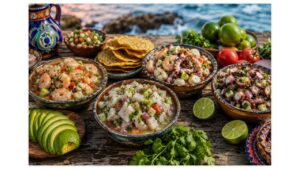
How to Enjoy Mexican Ceviche Like a Local
One of the best things about authentic Mexican ceviche is that it isn’t rushed. Whether you’re sitting at a beachfront marisquería, a neighborhood seafood market, or a family gathering, ceviche is meant to be enjoyed slowly while every ingredient is still cool, crisp, and bursting with freshness.
When ordering, don’t hesitate to ask what’s freshest that day. Coastal restaurants often prepare shrimp, white fish, octopus, or mixed seafood ceviche depending on the morning’s catch, and locals know that the freshest option is usually the best one.
Your ceviche will most likely arrive with crispy tostadas or traditional saltine crackers. Both are authentic accompaniments, and each provides the perfect crunch for scooping up seafood, vegetables, and the bright citrus marinade. Add a slice of creamy avocado to your tostada for an extra layer of richness that balances the acidity of the lime.
Before reaching for the hot sauce, take your first bite exactly as it’s served. Authentic Mexican ceviche is carefully balanced, allowing the sweetness of the seafood, the brightness of the citrus, and the freshness of the vegetables to shine together. Once you’ve experienced that balance, add a few drops of your favorite hot sauce if you’d like a little extra heat.
An ice-cold agua fresca, sparkling mineral water, or a crisp Mexican lager makes the perfect companion. Each refreshes the palate without overpowering the delicate flavors that make ceviche so memorable.
Above all, eat ceviche while it’s fresh and well chilled. Unlike many dishes that improve with time, ceviche is at its finest the moment it reaches your table, when the seafood is vibrant, the vegetables are crisp, and every bite tastes like the Mexican coast.
If you’re planning a culinary adventure through Mexico, The Amazing Guide to Taco Sauce Pairing: Best Hot Sauce for Tacos, Meats, Fish & Street Taco Flavor Hacks is a great place to discover even more iconic dishes that belong on your must-try list.
THE BEST MEXICAN CEVICHE ISN’T JUST EATEN—IT’S EXPERIENCED ONE FRESH, CITRUS-BRIGHT BITE AT A TIME.
🌶️ Peppers of Key West Product Pairing Quick Guide
Authentic Mexican ceviche is all about fresh seafood, bright citrus, and balanced flavors. The right hot sauce should enhance those ingredients without overwhelming them. These Peppers of Key West favorites complement everything from classic shrimp ceviche to mixed seafood and fresh fish preparations.
Serrano Pepper Hot Sauce – Perfect for traditional shrimp ceviche, adding fresh green chile flavor that complements lime and cilantro.
Jalapeño Garlic Hot Sauce – A smooth, savory pairing for white fish ceviche with roasted garlic and mild jalapeño heat.
Habanero Pepper Hot Sauce – Bright tropical heat that works beautifully with mixed seafood ceviche, especially when avocado and citrus are part of the dish.
Not So Fishy Fish Seasoning – A savory blend of herbs and spices that pairs beautifully with grilled fish, shrimp, and other seafood served alongside authentic Mexican ceviche.
🌶️ Peppers of Key West Products for Mexican Ceviche
Authentic Mexican ceviche celebrates fresh seafood and vibrant citrus, so the best hot sauces should enhance those flavors rather than overpower them. Whether you prefer mild, balanced heat or something with a tropical kick, these Peppers of Key West favorites pair naturally with Mexico’s refreshing coastal specialty.

Serrano Pepper Hot Sauce
Fresh, crisp serrano peppers make this one of the most natural companions for authentic shrimp ceviche. The bright green chile flavor complements lime juice, cilantro, cucumber, and avocado without masking the freshness of the seafood.
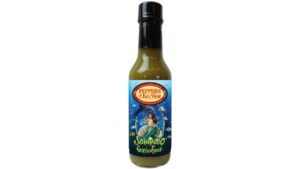
Jalapeño Garlic Hot Sauce
Smooth jalapeño heat and roasted garlic pair beautifully with white fish ceviche, adding a subtle layer of savory flavor while allowing the citrus marinade to remain the star of every bite.

Habanero Pepper Hot Sauce
For diners who enjoy a little more excitement, Habanero Pepper Hot Sauce brings fruity, tropical heat that pairs especially well with mixed seafood ceviche featuring shrimp, scallops, or octopus.
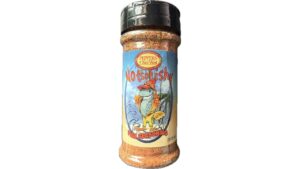
A savory blend of herbs and spices that complements grilled fish, shrimp, and other seafood favorites served alongside authentic Mexican ceviche, making it an excellent addition to any coastal Mexican meal.
Frequently Asked Questions:
What is Mexican ceviche?
Mexican ceviche is a fresh seafood dish made with shrimp, fish, or other seafood marinated in lime juice and combined with tomatoes, onion, cilantro, chile peppers, and other fresh ingredients.
Is Mexican ceviche the same as aguachile?
No. While both use fresh seafood and lime juice, ceviche is generally more citrus-forward and includes more vegetables, while aguachile emphasizes fresh chile peppers and is typically served almost immediately.
Is ceviche cooked?
Traditional ceviche is not cooked with heat. Instead, the seafood is transformed by the acidity of fresh lime juice.
What seafood is most commonly used in Mexican ceviche?
Shrimp is one of the most popular choices, although white fish, octopus, scallops, and mixed seafood are also common.
Why is Mexican ceviche served with tostadas?
Crispy tostadas provide the perfect crunch for scooping up the seafood and citrus marinade while turning ceviche into a satisfying street food meal.
Can you make ceviche at home?
Yes. Always purchase high-quality seafood from a trusted source and follow current food safety recommendations when preparing raw seafood dishes.
What is the best drink with Mexican ceviche?
Agua fresca, sparkling mineral water, and crisp Mexican lagers are traditional choices because they complement the dish’s fresh citrus flavors.
Which Mexican region is most famous for ceviche?
Excellent ceviche is found throughout Mexico’s Pacific and Gulf coastlines, including Baja California, Sinaloa, Veracruz, and the Yucatán Peninsula.
What makes Mexican ceviche different from other styles?
Mexican ceviche often includes tomatoes, cilantro, cucumber, avocado, and chile peppers, and is traditionally served with tostadas or crackers.
What hot sauce pairs best with Mexican ceviche?
Fresh, bright sauces such as Serrano Pepper Hot Sauce or Jalapeño Garlic Hot Sauce complement the seafood without overwhelming its delicate flavor.
Continue Your Mexican Street Food Journey
More Mexican Street Food Worth Every Bite
- Aguachile Explained: Mexico’s Fiery Seafood Dish That Makes Ceviche Look Tame
- Mexican Seafood Explained: The Coastal Dishes Every Food Lover Should Know
- Mexican Mariscos Explained: Why Coastal Seafood Is Street Food at Its Finest
- Tostadas Loaded with Crispy Crunch, Seafood, Meat & Bold Mexican Flavor
- Mexican Street Seafood That Hits Different with Tropical Hot Sauce
- The Most Underrated Mexican Street Foods Americans Need Immediately
- Why Mexican Street Food Delivers Bigger Flavor Than Most Restaurant Food
- Mexican Street Food for First-Timers: What to Order and Why
Discover More Mexican Street Food Favorites
- Mexican Street Tacos Explained: The Authentic Street Food That Started It All
- Best Hot Sauce for Shrimp Tacos: Sweet Heat Combos That Hit Perfect
- Best Hot Sauce for Fish Tacos: Citrus Heat & Coastal Flavor Pairings
- The Amazing Guide to Taco Sauce Pairing: Best Hot Sauce for Tacos, Meats, Fish & Street Taco Flavor Hacks
- Best Drinks for Taco Night: Margaritas, Mexican Beer & Sweet Pairings
Explore More Keywords
Mexican ceviche, authentic Mexican ceviche, shrimp ceviche, fish ceviche, octopus ceviche, mixed seafood ceviche, Mexican seafood recipes, coastal Mexican cuisine, mariscos, ceviche ingredients, traditional ceviche, fresh shrimp ceviche, white fish ceviche, Baja California ceviche, Sinaloa ceviche, Veracruz ceviche, Yucatán seafood, Mexican beach food, seafood tostadas, lime marinated seafood, ceviche with avocado, ceviche with cilantro, Mexican street food seafood, authentic marisquería, Mexican seafood market, fresh seafood Mexico, citrus seafood dishes, ceviche vs aguachile, ceviche explained, Mexican seafood traditions, best ceviche in Mexico, seafood appetizers Mexico, cold seafood dishes, tostadas with ceviche, authentic coastal Mexican food, Mexican seafood culture, traditional shrimp recipes, refreshing Mexican dishes, seafood with lime, Mexican culinary traditions
