
Habanero Pepper Explained: Flavor, Scoville Heat, Uses & What Makes It So Hot
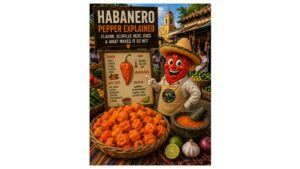
The habanero pepper has a marketing problem: everyone talks about the fire and forgets to mention that it actually tastes incredible. Beneath its formidable heat is a surprisingly fruity, floral and almost tropical chile that can transform hot sauce, salsa, seafood, grilled meat and fruit-based recipes. Of course, getting to all that flavor requires making peace with the fact that this small lantern-shaped pepper commonly reaches 100,000–350,000 Scoville Heat Units, enough to make familiar peppers such as jalapeños and serranos seem comparatively mild.
That combination of flavor and heat is what makes the habanero so distinctive. The peppers can mature in brilliant shades of orange, red, yellow and other colors, and their aroma can be surprisingly inviting—bright, fruity and floral rather than simply aggressive. Those qualities make habaneros particularly natural partners for tropical fruit, citrus, seafood, grilled meats, marinades, salsas and, of course, hot sauce. The challenge for the cook is learning to use enough pepper to capture that character without allowing its considerable pungency to overwhelm everything around it.
The habanero also has a deeper American story than its name might suggest. Although the word habanero means roughly “from Havana,” the pepper belongs to a much older chile tradition rooted in the Americas. Capsicum chinense, the species that includes habaneros and several of their fiery relatives, became particularly important throughout Mexico’s Yucatán Peninsula and the Caribbean, where intensely aromatic hot peppers became important culinary ingredients rather than simply tests of heat tolerance.
Today, the habanero occupies an important position in the chile pepper world. It is hot enough to demand respect, flavorful enough to be a serious culinary ingredient and familiar enough that even many people who know relatively little about chile peppers recognize its name. For someone exploring peppers by heat level, it also represents an important transition from familiar everyday heat into genuinely intense territory—but its Scoville rating alone doesn’t explain why cooks continue reaching for it when hundreds of milder peppers are available.
The answer is in the flavor. Understanding the habanero means looking beyond how much it burns and exploring what it tastes like, where it comes from, how cooks use it and why its combination of fruitiness, aroma and substantial heat has made it one of the world’s most recognizable hot peppers.
THE HABANERO ISN’T A GREAT PEPPER DESPITE ITS HEAT—ITS EXTRAORDINARY FLAVOR IS WHY COOKS LEARN HOW TO WORK WITH THE HEAT.
New to the world of chile peppers? Start with our Chile Pepper Guide: Flavor, Heat, Uses & Individual Peppers Explained to explore how individual peppers differ in flavor, heat, culinary uses, and character—and how familiar chiles like the habanero fit into the much larger Capsicum family.
🌶️ Habanero Snapshot
Pronunciation: hah-bah-NEH-roh
Spanish Name: Chile habanero
Species: Capsicum chinense
Historical Roots: The Americas
Strong Culinary Association: Yucatán Peninsula, Mexico, and Caribbean cuisines
Scoville Heat: Approximately 100,000–350,000 SHU
Heat Level: Very hot
Flavor: Fruity, floral, citrusy, subtly sweet
Common Colors: Green when immature; orange, red, yellow, brown, and other colors when ripe depending on variety
Shape: Small, wrinkled, lantern-like fruit
Best Uses: Hot sauce, salsa, marinades, seafood, grilled meats, tropical fruit sauces, stews, and condiments
Common Forms: Fresh, dried, powdered, fermented, and made into hot sauce
Best Substitute: Scotch bonnet when a similarly fruity flavor and high heat are appropriate
Quick Guide
What does a habanero pepper taste like?
Habaneros have a distinctive fruity, floral, slightly citrusy flavor with subtle sweetness beneath their intense heat. Their complex flavor is one reason they are so popular in hot sauces, salsas, marinades, and Caribbean- and Yucatán-inspired dishes.
How hot is a habanero pepper?
Habaneros generally measure around 100,000–350,000 Scoville Heat Units (SHU). That makes them dramatically hotter than jalapeños and serranos, although they remain well below modern superhot peppers such as ghost peppers and Carolina Reapers.
Are habaneros hotter than jalapeños?
Yes—by a huge margin. Jalapeños typically fall around 2,500–8,000 SHU, while habaneros commonly begin around 100,000 SHU. Even a relatively mild habanero can deliver substantially more capsaicin-driven heat.
Why are habaneros so fruity?
Habaneros naturally contain aromatic compounds that contribute floral, citrus, and fruit-like characteristics. Those flavors become especially noticeable when the pepper is paired with ingredients such as mango, pineapple, citrus, tomato, onion, and tropical fruit.
What are habanero peppers best used for?
Habaneros are excellent for hot sauces, salsas, marinades, seafood, grilled chicken and pork, Caribbean-inspired dishes, Yucatán-style cooking, fruit-based sauces, and recipes where intense heat needs an equally distinctive flavor.
Can you eat habanero peppers raw?
Yes, but their intense heat means a small amount can go a long way. Raw habanero is commonly minced very finely into salsas and condiments rather than eaten in large pieces.
What Is a Habanero Pepper?
The habanero is a small but exceptionally flavorful hot chile belonging to the species Capsicum chinense, a group that includes several peppers celebrated for combining significant heat with pronounced fruit and floral aromas. A ripe habanero is usually only a few inches long, with thin walls and a distinctive lantern-like shape that can appear slightly wrinkled or folded. Orange is perhaps the color most people associate with habaneros, but different varieties can mature into shades of red, yellow, white, brown and other colors, while immature fruits are generally green.
What makes the habanero remarkable, however, isn’t its appearance. It’s the unusual combination of flavor and heat waiting inside. Many hot peppers contribute primarily sharp heat or a more straightforward chile character, while a good habanero can be remarkably aromatic. Its fragrance and flavor can suggest tropical fruit, citrus, flowers and ripe sweetness before its capsaicin produces the powerful burn for which the pepper is famous. That combination gives the habanero a culinary identity that extends well beyond simply making food hotter.
Those qualities become especially apparent when the pepper is paired with sweet, acidic or rich ingredients. Mango and habanero work naturally together because tropical sweetness complements the pepper’s fruity character while providing contrast to its heat. Citrus can emphasize its brighter aromatic qualities, while pork and grilled meats provide enough richness to stand beside its intensity. Habanero can also work particularly well with seafood when lime, sour orange or other acidic ingredients are part of the dish.
The same balance helps explain why the habanero became such an important hot-sauce pepper. A sauce maker isn’t getting heat alone; the pepper contributes an identifiable flavor of its own. Because that flavor arrives with considerable pungency, relatively small amounts can influence an entire sauce, salsa, marinade or dish without requiring the pepper to provide much physical volume.
That gives the habanero a very different culinary role from peppers used primarily for mild chile flavor, texture or bulk. Cooks generally use it in smaller quantities, but those smaller quantities can fundamentally change a dish. A well-used habanero shouldn’t simply make food hurt. It should make the food taste more interesting before, during and after the heat arrives.
GREAT HABANERO COOKING ISN’T ABOUT PROVING HOW MUCH HEAT YOU CAN HANDLE—IT’S ABOUT USING JUST ENOUGH HEAT TO LET THE PEPPER’S FLAVOR SHINE.
 🌶️ Professor Pepper Says…
Habanero heat gets most of the attention, but aroma is the real lesson. Smell a freshly cut habanero before tasting anything and you’ll understand why cooks pair it with fruit, citrus, seafood, and grilled meats—the pepper is remarkably aromatic before capsaicin ever enters the conversation.
Why Is It Called a Habanero—and Where Does It Really Come From?
The name habanero creates one of the more interesting geography lessons in the pepper world. In Spanish, habanero means something associated with La Habana—Havana, Cuba—which has understandably caused generations of people to associate the pepper directly with Cuba. Its larger history, however, is more complicated.
Habaneros belong to Capsicum chinense, a chile species native to the Americas despite another famously misleading name. European botanists applied chinense because of an incorrect historical belief that these peppers originated in China. They didn’t. Chile peppers are New World plants, and over centuries of cultivation, trade, migration and regional cooking, Capsicum chinense peppers became deeply established across parts of Mexico, Central America, South America and the Caribbean.
The habanero became particularly important in Mexico’s Yucatán Peninsula, where its intense heat and aromatic character fit naturally into a cuisine rich with citrus, achiote, grilled meats, pickled onions and bold salsas. In Yucatecan cooking, habanero can accompany dishes built around ingredients such as sour orange, roasted tomato, onion, pork, turkey and seafood. Its fruity heat can provide contrast and brightness rather than existing simply to make a meal painfully spicy. That regional connection helps explain the habanero as a culinary ingredient rather than merely a heat challenge.
Its Caribbean connections make similar culinary sense. Fruity Capsicum chinense peppers thrive in warm climates and pair naturally with many tropical ingredients, which also helps explain why habaneros can seem reminiscent of Scotch Bonnet peppers. Both belong to Capsicum chinense, both can deliver formidable heat and both are known for fruity, aromatic characteristics. They are distinct peppers with their own histories and culinary traditions, however, which is why understanding one shouldn’t mean treating the names as interchangeable.
The habanero’s history ultimately reveals something useful about chile peppers generally: the name printed on a produce sign doesn’t always tell the entire story. The habanero’s name points toward Havana, its botanical name incorrectly points toward China, but its real story belongs to the Americas.
THE HABANERO’S NAME MAY POINT TO HAVANA, BUT ITS STORY STRETCHES ACROSS A MUCH OLDER WORLD OF INDIGENOUS AMERICAN CHILE CULTIVATION AND REGIONAL COOKING.

Flavor & Heat: What Does a Habanero Pepper Taste Like?
Ask someone to describe a habanero and there is a good chance the first word out of their mouth will be hot. They’re not wrong, but they’re leaving out the best part. Fresh habanero peppers have one of the most recognizable flavor profiles in the chile world. Beneath their intense heat is a surprisingly aromatic combination of tropical fruit, citrus, flowers and subtle sweetness. Depending on the variety and ripeness, that character can sometimes suggest apricot, mango, peach or other ripe fruit.
That fruitiness is one reason habaneros work so beautifully with ingredients that might seem unusual partners for a hot pepper. Mango, pineapple, peach, papaya, citrus, honey and other sweet or acidic ingredients can complement the pepper’s natural character rather than simply trying to tame its heat. The result can be a combination in which sweetness, acidity, fruit and chile flavor remain noticeable even as the pepper brings substantial pungency.
And that pungency is considerable. Habanero peppers generally measure between 100,000 and 350,000 Scoville Heat Units (SHU). For perspective, a typical jalapeño measures roughly 2,500–8,000 SHU, while a serrano generally falls around 10,000–23,000 SHU. Even the lower end of the habanero range therefore represents a major jump in intensity for someone accustomed to everyday Mexican chiles.
Habanero heat can develop rapidly and spread throughout the mouth, producing a powerful, lingering sensation rather than disappearing after the first bite. The exact experience varies with the individual pepper, growing conditions, ripeness and, just as importantly, the amount used. This is where cooking technique becomes particularly important. A recipe doesn’t need a handful of habaneros to capture their character; sometimes a small amount is enough to introduce both their unmistakable aroma and substantial heat. Experienced cooks can therefore treat the habanero almost like a concentrated seasoning—using enough to transform a dish without necessarily allowing the pepper to overwhelm everything else.
Understanding where that heat comes from also helps explain how the pepper behaves. Capsaicin and related capsaicinoids are produced primarily in the pale placental tissue inside the pepper rather than in the seeds themselves. The seeds can become coated with capsaicinoid-rich material through contact with surrounding tissues, which helps explain the common misconception that the seeds are the hottest part. Simply scraping away the seeds while leaving much of the internal placental tissue may therefore reduce the pepper’s heat less than someone might expect.
This combination of tremendous heat and unusually expressive flavor explains why the habanero became so important to cooks and hot-sauce makers. There are peppers that are considerably hotter and others that are much easier to use generously, but relatively few occupy this particular intersection of serious heat and intensely aromatic tropical flavor.
THE HABANERO’S HEAT GETS YOUR ATTENTION. ITS FRUITY, FLORAL CHARACTER IS WHAT GIVES THAT HEAT A CULINARY PURPOSE.
How Habanero Peppers Are Used in Cooking
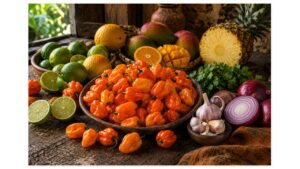
Habaneros reward cooks who stop treating them as a stunt. Their intense heat means they rarely need to dominate a recipe physically; a single pepper—or sometimes only part of one—can influence an entire salsa, marinade, sauce or pot of food. This allows cooks to use habanero almost like a powerful aromatic ingredient, adjusting the quantity until the desired balance of flavor and heat appears.
In Mexico’s Yucatán Peninsula, habanero peppers are deeply connected to regional cooking, frequently appearing alongside citrus, onion, tomato and other ingredients in fiery table salsas and condiments. Their bright fruitiness is especially compatible with the tart acidity found throughout Yucatecan cooking. Acid doesn’t magically remove capsaicin, but citrus can create a brighter overall flavor profile in which the pepper’s aroma, the food and the heat remain part of the same experience rather than allowing pungency to become the only thing the diner notices.
Habaneros are also excellent with grilled and roasted foods because their fruity aroma provides contrast against smoky, deeply browned flavors. That makes them particularly useful with pork, chicken, beef, seafood and roasted vegetables. Fresh fish, shrimp, lobster and other seafood can be especially good partners when habanero is balanced with citrus, herbs, onion or fruit, producing something that tastes bright and tropical rather than simply aggressive.
Salsa provides another natural home for the pepper. Habaneros can be combined with roasted tomatoes, tomatillos, onions, garlic, citrus or tropical fruit to create everything from fresh table sauces to intensely concentrated roasted salsas. Roasting can deepen the pepper’s character, reducing some of its fresh floral quality while introducing richer roasted flavors. Beyond Mexico, those same characteristics make habaneros useful in Caribbean cooking, grilling, marinades, chutneys, fruit sauces and spicy condiments.
Perhaps no preparation has done more to spread the habanero’s reputation internationally than hot sauce. Habaneros are particularly well suited to sauce making because they contribute substantial heat while retaining a distinctive flavor that can remain recognizable alongside ingredients such as vinegar, citrus, fruit, garlic, onion and spices. That is one reason a habanero sauce can taste dramatically different from one built around cayenne, jalapeño or a superhot pepper: the habanero isn’t simply determining how hot the sauce becomes. It is helping define what the sauce tastes like.
THE BEST HABANERO COOKING DOESN’T TRY TO HIDE THE PEPPER’S HEAT—IT GIVES THAT HEAT ENOUGH FLAVOR AROUND IT TO MAKE IT WORTH EATING.
Why Habaneros and Tropical Fruit Work So Well Together
Mango-habanero didn’t become a flavor combination because somebody lost a bet. There’s real culinary logic behind it. Habaneros naturally possess fruit-forward aromas, while ripe tropical fruits provide sweetness and acidity, so pairing them can amplify characteristics they already share. Mango is probably the most recognizable example: its dense sweetness and tropical aroma can stand up to the habanero’s powerful personality while creating enough contrast for the chile’s fruity and floral qualities to remain noticeable alongside the heat.
🌶️ Professor Pepper Says…
Don’t think of mango or pineapple as ingredients added simply to cool down a habanero. Their sweetness and acidity highlight flavors already hiding inside the pepper, which is why fruit-and-habanero combinations can taste surprisingly natural instead of gimmicky.
Pineapple brings something different to the pairing. Its brighter acidity and sharp tropical character can make habanero sauces feel fresher and livelier, particularly alongside grilled pork, chicken, shrimp and fish. Peach, apricot, papaya, passion fruit and citrus can work for similar reasons, each providing its own combination of sweetness, acidity and aroma to complement the habanero’s naturally fruity character.
These combinations demonstrate an important lesson about cooking with hot peppers: balancing heat does not mean eliminating it. Sweetness can soften the perception of chile heat while adding another dimension of flavor, acidity provides brightness, salt strengthens the overall flavor structure, and fat can influence how capsaicin is experienced. The goal isn’t to make the habanero disappear; it’s to create enough balance for its flavor to remain enjoyable alongside its heat.
A well-made mango-habanero salsa should therefore still taste like habanero. If all you taste is mango, the chile has disappeared. If all you experience is burning, the other ingredients aren’t doing enough to create balance. The best versions occupy the space between those extremes, allowing fruit, acidity, chile flavor and heat to remain recognizable parts of the same dish.
That principle extends far beyond salsa. Habanero-fruit combinations can become glazes for grilled chicken, sauces for seafood, marinades for pork, toppings for tacos, barbecue sauces, chutneys and fermented hot sauces. Understanding these pairings also helps explain why the habanero occupies such a distinctive culinary niche among very hot peppers: its flavor naturally invites other ingredients into the conversation.
HABANERO AND TROPICAL FRUIT WORK BECAUSE SWEETNESS DOESN’T HIDE THE PEPPER—IT GIVES ITS FRUITY SIDE ROOM TO SPEAK.
Orange, Red, Chocolate & Other Habaneros: Does Color Matter?
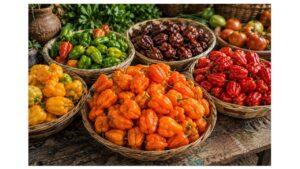
The orange habanero may be the celebrity of the family, but it isn’t the only one invited to dinner. Habaneros exist in numerous cultivated varieties that can ripen into orange, red, yellow, white, brown and other shades, with differences in fruit size, aroma, flavor and heat. The familiar orange habanero is the benchmark most cooks recognize, typically delivering the characteristic combination of tropical fruitiness, floral aroma and substantial heat associated with the pepper, while other cultivars can express somewhat different aromatic and flavor characteristics.
Then there are chocolate habaneros. Despite the delicious-sounding name, nobody slipped cocoa into the garden. “Chocolate” refers primarily to the pepper’s deep brown mature color, and these habaneros can develop a richer, earthier character than the brighter fruitiness commonly associated with orange varieties. Red, yellow and lighter-colored habaneros can also have their own characteristics, although color alone should never be treated as a reliable guide to either flavor or heat.
That is especially true when it comes to the Scoville scale. Different habanero cultivars can overlap considerably in heat, while individual peppers can vary because of genetics, growing conditions, maturity and environment. A darker or brighter pepper isn’t automatically hotter simply because of its color, so appearance should be treated as one characteristic of the cultivar rather than a dependable heat meter.
Ripeness can influence flavor as well. Habaneros generally begin green before developing their mature color, and as the fruit ripens, its aromatic, fruity and sweet characteristics can become more pronounced. For cooks, that means choosing a habanero can involve more than deciding how much heat they want. Differences among cultivars and stages of ripeness can become particularly noticeable in preparations such as fresh salsa, fermented hot sauce, fruit sauces and chile-forward marinades where the pepper’s own flavor remains prominent.
THE HABANERO FAMILY IS FAR MORE DIVERSE THAN THE PILE OF ORANGE PEPPERS AT THE SUPERMARKET SUGGESTS.
Fun Facts About Habanero Peppers
The habanero has accumulated plenty of mythology over the years, partly because peppers this hot tend to get people’s attention. But some of the most interesting facts have nothing to do with surviving the heat.
- Habaneros belong to the species Capsicum chinense, despite chile peppers being native to the Americas rather than China.
- The name habanero is connected linguistically to Havana, Cuba.
- Habaneros are especially important in the cooking traditions of Mexico’s Yucatán Peninsula.
- Most habaneros fall around 100,000–350,000 Scoville Heat Units.
- Orange is the most familiar color, but habanero varieties can mature to red, yellow, white, brown, and other shades.
- Chocolate habaneros are named for their dark brown color—not because they taste like chocolate.
- Habaneros are closely related botanically to other intensely aromatic Capsicum chinense peppers.
- Their flavor can be surprisingly fruity and floral beneath the heat.
- Ripe habaneros are commonly used fresh, fermented, dried, blended into salsa, and transformed into hot sauce.
- Habaneros were once regarded as extraordinarily hot peppers, but modern superhots such as ghost peppers and Carolina Reapers have pushed the upper limits of the Scoville scale dramatically higher.
That last fact certainly doesn’t make the habanero mild. It simply illustrates how dramatically the world of cultivated hot peppers has changed. Habaneros remain intensely hot by normal culinary standards, but their enduring popularity has far more to do with their usefulness in food than with chasing records.
THE HABANERO MAY HAVE LOST THE EXTREME-HEAT ARMS RACE, BUT IT NEVER LOST ITS PLACE AS ONE OF THE WORLD’S GREAT CULINARY HOT PEPPERS.
Handling, Cutting & Cooking with Habanero Peppers Safely
Cooking with a jalapeño and cooking with a habanero aren’t quite the same assignment. A habanero contains enough capsaicin that careless handling can turn an innocent afternoon of salsa making into a memorable lesson about touching your eyes. When preparing fresh habaneros, consider wearing food-safe gloves, especially if you’re cutting several peppers. Avoid touching your eyes, nose or other sensitive areas while working with them, and wash your hands, knife, cutting board and other surfaces thoroughly afterward.
The pale internal tissue deserves particular attention because capsaicin and related capsaicinoids are produced primarily in the pepper’s placental tissue—the lighter-colored material inside the fruit where the seeds attach. Removing some of this tissue can reduce the amount of capsaicinoids going into a recipe, although it won’t transform a habanero into a mild pepper.
The seeds themselves are frequently blamed for all the heat, but that explanation isn’t quite accurate. They can become coated with capsaicinoid-rich material because they’re in direct contact with the surrounding tissues, but they aren’t the pepper’s primary capsaicinoid-producing structure. Understanding that distinction makes it easier to control how much of the pepper’s hottest internal material actually makes its way into the food.
🌶️ Professor Pepper Says…
Removing the seeds alone isn’t the shortcut many people think it is. If you’re trying to reduce the fire while keeping some habanero flavor, pay attention to the pale tissue inside the pepper where those seeds attach.
Quantity is another important consideration when cooking with habaneros. If you’re experimenting with them for the first time, start conservatively; it’s considerably easier to add more pepper than to rescue a salsa that suddenly feels capable of stripping paint. How the pepper is prepared matters as well. Finely mincing or blending habanero distributes its heat throughout a dish, while larger pieces can create more concentrated bursts. Roasting introduces deeper, more developed flavors, and fermentation can transform the pepper’s fresh fruitiness into something more complex and tangy.
Cooking, however, doesn’t simply make capsaicin disappear. Roasting, grilling, simmering and drying can change the pepper’s flavor and texture, but none should be treated as a reliable way to make a habanero harmless. There is also a practical concern when cooking or processing larger quantities of very hot peppers: avoid deliberately inhaling the fumes, since airborne capsaicin-containing particles or droplets can irritate the eyes and respiratory system.
Respecting a habanero doesn’t mean being afraid of it. It means understanding that a little pepper can accomplish a lot. Once you learn how to control the quantity, balance the heat and pair the pepper with complementary ingredients, the habanero becomes much easier—and much more rewarding—to cook with.
WITH HABANERO, CONTROL MATTERS MORE THAN QUANTITY. A LITTLE PEPPER CAN BRING BOTH SERIOUS HEAT AND SERIOUS FLAVOR TO AN ENTIRE DISH.
Best Substitutes for Habanero Peppers
Finding a good habanero substitute depends on what you’re actually trying to replace: its substantial heat, its distinctive fruity aroma or some combination of the two. That’s why simply choosing another pepper with a similar-looking Scoville number doesn’t necessarily produce the best result.
For recipes where the habanero’s fruity character and considerable heat are equally important, a Scotch Bonnet can be one of the closest culinary alternatives. Scotch Bonnets have their own distinctive identity and are especially important throughout Caribbean cooking, but their combination of fruitiness, aroma and significant heat allows them to perform a similar role in sauces, marinades and tropical preparations.
If the goal is to preserve some bright chile character while dramatically reducing the heat, a ripe red jalapeño or Fresno pepper can be more approachable. Neither reproduces the habanero’s distinctive tropical aroma or intensity, but both can contribute fresh chile flavor without pushing a dish into very-hot territory. Moving in the opposite direction requires considerably more caution. Superhot peppers such as Ghost Pepper or Carolina Reaper provide more than enough fire, but their dramatically greater potential heat makes them poor one-for-one replacements for habanero in most recipes.
This is why choosing a substitute should begin with the finished dish rather than the Scoville scale. In a tropical salsa, the fruitiness of the replacement may matter enormously. In hot sauce, aroma, heat and the way the pepper works with the other ingredients all matter. With grilled seafood, preserving brightness may be more important than matching the habanero’s exact heat range. The best substitute is ultimately the pepper that can perform the job the habanero was supposed to perform in that particular recipe.
MATCH THE HABANERO’S FLAVOR AND CULINARY PURPOSE FIRST—THEN DECIDE HOW MUCH HEAT YOU ACTUALLY WANT.
🌶️ Recommended Peppers of Key West Products for Habanero Pepper Fans
Learning about habaneros is more fun when the lesson eventually reaches the plate. These Peppers of Key West products provide several ways to experience habanero-friendly flavor profiles, from a pepper-forward sauce to sweeter cooking applications and a broader tasting collection.
Product Pairing Quick Guide
- Tacos, grilled chicken, eggs, seafood, and everyday meals → Peppers of Key West Habanero Pepper Hot Sauce
- Grilled pork, chicken, shrimp, tropical dishes, and sweet-heat recipes → Peppers of Key West Cherry Pomegranate Habanero Sauce
- Seafood, grilled meats, tacos, marinades, and Caribbean-inspired meals → Peppers of Key West Jamaican Jerk Sauce
- Pepper tastings, taco bars, cookouts, gifts, and comparing heat levels → Peppers of Key West Hot Sauce Variety 5-Pack
🌶️ Best Peppers of Key West Pairings for Habanero Lovers
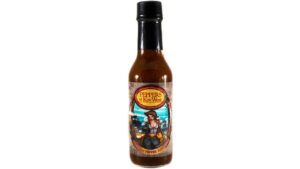
Peppers of Key West Habanero Pepper Hot Sauce
If this article has you curious about what makes habanero such an outstanding hot-sauce pepper, Peppers of Key West Habanero Pepper Hot Sauce is the natural place to continue. Habanero brings considerably more heat than everyday jalapeño sauces while retaining the fruity pepper character that makes it useful with actual food—not merely as a test of endurance.
Why You’ll Love It: It puts the habanero’s distinctive pepper character and substantial heat front and center.
Perfect For: Tacos, burritos, grilled chicken, seafood, eggs, burgers, rice dishes, and anyone ready to move beyond medium heat.
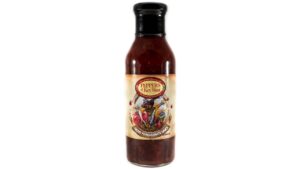
Peppers of Key West Cherry Pomegranate Habanero Sauce
Habanero’s natural affinity for fruit makes Peppers of Key West Cherry Pomegranate Habanero Sauce especially relevant here. Sweet and fruit-forward flavors demonstrate one of the central lessons of this article: pairing habanero with fruit can create complexity and balance instead of simply covering up the chile.
Why You’ll Love It: The fruit-and-habanero combination shows how sweetness and chile flavor can complement one another.
Perfect For: Pork, chicken, shrimp, grilled vegetables, tropical-inspired meals, glazes, appetizers, and backyard cooking.
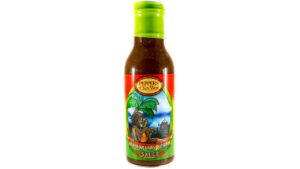
Peppers of Key West Jamaican Jerk Sauce
Habanero and its Capsicum chinense relatives fit naturally into the broader world of Caribbean flavor, making Peppers of Key West Jamaican Jerk Sauce a useful culinary companion to this article. Bold seasoning, chile character, and grilled foods create exactly the kind of environment where fruity hot peppers shine.
Why You’ll Love It: It connects intense chile flavor with the aromatic seasoning and grilled-food traditions that make Caribbean cooking so distinctive.
Perfect For: Grilled chicken, pork, shrimp, fish, vegetables, rice dishes, marinades, and cookouts.

Peppers of Key West Hot Sauce Variety 5-Pack
Once you understand habanero, the next logical question is how it compares with peppers at other heat levels. The Peppers of Key West Hot Sauce Variety 5-Pack turns that curiosity into a tasting experience, letting pepper fans work their way through sauces featuring different chile personalities and levels of heat.
Why You’ll Love It: Tasting several pepper sauces side by side makes differences in heat and flavor much easier to understand.
Perfect For: Pepper tastings, taco nights, cookouts, game day, gifts, parties, and discovering your preferred heat level.
Habanero Pepper: More Than Just Heat
The habanero earned its reputation because of its heat, but heat alone doesn’t explain why this pepper has remained so important in kitchens throughout Mexico, the Caribbean and far beyond. Plenty of peppers can make food hotter. Far fewer combine serious pungency with such a recognizable mixture of tropical fruit, citrus, floral aroma and subtle sweetness.
That combination is what makes the habanero such a useful pepper to understand. It can bring intensity to a salsa, brightness to seafood, contrast to grilled meat, complexity to hot sauce and an almost natural partnership with mango, pineapple and other tropical fruit. Learning to cook with it is less about developing a tolerance for extreme heat than learning how a small amount of chile can influence an entire dish.
The habanero also occupies an important place in the larger pepper world. It is considerably hotter than familiar everyday chiles such as jalapeños and serranos, yet remains firmly rooted in cooking rather than existing primarily as a superhot challenge.
THE HABANERO MAY BE FAMOUS FOR ITS FIRE, BUT ITS FLAVOR IS WHAT EARNED IT A PERMANENT PLACE IN THE KITCHEN.
Frequently Asked Questions
How hot is a habanero pepper?
Most habanero peppers fall around 100,000–350,000 Scoville Heat Units, making them significantly hotter than jalapeños and serranos but generally milder than modern superhot peppers.
What does a habanero pepper taste like?
Habaneros have a distinctive fruity, floral, citrusy flavor with subtle sweetness beneath their intense heat, which makes them especially useful in salsa, marinades, fruit sauces, and hot sauce.
Why are habaneros so hot?
Habaneros contain relatively high concentrations of capsaicinoids, the compounds responsible for the burning sensation associated with chile peppers.
Are orange habaneros hotter than red habaneros?
Color alone doesn’t reliably determine heat. Habanero varieties overlap considerably in Scoville range, and genetics, growing conditions, maturity, and individual fruits can all influence intensity.
Are green habaneros ripe?
Green habaneros are generally immature fruits. As they ripen, they develop their mature color and often gain more pronounced fruity, sweet, and aromatic characteristics.
Are habanero seeds the hottest part of the pepper?
Not exactly. Capsaicin is concentrated primarily in the placental tissue inside the pepper where the seeds attach. Seeds can become coated with capsaicin through contact with this tissue.
Can you cook habaneros to make them less hot?
Cooking changes flavor and texture but does not eliminate capsaicin. Roasting or simmering can alter how the pepper tastes, yet cooked habaneros can remain intensely hot.
Can habanero peppers be frozen?
Yes. Habaneros freeze well for later use in cooked sauces, salsas, soups, marinades, and hot sauce, although freezing can soften their texture after thawing.
What is the best substitute for a habanero pepper?
Scotch bonnet is one of the closest alternatives when both fruity flavor and significant heat matter. Milder peppers such as ripe jalapeños or Fresnos can work when less heat is desired.
What foods pair best with habanero peppers?
Habaneros pair particularly well with mango, pineapple, citrus, seafood, pork, chicken, grilled meats, tomato, onion, garlic, tropical fruit, salsa, marinades, and hot sauces.
🌶️ Continue Your Pepper Journey
More Hot Peppers Worth Getting to Know
- Jalapeño Pepper Explained: Flavor, Heat, Uses & Why It’s America’s Favorite Chile
- Chile de Árbol Explained: Flavor, Heat, Uses & Why This Mexican Chile Packs a Fiery Punch
- Datil Pepper Explained: Flavor, Heat, Uses & Why This Pepper Is a Florida Favorite
- Poblano Pepper Explained: Flavor, Heat, Uses & Why It’s the Chile Behind Chiles Rellenos
See More Keywords
habanero facts, fresh habanero peppers, ripe habanero peppers, orange habaneros, red habaneros, yellow habaneros, chocolate habaneros, green habaneros, fruity hot peppers, floral chile peppers, tropical hot peppers, very hot peppers, Capsicum chinense peppers, Yucatán chile peppers, Mexican habanero peppers, habanero salsa, habanero hot sauce, fermented habanero sauce, roasted habaneros, grilled habaneros, habanero marinade, mango habanero, pineapple habanero, habanero seafood, habanero chicken, habanero pork, habanero Scoville scale, habanero capsaicin, habanero pepper history, habanero pepper origin, cooking with hot peppers, handling hot peppers, habanero pepper varieties
