Huaraches Explained: Mexico’s Giant Oval Street Food Loaded with Flavor
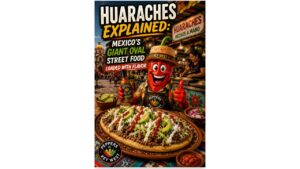
Think tacos are the biggest thing on a Mexican street-food menu? Wait until you meet the huarache. Named after the traditional Mexican sandal it resembles, this oversized oval masterpiece starts with thick, handmade corn masa before being piled high with refried beans, grilled meats, fresh lettuce, crema, queso fresco, avocado, onions, and vibrant salsa. It’s bold, satisfying, and packed with regional character. In this guide, you’ll discover what makes huaraches unique, how they differ from sopes, gorditas, and tacos, where they originated, and why this legendary street-food favorite deserves a place at the top of every Mexican food lover’s must-try list.
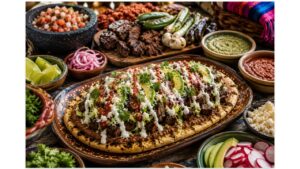
Few Mexican street foods make a first impression quite like a huarache. Before you even take a bite, its oversized oval shape immediately stands out from the tacos, tortas, and sopes surrounding it. Built on a thick base of fresh corn masa and generously topped with beans, grilled meats, vegetables, cheese, crema, avocado, and salsa, a huarache isn’t just another snack—it’s often an entire meal.
Named after the traditional leather sandal it resembles, the huarache has become one of Mexico’s most recognizable street-food specialties. Vendors throughout Mexico City and central Mexico prepare them fresh on large griddles, layering each one with regional ingredients that showcase the country’s incredible diversity of flavors. Whether topped with juicy carne asada, smoky chorizo, tender chicken, or slow-cooked carnitas, every huarache celebrates the simple idea that fresh masa deserves to be the foundation of something extraordinary.
Walk through a neighborhood market and you’ll quickly notice that no two vendors make them exactly alike. Some keep things simple with beans, salsa, queso fresco, and onions, while others build towering creations loaded with grilled meats, nopales, avocado, crema, fresh cilantro, and multiple homemade salsas. The result is one of the most satisfying and customizable meals you’ll find anywhere in Mexican street-food culture.
If you’re ready to explore beyond tacos, Mexican Street Food Beyond Tacos: Elote, Tortas, Tamales & More introduces dozens of authentic dishes that showcase just how diverse Mexico’s street-food traditions truly are.
Authentic Mexican street food celebrates fresh ingredients, bold flavors, and handcrafted traditions. That’s the same philosophy behind Peppers of Key West, where every handcrafted hot sauce is designed to complement great food rather than overpower it.
By the time you finish reading, you’ll know exactly what a huarache is, where it originated, how it’s traditionally prepared, what toppings belong on it, how it differs from similar masa-based dishes, and why it has earned its reputation as one of Mexico’s most beloved street-food meals.
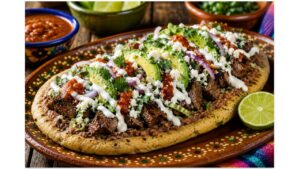
Quick Guide: What Is a Mexican Huarache?
- Thick, hand-shaped oval base made from fresh nixtamalized corn masa.
- Named after the traditional Mexican sandal because of its distinctive shape.
- Traditionally spread with refried beans before adding toppings.
- Common toppings include carne asada, carnitas, chicken, chorizo, nopales, lettuce, crema, queso fresco, avocado, onions, and salsa.
- Larger and more filling than tacos or sopes, often served as a complete meal.
- A signature specialty of Mexico City and central Mexican street-food culture.
- Best enjoyed fresh from the griddle while the masa is still warm and slightly crisp.
What Is a Mexican Huarache and Why Is It So Popular?
At first glance, a huarache might look like an oversized sope or an unusually shaped tortilla, but it’s something entirely its own. The thick oval base is carefully hand-formed from fresh masa before being cooked on a hot griddle until lightly crisp on the outside while remaining soft and tender inside. A generous layer of refried beans is typically spread across the surface before the toppings are added, creating the perfect foundation for grilled meats, fresh vegetables, cheese, crema, avocado, and homemade salsa.
Unlike tacos, which wrap ingredients inside a folded tortilla, or gorditas, which hide fillings inside the masa, huaraches proudly display every topping. Their larger size allows vendors to create colorful combinations that are as visually impressive as they are satisfying. Every bite delivers a balance of warm corn, smoky grilled meats, creamy beans, fresh vegetables, and bright salsa.
The popularity of huaraches comes from their versatility. Whether you’re craving steak, chicken, carnitas, chorizo, nopales, or even vegetarian toppings, the sturdy masa base holds everything together while providing the rich corn flavor that makes authentic Mexican street food so memorable.
THE HUARACHE PROVES THAT SOMETIMES BIGGER REALLY DOES MEAN BETTER—ESPECIALLY WHEN EVERY INCH IS COVERED IN INCREDIBLE FLAVOR.
If you’re curious how huaraches compare with other traditional masa-based specialties, Mexican Street Food Flatbreads Compared: Gorditas vs Sopes vs Tlacoyos vs Memelas vs Huaraches explains the unique characteristics that make each dish a regional favorite.
Where Did Huaraches Come From?
The huarache is most closely associated with Mexico City and central Mexican street-food culture, where vendors have long transformed fresh masa into hearty meals designed for hungry customers on the move. Like many great Mexican street foods, it began with humble ingredients: corn masa, beans, salsa, and whatever fresh toppings were available nearby.
The name comes from its shape. A huarache is long, oval, and slightly pointed at the ends, resembling the traditional Mexican sandal of the same name. That playful comparison stuck, and today the word immediately brings to mind one of the most satisfying masa-based dishes in Mexican cooking.
What makes the huarache especially important is how it reflects Mexico’s deep relationship with corn. Fresh masa is not just a base; it is the foundation of the dish. When cooked properly, the outside becomes lightly crisp while the inside stays tender, giving every bite a satisfying contrast between texture and flavor.
Traditional huaraches often begin with a thin layer of beans pressed into or spread across the masa, followed by salsa, meat, cheese, onions, lettuce, crema, and other toppings. Over time, different vendors and regions added their own touches, creating versions topped with carne asada, al pastor, chorizo, chicken, carnitas, nopales, mushrooms, or vegetables.
THE HUARACHE IS MORE THAN A BIG OVAL TORTILLA—IT IS A STREET-FOOD CLASSIC BUILT ON CENTURIES OF CORN, COMFORT, AND CREATIVITY.
For a broader look at how Mexico turns simple ingredients into unforgettable street food, Why Mexican Street Food Delivers Bigger Flavor Than Most Restaurant Food explains the techniques and traditions behind that bold flavor.
Huarache vs Sope vs Gordita: What Makes It Different?
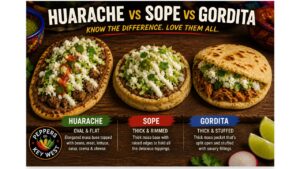
Huaraches often get compared to sopes and gorditas because all three are made from fresh corn masa, but they are built for very different eating experiences. Understanding the difference helps you appreciate why huaraches feel so generous and dramatic compared with their smaller cousins.
A sope is usually round, thick, and pinched around the edges to create a raised border. That rim helps hold toppings like beans, meat, lettuce, crema, salsa, and cheese. Sopes are compact, sturdy, and layered, making them one of the most approachable introductions to masa-based Mexican street food.
A gordita is also thick, but instead of holding toppings on top, it is sliced open and stuffed. Fillings like carnitas, shredded chicken, beans, cheese, picadillo, or chicharrón prensado go inside the masa, creating a handheld pocket of flavor.
A huarache takes a different path. It is long, oval, and much larger, giving vendors more room to build a full meal on top. The shape makes it ideal for bigger portions of grilled meat, beans, salsa, lettuce, crema, queso fresco, avocado, onions, and nopales. Where a sope feels like a loaded appetizer and a gordita feels like a stuffed pocket, a huarache feels like a full street-food platter you can hold with both hands.
The eating experience is also different. A huarache gives you more surface area, more toppings, and more contrast between crisp masa edges and soft interior. It is messy in the best possible way, especially when loaded with carne asada, chorizo, salsa roja, crema, and crumbled cheese.
SOPES ARE BUILT TO HOLD TOPPINGS, GORDITAS ARE BUILT TO HIDE FILLINGS, AND HUARACHES ARE BUILT TO SHOW OFF.
For a deeper comparison of Mexico’s most beloved masa-based classics, Gorditas vs Sopes: Two Mexican Street Food Classics Most Americans Confuse breaks down the differences between two dishes that often get mistaken for each other.
What Goes on a Traditional Mexican Huarache?
A traditional huarache usually starts with fresh masa and beans. Some versions press refried beans directly into the masa before cooking, while others spread beans over the cooked base before adding toppings. Either way, beans help create the rich, savory layer that ties the dish together.
From there, the toppings can vary widely. Carne asada is one of the most popular choices because grilled beef brings smoky flavor and enough richness to match the size of the huarache. Chorizo adds bold seasoning and a little grease in the most delicious way possible. Chicken, carnitas, al pastor, barbacoa, mushrooms, nopales, and vegetables all work beautifully depending on the vendor, region, and customer’s appetite.
Fresh toppings bring balance. Lettuce or shredded cabbage adds crunch. Onions and cilantro brighten the heavier ingredients. Queso fresco gives salty creaminess, while crema softens the heat of the salsa. Avocado adds richness, and salsa roja or salsa verde brings the final spark of acidity, chile flavor, and freshness.
What makes a huarache special is not just the number of toppings. It is the way they work together. The masa provides warm corn flavor, the beans add depth, the meat brings richness, and the fresh toppings keep everything from feeling too heavy. A good huarache should taste bold, satisfying, and balanced, not overloaded for the sake of being overloaded.
That balance is also where hot sauce belongs. The right sauce should brighten the grilled meats, beans, and toppings without burying the fresh masa underneath. A few dashes can make steak, chicken, chorizo, or nopales taste even more alive.
A GREAT HUARACHE IS LOADED, BUT IT SHOULD NEVER FEEL RANDOM—EVERY TOPPING HAS A JOB TO DO.
If you’re exploring the toppings, sauces, and finishing touches that make Mexican street food so exciting, Mexican Street Food Sauces Beyond Salsa: Crema, Chili Oils, Citrus Heat & More is a natural next stop.
Is a Huarache a Meal or a Snack?
One of the reasons huaraches have become such a beloved part of Mexican street-food culture is that they blur the line between street snack and full meal. While many street foods are designed to be eaten quickly on the go, a huarache is hearty enough to satisfy even the biggest appetite.
Its generous size starts with the masa itself. Unlike a taco, where the tortilla simply wraps the filling, the huarache’s thick oval base becomes an essential part of every bite. The fresh corn flavor, lightly crisp exterior, and soft interior provide enough substance to support generous layers of toppings without becoming soggy or falling apart.
Once the beans are added, the possibilities become almost endless. Vendors may choose grilled carne asada, smoky al pastor, seasoned chicken, spicy chorizo, carnitas, nopales, mushrooms, or vegetables before finishing everything with lettuce, onions, queso fresco, crema, avocado, cilantro, and homemade salsa. Every region—and often every individual vendor—adds its own signature touch.
Despite all those toppings, a properly prepared huarache never feels heavy for the sake of being heavy. The freshness of the vegetables, the acidity of the salsa, and the richness of the beans work together to create balance. That’s why huaraches have remained a favorite for generations—they’re filling without sacrificing flavor.
The same balance applies when choosing a hot sauce. A bright, flavorful sauce should complement the grilled meats, beans, and fresh vegetables while allowing the sweet corn flavor of the masa to remain front and center.
THE BEST HUARACHES DON’T JUST FILL YOU UP—THEY MAKE YOU WANT TO COME BACK FOR ANOTHER ONE.
If you’re looking for even more unforgettable dishes beyond tacos, The Most Underrated Mexican Street Foods Americans Need Immediately introduces several regional specialties that deserve a place on every food lover’s bucket list.
🌶️ Peppers of Key West Product Pairing Quick Guide
- Serrano Pepper Hot Sauce – Fresh, bright serrano flavor enhances grilled chicken, carne asada, fresh salsa, avocado, and queso fresco without overpowering the delicate corn masa.
- Jalapeño Garlic Hot Sauce – Smooth jalapeño heat and roasted garlic pair perfectly with steak, carnitas, barbacoa, beans, and creamy toppings for an everyday huarache favorite.
- Habanero Pepper Hot Sauce – Bright, fruity habanero heat complements richly topped huaraches loaded with carne asada, chorizo, or grilled chicken for those who enjoy bolder flavor.
🌶️ Recommended Peppers of Key West Hot Sauces
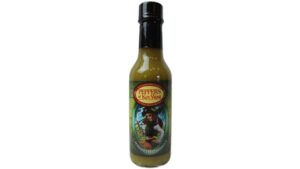
Serrano Pepper Hot Sauce
Brush over grilled carne asada or chicken before serving, then finish your huarache with fresh avocado, queso fresco, cilantro, onions, and homemade salsa. The bright serrano flavor ties every fresh ingredient together while letting the sweet corn masa remain the star of every bite.
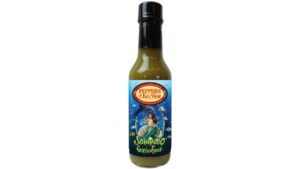
Jalapeño Garlic Hot Sauce
Drizzle over carnitas, grilled steak, seasoned beans, melted cheese, and Mexican crema to give every huarache rich, savory flavor with just the right amount of jalapeño heat. It’s the bottle you’ll reach for again and again during Mexican-inspired dinners.
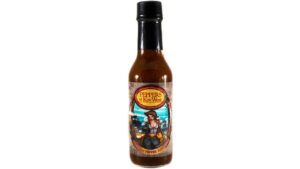
Habanero Pepper Hot Sauce
Finish grilled carne asada, smoky chorizo, or seasoned chicken with a few dashes before topping your huarache with fresh onions, cilantro, avocado, and salsa roja. The fruity habanero heat adds bold flavor without overpowering the rich corn masa beneath.

Ready to recreate an authentic Mexican street-food spread at home?
The Peppers of Key West 5 Pack lets you discover your favorite pairing for huaraches, tacos, gorditas, sopes, tortas, and more. From the fresh kick of Serrano to the fiery Carolina Reaper, there’s a handcrafted flavor for every plate on the table.
Frequently Asked Questions
What is a Mexican huarache?
A huarache is a large oval-shaped masa flatbread traditionally topped with refried beans, grilled meats, salsa, lettuce, crema, queso fresco, avocado, and other fresh ingredients.
Why is it called a huarache?
The dish is named after the traditional Mexican sandal because its long oval shape resembles a huarache sandal.
Where did huaraches originate?
Huaraches originated in central Mexico and are especially associated with Mexico City, where they remain one of the region’s most popular street foods.
What is the difference between a huarache and a sope?
A huarache is much larger and oval-shaped, while a sope is smaller, round, and has raised edges that hold toppings.
What is the difference between a huarache and a gordita?
A gordita is sliced open and stuffed with fillings, while a huarache is topped with ingredients layered over the masa.
What meat is traditionally served on a huarache?
Popular choices include carne asada, carnitas, chicken, al pastor, barbacoa, and chorizo, although vegetarian versions are also common.
Are huaraches spicy?
Not necessarily. The spice level depends on the salsa or hot sauce added after cooking.
Can huaraches be made vegetarian?
Yes. Beans, nopales, mushrooms, squash blossoms, vegetables, cheese, and fresh salsa make excellent vegetarian toppings.
Are huaraches gluten-free?
Traditional huaraches made from 100% corn masa are naturally gluten-free, but always check for cross-contamination if you have dietary restrictions.
What hot sauce goes best on a huarache?
Bright, flavorful hot sauces like Serrano, Jalapeño Garlic, and Habanero pair exceptionally well because they complement the grilled meats and fresh toppings without overwhelming the masa.
Continue Your Mexican Street Food Journey
From This Collection
- Mexican Street Food Flatbreads Compared: Gorditas vs Sopes vs Tlacoyos vs Memelas vs Huaraches
- Gorditas Explained: Mexico’s Stuffed Corn Pockets Deserve More Love
- Sopes Explained: Thick Corn Cakes Loaded with Street Food Flavor
- Tamales Explained: The Ancient Mexican Comfort Food That Still Dominates Street Food Culture
- Tortas Loaded with Meat, Melted Cheese & Street Food Flavor That Hits Hard
- Memelas Explained: Oaxaca’s Thick Corn Street Food Favorite
- Tostadas Loaded with Crispy Crunch, Seafood, Meat & Bold Mexican Flavor
- Tlayudas Explained: Oaxaca’s Giant Street Food Masterpiece
- Mexican Street Food Sauces Beyond Salsa: Crema, Chili Oils, Citrus Heat & More
More Authentic Mexican Street Food
- Street Tacos Guide That Turns Basic Tacos Into Bold, Flavor-Packed Street Food Worth Obsessing Over
- Carne Asada Tacos Recipe That Delivers Juicy Grilled Steak, Bold Flavor & Spicy Hot Sauce Perfection
- Best Hot Sauce for Chicken Tacos (Fix Bland Chicken Fast + Flavor Pairings That Actually Work)
- The Amazing Guide to Taco Sauce Pairing: Best Hot Sauce for Tacos, Meats, Fish & Street Taco Flavor Hacks
Explore More Keywords
huaraches, Mexican huarache, Mexican street food, Mexico City street food, masa flatbread, authentic Mexican cuisine, nixtamalized corn, carne asada, carnitas, al pastor, barbacoa, grilled chicken, chorizo, nopales, refried beans, queso fresco, crema, avocado, salsa roja, salsa verde, handmade masa, traditional Mexican food, Mexican street markets, corn masa recipes, huarache toppings, huarache recipe, regional Mexican cuisine, authentic street food, Mexican comfort food, fresh salsa, grilled meats, Mexican food guide, Mexican food culture, street food favorites, Peppers of Key West, hot sauce pairings, authentic Mexican flavors, corn-based dishes, traditional masa recipes.
