
Regional Mexican Street Food Guide: Famous Dishes from Every Corner of Mexico

Trying to understand Mexican food by ordering tacos everywhere is like trying to understand America by eating only hamburgers. Every Mexican state has its own specialties, traditions, ingredients, and street-food legends that locals proudly defend. One region is obsessed with smoky mole, another lives for seafood tostadas, while another serves giant crispy tortillas bigger than your steering wheel. Grab your appetite—we’re taking a delicious road trip across Mexico, one unforgettable bite at a time.
Mexico isn’t one cuisine.
It’s dozens.
Every state has developed its own flavors over hundreds—and often thousands—of years, blending Indigenous cooking traditions with Spanish, African, Middle Eastern, Caribbean, and local influences into regional specialties unlike anything else in the country.
That’s why someone traveling from Oaxaca to Baja California or from Yucatán to Jalisco can feel like they’re discovering an entirely new food culture every few hundred miles.
Some regions became famous for slow-roasted pork.
Others perfected seafood caught that same morning.
Mountain towns developed rich corn-based comfort foods, while tropical coastal states built cuisines around citrus, fresh herbs, seafood, and tropical fruit.
Street food tells these regional stories better than almost anything else.
While tacos may be Mexico’s most famous street food, they’re only the beginning. Dishes like tlayudas, cemitas, tamales, tortas, elote, cochinita pibil, and countless regional specialties showcase just how diverse Mexico’s culinary traditions really are. Mexican Street Food Beyond Tacos: Elote, Tortas, Tamales & More takes a deeper look at these iconic favorites before we explore where each one originated across the country.
If you’re new to authentic Mexican cuisine, The Ultimate Guide to Mexican Street Food: The Flavor, Meat & Hot Sauce Breakdown introduces the dishes, traditions, and cooking techniques that have made Mexico one of the world’s greatest street-food destinations before diving into each region in greater detail.
Whether you’re planning a trip to Mexico, searching for authentic recipes, or simply wondering why tacos taste so different from one city to the next, this guide will take you across the country one incredible regional specialty at a time.
Naturally, many of these dishes become even better with the right finishing sauce. A few drops of Peppers of Key West hot sauce can complement everything from Baja seafood and grilled carne asada to smoky Oaxaca specialties and Yucatán’s citrus-marinated pork—adding heat without overpowering the authentic regional flavors.
Your Road Trip Begins Here
Every stop on this journey introduces a different region of Mexico and one or more signature dishes that define it. Think of this guide as your roadmap. As you discover foods that interest you, each regional article dives much deeper into the history, ingredients, traditions, and flavors that make those specialties unforgettable.
🌎 Your Regional Street Food Road Map
Your Road Trip Begins Here:
- Oaxaca: Tlayudas, memelas, asiento, Oaxaca cheese, mole negro
- Puebla: Cemitas, chalupas, mole poblano, tacos árabes
- Mexico City: Street tacos, quesadillas, tlacoyos, huaraches
- Yucatán: Cochinita pibil, panuchos, salbutes, sopa de lima
- Veracruz: Fresh seafood, huachinango, picadas, garnachas
- Baja California: Fish tacos, shrimp tacos, ceviche, smoked marlin
- Jalisco: Tortas, birria, carne en su jugo
- Nuevo León: Cabrito, grilled beef, machacado
- Hidalgo: Traditional barbacoa cooked in underground pits
- Michoacán: Carnitas, corundas, uchepos
- Sinaloa: Aguachile, seafood tacos, mariscos
- Sonora: Carne asada, flour tortillas, burros
ONE COUNTRY. DOZENS OF REGIONAL CUISNES. COUNTLESS STREET-FOOD LEGENDS.
Southern Mexico: Where Ancient Indigenous Traditions Still Shape Every Bite
Our first stop takes us to Oaxaca and Chiapas…
Southern Mexico is where many of the country’s oldest culinary traditions continue to thrive. States like Oaxaca and Chiapas remain deeply connected to Indigenous ingredients, heirloom corn varieties, handmade tortillas, and recipes that have been passed from generation to generation. Rather than relying on heavy sauces or modern techniques, these regional specialties celebrate simple ingredients transformed through centuries of experience.
Oaxaca has become one of Mexico’s most celebrated food destinations, producing iconic dishes such as tlayudas, memelas, mole negro, and the famous stringy Oaxaca cheese. Every market and neighborhood offers its own interpretation, proving that even the same dish can taste completely different from one family to another.
While Oaxaca often receives the spotlight for its tlayudas, mole negro, memelas, and famous Oaxaca cheese, neighboring Chiapas preserves equally deep Indigenous culinary traditions built around heirloom corn, tamales wrapped in banana leaves, cacao, tropical fruits, and generations of handmade cooking techniques. Together, these southern states represent some of Mexico’s oldest and most authentic food cultures.
Nearby, traditional cooking methods remain equally important, preserving flavors that have defined southern Mexican cuisine for centuries.
For readers interested in one of Oaxaca’s most iconic specialties, Tlayudas Explained: Oaxaca’s Giant Street Food Masterpiece showcases why this oversized crispy tortilla has become one of Mexico’s greatest street-food experiences.
THE FURTHER SOUTH YOU TRAVEL, THE MORE YOU EXPERIENCE THE ROOTS OF MEXICO’S CULINARY HISTORY.

Central Mexico: The Birthplace of Many of Mexico’s Most Famous Street Foods
From the mountains of southern Mexico, our journey continues into the country’s bustling culinary heart…
If one region has shaped how much of the world thinks about Mexican food, it’s Central Mexico. Mexico City, Puebla, and the surrounding states have transformed simple street snacks into culinary icons recognized around the globe.
Mexico City’s bustling sidewalks are lined with tacos al pastor, tlacoyos, huaraches, and street quesadillas, while neighboring Puebla proudly claims cemitas, chalupas, mole poblano, and tacos árabes—each reflecting centuries of cultural exchange.
Mexico City reflects the flavors of the entire country, where migrants have brought regional recipes from every corner of Mexico, creating one of the world’s greatest street-food capitals. Just southeast, Puebla proudly preserves centuries of colonial culinary heritage through legendary dishes like cemitas, mole poblano, chalupas, and tacos árabes—recipes that continue to define the region today.
Colonial architecture, bustling plazas, and family-run markets have helped preserve these traditions while allowing new variations to flourish.
Readers curious about Puebla’s incredible sandwich tradition can continue with Cemitas Explained: Mexico’s Ultimate Street Food Sandwich Loaded with Flavor, where one of Mexico’s most satisfying street foods takes center stage.
CENTRAL MEXICO PROVES THAT SOME OF THE WORLD’S GREATEST STREET FOOD CAN COME FROM THE SIMPLEST INGREDIENTS.

Mexico’s Coastlines Turn Fresh Seafood Into Legendary Street Food
Next, the road winds toward Mexico’s Pacific and Gulf coasts…
Stretching thousands of miles along the Pacific Ocean and Gulf of Mexico, Mexico’s coastlines produce some of the freshest and most exciting street food in the country.
From Baja California’s world-famous fish tacos and smoked marlin to Veracruz’s seafood specialties and Sinaloa’s fiery aguachile, coastal regions rely on ingredients caught just hours before reaching local vendors.
Along the Pacific coast, Baja California has become synonymous with crispy fish tacos, smoked marlin, and ocean-fresh seafood served just steps from the beach. Further south, Sinaloa is famous for fiery aguachile, shrimp dishes, and vibrant mariscos that celebrate bold citrus flavors. On the Gulf Coast, Veracruz blends Spanish, Indigenous, and Afro-Caribbean influences into seafood specialties, picadas, garnachas, and coastal recipes unlike anywhere else in Mexico.
Fresh citrus, chiles, herbs, and seafood combine to create dishes that taste completely different from inland Mexican cuisine while remaining unmistakably authentic.
Anyone wanting to experience Baja’s most famous specialty should continue with Fish Tacos with Baja-Style Crunch, Citrus Heat & Coastal Taco Flavor, one of Mexico’s best-loved seafood traditions.
MEXICO’S COASTLINES REMIND US THAT STREET FOOD ISN’T JUST ABOUT MEAT—IT’S ABOUT WHATEVER THE REGION HARVESTS BEST.

Northern Mexico: Beef, Fire & Flour Tortillas Built a Different Kind of Street Food
Our final stop brings us to the wide-open ranchlands of Northern Mexico…
Northern Mexico has always been cattle country.
Unlike southern states that rely heavily on corn, moles, and Indigenous cooking traditions, the vast ranchlands stretching across Sonora, Chihuahua, Coahuila, Nuevo León, and parts of Tamaulipas developed a cuisine centered around beef, open-fire grilling, and sturdy flour tortillas capable of holding generous portions of meat.
The result is a style of street food that feels bold, rustic, and incredibly satisfying.
Sonora is perhaps the best-known example. Its legendary carne asada is cooked simply over mesquite wood, allowing high-quality beef to remain the star of the meal. Fresh flour tortillas—often much larger and thinner than those found elsewhere in Mexico—are made daily and wrapped around grilled beef, roasted chiles, beans, and fresh salsa to create some of the country’s most beloved street meals.
Sonora has earned an international reputation for mesquite-grilled carne asada and paper-thin handmade flour tortillas. Neighboring Nuevo León is celebrated for fire-roasted cabrito, while Chihuahua helped popularize oversized flour tortillas, burritos—or “burros“—and hearty ranch-style cooking that reflects the rugged landscapes of Northern Mexico.
Just to the east, Nuevo León proudly celebrates cabrito, young goat slowly roasted over open flames until the exterior becomes crisp while the meat remains tender and juicy. It’s more than a meal—it’s a celebration that brings families together for weekends, holidays, and special occasions.
Jalisco offers another entirely different experience with carne en su jugo, a comforting bowl of finely chopped beef simmered in its own savory juices alongside bacon, beans, onions, cilantro, and fresh lime. While it may not be as internationally famous as tacos or birria, locals consider it one of Guadalajara’s signature comfort foods.
Across Northern Mexico, cooking techniques tend to be straightforward because the ingredients speak for themselves. High-quality beef, wood-fired grills, handmade flour tortillas, and simple fresh toppings create meals that showcase the region’s ranching heritage rather than hiding it beneath complicated sauces.
Readers wanting to dive deeper into one of Northern Mexico’s most iconic traditions can continue with Carne Asada Tacos So Good They’ll Ruin All Other Tacos Forever, where the history, techniques, and regional traditions behind this legendary dish are explored in greater detail.
NORTHERN MEXICO PROVES THAT EXTRAORDINARY STREET FOOD DOESN’T NEED TO BE COMPLICATED—JUST PERFECTLY COOKED.

Why Every Region of Mexico Tastes Completely Different
Now that we’ve traveled across Mexico, one question remains…
One of the reasons Mexican cuisine has earned worldwide recognition is that there isn’t one single style of cooking. Every region has developed its own culinary identity, shaped by the land, climate, history, and traditions of the people who call it home. That’s why two dishes served hundreds of miles apart can taste completely different while still feeling unmistakably Mexican.
Geography Shapes Every Plate
Mexico stretches from the Pacific Ocean to the Gulf of Mexico and from tropical jungles to high mountain valleys and vast northern deserts. These dramatically different landscapes determine what ingredients are readily available. Coastal communities naturally celebrate fresh seafood, while northern ranching states became famous for grilled beef and handmade flour tortillas. In the south, fertile valleys continue producing heirloom corn, cacao, chiles, and tropical fruits that have defined regional cooking for centuries.
Climate Determines Local Ingredients
The climate changes just as dramatically as the landscape. Tropical regions such as the Yucatán Peninsula rely on citrus, achiote, and slow-roasted pork, while the cooler central highlands produce rich sauces, hearty corn dishes, and some of Mexico’s most celebrated street foods. Along both coastlines, seafood often reaches street vendors within hours of being caught, creating flavors that simply can’t be replicated inland.
History Lives On Through Every Recipe
Every region tells a different story. Spanish settlers introduced livestock, wheat, cheese, and new cooking techniques that blended with Indigenous traditions already thousands of years old. Later influences from Africa, the Middle East, France, and the Caribbean left lasting marks on regional specialties. Puebla’s tacos árabes, Veracruz’s seafood traditions, and Baja California’s famous fish tacos all reflect this remarkable cultural exchange.
Indigenous Traditions Still Define Mexican Cuisine
Long before European arrival, Indigenous communities had already mastered the cultivation of corn, beans, squash, tomatoes, chiles, and cacao. Many of Mexico’s most beloved street foods still begin with techniques developed hundreds or even thousands of years ago, from nixtamalized corn used to make tortillas to slow-cooked moles and handmade masa prepared fresh each day. Oaxaca and Chiapas remain especially celebrated for preserving these traditions.
Local Ingredients Create Regional Legends
Perhaps the greatest difference between Mexico’s regions is that cooks have always embraced what grows, swims, or grazes nearby. Sonora became synonymous with exceptional beef. Michoacán perfected carnitas. Hidalgo became famous for traditional barbacoa. Veracruz celebrates seafood from the Gulf, while Oaxaca transformed native corn into tlayudas and memelas. Every legendary dish began as a reflection of local ingredients and generations of family knowledge.
For readers interested in what makes authentic street food so unforgettable, Why Mexican Street Food Delivers Bigger Flavor Than Most Restaurant Food explains how fresh ingredients, traditional cooking methods, and generations of regional expertise combine to create some of the world’s most celebrated cuisine.
THE SECRET TO UNDERSTANDING MEXICAN STREET FOOD ISN’T LEARNING ONE RECIPE—IT’S UNDERSTANDING WHY EVERY REGION COOKS DIFFERENTLY.

Product Pairing Quick Guide
- Serrano Pepper Hot Sauce – Fish tacos, ceviche, aguachile, Veracruz seafood
- Jalapeño Garlic Hot Sauce – Tlayudas, cemitas, tamales, grilled chicken
- Habanero Pepper Hot Sauce – Cochinita pibil, carnitas, tortas ahogadas
- Cayenne Pepper Hot Sauce – Classic street tacos, barbacoa, carne asada
- Ghost Pepper Hot Sauce – Beef-heavy dishes for heat lovers
- Peppers of Key West 5 Pack – The perfect way to explore different regional flavor pairings across Mexico
🌶️ Best Peppers of Key West Hot Sauces for Regional Mexican Street Food
Fresh, bright, and slightly grassy, Serrano Pepper Hot Sauce delivers clean, vibrant heat that enhances delicate foods instead of masking them. It’s an excellent choice for seafood lovers looking to add authentic pepper flavor while preserving the freshness of every bite.
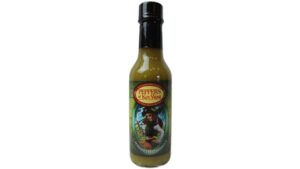
Bright, crisp, and fresh, Serrano Pepper Hot Sauce pairs beautifully with Baja California fish tacos, Veracruz seafood, ceviche, and aguachile, making it the perfect companion for Mexico’s coastal specialties.
The smooth combination of jalapeños and roasted garlic creates a rich, savory sauce that’s versatile enough for everything from grilled meats to roasted vegetables. Its balanced heat makes it a favorite for everyday Mexican cooking.
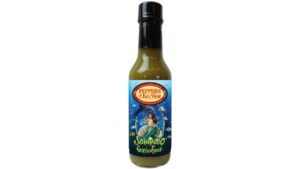
Smooth jalapeño heat and savory garlic complement Oaxaca’s tlayudas, Puebla’s cemitas, handmade tamales, and grilled vegetables while preserving the authentic character of each regional specialty.
Habanero Pepper Hot Sauce: Naturally fruity with a satisfying kick, Habanero Pepper Hot Sauce adds bold flavor without overwhelming hearty dishes. It’s ideal for slow-roasted meats, barbecue, and traditional recipes that can stand up to a little extra heat.
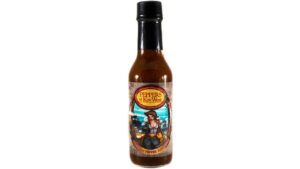
The fruity heat of Habanero Pepper Hot Sauce complements Yucatán cochinita pibil, Michoacán carnitas, Hidalgo barbacoa, and Sonoran carne asada, bringing balanced spice to Mexico’s bold regional classics.
Peppers of Key West 5 Pack: Can’t decide on just one? The Peppers of Key West 5 Pack lets you sample five signature hot sauces ranging from mild to seriously hot, making it easy to find the perfect match for every meal.

From Baja’s fresh seafood to Oaxaca’s tlayudas, Puebla’s cemitas, and Yucatán’s slow-roasted pork, the Peppers of Key West 5 Pack lets you discover the ideal hot sauce pairing for every stop on your culinary journey across Mexico.
Frequently Asked Questions
What is regional Mexican street food?
Regional Mexican street food refers to dishes that originated in specific parts of Mexico and reflect the local ingredients, cooking traditions, and cultural influences of that area. Every state has its own specialties, making Mexican cuisine far more diverse than many people realize.
Which region of Mexico has the best street food?
There is no single “best” region because each offers something unique. Oaxaca is famous for tlayudas and mole negro, Puebla for cemitas and mole poblano, Baja California for fish tacos, Yucatán for cochinita pibil, and Jalisco for tortas ahogadas and birria.
Why does Mexican food taste different in every region?
Mexico’s geography, climate, Indigenous heritage, and centuries of cultural influence have shaped each region’s cuisine. Coastal states focus on seafood, northern states specialize in grilled beef, and southern states preserve many ancient corn-based cooking traditions.
What is the most famous regional Mexican street food?
Some of the country’s most iconic regional dishes include Baja fish tacos, Oaxaca tlayudas, Puebla cemitas, Yucatán cochinita pibil, Michoacán carnitas, Hidalgo barbacoa, and Jalisco tortas ahogadas.
Is authentic Mexican street food always spicy?
No. Many authentic street foods are mildly seasoned and allow diners to customize the heat with fresh salsas or hot sauces. Flavor, freshness, and balance are often more important than extreme spice.
What makes Oaxaca such an important food destination?
Oaxaca is celebrated for preserving Indigenous cooking traditions, handmade corn tortillas, mole negro, tlayudas, memelas, and Oaxaca cheese. It is widely considered one of Mexico’s greatest culinary regions.
Why are Baja California fish tacos so famous?
Baja fish tacos combine freshly caught seafood, crispy batter or grilled fish, shredded cabbage, crema, salsa, and fresh lime. Their light, fresh flavors have made them one of Mexico’s most internationally recognized street foods.
What’s the difference between cochinita pibil and carnitas?
Cochinita pibil comes from the Yucatán Peninsula and is marinated in citrus and achiote before slow roasting. Carnitas originated in Michoacán and are traditionally slow-cooked in their own fat until tender with crispy edges.
Can I experience authentic regional Mexican food without traveling to Mexico?
Yes. Many authentic Mexican restaurants specialize in specific regional cuisines, and traditional recipes are becoming easier to recreate at home using authentic ingredients and regional cooking techniques.
What is the best way to explore regional Mexican cuisine?
Start with one region at a time. Learning the signature dishes, ingredients, and traditions of places like Oaxaca, Puebla, Veracruz, Yucatán, Baja California, or Jalisco provides a much deeper appreciation for Mexico’s extraordinary culinary diversity.
Continue Your Mexican Street Food Journey
Start Here:
- The Ultimate Guide to Mexican Street Food: The Flavor, Meat & Hot Sauce Breakdown
- Mexican Street Food Beyond Tacos: Elote, Tortas, Tamales & More
From This Collection
- Mexican Street Tacos Explained: The Authentic Street Food That Started It All
- Mexican Street Food for First-Timers: What to Order and Why
- Why Mexican Street Food Delivers Bigger Flavor Than Most Restaurant Food
- The Most Underrated Mexican Street Foods Americans Need Immediately
- Mexican Street Corn (Elote) So Addictive You’ll Forget Tacos Exist
- Tortas Loaded with Meat, Melted Cheese & Street Food Flavor That Hits Hard
- Tamales Explained: The Ancient Mexican Comfort Food That Still Dominates Street Food Culture
- Best Mexican Street Food Party Menu for Feeding a Crowd
Keep the Flavor Going
- The Amazing Guide to Taco Sauce Pairing: Best Hot Sauce for Tacos, Meats, Fish & Street Taco Flavor Hacks
- Carnitas Tacos That Deliver Crispy Pork, Smoky Heat & Authentic Street Taco Flavor
- Best Hot Sauce for Fish Tacos: Citrus Heat & Coastal Flavor Pairings
- Best Mexican Street Taco Meats: The Ultimate Guide to Authentic Taco Flavor
Explore More Keywords
regional Mexican street food, famous Mexican dishes, authentic Mexican cuisine, regional foods of Mexico, Mexican culinary regions, Mexican food by state, Oaxaca street food, Puebla street food, Veracruz street food, Yucatán street food, Baja California street food, Sonora cuisine, Michoacán cuisine, Hidalgo barbacoa, Jalisco food, Mexico City street food, northern Mexican cuisine, southern Mexican cuisine, coastal Mexican food, traditional Mexican recipes, authentic Mexican regional dishes, Mexican food travel guide, famous foods in Mexico, best Mexican street food, iconic Mexican dishes, regional Mexican specialties, Mexican market food, traditional Mexican cooking, heirloom corn Mexico, handmade tortillas Mexico, fish tacos Baja California, tlayudas Oaxaca, cemitas Puebla, cochinita pibil Yucatán, tortas ahogadas Jalisco, carne asada Sonora, carnitas Michoacán, barbacoa Hidalgo, Veracruz seafood, Mexican food culture
