Picadas Explained: Veracruz’s Handmade Corn Cakes Loaded with Authentic Street Food Flavor
Imagine ordering breakfast in Veracruz expecting a simple tortilla, only to receive a thick handmade corn cake covered in warm salsa, crumbled cheese, chopped onion, and just enough flavor to convince you that breakfast deserves far more respect. That’s a picada. Despite the name, nobody is “picking” anything, and despite the appearance, they’re definitely not tiny pizzas. These humble corn cakes have been feeding families across Veracruz for generations, often prepared fresh each morning with ingredients that are simple, local, and incredibly satisfying. If you’ve never heard of picadas before, don’t worry—you’ve just discovered one of Mexico’s best-kept street food secrets. By the time you’re finished reading, you’ll understand why this regional specialty has earned a permanent place on breakfast tables, market stalls, and family kitchens throughout Veracruz.
Few foods capture the spirit of Veracruz better than a freshly made picada. Found everywhere from bustling morning markets to family kitchens, these thick handmade corn cakes are topped with salsa, crumbled cheese, chopped onion, and sometimes shredded meat or beans. While visitors often mistake them for small sopes, picadas have their own history, preparation, and unmistakable regional identity that has made them one of eastern Mexico’s most beloved street foods.
Across Veracruz, picadas are still closely associated with the first meal of the day. Bakers prepare bread before sunrise, tortilla makers begin grinding corn, and neighborhood fondas heat their comales while workers stop in for breakfast before heading to farms, markets, schools, and businesses. Ordering picadas with both red and green salsa has become a familiar morning ritual, and many families have favorite neighborhood spots they’ve visited for years.
Made from freshly prepared masa and shaped by hand with a raised edge to hold flavorful toppings, picadas celebrate the simple ingredients that define much of traditional Mexican cooking. Every family, market vendor, and neighborhood fonda has its own variation, but the goal remains the same: create a comforting meal that’s affordable, satisfying, and deeply connected to Veracruz’s culinary traditions.
If you’re exploring authentic Mexican Street Food Beyond Tacos: Elote, Tortas, Tamales & More, picadas offer a delicious introduction to the rich flavors of Mexico’s Gulf Coast. Along the way, you’ll also discover how they compare with other handmade masa favorites, why Veracruz became their home, and where to experience the best versions today.
For generations, these handmade corn cakes have been one of Veracruz’s favorite breakfast traditions, yet they remain surprisingly unknown outside eastern Mexico.
Before exploring Veracruz’s regional specialties, it helps to understand the ingredients, cooking techniques, and culinary traditions that connect Mexico’s diverse street foods. Start with our The Complete Mexican Street Food Guide: Ingredients, Dishes, Regions & Cooking Terms Explained to build a strong foundation for everything you’ll learn below.
🌮 Picadas Quick Guide
- What are picadas? Picadas are thick handmade corn cakes from Veracruz topped with salsa, cheese, onions, and optional meats or beans.
- Where do picadas come from? They originated in Veracruz, where they remain a popular breakfast and street food enjoyed throughout the state.
- Are picadas the same as sopes? No. Although they look similar, picadas traditionally feature a pinched rim, thinner toppings, and distinctive Veracruz-style salsas.
- What are picadas made from? They’re made with fresh masa that’s hand-shaped, lightly pinched around the edges, griddled, and topped while still warm.
- When are picadas eaten? They’re commonly served for breakfast but are also enjoyed as a snack, lunch, or light dinner throughout the day.
- What do picadas taste like? They combine the earthy flavor of fresh corn with savory salsa, salty cheese, sweet onion, and optional toppings like beans or shredded meat.
What Are Picadas?
If you’ve never seen a picada before, imagine a freshly made corn tortilla that’s just a little thicker, with a gently pinched edge designed to cradle flavorful toppings instead of letting them spill onto the plate. This simple design transforms fresh masa into one of Veracruz’s most recognizable comfort foods.
Unlike many Mexican street foods that can be loaded with numerous ingredients, traditional picadas celebrate restraint. A spoonful of red or green salsa, crumbled queso fresco, chopped white onion, and perhaps a little refried beans or shredded meat are often all that’s needed. The quality of the fresh masa and homemade salsa remains the true star of every bite.
Picadas are especially popular during breakfast, when families gather around neighborhood fondas or market stalls for freshly cooked corn cakes prepared to order on a hot comal. Their affordability, portability, and satisfying flavor have made them a beloved everyday meal for generations across Veracruz.
 🌶️ Professor Pepper Says…
Many Mexican dishes become local icons because of where they’re made. Veracruz’s picadas taste authentic not only because of the recipe, but because generations of cooks have prepared them as part of the region’s daily breakfast tradition.
AUTHENTIC PICADAS PROVE THAT A FEW SIMPLE INGREDIENTS CAN CREATE ONE OF VERACRUZ’S MOST MEMORABLE STREET FOODS.
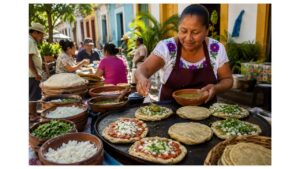
Why Veracruz Became the Home of Picadas
Veracruz has long served as one of Mexico’s most important ports, welcoming influences from Indigenous communities, Spain, Africa, and the Caribbean while preserving many of its own deeply rooted culinary traditions. The region’s fertile farmland produces excellent corn, tomatoes, onions, herbs, and chiles, making simple, fresh ingredients the foundation of everyday cooking. Picadas grew naturally from this environment, offering an affordable meal that could be prepared quickly using ingredients already found in nearly every household.
Unlike elaborate festival dishes reserved for holidays, picadas became part of daily life. Families often prepared fresh masa early each morning before shaping small rounds by hand and cooking them on a hot comal. Once lightly browned, each corn cake received a thin layer of salsa, a sprinkle of crumbled cheese, chopped onion, and occasionally beans or shredded meat depending on what was available. The result was a filling breakfast that celebrated freshness rather than extravagance.
The bustling markets of Veracruz also helped spread the popularity of picadas. Vendors could prepare them quickly while customers watched, making them an ideal breakfast for workers beginning their day or travelers exploring the city’s plazas and mercados. Over time, nearly every town throughout central Veracruz developed its own favorite salsa recipes and topping combinations, yet the handmade corn base remained remarkably consistent.
Today, picadas continue to represent the welcoming hospitality of Veracruz. Whether served in a busy market, a neighborhood fonda, or a family kitchen, they reflect the region’s appreciation for simple food prepared with care and shared with friends and family.
VERACRUZ PROVES THAT SOME OF MEXICO’S MOST MEMORABLE STREET FOODS ARE BUILT FROM THE SIMPLEST INGREDIENTS AND STRONGEST TRADITIONS.
Many of Veracruz’s most famous street foods are built around fresh corn, regional cheeses, and traditional cooking methods. Take a closer look at Regional Mexican Street Food Guide: Famous Dishes from Every Corner of Mexico to learn more about the ingredients and techniques that make authentic dishes like picadas possible.
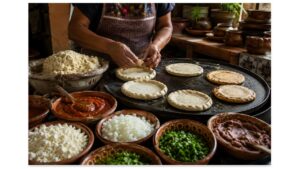
How Authentic Picadas Are Made
Although picadas appear simple, every step of their preparation depends on experience passed from one generation to the next. Fresh masa forms the foundation, and its texture determines whether the finished corn cake will be tender, sturdy enough to hold toppings, and slightly crisp around the edges.
Each portion of masa is rolled into a ball before being flattened by hand or in a tortilla press to create a disk that’s noticeably thicker than a standard tortilla. Before cooking, the cook gently pinches the outer edge with fingertips, creating the shallow rim that gives picadas their distinctive appearance. This raised border isn’t decorative—it helps hold warm salsa and toppings exactly where they belong.
Once placed on a hot comal, the corn cakes cook until lightly browned while remaining soft inside. Traditional Veracruz cooks often spread the salsa onto the picada while it’s still on the comal, allowing the heat to warm the sauce and slightly soften the cheese added afterward. The final toppings are intentionally modest, allowing the flavor of fresh masa to remain the centerpiece. Warming the salsa directly on the comal allows its flavors to blend with the fresh masa while gently melting the cheese into every bite.
Regional variations exist throughout Veracruz. Some communities prefer bright tomato-based red salsas, while others favor tangy green tomatillo sauces. Additional toppings may include refried beans, shredded chicken, chorizo, eggs, avocado, or crumbled fresh cheese, but authentic picadas rarely become overloaded. Their appeal comes from balance rather than abundance.
Making excellent picadas also depends on the quality of the masa itself. Freshly nixtamalized corn develops a rich aroma and deep corn flavor that simply cannot be duplicated by heavily processed alternatives. That connection between traditional corn preparation and finished street food reflects thousands of years of Mexican culinary history.
THE SECRET TO GREAT PICADAS ISN’T COMPLEX TOPPINGS—IT’S EXCEPTIONAL MASA, HOMEMADE SALSA, AND GENERATIONS OF TRADITION.
Fresh handmade masa appears in many of Mexico’s favorite street foods. Master the basics with Mexican Street Tacos Explained: The Authentic Street Food That Started It All to see how this same foundation evolved into one of the world’s most recognizable Mexican dishes.
Picadas vs Sopes: What’s the Difference?
At first glance, picadas and sopes appear almost identical. Both begin with handmade masa, feature raised edges, and serve as edible platforms for flavorful toppings. Because of these similarities, many visitors assume they’re simply different names for the same dish. In reality, each reflects the culinary traditions of a different region and follows its own approach to preparation and presentation.
Picadas belong to Veracruz, where they traditionally emphasize fresh salsa, crumbled cheese, chopped onion, and restrained toppings that allow the corn itself to shine. Sopes, by contrast, are found throughout much of central Mexico and are often built into heartier meals with refried beans, shredded meats, lettuce, crema, avocado, and additional garnishes.
The corn base also differs slightly. Picadas tend to be somewhat thinner and lighter, while many sopes feature a thicker base designed to support larger quantities of toppings. The raised rim on a picada is usually more delicate, reflecting its simpler presentation.
Neither version is better. Instead, they demonstrate how one traditional cooking technique has evolved differently across Mexico’s diverse regions. Similar ingredients produce distinct local specialties because each community adapts them to its own tastes, history, and available ingredients.
Understanding these subtle differences helps travelers appreciate the remarkable diversity of Mexican street food. Rather than viewing every corn-based dish as interchangeable, readers begin recognizing the regional stories that make each specialty unique.
SMALL CHANGES IN PREPARATION CAN CREATE ENTIRELY DIFFERENT REGIONAL SPECIALTIES ACROSS MEXICO’S STREET FOOD CULTURE.
Every region of Mexico has developed its own signature street foods from the same simple ingredients. Dive deeper into Best Mexican Street Taco Meats: The Ultimate Guide to Authentic Taco Flavor to explore how flavors, meats, and regional traditions create completely different street food experiences across the country.
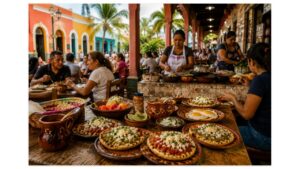
Where to Find the Best Picadas in Veracruz
While picadas can occasionally be found elsewhere in Mexico, Veracruz remains their true home. The best versions are rarely served in tourist-oriented restaurants. Instead, they’re found where locals begin their mornings—in neighborhood fondas, traditional mercados, family-owned cafés, and small street stalls that have perfected the recipe over generations.
Many vendors still prepare fresh masa throughout the morning, shaping each picada by hand only moments before it reaches the comal. Because they’re cooked to order, every serving arrives hot with crisp edges, soft centers, and salsa that has just begun to warm from the heat of the griddle.
Although toppings vary slightly from town to town, the experience remains remarkably consistent throughout central Veracruz. Fresh ingredients, homemade salsa, and welcoming hospitality define nearly every stop. Visitors quickly discover that picadas aren’t considered a special occasion meal—they’re simply part of everyday life.
Exploring Veracruz through its street food offers a deeper understanding of the region than sightseeing alone. Sitting beside local families over breakfast provides a glimpse into traditions that have remained largely unchanged for generations.
THE BEST PICADAS AREN’T FOUND BY LOOKING FOR FAMOUS RESTAURANTS—THEY’RE FOUND WHERE THE PEOPLE OF VERACRUZ GATHER EACH MORNING.
Planning a culinary trip across Mexico? Build your knowledge with Sopes Explained: Thick Corn Cakes Loaded with Street Food Flavor to discover which authentic specialties define each region of the country.
✈️ Travel Tip: Eat Picadas Like a Local
In Veracruz, breakfast is often the best time to experience authentic picadas. Visit neighborhood mercados or small family-run fondas during the morning hours when the masa is freshly prepared and the comal is busiest. Pair your meal with café de olla or fresh fruit juice, and don’t hesitate to order both a red salsa and a green salsa to experience the region’s favorite flavor combinations.
🌶️ Professor Pepper Says…
The best regional specialties are often found where locals eat every day. Morning markets, neighborhood fondas, and family-run cafés usually offer a more authentic experience than tourist-focused restaurants.
🌶️ Recommended Peppers of Key West Products for Picadas
Freshly made picadas celebrate simple ingredients—warm handmade masa, fresh salsa, crumbled cheese, onions, and beans. The best Peppers of Key West products should complement those traditional flavors rather than overpower them. These four products naturally continue the story of Veracruz’s beloved breakfast specialty while pairing beautifully with picadas and many other authentic Mexican meals.
Product Pairing Quick Guide
- Classic picadas with fresh salsa → Cayenne Pepper Sauce
- Picadas with beans, eggs, and breakfast favorites → Jalapeño Garlic Pepper Sauce
- Picadas topped with meat or chorizo → Serrano Pepper Sauce
- Complete Mexican food lovers gift → Hot Sauce Gift Set (5 Pack)
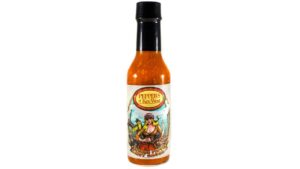
Cayenne Pepper Sauce
Bright, balanced heat and a clean pepper flavor make Cayenne Pepper Sauce an excellent companion for authentic picadas. It enhances fresh tomato salsa, queso fresco, onions, and handmade masa without overwhelming the traditional flavors that make this Veracruz specialty so memorable.
👉 Perfect For: Picadas, huevos rancheros, enchiladas, tacos, rice and beans
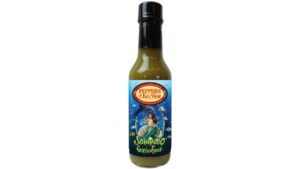
Jalapeño Garlic Pepper Sauce
Garlic and jalapeño are a natural match for breakfast-style picadas served with eggs, beans, or potatoes. The mild-to-medium heat adds depth while allowing the fresh corn flavor of the masa and the richness of the cheese to remain the stars of the meal.
👉 Perfect For: Breakfast picadas, eggs, beans, potatoes, grilled vegetables
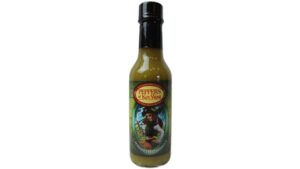
Serrano Pepper Sauce
Serrano peppers bring the bright, fresh chile flavor often associated with central and Gulf Coast Mexican cooking. This sauce pairs especially well with picadas topped with shredded chicken, chorizo, carne asada, or extra salsa.
👉 Perfect For: Picadas with meat, tacos, grilled chicken, carne asada, quesadillas

Hot Sauce Gift Set (5 Pack)
If reading about Veracruz’s street food has inspired you to cook more authentic Mexican meals at home, the 5 Pack lets you experiment with a variety of pepper flavors and heat levels across everything from picadas and tacos to seafood, eggs, grilled meats, and family dinners.
👉 Perfect For: Mexican food lovers, taco nights, breakfast dishes, gifts, everyday cooking
Picadas remind us that some of Mexico’s greatest street foods aren’t built on elaborate recipes but on generations of craftsmanship. Fresh masa, homemade salsa, quality cheese, and careful preparation combine to create a meal that’s comforting, affordable, and unmistakably Veracruz.
Although they may resemble other handmade corn dishes at first glance, picadas tell their own regional story. They reflect Veracruz’s agricultural traditions, welcoming hospitality, and everyday cooking that have made Veracruz one of Mexico’s most celebrated culinary destinations.
Whether you encounter them at a neighborhood mercado, a family-owned fonda, or recreate them in your own kitchen, picadas offer a delicious introduction to authentic Mexican street food beyond tacos.
🌶️ Professor Pepper Says…
Picadas may look simple, but they’re a wonderful example of how Mexican cooks transform fresh masa into countless regional specialties. Small changes in thickness, shape, toppings, and local tradition have created entirely different dishes across Mexico, even though they all begin with the same remarkable ingredient.
Frequently Asked Questions
Are picadas only found in Veracruz?
They’re most closely associated with Veracruz, although similar dishes occasionally appear elsewhere in Mexico.
What is the difference between picadas and sopes?
Picadas traditionally feature simpler toppings and are closely tied to Veracruz, while sopes are generally thicker and often carry more elaborate toppings.
Are picadas made with corn or flour?
Authentic picadas are always made with fresh corn masa.
Can picadas include meat?
Yes. While many are served simply with salsa and cheese, shredded chicken, beef, chorizo, or beans are also common.
What cheese is traditionally used?
Queso fresco is the most common choice, although other fresh regional cheeses are sometimes used.
Are picadas spicy?
The level of heat depends on the salsa. Both mild and spicy versions are common.
Are picadas eaten for breakfast?
Yes. Breakfast is one of the most traditional times to enjoy authentic picadas in Veracruz.
Can I make picadas with masa harina?
Yes. Quality masa harina produces excellent homemade picadas when fresh masa isn’t available.
Why do picadas have raised edges?
The pinched rim helps hold the salsa and toppings while the corn cake cooks.
Are picadas considered street food?
Absolutely. They’re one of Veracruz’s classic street foods and are also widely served in markets and neighborhood fondas.
Are picadas gluten-free?
Because authentic picadas are made with corn masa rather than wheat flour, they’re naturally gluten-free. However, anyone with celiac disease or severe gluten sensitivity should confirm preparation methods to avoid cross-contact.
Continue Your Adventure
Continue Your Journey Through Mexico’s Handmade Corn Classics
- Gorditas vs Sopes: Two Mexican Street Food Classics Most Americans Confuse
- Mexican Street Food Markets Explained: How to Order Like a Local and Find the Best Food Fast
- The Complete Mexican Street Food Guide: Ingredients, Dishes, Regions & Cooking Terms Explained
- Mexican Street Tacos Explained: The Authentic Street Food That Started It All
- Street Quesadillas vs American Quesadillas: Why They’re Not the Same Thing
- Gorditas Explained: Mexico’s Stuffed Corn Pockets Deserve More Love
- Sopes Explained: Thick Corn Cakes Loaded with Street Food Flavor
- Memelas Explained: Oaxaca’s Thick Corn Street Food Favorite
Expand Your Flavor Journey
- The Ultimate Guide to Mexican Street Food : The Flavor, Meat & Hot Sauce Breakdown
- Best Drinks for Taco Night: Margaritas, Mexican Beer & Sweet Pairings
- The Amazing Guide to Taco Sauce Pairing: Best Hot Sauce for Tacos, Meats, Fish & Street Taco Flavor Hacks
- Best Salsas for Taco Night: Fresh, Roasted, Verde & Spicy Favorites
See More Keywords: Veracruz cuisine, Veracruz food, Mexican street food breakfast, Mexican corn dishes, masa traditions, nixtamalized corn, fresh masa, homemade tortillas, queso fresco, red salsa, green salsa, comal cooking, regional Mexican cuisine, Indigenous Mexican food, Mexican food culture, authentic Mexican breakfasts, breakfast in Veracruz, street food Mexico, traditional Mexican dishes, handmade tortillas, Mexican food traditions, Gulf Coast Mexican food, Mexican markets, fondas in Mexico, mercados in Veracruz, Mexican culinary traditions, heirloom corn, Veracruz markets, traditional breakfast foods, regional breakfast dishes, Mexican food travel, authentic corn recipes, masa cooking, street food vendors, Veracruz travel guide
