Northern Mexico Breakfast Traditions: Machacado, Burritos & Ranch Cooking
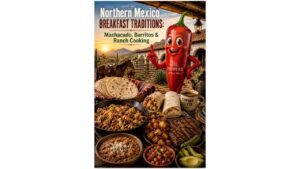
Think Mexican breakfast begins with huevos rancheros? Head north and you’ll discover an entirely different morning tradition built around ranches, cattle country, handmade flour tortillas, smoky machacado, hearty breakfast burritos, and meals designed to fuel a full day of hard work. Northern Mexico proves breakfast isn’t just the first meal of the day—it’s a way of life shaped by deserts, mountains, and generations of ranching families.
When many people picture a traditional Mexican breakfast, they imagine huevos rancheros, chilaquiles, tamales, or sweet pan dulce enjoyed with coffee. But an authentic Northern Mexican breakfast tells a very different story.
Here, breakfast in Northern Mexico is built around hearty, protein-rich meals designed to fuel long days on ranches, farms, and across the rugged desert landscape. Thick handmade flour tortillas, smoky dried beef, eggs, beans, potatoes, fresh cheeses, and slow-cooked meats create breakfasts that are filling, practical, and deeply rooted in regional traditions.
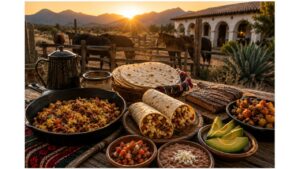
One of the defining dishes of a Northern Mexican breakfast is machacado con huevo, a simple but incredibly satisfying combination of shredded dried beef, scrambled eggs, tomatoes, onions, and peppers served with warm flour tortillas. It’s a breakfast that perfectly reflects the ingenuity of Northern Mexican cooking, where preserving meat was once essential for life in a hot, arid climate.
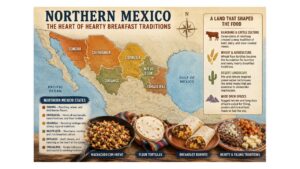
Northern Mexico is widely recognized as the birthplace of the breakfast burrito. While burritos have evolved into countless variations, their roots lie in the border states of Chihuahua, Sonora, and neighboring regions, where soft flour tortillas became the ideal way to wrap hearty breakfasts that were easy to carry into the fields or onto the ranch.
Its traditions begin across the northern states of Sonora, Chihuahua, Coahuila, Nuevo León, Durango, and Tamaulipas, where ranching, cattle culture, wheat farming, and vast open landscapes shaped a cuisine unlike anywhere else in Mexico. Regional Mexican Street Food Guide: Famous Dishes from Every Corner of Mexico explores how every region developed its own unique food traditions using the ingredients available to local communities.
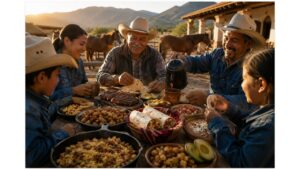
Breakfast in Northern Mexico is as much about family as it is about food. Before the day’s work begins, generations gather around handmade tortillas fresh from the comal and recipes that have been passed down for decades.
Within Mexican Street Food Beyond Tacos: Elote, Tortas, Tamales & More, Northern Mexico’s breakfasts remind us that authentic Mexican cuisine extends far beyond tacos, revealing another side of the country’s remarkable regional diversity through comforting morning traditions.
Whether you’re enjoying machacado con huevo in Monterrey, a breakfast burrito in Sonora, or fresh flour tortillas alongside beans and grilled meat in Chihuahua, one thing quickly becomes clear: Northern Mexico knows how to start the day exceptionally well.
Northern Mexico Breakfast Quick Guide
- What Makes Northern Mexican Breakfast Different? Hearty ranch-style meals centered around beef, eggs, handmade flour tortillas, beans, potatoes, and practical cooking traditions.
- What Is Machacado? Dried beef that’s shredded and cooked with scrambled eggs, tomatoes, onions, and peppers.
- Where Did Breakfast Burritos Begin? Northern Mexico, particularly Sonora and Chihuahua, where flour tortillas became everyday staples.
- Why Are Flour Tortillas So Common? Northern Mexico grows more wheat than southern regions, making flour tortillas a traditional part of everyday cooking.
- What Meats Are Popular? Machacado (dried beef), carne asada, chorizo, ham, bacon, and slow-cooked beef.
- What Comes with Breakfast? Beans, potatoes, salsa, fresh cheese, avocado, coffee, and warm handmade tortillas.
- What Defines Ranch Cooking? Simple ingredients, generous portions, open-fire cooking, and recipes developed to feed hardworking families.
- Which States Are Most Famous? Sonora, Chihuahua, Nuevo León, Coahuila, Durango, and Tamaulipas.
- Why Is It Different from Southern Mexico? Northern cuisine emphasizes beef, wheat, and ranching traditions, while southern regions rely more heavily on corn, tropical ingredients, and Indigenous cooking techniques.
Northern Mexican breakfasts pair wonderfully with bold yet balanced flavors that complement grilled meats, eggs, potatoes, beans, and fresh tortillas. Throughout this guide, we’ll recommend a selection of Peppers of Key West hot sauces, seasonings, and grilling favorites that naturally enhance these hearty ranch-style breakfasts while respecting their authentic regional character.
What Is Machacado con Huevo?
If one dish perfectly represents Northern Mexico’s breakfast traditions, it’s machacado con huevo. Simple, hearty, and deeply satisfying, this classic meal has fueled ranchers, farmers, and hardworking families for generations while telling the story of how people adapted to life in Mexico’s rugged northern states.
Machacado begins with carne seca, the traditional dried beef that was preserved under the hot desert sun long before refrigeration became common. Once essential for life in Northern Mexico’s arid climate, carne seca was pounded or shredded into thin strands before being cooked with scrambled eggs, tomatoes, onions, and fresh chiles.
Once needed as a practical way to store meat for extended periods, the beef is pounded or shredded into thin strands before being cooked with scrambled eggs, tomatoes, onions, and fresh chiles.
The result is simple, hearty, and remarkably flavorful.
The dried beef develops an intensely savory taste that blends beautifully with creamy eggs and the sweetness of cooked onions and tomatoes. Warm handmade flour tortillas are almost always served alongside, allowing diners to scoop up every bite or wrap the mixture into simple breakfast tacos.
Although machacado is enjoyed throughout Northern Mexico, it is especially associated with Nuevo León, where Monterrey proudly claims the dish as one of its culinary icons. Many restaurants still prepare it using traditional methods that have changed very little over the past century. For many families, a machacado breakfast remains the classic way to begin the day.
What makes machacado remarkable isn’t complexity—it’s resourcefulness. What began as a practical way to preserve carne seca eventually evolved into machacado con huevo, one of Northern Mexico’s most beloved comfort foods. It’s another reminder that necessity often inspires unforgettable regional cuisine.
THE GREATEST REGIONAL DISHES ARE OFTEN BORN FROM PRACTICAL SOLUTIONS THAT STAND THE TEST OF TIME.
Many of the ingredients that make machacado so memorable—including dried chiles, onions, fresh herbs, handmade tortillas, and traditional cooking techniques—are explored in Mexican Street Food Ingredients & Cooking Terms Explained: The Building Blocks of Authentic Mexican Flavor, where you’ll discover the foundations behind countless regional Mexican dishes.
Why Flour Tortillas Define Northern Mexican Breakfast
Travel across much of Central and Southern Mexico, and corn tortillas dominate nearly every meal. Northern Mexico tells a different story. A flour tortilla breakfast has been part of daily life across Northern Mexico for generations.
The vast plains and semi-arid climate of states like Sonora and Chihuahua proved well suited for growing wheat after it was introduced during the colonial period. Over generations, local cooks perfected large, paper-thin flour tortillas that became ideal companions for grilled meats, eggs, beans, potatoes, and machacado.
Unlike the smaller corn tortillas common throughout central Mexico, Northern flour tortillas are often generous enough to wrap an entire breakfast into a convenient meal. That practicality helped inspire what many food historians consider the earliest breakfast burritos, giving ranch workers an easy meal they could carry into the fields.
Fresh flour tortillas are also central to family life. Many households still prepare them by hand each morning, cooking each tortilla on a hot comal until lightly blistered before serving them immediately alongside breakfast.
A GREAT FLOUR TORTILLA ISN’T JUST A SIDE DISH—IT’S THE FOUNDATION OF NORTHERN MEXICO’S ENTIRE BREAKFAST TRADITION.
Large, handmade flour tortillas are one of the defining features of Northern Mexican cuisine, reflecting the region’s long history of wheat farming and ranch cooking. To see how these traditions fit into Mexico’s broader culinary landscape, Regional Mexican Street Food Guide: Famous Dishes from Every Corner of Mexico explores the unique ingredients and specialties that make each region distinct.
How Ranching Shaped Northern Mexico’s Breakfast Culture
To understand why Northern Mexico’s breakfasts are so different from those found in Oaxaca, Puebla, or the Yucatán, you have to understand the landscape. Vast ranches, open grasslands, and desert terrain created a way of life where meals needed to be practical, filling, and capable of sustaining long hours of physically demanding work.
Northern Mexico’s vaquero tradition predates the American cowboy. Long before cattle drives became famous north of the border, Mexican vaqueros were developing many of the riding techniques, roping methods, leatherwork, and ranch traditions that would later influence cowboy culture throughout the American Southwest. Breakfast was often the first gathering of the day before work began, making hearty meals an essential part of ranch life.
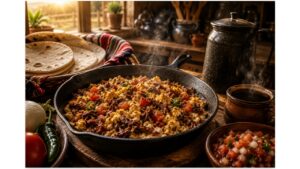
Cattle have been central to Northern Mexico’s economy for centuries, making beef one of the defining ingredients of the region’s cuisine. Unlike southern states, where corn and tropical crops dominate many traditional dishes, Northern Mexico developed a culinary identity built around ranch-raised livestock, wheat, and foods that could be prepared over wood fires or on sturdy cast-iron cookware. Many ranch breakfasts are still prepared on cast-iron skillets over gas stoves or open fires.
This style of Mexican ranch cooking shaped breakfast for generations.
Large portions of eggs, grilled meats, machacado, beans, roasted potatoes, and fresh flour tortillas provided the energy needed for long days spent tending cattle, repairing fences, harvesting crops, or traveling across expansive ranchlands. Many meals were intentionally simple, relying on high-quality ingredients rather than elaborate sauces or complicated preparation. Many ranch breakfasts were prepared with whatever ingredients were freshest that morning, making seasonal produce and homemade tortillas just as important as the meat itself.
Often called a Mexican cowboy breakfast, these hearty meals reflect the ranching lifestyle that has defined Northern Mexico for generations.
Coffee also became an essential part of the morning routine. Long before sunrise, a strong pot brewed on the stove welcomed family members into the kitchen, where breakfast became one of the few moments everyone gathered together before heading out to work.
Today, those ranching traditions continue to influence Northern Mexican cuisine even in modern cities. While restaurants may add contemporary touches, the emphasis on hearty portions, fresh tortillas, grilled meats, and family recipes remains remarkably consistent throughout the region.
NORTHERN MEXICO’S BREAKFASTS DON’T JUST REFLECT THE LANDSCAPE—THEY WERE BUILT TO THRIVE IN IT.
If you’re interested in another regional specialty shaped by Northern Mexico’s ranching heritage, Carne Asada Tacos So Good They’ll Ruin All Other Tacos Forever explores how open-fire cooking and exceptional beef became defining features of the region’s cuisine.
Why Breakfast Burritos Became a Northern Mexican Classic
Few foods are more closely associated with Northern Mexico than the breakfast burrito. The classic Northern Mexican breakfast burrito grew naturally from this tradition. Although countless variations exist today, the original idea was beautifully simple: wrap a hearty breakfast inside a large handmade flour tortilla that could be enjoyed anywhere.
For ranch workers, farmers, and travelers, convenience mattered. Fresh eggs, machacado, potatoes, beans, grilled meats, and cheese could all be tucked neatly inside a warm tortilla, creating a satisfying meal that stayed warm and was easy to carry into the fields or across the ranch.
The flour tortilla made this possible.
Unlike smaller corn tortillas that were better suited for individual tacos, Northern Mexico’s large, pliable flour tortillas could hold generous portions without tearing. That practical advantage helped transform the breakfast burrito into one of the region’s signature foods long before it became popular throughout the southwestern United States.
Today, breakfast burritos remain a staple across Sonora, Chihuahua, and neighboring states, where local cooks continue filling them with regional ingredients rather than the oversized combinations often found elsewhere. Simplicity, freshness, and quality remain the defining characteristics of an authentic Northern Mexican breakfast burrito.
🌎 If You Ever Visit Mexico…
If you’re looking for an authentic Northern Mexico breakfast, skip the hotel buffet and visit a family-owned café or ranch restaurant in Northern Mexico and order machacado con huevo with handmade flour tortillas instead of a hotel breakfast. Pair it with fresh coffee, homemade salsa, and a breakfast burrito, and you’ll experience the hearty ranch cooking traditions that have fueled generations of families across Mexico’s northern states.
🌶️ Peppers of Key West Products That Pair Perfectly with Northern Mexican Breakfasts
Northern Mexico’s breakfasts are hearty, savory, and built around beef, eggs, potatoes, beans, handmade flour tortillas, and fresh salsa. Rather than overwhelming those classic ranch flavors, the right hot sauces and seasonings should add brightness, garlic, smoky depth, or just enough heat to complement the meal. These Peppers of Key West favorites pair naturally with the region’s traditional breakfast dishes while respecting their authentic character.
Product Pairing Quick Guide
- Jalapeño Garlic Hot Sauce – Machacado con huevo, breakfast burritos, scrambled eggs, potatoes
- Serrano Pepper Hot Sauce – Breakfast tacos, fresh salsa, eggs, avocado, flour tortillas
- Macho Beefy Coffee & Ancho Steak Seasoning – Grilled beef, machacado, breakfast steaks, ranch cooking
- Peppers of Key West 5 Pack –Machacado con huevo, breakfast burritos, grilled beef, eggs, beans & every Northern Mexican breakfast favorite
🌶️ Peppers of Key West Products for Northern Mexican Breakfasts
Hearty ranch breakfasts deserve bold but balanced flavors. These products enhance grilled beef, eggs, potatoes, and handmade tortillas without overpowering the traditional ingredients that define Northern Mexico’s morning table.
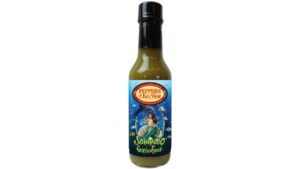
Jalapeño Garlic Hot Sauce
Smooth jalapeño peppers and rich garlic make this an ideal everyday breakfast hot sauce. It complements machacado con huevo, breakfast burritos, scrambled eggs, and roasted potatoes while adding fresh flavor without overwhelming the beef or eggs.
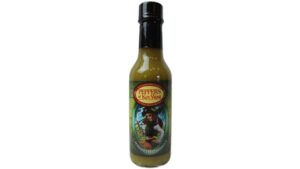
Serrano Pepper Hot Sauce
Bright, fresh serrano peppers pair naturally with homemade salsa, avocado, eggs, and warm flour tortillas. Its clean finish makes it an excellent table sauce for traditional Northern Mexican breakfasts where fresh ingredients remain the star of the meal.
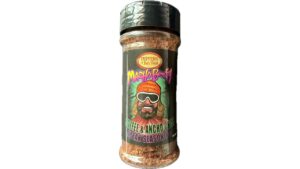
Macho Beefy Coffee & Ancho Steak Seasoning
Inspired by beef, coffee, and smoky ancho peppers, this seasoning feels right at home in Northern Mexico’s ranch kitchens. It’s perfect for breakfast steaks, grilled beef, potatoes, and homemade machacado-inspired dishes cooked over an open flame or cast-iron skillet.

Peppers of Key West 5 Pack
Northern Mexican breakfasts are built around simple, hearty ingredients that pair beautifully with a variety of pepper flavors. The Peppers of Key West 5 Pack lets you discover your favorite breakfast pairing, from the mild Cayenne and savory Jalapeño Garlic to the fruity Habanero, bold Ghost Pepper, and fiery Carolina Reaper. Whether you’re topping machacado con huevo, breakfast burritos, grilled beef, eggs, potatoes, or homemade salsa, there’s a sauce for every heat preference around the breakfast table.
Frequently Asked Questions:
What is machacado con huevo?
Machacado con huevo is a traditional Northern Mexican breakfast made by cooking shredded dried beef with scrambled eggs, tomatoes, onions, and peppers.
Which states are famous for machacado?
Nuevo León, especially Monterrey, is most closely associated with machacado con huevo, although it is enjoyed throughout Northern Mexico.
Why are flour tortillas more common in Northern Mexico?
Northern Mexico has a long history of wheat farming, making large handmade flour tortillas a regional staple alongside beef and ranch cooking.
Did breakfast burritos originate in Mexico?
Yes. Breakfast burritos trace their roots to Northern Mexico, where large flour tortillas were used to wrap hearty breakfasts for ranch workers and travelers.
What meats are commonly served for breakfast in Northern Mexico?
Machacado, grilled beef, carne asada, chorizo, bacon, ham, and slow-cooked beef are all popular breakfast choices.
What is cowboy coffee?
Cowboy coffee is strong, simply brewed coffee traditionally prepared in a pot over a stove or open fire, making it a classic companion to ranch breakfasts.
Why is ranch cooking important in Northern Mexico?
Ranching has shaped the region’s economy and cuisine for centuries, leading to hearty meals centered around beef, eggs, wheat, and practical cooking methods.
Are breakfast burritos the same throughout Mexico?
No. Northern Mexican breakfast burritos tend to be simpler and focus on fresh regional ingredients, while versions elsewhere often include additional fillings.
What side dishes are served with Northern Mexican breakfasts?
Beans, roasted potatoes, fresh salsa, avocado, cheese, and handmade flour tortillas commonly accompany the main breakfast dishes.
What makes Northern Mexican breakfasts unique?
They emphasize ranch-raised beef, wheat-based flour tortillas, hearty portions, and practical recipes developed to fuel long days of work while bringing families together around the breakfast table.
Continue Your Mexican Street Food Journey
From This Collection
- Tamales Explained: The Ancient Mexican Comfort Food That Still Dominates Street Food Culture
- Tortas Loaded with Meat, Melted Cheese & Street Food Flavor That Hits Hard
- Mexican Street Food Breakfast Favorites Worth Waking Up Early For
- Mexican Street Food Ingredients & Cooking Terms Explained: The Building Blocks of Authentic Mexican Flavor
- Regional Mexican Street Food Guide: Famous Dishes from Every Corner of Mexico
- Mexican Street Food Markets Explained: How to Order Like a Local and Find the Best Food Fast
- Mexican Street Food Sauces Beyond Salsa: Crema, Chili Oils, Citrus Heat & More
- Mexican Street Tacos Explained: The Authentic Street Food That Started It All
Expand Your Flavor Journey
- The Amazing Guide to Taco Sauce Pairing: Best Hot Sauce for Tacos, Meats, Fish & Street Taco Flavor Hacks
- Breakfast Tacos Loaded with Eggs, Crispy Meat & Bold Hot Sauce Worth Waking Up For
- Carne Asada Tacos So Good They’ll Ruin All Other Tacos Forever
- Best Hot Sauce for Breakfast Tacos: Wake Up Your Eggs with Heat
Explore More Northern Mexican Breakfast Topics
northern Mexico breakfast, traditional northern Mexican breakfast, Mexican breakfast traditions, machacado con huevo, machaca breakfast, machaca recipe, carne seca Mexico, dried beef machaca, huevos con machaca, breakfast burritos Mexico, authentic Mexican burritos, flour tortillas northern Mexico, Sonoran flour tortillas, flour tortilla recipes, Sonora breakfast food, breakfast in Sonora, Chihuahua breakfast dishes, breakfast in Chihuahua, ranch breakfast Mexico, ranch cooking Mexico, traditional ranch cooking, ranch style breakfast, vaquero breakfast, Mexican breakfast meats, Mexican egg dishes, northern Mexican food, northern Mexico cuisine, regional Mexican cuisine, Sonoran cuisine, Chihuahua cuisine, Coahuila cuisine, Nuevo León cuisine, carne seca recipes, regional breakfast traditions, Mexican culinary traditions, Mexican ranch life, rustic Mexican cooking, authentic Mexican breakfast ideas
