
Mole Negro Explained: Oaxaca’s Most Famous Sauce and Why It Takes Days to Make
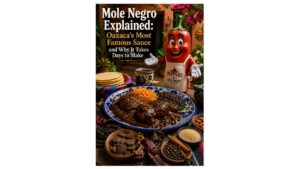
Imagine someone handing you a sauce made with dozens of ingredients, several kinds of dried chiles, toasted nuts and seeds, warm spices, fruit, herbs, chocolate, and enough patience to spend two or three days making it. You’d probably think they were exaggerating—until you visit Oaxaca. Mole negro isn’t just a sauce; it’s one of Mexico’s greatest culinary achievements, where generations of family recipes transform humble ingredients into extraordinary flavor.
If you’ve ever wondered why Mexicans speak about mole negro with such admiration, the answer isn’t simply that it tastes incredible. It’s because this legendary Oaxacan sauce represents centuries of tradition, family celebrations, regional pride, and one of the most complex recipes in the world.
Some traditional mole negro recipes contain more than 30 ingredients, while others include 40 or more, making every family recipe uniquely its own.
Unlike quick sauces that come together in minutes, authentic mole negro often requires dozens of ingredients and many hours—sometimes even several days—of careful roasting, grinding, simmering, and tasting before it reaches the deep, velvety flavor that has made Oaxaca famous throughout Mexico.
The result isn’t overwhelmingly spicy or overwhelmingly sweet. Instead, mole negro balances smoky dried chiles, warm spices, nuts, seeds, herbs, fruit, and a touch of chocolate into a sauce with remarkable depth and complexity. Every family recipe is a little different, and that’s part of what makes discovering mole such a memorable experience.
Mole negro is one of the many regional specialties featured in Mexican Street Food Beyond Tacos: Elote, Tortas, Tamales & More, where you’ll discover that Mexico’s culinary traditions stretch far beyond the taco stand.
If you’ve already explored Tlayudas Explained: Oaxaca’s Giant Street Food Masterpiece, you’ve seen another of Oaxaca’s iconic foods. Mole negro tells a different story—one of celebration, patience, and generations of cooks preserving recipes that have become symbols of the region itself.
From bustling markets in Oaxaca City to family kitchens preparing for weddings, holidays, and festivals, mole negro reflects the craftsmanship and cultural heritage that have earned Oaxaca its reputation as one of Mexico’s greatest food destinations.
MOLE NEGRO ISN’T JUST A SAUCE—IT’S ONE OF MEXICO’S GREATEST CULINARY TRADITIONS.
Quick Guide
Meaning: Oaxaca’s most famous traditional mole sauce
Pronunciation: MOH-leh NEH-groh
Origin: Oaxaca, Mexico
Known For:
- Deep, complex flavor
- Dozens of ingredients
- Long cooking process
- Family recipes
- Holiday celebrations
Typical Ingredients:
- Dried chiles
- Chocolate
- Nuts
- Seeds
- Tomatoes
- Onion
- Garlic
- Cinnamon
- Cloves
- Plantain or fruit
- Herbs
- Sesame seeds
Commonly Served With:
- Chicken
- Turkey
- Pork
- Enchiladas
- Rice
- Handmade tortillas
Best Places to Enjoy It:
- Oaxaca City
- Family restaurants
- Traditional markets
- Local festivals
- Celebrations and holidays
Best Way to Describe It: One of the world’s most complex sauces, blending smoky chiles, spices, nuts, seeds, and chocolate into Oaxaca’s most celebrated culinary masterpiece.
What Makes Mole Negro Different from Other Mole Sauces?
Although many people simply say “mole,” Mexico is home to dozens of traditional mole recipes, each reflecting the ingredients, history, and cooking traditions of its region. Mole negro stands apart because of its remarkable complexity, deep color, and patient preparation, making it one of Oaxaca’s most treasured culinary traditions.
Unlike sweeter mole poblano or the vibrant green mole verde, mole negro develops its rich flavor from carefully toasted dried chiles, roasted vegetables, nuts, seeds, herbs, spices, and just enough chocolate to round out the sauce without making it taste like dessert. Every ingredient contributes another layer of flavor, resulting in a sauce that is smoky, earthy, slightly sweet, gently spicy, and remarkably balanced.
Traditional cooks often guard their family recipes for generations. Some versions contain more than thirty ingredients, while others may include forty or more, with subtle differences passed from one generation to the next.
If you’d like to discover another of Oaxaca’s most celebrated regional specialties, Memelas Explained: Oaxaca’s Thick Corn Street Food Favorite explores another beloved Oaxacan specialty built on fresh masa, handmade cooking, and generations of local tradition.
MOLE NEGRO ISN’T SIMPLY A SAUCE—IT’S A RECIPE THAT REPRESENTS GENERATIONS OF OAXACAN HERITAGE.
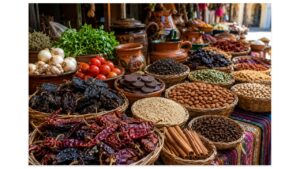
Why Does Mole Negro Take Days to Make?
One of the first things visitors learn in Oaxaca is that authentic mole negro cannot be rushed. While modern shortcuts exist, traditional recipes often require many hours—and sometimes several days—of careful preparation before the sauce is ready to serve.
Each ingredient is prepared separately. Dried chiles are cleaned and lightly toasted to develop smoky flavor without becoming bitter. Nuts and seeds are roasted individually. Tomatoes, onions, garlic, herbs, and spices are cooked at different stages to build depth one layer at a time. Even the chocolate is added carefully near the end, contributing richness rather than sweetness.
Once everything has been prepared, the ingredients are ground into a smooth paste before simmering slowly until the flavors become fully integrated. Throughout the process, experienced cooks continue tasting and adjusting the balance, knowing that no two batches are ever exactly alike.
Today, many families still prepare mole negro together before weddings, religious festivals, birthdays, and other important celebrations. The cooking process itself has become part of the tradition, bringing generations together around one of Oaxaca’s most treasured recipes.
If you’re fascinated by the traditional ingredients that shape authentic Mexican cooking, Regional Mexican Street Food Guide: Famous Dishes from Every Corner of Mexico explores many of the regional flavors, cooking techniques, and specialties that define Mexico’s remarkable culinary heritage.
THE EXTRAORDINARY FLAVOR OF MOLE NEGRO COMES FROM PATIENCE AS MUCH AS INGREDIENTS.
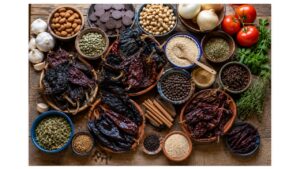
How Is Mole Negro Traditionally Served?
Unlike many sauces that play a supporting role, mole negro is often the centerpiece of the meal. Its rich, velvety texture and remarkable depth of flavor transform simple ingredients into memorable dishes, making it one of Oaxaca’s most treasured culinary traditions.
The classic presentation features tender chicken or turkey generously coated in mole negro and finished with toasted sesame seeds. Warm handmade corn tortillas, Mexican rice, and beans complete the meal, allowing diners to enjoy every last bit of the sauce.
You’ll also find mole negro served over pork, spooned across enchiladas, paired with tamales, or featured during weddings, religious festivals, and family celebrations. While restaurants throughout Mexico proudly serve mole, many locals believe the finest versions still come from family kitchens where recipes have been passed down for generations.
Unlike everyday table sauces, mole negro is often reserved for life’s most meaningful occasions. Preparing it becomes part of the celebration itself, with family members gathering to roast chiles, toast spices, grind ingredients, and slowly simmer the sauce together.
If you’re interested in another iconic dish that showcases Mexico’s incredible variety of sauces, Mexican Street Food Sauces Beyond Salsa: Crema, Chili Oils, Citrus Heat & More highlights the opposite end of the flavor spectrum, where bright citrus replaces long-simmered complexity to create one of Mexico’s most refreshing coastal specialties.
THE GREATEST MOLE NEGRO IS SHARED DURING MEXICO’S MOST IMPORTANT CELEBRATIONS.

Why Oaxaca Is Famous for Mole Negro
Few places in Mexico are as closely connected to a single culinary tradition as Oaxaca is to mole negro. For generations, the state’s Indigenous heritage, local ingredients, and family recipes have shaped a sauce that has become one of the country’s defining foods.
Oaxaca’s remarkable biodiversity provides an abundance of dried chiles, herbs, spices, nuts, seeds, and cacao, giving cooks access to the ingredients needed for extraordinarily complex recipes. Combined with centuries of culinary knowledge, these ingredients have helped create a sauce recognized around the world.
Visitors exploring Oaxaca quickly discover that every neighborhood, market, restaurant, and family kitchen offers its own interpretation. Some recipes emphasize smokiness, while others highlight sweetness, spice, or subtle notes of chocolate. There is no single “correct” version—only generations of cooks preserving traditions while adding their own signature touches.
Today, mole negro remains one of the foods most closely associated with Oaxaca, standing alongside tlayudas, memelas, mezcal, artisan chocolate, and vibrant local markets as symbols of the region’s rich cultural identity.
To continue discovering Oaxaca’s remarkable cuisine, Memelas Explained: Oaxaca’s Thick Corn Street Food Favorite explores another beloved regional specialty built upon the same traditions of fresh corn, handmade cooking, and generations of local craftsmanship.
WHEN PEOPLE THINK OF OAXACA, MOLE NEGRO IS ONE OF THE FIRST FLAVORS THAT COMES TO MIND.
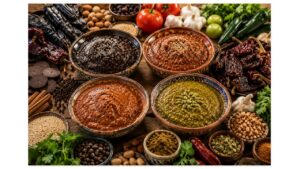
🌶️ Peppers of Key West Product Pairing Quick Guide
Mole negro is rich, layered, and deeply savory, so complementary flavors work best. These Peppers of Key West products add balanced heat and depth without overpowering Oaxaca’s legendary sauce.
- Jalapeño Garlic Hot Sauce – Smooth garlic and gentle jalapeño heat complement chicken and pork served with mole.
- Habanero Pepper Hot Sauce – Fruity tropical heat pairs beautifully with richer mole dishes for those who enjoy a little more spice.
- Macho Beefy Coffee & Ancho Steak Seasoning – Coffee and ancho chile flavors echo many of the warm, earthy notes found in traditional mole recipes.
- Cherry Pomegranate Grilling Sauce – A mildly sweet finishing glaze that complements grilled chicken or pork often served alongside mole-inspired meals.
🌶️ Peppers of Key West Products for Mole Negro
Authentic mole negro is already a masterpiece of flavor, so the goal isn’t to replace it—it’s to complement the dishes traditionally served alongside it.
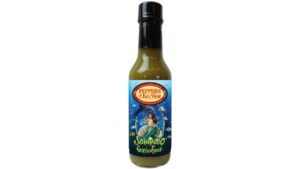
Jalapeño Garlic Hot Sauce
Smooth jalapeño heat and roasted garlic enhance chicken and pork while respecting the rich complexity of mole negro.
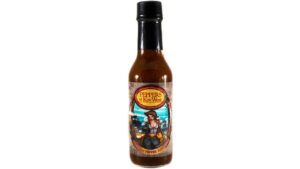
Habanero Pepper Hot Sauce
For diners who enjoy additional warmth, habanero’s fruity character pairs naturally with the earthy richness of mole negro.
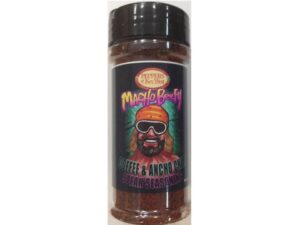
Macho Beefy Coffee & Ancho Steak Seasoning
Coffee and ancho chile flavors mirror many of the earthy notes that make mole negro so distinctive, making this seasoning an excellent companion for grilled meats.
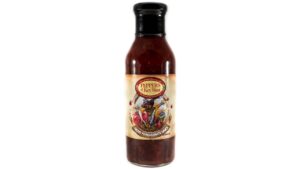
Cherry Pomegranate Grilling Sauce
Its mild fruit-forward sweetness pairs beautifully with grilled chicken and pork, offering another way to enjoy flavors inspired by Oaxaca’s celebrated cuisine.
How to Order Mole Negro Like a Local
If you’re visiting Oaxaca for the first time, ordering mole negro is one of the best ways to experience the region’s culinary heritage. Unlike everyday sauces, mole negro is often treated as a specialty, appearing on menus in traditional restaurants, neighborhood fondas, family-run kitchens, and local celebrations.
A few simple tips will help you enjoy it like a local:
- Order mole negro with chicken or turkey for the most traditional experience.
- Enjoy it with warm handmade corn tortillas so you can savor every bit of the sauce.
- Taste the mole before adding any extra heat to appreciate its carefully balanced flavors.
- Ask whether the recipe is a family recipe or house specialty—many restaurants proudly prepare their own version.
- Pair your meal with a refreshing agua fresca, horchata, or a glass of mezcal if you’re exploring Oaxaca’s local traditions.
- Take your time. Mole negro is meant to be enjoyed slowly, not rushed.
Unlike many restaurant dishes, there isn’t one “correct” version of mole negro. Discovering the subtle differences between family recipes is part of what makes exploring Oaxaca’s cuisine so rewarding.
THE BEST WAY TO EXPERIENCE MOLE NEGRO IS TO LET THE COOK TELL THEIR FAMILY’S STORY THROUGH THE SAUCE.
Frequently Asked Questions:
What is mole negro?
Mole negro is Oaxaca’s most famous traditional sauce, made by slowly combining dried chiles, spices, nuts, seeds, chocolate, herbs, and other ingredients into a rich, complex sauce.
Why does mole negro take so long to make?
Traditional recipes require many ingredients that are individually toasted, roasted, ground, and slowly simmered, often over many hours or even several days.
Does mole negro taste like chocolate?
No. Chocolate adds richness and balance, but authentic mole negro is savory, smoky, earthy, and only mildly sweet.
Is mole negro spicy?
Most versions are mildly spicy rather than extremely hot. The focus is complexity and balance instead of intense heat.
Where did mole negro originate?
Mole negro is most closely associated with Oaxaca, where it has become one of the state’s defining culinary traditions.
How many ingredients are in mole negro?
Recipes vary, but many traditional versions contain 30 to 40 or more ingredients.
What meat is traditionally served with mole negro?
Chicken and turkey are the most traditional pairings, although pork and enchiladas are also popular.
Can I find mole negro outside Oaxaca?
Yes. Many Mexican restaurants throughout the country serve mole negro, although Oaxaca remains its spiritual home.
Is mole negro served every day?
It can be, but it is especially associated with weddings, holidays, religious celebrations, and other special occasions.
What’s the difference between mole negro and mole poblano?
Both are famous Mexican moles, but mole negro is known for its darker color, smokier flavor, and deep connection to Oaxaca’s culinary traditions, while mole poblano is most closely associated with Puebla.
Continue Your Mexican Street Food Journey
Continue Exploring Oaxaca
- Tlayudas Explained: Oaxaca’s Giant Street Food Masterpiece
- Memelas Explained: Oaxaca’s Thick Corn Street Food Favorite
- Mexican Street Food for First-Timers: What to Order and Why
- Why Mexican Street Food Delivers Bigger Flavor Than Most Restaurant Food
- The Most Underrated Mexican Street Foods Americans Need Immediately
- Mexican Street Food Sauces Beyond Salsa: Crema, Chile Oils, Citrus Heat & More
- Best Hot Sauces for Mexican Street Corn, Tortas & Tamales
- Mexican Street Snacks That Pair Perfectly with Hot Sauce
Venture Beyond Oaxaca
- Chalupas Explained: Puebla’s Traditional Street Food That’s Nothing Like Taco Bell
- Cochinita Pibil Explained: The Legendary Yucatán Pork Dish Americans Are Missing
- Mexican Street Tacos Explained: The Authentic Street Food That Started It All
- How to Build the Ultimate Taco Night Spread
Explore More Keywords
mole negro, mole negro explained, authentic mole negro, Oaxaca mole, Oaxacan cuisine, traditional Mexican mole, mole sauce, Mexican mole varieties, mole rojo, mole verde, mole coloradito, mole poblano, dried chiles, chilhuacle chile, ancho chile, pasilla chile, mulato chile, Mexican chocolate, sesame seeds, cinnamon, cloves, traditional Mexican sauces, Oaxaca food, authentic Oaxaca recipes, chicken with mole, turkey with mole, enchiladas with mole, handmade tortillas, Mexican culinary traditions, Oaxaca markets, family recipes, regional Mexican cuisine, Mexican celebrations, Indigenous Mexican cuisine, traditional Mexican cooking, authentic Mexican food, Peppers of Key West, Macho Beefy Coffee and Ancho Steak Seasoning
