
Trinidad Moruga Scorpion Pepper Explained: Scoville Heat, Flavor, Uses & What Makes It So Extreme
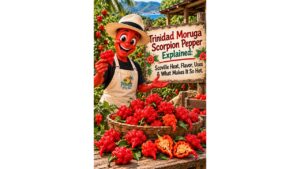
For a brief moment in chile pepper history, the Trinidad Moruga Scorpion stood at the center of the superhot world.
Research into the pepper helped document something that once seemed almost impossible: individual chile peppers could reach more than 2 million Scoville Heat Units. That discovery placed the Trinidad Moruga Scorpion among an emerging generation of superhots that dramatically changed how people understood the upper limits of pepper heat.
But describing the Trinidad Moruga Scorpion only by its Scoville rating misses much of what makes it interesting.
Originating in Trinidad and Tobago, this intensely hot pepper belongs to a Caribbean chile tradition known for peppers that combine extraordinary pungency with surprisingly complex flavor. Beneath the heat, the Trinidad Moruga Scorpion can offer fruity qualities and a distinctive chile character—but experiencing those flavors requires getting past a level of pungency that demands considerable respect.
Its place in pepper history is equally important. Scientific testing helped establish the Trinidad Moruga Scorpion as one of the defining superhot peppers of its era and provided researchers with better data for comparing varieties whose heat claims had often been based on individual samples, informal testing or marketing.
Today, peppers such as the Carolina Reaper and Pepper X have pushed the record conversation even further. The Trinidad Moruga Scorpion no longer needs a “world’s hottest pepper” title to remain remarkable. Its combination of Caribbean heritage, extreme heat, distinctive appearance and historic role in superhot research gives it a story of its own.
THE TRINIDAD MORUGA SCORPION DIDN’T JUST JOIN THE SUPERHOT PEPPER WORLD. IT HELPED SHOW HOW EXTREME THAT WORLD COULD BECOME.
Trinidad Moruga Scorpion Pepper Snapshot
- Scientific Name: Capsicum chinense
- Origin: Moruga, Trinidad, Trinidad and Tobago
- Heat Level: Superhot
- Scoville Heat: Approximately 1.2 million SHU on average, with individual tested fruit exceeding 2 million SHU
- Appearance: Wrinkled, irregular pods that typically mature from green to red, often with a rounded or squat shape and a pointed or scorpion-like end
- Flavor: Fruity and somewhat floral beneath the extreme heat
- Typical Uses: Hot sauce, chile powder, extreme-heat seasonings, marinades and recipes where very small amounts can provide substantial pungency
- Best Known For: Helping demonstrate just how far beyond one million Scoville Heat Units superhot peppers could reach
The Trinidad Moruga Scorpion belongs firmly in the superhot category. Research conducted on the variety reported mean heat above 1.2 million SHU, while individual fruit from some plants exceeded 2 million SHU. Those results helped make the pepper internationally famous and remain an important part of its history.
THE TRINIDAD MORUGA SCORPION ISN’T JUST HOT. IT OCCUPIES A LEVEL OF PUNGENCY WHERE A VERY SMALL AMOUNT CAN TRANSFORM AN ENTIRE DISH.
Trinidad Moruga Scorpion Quick Guide
How hot is a Trinidad Moruga Scorpion?
The Trinidad Moruga Scorpion is a superhot pepper associated with heat above one million Scoville Heat Units, with individual tested fruit having exceeded 2 million SHU.
Is the Trinidad Moruga Scorpion still the world’s hottest pepper?
No. Its importance today comes from its place in superhot pepper history and its extraordinary pungency rather than a current world’s-hottest title.
What does a Trinidad Moruga Scorpion taste like?
Behind its extreme heat is a fruity chile character, although the intensity can quickly dominate the tasting experience.
Where does the Trinidad Moruga Scorpion come from?
Its name connects it to Moruga in Trinidad and Tobago, part of a Caribbean region with a long tradition of exceptionally hot Capsicum chinense peppers.
Why is it called a Scorpion pepper?
Scorpion peppers are associated with irregular pods that can develop pointed ends reminiscent of a scorpion’s stinger, although individual fruit can vary considerably in shape.
How is the Trinidad Moruga Scorpion used?
Because of its extreme pungency, it is generally used in very small quantities in hot sauces, powders, seasonings and intensely spicy foods rather than as a high-volume cooking pepper.
🌶️ Ready to Explore Superhot Flavor?
The Trinidad Moruga Scorpion belongs to an extraordinary family of peppers capable of producing serious heat. Explore our Extreme Hot Sauces to discover sauces made for experienced chile heads who want to venture into the hottest end of the pepper world.
Explore Extreme Hot Sauces →
From Moruga, Trinidad to the Superhot World
Long before the Trinidad Moruga Scorpion became internationally known for extreme Scoville numbers, it belonged to a much older Caribbean chile tradition.
The pepper takes its name from Moruga, on the southern side of Trinidad, connecting it directly to Trinidad and Tobago and a region where intensely hot Capsicum chinense peppers have long been part of the local chile landscape. That origin is important because the Moruga Scorpion did not begin as a laboratory experiment or a modern breeding project created simply to capture a heat record.
Like other Caribbean Capsicum chinense peppers, it combines substantial pungency with an aromatic character that can include fruity and somewhat sweet qualities. Its compact, irregular pods and deeply wrinkled skin also reflect the distinctive appearance associated with many peppers in this branch of the chile family.
Only later did the Trinidad Moruga Scorpion attract the attention of the growing international superhot community. As interest in exceptionally hot peppers expanded, varieties that had previously been known primarily within their growing regions began reaching gardeners, researchers and chile enthusiasts around the world.
For the Moruga Scorpion, that international attention would eventually make its extraordinary heat famous. But its story begins somewhere much more specific: with a Caribbean pepper from Trinidad.
BEFORE THE MORUGA SCORPION BECAME A SUPERHOT LEGEND, IT WAS A TRINIDADIAN CHILE WITH A PLACE, A FLAVOR AND A HISTORY OF ITS OWN.

How Hot Is the Trinidad Moruga Scorpion?
The Trinidad Moruga Scorpion belongs to a class of peppers where familiar descriptions such as mild, medium and hot stop being particularly useful. With average heat measured at approximately 1.2 million Scoville Heat Units and individual fruit capable of exceeding 2 million SHU, it occupies the extreme end of the chile pepper spectrum.
Those numbers become easier to appreciate through comparison. A Jalapeño generally measures in the thousands of Scoville Heat Units, while a Habanero reaches into the hundreds of thousands. The Trinidad Moruga Scorpion moves beyond both by an enormous margin, placing it in the same superhot conversation as peppers such as the Ghost Pepper and Carolina Reaper.
But even the Scoville numbers require context. A variety does not produce peppers with one fixed heat level. Individual pods can vary substantially, which is why an unusually hot specimen should not be treated as the expected heat of every Trinidad Moruga Scorpion. Its roughly 1.2-million-SHU average and its ability to produce individual fruit above 2 million SHU describe two different aspects of the pepper’s heat potential.
The experience of that pungency can also be deceptive. The Trinidad Moruga Scorpion became known for heat that may seem to intensify after the initial taste rather than revealing its full force immediately. Whatever sweetness or fruitiness is noticed at first can quickly give way to an increasingly powerful burn.
That makes the pepper very different from varieties where generous amounts can be added to a recipe for flavor and texture. With the Trinidad Moruga Scorpion, small quantities can introduce extraordinary heat, and adding more can change the entire character of a dish very quickly.
THE MORUGA SCORPION DOESN’T NEED MUCH ROOM IN A RECIPE. AT THIS LEVEL OF HEAT, A LITTLE PEPPER CAN HAVE AN ENORMOUS EFFECT.
 🌶️ Professor Pepper Says
A pepper reaching more than 2 million SHU doesn’t mean every Moruga Scorpion will be that hot. Think of the highest reading as what the variety can produce—not what every pepper will produce.
What Does a Trinidad Moruga Scorpion Taste Like?
Extreme heat may dominate its reputation, but the Trinidad Moruga Scorpion is not flavorless beneath the burn.
Fresh ripe pods can have a fruity, somewhat sweet and aromatic chile character associated with many Capsicum chinense peppers. That underlying flavor is one reason superhot peppers can be interesting culinary ingredients rather than simply sources of capsaicin. Used carefully, the pepper can contribute both flavor and heat to sauces, marinades and other preparations.
The difficulty is dosage. With a milder chile, a cook can add enough pepper to make its flavor a substantial part of the dish without necessarily making the food overwhelmingly hot. The Moruga Scorpion offers far less room for error. The quantity required to produce intense pungency can be much smaller than the amount someone might ordinarily use when cooking with familiar peppers.
That creates one of the central challenges of cooking with superhots: how do you capture the pepper’s character without allowing its heat to overwhelm everything around it?
Hot sauce is one answer because the pepper can be distributed through a larger mixture of ingredients. Powders and finely processed preparations offer another approach because extremely small quantities can be incorporated more evenly. In either case, restraint makes it easier for the chile’s underlying character to remain part of the experience rather than disappearing behind pure intensity.
THE HEAT MAKES THE MORUGA SCORPION FAMOUS. ITS FRUITY CHILE CHARACTER IS WHAT MAKES IT MORE THAN JUST A SCOVILLE NUMBER.
What Does a Trinidad Moruga Scorpion Look Like?
The Trinidad Moruga Scorpion has the intimidating appearance people often associate with superhot peppers, although individual pods can vary considerably.
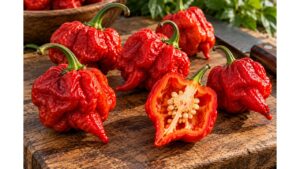
The fruit is generally relatively compact, with an irregular, heavily wrinkled or bumpy surface. Pods begin green and typically mature to a rich red, becoming increasingly distinctive as they ripen. Rather than the smoother, more predictable shape of a Jalapeño or Serrano, Moruga Scorpions can appear folded, contorted and uneven.
Some fruit develop a pointed projection at the bottom that contributes to the “Scorpion” name. That feature is often compared with a scorpion’s stinger, but it should not be treated as a requirement for identifying the variety. Not every pod develops an exaggerated tail, and natural variation can produce noticeably different shapes on the same plant.
Inside, the pepper follows the same basic anatomy as other chile peppers, but its extreme pungency changes how that anatomy should be approached. The pale internal placental tissue and surrounding inner surfaces are particularly important areas of capsaicinoid production. The seeds themselves are not the primary source of pepper heat, even though they can become coated with capsaicinoid-rich material from surrounding tissues.
That distinction matters when handling a pepper this potent. Removing the seeds does not somehow turn a Trinidad Moruga Scorpion into a mild chile. The compounds responsible for its extraordinary pungency are associated with the pepper’s internal tissues, and oils transferred during cutting can easily reach hands, utensils and work surfaces.
THE MORUGA SCORPION’S WRINKLED POD AND OCCASIONAL STINGER MAY MAKE IT LOOK DANGEROUS. WHAT’S INSIDE IS WHAT MAKES THAT WARNING REAL.
How the Trinidad Moruga Scorpion Became a Superhot Legend
The Trinidad Moruga Scorpion entered the international spotlight during a period when the upper limits of chile pepper heat were being rewritten.
By then, the Ghost Pepper had already changed expectations by demonstrating that a chile could cross the one-million-Scoville threshold. Attention increasingly turned toward other superhot varieties and an important question: how hot were these peppers when multiple plants and fruit were evaluated rather than relying on one extraordinary specimen?
That distinction became especially important with the Trinidad Moruga Scorpion.
Testing found average heat above 1.2 million Scoville Heat Units, while individual fruit from some plants exceeded 2 million SHU. The difference between those numbers matters. The higher figure demonstrated what an exceptional Moruga Scorpion could produce; the average provided a much better picture of the variety’s extraordinary heat across multiple samples.
Those results transformed the pepper’s international reputation. The Moruga Scorpion was no longer simply another chile described as extraordinarily hot. It became one of the peppers that helped establish just how far the emerging superhot category could extend beyond the million-SHU threshold.
Later peppers would push the record conversation farther, but the Moruga Scorpion had already made its contribution. It helped move the superhot conversation beyond isolated maximum readings and toward a better understanding of what an exceptionally hot variety could consistently produce.
RECORDS CHANGE. THE MORUGA SCORPION’S PLACE IN THE HISTORY OF SUPERHOT PEPPERS DOESN’T.
How to Use Trinidad Moruga Scorpion Peppers in Cooking
Cooking with a Trinidad Moruga Scorpion requires a different mindset from cooking with everyday chile peppers.
With a Jalapeño or Serrano, the pepper itself may provide substantial volume, texture and flavor to a dish. A cook might slice several into a salsa, scatter them across tacos or incorporate them generously into a sauce. At Moruga Scorpion heat levels, that approach can produce food so intensely pungent that everything else becomes difficult to taste.
The goal is therefore usually distribution rather than quantity. A very small amount of pepper can be spread through a much larger preparation, allowing its heat and underlying chile character to influence the entire dish. Hot sauces are particularly well suited to this because the pepper can be blended with other ingredients and used in controlled amounts.
The pepper can also be dried and ground into powder, providing another way to use tiny quantities more evenly. Powders can be incorporated into spice blends, rubs and sauces, although their concentrated form makes careful measurement especially important. Fresh peppers can be minced extremely finely for recipes designed around superhot heat, but even a small piece can dramatically change the finished food.
Rich or substantial foods can provide a useful setting for extreme peppers because there is enough surrounding flavor for the chile to interact with. Chili, stews, marinades and strongly flavored sauces can accommodate carefully controlled amounts more naturally than delicate foods where the heat may immediately dominate.
None of this means every recipe benefits from a superhot pepper. The Trinidad Moruga Scorpion makes the most sense when extreme heat is intentionally part of the experience. When moderate warmth or generous fresh-pepper flavor is the goal, a milder variety will usually provide much greater control.
THE SECRET TO COOKING WITH A MORUGA SCORPION ISN’T FINDING OUT HOW MUCH YOU CAN ADD. IT’S LEARNING HOW LITTLE YOU NEED.
🌶️ Professor Pepper Says
With a superhot pepper, don’t think in terms of how many peppers a recipe needs. Think in terms of how little pepper it takes to get the heat and flavor you want.

Handling Trinidad Moruga Scorpion Peppers Safely
The same capsaicinoids that make the Trinidad Moruga Scorpion extraordinary in food also make careful handling important.
Capsaicin-rich material can transfer easily from a cut pepper to fingers, knives, cutting boards, countertops and other surfaces. From there, an accidental touch to the eyes, nose or other sensitive areas can cause intense irritation. Disposable food-safe gloves are therefore a sensible precaution when cutting or processing fresh Moruga Scorpions.
Avoid touching your face while working with the peppers, and thoroughly clean knives, cutting boards and preparation surfaces afterward. Hands should still be washed carefully after removing gloves because contamination can occur while the gloves are being handled.
Extra care is appropriate when grinding dried superhot peppers. Fine chile particles can become airborne and irritate the eyes, nose and respiratory system. Good ventilation is important, and grinding large quantities of superhot peppers in an enclosed kitchen is generally a poor idea.
Cooking can create similar problems if intensely hot chile material becomes aerosolized through smoke, steam or splattering oil. The objective is not to be afraid of the pepper, but to recognize that handling a million-plus-SHU chile is different from chopping an ordinary Jalapeño.
Storage matters as well. Fresh or processed superhot peppers should be clearly identified and kept where children, pets or anyone unfamiliar with their intensity cannot accidentally mistake them for ordinary peppers.
The Trinidad Moruga Scorpion can be an exciting ingredient for experienced chile enthusiasts, but its heat deserves deliberate handling from the moment the pepper reaches the cutting board.
RESPECTING A SUPERHOT PEPPER STARTS BEFORE YOU TASTE IT. HANDLE IT WITH THE SAME CARE YOU BRING TO COOKING WITH IT.
Growing Trinidad Moruga Scorpion Peppers
Growing a Trinidad Moruga Scorpion begins with understanding where the pepper comes from. As a Capsicum chinense variety with Caribbean origins, it thrives in a long, warm growing season and generally takes more patience than familiar garden peppers such as Jalapeños or Cayennes.
Seeds benefit from consistently warm conditions during germination, and the young plants should be protected from cold temperatures. Gardeners in cooler climates often start superhot peppers indoors well before the outdoor growing season so the plants have enough time to mature and produce ripe fruit.
Once established, Trinidad Moruga Scorpion plants benefit from abundant sunlight, warm temperatures and well-drained soil. Consistent watering is important, but constantly saturated soil can create problems. Like other chile plants, the goal is healthy, steady growth rather than trying to deliberately stress the plant in an attempt to manufacture hotter peppers.
Patience becomes particularly important as fruit develops. Moruga Scorpion pods begin green and typically mature to red, with their characteristic wrinkled surfaces becoming increasingly apparent. Allowing peppers to ripen fully provides the mature fruit most closely associated with the variety’s flavor, appearance and extreme heat.
Gardeners should also think ahead to harvest. A plant producing numerous ripe Moruga Scorpions can create a handling challenge very different from harvesting sweet peppers or Jalapeños. Gloves are a sensible precaution, and harvested fruit should be clearly separated from ordinary peppers.
Growing one also provides a perspective that a Scoville number cannot. The Trinidad Moruga Scorpion may be famous for million-plus-SHU heat, but in the garden it is still a chile plant progressing from seed to flower to green fruit and finally to a fully ripe pepper.
EVEN ONE OF THE WORLD’S MOST INTENSE PEPPERS BEGINS THE SAME WAY AS EVERY OTHER CHILE: WITH A SEED, A FLOWER AND TIME.
Trinidad Moruga Scorpion vs. Ghost Pepper vs. Carolina Reaper
The Trinidad Moruga Scorpion sits in an important position between two of the most recognizable names in modern superhot pepper history: the Ghost Pepper and Carolina Reaper.
The Ghost Pepper, or Bhut Jolokia, became famous for crossing the one-million-SHU threshold and helped introduce the broader public to a level of chile heat that had previously seemed extraordinary. Its pods are generally elongated and tapered, and its history is closely connected to Northeast India.
The Trinidad Moruga Scorpion pushes farther into superhot territory. Its tested average has been reported above 1.2 million SHU, with individual fruit capable of exceeding 2 million SHU. Its pods tend to be more compact, irregular and deeply wrinkled than those of the Ghost Pepper, connecting a different visual identity with its Caribbean origins.
The Carolina Reaper emerged later from a modern breeding program in South Carolina and moved the record conversation still further. It is generally associated with even greater average heat and is particularly recognizable for its rough, contorted pods and frequently pronounced pointed tail.
Looking only at those heat levels creates a simple progression, but the peppers are not merely three increasingly powerful versions of the same ingredient. They come from different places, have different histories, develop different pod shapes and bring their own flavor characteristics to sauces and food.
Together, they also tell an important chapter of superhot history. The Ghost Pepper demonstrated that the million-SHU barrier could be crossed. The Trinidad Moruga Scorpion showed how much farther naturally occurring superhot varieties could reach. The Carolina Reaper then became emblematic of a new era in which breeders intentionally pursued increasingly extreme pungency.
Readers who want to explore two of those peppers directly can continue with Ghost Pepper vs. Carolina Reaper: Scoville Heat, Flavor & Which Is Hotter?
GHOST PEPPER, MORUGA SCORPION AND CAROLINA REAPER SHARE EXTREME HEAT. THEIR ORIGINS, FLAVORS AND HISTORIES MAKE THEM DISTINCT PEPPERS.
Why the Trinidad Moruga Scorpion Still Matters
The world’s-hottest-pepper title is temporary by nature. A pepper can hold enormous attention for a few years and then surrender the spotlight when something hotter appears.
The Trinidad Moruga Scorpion demonstrates why a pepper’s significance should not depend entirely on keeping that title.
Its identity begins with its Trinidadian origins and extends through its distinctive appearance, fruity chile character and extraordinary pungency. Those characteristics remain exactly as interesting today as they were when the pepper first attracted international attention.
Its history also helped change expectations about superhot peppers. Heat above one million Scoville Heat Units had once seemed extraordinary enough. The Moruga Scorpion demonstrated that peppers could push dramatically beyond that threshold and helped establish the two-million-SHU neighborhood as something real rather than almost unimaginable.
But perhaps its most useful legacy is the reminder that Scoville records are milestones, not identities. A pepper remains connected to a place, a plant, a flavor and a culinary tradition after another variety produces a larger number.
The Trinidad Moruga Scorpion no longer needs to be the world’s hottest pepper to matter. It remains one of the defining superhots of its era—and one of the peppers that permanently expanded our understanding of how extreme chile pungency can become.
THE HOTTEST-PEPPER CROWN CAN MOVE ON. A PEPPER’S PLACE IN CHILE HISTORY DOESN’T HAVE TO MOVE WITH IT.
Trinidad Moruga Scorpion vs. Other Scorpion Peppers
The Trinidad Moruga Scorpion is not the only chile carrying the Scorpion name. That can make the superhot pepper world confusing, particularly when peppers with similar names, appearances and Caribbean origins are treated as though they are interchangeable.
The term Scorpion pepper is associated with several extremely hot Capsicum chinense varieties connected to Trinidad. Among the best known are the Trinidad Moruga Scorpion and the Trinidad Scorpion Butch T. They share the wrinkled, irregular appearance associated with many superhots and can develop pointed ends that inspired the Scorpion name, but they should not automatically be treated as different names for the same pepper.
The Trinidad Scorpion Butch T became internationally famous during an earlier stage of the superhot record race. The Trinidad Moruga Scorpion later attracted enormous attention when testing demonstrated an average above 1.2 million SHU and individual fruit capable of exceeding 2 million SHU. Both belong to the same broader Trinidad Scorpion story, but each has its own identity and history.
Names become especially important when buying seeds or plants. Labels such as “Trinidad Scorpion,” “Moruga Scorpion” and “Butch T” may appear similar, but they do not necessarily identify the same selection. For growers trying to cultivate a particular pepper, obtaining seeds from a reliable source and paying attention to the complete variety name is more useful than relying on the word “Scorpion” alone.
The same principle applies when reading recipes or evaluating hot sauces. A product described simply as containing “Scorpion pepper” may not necessarily identify which Scorpion variety was used. When the specific variety matters, the full name provides much more useful information.
“SCORPION PEPPER” DESCRIBES MORE THAN ONE SUPERHOT CHILE. THE FULL VARIETY NAME TELLS YOU WHICH SCORPION YOU’RE ACTUALLY DEALING WITH.
Trinidad Moruga Scorpion in Hot Sauce, Powder & Dried Chile
The Trinidad Moruga Scorpion’s extraordinary heat makes processed forms particularly practical.
In hot sauce, a relatively small quantity of pepper can be distributed through a much larger mixture. That allows the Moruga Scorpion to contribute intense pungency while other ingredients provide acidity, sweetness, salt, fruit or savory flavors. The result can still be extremely hot, but the sauce format gives the cook or sauce maker considerably more control than simply adding pieces of fresh superhot pepper to food.
Drying changes how the pepper can be stored and used. Once moisture has been removed, dried Moruga Scorpions can be incorporated into sauces and other preparations or ground into powder. The powder is particularly potent because it can be dispersed throughout a recipe in extremely small amounts.
That convenience also makes powders easy to underestimate. A small spoonful may represent far more chile than someone would knowingly add in fresh form, and fine particles can spread onto hands, utensils and work surfaces. Starting with very small quantities provides much greater control.
These processed forms also illustrate an important distinction between pepper heat and sauce heat. A sauce containing Trinidad Moruga Scorpion does not automatically have the same Scoville rating as the raw pepper. The finished product contains other ingredients, and the amount of Moruga Scorpion used can vary dramatically from one sauce to another.
For someone interested in experiencing the character of a Moruga Scorpion without handling an entire fresh pod, a carefully formulated hot sauce can therefore provide a more manageable introduction—although products made with superhot peppers can still be extraordinarily intense.
THE PEPPER MAY SET THE UPPER LIMIT OF THE HEAT, BUT HOW IT IS USED DETERMINES THE EXPERIENCE THAT REACHES THE PLATE.
The Trinidad Moruga Scorpion’s Place in the Pepper Encyclopedia
The Trinidad Moruga Scorpion makes the most sense when viewed as part of the larger story of chile peppers rather than as an isolated heat record.
Its Caribbean heritage connects it with other intensely aromatic Capsicum chinense peppers, including the Habanero and Scotch Bonnet. Its extraordinary pungency places it alongside the Ghost Pepper and Carolina Reaper in the modern superhot conversation. And its history provides an important bridge between traditional regional peppers and the worldwide fascination with increasingly extreme Scoville ratings.
That combination is what makes the Moruga Scorpion particularly valuable to understand. It demonstrates how origin, genetics, flavor, appearance and heat can all contribute to a pepper’s identity. Remove everything except its Scoville rating and much of that identity disappears.
If you want to explore individual varieties more deeply, Chile Pepper Guide: Flavor, Heat, Uses & Individual Peppers Explained follows peppers across the heat spectrum and explores the characteristics that distinguish one variety from another.
And when the numbers themselves become the question, Chile Pepper Basics Explained: Heat, Capsaicin, Scoville & How Peppers Work explains what creates pepper heat, how pungency is measured and why individual peppers of the same variety do not always produce identical results.
The Trinidad Moruga Scorpion belongs in both stories: the story of individual chile varieties and the story of how humans came to understand just how extreme pepper heat could become.
THE MORUGA SCORPION IS MORE THAN A SUPERHOT. IT IS ONE DISTINCTIVE PART OF A MUCH LARGER PEPPER WORLD.
🌶️ Recommended Peppers of Key West Products for Trinidad Moruga Scorpion Fans
The Trinidad Moruga Scorpion is an extreme pepper, but experiencing it doesn’t necessarily mean handling a fresh pod. Hot sauces, dried peppers and growing kits provide several different ways to explore Scorpion pepper heat—from adding a few drops to dinner to growing the peppers yourself.
🌶️ Product Pairing Quick Guide
- Want another extreme Scorpion sauce? Try Ass in the E.R. Scorpion Pepper Hot Sauce
- Want a Trinidad Moruga Scorpion-specific sauce? Try Melinda’s Trinidad Moruga Scorpion Pepper Sauce.
- Want a versatile Scorpion sauce for different foods? Scorpion Hot Sauce
- Want to cook with the pepper itself? Choose Magic Plant Farm’s Scorpion Dried Pepper Pods.
- Want to grow Scorpion peppers? Start with The Challenge Scorpion Pepper Growing Kit.
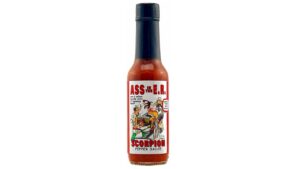
Ass in the E.R. Scorpion Pepper Hot Sauce
Built around Trinidad Scorpion pepper heat, this is an option for experienced chile heads looking for a seriously intense hot sauce.
Best For: Extreme-heat fans who want a Scorpion pepper sauce with serious intensity.
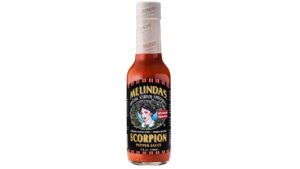
Melinda’s Trinidad Moruga Scorpion Pepper Sauce
This one connects directly to the pepper we’ve been exploring, making it a particularly natural product pairing for the Trinidad Moruga Scorpion profile.
Best For: Tasting Trinidad Moruga Scorpion heat in a ready-to-use hot sauce.
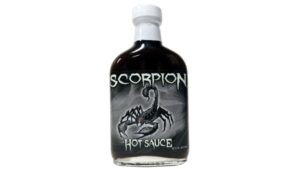
Scorpion Hot Sauce
Another way to experience Scorpion pepper heat in a finished sauce, where a small serving can add substantial intensity to food.
Best For: Adding controlled Scorpion pepper heat to everyday foods a little at a time.
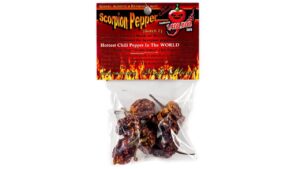
Magic Plant Farm’s Scorpion Dried Pepper Pods – Whole Trinidad Scorpion Peppers for Hot Sauce, Chili, BBQ Rubs & Extreme Spicy Cooking
Whole dried Scorpion peppers give experienced cooks the opportunity to work with the pepper itself in homemade hot sauce, chili, spice blends and other carefully controlled preparations.
Best For: Experienced cooks making homemade hot sauce, chili, rubs and other extreme-heat recipes.
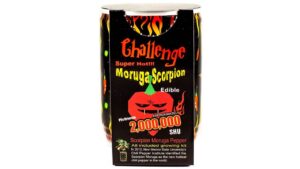
The Challenge Scorpion Pepper Growing Kit – Grow Extra-Hot Scorpion Peppers at Home with Complete DIY Pepper Plant Starter Kit
For gardeners who would rather experience the pepper from seed to harvest, the growing kit provides a completely different way to explore the Scorpion pepper.
Best For: Gardeners who want the experience of growing Scorpion peppers from seed.
Conclusion: Understanding the Trinidad Moruga Scorpion
The Trinidad Moruga Scorpion earned worldwide attention because of extraordinary numbers. Average heat above one million Scoville Heat Units and individual peppers capable of exceeding two million placed it among the defining superhots of its generation.
But the numbers are only part of its story.
The pepper’s roots in Trinidad and Tobago connect it to a much older Caribbean chile tradition. Its fruity character demonstrates that extreme peppers can possess distinctive flavor beneath their pungency. Its irregular, wrinkled pods give it an unmistakably superhot appearance, while its extraordinary concentration of capsaicinoids demands considerably more care in the kitchen than an everyday chile.
Its historical importance may be even more lasting than its former place in the record books. The Trinidad Moruga Scorpion helped demonstrate just how far beyond the million-SHU threshold superhot peppers could reach, permanently expanding expectations about the upper limits of chile pungency.
That progression is one reason the Trinidad Moruga Scorpion remains worth understanding. The title of world’s hottest pepper will continue to change as new varieties emerge, but peppers that helped redefine the boundaries of pungency retain their place in chile history.
For cooks and chile enthusiasts, the lesson is simpler. This is a pepper to use deliberately. Tiny quantities can transform an entire recipe, and careful handling is essential. Used with respect, however, the Trinidad Moruga Scorpion offers something more interesting than heat for heat’s sake: a distinctive Caribbean superhot with its own flavor, history and identity.
THE TRINIDAD MORUGA SCORPION MAY NO LONGER WEAR THE HEAT CROWN, BUT IT REMAINS ONE OF THE PEPPERS THAT CHANGED WHAT “EXTREME” MEANS.
Frequently Asked Questions About the Trinidad Moruga Scorpion
How hot is a Trinidad Moruga Scorpion?
The Trinidad Moruga Scorpion averages roughly 1.2 million Scoville Heat Units, while individual tested peppers have exceeded 2 million SHU. Natural variation means individual pods can differ considerably in pungency.
Is the Trinidad Moruga Scorpion hotter than a Ghost Pepper?
Generally, yes. Ghost Peppers typically fall around the one-million-SHU range, while the Trinidad Moruga Scorpion has demonstrated a higher average and much higher individual readings.
Is the Trinidad Moruga Scorpion hotter than the Carolina Reaper?
The Carolina Reaper has a higher documented average heat level. Individual peppers can vary considerably, however, so Scoville ranges should not be interpreted as an exact measurement for every pod.
Is the Trinidad Moruga Scorpion still the world’s hottest pepper?
No. The world’s-hottest-pepper record moved beyond the Trinidad Moruga Scorpion as newer superhot varieties emerged. Its significance today comes from its extraordinary heat, Caribbean heritage and important role in superhot pepper history.
Where does the Trinidad Moruga Scorpion come from?
The pepper is associated with Moruga in Trinidad and Tobago. Its origins connect it to the Caribbean’s long tradition of exceptionally hot Capsicum chinense peppers.
Is the Trinidad Moruga Scorpion the same as the Trinidad Scorpion Butch T?
No. They are both extremely hot Scorpion peppers associated with Trinidad, but the Trinidad Moruga Scorpion and Trinidad Scorpion Butch T are distinct named peppers with their own histories.
Why is it called a Scorpion pepper?
Scorpion peppers can develop pointed projections at the bottom of their irregular pods that resemble a scorpion’s stinger. Not every fruit develops an equally pronounced point, so the presence of a dramatic tail should not be treated as the only identifying feature.
What does a Trinidad Moruga Scorpion taste like?
Beneath the extreme pungency, the pepper can have fruity, somewhat sweet and aromatic qualities characteristic of many Capsicum chinense peppers. Because the heat is so intense, those flavors can quickly become difficult to separate from the overall sensation.
Can you cook with Trinidad Moruga Scorpion peppers?
Yes, but they should generally be used in very small quantities. They can be incorporated into hot sauces, marinades, chili, stews and other strongly flavored foods where their extreme heat can be distributed throughout a larger recipe.
Can Trinidad Moruga Scorpions be dried and made into powder?
Yes. Dried Moruga Scorpions can be ground into an extremely potent chile powder. Because fine superhot particles can irritate the eyes and respiratory system, careful handling and good ventilation are particularly important.
Are Trinidad Moruga Scorpion seeds the hottest part of the pepper?
No. The seeds are not the primary source of capsaicinoid production. Much of the pepper’s pungency is associated with its internal placental and surrounding tissues, although seeds can become coated with capsaicinoid-rich material.
Do Trinidad Moruga Scorpion peppers need special handling?
Yes. Gloves are a sensible precaution when cutting fresh peppers, and hands, knives, cutting boards and preparation surfaces should be cleaned carefully afterward. Avoid touching the face or eyes while working with them.
Continue Your Chile Pepper Journey
More Individual Peppers Worth Exploring
- Ghost Pepper Explained: Scoville Heat, Flavor, Uses & What Makes It So Hot
- Carolina Reaper Explained: Scoville Heat, Flavor, Uses & What Makes It So Extreme
- Habanero Pepper Explained: Flavor, Scoville Heat, Uses & What Makes It So Hot
- Cayenne Pepper Explained: Flavor, Heat, Uses & How It Becomes Cayenne Powder
🌶️ Compare the Superhots
- Ghost Pepper vs. Carolina Reaper: Scoville Heat, Flavor & Which Is Hotter?
- Pepper Comparisons: Heat, Flavor, Uses & Key Differences Explained
Explore More from Peppers of Key West
- Chile Pepper Basics Explained: Heat, Capsaicin, Scoville & How Peppers Work
- What Is Capsaicin – The Natural Compound Behind Every Spicy Bite
- Extreme Hot Sauce for Tacos: Insane Heat Pairings for Chiliheads Who Fear Nothing
- Mild vs Hot Taco Sauces (How to Choose the Perfect Heat Level for Any Taco)
See More Keywords
Trinidad Scorpion pepper, Trinidad Scorpion Butch T, Moruga Scorpion pepper, Scorpion pepper, Caribbean hot peppers, Trinidad hot peppers, Capsicum chinense, hottest peppers in the world, world’s hottest pepper, superhot chile peppers, extreme hot peppers, million Scoville pepper, two million Scoville pepper, Scoville scale, Scoville Heat Units, capsaicin, capsaicinoids, Ghost Pepper, Carolina Reaper, Pepper X, Trinidad Moruga Scorpion hot sauce, dried Trinidad Moruga Scorpion, Scorpion pepper powder, cooking with superhot peppers, growing superhot peppers
