
Pepper Comparisons: Heat, Flavor, Uses & Key Differences Explained
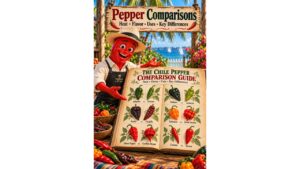
Two chile peppers can look remarkably similar and behave completely differently in the kitchen. Others can look nothing alike yet occupy nearly the same place on the Scoville scale. Some peppers are commonly substituted for one another, while others share a name, color or culinary tradition that makes them easy to confuse. And at the extreme end of the pepper world, comparisons often begin with a much simpler question: which one is hotter?
That is where pepper comparisons become useful.
Learning about an individual chile tells you what that pepper is. Comparing it directly with another pepper helps explain what makes it different. A Jalapeño makes more sense when placed beside a Serrano. The relationship between an Ancho and a Guajillo becomes clearer when their flavors, heat and uses are considered together. And the enormous pungency of a Ghost Pepper takes on a different perspective when it is compared directly with a Carolina Reaper.
Those differences extend far beyond Scoville Heat Units. Peppers can vary in sweetness, fruitiness, smokiness, bitterness and aroma. Their shapes, sizes and wall thicknesses influence how they are prepared. Some are particularly suited to fresh salsa, others to roasting, stuffing, drying, pickling or grinding into powder. Regional traditions can make two seemingly similar peppers perform very different jobs in the foods built around them.
This guide brings those relationships together.
Rather than treating every chile as an isolated ingredient, Pepper Comparisons: Heat, Flavor, Uses & Key Differences Explained serves as the comparison library within our larger Pepper Encyclopedia Explained: Flavor, Heat, Uses & the Complete Guide to Chile Peppers. From familiar everyday peppers and essential Mexican chiles to Caribbean varieties and some of the hottest peppers on Earth, the comparisons collected here are designed to answer the questions that arise when two—or sometimes several—peppers are placed side by side.
THE BEST PEPPER COMPARISON DOESN’T JUST TELL YOU WHICH ONE IS HOTTER. IT EXPLAINS WHY THE DIFFERENCE MATTERS.
Pepper Comparisons Quick Guide
What is the best way to compare chile peppers?
Compare heat, flavor, appearance and culinary use—not Scoville ratings alone.
Does a higher Scoville rating mean a pepper is better?
No. Scoville Heat Units measure pungency, not flavor, quality or usefulness.
Can similar peppers be substituted for one another?
Sometimes. Similar heat doesn’t necessarily mean similar flavor, texture or cooking performance.
Why are some chile peppers easy to confuse?
Similar names, appearances, regional terminology and fresh-versus-dried forms can make different peppers seem alike.
Should fresh and dried peppers be compared differently?
Yes. Drying can substantially change a pepper’s flavor, aroma, texture and culinary role.
Where can I learn about individual peppers?
Our Chile Pepper Guide: Flavor, Heat, Uses & Individual Peppers Explained explores individual varieties in greater depth.
🌶️ Taste the Differences for Yourself
Different peppers bring different levels of heat, flavor and personality to hot sauce. Explore our Hot Sauce Collection to discover sauces built around everything from approachable everyday chiles to some of the hottest peppers on Earth.
Explore Peppers of Key West Hot Sauces →
Why Comparing Chile Peppers Tells Us More Than Heat Alone
The Scoville scale gives pepper comparisons an obvious starting point because pungency is one of the easiest differences to express numerically. A Serrano is generally hotter than a Jalapeño. A Carolina Reaper is generally hotter than a Ghost Pepper. Those comparisons are useful, but they describe only one characteristic of peppers that may differ in almost every other way that matters to a cook.
Flavor is often the next distinction. Some peppers lean bright and grassy, others fruity or floral. Dried Mexican chiles can develop earthy, smoky, raisin-like, nutty or deeply savory qualities that would never be captured by a heat rating. Even peppers with overlapping Scoville ranges can produce noticeably different results when used in the same food.
Physical characteristics matter as well. A large, thick-walled Poblano can be roasted and stuffed in ways that would make little sense for a slender Serrano. Small chiles may be particularly convenient for sauces or salsas, while larger varieties can contribute substantial pepper flesh without adding excessive heat. Drying changes the equation again by removing moisture and concentrating a pepper into an ingredient with different texture, storage qualities and culinary possibilities.
Then there is tradition. Peppers develop identities within cuisines, regions and dishes. The question is therefore not always whether Pepper A can replace Pepper B. A better question may be what changes when it does.
That is the purpose of this guide. The comparisons ahead are not intended to produce a universal ranking of chile peppers. They are meant to make the pepper world easier to understand by showing where varieties overlap, where they diverge and why those differences matter when you actually use them.
SCOVILLE HEAT TELLS US HOW PUNGENT A PEPPER CAN BE. COMPARISON TELLS US WHAT MAKES THAT PEPPER DISTINCT.
Comparing Chile Peppers by Heat: Why the Scoville Scale Is Only the Beginning
Heat is often the first reason two chile peppers are compared. It gives us a familiar reference point and, unlike flavor or aroma, provides a numerical scale that makes broad differences relatively easy to understand. A Jalapeño and a Serrano occupy different portions of the Scoville scale. A Habanero moves considerably higher. The Ghost Pepper and Carolina Reaper take the comparison into an entirely different range.
Those numbers are valuable, but they require context.
Scoville Heat Units describe pungency associated with capsaicinoids, the compounds responsible for the burning sensation produced by hot peppers. They allow us to distinguish a relatively mild chile from a very hot one and help explain why substituting one pepper for another can dramatically change a dish. But a Scoville rating should be understood as a range rather than an exact specification stamped onto every pepper of a particular variety.
Individual peppers naturally vary. Genetics establish much of a variety’s potential, while growing conditions and biological variation can influence the pungency that develops in individual fruit. Two Jalapeños from different plants—or even from the same plant—do not necessarily contain precisely the same amount of heat. The same principle applies to superhots.
That becomes particularly important when the Scoville ranges of two peppers overlap. One variety may generally be hotter without every individual pepper following that pattern. In those cases, the comparison is more useful when it describes where the varieties typically sit on the heat spectrum rather than suggesting that one specific pod will always be hotter than another.
At the opposite extreme, some comparisons involve peppers separated by enormous differences in pungency. Comparing a Jalapeño with a Habanero or a Ghost Pepper with a Carolina Reaper helps put those differences into perspective, but the larger number still does not tell us which pepper belongs in a particular recipe. Greater pungency simply means greater pungency.
For readers who want to go deeper into how those numbers are determined, Scoville Scale Explained: How Pepper Heat Is Measured in Scoville Heat Units explores the measurement process in detail. Here, the Scoville scale serves a different purpose: it gives us one useful dimension for comparing peppers before we move into the characteristics that numbers cannot describe.
HEAT TELLS US HOW FAR APART TWO PEPPERS ARE ON THE SCOVILLE SCALE. IT DOESN’T TELL US WHICH ONE BELONGS ON THE PLATE.
 🌶️ Professor Pepper Says:
Two peppers can overlap on the Scoville scale and still be very different peppers. Heat gives you one number to compare; flavor, texture and culinary use tell you what that difference actually means in the kitchen.
Comparing Chile Peppers by Flavor
Flavor is where many pepper comparisons become considerably more interesting.
Chile peppers are not simply containers for capsaicin. Depending on the variety and how it is prepared, a pepper can contribute fresh, grassy, fruity, floral, sweet, smoky, earthy, nutty or other distinctive characteristics. Two peppers with relatively similar heat can therefore produce noticeably different results in the same dish.
This is particularly important when comparing peppers that cooks commonly consider substitutes. A replacement may provide roughly the desired level of heat while changing the flavor of a salsa, sauce, stew or marinade. In other situations, accepting that flavor difference may be perfectly reasonable because availability or desired heat matters more than reproducing the original ingredient exactly.
Fresh and dried chiles make the distinction even clearer. Drying does more than preserve a pepper. It can transform its aroma and flavor while changing how the chile is prepared and incorporated into food. That is why comparisons such as Ancho versus Guajillo or Ancho versus Pasilla require more than lining up their Scoville ranges. These peppers occupy different culinary roles because of the flavors they contribute.
The same principle holds at the hotter end of the spectrum. Habaneros, Scotch Bonnets, Ghost Peppers and Carolina Reapers can all deliver substantial or extreme pungency, but treating them as interchangeable sources of heat ignores much of what makes each pepper distinctive.
A useful pepper comparison therefore asks two separate questions: How hot is it? And what does it taste like? The first tells us about pungency. The second begins to tell us what will happen when that pepper becomes an ingredient.
TWO PEPPERS CAN DELIVER SIMILAR HEAT AND STILL TAKE A RECIPE IN VERY DIFFERENT DIRECTIONS.
Comparing Chile Peppers by Appearance: Shape, Size, Color & Texture
Sometimes the fastest way to understand the difference between two chile peppers is simply to put them side by side.
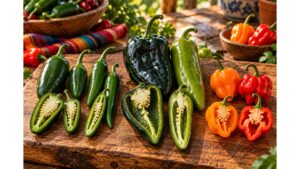
Shape and size can vary dramatically across the pepper world. Poblanos are broad enough to roast and stuff. Serranos are considerably smaller and narrower. Ghost Peppers tend to develop elongated, tapered pods, while Carolina Reapers are generally more compact and irregular, often developing the distinctive pointed tail commonly called a stinger. Other comparisons are more challenging because the peppers share similar shapes, colors or sizes.
Color can provide useful clues, but it can also create confusion. Most chile peppers change color as they ripen, and the familiar green version of a pepper may simply be an immature stage of a fruit that eventually becomes red, orange, yellow or another mature color. Comparing a green Jalapeño with a red Jalapeño, for example, does not mean comparing two different pepper varieties.
Texture and wall thickness matter just as much in the kitchen. Thick-walled peppers can provide substantial flesh for roasting, grilling or stuffing, while thinner-walled varieties may dry more readily or work particularly well in sauces and seasonings. Surface texture can also help distinguish varieties, especially among peppers with wrinkled, smooth or deeply contorted pods.
Appearance becomes especially useful when two peppers are frequently confused, but it should not be treated as a perfect identification system. Individual pods naturally vary, and growing conditions can influence fruit size and shape. A pepper that looks slightly unusual is not automatically a different variety.
That is why our individual comparison guides use appearance as one piece of the identification puzzle rather than relying on a single characteristic. Shape, size, color and texture become most useful when considered alongside flavor, heat, origin and known variety.
HOW A PEPPER LOOKS CAN HELP IDENTIFY IT. HOW IT IS BUILT CAN ALSO HELP EXPLAIN HOW IT IS USED.
Comparing Chile Peppers by Culinary Use
For most cooks, this is where pepper comparisons become practical.
Knowing that one chile is hotter, fruitier or larger than another is useful, but the more important question is often what those differences mean once the pepper reaches the cutting board. A chile that works beautifully in a fresh salsa may not be the best choice for stuffing. A dried pepper that provides deep flavor to a sauce may have little in common with a fresh pepper eaten raw, even when their Scoville ratings happen to overlap.
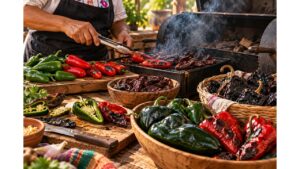
Some comparisons therefore revolve around function rather than similarity. Large peppers with substantial flesh are natural candidates for roasting and stuffing. Smaller, hotter varieties can distribute pungency through salsas, sauces and marinades without contributing as much pepper flesh. Thin-walled peppers may lend themselves particularly well to drying, while mild varieties can be pickled or eaten in larger quantities without overwhelming a dish.
Traditional use matters too. Many chile peppers became important because generations of cooks found particular ways to use their flavor, texture and heat. Comparing peppers without considering those culinary traditions can make varieties seem more interchangeable than they really are.
That does not mean substitutions are wrong. Cooking has always adapted to availability, preference and circumstance. But a useful substitution starts by understanding what the original pepper contributes. If heat is its primary role, another pepper with similar pungency may work well. If its flavor, texture or size is essential to the dish, matching the Scoville rating alone may produce a very different result.
This is why many of the comparisons in this guide ultimately lead to a practical question: Which pepper should you use? The answer depends less on declaring one pepper better and more on understanding what the food needs from it.
THE BEST SUBSTITUTE ISN’T ALWAYS THE PEPPER WITH THE CLOSEST HEAT. IT’S THE ONE THAT CAN DO THE JOB THE RECIPE REQUIRES.
Comparing Fresh, Dried & Smoked Chile Peppers
Not every pepper comparison begins with two different varieties. Sometimes the most important difference comes from what happens to a chile after it is harvested.
A fresh pepper contains water, crisp or tender flesh and flavors associated with the fruit at that stage of ripeness. Drying removes much of that moisture and changes the way the pepper tastes, smells, stores and behaves in a recipe. Smoking adds another layer, introducing aromas and flavors that can transform an already familiar chile into an ingredient with a very different culinary identity.
The Jalapeño provides one of the clearest examples. A fresh Jalapeño and a Chipotle are connected by the same underlying pepper—the Chipotle is a ripe Jalapeño that has been smoked and dried. Yet few cooks would treat the two as interchangeable. The fresh pepper can contribute crisp texture and a bright chile character, while the smoked and dried version brings concentrated flavor and unmistakable smokiness to sauces, marinades, stews and other foods.
Ripening can matter even before drying begins. Peppers harvested green may taste different from the same variety allowed to mature fully on the plant. As the fruit ripens, color, sweetness, aroma and other flavor characteristics can develop alongside changes in texture. The point at which a pepper is harvested therefore becomes another part of understanding what reaches the kitchen.
Mexican dried chiles make these relationships particularly important. A Poblano becomes an Ancho when the ripe pepper is dried, creating an ingredient with a culinary identity distinct enough that the fresh and dried forms are commonly known by different names. Other dried and smoked peppers develop similarly distinctive roles, which is why understanding the original fresh chile can make comparisons among dried varieties much easier to follow.
These transformations also explain why some comparisons that appear to involve separate peppers are really comparisons between forms, stages or preparations. Recognizing those relationships prevents the pepper world from becoming a collection of disconnected names and instead shows how ripening, drying and smoking can create entirely new culinary possibilities from familiar chiles.
SOMETIMES THE BIGGEST DIFFERENCE BETWEEN TWO CHILE INGREDIENTS ISN’T THE VARIETY. IT’S WHAT HAPPENED TO THE PEPPER AFTER HARVEST.
When Can You Substitute One Chile Pepper for Another?
Pepper comparisons frequently begin because a cook has a practical problem: the recipe calls for one chile, but another is what happens to be available.
A successful substitution starts by identifying what the original pepper contributes. If its primary job is adding moderate heat to a salsa, another fresh chile with similar pungency and texture may work reasonably well. If the pepper provides a distinctive smoky flavor, substantial flesh for stuffing or the foundation of a dried-chile sauce, replacing it becomes more complicated.
Heat is therefore only the first consideration. Flavor matters. Fresh or dried form matters. Size and texture can matter. Even the quantity used can change when the substitute occupies a different portion of the Scoville scale.
Consider a Jalapeño and Serrano. Both are fresh green chiles commonly used in Mexican cooking, and there are situations where one can stand in for the other. But the Serrano is generally hotter and usually smaller, so replacing Jalapeños with the same number of Serranos does not necessarily preserve the balance of the original recipe.
The same issue becomes more pronounced with dried peppers. Replacing one dried Mexican chile with another may alter sweetness, fruitiness, earthiness, smokiness and heat simultaneously. A substitute can still produce delicious food without reproducing exactly what the original pepper would have contributed.
That distinction is important. A substitution does not have to be identical to be useful. Sometimes the goal is to approximate the original ingredient as closely as possible. Other times the goal is simply to understand what will change so the cook can adjust accordingly.
Our individual pepper comparisons approach substitutions from that perspective. Rather than declaring that two peppers are interchangeable, they examine the characteristics that overlap and the differences a cook should expect.
A GOOD PEPPER SUBSTITUTE DOESN’T HAVE TO BE IDENTICAL. YOU JUST NEED TO KNOW WHAT WILL CHANGE WHEN YOU USE IT.
🌶️ Professor Pepper Says:
When you’re swapping peppers, don’t just ask, “How hot is it?” Ask what the original pepper is doing in the recipe. Match the job—not just the Scoville number.

🌶️ Recommended Peppers of Key West Products for Comparing Chile Pepper Heat & Flavor
Reading about the differences between chile peppers is useful, but tasting sauces built around different peppers provides another way to experience those differences. From familiar everyday chiles to legendary superhots, each pepper brings its own combination of heat and flavor to the finished sauce.
The sauces below offer a practical way to explore those differences—and the Peppers of Key West 5 Sauce Heat Collection makes it especially easy to compare several pepper varieties side by side.
Product Pairing Quick Guide
- Wings, Pizza, Eggs & Everyday Meals → Peppers of Key West Cayenne Pepper Hot Sauce
- Tacos, Guacamole, Eggs & Seafood → Peppers of Key West Jalapeño Garlic Sauce
- Tacos, Burgers, Pizza & Grilled Chicken → Peppers of Key West Serrano Pepper Hot Sauce
- Oysters, Eggs, Tacos & Caribbean-Inspired Dishes → Peppers of Key West Habanero Hot Sauce
- Chili, Grilled Meats & Serious Chile Heat → Peppers of Key West Ghost Pepper Hot Sauce
- Extreme Heat, Chili & Adventurous Cooking → Peppers of Key West Carolina Reaper Pepper Hot Sauce
- Extreme Heat & Serious Chile Heads → Peppers of Key West Black Caesar’s Weapon’s Grade Hot Sauce
- Compare Five Chile Peppers Side by Side → Peppers of Key West 5 Sauce Heat Collection
Best Peppers of Key West Products for Comparing Chile Pepper Heat & Flavor
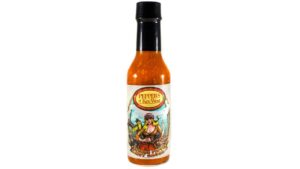
Peppers of Key West Cayenne Pepper Hot Sauce
🌶️ Approachable Heat
Cayenne provides a familiar starting point for comparing chile pepper sauces. Our Cayenne Pepper Hot Sauce delivers approachable pungency with recognizable pepper flavor, making it an easy choice for wings, pizza, eggs, tacos and everyday meals when you want noticeable heat without overwhelming the food.
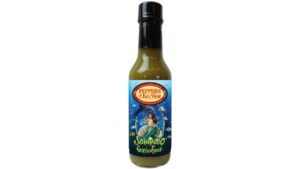
Peppers of Key West Jalapeño Garlic Sauce
🌶️🌶️ Mild Heat
Jalapeño demonstrates how much character a chile can contribute without extreme pungency. Our Jalapeño Garlic Sauce combines that familiar fresh-pepper personality with plenty of garlic, making it a versatile match for tacos, guacamole, eggs, chicken, seafood and sandwiches.
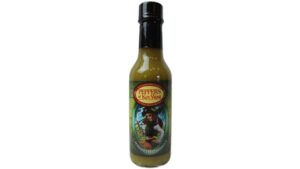
Peppers of Key West Serrano Pepper Hot Sauce
🌶️🌶️🌶️ Medium Heat
Serrano moves the experience toward a stronger chile bite while retaining the fresh pepper character that makes it so useful in the kitchen. Our Serrano Pepper Hot Sauce works especially well with tacos, burgers, grilled chicken and pizza when you want a more assertive pepper kick without entering superhot territory.
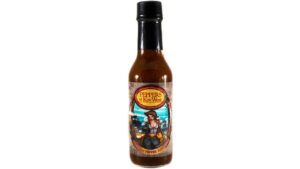
Peppers of Key West Habanero Hot Sauce
🌶️🌶️🌶️ Hot
Habanero shows particularly well why comparing peppers by Scoville rating alone misses part of the story. Along with considerably greater heat comes the distinctive fruity character associated with Habanero peppers, giving the sauce a different personality from the milder Cayenne, Jalapeño and Serrano sauces.
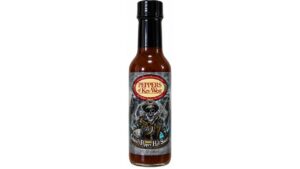
Peppers of Key West Ghost Pepper Hot Sauce
🌶️🌶️🌶️🌶️ Extreme Heat
Ghost Pepper takes the comparison into the superhot world. Our Ghost Pepper Hot Sauce provides experienced heat lovers with a way to explore the extraordinary pungency and distinctive character associated with Bhut Jolokia. At this level, a little goes a long way.
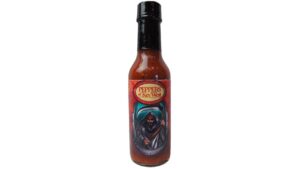
Peppers of Key West Carolina Reaper Pepper Hot Sauce
🌶️🌶️🌶️🌶️ Extreme Heat
Carolina Reaper pushes the comparison even farther into extreme chile heat. Our Carolina Reaper Hot Sauce is intended for experienced heat lovers who want to explore the remarkable intensity associated with one of the world’s best-known superhot peppers. Use it sparingly—the pepper doesn’t need much help making itself known.
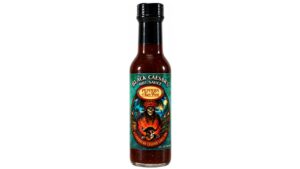
Peppers of Key West Black Caesar’s Weapon’s Grade Hot Sauce
🌶️🌶️🌶️🌶️🌶️+ Extreme Heat
Black Caesar’s moves beyond everyday table-sauce territory and into serious chile-head heat. It provides another perspective on pepper comparison: once sauces reach this level of intensity, the experience is no longer simply about moving one step higher on a heat scale.
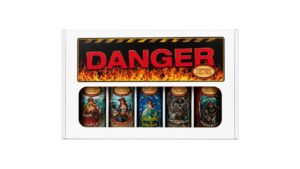
Peppers of Key West 5 Sauce Heat Collection
🌶️ → 🌶️🌶️🌶️🌶️🌶️ Heat Journey: Approachable to Extreme
Want to make the comparison yourself? Our 5 Sauce Heat Collection brings together Cayenne, Jalapeño Garlic, Habanero, Ghost Pepper and Carolina Reaper sauces in one collection. Tasting them side by side creates a progression from approachable everyday heat into the superhot end of the chile pepper world—and demonstrates why changing the pepper changes more than the amount of heat.
THE BEST WAY TO UNDERSTAND THE DIFFERENCE BETWEEN CHILE PEPPERS ISN’T JUST TO COMPARE THEIR NUMBERS. SOMETIMES YOU HAVE TO TASTE THE DIFFERENCE.
The Pepper Comparisons Library
Understanding how peppers compare in theory is useful, but the real value comes from placing specific varieties side by side. Some comparisons answer questions about heat. Others help distinguish peppers that look alike, clarify confusing names, explain substitutions or show why two chiles with similar culinary roles can produce very different results.
Rather than comparing every pepper with every other pepper, this library focuses on relationships that are genuinely useful. The goal is not to build an enormous matrix of possible combinations. It is to answer the comparisons that help cooks, chile enthusiasts and curious readers better understand the peppers themselves.
Everyday Chile Pepper Comparisons
Some of the most useful comparisons involve peppers people regularly encounter in grocery stores, gardens, restaurants and recipes. These are often the peppers cooks are most likely to substitute for one another—and the ones where understanding differences in heat, flavor and texture can immediately improve a dish.
THE MOST USEFUL EVERYDAY PEPPER COMPARISONS ANSWER A SIMPLE QUESTION: WHAT ACTUALLY CHANGES IF YOU USE ONE INSTEAD OF THE OTHER?
Mexican Chile Pepper Comparisons
Mexican cooking provides some of the richest opportunities for understanding why pepper comparisons matter. Fresh chiles, dried chiles and smoked chiles can occupy very different culinary roles, and similar-looking varieties are not necessarily interchangeable.
MEXICAN CHILES MAKE ONE THING PARTICULARLY CLEAR: PEPPERS WITH SIMILAR HEAT CAN PLAY VERY DIFFERENT ROLES IN THE KITCHEN.
Superhot Pepper Comparisons
At the extreme end of the chile pepper world, comparisons often begin with heat. Once peppers reach hundreds of thousands—or even millions—of Scoville Heat Units, the differences between them can be difficult to understand from the numbers alone.
Superhot comparisons put those numbers into perspective while also looking beyond them. Ghost Peppers, Carolina Reapers, Habaneros and newer record-setting varieties may all be associated with extraordinary pungency, but they differ in flavor, appearance, history and how realistically they can be used in food.
AT SUPERHOT LEVELS, THE QUESTION ISN’T JUST WHICH PEPPER IS HOTTER. IT’S HOW THAT EXTREME HEAT CHANGES THE WAY THE PEPPER CAN BE USED.
Multi-Pepper Comparison Guides
Not every useful comparison needs to stop at two peppers. Looking at several related varieties together can make differences in heat, flavor and culinary use much easier to understand.
These broader guides compare groups of peppers that naturally belong together, from familiar fresh chiles and essential dried Mexican varieties to the superhots at the extreme end of the Scoville scale.
SOMETIMES TWO PEPPERS ANSWER THE QUESTION. SOMETIMES SEEING THE WHOLE FAMILY MAKES THE DIFFERENCES FINALLY CLICK.
Why Some Pepper Comparisons Matter More Than Others
With hundreds of chile varieties in the world, almost any two peppers could technically be compared. That does not mean every possible pairing deserves its own comparison.
The most useful comparisons begin with a genuine point of connection. Two peppers may be commonly confused because they look alike. They may appear in similar recipes, occupy neighboring heat ranges or be suggested as substitutes for one another. In other cases, their relationship may come from a shared culinary tradition, a fresh-and-dried connection or a dramatic difference in heat that readers naturally want to understand.
A useful comparison should also answer something beyond which pepper has the higher Scoville rating. If the only meaningful distinction is that one pepper is hotter, there may not be enough to justify an entire comparison. The strongest pairings reveal differences in flavor, appearance, preparation, culinary role or history that help readers understand both peppers more clearly.
That is why this library is intentionally selective. It is designed around comparisons that answer real questions and reveal meaningful relationships rather than attempting to match every chile pepper against every other variety.
THE GOAL ISN’T TO COMPARE EVERY PEPPER WITH EVERY OTHER PEPPER. IT’S TO MAKE THE COMPARISONS THAT ACTUALLY TEACH US SOMETHING.
How to Use This Pepper Comparison Guide
You do not need to read every comparison to understand the differences between chile peppers. This guide is designed to let you start with the question you are actually trying to answer.
If you are deciding between two peppers for a recipe, begin with their direct comparison. If you are trying to understand several related varieties, a multi-pepper guide can provide the broader picture. And when a comparison introduces a pepper you want to explore more deeply, our Chile Pepper Guide: Flavor, Heat, Uses & Individual Peppers Explained provides complete profiles of individual varieties.
The comparison guides also connect back to the science behind those differences. Questions about capsaicin, Scoville Heat Units, pepper anatomy and why peppers feel hot are explored in Chile Pepper Basics Explained: Heat, Capsaicin, Scoville & How Peppers Work.
Together, these resources provide different ways to explore the same pepper world: learn how peppers work, understand individual varieties and then compare those varieties directly.
LEARN THE PEPPERS INDIVIDUALLY. COMPARE THEM SIDE BY SIDE. THE DIFFERENCES BECOME MUCH EASIER TO UNDERSTAND.
Conclusion: Understanding Chile Peppers Through Comparison
Every chile pepper has its own combination of heat, flavor, appearance and culinary purpose. Learning those characteristics individually builds a foundation, but comparison gives them context.
A Jalapeño becomes easier to understand when placed beside a Serrano. The differences among Ancho, Guajillo and Pasilla become clearer when their flavors and uses are considered together. And at the extreme end of the Scoville scale, comparing Ghost Pepper with Carolina Reaper reveals far more than which pepper produces the greater level of pungency.
That is ultimately what this comparison guide is designed to do. It connects individual peppers through the characteristics that matter most, helping explain where varieties overlap, where they differ and what those differences mean in the kitchen.
As you explore the individual comparisons, remember that there is rarely a universally “better” pepper. One may provide more heat, another a particular flavor, and another the size or texture a recipe needs. Understanding those differences makes it easier to choose a pepper based on what you want it to contribute.
THE MORE PEPPERS YOU COMPARE, THE LESS THE PEPPER WORLD LOOKS LIKE A HEAT SCALE—AND THE MORE IT LOOKS LIKE A WORLD OF FLAVOR.
Frequently Asked Questions About Pepper Comparisons
What is the best way to compare two chile peppers?
Start with heat, flavor, appearance and culinary use. Scoville ratings provide useful context, but flavor, texture, size and how the peppers behave in recipes often reveal the more important differences.
Does a higher Scoville rating mean one pepper is better than another?
No. Scoville Heat Units measure pungency, not flavor or quality. A hotter pepper may be useful when intense heat is the goal, while a milder pepper may contribute flavor, texture or versatility that better suits a particular dish.
Can two peppers have overlapping Scoville ranges?
Yes. Pepper varieties are usually associated with heat ranges rather than one exact Scoville rating, and those ranges can overlap. Individual peppers can also vary in pungency.
Why can peppers from the same variety have different heat levels?
Genetics establish the general characteristics of a variety, but individual fruits naturally vary. Growing conditions and other biological factors can also influence how much pungency develops.
Can I substitute one chile pepper for another?
Often, but the result may change. Compare heat, flavor, size, texture and whether the peppers are fresh, dried or smoked before deciding how closely one can replace another.
Are peppers with similar Scoville ratings interchangeable?
Not necessarily. Two peppers can have similar heat while tasting very different or performing different roles in the kitchen. Heat is only one part of a useful substitution.
Why do some fresh and dried peppers have different names?
Some peppers develop distinct culinary identities after ripening, drying or smoking. A Poblano becomes an Ancho when the ripe pepper is dried, while a smoked and dried ripe Jalapeño becomes a Chipotle.
How can I tell two similar-looking peppers apart?
Look at several characteristics together, including shape, size, color, surface texture and wall thickness. Appearance can provide useful clues, but natural variation means it should not be the only method of identification.
Which chile pepper is the hottest?
The answer can change as new varieties are developed and formally recognized, which is why individual comparison guides place extreme heat in context rather than treating the hottest-pepper title as the only meaningful difference between varieties.
Continue Exploring the Pepper Encyclopedia
Pepper comparisons are one way to understand the enormous variety found throughout the chile pepper world. Continue exploring with these guides to learn how pepper heat works, discover individual varieties and see how those peppers fit into the larger picture.
- Pepper Encyclopedia Explained: Flavor, Heat, Uses & the Complete Guide to Chile Peppers
- Chile Pepper Guide: Flavor, Heat, Uses & Individual Peppers Explained
- Chile Pepper Basics Explained: Heat, Capsaicin, Scoville & How Peppers Work
🌶️ Explore More Comparisons & Flavor Guides
- Mexican Chiles Explained: Fresh vs Dried Peppers Used in Street Food
- Best Taco Sauce vs Hot Sauce Guide (Differences, Uses, Heat Levels & Which Is Better?)
- Mexican Street Food Flatbreads Compared: Gorditas vs Sopes vs Tlacoyos vs Memelas vs Huaraches
- The Amazing Guide to Taco Sauce Pairing: Best Hot Sauce for Tacos, Meats, Fish & Street Taco Flavor Hacks
See More Keywords:
pepper comparison guide, chile comparison guide, hot peppers compared, spicy pepper comparison, pepper heat levels, pepper heat chart, pepper Scoville comparison, Scoville ratings compared, pepper flavor profiles, chile pepper flavor profiles, pepper differences, chile pepper differences, types of chile peppers, types of hot peppers, comparing pepper varieties, common chile peppers, fresh chile peppers, dried chile peppers, smoked chile peppers, fresh vs dried peppers, pepper substitutions for cooking, chile pepper substitutes, substitute for chile peppers, peppers for cooking, peppers for salsa, peppers for hot sauce, Mexican chile comparisons, Mexican peppers compared, superhot pepper comparisons, superhot peppers compared, Jalapeño vs Serrano, Ghost Pepper vs Carolina Reaper, Ancho vs Guajillo, Habanero vs Scotch Bonnet, how hot are chile peppers
