
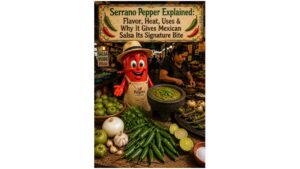
Serrano Pepper Explained: Flavor, Heat, Uses & Why It Gives Mexican Salsa Its Signature Bite
Some peppers announce themselves with smoke. Others arrive with fruitiness, sweetness, or enough heat to make eating one feel suspiciously like a dare.
The serrano takes a more direct approach.
It bites.
Chop a fresh serrano into a bowl of tomato, onion, cilantro and lime and the pepper doesn’t disappear politely into the background. Its bright green chile flavor cuts through the tomato. Its heat arrives sharper than the familiar warmth of a jalapeño. And because the pepper is relatively small, it can deliver considerably more intensity than its size suggests.
Roast that same serrano on a comal and things begin to change. The skin blisters. The fresh green edge softens. Char introduces another layer of flavor, and suddenly the pepper that gave a raw salsa its crisp bite can help build something deeper and more rounded.
That versatility is one reason serranos have become so deeply embedded in Mexican cooking. You’ll find them chopped raw into fresh salsas, blended with tomatillos, roasted beside tomatoes and garlic, cooked into sauces, and used anywhere a cook wants unmistakable fresh chile flavor accompanied by meaningful heat. Serranos aren’t the hottest peppers in Mexico, and they aren’t necessarily the most famous outside it. They don’t need to be, because when a bowl of Mexican salsa has that wonderfully fresh, sharp chile bite that keeps pulling you back for another tortilla chip, there’s a very good chance a serrano had something to do with it.
And that makes the serrano worth understanding for something much more interesting than its place on the Scoville scale.
THE SERRANO DOESN’T JUST MAKE MEXICAN SALSA HOTTER. IT HELPS GIVE THE SALSA ITS BITE.
If you’re exploring that larger world of chile peppers, our Chile Pepper Guide: Flavor, Heat, Uses & Individual Peppers Explained explores the distinctive flavors, heat levels, culinary uses, and identities of peppers from familiar everyday chiles to dried Mexican varieties, regional favorites, and extreme superhots. The serrano occupies an especially important place in that story because it demonstrates how a relatively ordinary-looking fresh chile can become indispensable to an entire style of cooking.
To understand why, we need to stop treating the serrano as merely a hotter jalapeño and taste what the pepper actually brings to the food.
Serrano Pepper Snapshot
- Pronunciation: seh-RAH-noh
- Species: Capsicum annuum
- Strongest Association: Mexican cooking, particularly fresh and cooked salsas
- Scoville Heat: Approximately 10,000–25,000 SHU, with natural variation
- Flavor: Bright, fresh, grassy, crisp and distinctly chile-forward
- Color: Usually harvested green; typically ripens to red
- Best Uses: Fresh salsa, salsa verde, roasted salsa, pico de gallo, guacamole, sauces, marinades, soups, stews and fresh condiments
- Common Forms: Fresh, roasted, cooked, pickled and occasionally dried
- Closest Familiar Comparison: Jalapeño, although serranos are generally smaller, hotter and sharper in flavor
- What Makes It Special: Serranos combine meaningful heat with a particularly fresh chile character that remains useful whether the pepper is chopped raw, blended, roasted or cooked.
Quick Guide
What does a serrano pepper taste like?
Fresh serranos have a bright, crisp, grassy chile flavor with a clean vegetal character. Their flavor is generally sharper and more concentrated than a jalapeño, which helps them remain noticeable when combined with tomatoes, tomatillos, onion, cilantro, citrus and other assertive salsa ingredients.
How hot is a serrano pepper?
Serrano peppers generally fall around 10,000–25,000 Scoville Heat Units, making them noticeably hotter than the typical jalapeño. Individual peppers can vary according to genetics, maturity and growing conditions, so the Scoville range should be treated as a useful guide rather than a guarantee.
Are serrano peppers hotter than jalapeños?
Generally, yes. Serranos typically occupy a higher Scoville range and can deliver considerably more heat in a smaller pepper. But heat isn’t the only difference. Serranos also bring their own fresh, sharp chile character, which is one reason substituting jalapeño changes more than the heat level of a salsa.
Why are serrano peppers so common in Mexican salsa?
Their combination of fresh chile flavor and concentrated heat works particularly well with the acidity, sweetness, herbs and aromatics found in Mexican salsas. A relatively small amount can give a salsa noticeable chile character without requiring a large volume of pepper.
Can you eat serrano peppers raw?
Yes. Raw serranos are commonly chopped or blended into fresh salsas and condiments. Cooking or roasting changes their character, softening some of the fresh vegetal qualities while introducing sweeter, deeper and sometimes lightly charred flavors.
What can you substitute for a serrano pepper?
Jalapeño is usually the easiest widely available substitute when less heat is acceptable. Other fresh green chiles may work depending on the dish, but substitutions should account for flavor as well as heat rather than assuming that all green chiles behave the same way.
What Is a Serrano Pepper—and Why Does It Taste So Different?
Put a jalapeño and a serrano beside each other at a Mexican market and the family resemblance is obvious. Both are smooth-skinned green chiles. Both belong to Capsicum annuum. Both are used fresh throughout Mexican cooking, and both can move from raw preparations to roasted salsas, sauces and cooked dishes without losing their usefulness.
But pick them up and the differences begin to appear. The serrano is generally narrower and smaller, often with a more slender, pointed shape. That modest size can be deceptive because the pepper usually contains considerably more heat than the jalapeño sitting beside it. Serranos commonly fall around 10,000–25,000 SHU, while jalapeños generally occupy lower heat territory.
That comparison is useful, but it is also where explanations of the serrano too often stop.
Calling a serrano a hotter jalapeño is a little like describing lime as a more acidic orange. It communicates one obvious difference while missing much of what makes the ingredient useful.
Fresh serranos have a particularly bright green chile character. There can be grassiness, crisp vegetal flavor and a clean pepper aroma underneath the heat. Bite into one and its flavor often feels more immediate and concentrated than the broader, somewhat fleshier character of a jalapeño. The heat follows quickly, reinforcing the impression that this small pepper has been condensed.
That combination matters enormously in salsa.
Consider what happens in a simple raw salsa made from tomato, onion, cilantro, lime, salt and chile. The tomato contributes sweetness, acidity and moisture. Onion provides pungency and crunch. Cilantro adds its unmistakable herbal character, while lime sharpens the entire mixture. The chile has to find a place among all of them.
A serrano does that remarkably well because it contributes two things simultaneously: heat and fresh chile flavor. The pepper doesn’t merely increase the capsaicin level of the bowl. Its vegetal character becomes another part of the salsa’s flavor, while its concentrated heat gives the other ingredients something to push against.
That distinction becomes even more obvious in salsa verde. Tomatillos already bring tartness, fruitiness and acidity. Cilantro and onion push the salsa toward freshness, while garlic adds another aromatic layer. Put serrano into that combination and its bright green character feels less like an added spice than another member of the same flavor family.
Then apply heat to the pepper and the relationship changes again.
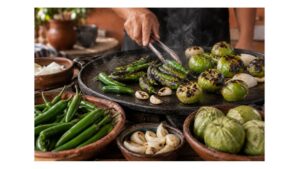
Place serranos on a hot comal beside tomatillos, tomatoes, onion or garlic and their skins begin to blister. The peppers soften, their raw grassiness becomes less prominent, subtle sweetness becomes easier to notice, and char introduces flavors that weren’t present when the peppers were fresh. The heat hasn’t disappeared, but everything surrounding it has changed.
That is one of the most useful lessons serranos can teach us about chile peppers: the pepper you buy is only the beginning. What the cook does to it determines what kind of ingredient it becomes. Use a serrano raw and you emphasize freshness, crispness and bite. Roast it and you move toward deeper, softer, charred flavors. Simmer it in a sauce and its character becomes integrated into the surrounding ingredients. Pickle it and acidity changes the experience again. The same pepper can perform several different jobs without ever becoming anonymous.
Ripeness adds another dimension. Although most American shoppers encounter serranos while they are green, the peppers continue ripening when left on the plant, eventually moving through warmer colors toward red. As they mature, their flavor can become sweeter and less purely green, another reminder that the familiar supermarket serrano represents only one stage in the life of the chile.
That shouldn’t surprise anyone who has followed other Mexican peppers through similar transformations. A green jalapeño can mature to red before becoming the raw material for chipotle. A poblano can fully ripen before being dried into ancho. Mexican cooks have spent generations understanding that maturity, roasting, drying, pickling and cooking don’t merely preserve peppers. They create different flavors from them.
The serrano’s great advantage is that its fresh form is already extraordinarily useful. It doesn’t need smoke, drying or extreme heat to justify its place in Mexican cooking. Give it tomatoes, tomatillos, onion, cilantro and a little salt, and the reason generations of cooks kept reaching for this small green chile becomes immediately apparent.
You can taste it.
THE SERRANO ISN’T SIMPLY A SMALLER, HOTTER JALAPEÑO. ITS BRIGHT FLAVOR, CONCENTRATED HEAT AND ABILITY TO CHANGE WITH THE COOKING METHOD MAKE IT ONE OF MEXICO’S MOST USEFUL FRESH CHILES.
 🌶️ Professor Pepper Says…
When comparing serranos and jalapeños, don’t make heat the only question. Taste them raw side by side if you can. The serrano’s brighter, sharper chile character helps explain why changing peppers can change the personality of a salsa even when you adjust the quantity to keep the heat similar.
🌶️ Explore the Fresh Flavor Side of Heat
The serrano demonstrates why choosing a hot sauce by Scoville number alone misses half the fun. Different peppers bring grassy, fruity, earthy, smoky, sweet and aromatic characteristics along with their heat. Explore Peppers of Key West hot sauces when you’re ready to see how changing the chile can change what happens on the plate.
From the Sierras of Puebla and Hidalgo to Salsa Bowls Across Mexico
The name serrano tells us something important about the pepper before we ever taste it. In Spanish, sierra refers to a mountain range, and Mexican agricultural sources associate the chile serrano’s origins particularly with the mountainous regions of northern Puebla and Hidalgo. One Mexican government source notes that the name itself likely reflects its traditional cultivation in these sierras.
That geography gives the serrano a very different naming story from a pepper such as the jalapeño, whose name points toward Xalapa, Veracruz. Serrano is less about one city than a landscape: mountainous growing country where generations of farmers cultivated the small, narrow green chiles that eventually became familiar far beyond their original region.
Mexico’s relationship with chile, of course, reaches much further back than the serrano name. Archaeological evidence demonstrates extraordinarily old chile use and cultivation in Mexico, including remains from the Tehuacán region of Puebla dating back thousands of years. Chile eventually became part of the foundational Mesoamerican food system alongside maize, beans and squash, long before anyone was measuring peppers on a Scoville scale.
The serrano belongs to Capsicum annuum, the species that also includes many other familiar Mexican chiles. Mexico contains remarkable diversity within that species, shaped over generations as farmers selected plants for qualities such as size, color, flavor and adaptation to local growing conditions.
For the serrano, however, the story becomes especially interesting when the pepper leaves the field and enters the kitchen.
In Mexico, serranos are also commonly called chiles verdes, or green chiles, because that is how they are most often encountered and eaten. An agricultural guide from Mexico’s INIFAP describes them as traditionally eaten immature and notes that when some Mexican recipes simply call for chile verde, the chile intended may be serrano. The same source describes an extraordinarily broad range of preparations: raw, cooked, roasted, fried, pickled and preserved.
That everyday usefulness helps explain something the Scoville number cannot.
The serrano didn’t have to become an exotic specialty pepper to become important. It became important by becoming ordinary.
A cook could place one beside a bowl of tomatoes and make salsa. Another could roast it on a comal. Someone else could pickle it, cook it into a dish or simply eat a fresh chile alongside a meal. Mexican consumer guidance still describes fresh serranos as common ingredients for salsas and pickles, while also noting the wonderfully direct tradition of eating one in bites alongside soup or another cooked dish.
Modern cultivation has carried the serrano well beyond the mountainous areas most strongly associated with its beginnings. Production now occurs across multiple Mexican states, and contemporary commercial agriculture has made the pepper widely available. Yet its original identity remains embedded in its name.
Every time someone says serrano, there is still a little bit of the sierra in the word.
And perhaps that is fitting for a pepper whose influence became enormous without ever needing to become enormous itself. From the highland regions associated with its origins to mercados, home kitchens, taquerías and salsa bowls across Mexico, the serrano earned its place not through novelty but through repetition—meal after meal, salsa after salsa, generation after generation.
THE SERRANO’S STORY ISN’T ABOUT A RARE PEPPER THAT BECAME FAMOUS. IT’S ABOUT A REGIONAL MEXICAN CHILE THAT BECAME SO USEFUL IT BECAME PART OF EVERYDAY COOKING.
Why Serrano Peppers Give Mexican Salsa Its Signature Bite
If you want to understand why the serrano matters in Mexican cooking, don’t begin with a pepper by itself. Begin with a bowl of salsa.
On a table in Mexico, salsa can look almost effortless: tomatoes or tomatillos, chile, onion, garlic, cilantro and salt transformed into something that gets spooned over tacos, eggs, grilled meat, quesadillas or whatever else happens to be arriving from the kitchen. Yet change the chile and you can change the personality of the entire bowl. That is where the serrano becomes especially important.
The pepper is deeply connected to several of Mexico’s everyday salsa traditions. Larousse’s Diccionario enciclopédico de la Gastronomía Mexicana describes serrano as one of the country’s most widely used chiles and notes its use raw, cooked, roasted and fried. When used fresh, it commonly finds its way into salsas and guacamole; cooked serranos appear in preparations such as salsa verde and salsa ranchera, while roasted peppers can be ground with other ingredients for salsas asadas.
That range matters because there isn’t really one single “serrano salsa.”
Take salsa verde. The familiar combination of tomatillo, serrano, onion, garlic and cilantro can be approached several ways. Leave the ingredients raw and the result stays particularly bright and immediate. Cook the tomatillos while leaving the serrano raw and the relationship changes. Cook both and the flavors soften and integrate. Roast them on a comal and char enters the conversation. The ingredients may look remarkably similar on the counter, but the salsa does not taste the same.
Cooking isn’t simply changing texture. Raw serrano brings the crisp, green chile character we encountered earlier, along with a sharper impression of heat. Once roasted or cooked, some of that raw edge gives way to a rounder flavor that can settle more deeply into the tomatillo, tomato, garlic and onion surrounding it. The same pepper therefore gives a salsa maker a surprisingly large vocabulary.
Serrano is equally at home on the red side of the salsa table. Mexican agricultural guidance lists the chile as a basic ingredient in both salsa verde, built around green tomato, and salsa roja, built around red tomato. The pepper doesn’t determine the color of either salsa. It supplies the fresh chile character and heat that help bring the other ingredients to life.
Then there is salsa mexicana, the familiar raw combination many Americans would recognize as pico de gallo. Tomato, onion, cilantro, chile, salt and sometimes lime create the red, white and green mixture, and Larousse identifies serrano as the chile most commonly used in this preparation, although jalapeño can substitute.
That detail helps explain the title of this article. A jalapeño certainly can make excellent salsa. So can chile de árbol, habanero and many other Mexican chiles, each producing a different result. Mexican salsa culture is far too diverse to crown one pepper the universal chile of every salsa.
But serrano occupies an unusually useful middle ground. It is hot enough that a relatively small amount can provide a decisive bite, yet fresh enough in flavor to participate in the salsa rather than functioning only as a source of heat. It can meet the acidity of tomatillo, stand against the sweetness of ripe tomato, work beside cilantro and onion, and survive roasting without losing its identity.
That’s why asking how many serranos belong in a salsa misses part of the lesson. The better question is: What do you want the serrano to do?
For a fresh salsa, you may want its raw green character front and center. In a roasted salsa, you may want blistered chile and tomatillo to contribute char. In a cooked salsa, the goal may be integration rather than crispness. And in a chunky salsa mexicana, finely chopped serrano can distribute little flashes of fresh chile throughout every spoonful.
The cook isn’t simply controlling heat. The cook is controlling character.
And once you understand that, the serrano’s enduring place beside Mexican tomatoes, tomatillos, onions and cilantro makes considerably more sense. It isn’t there because Mexican salsa simply needs something hot. It’s there because the right chile helps make the salsa taste like itself.
THE SERRANO’S SIGNATURE BITE IS MORE THAN HEAT. IT IS THE FRESH, GREEN CHILE CHARACTER THAT CAN TURN A HANDFUL OF SIMPLE INGREDIENTS INTO A SALSA YOU IMMEDIATELY WANT TO TASTE AGAIN.
How Hot Is a Serrano Pepper—and Why Can the Heat Vary So Much?
The first bite of a serrano can inspire confidence.
The second pepper can make you question it.
That unpredictability is part of cooking with fresh chiles. Serrano peppers generally measure about 10,000–25,000 Scoville Heat Units (SHU), placing them noticeably above the familiar jalapeño, which typically falls around 2,500–8,000 SHU. The ranges overlap less than many people expect, which is why substituting serrano for jalapeño one-for-one can produce a considerably hotter dish.
But the Scoville range printed in a pepper guide isn’t a promise about the particular serrano sitting on your cutting board.
Capsaicinoids—the compounds responsible for chile heat—are produced primarily in the pale internal tissue surrounding the seeds, often called the placenta. The seeds themselves are not the main source of capsaicin, although they can become coated with it through contact with that tissue. That’s why scraping away the seeds and the pale interior ribs and membrane can reduce the perceived heat of a serrano, even though removing the seeds alone doesn’t magically remove all of the spice.
More importantly, individual peppers vary.
Genetics matter, but so do growing conditions and plant development. Temperature, water availability, environmental stress and maturity can influence capsaicinoid production, which helps explain one of the most familiar experiences in cooking with fresh chiles: two peppers that look nearly identical can produce surprisingly different levels of heat.
For a home cook, that matters more than memorizing an exact Scoville number.
Imagine making a bowl of salsa with three serranos. If those peppers happen to fall toward the milder end of their natural range, the result might have a lively but manageable bite. Use three particularly hot serranos and the same recipe can suddenly become something very different. The tomatoes, tomatillos, onion and cilantro haven’t changed.
The peppers have.
That is why experienced cooks often treat the amount of fresh chile in a salsa as adjustable rather than absolute. Start with less, taste, and add more when necessary. You can always introduce another serrano. Removing its heat after you’ve blended the salsa is considerably more difficult.
How the pepper is prepared also changes the way that heat is experienced. Finely chopping or blending serrano distributes its capsaicinoids throughout a salsa, increasing the chance that nearly every bite carries some heat. Larger pieces can create more concentrated flashes. Roasting changes flavor dramatically, but it should not be treated as a dependable method for making a serrano mild. The pepper may taste rounder, sweeter or more charred after cooking while still carrying substantial heat.
Food surrounding the chile matters too. Acidity from tomatillos or lime, sweetness from ripe tomato, richness from avocado, dairy or cheese, and the sheer volume of the finished dish can all influence how intensely we perceive the serrano. That doesn’t necessarily mean the capsaicin disappeared. It means heat is experienced as part of a food, not as an isolated laboratory number.
This is also why the serrano occupies such a useful position in Mexican cooking. It provides enough heat to make a relatively small amount meaningful without entering the extreme territory of peppers such as habanero or modern superhots. A cook can use serrano as an ingredient rather than merely as a challenge.
And when you’re handling several of them, especially for a large batch of salsa, a little respect is worthwhile. Capsaicin can remain on your fingers and transfer unpleasantly to your eyes or other sensitive skin. Wash your hands thoroughly after cutting fresh serranos, avoid touching your face while working, and consider gloves when handling a large quantity.
The serrano may be an everyday Mexican chile, but everyday doesn’t mean harmless.
It means cooks have learned how to work with it.
🌶️ Professor Pepper Says…
Don’t assume the serrano you tasted yesterday tells you exactly how hot the one in your kitchen will be today. Fresh peppers naturally vary, so when you’re making salsa, start with less chile than you think you need, taste the result, and let the pepper tell you whether the bowl needs another one.
THE SCOVILLE SCALE TELLS YOU WHERE SERRANOS GENERALLY LIVE. YOUR TONGUE TELLS YOU WHERE THE SERRANO IN FRONT OF YOU ACTUALLY LIVES.
How Serrano Peppers Are Used Beyond Salsa
Salsa may be where the serrano makes its most recognizable contribution, but limiting the pepper to the salsa bowl would undersell just how useful it is in Mexican cooking.
Walk through a Mexican kitchen and the same qualities that make serrano work so well with tomatoes and tomatillos begin appearing elsewhere. Its relatively small size makes it easy to add in controlled amounts. Its fresh flavor works with other ingredients rather than simply covering them with heat. And because serranos can be used raw, roasted, cooked, fried or pickled, the cook can change their role without changing peppers.
Sometimes that role is remarkably simple. A fresh serrano can be served alongside a meal and eaten a bite at a time, allowing the diner to alternate between food and chile. Chopped serrano can bring fresh heat to guacamole, beans, eggs and other everyday preparations. Slice or mince it and the pepper becomes a condiment; cook it with the dish and its flavor begins becoming part of the meal itself.
Pickling creates another personality altogether. Serranos can be preserved in vinegar with ingredients such as onion, carrot, garlic and herbs, where acidity pushes the pepper away from the bright freshness of a raw chile and toward something tangier and more savory. The heat remains, but now it arrives with the sharpness of the pickling liquid, making the peppers particularly useful alongside tacos, tortas, grilled meats and other foods that benefit from acidity.
Cooked dishes give the serrano another role. Drop one into beans, soups or stews and the pepper begins sharing its flavor with the surrounding liquid. Cook it with meat and aromatics and the chile can become part of a larger savory base. Blend it into a marinade and its fresh heat can spread across chicken, pork, beef, seafood or vegetables rather than appearing as individual pieces.
That distinction matters because using a serrano isn’t always the same thing as tasting a piece of serrano. Sometimes the pepper is meant to be obvious. A thin raw slice on a taco can deliver a concentrated flash of heat and green chile flavor, while a piece of pickled serrano provides acidity, texture and spice all at once. But when the pepper is blended, simmered or incorporated into a larger preparation, its job can be quieter: sharpen the surrounding flavors, introduce warmth and keep a rich dish from feeling flat.
Avocado is a perfect example. Its creamy texture and mild flavor give serrano plenty of room to contribute heat and freshness, which helps explain the pepper’s natural place in guacamole and creamy green salsas. Eggs offer another relatively rich canvas, as do beans and melted cheese. With grilled or roasted meats, the pepper’s brighter character can provide contrast to browned fat, smoke and char.
Seafood creates a different relationship. Rather than cutting through heavy richness, fresh serrano can reinforce the brightness already provided by lime, cilantro, onion and other fresh ingredients. Used carefully, it gives seafood preparations a clean chile bite without requiring the deeper flavors of a dried pepper.
All of this begins to reveal why Mexican kitchens need more than one kind of chile. A dried ancho can contribute sweetness, earthiness and dried-fruit character. Guajillo can bring red chile flavor and color. Chipotle introduces smoke. Habanero offers fruitiness and considerably greater heat. Serrano occupies another part of that vocabulary: freshness, green chile flavor and a direct, useful bite. None of these peppers is simply a hotter or milder version of another. They perform different jobs.
For someone cooking with serranos at home, that creates a better way to think about the pepper. Don’t ask only, Where can I add heat? Ask what the dish is missing. If it needs freshness, raw serrano may be the answer. If it needs char, roast the pepper. If richness needs contrast, try pickled serrano. If you want the chile to become part of the dish rather than sit on top of it, simmer or blend it with the other ingredients.
Once you begin thinking that way, the serrano stops being something you buy only when a salsa recipe tells you to. It becomes a tool—a chile whose role can change according to what the food needs.
And that may be the best explanation for why such a small pepper has maintained such a large place in Mexican cooking. Serranos don’t demand that every dish become about the pepper. They can lead when necessary, support when appropriate and partially disappear into a preparation while still making the finished food taste more alive.
THE SERRANO EARNS ITS PLACE IN THE KITCHEN NOT BECAUSE IT MAKES EVERYTHING HOT, BUT BECAUSE IT KNOWS HOW TO MAKE SO MANY DIFFERENT FOODS TASTE MORE COMPLETE.
How to Choose, Store & Cook with Fresh Serrano Peppers at Home
Buying serranos is easy. Learning how to use them confidently is where they become much more interesting.
At the market or grocery store, look for peppers that feel firm and relatively heavy for their size, with smooth, taut skin and strong color. Most serranos sold fresh are green, although peppers left to mature on the plant can eventually ripen toward red. A little natural variation in shape is nothing to worry about, but peppers that feel unusually soft, deeply wrinkled or show obvious damaged spots are already moving past their best fresh-eating stage.
Once home, serranos generally keep best refrigerated and dry. Don’t wash them until you’re ready to use them; excess surface moisture encourages deterioration. If you’ve bought more than you can reasonably use while they’re fresh, that isn’t necessarily a problem. Serranos can be pickled, frozen for later cooked preparations, incorporated into sauces or preserved in other ways rather than being forgotten in the back of the refrigerator.
The more important question is what to do when one reaches the cutting board.
For raw preparations, start by deciding how noticeable you want the pepper to be. Thin slices provide distinct bursts of serrano flavor and heat. A fine dice distributes the chile more evenly through pico de gallo, guacamole and other fresh preparations. Blend the pepper completely into a salsa and its heat becomes dispersed throughout the mixture, making the serrano less visually obvious but potentially more noticeable in every bite.
If you’re uncertain about the heat, use less than you think you’ll need.
That advice is especially useful when a recipe gives an instruction such as “2 serrano peppers” without accounting for their natural variability. Pepper size differs. Heat differs. The amount of tomato, tomatillo, avocado or other ingredients in the dish differs. Treat the recipe as a starting point rather than a commandment: add some serrano, taste, and decide whether the food needs more.
You can also change the experience by deciding how much of the pepper’s interior to include. Removing the pale internal ribs and surrounding tissue can reduce some of the capsaicin entering the dish, although it won’t transform a serrano into a mild pepper. If you want its full personality, use the whole chile. If you’re introducing serrano to someone who isn’t accustomed to much heat, trimming some of that interior gives you another degree of control.
Roasting requires a different approach. Place whole serranos on a hot comal, skillet, grill or under a broiler and allow the skin to blister and darken in places, turning the peppers so they cook on multiple sides. You’re not trying to incinerate them. The goal is to soften the chile and introduce roasted character while preserving enough of its identity to contribute something to the finished dish.
This is where tasting becomes more valuable than following a timer.
A lightly blistered serrano can retain considerable freshness while picking up a little char. Cook it longer and the pepper softens further, moving away from crisp green flavors toward something rounder and more integrated. Neither result is automatically better. They simply belong in different preparations.
The same principle applies when cooking serrano directly in a dish. Add it early to a soup, stew, sauce or pot of beans and its flavor has time to mingle with everything around it. Add fresh serrano near the end and more of its distinctive green character remains. Use some early and a little fresh at the finish, and you can create two different expressions of the same pepper in one dish.
Substitution requires similar judgment. Jalapeño is usually the easiest familiar substitute when serrano isn’t available, but it isn’t an exact replacement. Jalapeños are generally larger, fleshier and milder, so replacing one serrano with one jalapeño doesn’t necessarily reproduce either the flavor or heat of the original dish. You may need to adjust the amount according to the peppers in front of you rather than relying on a rigid ratio.
And if you’re moving in the opposite direction—substituting serrano for jalapeño—start cautiously. A recipe developed around several jalapeños can become substantially hotter if the same number of serranos goes into the bowl.
There is one final habit worth developing when working with fresh chiles: taste as you cook. Not recklessly by biting into every unknown pepper, but thoughtfully as the dish develops. Taste the salsa after the first serrano. Taste again after roasting. Notice what happens when lime or salt is added. Pay attention to whether the pepper is contributing only heat or whether you can still recognize its flavor.
Eventually, you stop thinking of serranos as ingredients that need exact instructions.
You begin cooking with them.
THE BEST WAY TO LEARN THE SERRANO ISN’T TO MEMORIZE HOW MANY PEPPERS A RECIPE REQUIRES. IT’S TO LEARN WHAT RAW, ROASTED, CHOPPED AND COOKED SERRANO EACH BRING TO THE FOOD IN FRONT OF YOU.
Serrano vs Jalapeño: When Should You Use Each Pepper?
Because serranos and jalapeños share so much culinary territory, comparing them is almost unavoidable. Both are Mexican Capsicum annuum peppers commonly sold green. Both can be eaten raw, roasted, cooked or pickled. Both belong naturally in salsas, guacamole and countless everyday dishes. Yet treating them as interchangeable misses what makes each useful.
The most obvious difference is heat. Serranos generally occupy a hotter range than jalapeños, which means a serrano can provide a more assertive bite without requiring as much pepper. But as we’ve seen throughout this article, heat alone doesn’t explain the difference.
A typical jalapeño is larger and fleshier, with thicker walls and more substantial crunch. Its green pepper flavor is familiar and approachable, while its moderate heat makes it especially forgiving when used generously. Slice jalapeños over nachos, stuff them with cheese, pickle them into rings or roast them whole and that extra flesh becomes part of what makes the pepper work.
Serranos are generally smaller and more slender, with a brighter, sharper chile character and more concentrated heat. That combination makes them particularly effective when the cook wants the chile to influence a dish without adding a large volume of pepper.
Salsa provides one of the clearest examples. Suppose you’re making salsa mexicana with ripe tomato, onion, cilantro, lime and salt. A jalapeño can give the bowl a pleasant green chile flavor and moderate warmth. Substitute serrano and the salsa can become noticeably sharper and hotter, even though the basic ingredients haven’t changed. Neither version is automatically more authentic or more delicious. They simply emphasize different things.
Texture can help determine the choice as well. If you want substantial slices of fresh or pickled chile to remain part of the finished food, jalapeño’s larger, fleshier body may be advantageous. If the pepper will be finely chopped or blended and you want meaningful chile flavor and heat from a smaller amount, serrano becomes particularly attractive.
Roasting narrows some of those differences while revealing others. Both peppers soften and develop deeper flavors when blistered over high heat, but they don’t suddenly become identical. Jalapeño retains its substantial flesh, while serrano continues to provide its own more concentrated chile presence. The cooking method changes each pepper without erasing what made it different in the first place.
This is why substitution should begin with the dish rather than a mathematical formula. If a recipe calls for serrano and you only have jalapeños, use the jalapeño and then taste. You may want additional pepper to approach the original heat level, but adding more also adds more vegetal flavor and physical volume. If you’re replacing jalapeño with serrano, begin with less. Matching the number of peppers one-for-one can push the dish considerably hotter than intended.
There are also times when the answer isn’t either-or. A cook can use jalapeño for body and moderate green chile flavor while adding a smaller amount of serrano for a sharper layer of heat. Mexican chile cooking doesn’t require every dish to pledge allegiance to a single pepper. Once you understand what each chile contributes, combining them becomes another option.
That’s the more useful lesson behind the comparison. Jalapeño and serrano aren’t competitors fighting for the same job. They are closely related ingredients with overlapping abilities and noticeably different personalities.
Choose jalapeño when you want a fleshier pepper, substantial slices, moderate heat or a more forgiving fresh chile. Reach for serrano when you want brighter chile character, greater heat from a smaller pepper or the concentrated bite that works so naturally in Mexican salsa. And whichever one you choose, taste before assuming you already know exactly what it will do. Fresh chiles rarely read their own Scoville charts.
JALAPEÑO GIVES THE COOK MORE PEPPER TO WORK WITH. SERRANO GIVES THE COOK MORE BITE IN LESS SPACE. KNOWING WHICH ONE THE DISH NEEDS IS MORE USEFUL THAN ASKING WHICH PEPPER IS “BETTER.”
What Happens When Serrano Peppers Ripen from Green to Red?
Most people encounter the serrano at one particular moment in its life.
Green.
That is the serrano that fills produce bins, gets chopped into salsa mexicana, disappears into salsa verde and lands beside tomatillos on a hot comal. Because this is overwhelmingly the familiar commercial form, it is easy to think of green as the pepper’s final color rather than simply the stage when serranos are most commonly harvested.
Leave the fruit on the plant and the story continues. As serranos mature, they eventually change from green toward red, passing through intermediate shades depending on the individual pepper and growing conditions. The transformation is more than cosmetic. Ripening changes the chemistry of the fruit, and with it the balance of flavors we perceive when we eat the pepper.
A green serrano emphasizes many of the characteristics we’ve been discussing throughout this article: fresh chile aroma, crisp vegetal flavor, grassiness and that clean, concentrated bite that works so naturally with tomato, tomatillo, cilantro, onion and lime. This is the serrano most strongly associated with everyday Mexican salsa making, and for good reason. Its freshness behaves almost like another herbaceous ingredient in the bowl.
As the pepper ripens, some of that distinctly green character begins to soften while sweetness and ripe-fruit qualities become more noticeable. The result is still recognizably serrano, but the balance has shifted. Instead of the pepper being defined primarily by crisp green flavor and heat, a ripe serrano can offer a fuller, slightly sweeter expression of the same chile.
What ripening does not provide is a simple rule for predicting heat.
It is tempting to assume that a red serrano must always be hotter than a green one because it has remained on the plant longer. Pepper heat is more complicated than that. Genetics, maturity and growing conditions all influence capsaicinoid levels, and individual serranos can vary substantially. Color tells you something important about ripeness, but it isn’t a reliable substitute for tasting the pepper.
The distinction becomes particularly interesting in the kitchen. A green serrano makes sense when you want the bright, grassy character that defines fresh salsa verde or gives pico de gallo its sharp chile edge. A ripe red serrano can be used when you want serrano heat accompanied by a little more mature sweetness and less emphasis on raw green flavor. The choice isn’t simply aesthetic; you’re selecting a different stage of the ingredient.
This idea extends far beyond the serrano. Mexican chile cooking is filled with peppers whose identities change as they mature or undergo further processing. Jalapeños can ripen from green to red before becoming the starting point for chipotle. Poblanos are commonly used fresh and green, while fully ripened poblanos can be dried to become anchos. The name may change in some of these transformations because the resulting ingredient behaves so differently in the kitchen.
The serrano usually doesn’t undergo such a famous identity change. Its green form remains the star.
But seeing a red serrano helps reveal something important about fresh chiles: the vegetable bin gives us a snapshot, not the whole life of the pepper.
A chile is developing from the moment the fruit forms until it reaches full maturity. Harvesting determines where along that progression we meet it, and Mexican cooks have long taken advantage of different stages of ripeness, preparation and preservation to create different flavors from related ingredients.
So if you come across ripe red serranos at a farmers market, Mexican market or in your own garden, don’t assume you’ve found a strange variety. You may simply be seeing the familiar serrano allowed to finish what it started.
GREEN SERRANOS GIVE MEXICAN COOKING THEIR FAMILIAR FRESH, GRASSY BITE. LET THE SAME PEPPER RIPEN, AND YOU DISCOVER THAT COLOR ISN’T JUST SOMETHING A CHILE WEARS—IT’S PART OF HOW ITS FLAVOR DEVELOPS.
What Can You Substitute for Serrano Peppers?
Sometimes the most important ingredient in a recipe is the one you don’t have. A salsa recipe may call for serrano, the grocery store may have none, and suddenly the question becomes whether another chile can do the same job. The answer is usually yes—but a good substitution begins by understanding what the serrano was supposed to contribute in the first place.
If the recipe needs the serrano’s combination of fresh green chile flavor and moderate-to-hot heat, jalapeño is usually the easiest substitute. The two peppers share enough culinary characteristics that jalapeño can move comfortably into many of the same salsas, guacamoles, marinades and cooked dishes. As we’ve already seen, however, jalapeños are generally larger, fleshier and milder. Replacing serrano with jalapeño therefore changes more than the Scoville number.
In a fresh salsa, that difference may be perfectly acceptable. A salsa mexicana made with jalapeño instead of serrano will still have fresh green chile character, but it will usually be gentler and may have a slightly more substantial pepper presence because of the jalapeño’s thicker flesh. Rather than trying to reproduce the original recipe through an exact numerical conversion, add the jalapeño according to taste.
The same principle works in reverse. If a recipe calls for jalapeño and serrano is what you have, serrano can often take its place—but start with less. You can increase the amount after tasting, while discovering that you’ve turned breakfast salsa into an endurance event is considerably harder to reverse.
Other substitutions require a little more thought. A Fresno pepper can sometimes work when fresh chile flavor matters, although its flavor and heat won’t duplicate serrano exactly. A fresh cayenne-type chile may provide plenty of heat but brings a different physical character. Habanero can certainly make a dish hotter, but its distinctive fruity aroma and much greater heat move the food in a different direction entirely.
Dried chiles are an even less direct replacement. Ancho, guajillo, chile de árbol and chipotle can all bring wonderful things to Mexican cooking, but none reproduces the fresh green character of a serrano. Substituting one of them isn’t really replacing serrano so much as redesigning the dish around another kind of chile. That can still produce excellent food; it simply shouldn’t be mistaken for the same result.
This distinction is especially important with salsa. If serrano is supplying both heat and fresh chile flavor, replacing it with dried chile flakes or hot sauce may solve the heat problem while leaving something missing from the flavor. The salsa can register as equally spicy on your tongue and still taste noticeably different.
That gives us a better substitution rule than any conversion chart: replace the serrano’s job, not merely its heat.
If the dish needs fresh green chile character with less intensity, jalapeño is the natural place to start. If greater heat is acceptable, another fresh chile can work, provided its flavor suits the other ingredients. If the serrano is being pickled, choose a fresh pepper with enough structure to survive the process. If it’s being roasted, consider how the substitute behaves over heat. And if serrano is central to the personality of the dish—as it can be in a simple salsa—accept that changing peppers will create a different version rather than a perfect copy.
That isn’t a failure. One of the great lessons of cooking with chiles is that substitution doesn’t have to mean imitation. Once you understand what each pepper contributes, an unavailable ingredient becomes an opportunity to make an informed choice rather than a reason to abandon the recipe.
THE BEST SERRANO SUBSTITUTE ISN’T NECESSARILY THE PEPPER WITH THE CLOSEST SCOVILLE NUMBER. IT’S THE PEPPER THAT CAN DO THE JOB THE SERRANO WAS SUPPOSED TO DO.

Are Serrano Peppers Good for Pickling?
Fresh salsa shows the serrano at its brightest. Pickling gives that same pepper a different job.
In Mexico, pickled chiles are more than a preservation technique. They are part of the table. A tangy chile can sit beside tacos, tortas, grilled meats, eggs, beans and other foods where acidity is just as important as heat. Serranos fit naturally into that tradition because they have enough structure to remain recognizable after pickling and enough chile character to stand up to a seasoned vinegar brine.
Whole serranos can be pickled, as can sliced peppers, and the choice changes how they function at the table. A whole pickled serrano can be eaten alongside a meal a bite at a time, while rings or smaller pieces distribute bursts of acidity and heat across tacos, sandwiches, eggs or other foods. Whole peppers are commonly pierced or slit so the pickling liquid can penetrate more effectively.
Carrots and onions are natural companions, and they demonstrate something important about Mexican pickled condiments. The vegetables aren’t merely occupying leftover space in the jar. Carrots contribute sweetness and crunch, onions add pungency, and the serrano provides chile flavor and heat. Garlic, oregano and other aromatics can add still more character, while vinegar and salt pull everything together into a condiment built around contrast.
That contrast is one of the reasons pickled serranos work particularly well with rich food. Melted cheese, beans, eggs, avocado and fatty meats don’t necessarily need more richness; they often benefit from something that pushes in the opposite direction. Vinegar provides acidity that refreshes the palate while serrano contributes the chile bite underneath it. The result does something substantially different from simply adding raw pepper or additional hot sauce.
Texture gives the cook another choice. A lightly pickled serrano can retain noticeable firmness and snap, while longer processing or cooking produces a softer pepper. Neither is inherently better. The question is whether you want the chile to remain a crisp, distinct part of the meal or become softer and more integrated with the vegetables and brine surrounding it.
Pickling is also a practical answer to abundance. Anyone growing serranos can discover that a productive plant has little interest in how quickly one household can consume fresh salsa. Preserving part of the harvest extends the pepper’s usefulness while creating something different enough from the fresh chile to deserve its own place at the table.
For home cooks, however, there is an important distinction between refrigerator pickling and shelf-stable canning. A vinegar brine intended for refrigerated peppers is not automatically a tested canning recipe. If you want jars that can safely be stored at room temperature, use a scientifically tested canning method and follow its specified acidity, proportions, processing method and timing rather than improvising.
Pickling, then, isn’t simply a way to keep serranos around longer. It turns them into a condiment built around heat, acidity, texture and contrast—one that can sit beside a meal and change each bite without changing the food itself.
PICKLING DOESN’T SIMPLY MAKE A SERRANO LAST LONGER. IT GIVES THE PEPPER ANOTHER JOB—TURNING ITS FRESH GREEN BITE INTO THE ACIDIC, SPICY CONTRAST THAT CAN BRING AN ENTIRE MEAL TO LIFE.
Why Serrano Peppers Matter in Mexican Cooking
By now, the serrano’s importance should be easier to see. It isn’t Mexico’s hottest chile. It isn’t the largest, sweetest or smokiest. It doesn’t undergo a famous transformation like the jalapeño becoming chipotle or the poblano becoming ancho. Outside Mexico, it can even seem like the pepper sitting beside the jalapeño in the produce section—the slightly smaller, considerably hotter alternative.
Inside Mexican cooking, that description is far too small.
The serrano succeeds because it occupies a particularly useful place between flavor and heat. It is hot enough to make its presence unmistakable, yet its heat doesn’t overwhelm the fresh chile character underneath it. That allows the pepper to participate in a dish rather than simply making the dish spicy.
Salsa makes the point beautifully. Tomatoes and tomatillos provide very different foundations, while onion, cilantro, garlic and lime add their own layers. Serrano enters that mixture carrying both heat and a bright green flavor that belongs naturally beside those ingredients. Used raw, it can make the salsa feel sharper and fresher. Roast it and the same chile becomes softer, deeper and touched by char. Cook it into the salsa and its character begins integrating with everything around it.
But the serrano’s usefulness doesn’t end when the salsa bowl leaves the table. It can be chopped into guacamole, cooked with beans, added to eggs, blended into marinades, served with meats, paired with seafood, pickled alongside vegetables or eaten fresh beside a meal. Few of those applications require the pepper to become the star, and that may be precisely why it became so important.
Everyday ingredients earn their place differently from novelty ingredients. A spectacularly hot chile can become famous because eating it is an event. A rare regional pepper can attract attention because most people have never encountered it. Serrano doesn’t need either advantage. Its value comes from being useful again and again, in kitchens where the question isn’t How extreme can we make this? but What will make this food taste right?
The serrano answers that question exceptionally well. It brings fresh chile flavor without requiring much physical volume. It provides enough heat to remain noticeable among assertive ingredients. It works raw and responds beautifully to roasting, cooking and pickling. And because its flavor fits so naturally with many of the ingredients surrounding it in Mexican cooking, the pepper can make itself known without making everything else disappear.
The serrano’s story began in the mountainous regions that gave the chile its name, but its significance ultimately came from what happened after generations of cooks brought it into everyday food. They didn’t need the pepper to break heat records. They needed it to make salsa, season meals, preserve harvests and perform reliably across an enormous range of preparations.
And the serrano did exactly that.
🌶️ Professor Pepper Says…
The best way to understand a chile isn’t to ask where it ranks on a heat chart. Ask what disappears from the food when you leave that pepper out. With serrano, the answer is often that unmistakable combination of freshness, green chile flavor and bite.
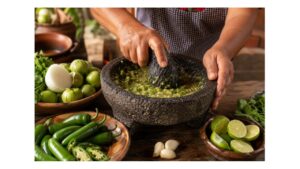
That is why a little green pepper that can disappear almost completely into a molcajete deserves its own chapter in the Pepper Encyclopedia.
THE SERRANO BECAME ESSENTIAL TO MEXICAN COOKING NOT BY BEING THE HOTTEST CHILE ON THE TABLE, BUT BY BEING ONE OF THE MOST USEFUL.
🌶️ Recommended Peppers of Key West Products for Serrano Pepper Fans
Understanding serrano changes the way you think about heat. The goal isn’t necessarily to make food as hot as possible. It’s to choose a pepper whose flavor makes sense with what you’re eating.
That same idea is useful when choosing hot sauce. A bright sauce can wake up eggs or seafood, while something richer can stand beside grilled meat. Sometimes you want the clean flavor of a familiar chile; other times you want to move beyond serrano and explore what happens when a different pepper brings its own personality to the plate.
The best choice begins with the food.
Product Pairing Quick Guide
- Fresh Salsa, Pico de Gallo & Guacamole → Peppers of Key West Serrano Pepper Hot Sauce
- Breakfast Tacos, Eggs & Beans → Peppers of Key West Jalapeño Garlic Hot Sauce
- Grilled Chicken, Pork & Carne Asada → Peppers of Key West Cayenne Pepper Hot Sauce
- Seafood, Ceviche & Avocado-Based Dishes → Peppers of Key West Habanero Pepper Hot Sauce
- Exploring Different Chile Personalities → 5 Sauce Complete Hot Sauce Collection
The lesson is the same one the serrano has been teaching us all along: don’t choose a hot sauce by heat level alone. Choose it according to what you want the chile to contribute to the food.
Best Peppers of Key West Hot Sauces for Serrano Pepper Lovers
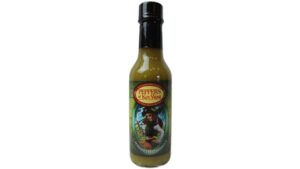
Peppers of Key West Serrano Pepper Hot Sauce
If the serrano’s bright chile character is what brought you here, this is the natural place to continue. Serrano Pepper Hot Sauce keeps the focus on the pepper itself, making it an especially natural companion for tacos, salsa, eggs, avocado and Mexican-inspired dishes.
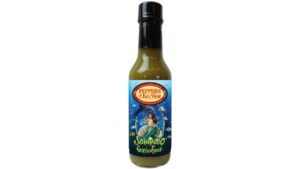
Peppers of Key West Jalapeño Garlic Hot Sauce
Jalapeño Garlic explores the milder side of the fresh green chile family while adding savory garlic. That combination makes it particularly comfortable around breakfast foods, beans, potatoes and dishes where you want pepper flavor without making heat the dominant experience.
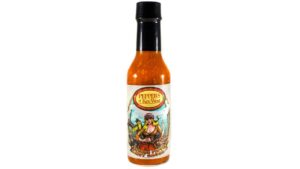
Peppers of Key West Cayenne Pepper Hot Sauce
Cayenne takes the experience away from serrano’s distinctly green personality and toward a more straightforward pepper heat. It makes particular sense with grilled chicken, pork and beef, where the sauce can add another layer of spice without distracting from smoke, char and browned meat.
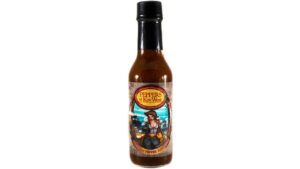
Peppers of Key West Habanero Pepper Hot Sauce
Habanero demonstrates exactly why pepper choice matters. Compared with serrano, the heat climbs substantially and the chile character moves toward something more aromatic and fruity. Try it with seafood, avocado, grilled foods or anywhere you want to explore what happens when the pepper changes the personality of the meal.

5 Sauce Complete Hot Sauce Collection
For anyone who has reached this point understanding that peppers shouldn’t be judged by heat alone, a range of sauces provides the most interesting experiment. Try different pepper styles on the same food and pay attention to what changes besides the burn.
Conclusion: The Serrano Is More Than Mexico’s Hotter Jalapeño
The serrano is easy to underestimate. It is small, usually green and often sitting only a few feet away from jalapeños in the produce section. For someone encountering it for the first time, “smaller and hotter than a jalapeño” seems like a perfectly reasonable description.
It just isn’t a very complete one.
The serrano’s real identity emerges when you stop treating heat as the only thing a chile contributes. Its bright, grassy flavor gives fresh salsa a distinctive edge. Its concentrated bite allows a relatively small amount of pepper to influence an entire bowl. Roast it and char begins replacing some of that raw green sharpness. Cook it and the chile settles into sauces, beans, soups and stews. Pickle it and acidity transforms the pepper again.
Few places demonstrate that versatility better than the Mexican salsa table. Salsa verde, salsa roja, salsa mexicana and roasted salsas may share surprisingly simple ingredients, but the treatment and choice of chile help determine what each bowl becomes. Serrano doesn’t merely make those preparations hot. It participates in their flavor.
That is also why comparing serrano with jalapeño eventually becomes less interesting than understanding both peppers. Jalapeño brings its own advantages: more flesh, moderate heat and tremendous versatility. Serrano brings something different—a smaller pepper with greater heat and a particularly bright chile character that works beautifully when chopped, blended or roasted. Neither needs to defeat the other; they simply give the cook different tools.
And that idea reaches beyond these two peppers. Once you begin paying attention to chile flavor instead of arranging peppers on a scale from mild to terrifying, Mexican cooking becomes considerably more interesting. Ancho isn’t merely mild. Chipotle isn’t merely smoky. Habanero isn’t simply a warning label with a stem. Each chile brings its own aroma, texture, flavor and culinary possibilities.
The serrano happens to teach that lesson exceptionally well because its contribution can be so easy to taste. Make the same fresh salsa once with jalapeño and once with serrano. Keep everything else as similar as possible. The difference isn’t merely that one bowl burns more.
The salsa itself changes.
That’s the serrano’s signature bite: heat, certainly, but also freshness, green chile flavor, concentration and the remarkable ability of one relatively small ingredient to change the personality of everything surrounding it.
For generations of Mexican cooks, that has been more than enough reason to keep serranos close to the cutting board, comal and molcajete. And for anyone learning to cook with chile peppers, it is a very good reason to do the same.
THE SERRANO’S GREAT LESSON IS SIMPLE: THE BEST CHILE ISN’T ALWAYS THE HOTTEST ONE. IT’S THE ONE THAT MAKES THE FOOD TASTE THE WAY YOU WANT IT TO TASTE.
Frequently Asked Questions About Serrano Peppers
How hot is a serrano pepper?
Serrano peppers generally measure about 10,000–25,000 Scoville Heat Units (SHU). Individual peppers naturally vary, so one serrano can taste noticeably hotter than another even when they look almost identical.
Are serrano peppers hotter than jalapeños?
Usually, yes. Jalapeños commonly fall around 2,500–8,000 SHU, while serranos generally occupy the 10,000–25,000 SHU range. Serranos also tend to have a sharper, more concentrated fresh chile character.
What do serrano peppers taste like?
Fresh green serranos have a bright, crisp, grassy and distinctly vegetal chile flavor accompanied by meaningful heat. Roasting softens some of that raw green character and introduces deeper, charred flavors.
Why are serrano peppers commonly used in Mexican salsa?
Serranos contribute both heat and fresh chile flavor. That combination works particularly well with tomatoes, tomatillos, onion, cilantro, garlic and lime, allowing the pepper to become part of the salsa’s flavor rather than functioning only as a source of heat.
Can you eat serrano peppers raw?
Yes. Serranos are commonly used raw in preparations such as salsa mexicana, guacamole and other fresh condiments. Because their heat can vary considerably, start with a small amount if you aren’t familiar with the particular peppers you’re using.
What is the difference between a serrano and a jalapeño?
Serranos are generally smaller, narrower and hotter than jalapeños, with a brighter and more concentrated green chile character. Jalapeños are typically larger and fleshier with more moderate heat, making the two peppers useful for overlapping but not identical purposes.
What is the best substitute for a serrano pepper?
Jalapeño is usually the easiest substitute when you want similar fresh green chile character with less heat. Rather than following a rigid conversion ratio, adjust the amount according to the dish and the peppers you’re actually using.
Do you need to remove the seeds from serrano peppers?
No. Serranos can be used whole, including their seeds. Much of the capsaicin is concentrated in the pale internal tissue surrounding the seeds rather than the seeds themselves, so removing that tissue can reduce some of the heat entering a dish.
Can you roast serrano peppers?
Absolutely. Serranos can be roasted on a comal, skillet or grill, or under a broiler. Blistering the pepper softens some of its raw grassy character while introducing deeper roasted and charred flavors.
Can serrano peppers turn red?
Yes. Serranos are commonly harvested and sold while green, but they continue ripening on the plant and can eventually turn red. As they mature, some of their distinctly green character gives way to greater sweetness and ripe-pepper flavor.
Are serrano peppers good for pickling?
Yes. Their size, structure, fresh chile flavor and heat make serranos well suited to pickling. They can be preserved whole or sliced and paired with ingredients such as carrots, onions, garlic and seasonings for a tangy chile condiment.
Where did serrano peppers originate?
Serranos are strongly associated with the mountainous regions of Puebla and Hidalgo in Mexico, and their name is generally connected to the Spanish word sierra, meaning a mountain range. From those regional roots, the pepper became an everyday ingredient used throughout Mexican cooking.
🌶️ Continue Your Pepper Journey
🌶️ More Individual Peppers Worth Exploring
- Jalapeño Pepper Explained: Flavor, Heat, Uses & Why It’s America’s Favorite Chile
- Datil Pepper Explained: Flavor, Heat, Uses & Why This Pepper Is a Florida Favorite
- Chile de Árbol Explained: Flavor, Heat, Uses & Why This Mexican Chile Packs a Fiery Punch
- Habanero Pepper Explained: Flavor, Scoville Heat, Uses & What Makes It So Hot
- Poblano Pepper Explained: Flavor, Heat, Uses & Why It’s the Chile Behind Chiles Rellenos
See More Keywords
fresh serrano peppers, green serrano pepper, red serrano pepper, Mexican chile peppers, Mexican green chiles, fresh Mexican chiles, serrano chile salsa, serrano salsa verde, serrano salsa roja, serrano pico de gallo, salsa mexicana serrano, serrano guacamole, roasted serrano peppers, pickled serrano peppers, serrano pepper recipes, serrano pepper cooking, serrano pepper origin, Puebla serrano peppers, Hidalgo serrano peppers, Capsicum annuum serrano, serrano pepper ripeness, serrano pepper seeds, serrano pepper capsaicin, serrano pepper storage, Fresno pepper vs serrano, jalapeño substitute for serrano, serrano substitute for jalapeño, serrano peppers for tacos, serrano peppers for eggs, serrano peppers for seafood, serrano peppers for guacamole, Mexican salsa peppers
