
Carolina Reaper Explained: Scoville Heat, Flavor, Uses & What Makes It So Extreme

Few chile peppers have names as intimidating as the Carolina Reaper.
For more than a decade, the pepper stood at the extreme edge of the chile world, famous for heat measured well above one million Scoville Heat Units. Its deeply wrinkled skin, irregular shape and distinctive pointed tail seemed almost designed to reinforce its reputation. When Guinness World Records recognized the Carolina Reaper as the world’s hottest chile pepper in 2013, it quickly became one of the most recognizable superhot peppers on Earth.
That reputation also created a problem. The Carolina Reaper became so closely associated with extreme heat, internet challenges and record-breaking Scoville numbers that it became easy to forget that it is still a chile pepper—with a history, a flavor and culinary characteristics beyond its ability to produce an extraordinary burn.
The Reaper belongs to Capsicum chinense, the species associated with many intensely hot and aromatic peppers, including the habanero. Beneath its enormous pungency is a surprisingly fruity, somewhat sweet pepper character. That flavor can be difficult to appreciate when eating the pepper by itself because the heat quickly overwhelms the experience, but it becomes much more apparent when the Reaper is used carefully in hot sauces and other preparations where a very small amount can season a much larger quantity of food.
Its place in pepper history is equally important. The Carolina Reaper helped move superhot peppers from a relatively specialized interest among growers and chile enthusiasts into mainstream food culture. Hot-sauce makers embraced it. Growers wanted to cultivate it. Restaurants experimented with it. Chile-eating challenges turned it into a spectacle. And its record helped fuel an international fascination with just how hot a chile pepper could become.
The Carolina Reaper no longer holds the Guinness title. In 2023, Pepper X—another pepper developed by Ed Currie—was recognized at an average 2.693 million SHU, surpassing the Reaper’s approximately 1.64-million-SHU average. But losing a world record did nothing to change the pepper itself. A Carolina Reaper today is every bit as formidable as it was when it sat at the top of the record books.
Understanding the Carolina Reaper therefore requires looking beyond one enormous Scoville number. Its story brings together selective breeding, capsaicinoid chemistry, human heat perception, flavor and the modern pursuit of increasingly extreme peppers.
THE CAROLINA REAPER ISN’T JUST FAMOUS FOR BEING HOT—IT HELPED REDEFINE WHAT PEOPLE THOUGHT A CHILE PEPPER COULD BE.
If you’re exploring the larger world of individual chile peppers, our Chile Pepper Guide: Flavor, Heat, Uses & Individual Peppers Explained follows peppers from mild everyday varieties through fresh and dried Mexican chiles, fruity tropical peppers and some of the hottest peppers on Earth.
Carolina Reaper Pepper Snapshot
- Common Name: Carolina Reaper (Reaper)
- Species: Capsicum chinense
- Heat Level: Extreme / Superhot
- Typical Scoville Range: Approximately 1,500,000–2,300,000 SHU
- Guinness-Reported Average: Approximately 1.64 million SHU
- Flavor: Fruity and somewhat sweet beneath the intense heat
- Color: Most famously bright red when fully ripe
- Appearance: Wrinkled, irregular pods often ending in a distinctive pointed tail or “stinger”
- Developed By: Ed Currie of PuckerButt Pepper Company in South Carolina
- Known For: Former Guinness World Record holder for world’s hottest chile pepper
- Best Uses: Hot sauces, extremely spicy salsas, powders, marinades and recipes where very small quantities can provide substantial heat
- Handling: Use considerable care; this is dramatically hotter than ordinary culinary peppers
Carolina Reaper Quick Guide
How hot is a Carolina Reaper?
The Carolina Reaper averages roughly 1.6 million Scoville Heat Units, with individual peppers capable of varying substantially. It belongs firmly in the superhot category.
Is the Carolina Reaper still the world’s hottest pepper?
No. Carolina Reaper held the Guinness record beginning in 2013, but Pepper X surpassed it in 2023 with a reported average of 2.693 million SHU.
What does a Carolina Reaper taste like?
Underneath the extreme pungency, the Reaper has fruity and somewhat sweet characteristics. The challenge is using little enough that those flavors are not completely overwhelmed by its heat.
Is a Carolina Reaper hotter than a Ghost Pepper?
Generally, yes. Ghost Pepper famously entered the million-SHU range, while Carolina Reaper averages around 1.6 million SHU. Individual peppers vary, so neither number should be treated as the exact heat of every pod.
Why is the Carolina Reaper so hot?
Its extraordinary pungency comes from very high concentrations of capsaicinoids, the compounds responsible for the burning sensation produced by chile peppers.
Can you actually cook with Carolina Reapers?
Yes, but portion control is critical. A tiny amount can provide enough heat for an entire dish, which makes the Reaper very different to cook with than everyday peppers such as jalapeños or serranos.
🌶️ Explore Hot Sauces from Peppers of Key West
From approachable everyday heat to superhot sauces made with peppers like Ghost and Carolina Reaper, our hot sauce collection makes it easy to explore how different chile peppers translate from the plant into the bottle.
What Is a Carolina Reaper?
The Carolina Reaper is a deliberately developed superhot chile created by American pepper breeder Ed Currie of PuckerButt Pepper Company in South Carolina. It belongs to Capsicum chinense, placing it within a species famous not only for exceptional heat but also for the intensely aromatic, fruity qualities found in peppers such as habaneros and many Caribbean chiles.
Its appearance has become nearly as recognizable as its name. Carolina Reaper pods are generally compact and heavily textured, with deeply wrinkled surfaces and irregular shapes. Many develop a narrow pointed extension at the bottom that is commonly called a tail or stinger. Not every fruit looks identical, however, and even peppers growing on the same plant can differ in shape, size and ultimately heat. The intimidating appearance may have helped build the Reaper’s reputation, but its true significance comes from what happened during its development.
Currie spent years selectively breeding peppers for extreme pungency and other desirable characteristics. Guinness reported when announcing the record in 2013 that the development process had taken roughly a decade and described the Reaper as originating from a cross involving a sweet habanero-type pepper and a Naga Viper. The important part of that story is not simply the initial cross. Developing a relatively stable pepper requires repeated generations of growing, selecting and breeding plants that continue to express the desired characteristics.
That process helps explain why modern superhot peppers are different from simply discovering an unusually hot fruit on an ordinary pepper plant. Breeders can select repeatedly for traits such as pod shape, productivity, flavor and especially pungency, gradually producing plants that express those characteristics more consistently across generations. In the Carolina Reaper, one of the defining results was an extraordinary capacity to produce capsaicinoids.
When Guinness World Records officially recognized the Carolina Reaper in 2013, testing associated with Winthrop University in South Carolina produced an average of 1,569,300 Scoville Heat Units, with the hottest individual pepper in the tested population reportedly reaching 2.2 million SHU. That average pushed the Reaper beyond the previous record holder and established a new benchmark for extreme chile heat.
The record transformed the pepper into something much larger than a breeding project. Carolina Reaper plants and seeds attracted growers around the world, hot-sauce makers began putting the name prominently on bottles, and the pepper became a fixture of increasingly extreme spicy-food challenges. For many people who had never heard terms such as Capsicum chinense or capsaicinoids, the Carolina Reaper became their introduction to the entire world of superhot peppers.
Yet its fame also obscured something important: the Reaper has flavor.
Before the heat becomes dominant, the pepper can present fruity and sweet characteristics typical of many C. chinense peppers. Those qualities matter enormously in culinary applications. A pepper that delivers nothing but pungency has limited usefulness beyond adding heat, while a pepper with recognizable flavor can contribute something to a sauce even when it is being used in extraordinarily small quantities. That combination of flavor and extreme pungency helped make Carolina Reaper particularly attractive to the hot-sauce world.
Its reign at the top eventually ended. In October 2023, Guinness World Records recognized Pepper X—also developed by Currie—as the new world’s hottest chile pepper after testing produced an average of 2,693,000 SHU. The change was historically significant, but it can create the misleading impression that the Reaper somehow became less remarkable once another pepper surpassed it.
Nothing about the Carolina Reaper changed.
It remains a pepper averaging roughly 1.6 million Scoville Heat Units, capable of reaching considerably higher levels in individual fruits. Compared with familiar kitchen peppers, its pungency exists on an entirely different scale. The more interesting question is therefore no longer simply whether the Carolina Reaper is the hottest pepper in the world.
It is what actually makes a pepper capable of producing that much heat—and what 1.6 million Scoville Heat Units really means when you eat one.
THE WORLD RECORD MOVED ON. THE CAROLINA REAPER DIDN’T GET ANY MILDER.
How Hot Is the Carolina Reaper—and What Does 1.6 Million Scoville Really Mean?
Numbers become difficult to appreciate once they grow large enough.
Saying that a Carolina Reaper averages roughly 1.6 million Scoville Heat Units certainly sounds extreme, but the number becomes more meaningful when placed beside peppers most people already know. A jalapeño generally occupies the low-thousands range. Habaneros reach into the hundreds of thousands. The Ghost Pepper famously crossed into million-SHU territory. Carolina Reaper moved considerably farther into that extreme end of the scale.
Guinness World Records currently cites the Carolina Reaper at an average of approximately 1.64 million SHU. When Guinness originally recognized it as the world’s hottest chile in 2013, the reported testing average was 1,569,300 SHU. Those figures are averages rather than a promise that every Carolina Reaper will have precisely the same pungency. Genetics, growing conditions, fruit development and natural variation can all influence the capsaicinoid concentration of an individual pepper. Guinness World Records
That distinction is especially important with superhots. Scoville ratings are useful for comparing peppers, but they can create the impression that every fruit carries a fixed heat number. A Carolina Reaper is better understood as belonging to an extraordinarily hot range than as being a pepper with exactly 1,641,183 units of heat.
The number also does not mean that eating a Reaper simply feels like eating a jalapeño with the volume turned up. At these concentrations, the sensory experience becomes much more intense. A very small amount of pepper can expose the mouth to enough capsaicinoids to strongly activate the sensory receptors involved in detecting potentially damaging heat.
That is where the Carolina Reaper’s chemistry becomes more interesting than its record.
Why the Carolina Reaper Burns So Intensely
The Carolina Reaper’s extraordinary heat comes from exceptionally high concentrations of capsaicinoids, the pungent compounds produced by chile peppers. Capsaicin is the best known, but several related compounds contribute to the pepper’s overall intensity.
Like other chiles, the Reaper produces these compounds primarily in the internal placental tissue rather than in the seeds themselves. What makes the Reaper remarkable isn’t a different heat mechanism—it is the extraordinary amount of pungency the pepper can produce.
When those capsaicinoids activate TRPV1 receptors in the mouth, the nervous system interprets the signal much like intense physical heat. With a Carolina Reaper, the concentration is high enough that the resulting sensation can become dramatically more intense than the familiar burn of everyday culinary peppers.
For a deeper look at the chemistry and sensory biology behind that reaction, our Chile Pepper Basics Explained: Heat, Capsaicin, Scoville & How Peppers Work explores capsaicinoids, TRPV1 receptors, pepper anatomy and heat perception in detail.
THE REAPER DOESN’T USE DIFFERENT HEAT CHEMISTRY—IT PUSHES THE SAME CHILE PEPPER SYSTEM TO AN EXTRAORDINARY EXTREME.
 🌶️ Professor Pepper Says…
Think of Scoville Heat Units as a way of describing how much pungency a pepper can deliver—not as a temperature reading. A Carolina Reaper isn’t millions of degrees hotter than another pepper; it contains dramatically more of the compounds capable of convincing your sensory system that something very hot is happening.
This is also why our Scoville Scale Explained: How Pepper Heat Is Measured in Scoville Heat Units guide is useful when comparing peppers. The scale gives us a common language for pungency, but understanding capsaicin and human heat perception explains what those numbers actually mean when the pepper reaches your mouth.
Carolina Reaper vs. Ghost Pepper: How Much Hotter Is It?
The Ghost Pepper provides a useful reference point for understanding just how extreme the Carolina Reaper is. Bhut Jolokia became famous for breaking through the million-SHU threshold, while the Carolina Reaper later pushed the benchmark considerably higher, averaging around 1.6 million Scoville Heat Units.
Both belong firmly in superhot territory, but their differences extend beyond Scoville numbers. They have distinct histories, pod characteristics, flavors and heat experiences—which makes comparing them much more interesting than simply asking which one is hotter.
We’ll explore those differences in detail in Ghost Pepper vs. Carolina Reaper: Scoville Heat, Flavor & Which Is Hotter?, including their Scoville ranges, flavor, appearance, origins, culinary uses and what actually separates the experience of these two legendary superhots.
For the Carolina Reaper profile, the important point is scale: Ghost Pepper helped establish the million-SHU world; Carolina Reaper pushed significantly farther into it.
THE CAROLINA REAPER SITS IN A WORLD WHERE ONE MILLION SCOVILLE UNITS ISN’T THE FINISH LINE—IT’S ALREADY IN THE REARVIEW MIRROR.
What Does a Carolina Reaper Taste Like?
Extreme heat tends to dominate every conversation about the Carolina Reaper, but heat and flavor are not the same thing. Before the Reaper’s pungency takes control of the experience, the pepper has a surprisingly distinctive flavor of its own.
Like many peppers within Capsicum chinense, Carolina Reaper can show fruity, sweet and aromatic qualities. Those characteristics are easiest to recognize before the full heat develops or when the pepper is used in a preparation that disperses its pungency across a much larger quantity of food. Guinness itself described the Reaper as having a surprisingly fruity flavor with a sweet taste before the intense heat arrives.
That sequence is part of what makes the pepper interesting. The first impression does not necessarily announce the level of heat that follows. There can be a brief opportunity to notice the pepper’s fruitiness and sweetness before its capsaicinoids begin producing the much more powerful sensation for which the Reaper is famous.
This also helps explain why the Carolina Reaper became valuable to hot-sauce makers rather than remaining simply a novelty pepper. When carefully balanced with ingredients such as fruit, vinegar, citrus, garlic or sweetness, the pepper can contribute flavor as well as extraordinary heat. The goal is not necessarily to make every sauce as painful as possible. Used intelligently, a very small amount of Reaper can provide substantial pungency while allowing its underlying character and the other ingredients to remain recognizable.
The challenge is proportion. With jalapeños or poblanos, a cook can use enough pepper to make its flavor a major component of a dish. The Carolina Reaper is different because the quantity needed to create intense heat can be extremely small. Using enough Reaper to emphasize its flavor can easily produce more pungency than many people would find enjoyable.
That relationship between flavor and heat is one of the central lessons of cooking with superhots: more pepper does not necessarily mean a better expression of the pepper. Sometimes using less makes it easier to appreciate what is underneath the burn.
THE CAROLINA REAPER HAS REAL FLAVOR—THE TRICK IS USING LITTLE ENOUGH THAT THE HEAT DOESN’T ERASE IT.

How Carolina Reapers Are Used in the Kitchen
The Carolina Reaper can be used in many of the same forms as other chile peppers—fresh, dried, powdered or incorporated into sauces—but its extraordinary pungency changes how those forms are handled.
Fresh Reapers can contribute intense heat and fruity chile character to hot sauces, salsas, marinades and cooked preparations, but usually in quantities far smaller than ordinary peppers. One pepper may be more than a recipe needs, which makes simply following the familiar instruction to “add one chile” particularly unreliable with a superhot.
Drying changes the way the pepper can be stored and used. Dried Carolina Reapers can be ground into flakes or powder, creating an ingredient that is easy to distribute through spice blends, rubs and recipes. That convenience also demands restraint: a small amount of finely ground superhot pepper can spread throughout food much more thoroughly than a visible piece of fresh chile.
Hot sauce is one of the most natural applications because the Reaper can be dispersed through a larger mixture and balanced with other ingredients. Acidity, fruit, sweetness, aromatics and other peppers can all help create a sauce in which Carolina Reaper provides the upper end of the heat while the finished product still has a recognizable flavor profile.
The same principle applies to cooking. Reaper can work with chili, barbecue sauces, marinades, soups, stews and other preparations capable of distributing a tiny amount of pepper through multiple servings. The objective should be control rather than simply maximum intensity.
Handling deserves additional respect as well. Fresh superhot peppers can transfer capsaicinoids to hands, knives, cutting boards and other surfaces. Gloves are sensible when cutting them, and touching the eyes or face after handling the peppers should be avoided. Good ventilation can also matter when heating extremely pungent peppers because cooking vapors and airborne particles can irritate the eyes and respiratory system.
None of that means the Carolina Reaper cannot be used in the kitchen. It simply demands a different approach. With milder chiles, cooks often think about how much pepper they can add to develop the flavor they want. With a Carolina Reaper, the better question is often how little is needed to achieve the same goal. That shift—from quantity to control—is what makes an extraordinarily hot pepper genuinely useful rather than simply extreme.
WITH CAROLINA REAPER, CONTROL ISN’T THE ENEMY OF HEAT—IT’S WHAT MAKES THAT HEAT USEFUL.
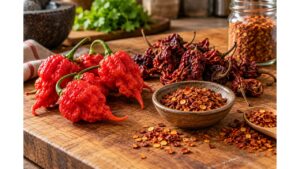
Fresh, Dried & Powdered Carolina Reaper
The Carolina Reaper does not have to be used fresh. Like other chile peppers, it can be dried and ground, and each form changes how the pepper behaves in the kitchen even though none makes its underlying capsaicinoids disappear.
Fresh Reapers provide the fullest expression of the pepper itself. Their fruity character, natural moisture and aroma are present alongside the intense pungency, making fresh peppers particularly useful when the chile is being blended into hot sauce, salsa or another preparation where its flavor is meant to become part of the finished product. The difficulty, as with any use of the Carolina Reaper, is controlling the amount.
Drying removes much of the pepper’s water and dramatically extends its useful storage life. The resulting dried pods can be kept whole, broken into pieces or eventually ground, allowing a harvest of fresh peppers to become an ingredient that can be used long after the growing season has ended. Drying also changes the sensory character of the pepper: some of the bright qualities associated with a fresh chile become less prominent while deeper dried-chile notes become more noticeable.
Grinding dried Carolina Reapers into flakes or powder creates perhaps the easiest form to measure and distribute—but also one that deserves particular care. Powder can disperse through a dish extremely efficiently, and particles can be transferred to hands, utensils and nearby surfaces without being as visually obvious as pieces of fresh pepper. A quantity that looks insignificant can still carry tremendous pungency.
This makes Reaper powder useful in spice blends, dry rubs and larger batches of food where even distribution matters, but it also makes careful measurement more important. The goal is not simply to add enough powder to make the Carolina Reaper noticeable. At this level of pungency, the more useful skill is learning how to introduce enough heat to support the food without allowing the pepper to dominate everything around it.
Fresh, dried and powdered Reaper therefore aren’t different levels of the same ingredient so much as different tools. Fresh peppers emphasize the chile itself, dried pods provide preservation and versatility, and powder makes extraordinary heat easy to distribute in very small quantities.
THE FORM CHANGES HOW YOU USE THE REAPER—NOT THE RESPECT ITS HEAT REQUIRES.
Does Cooking Make a Carolina Reaper Less Hot?
Cooking can change the flavor, texture and aroma of a Carolina Reaper, but it should not be treated as a reliable way to make an extremely hot pepper mild.
Capsaicin is relatively stable under ordinary cooking conditions, which means sautéing, simmering or roasting a Reaper does not simply cook away its pungency. What often changes instead is where that pungency goes. Once the pepper is chopped and incorporated into a sauce, soup, stew or other preparation, its capsaicinoids can become distributed throughout the food.
🌶️ Professor Pepper Says…
With a Carolina Reaper, the question usually isn’t “How much pepper should I add?” It’s “How little do I need?” Start tiny—you can always add more heat, but getting it back out of the pot is considerably harder.
That distinction matters with a superhot. A tiny piece of Reaper confined to one bite is one experience; the same pepper dispersed through an entire pot creates another. The total amount of capsaicinoids has not necessarily disappeared, but the concentration encountered in each serving can be dramatically different.
Other ingredients can also change how the heat is perceived. Fat, sweetness, acidity and the overall volume of a recipe can influence the balance between pungency and the other flavors in the dish. They do not magically neutralize the Carolina Reaper, but thoughtful formulation can make its heat part of a larger flavor profile rather than the only thing the eater notices.
This is particularly important in hot sauce. The art of working with a Carolina Reaper isn’t finding a cooking technique that somehow removes what makes the pepper extreme. It is learning how to distribute and balance that intensity while preserving enough of the pepper’s character to make using a Reaper worthwhile in the first place.
For the deeper science of what drying, cooking and processing do to chile peppers, those subjects belong in our broader Chile Pepper Basics guides rather than turning this individual profile into another pepper-science lesson.
COOKING CAN CHANGE HOW CAROLINA REAPER HEAT IS DELIVERED, BUT IT DOESN’T TURN A SUPERHOT INTO AN ORDINARY PEPPER.
Growing Carolina Reaper Peppers
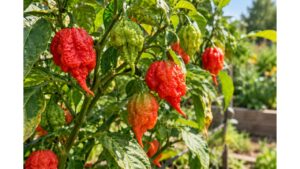
For all its intimidating reputation, the Carolina Reaper begins much like other chile peppers: as a warm-season plant that needs sufficient heat, sunlight and time to produce mature fruit.
The Carolina Reaper belongs to Capsicum chinense, a species that generally appreciates warm growing conditions and a relatively long season. Seeds can be slower and less predictable to germinate than many common garden peppers, so growers in cooler climates often start plants indoors well before outdoor temperatures are suitable. Once established, the plants benefit from full sun, warm soil and consistent care throughout the growing season.
Patience becomes particularly important as the fruit develops. Reaper pods begin green and gradually mature toward their familiar red color, although exactly how quickly that happens depends on growing conditions. Fully ripe fruit generally provides the appearance, aroma and flavor associated with the mature pepper, while individual pods on the same plant may ripen at different times.
Growing conditions can influence the plant and its fruit, but there is an important distinction between variation and identity. A Carolina Reaper grown under one set of conditions may not have exactly the same pungency as one grown somewhere else. Even peppers harvested from the same plant can vary. That does not mean there is a simple gardening trick that allows a grower to dial a Reaper to a precise Scoville number.
The pepper’s genetics establish its extraordinary potential for pungency; environment and fruit development contribute to the variation that occurs within that genetic framework. That is one reason Scoville figures are better understood as ranges and averages rather than guarantees for an individual pod.
For gardeners interested in producing true Carolina Reapers, seed and plant provenance matters as well. Superhot peppers can cross-pollinate with other compatible peppers, and seed collected from an uncontrolled garden may not reliably reproduce the characteristics expected from a particular variety in later generations. Starting with seed or plants from a reputable source provides a better foundation when varietal identity matters.
YOU CAN GROW A CAROLINA REAPER, BUT YOU CAN’T GROW EVERY POD TO AN EXACT SCOVILLE NUMBER.
Carolina Reaper Safety: Respecting a Superhot Pepper
The Carolina Reaper deserves more care than an ordinary kitchen chile, but useful safety advice does not need to turn the pepper into something mysterious or frightening.
The practical concern is its extraordinary concentration of pungent capsaicinoids. When preparing fresh Reapers, disposable gloves are a sensible precaution, particularly when cutting multiple peppers. Knives, cutting boards and other surfaces that contact the fruit should be cleaned carefully afterward, and hands should be kept away from the eyes, nose and other sensitive areas during preparation.
Extra care is appropriate when grinding dried Reapers or working with powders. Fine particles are much easier to spread accidentally than pieces of fresh pepper and can irritate the eyes, nose and respiratory tract. Heating very pungent peppers can also release irritating cooking fumes, making good ventilation especially important.
Taste-testing deserves the same restraint. The Carolina Reaper does not need to be eaten whole to understand what it tastes like or how much heat it carries. When cooking with it, beginning with an extremely small quantity and adding more only when necessary provides much more control than trying to correct a dish after too much superhot pepper has already been incorporated.
If capsaicin gets into the eyes, the priority is flushing them with plenty of clean water and avoiding rubbing them. Significant or persistent symptoms, breathing difficulty or other concerning reactions warrant medical attention. Poison Control also provides guidance in the United States for unexpected exposures.
That practical respect is very different from treating the Carolina Reaper as a stunt. The pepper can be grown, handled and cooked with successfully. Its extraordinary pungency simply reduces the margin for careless handling.
THE CAROLINA REAPER DOESN’T NEED TO BE FEARED, BUT IT ABSOLUTELY DESERVES TO BE RESPECTED.
Carolina Reaper in Hot Sauce
Hot sauce may be where the Carolina Reaper makes the most culinary sense.
Using the pepper whole concentrates an enormous amount of pungency into a small amount of food. A sauce gives the maker an opportunity to distribute that intensity across vinegar, fruit, vegetables, aromatics and other ingredients, turning the Reaper from an endurance challenge into something that can actually be portioned and used.
That doesn’t mean every Carolina Reaper sauce tastes alike. Some are designed primarily to showcase extreme heat, while others use the Reaper as one component of a broader flavor profile. Fruit can complement its underlying sweetness, garlic and onion can add savory depth, and other peppers can provide additional chile flavor without requiring the Reaper itself to carry the entire sauce.
This is also where the distinction between pepper heat and sauce heat becomes important. A bottle labeled Carolina Reaper is not automatically equivalent to biting into a fresh Reaper. The amount of pepper used, the other ingredients, the concentration of the finished sauce and the serving size all affect the experience.
The Reaper earned its reputation by pushing chile heat to an extraordinary level. Hot sauce demonstrates the other side of the pepper: extreme heat can still have a culinary purpose when someone takes the time to control it.
THE BEST USE OF A CAROLINA REAPER ISN’T NECESSARILY TO PROVE HOW MUCH HEAT YOU CAN SURVIVE—IT’S TO DECIDE WHAT THAT HEAT CAN ADD TO THE FOOD.
🌶️ Recommended Peppers of Key West Products for Carolina Reaper Fans
Understanding the Carolina Reaper changes the way you think about extreme heat. The goal isn’t simply to make food as hot as possible. It’s learning how a pepper this powerful can be used with enough control that its flavor and character still have a chance to matter.
There are also more ways to experience the Reaper than through hot sauce alone. Whole dried pods let you cook with the pepper itself, flakes make tiny amounts easier to distribute, and a growing kit lets you experience the pepper from plant to ripe pod. Hot sauces take a different approach, balancing that extraordinary pungency with other ingredients to create something meant to be used rather than simply endured.
Whether you want to grow it, cook with it or put it directly on your food, there’s a Carolina Reaper experience here for you.
Product Pairing Quick Guide
Wings, Burgers, Tacos & Chili → Peppers of Key West Carolina Reaper Pepper Hot Sauce
Cooking with Whole Carolina Reapers → Magic Plant Farm Carolina Reaper Pepper Dried Pods
Pizza, Pasta, Chili & Dry Seasoning → Magic Plant Farm Carolina Reaper Pepper Flakes
Growing Carolina Reapers at Home → The Challenge Carolina Reaper Pepper Growing Kit
Exploring Extreme Carolina Reaper Hot Sauce → Ass Reaper Hot Sauce
Ready to turn all that Carolina Reaper knowledge into something you can actually taste, cook with or grow? Here are four ways to bring one of the world’s most famous superhot peppers home.
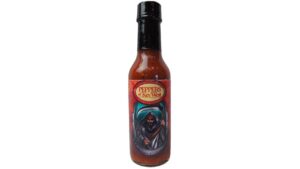
Peppers of Key West Carolina Reaper Pepper Hot Sauce
Experience the Carolina Reaper in a form made for the table. Our Carolina Reaper Pepper Hot Sauce delivers serious superhot intensity while giving you the control to add just a few drops to wings, burgers, tacos, chili, eggs and grilled meats.
Best for: Carolina Reaper fans who want extreme heat in an easy-to-use everyday sauce.

Magic Plant Farm Carolina Reaper Pepper Dried Pods
Want to cook with the actual pepper? Whole dried Carolina Reaper pods give experienced chile cooks the ability to control how the pepper is crushed, ground, infused or incorporated into recipes. A little goes an extraordinarily long way.
Best for: Experienced cooks making homemade hot sauce, chili, spice blends and other seriously hot recipes.
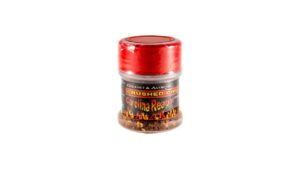
Magic Plant Farm Carolina Reaper Pepper Flakes
Carolina Reaper flakes make it easier to bring concentrated Reaper heat into foods without working with a whole pod. Sprinkle carefully over pizza, pasta, chili and other dishes, or incorporate small amounts into rubs and seasoning blends.
Best for: Chile-heads who want a convenient way to add Carolina Reaper heat directly to food.
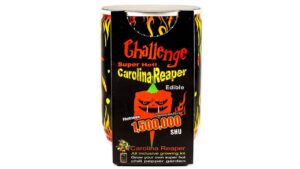
The Challenge Carolina Reaper Pepper Growing Kit
Take the Carolina Reaper experience all the way back to the plant. The Challenge Carolina Reaper Pepper Growing Kit gives pepper enthusiasts an opportunity to grow one of the world’s most famous superhot peppers and watch the journey from seed to mature plant for themselves.
Best for: Pepper growers, chile enthusiasts and anyone who wants a hands-on Carolina Reaper experience.
Why the Carolina Reaper Still Matters After Losing the World Record
Losing the world record did little to diminish the Carolina Reaper’s importance. During its years at the top, the pepper became far more than a Scoville number. Its name spread through hot sauces, pepper-growing communities, restaurant menus and spicy-food culture until “Carolina Reaper” became widely recognized as shorthand for extreme chile heat. What began as a record-setting pepper became an established variety with an identity far beyond the record itself.
That may be the Reaper’s more lasting contribution. It helped move superhot peppers from a specialized interest among growers and chile enthusiasts into broader food culture, while encouraging sauce makers and cooks to figure out how extraordinary pungency could actually be used. Pepper X eventually moved the official benchmark higher, and another pepper may someday do the same. Records change; the peppers that helped define an era remain part of chile history.
THE RECORD BELONGS TO ANOTHER PEPPER NOW. THE CAROLINA REAPER’S PLACE IN SUPERHOT HISTORY DOESN’T.
Conclusion: The Carolina Reaper Is More Than a Scoville Number
The Carolina Reaper earned its reputation through extraordinary heat. For years, its place in the Guinness record books made it one of the most recognizable chile peppers in the world, and its combination of a memorable name, wrinkled red pods and distinctive pointed tail gave the superhot era an unmistakable symbol.
But reducing the Reaper to a Scoville number misses much of what makes the pepper interesting.
It is a Capsicum chinense pepper with genuine fruity and aromatic character beneath its enormous pungency. It can be grown at home, used fresh, dried into whole pods, crushed into flakes, ground into powder or transformed into hot sauce. Each form changes how the pepper can be controlled and incorporated into food, even though none changes the fundamental fact that this is an exceptionally powerful chile.
The Carolina Reaper also illustrates one of the most important lessons in understanding peppers: heat is only one characteristic. Scoville measurements tell us something valuable about pungency, but they do not tell us what a pepper tastes like, how it grows, what happens when it is dried or cooked, or whether its flavor makes sense in a particular dish.
That is why the Reaper remains worth understanding even after losing the world record. Pepper X moved the numerical benchmark higher, but it did not erase the pepper that spent years helping define what “superhot” meant to growers, sauce makers, cooks and chile enthusiasts around the world.
And perhaps the most useful lesson the Carolina Reaper teaches is surprisingly simple. When a pepper becomes this powerful, using more of it is rarely the challenge. Learning how to use less of it well is where cooking begins.
THE CAROLINA REAPER BECAME FAMOUS FOR EXTREME HEAT. UNDERSTANDING IT MEANS DISCOVERING EVERYTHING BEYOND THE NUMBER.
Carolina Reaper FAQ
How hot is a Carolina Reaper?
Carolina Reapers are among the hottest chile peppers commonly available, with heat levels measured well above one million Scoville Heat Units. Individual peppers vary, so the Scoville rating should be understood as a range rather than a guarantee that every pod has identical pungency.
Is the Carolina Reaper still the hottest pepper in the world?
No. The Carolina Reaper held the Guinness World Record for years, but Pepper X was recognized as the new record holder in 2023. The Reaper nevertheless remains firmly within the superhot category.
Is a Carolina Reaper hotter than a Ghost Pepper?
Generally, yes. Ghost Pepper helped establish the million-SHU milestone, while Carolina Reaper testing reached considerably higher average heat levels. Both are extraordinarily hot peppers, however, and individual pods can vary.
What does a Carolina Reaper taste like?
Beneath its extreme heat, the Carolina Reaper can have fruity, somewhat sweet and aromatic qualities associated with Capsicum chinense. Those flavors can be difficult to appreciate if too much pepper is used because the pungency quickly dominates the experience.
Are Carolina Reaper seeds the hottest part of the pepper?
No. The seeds can become coated with capsaicinoids, but the pepper produces most of these pungent compounds in its internal placental tissue. This is why simply removing the seeds does not necessarily remove most of the heat.
Can you cook with Carolina Reapers?
Yes, but very small quantities are usually appropriate. Carolina Reapers can be used fresh, dried, powdered, flaked or incorporated into hot sauces, marinades, chili and other foods where their heat can be distributed throughout a larger preparation.
Does cooking a Carolina Reaper make it less hot?
Ordinary cooking can change the pepper’s flavor, texture and the way its heat is distributed, but it should not be treated as a reliable way to make a Carolina Reaper mild. A cooked Reaper remains an extremely hot chile.
Can Carolina Reapers be dried?
Yes. Drying preserves the pepper and makes it useful for flakes, powders and spice blends. Removing water changes the way the pepper is stored and used, but the resulting dried product can still be extraordinarily pungent.
Can you grow Carolina Reapers at home?
Yes. Carolina Reapers can be grown by home gardeners who can provide sufficient warmth, sunlight and a long enough growing season. In cooler climates, plants are often started indoors before being moved outside when conditions become reliably warm.
Why do Carolina Reapers have a tail?
The pointed “stinger” is one of the variety’s most recognizable traits, although pod shape naturally varies from fruit to fruit. Not every Carolina Reaper develops an identical tail, wrinkle pattern or overall shape.
How should you handle Carolina Reaper peppers?
Gloves are sensible when cutting or processing fresh Reapers, and hands should be kept away from the eyes and face. Knives, cutting boards and other surfaces that contact the peppers should also be cleaned carefully afterward.
What is the easiest way to try Carolina Reaper without handling a fresh pepper?
A prepared Carolina Reaper hot sauce or commercially packaged flakes provides much easier portion control than cutting into a fresh pod. Whichever form you choose, starting with a very small amount makes it easier to judge the intensity before adding more.
🌶️ Continue Your Pepper Journey
More Individual Peppers Worth Exploring
- Ghost Pepper Explained: Scoville Heat, Flavor, Uses & What Makes It So Hot
- Habanero Pepper Explained: Flavor, Scoville Heat, Uses & What Makes It So Hot
- Cayenne Pepper Explained: Flavor, Heat, Uses & How It Becomes Cayenne Powder
- Chile de Árbol Explained: Flavor, Heat, Uses & Why This Mexican Chile Packs a Fiery Punch
- Trinidad Moruga Scorpion Pepper Explained: Scoville Heat, Flavor, Uses & What Makes It So Extreme
- Ghost Pepper vs. Carolina Reaper: Scoville Heat, Flavor & Which Is Hotter?
🌶️ Explore the Science Behind the Heat
See More Keywords:
Carolina Reaper Scoville scale, Carolina Reaper heat level, Carolina Reaper capsaicin, Carolina Reaper taste, Carolina Reaper recipes, Carolina Reaper dried pods, Carolina Reaper powder, Carolina Reaper plant, Carolina Reaper seeds, Carolina Reaper growing kit, Carolina Reaper origin, Ed Currie Carolina Reaper, Carolina Reaper Guinness World Record, Carolina Reaper Pepper X, Ghost Pepper vs Carolina Reaper, Carolina Reaper vs Habanero, handling Carolina Reaper peppers, Carolina Reaper cooking, Carolina Reaper dried vs fresh, Capsicum chinense, extreme hot peppers, hottest chile peppers, superhot chile peppers, Carolina Reaper pepper anatomy, Carolina Reaper stinger
