
Corundas vs Uchepos: Why Michoacán’s Two Most Famous Corn Dishes Aren’t the Same
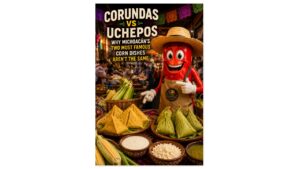
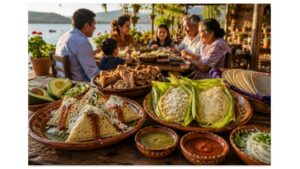
Wrapped in corn husks, steamed to perfection, and served across Michoacán, corundas and uchepos fool almost everyone the first time they see them. They look similar enough that many visitors assume they’re the same dish—but one bite reveals two completely different traditions. Corundas and uchepos may arrive wrapped almost identically, but inside those husks are two completely different stories about Michoacán’s rich culinary traditions. One is savory, firm, and often paired with salsa, crema, cheese, or slow-cooked meats. The other is naturally sweet, soft, and celebrates the fresh flavor of young corn. They’re cousins rather than twins, sharing the same humble wrapper while serving entirely different purposes at the Mexican table. By the time you finish this guide, you’ll know exactly how to tell them apart—and you’ll probably find yourself planning a trip to Michoacán just to eat both.
Many visitors to Mexico encounter corundas and uchepos for the first time at a family restaurant, market, or street-food stall and assume they’re simply two names for the same dish. After all, both arrive wrapped in fresh corn husks, both celebrate corn as their star ingredient, and both have been enjoyed in Michoacán for generations.
Look a little closer, though, and the similarities quickly end.
Corundas are savory triangular tamales made from masa, traditionally served with crema, fresh cheese, salsa, beans, or slow-cooked meats. Uchepos, by contrast, are prepared with tender young sweet corn, giving them a softer texture and naturally sweet flavor that can be enjoyed as either a savory meal or a simple dessert.
Together, they tell the story of how one ingredient—corn—can become two completely different culinary traditions.
Michoacán has long been one of Mexico’s great centers of corn cultivation, and many of these recipes trace their roots to Indigenous Purépecha communities that developed sophisticated cooking traditions centuries before Spanish colonization. Today, both dishes remain staples at family celebrations, local markets, roadside fondas, and regional festivals, where recipes are proudly passed from one generation to the next.
Whether you’re trying to decide which one to order first or simply want to understand why locals speak so passionately about both, you’ll soon discover that corundas and uchepos represent two delicious sides of the same agricultural heritage.
Corundas and uchepos are just two examples of the incredible variety found across Mexico’s regional cuisine. If you’d like to see how dishes like tamales, gorditas, memelas, tlacoyos, tlayudas, and many other regional specialties fit into the bigger picture, Mexican Street Food Beyond Tacos: Elote, Tortas, Tamales & More is the perfect place to continue your journey.
Corundas vs Uchepos Quick Guide
What Are Corundas?
Traditional triangular tamales from Michoacán made with masa and usually served as a savory dish.
What Are Uchepos?
Soft fresh-corn tamales made from young sweet corn, wrapped in green corn leaves and steamed until tender.
What’s the Biggest Difference?
Corundas use prepared masa, while uchepos use freshly ground sweet corn, creating very different textures and flavors.
Are They Both Tamales?
Corundas are generally considered a type of tamal, while uchepos are often described as a fresh-corn variation with their own regional identity.
Where Do They Come From?
Both originated in the Mexican state of Michoacán and remain closely connected to Purépecha culinary traditions.
Are Corundas Sweet or Savory?
Savory. They’re commonly topped with crema, salsa, cheese, beans, or meat.
Are Uchepos Sweet?
Naturally sweet from fresh corn, although they may be served with savory toppings or enjoyed as a lightly sweet snack.
Why Are Corundas Triangular?
Their distinctive folded shape is one of the defining characteristics that sets them apart from most other Mexican tamales.
When Are They Eaten?
Both are enjoyed year-round at family meals, markets, celebrations, and festivals throughout Michoacán.
Can You Find Them Outside Michoacán?
Yes, but the most authentic versions are still found in Michoacán, where generations of families continue making them using traditional techniques.
Michoacán’s traditional corn dishes deserve accompaniments that enhance rather than overpower their authentic flavors. Throughout this guide, we’ll recommend a selection of Peppers of Key West hot sauces and seasonings that pair naturally with savory corundas while complementing the rich toppings often served alongside these beloved regional specialties.
What Are Corundas?
At first glance, corundas may resemble tamales, but anyone from Michoacán will quickly tell you they’re something entirely their own. These distinctive triangular bundles have been prepared for centuries and remain one of the state’s most recognizable traditional foods.
Unlike the rectangular tamales found throughout much of Mexico, corundas are folded into compact triangular shapes using long green corn leaves rather than dried corn husks. That unique wrapping technique gives them their unmistakable appearance while helping them steam into a firm yet tender texture.
The dough itself is made from nixtamalized corn masa, often enriched with lard or butter to create a light, delicate interior. Rather than being heavily filled, many traditional corundas contain little or no filling at all. Instead, they’re served with flavorful toppings that transform a simple corn preparation into a satisfying meal.
A typical plate might include Mexican crema, crumbled queso fresco, salsa roja or salsa verde, beans, roasted vegetables, or slow-cooked pork. The mild flavor of the masa makes corundas remarkably versatile, allowing each topping to shine while still celebrating the quality of the corn itself.
Corundas are especially associated with Purépecha communities throughout Michoacán, where families continue preparing them for birthdays, religious celebrations, weddings, festivals, and everyday meals. The folding techniques, steaming methods, and family recipes are often passed down through generations, preserving traditions that stretch back hundreds of years.
SOME OF MEXICO’S MOST ICONIC DISHES AREN’T DEFINED BY THEIR FILLINGS—THEY’RE DEFINED BY THE TRADITIONS THAT SHAPE THEM.
If you’d like to understand the history behind nixtamalized corn, masa, and the ingredients that make corundas possible, Mexican Street Food Ingredients & Cooking Terms Explained: The Building Blocks of Authentic Mexican Flavor explores the foundations of countless regional Mexican dishes.
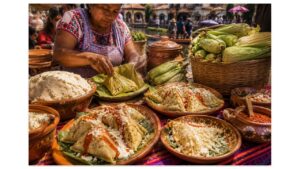
The Purépecha Heritage Behind Corundas
Long before the arrival of the Spanish, the Purépecha people built one of Mesoamerica’s most influential civilizations across what is now the state of Michoacán. While neighboring cultures relied on similar staples, the Purépecha developed their own distinctive cooking traditions centered around corn, beans, squash, chile peppers, and ingredients gathered from the forests and lakes that surrounded their communities.
Corundas remain one of the clearest connections to that heritage. Families have prepared these distinctive triangular corn bundles for centuries using techniques passed from one generation to the next. Although modern kitchens have introduced new conveniences, the essential process—mixing masa, folding the leaves, steaming the corundas, and serving them with simple local ingredients—has changed remarkably little.
Today, corundas are far more than a regional specialty. They’re a living expression of Purépecha culture and one of the foods that continues to connect Michoacán’s present-day families with traditions that stretch back hundreds of years.
THE BEST REGIONAL DISHES DON’T JUST SURVIVE HISTORY—THEY CARRY IT FORWARD ONE GENERATION AT A TIME.
One of the defining finishing touches is Mexican crema, whose cool, tangy richness balances spicy salsas without covering the delicate flavor of the masa. Mexican Street Food Sauces Beyond Salsa: Crema, Chili Oils, Citrus Heat & More explains how crema and other traditional finishing sauces elevate authentic Mexican dishes.
What Are Uchepos?
While corundas celebrate prepared masa, uchepos celebrate fresh corn itself.
Instead of starting with dried corn that has been nixtamalized into masa, uchepos are made by grinding young, tender sweet corn shortly after harvest. Because the kernels still contain plenty of natural moisture and sugar, the finished dish develops a soft, delicate texture with a pleasant sweetness that sets it apart from nearly every other tamal in Mexico.
The fresh corn mixture is blended into a smooth batter before being wrapped inside green corn husks and gently steamed. As they cook, the sweetness of the corn becomes even more pronounced, producing a light, fragrant dish that feels completely different from the firmer bite of a corunda.
That natural sweetness makes uchepos incredibly versatile.
Some families enjoy them simply with crema and queso fresco, allowing the fresh corn flavor to remain the centerpiece. Others serve them alongside grilled meats or rich stews, where their sweetness balances savory flavors beautifully. They’re also commonly enjoyed with sweetened cream, condensed milk, or a sprinkle of sugar, making them equally welcome as breakfast, an afternoon snack, or dessert.
Because uchepos rely on freshly harvested corn, they’re especially popular during the summer harvest season, when sweet corn reaches its peak flavor throughout Michoacán. Visiting during this time often means finding roadside vendors and local markets selling uchepos made from corn picked only hours earlier.
UCHÉPOS REMIND US THAT SOMETIMES THE SIMPLEST INGREDIENTS CREATE THE MOST MEMORABLE TRADITIONS.
Fresh corn plays a central role in many regional specialties across Mexico. Regional Mexican Street Food Guide: Famous Dishes from Every Corner of Mexico shows how each state transforms local ingredients into dishes that reflect its own unique culinary identity.
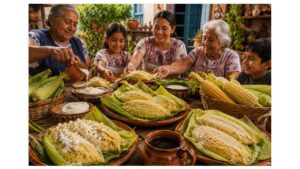
Why Michoacán Is One of Mexico’s Great Food Regions
To understand corundas and uchepos, you have to understand Michoacán.
Located in west-central Mexico, Michoacán is a land of fertile farmland, volcanic mountains, pine forests, and the sparkling waters of Lake Pátzcuaro. For centuries, these diverse landscapes have provided the ingredients that helped shape one of Mexico’s richest culinary traditions.
Long before Spanish colonization, the Purépecha people built a thriving civilization here, developing sophisticated methods for growing corn, preparing masa, and creating dishes that remain central to the region’s identity today. Corundas and uchepos are among the best-known examples of that living heritage, with recipes still prepared much as they were generations ago.
Beyond these beloved corn dishes, Michoacán is famous throughout Mexico for its slow-cooked carnitas, creamy avocados, artisan cheeses, seasonal fruits, and vibrant local markets. Towns such as Pátzcuaro and the colonial capital of Morelia attract visitors not only for their beautiful architecture but also for family-run restaurants, bustling mercados, and traditional cooks who continue preserving regional recipes.
The region is equally celebrated for its colorful copper crafts in Santa Clara del Cobre and the internationally recognized Día de Muertos celebrations around Lake Pátzcuaro, where food, family, and tradition come together in unforgettable ways.
MICHOACÁN ISN’T JUST ONE OF MEXICO’S GREAT FOOD DESTINATIONS—IT’S A PLACE WHERE HISTORY, CULTURE, AND CORN HAVE GROWN TOGETHER FOR CENTURIES.
How to Tell Corundas and Uchepos Apart
It’s easy to understand why first-time visitors confuse corundas and uchepos. Both arrive wrapped in green corn leaves, both are steamed until tender, and both have been prepared in Michoacán for generations. Yet once you unwrap them, the differences become immediately apparent.
Corundas begin with nixtamalized masa, giving them a firmer texture and a savory flavor that pairs beautifully with rich toppings. Their distinctive triangular shape has become one of the visual signatures of Michoacán’s cuisine, and they’re commonly served as part of lunch, dinner, or festive family gatherings.
Uchepos take a completely different approach. Made from freshly ground young sweet corn, they remain soft, moist, and naturally sweet after steaming. That sweetness allows them to move comfortably between savory and sweet dishes, making them equally at home beside grilled meats or topped with cream and condensed milk.
The way each dish is served also highlights its unique role. Corundas are often dressed generously with salsa, crema, queso fresco, beans, or slow-cooked pork, creating a hearty meal. Uchepos, by comparison, celebrate the fresh flavor of seasonal corn and are usually finished with simpler toppings that allow the sweetness of the corn to shine.
Neither dish is better than the other.
Instead, they represent two different expressions of the same ingredient—one emphasizing the versatility of prepared masa, the other showcasing the remarkable flavor of freshly harvested corn.
SAME HUSKS. SAME REGION. TWO COMPLETELY DIFFERENT CULINARY TRADITIONS.
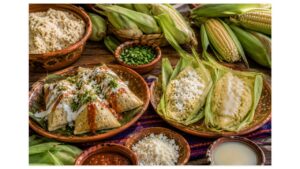
Which One Should You Try First?
If you’re visiting Michoacán for the first time, the good news is that there’s no wrong choice.
If you enjoy savory comfort food, start with corundas. Their tender masa, rich toppings, and satisfying texture make them one of the state’s signature meals. Pair them with salsa, beans, carnitas, or roasted vegetables, and you’ll quickly understand why they’ve remained a favorite for centuries.
If you have a sweet tooth—or simply want to experience one of Mexico’s most distinctive corn dishes—uchepos offer something completely different. Their delicate sweetness captures the flavor of freshly harvested corn in a way that’s difficult to find anywhere else in the country.
Of course, the best answer is to try both.
Many restaurants throughout Michoacán proudly serve corundas and uchepos on the same menu, allowing visitors to experience two traditions that grew from the same fertile landscape yet evolved into remarkably different dishes. Sampling both side by side offers one of the clearest lessons in the diversity of regional Mexican cuisine.
Corundas and uchepos are just two examples of how Mexico transforms corn into remarkably different regional specialties. If you’d like to see how corundas fit into the broader story of Mexico’s tamal traditions, Tamales Explained: The Ancient Mexican Comfort Food That Still Dominates Street Food Culture explores the history, regional variations, and enduring popularity of one of the country’s oldest and most beloved foods.
🌎 If You Ever Visit Mexico…
If your travels take you to Pátzcuaro, Morelia, or the communities surrounding Lake Pátzcuaro, look beyond the tourist menus and seek out a family-owned fonda or neighborhood market. Order both corundas and uchepos together if they’re available. Watching local cooks unwrap each dish from fresh green corn leaves while hearing families debate which one they prefer is part of the experience. You’ll leave with a much deeper appreciation for how one ingredient—corn—can tell two completely different stories in the heart of Michoacán.
🌶️ Product Pairing Quick Guide
- Corundas with crema and queso fresco → Jalapeño Garlic Hot Sauce
- Carnitas and hearty Michoacán meals → Habanero Pepper Hot Sauce
- Fresh salsa lovers and lighter chile flavor → Serrano Pepper Hot Sauce
- Traditional table hot sauce → Cayenne Pepper Hot Sauce
- Can’t decide? → Peppers of Key West 5-Pack Gift Set
🌶️ Peppers of Key West Pairings for Corundas, Uchepos & Michoacán Favorites
The beauty of Michoacán’s traditional cooking lies in its balance. Corundas pair beautifully with creamy toppings, fresh salsa, and slow-cooked meats, while savory uchepos pair naturally with fresh salsa, crema, grilled meats, and bright chile flavors. These Peppers of Key West products add just the right amount of flavor without overwhelming the authentic character of these regional favorites.
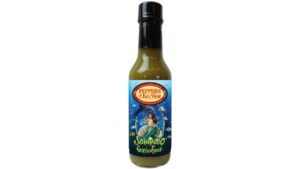
Jalapeño Garlic Hot Sauce
Corundas topped with crema and queso fresco are the perfect canvas for a smooth, flavorful green sauce. Our Jalapeño Garlic Hot Sauce adds fresh jalapeño flavor and roasted garlic that complements traditional toppings without masking the delicate taste of the masa.
👉 Perfect For: Corundas, beans, roasted vegetables, crema, queso fresco, and traditional salsa pairings.
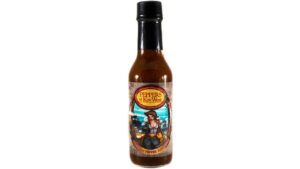
Habanero Pepper Hot Sauce
If you’re serving corundas alongside Michoacán’s famous carnitas, this is the bottle you’ll want nearby. The fruity heat of habanero peppers cuts through rich pork beautifully while adding bold flavor that complements salsa roja and fresh tortillas.
👉 Perfect For: Carnitas, slow-cooked pork, corundas, tacos, and hearty regional meals.
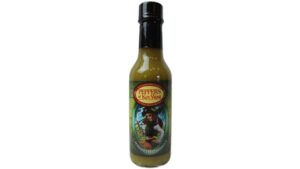
Serrano Pepper Hot Sauce
The clean, garden-fresh flavor of serrano peppers is a natural match for Michoacán’s traditional corn dishes. Our Serrano Pepper Hot Sauce brightens corundas topped with crema and queso fresco while adding fresh chile flavor to savory uchepos, homemade salsa, beans, and warm handmade tortillas.
👉 Perfect For: Corundas, savory uchepos, fresh salsa, beans, handmade tortillas, crema, queso fresco, and traditional Michoacán meals.
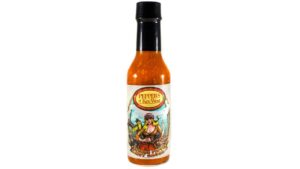
Traditional Michoacán cooking is all about letting quality ingredients shine. Our Cayenne Pepper Hot Sauce delivers clean, pepper-forward heat that complements corundas, carnitas, beans, and fresh salsas without overpowering the authentic flavors of the meal.
👉 Perfect For: Corundas, carnitas, beans, handmade tortillas, roasted vegetables, and everyday Mexican cooking.

Peppers of Key West 5-Pack Gift Set
Can’t decide which flavor fits your next Mexican-inspired meal? The Peppers of Key West 5-Pack Gift Set lets you sample everything from classic cayenne to fiery Carolina Reaper, making it easy to find the perfect pairing for corundas, carnitas, tacos, and countless other regional specialties.
👉 Perfect For: Mexican food lovers, gift giving, taco nights, and discovering new flavor pairings.
Frequently Asked Questions
What is the difference between corundas and uchepos?
Corundas are savory triangular tamales made from nixtamalized masa, while uchepos are prepared from fresh young sweet corn, giving them a softer texture and naturally sweet flavor.
Are corundas a type of tamale?
Yes. Corundas are considered a traditional style of tamal unique to Michoacán, distinguished by their triangular shape and characteristic wrapping technique.
Why are corundas triangular?
Their triangular shape comes from the traditional way they’re folded in long green corn leaves before steaming. It’s one of the features that makes them instantly recognizable.
Are uchepos sweet or savory?
They’re naturally sweet because they’re made with fresh young corn, but they’re enjoyed both ways. Some are served with crema and queso fresco, while others are topped with condensed milk or sugar.
Where do corundas and uchepos come from?
Both dishes originated in the Mexican state of Michoacán and are closely connected to the region’s Purépecha culinary traditions.
What are corundas traditionally served with?
They’re commonly served with Mexican crema, queso fresco, salsa roja, salsa verde, beans, carnitas, or other slow-cooked meats.
Are uchepos eaten for breakfast?
They can be. Uchepos are enjoyed throughout the day as breakfast, lunch, dessert, or an afternoon snack depending on the family and the occasion.
Can you find corundas outside Michoacán?
Yes, especially in cities with strong Michoacán communities, but many people believe the most authentic versions are still found throughout the state itself.
Why is Michoacán famous for corn dishes?
Michoacán has a long agricultural history and deep Purépecha traditions centered around corn cultivation, making it one of Mexico’s most important regions for corn-based cuisine.
Which should I try first?
If you prefer savory foods, start with corundas. If you enjoy naturally sweet corn flavors, try uchepos. The best choice, however, is to order both and experience two of Michoacán’s most iconic traditions side by side.
Continue Your Mexican Street Food Journey
Start Here: Mexican Street Food Beyond Tacos: Elote, Tortas, Tamales & More
From This Collection
- Tamales Explained: The Ancient Mexican Comfort Food That Still Dominates Street Food Culture
- Mexican Street Food Ingredients & Cooking Terms Explained: The Building Blocks of Authentic Mexican Flavor
- Regional Mexican Street Food Guide: Famous Dishes from Every Corner of Mexico
- Mexican Street Food Markets Explained: How to Order Like a Local and Find the Best Food Fast
- Mexican Street Food Breakfast Favorites Worth Waking Up Early For
- Gorditas Explained: Mexico’s Stuffed Corn Pockets Deserve More Love
- Memelas Explained: Oaxaca’s Thick Corn Street Food Favorite
- Tlacoyos Explained: Mexico City’s Ancient Stuffed Corn Street Food
Expand Your Flavor Journey
- The Amazing Guide to Taco Sauce Pairing: Best Hot Sauce for Tacos, Meats, Fish & Street Taco Flavor Hacks
- Best Mexican Street Taco Meats: The Ultimate Guide to Authentic Taco Flavor
- How to Build the Ultimate Taco Night Spread
- Why Authentic Street Tacos Use Simpler Ingredients for Bigger Flavor
Explore More Michoacán Food & Corn Traditions
corundas, uchepos, corundas vs uchepos, traditional corundas, traditional uchepos, Michoacán cuisine, Purépecha cuisine, Purépecha food, Mexican corn dishes, traditional Mexican corn dishes, authentic Michoacán food, foods from Michoacán, regional Mexican cuisine, Mexican regional food, indigenous Mexican cuisine, corn traditions in Mexico, nixtamalized corn, fresh sweet corn, masa dough, Mexican tamales, triangular tamales, corunda recipe, uchepo recipe, handmade corn dishes, Pátzcuaro food, Morelia food, Lake Pátzcuaro cuisine, carnitas Michoacán, Mexican comfort food, authentic Mexican street food, Mexican food culture, traditional Mexican recipes, corn husks, Mexican crema, queso fresco, salsa roja, salsa verde, family recipes from Michoacán, regional Mexican specialties, what are corundas, what are uchepos, difference between corundas and uchepos
