Tacos Dorados Explained: Mexico’s Golden Fried Tacos and the Crispy Tradition Behind Them
There is a moment when a taco stops behaving like a taco you thought you knew.
A soft tortilla touches hot oil. Moisture begins escaping almost immediately, the surface tightens, and pale corn gradually takes on a deeper golden color. Edges that bent easily a few moments earlier become crisp enough to crack beneath your fingers. Whatever filling has been tucked inside stays protected while the tortilla surrounding it becomes something entirely different.
In Mexico, that transformation has a name worth learning: dorado.
Literally meaning “golden,” the word appears throughout Mexican cooking, but in tacos dorados it tells you something particularly important. These are tacos whose tortillas have been fried until golden and crisp, creating a family of foods defined as much by technique and texture as by whatever happens to be inside them.
Some are folded around potatoes, chicken, beef, or cheese before frying. Others are rolled tightly into narrow cylinders. Depending on the region, cook, restaurant, and family tradition, foods within this crispy taco family can overlap with names such as taquitos and flautas. Those relationships are real, but reducing tacos dorados to either one misses the larger lesson.
Tacos dorados are not simply another name for taquitos.
They are part of Mexico’s much larger street-food and antojito tradition, where tortillas, masa, fillings, salsa, and cooking technique create an extraordinary range of foods beyond the tacos most Americans already know. Our Mexican Street Food Beyond Tacos: Elote, Tortas, Tamales & More guide explores that bigger world, from market staples and regional specialties to the everyday foods that make Mexican street eating so diverse.
Here, however, we’re following one particular transformation: what happens when a tortilla is filled and fried until dorado—golden and crisp.
Introduction: When a Soft Tortilla Turns Golden
Walk into the right Mexican fonda, market stall, neighborhood eatery, or family kitchen and you may notice the sound before you understand exactly what is being cooked. Oil crackles somewhere behind the counter while tortillas move through a practiced sequence of filling, folding or rolling, and frying. Nearby, lettuce or cabbage waits beside crumbled cheese and crema, while bowls of salsa provide the acidity and chile that will eventually cut through everything coming out of the oil.
Then the tacos emerge.
Their tortillas are no longer soft enough to fold around whatever reaches the table. Frying has made that decision permanent. The shells are golden, blistered, and rigid enough to support toppings that would quickly overwhelm a softer tortilla. Beneath the surface, however, the filling can remain almost completely different in texture—tender shredded chicken, seasoned beef, creamy potato, beans, or cheese protected by the crisp tortilla surrounding it.
That contrast is the point.
The Spanish adjective dorado means “golden,” while dorada is its feminine form. In cooking, the word can describe food that has developed an appetizing golden-brown exterior, but tacos dorados uses the idea almost like a promise. Order them and you are not simply being told what is inside your tacos. You are being told what has happened to the tortillas.
That makes the name unusually useful for understanding Mexican food. Many dish names lead with an ingredient, a place, or a particular preparation. Tacos dorados leads you directly toward technique, and once you recognize that technique, several foods that may have seemed unrelated begin to connect.
A rolled taquito fried until crisp can belong to this larger tradition. A flauta can overlap with it as well. A folded tortilla filled with potato and fried until golden may look quite different from either one while still fitting comfortably within the idea of a taco dorado. The boundaries are not always perfectly neat because Mexican food vocabulary reflects regional habits, family traditions, restaurant conventions, and generations of people cooking similar foods under different names.
That complexity is not something we need to fix.
It is something worth understanding.
Our Taquitos Explained: Mexico’s Crispy Rolled Tacos Everyone Loves guide explores the tightly rolled taco in depth, while Flautas Explained: Mexico’s Crispy Rolled Tortillas Loaded with Flavor follows its own closely related tradition. Here, however, we are stepping back far enough to see the larger family: tacos transformed by frying until the tortilla itself becomes one of the most important ingredients in the experience.
Because once a tortilla becomes dorado, crunch is no longer an accessory.
It is part of the taco’s identity.
TACOS DORADOS AREN’T DEFINED BY ONE FILLING OR ONE SHAPE—THEY ARE DEFINED BY WHAT HAPPENS WHEN A TORTILLA IS COOKED UNTIL GOLDEN AND CRISP.
⚡ Tacos Dorados Quick Guide
What are tacos dorados?
Tacos dorados are Mexican tacos whose tortillas are fried until golden and crisp. They can be folded or rolled and filled with ingredients such as potato, chicken, beef, beans, or cheese.
What does tacos dorados mean?
The phrase literally means “golden tacos.” Dorado describes the golden color and browned exterior created during cooking, making the name a direct reference to the technique that defines the dish.
Are tacos dorados the same as taquitos?
Not exactly. Taquitos can fit within the broader tacos dorados tradition when tightly rolled tortillas are fried until crisp, but tacos dorados can also be folded or prepared in other forms. Taquitos Explained: Mexico’s Crispy Rolled Tacos Everyone Loves explores that specific rolled-taco tradition.
Are tacos dorados the same as flautas?
The categories can overlap, particularly when a filled tortilla is rolled and fried until crisp, but regional terminology and preparation styles vary. Flautas Explained: Mexico’s Crispy Rolled Tortillas Loaded with Flavor explores why simple rules about tortilla type, length, or geography do not explain every version.
What are tacos dorados filled with?
Common fillings include shredded chicken or beef, seasoned potato, beans, and cheese. The filling is generally restrained enough for the tortilla to close securely and fry evenly.
How are tacos dorados served?
They may be topped or accompanied by salsa, Mexican crema, crumbled cheese, lettuce or cabbage, avocado, guacamole, onion, and other garnishes depending on the region and preparation.
What Does Dorado Actually Mean in Mexican Cooking?
Learning the word dorado makes tacos dorados considerably easier to understand because the name is describing a result rather than prescribing one exact recipe.
In Spanish, dorado means golden, and in a cooking context it can refer to the browned color food develops as heat changes its surface. You may encounter the idea in foods well beyond tacos, but here the word points directly toward the tortilla. A pale, flexible tortilla goes into hot oil and emerges with a deeper color, toasted flavor, reduced moisture, and an entirely different structure.
The transformation is visual enough that the name makes intuitive sense. Watch a batch fry and the tortillas gradually move through shades of yellow and gold as bubbles and blisters form across their surfaces. But color alone does not explain why the technique matters. What the cook is really manipulating is moisture.
A fresh tortilla contains enough moisture to remain flexible. That flexibility is exactly what makes it useful for wrapping around fillings, folding around meat, or moving from hand to plate without shattering. Once the tortilla meets sufficiently hot oil, moisture near its surface rapidly turns to steam and escapes. As that happens, the tortilla becomes progressively drier, firmer, and crisper while browning creates the toasted aromas and flavors associated with fried corn.
The cook therefore has to manage a transformation that begins before the taco ever reaches the oil. The tortilla needs enough flexibility to fold or roll without breaking, which is why tortillas that have cooled or dried too much can become frustrating to work with. They may be warmed first, filled while pliable, and then shaped before frying locks that shape into place.
Once fried, the tortilla cannot behave like the soft taco it used to be. That is precisely the point. It now brings crunch, toasted corn flavor, and enough structure to support wetter toppings such as salsa and crema while protecting a softer filling underneath.
Understanding dorado also helps explain why translating tacos dorados simply as “fried tacos” loses something. The translation is not wrong, but “fried” describes the cooking method while “golden” captures the result Mexican cooks chose to name. The finished taco should look transformed, with color and crispness signaling that the tortilla has reached the state the dish requires.
The name teaches you what to look for.
WHEN A MEXICAN MENU SAYS DORADO, PAY ATTENTION TO THE SURFACE—GOLDEN COLOR IS OFTEN TELLING YOU A STORY ABOUT HEAT, TEXTURE AND TECHNIQUE.
 🌶️ Professor Pepper Says…
Don’t think of frying as simply adding oil to a tortilla. The important change is moisture leaving the surface while heat creates browning and crispness. A good taco dorado should taste toasted and crisp, not merely greasy.
🌶️ Bring the Flavor Home
Making tacos dorados at home? The crisp fried tortilla is a perfect canvas for hot sauce. Explore Peppers of Key West hot sauces for everything from bright jalapeño flavor to smoky chile heat and serious habanero fire.
Tacos Dorados Are a Family, Not One Exact Taco
This is where tacos dorados become more useful as a culinary idea than as a rigid recipe.
Imagine two plates arriving at different tables in Mexico. On one, corn tortillas have been folded around seasoned potato and fried until their edges are crisp and deeply golden. On the other, tortillas have been rolled tightly around shredded chicken before receiving the same treatment. The finished foods do not share exactly the same shape, and the people preparing them may not even use exactly the same vocabulary.
What they share is the transformation.
That matters because outside Mexico, tacos are often categorized primarily by what goes inside them. We talk about carne asada tacos, chicken tacos, fish tacos, carnitas tacos, or birria tacos because the filling provides an obvious way to organize the food. Tacos dorados encourage us to look at the tortilla first. Chicken can go inside one, but chicken does not make it dorado. Potato can go inside another, but potato does not define the category either. The tortilla has to be cooked into the golden, crisp state that gives the family its name.
Shape still matters, particularly when we begin distinguishing individual traditions, but it does not give us one universal rule. Folded tacos dorados make the breadth of the category especially clear because they immediately break the assumption that every taco dorado must resemble a narrow taquito or long flauta. Rolled forms show the opposite side of the relationship: foods we recognize under more specific names can still share the larger fried-taco technique.
This is one reason Mexican food becomes easier to understand when you stop demanding perfectly sealed categories. Culinary traditions develop through regions, families, markets, migration, and repetition rather than through a committee establishing definitions. One cook may use a familiar regional name for something another cook describes differently, and both can still be communicating meaningful information about the food in front of them.
For travelers, that creates an opportunity rather than a problem. If you encounter tacos dorados on a menu, don’t assume you already know exactly what shape will arrive. Look at what other customers are eating, notice the fillings listed, and ask how they are prepared if you’re curious. The answer may teach you something about that particular place that a universal definition never could.
Tacos dorados give us a framework. The individual taco tells us the rest.
THE CRISPY TORTILLA CONNECTS THE FAMILY; REGIONAL COOKS, FILLINGS, SHAPES AND TRADITIONS GIVE EACH VERSION ITS CHARACTER.
Why the Tortilla Matters More Than the Filling
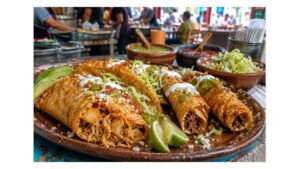
A taco dorado can carry enough different fillings that searching for one definitive interior quickly becomes less useful than understanding the tortilla surrounding it. Chicken, beef, potato, beans, and cheese can all produce excellent versions because the filling’s job is not to establish the category by itself. It has to cooperate with the transformation happening around it.
Corn tortillas are particularly well suited to that job. Their masa brings a flavor that becomes deeper and more toasted during frying, while their relatively modest size makes them easy to fold or roll around a controlled amount of filling. Understanding What Is Masa? The Ancient Corn Dough Behind Authentic Mexican Street Food makes the transformation even more interesting, because frying is only the latest step in a process that began much earlier with corn, nixtamalization, grinding, dough, and tortilla making.
Before frying, however, that tortilla needs to remain flexible enough to shape. A cold or dried corn tortilla can split when folded, especially once filling begins pushing against it. Warming restores enough pliability to make the tortilla cooperative again, allowing the cook to shape the taco before hot oil changes its structure permanently.
The amount of filling matters for the same reason. Tacos dorados can be generous foods once toppings are added, but stuffing too much inside the tortilla before frying works against the technique. A modest filling allows the tortilla to close more securely, makes the taco easier to handle in the oil, and helps create an even ratio between crisp exterior and tender interior.
This is where the relationship between tortilla and filling becomes more important than sheer abundance. A potato taco dorado works because creamy seasoned potato pushes gently against the crisp shell. Shredded chicken or beef provides tender strands beneath a rigid exterior. Cheese can soften while the tortilla surrounding it becomes progressively firmer. Beans create another version of the same contrast.
The filling changes.
The tortilla’s job does not.
That is why the first bite of a good taco dorado should tell you something before you have fully processed what is inside it. The tortilla cracks, the softer filling appears beneath it, and salsa or crema moves into the spaces created by the bite. Texture introduces the taco before the filling gets the chance.
IN A TACO DORADO, THE FILLING MAY CHANGE FROM KITCHEN TO KITCHEN, BUT THE GOLDEN TORTILLA ALWAYS HAS THE FINAL WORD.
From Antojito to Everyday Meal: Where Tacos Dorados Fit in Mexican Food Culture
Tacos dorados make the most sense when you stop thinking of Mexican food as a collection of dishes arranged into the same categories used on an American restaurant menu.
In Mexico, many of the foods travelers encounter in markets, neighborhood eateries, plazas, and street stalls belong to the broad world of antojitos. The word comes from antojo, a craving or desire, and antojito is often translated literally as “little craving.” That translation is charming, but it can undersell what the category represents.
An antojito does not have to be a tiny snack.
It can be substantial enough to become lunch, dinner, or the meal you remember long after returning home. Tacos, sopes, gorditas, quesadillas, tostadas, tlacoyos, flautas, and tacos dorados can all inhabit this world of foods built around masa, tortillas, fillings, toppings, salsa, and the immediate pleasure of eating something prepared close to where it is served.
Tacos dorados fit naturally into that tradition because they take inexpensive, familiar ingredients and use technique to create contrast. Tortillas become crisp. Leftover or freshly prepared meat becomes a filling. Potatoes become rich and satisfying once enclosed by fried corn. Lettuce or cabbage provides freshness. Crema and cheese soften the crunch. Salsa wakes everything up again.
Nothing about the basic formula requires luxury.
What it requires is balance.
That helps explain why tacos dorados belong just as comfortably in a family kitchen as they do at a fonda or market stall. A cook can prepare a filling from ingredients already available, warm a stack of tortillas, shape a batch, and fry enough to feed several people. At a food stand, the same logic scales naturally: fillings can be prepared ahead, tortillas shaped efficiently, and tacos fried in batches before being dressed to order.
The experience also changes depending on where you eat them. At one stall, tacos dorados may arrive beneath a generous layer of shredded lettuce, crema, cheese, and salsa until you have to search for the golden tortillas underneath. Somewhere else, they may be served more simply, allowing the fried shell and filling to remain the center of attention. A family version may follow a method repeated for generations without anyone feeling the need to explain whether it belongs to a precise culinary category.
That is one of the pleasures of antojito culture.
The food does not need to be precious to carry tradition.
TACOS DORADOS SHOW HOW MEXICAN ANTOJITO CULTURE CAN TURN EVERYDAY TORTILLAS AND HUMBLE FILLINGS INTO SOMETHING PEOPLE ACTIVELY CRAVE.
🌶️ Professor Pepper Says…
Antojito literally suggests a “little craving,” but don’t assume that means a tiny snack. In Mexico, antojitos can range from a quick bite to a surprisingly substantial meal, connected more by their casual, craveable character than by portion size.
Folded or Rolled? Understanding the Shapes of Tacos Dorados
If tacos dorados were required to have one shape, explaining them would be much easier.
They don’t.
A folded taco dorado begins with a tortilla placed around a modest amount of filling and folded into the familiar half-moon shape before frying. The result preserves the basic silhouette most people immediately recognize as a taco, but frying fundamentally changes how it behaves. Instead of remaining flexible around the filling, the tortilla becomes rigid and crisp, with two golden sides meeting along a crunchy curved edge.
Rolled versions create a different geometry. The tortilla wraps more completely around the filling, producing a narrow cylinder with more fried tortilla surrounding each bite. Those versions are where the vocabulary begins overlapping with taquitos, flautas, and regional naming traditions. That overlap is important, and so is resisting the urge to eliminate it.
You will sometimes encounter explanations claiming that a taquito must be short while a flauta must be long, or that one must use corn tortillas while the other must use flour. Those distinctions can describe particular restaurant conventions or regional tendencies, but they do not function as universal laws across Mexican cooking.
Tacos dorados give us a more useful way to understand the relationship because the term does not force every fried taco into one narrow shape. A rolled taco fried until golden can be dorado. So can a folded taco. More specific names may tell us additional information about a particular preparation, but the broader technique remains recognizable.
Shape also has practical consequences. A folded tortilla can accommodate fillings differently from a tightly rolled one. Potato can be spread across part of the tortilla before folding, while shredded meat can be tucked into the center. A rolled tortilla needs its filling distributed narrowly enough that the cylinder closes without bursting apart during frying. Shape therefore affects not only what the taco looks like, but how much filling it can hold, how much tortilla contacts the oil, how toppings settle onto it, and what the first bite feels like.
Folded versions give you broad planes of crisp tortilla surrounding a soft center, while rolled versions increase the ratio of crunchy tortilla to filling. Neither is inherently more authentic simply because of its shape; what matters is understanding what the cook is trying to achieve.
FOLDED AND ROLLED TACOS DORADOS MAY LOOK DIFFERENT ON THE PLATE, BUT BOTH USE FRYING TO TURN A PLIABLE TORTILLA INTO A CRISP SHELL AROUND A TENDER CENTER.
What Goes Inside Tacos Dorados?
Once you understand that tacos dorados are defined by technique rather than a single filling, the range of possibilities becomes much easier to appreciate.
Shredded chicken is one of the most natural partners for the format. It can be seasoned without becoming excessively wet, distributed easily inside a tortilla, and kept tender while the exterior fries. Beef works for many of the same reasons, particularly when cooked until tender enough to shred rather than left in large pieces that make the taco difficult to shape.
Potato reveals another side of the tradition.
A seasoned potato filling may sound almost too simple until you consider what happens after frying. The interior stays soft and creamy while the tortilla becomes brittle and crisp around it. Add salsa, crema, cheese, and shredded lettuce or cabbage, and an inexpensive ingredient becomes the foundation of a taco with temperature, acidity, richness, freshness, and contrasting textures.
Beans can perform a similar role, although their consistency matters. A thick bean filling stays where the cook puts it; something overly loose makes shaping and frying more difficult. Cheese introduces its own contrast as it softens inside the shell, particularly when paired with salsa that provides acidity and chile.
These fillings also reveal something important about Mexican street food more broadly: memorable food does not require an expensive centerpiece.
Technique can create value.
A potato, a tortilla, hot oil, salsa, and a handful of toppings are individually ordinary ingredients. Put them together with care and they become a dish people seek out specifically.
The best filling for tacos dorados therefore isn’t necessarily the richest one. It is a filling that behaves properly inside the tortilla. It should be flavorful enough to remain noticeable after toppings are added, tender enough to contrast with the shell, and controlled enough in moisture that it does not sabotage the frying process.
That last point deserves attention.
Wet fillings introduce steam and liquid where the cook is trying to create crispness. Overfilled tacos are more likely to open, leak, or fry unevenly. Large chunks can make rolling difficult. A filling that seems modest before frying often makes more sense once crema, cheese, salsa, lettuce, avocado, or other garnishes join it on the plate.
The taco is a system.
The filling is only one part.
THE BEST TACO DORADO FILLINGS DON’T COMPETE WITH THE CRISP TORTILLA—THEY GIVE THAT CRUNCH SOMETHING SOFT, SAVORY AND SATISFYING TO SURROUND.
How Tacos Dorados Are Fried Until Golden and Crisp
Watch an experienced cook prepare tacos dorados and the process can look almost casual.
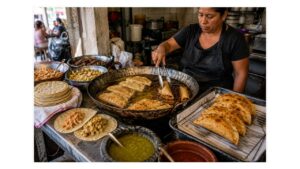
The tortillas are warmed. Filling goes in. Each tortilla is folded or rolled. The shaped tacos move toward hot oil. A few minutes later they emerge golden and rigid, ready to drain before toppings are added.
The simplicity is deceptive because several small decisions determine whether the taco becomes beautifully crujiente—crispy—or turns into an oily, broken mess.
The first is tortilla flexibility.
Corn tortillas that are too cold or dry can crack before reaching the pan, so warming them is not an optional nicety. Heat softens the tortilla enough to fold or enrollar—roll—around the filling without splitting. The cook is essentially using one kind of heat to make the tortilla flexible before using another to make it rigid.
Then comes restraint.
The filling is positioned so the tortilla can close comfortably rather than being forced around an oversized center. For folded tacos, that means leaving enough clean tortilla around the edges for the halves to come together naturally. For rolled versions, the filling is usually arranged in a narrow line before the tortilla is wrapped tightly around it.
The taco then meets the oil.
Oil temperature matters because frying depends on rapid heat transfer. If the oil is not hot enough, the tortilla spends too long absorbing oil before its surface can crisp effectively. If the heat is excessively aggressive, the outside can darken before the taco has heated properly through. Experienced cooks often judge this through sound, bubbling, color, and familiarity rather than standing over the pan with laboratory equipment.
As the taco fries, escaping moisture creates the bubbling visible around the tortilla. The surface begins to blister and stiffen. Pale corn moves toward gold. A folded taco may need to be turned so both sides cook evenly, while rolled tacos may be rotated or positioned so they hold their shape.
The Spanish verb freír means “to fry,” while frito describes something fried. But the goal with tacos dorados is not merely to make the tortilla frito.
It needs to become dorado.
That distinction captures the cook’s endpoint: sufficiently fried to develop the golden color, toasted flavor, and crisp structure that define the dish.
Once the tacos leave the oil, draining matters. Excess surface oil needs somewhere to go before crema, salsa, and other toppings arrive. This brief resting period also allows the shell to settle into its final crisp texture.
Then the taco changes one last time.
A cook adds something cool to something hot. Something creamy to something brittle. Something acidic or spicy to something rich. The frying technique builds the foundation, but the toppings complete the experience.
FRYING A TACO DORADO ISN’T ABOUT MAKING A TORTILLA HARD—IT’S ABOUT CONTROLLING HEAT AND MOISTURE UNTIL THE TORTILLA BECOMES GOLDEN, TOASTED AND CRISP.
🌶️ Professor Pepper Says…
The oil is doing two jobs at once: transferring heat rapidly and helping moisture escape from the tortilla’s surface. That’s why properly fried tacos dorados feel crisp rather than oil-soaked—the goal is controlled dehydration and browning, not simply more time in the fryer.
How Tacos Dorados Are Dressed: Salsa, Crema, Cheese & the Crunch Underneath
Watch a plate of tacos dorados come together at a busy Mexican fonda and you can see the logic of the dish unfold in less than a minute. The tacos leave the oil golden and rigid, drain briefly, and then begin disappearing beneath a collection of ingredients that seem almost designed to challenge everything the frying just accomplished. Shredded lettuce or cabbage adds freshness, crema falls across the tortillas in cool ribbons, crumbled cheese catches in their blistered surfaces, and salsa settles into every crack it can find. Avocado or guacamole may add one final layer of richness before the plate reaches the table.
Those toppings are not simply decoration. They create the contrasts that make tacos dorados so satisfying to eat. Frying has removed moisture from the tortilla’s surface, concentrating its toasted corn flavor while creating a shell that is hot, dry, and crisp. The ingredients added afterward move in the opposite direction. Crema contributes moisture and richness, lettuce or cabbage brings a cooler and more delicate crunch, cheese adds salt and dairy richness, and salsa introduces acidity, chile, and enough liquid to begin softening the tortilla wherever it touches.
The result is a dish that changes from the first bite to the last. A taco eaten immediately may crack loudly beneath the toppings, with the fried tortilla remaining crisp almost all the way to the filling. Give that same taco several minutes beneath salsa and crema and portions of the shell begin to soften while other edges remain brittle. Rather than ruining the experience, that gradual change can create some of its most interesting bites: crisp in one place, tender in another, cool on top, warm underneath.
This is also why a well-dressed taco dorado does not necessarily need to be buried beneath toppings. The golden tortilla still has an important job to do, and enough of its surface should remain exposed for its toasted flavor and fried texture to register. The best plates feel generous without losing sight of what made the tacos dorados in the first place.
There is a practical lesson here for anyone eating them in Mexico or making them at home. Once tacos dorados are dressed, the clock starts running. Salsa and crema will eventually win their battle with the crispy tortilla, so this is not a dish meant to sit politely on the table while everyone finishes a long conversation before taking the first bite.
Eat them while the contrasts are still alive.
A GREAT TACO DORADO ISN’T JUST CRUNCHY—IT BRINGS HOT AND COOL, CRISP AND CREAMY, RICH AND FRESH TOGETHER IN THE SAME BITE.
The Salsa Can Completely Change a Taco Dorado
At a market stall or neighborhood fonda, two people can order the same tacos dorados and end up eating noticeably different meals simply because they reach for different salsa bowls.
A bright salsa verde made with tomatillos and green chiles brings acidity and freshness that can cut directly through fried corn, crema, cheese, and a rich potato filling. Salsa roja may move in a deeper direction, bringing roasted tomato, garlic, red chile, or toasted flavors that reinforce the browning already developed on the tortilla. A hotter salsa can wake up a mild chicken filling, while a smokier preparation can make the toasted character of the fried shell seem even more pronounced.
That flexibility is one reason salsa occupies such an important place in Mexican street-food culture. It is not merely a condiment added after the real cooking is finished. Salsa participates in the final construction of the dish, changing its heat, acidity, aroma, moisture, and even the way the fried tortilla tastes.
The way salsa is served can vary just as much as the salsa itself. Some tacos dorados arrive at the table already dressed, with salsa spooned across the top alongside crema, cheese, and lettuce. At other places, several bowls or bottles are left within reach so diners can decide how much each taco receives. That second approach turns a simple plate into something close to an informal tasting. One taco can go green, another red, and the next can carry a combination of both.
Watch regular customers at a busy stall and this customization often happens almost automatically. A squeeze of lime may come first, followed by salsa, perhaps another spoonful after the first bite reveals how much heat the filling can handle. Nobody needs to describe the process as balancing acidity, chile, fat, and salt. They are simply adjusting the food until it tastes right.
Tacos dorados are particularly well suited to that kind of personalization because their fried shells begin with enough structure to accept sauce without immediately falling apart. That advantage is temporary, however. Salsa begins moving moisture back into the tortilla as soon as it touches the surface, which is another reason a freshly dressed taco dorado is such a different experience from one that has been sitting for fifteen minutes.
The salsa is changing the taco even as you eat it.
THE TORTILLA MAKES A TACO DORADO CRISP, BUT THE SALSA CAN MAKE THAT CRUNCH BRIGHT, SMOKY, FIERY, TANGY OR DEEPLY ROASTED.
🌶️ Professor Pepper Says…
Salsa and a fried tortilla are working against each other in the best possible way. The tortilla wants to remain dry and crisp while the salsa immediately begins adding moisture, so dress tacos dorados close to serving time when you can enjoy both.
Tacos Dorados Change from Place to Place
Knowing the words tacos dorados tells you something important about what you are ordering in Mexico, but it does not tell you everything that will arrive.
At one fonda, the plate may feature folded corn tortillas filled with seasoned potato and covered with shredded lettuce, crema, cheese, and salsa verde. Somewhere else, chicken may be the standard filling and salsa roja the preferred finish. Another cook may prepare rolled versions that overlap visually and linguistically with taquitos or flautas. Even when the underlying idea remains recognizable, tortilla size, shape, filling, salsa, garnishes, and local terminology can all change.
That variation makes sense once tacos dorados are viewed within the larger landscape of Mexican cooking. Mexico’s regional cuisines developed through different climates, crops, Indigenous traditions, livestock, migration patterns, local chiles, coastal resources, and generations of family cooking. Our guide to Mexican Street Food by Region: How Flavor Changes from Baja to the Yucatán explores those differences more broadly, and the same principle applies here: a familiar technique does not have to produce an identical plate everywhere it travels.
Tacos dorados are especially interesting because they are not confined to one famous place of origin in the way some regional specialties are. Instead, frying a filled tortilla until golden is an idea flexible enough to appear in different forms across Mexico. That gives local cooks room to make the preparation their own without abandoning the technique that connects the dishes.
The terminology surrounding rolled and fried tacos can therefore become less precise than travelers sometimes expect. It is tempting to arrive with a memorized rule that taquitos are one length, flautas another, tacos dorados one shape, or that a particular tortilla automatically determines the name. Those rules can occasionally describe a local convention, but treating them as national culinary law creates more confusion than clarity.
A better approach is to pay attention to what the words mean in the place where you are eating. If the menu says tacos dorados, look at what comes out of the kitchen. Are the tortillas folded or rolled? Are they corn or flour? What is inside them? How are they dressed? If another restaurant uses a more specific name for a similar preparation, that does not necessarily mean one of the kitchens has misunderstood Mexican food.
It means food vocabulary has a geography of its own.
Learning to recognize that flexibility is part of learning Mexican cuisine. Regional variation is not an inconvenience that needs to be cleaned up for an encyclopedia; it is evidence that these foods belong to living culinary traditions rather than fixed textbook definitions.
THERE IS NO SINGLE PLATE THAT CAN REPRESENT EVERY TACO DORADO IN MEXICO—THE SHARED TECHNIQUE CONNECTS VERSIONS THAT LOCAL TRADITIONS MAKE THEIR OWN.
Where to Eat Tacos Dorados in Mexico
The best place to understand tacos dorados is often somewhere that has no interest in giving you a formal lesson about them.
Find a neighborhood fonda, a market kitchen, an antojito stand, or a small family-run eatery during a busy service and the lesson unfolds on its own. Tortillas move from a covered stack toward bowls of prepared fillings. A cook folds or rolls them with the speed that comes from repetition, then transfers them into hot oil while another order is being dressed nearby. Customers arrive, plates leave the counter, salsa bowls circulate, and another batch begins before the first has disappeared.
Seeing the process in context connects pieces of the dish that are easy to separate when reading about them. The pliable tortilla from earlier in this guide becomes the taco entering the fryer. The golden shell we have been calling dorado appears a few minutes later. Lettuce, crema, cheese, and salsa arrive only after frying has established the texture underneath them. What looks like a simple plate at the table is actually the end of a carefully ordered sequence.
Mexican markets can be particularly rewarding places to observe that sequence because cooking and eating frequently happen within sight of one another. The kitchen may be separated from customers by little more than a counter, making it possible to see tortillas warming, oil bubbling, plates being assembled, and regular customers choosing their salsa without turning lunch into a staged culinary demonstration. Our guide Mexican Street Food Markets Explained: How to Order Like a Local and Find the Best Food Fast goes deeper into navigating these environments, but tacos dorados offer one particularly useful clue when choosing where to eat: pay attention to turnover.
A stall steadily sending fresh tacos from fryer to plate gives you a good chance of receiving them when their defining texture is at its best. You can often hear that freshness before tasting it. Hot oil has its own soundtrack, and so does a properly fried tortilla when someone at the next table takes the first bite.
Watching what other customers order can answer questions that a menu cannot. You may notice whether folded or rolled tacos are the house style, which filling seems most popular, or which salsa people reach for first. If you still aren’t sure what’s inside, a simple ¿De qué son?—“What are they filled with?”—can tell you whether today’s choices are chicken, potato, beef, cheese, or something particular to that kitchen.
That small interaction captures something larger about eating street food in Mexico. You do not have to arrive knowing everything. Sometimes the most rewarding way to understand a dish is to recognize the technique, ask one good question, and then pay attention to the people who cook and eat it every day.
TO UNDERSTAND TACOS DORADOS IN MEXICO, DON’T JUST READ THE MENU—WATCH THE FRYER, FOLLOW THE LOCALS AND PAY ATTENTION TO WHAT ARRIVES ON THE PLATE.
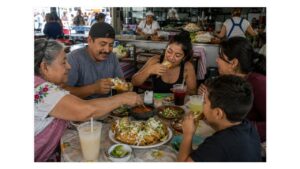
Making Tacos Dorados at Home Without Losing What Makes Them Special
Making tacos dorados at home does not require restaurant equipment, but it does require understanding which parts of the traditional process are doing the real work. The goal is not simply to put filled tortillas into oil. It is to begin with a tortilla flexible enough to shape, choose a filling that will behave properly inside it, and fry the assembled taco long enough to create the golden shell that gives the dish its name.
Fresh corn tortillas are an excellent starting point, particularly for the folded tacos dorados we’ve emphasized throughout this guide. If a tortilla cracks when you try to fold it, forcing it closed usually makes matters worse. Warm it first. A brief pass over a hot surface or another gentle warming method restores flexibility and makes the tortilla much easier to shape without splitting.
The filling should already taste good before it enters the tortilla, but it should not carry excessive liquid. Shredded chicken or beef can be moist and tender without dripping cooking juices; seasoned potato should have enough flavor to stand on its own; beans work best when thick enough to remain where they are placed. Just as important is quantity. Overfilling makes folded tacos difficult to close and rolled tacos difficult to tighten, increasing the chance that they open or leak once they reach the oil.
Once shaped, the tacos should enter oil hot enough to begin crisping the tortilla promptly. Watch the surface rather than relying only on the clock. The color should deepen, small blisters should appear, and the tortilla should become visibly firmer as moisture escapes. Folded tacos may need to be turned for even cooking, while rolled versions can be rotated as necessary to help them brown and hold their shape. When they reach a convincing golden color, remove them and allow excess oil to drain before dressing.
Once the tacos are crisp and drained, this is where you can make the plate your own. Traditional salsa is the obvious starting point, but a few drops of Peppers of Key West hot sauce can add another layer of chile flavor and heat without overwhelming the fried tortilla, especially when you’re serving several sauces at the table and letting everyone customize their own tacos.
This is where patience becomes slightly counterintuitive. You have spent the cooking process trying to remove moisture from the tortilla, so immediately drowning the tacos in salsa works against the texture you just created. Give them a brief opportunity to drain, then add lettuce or cabbage, crema, crumbled cheese, salsa, avocado, lime, or whatever combination suits the filling. Serve them while the shell still has enough crispness to contrast with everything piled on top.
An oven or air fryer can produce a useful home adaptation when traditional frying is inconvenient. Those methods can create browned, crispy tortillas and may fit some kitchens better, but they do not reproduce hot-oil frying perfectly. Oil transfers heat around the tortilla rapidly and creates the characteristic blistered, fried surface associated with traditional tacos dorados. Recognizing that difference does not mean home cooks are forbidden from adapting the technique; it simply keeps the adaptation from being confused with the original method.
That distinction matters throughout traditional cooking. Understanding why a technique exists gives you the freedom to adapt intelligently rather than accidentally removing the very quality that defines the food. With tacos dorados, everything keeps returning to the same transformation we watched at the beginning of this guide: a soft tortilla enters the process flexible enough to bend around a filling and leaves it golden enough to crack beneath the first bite.
THE SECRET TO HOMEMADE TACOS DORADOS ISN’T MORE FILLING OR MORE TOPPINGS—IT’S A PLIABLE TORTILLA, A RESTRAINED FILLING AND ENOUGH HEAT TO MAKE THE SHELL TRULY GOLDEN.
🌶️ Recommended Peppers of Key West Products for Tacos Dorados
Once tacos dorados reach the table, the best additions are the ones that complement the fried tortilla rather than bury it. Crisp corn already provides toasted flavor and richness, while fillings such as chicken, beef, potato, beans, and cheese give you very different starting points for heat.
That makes tacos dorados particularly good for experimenting with hot sauce.
A bright chile sauce can cut through crema and fried corn. Something fruitier can wake up chicken or cheese. A deeper, hotter sauce can stand beside shredded beef, while a more approachable sauce lets the tortilla and filling remain front and center.
The easiest way to choose is to start with what’s inside the taco.
Product Pairing Quick Guide
- Potato Tacos Dorados → Peppers of Key West Cayenne Pepper Sauce
- Shredded Chicken Tacos Dorados → Peppers of Key West Habanero Hot Sauce
- Beef Tacos Dorados → Peppers of Key West Ghost Pepper Hot Sauce
- Bean or Cheese Tacos Dorados → Peppers of Key West Rum Raisin Hot Sauce
- Mixed Tacos Dorados for a Crowd → Peppers of Key West variety pack
🌶️ Best Peppers of Key West Pairings for Tacos Dorados
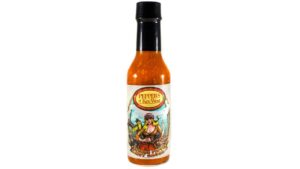
Peppers of Key West Cayenne Pepper Sauce — Best for Potato Tacos Dorados
Straightforward cayenne heat cuts through creamy potato and the richness of the fried tortilla without overpowering its toasted corn flavor.
Best With: Potato tacos dorados, crema, crumbled cheese, avocado, and salsa verde.
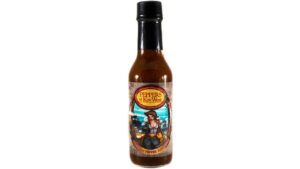
Peppers of Key West Habanero Hot Sauce — Best for Shredded Chicken Tacos Dorados
Habanero brings brighter, more assertive chile heat to mild shredded chicken, while crema, avocado, and cheese provide plenty of cooling contrast.
Best With: Chicken tacos dorados, avocado, crema, queso fresco, cabbage, and lime.
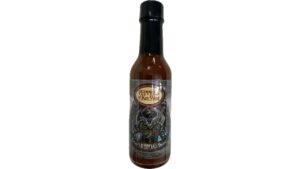
Peppers of Key West Ghost Pepper Hot Sauce — Best for Beef Tacos Dorados
Savory shredded beef has enough richness to stand up to serious ghost pepper heat, especially when balanced with crema, avocado, and a crisp corn tortilla.
Best With: Beef tacos dorados, salsa roja, avocado, crema, crumbled cheese, and lime.
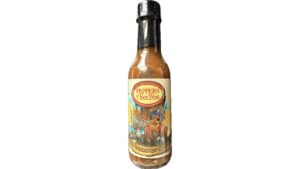
Peppers of Key West Rum Raisin Hot Sauce — Best for Bean or Cheese Tacos Dorados
Sweetness and chile heat create an unexpected contrast with earthy beans, salty cheese, and toasted corn, giving milder tacos dorados a completely different personality.
Best With: Bean or cheese tacos dorados, avocado, crema, crumbled cheese, and mild salsa.
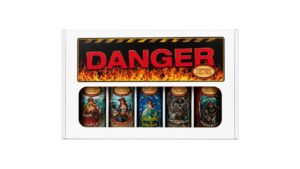
Peppers of Key West Variety Pack — Best for Mixed Tacos Dorados
Put several sauces on the table and let everyone match different flavors and heat levels with chicken, beef, potato, bean, and cheese tacos dorados.
Best With: Taco bars, mixed tacos dorados, family dinners, parties, and different heat preferences.
Tacos Dorados: The Golden Taco Tradition Worth Understanding
A taco dorado begins with something remarkably ordinary.
A tortilla.
That tortilla may hold shredded chicken, beef, potato, beans, cheese, or another filling familiar to the kitchen preparing it. It may be folded into a half-moon or rolled tightly enough to overlap with the worlds of taquitos and flautas. It may be dressed generously with lettuce, crema, cheese, avocado, and salsa or arrive simply enough that much of its golden surface remains exposed.
The details change, but the transformation does not.
Frying takes a tortilla designed to bend and makes it crack. Moisture leaves the surface, toasted corn flavors deepen, and the shell becomes sturdy enough to surround a tender filling while carrying cool, creamy, fresh, acidic, and spicy toppings. That change is so central to the dish that Mexican cooks put it directly in the name: dorado.
Golden.
Understanding that word gives you a better way to understand the entire family. Tacos dorados do not need to be forced into a single shape or filling, and they do not need to be separated from taquitos and flautas by artificial rules that Mexican cooking itself does not consistently follow. Those foods can overlap because culinary traditions overlap. The useful question is not always which label wins, but what the cook has done to the tortilla and how that particular kitchen understands the food it serves.
That is why tacos dorados belong so naturally in Mexico’s larger antojito tradition. They show how everyday ingredients can become intensely craveable through technique, texture, salsa, and the accumulated knowledge of people who have prepared them thousands of times before.
The next time you see tacos dorados on a menu, you will know not to picture one exact taco.
Look for the gold.
Listen for the crunch.
Then see what that particular cook has put inside.
TACOS DORADOS ARE PROOF THAT ONE OF MEXICO’S SIMPLEST INGREDIENTS CAN BECOME SOMETHING COMPLETELY DIFFERENT WHEN A COOK UNDERSTANDS EXACTLY WHAT HEAT CAN DO TO A TORTILLA.
Tacos Dorados FAQ
What are tacos dorados?
Tacos dorados are Mexican tacos made by filling tortillas and frying them until the tortillas become golden and crisp. They can be folded or rolled and prepared with fillings such as potato, chicken, beef, beans, or cheese.
What does tacos dorados mean in English?
Tacos dorados literally means “golden tacos.” The name refers to the golden color and crisp texture the tortillas develop during frying.
Are tacos dorados the same as taquitos?
Not exactly. Tightly rolled and fried taquitos can overlap with the broader tacos dorados tradition, but tacos dorados can also be folded rather than rolled. Taquitos Explained: Mexico’s Crispy Rolled Tacos Everyone Loves explores the more specific taquito tradition.
Are tacos dorados and flautas the same thing?
They can overlap, particularly when tortillas are rolled around a filling and fried until crisp, but terminology varies by region and cook. Flautas are better understood as a related preparation rather than as a universally separate category defined by one rigid tortilla or size rule.
Are tacos dorados always made with corn tortillas?
Corn tortillas are strongly associated with many tacos dorados preparations and work particularly well for folded versions, but Mexican fried-taco traditions are diverse. Tortilla choices can vary according to region, cook, and the specific style being prepared.
What are the most common tacos dorados fillings?
Shredded chicken, beef, seasoned potato, beans, and cheese are common choices. Good fillings are flavorful but not excessively wet, which helps the tortilla remain closed and become crisp during frying.
Why do tortillas need to be warmed before making tacos dorados?
Warming makes corn tortillas more pliable, allowing them to fold or roll around a filling without cracking. Frying then reverses that flexibility by removing moisture and creating the rigid, crisp shell.
What toppings go on tacos dorados?
Common toppings include shredded lettuce or cabbage, Mexican crema, crumbled cheese, salsa roja or salsa verde, avocado or guacamole, and lime. Exact combinations vary by cook and region.
What salsa is best for tacos dorados?
There is no single best salsa. Salsa verde can add bright acidity, salsa roja can contribute deeper roasted flavors, and hotter or smokier salsas work particularly well with richer fillings such as beef. The filling and toppings should guide the choice.
Can tacos dorados be made in an air fryer?
Yes. Air-fried tacos can become browned and crispy and are a practical home adaptation. Traditional tacos dorados, however, are fried in oil, which creates a characteristic blistered surface and texture that an air fryer does not reproduce exactly.
Can you bake tacos dorados instead of frying them?
Yes, although baking should also be understood as a home adaptation. Lightly coating the tortillas with oil can encourage browning and crispness, but the result will differ from tacos fried traditionally in hot oil.
What’s the difference between tacos dorados and regular tacos?
The tortilla is the major distinction. Most familiar tacos retain a soft, flexible tortilla, while tacos dorados are fried until the tortilla becomes golden, rigid, and crisp. That change in texture fundamentally alters how the taco is filled, topped, held, and eaten.
🌮 Continue Your Mexican Street Food Journey
🌯 More Mexican Street Foods Worth Trying
- Taquitos Explained: Mexico’s Crispy Rolled Tacos Everyone Loves
- Flautas Explained: Mexico’s Crispy Rolled Tortillas Loaded with Flavor
- Tostadas Loaded with Crispy Crunch, Seafood, Meat & Bold Mexican Flavor
- Sopes Explained: Thick Corn Cakes Loaded with Street Food Flavor
- Gorditas Explained: Mexico’s Stuffed Corn Pockets Deserve More Love
- Tlacoyos Explained: Mexico City’s Ancient Stuffed Corn Street Food
- Quesabirria Tacos & Crispy Cheese Street Food Chaos Worth Every Messy Bite
- Mexican Street Food Dishes Explained: Your Complete Guide to Authentic Mexican Favorites
Expand Your Mexican Food Journey
- Best Drinks for Taco Night: Margaritas, Mexican Beer & Sweet Pairings
- Ultimate Taco Bar Ideas for Parties, Game Day & Flavor Obsessed Guests
- The Ultimate Guide to Mexican Street Food : The Flavor, Meat & Hot Sauce Breakdown
- Best Mexican Street Taco Meats: The Ultimate Guide to Authentic Taco Flavor
See More Keywords
tacos dorados de papa, tacos dorados de pollo, tacos dorados de res, tacos dorados con queso, rolled tacos Mexican food, folded fried tacos, Mexican crispy tacos, fried corn tortilla tacos, golden corn tortillas, Mexican antojitos, antojitos mexicanos, dorado meaning Mexican food, dorado cooking term, crujiente Mexican food, freír Mexican cooking, fried tortilla dishes Mexico, Mexican street food tacos, traditional Mexican street food, Mexican fonda food, Mexican market food, Mexican taco fillings, Mexican taco toppings, salsa for fried tacos, salsa verde tacos dorados, salsa roja tacos dorados, crema on Mexican tacos, potato filled tacos, chicken filled fried tacos, beef filled fried tacos, how to keep fried tacos crispy, air fryer tacos dorados, baked tacos dorados
