
The History of Mexican Street Food: How Markets, Vendors and Family Recipes Built a Culinary Empire
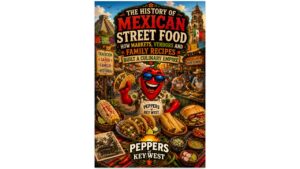
Long before food trucks and trendy taco festivals, Mexican street vendors were feeding entire civilizations. Discover how ancient markets, Indigenous traditions, colonial influences, and generations of family recipes created one of the world’s greatest street food cultures.
Before tacos became famous around the world…
Before food trucks became trendy…
Before travelers crossed continents searching for the perfect street taco…
Mexico had already spent thousands of years perfecting the art of eating in public markets.
The story of Mexican street food isn’t simply about recipes. It’s the story of civilizations, migration, family traditions, local agriculture, and communities gathering around food long before restaurants became common. Every tamal wrapped in corn husks, every tortilla pressed by hand, and every pot of slow-simmering birria carries generations of knowledge passed from one cook to the next.
Today’s bustling street vendors are the latest chapter in a culinary tradition that stretches back to the great marketplaces of the Aztec Empire. While ingredients, cooking techniques, and regional specialties have evolved over centuries, the heart of Mexican street food has remained remarkably consistent: fresh food, prepared with care, served to neighbors, travelers, workers, and families alike.
If you’ve already read Mexican Street Food by Region: How Flavor Changes from Baja to the Yucatán, you’ve seen how geography shapes the menu. To truly appreciate those regional specialties, it helps to understand the remarkable history that made them possible.
The next time you bite into a taco, torta, tamal, or panucho, you’re tasting more than a delicious meal.
You’re experiencing one of the world’s oldest continuously evolving street food traditions.
Quick Guide: The History of Mexican Street Food
- Ancient Indigenous markets fed thousands every day.
- Corn became the foundation of nearly every meal.
- The Aztec capital of Tenochtitlán featured massive public marketplaces.
- Spanish colonization introduced new meats, spices, wheat, and cheeses.
- Regional cuisines developed using local ingredients and traditions.
- Family recipes passed through generations shaped today’s street vendors.
- Markets remain cultural gathering places throughout Mexico.
- Modern street food continues blending history with innovation.
- Every region contributes unique dishes to Mexico’s culinary identity.
Ancient Markets – Where Mexican Street Food Was Born
Long before Europeans arrived in the Americas, Mexico’s great civilizations had already developed sophisticated public markets that amazed early visitors.
The Aztec capital of Tenochtitlán featured one of the largest marketplaces in the world. Historical accounts describe tens of thousands of people gathering daily to buy fresh produce, prepared foods, herbs, pottery, textiles, spices, and countless other goods. Food vendors served hungry shoppers just as they continue to do in modern Mexican markets today.
Corn formed the backbone of daily life.
Fresh tortillas, tamales, atole, beans, squash, tomatoes, chiles, cacao, avocados, nopales, and native herbs filled the marketplaces. Many of these ingredients remain essential to authentic Mexican street food centuries later.
Unlike modern fast food, these early prepared meals reflected local harvests and seasonal availability. Vendors cooked what nearby farms produced, creating regional food traditions that would continue evolving for generations.
Anyone fascinated by Mexico’s living market culture should also read Mexican Street Food Markets Explained: How to Order Like a Local and Find the Best Food Fast, which explores how today’s bustling markets preserve traditions that began centuries ago.
THE HEART OF MEXICAN STREET FOOD HAS ALWAYS BEEN ITS MARKETS—NOT ITS RESTAURANTS.
Spanish Influence – New Ingredients Created New Traditions
When Spanish explorers arrived in Mexico during the sixteenth century, they encountered a culinary culture that was already thriving.
Rather than replacing Indigenous cooking, the two traditions gradually blended together to create something entirely new.
Europe introduced cattle, pigs, chickens, sheep, wheat, rice, onions, garlic, citrus fruits, dairy products, and dozens of herbs and spices that had never before existed in the Americas. Indigenous cooks adapted these ingredients to existing recipes instead of abandoning their own culinary identity.
Pork slowly found its way into tamales. Cheese became a favorite filling for quesadillas. Wheat flour joined corn to create northern Mexico’s famous flour tortillas. Citrus brightened marinades throughout the Yucatán, while beef transformed the ranching regions of northern Mexico.
Perhaps the greatest achievement of Mexican cuisine wasn’t preserving one tradition over another.
It was successfully blending both.
Today’s tacos al pastor perfectly illustrate this cultural exchange. Lebanese immigrants later introduced vertical spit-roasting techniques that merged beautifully with Mexican ingredients, eventually creating one of the country’s most recognizable street foods.
Readers interested in how regional flavors evolved after these cultural exchanges will enjoy Mexican Street Food by Region: How Flavor Changes from Baja to the Yucatán, where history meets geography through Mexico’s remarkable regional cuisines.
THE BEST MEXICAN STREET FOOD DOESN’T CHOOSE BETWEEN CULTURES—IT CELEBRATES BOTH.
Family Recipes – The Real Secret Behind Every Street Vendor
Ask almost any successful Mexican street vendor where they learned to cook.
The answer usually begins at home.
Long before recipes appeared online or cooking schools became common, knowledge passed directly from parents and grandparents to younger generations. Children learned how to prepare masa, roast chiles, simmer beans, and season meats simply by helping in family kitchens.
Many vendors still prepare food using techniques that have changed very little over the past century. Tortillas are pressed by hand. Salsas are ground with molcajetes. Meat marinates overnight using recipes known only within the family.
That consistency is one reason visitors often remember a single taco stand for decades.
They’re not tasting mass production.
They’re tasting generations of experience.
Street food also reflects local pride. Every city, neighborhood, and family believes their version is the best, creating friendly rivalries that continue pushing quality higher.
It’s one reason why regional specialties remain so deeply connected to local identity rather than becoming standardized across the country.
Anyone curious about the incredible variety created by these family traditions should also read Regional Mexican Street Food Guide: Famous Dishes from Every Corner of Mexico, where the country’s diverse culinary heritage comes to life one region at a time.
THE MOST IMPORTANT INGREDIENT IN MEXICAN STREET FOOD HAS ALWAYS BEEN THE FAMILY WHO MAKES IT.
Modern Street Food – Ancient Traditions Meet Today’s Cities
Walk through Mexico City, Oaxaca, Guadalajara, Mérida, or Puebla today and you’ll discover something remarkable.
The street food looks modern.
The traditions are ancient.
Many vendors now use stainless steel equipment, portable gas grills, refrigeration, and digital payment systems, yet the recipes themselves often remain rooted in generations of family history.
New dishes continue appearing as regional traditions evolve. Creative chefs experiment with gourmet tacos, seafood combinations, artisan tortillas, and modern presentation while respecting the techniques that made Mexican street food famous in the first place.
Social media has introduced countless travelers to foods they might never have discovered otherwise, but word of mouth still remains one of the strongest forces behind successful street vendors. Locals know where the best tamales are sold before sunrise, which taco stand serves the crispiest carnitas, and where the freshest seafood arrives each morning.
Perhaps that’s why Mexican street food feels timeless.
It constantly changes while somehow remaining familiar.
Every generation adds something new without forgetting what came before.
If you’ve ever wondered why evening food markets feel so alive, Why Mexican Street Food Tastes Better at Night: The Culture, Crowds and Late-Night Flavor Phenomenon explores how community, tradition, and atmosphere continue shaping the modern street food experience.
HUNDREDS OF YEARS MAY SEPARATE TODAY’S VENDORS FROM THEIR ANCESTORS, BUT THE PASSION FOR GREAT FOOD REMAINS EXACTLY THE SAME.
Bring Mexico’s Historic Flavors Home
One of the best ways to appreciate the history of Mexican street food is to cook recipes inspired by the traditions that shaped them. From ancient corn-based dishes to grilled meats and slow-marinated specialties, these Peppers of Key West favorites complement authentic flavors while encouraging your own culinary adventures.
Many of Mexico’s oldest recipes begin with fresh ingredients and balanced seasoning.
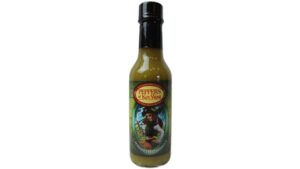
Fresh serrano peppers provide bright, clean heat that complements tacos, tamales, grilled vegetables, seafood, and traditional corn-based dishes without masking their authentic flavors.
Centuries of open-fire cooking deserve bold seasoning that enhances every bite.
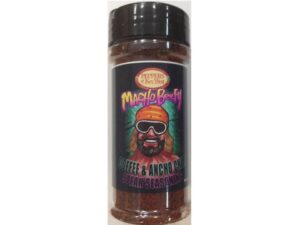
Macho Beefy Coffee & Ancho Steak Seasoning
Coffee, ancho chile, and savory spices build a rich crust on grilled beef, making it an excellent companion for carne asada, barbacoa, and other meat-centered street food classics.
Slow-cooked family recipes become even more memorable with flavorful marinades.
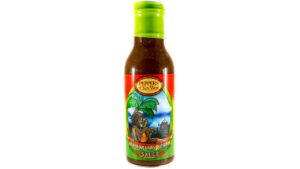
Perfect for grilled pork, chicken, and backyard cooking, this versatile sauce adds layers of spice and savory character while inspiring creative street food-inspired meals at home.
When you’re exploring generations of flavor, variety belongs on the table.

From mild Cayenne to fiery Carolina Reaper, this gift set lets you experiment with multiple heat levels while discovering which sauces pair best with your favorite authentic Mexican dishes.
Conclusion
The history of Mexican street food isn’t measured simply by centuries.
It’s measured by the millions of meals shared between families, neighbors, travelers, and communities across generations.
From the bustling marketplaces of the Aztec Empire to today’s vibrant food stalls, Mexican street food has never stopped evolving. New ingredients arrived. Regional specialties developed. Families preserved treasured recipes while each generation added its own chapter to an already remarkable culinary story.
That history is still unfolding every day.
Every fresh tortilla pressed by hand, every tamal carefully wrapped, every taco carved from a trompo, and every family recipe passed to the next generation continues one of the world’s greatest food traditions.
The next time you stop at a street vendor, remember you’re enjoying far more than a quick meal.
You’re becoming part of a story that’s been feeding people for hundreds of years.
Frequently Asked Questions:
How old is Mexican street food?
Mexican street food dates back thousands of years to Indigenous civilizations that operated massive public marketplaces long before European contact. Many of today’s cooking techniques and staple ingredients have roots in these ancient traditions.
Did the Aztecs invent Mexican street food?
Yes. The Aztecs maintained enormous public markets where vendors sold prepared foods, fresh produce, tamales, tortillas, atole, cacao, chiles, and countless other foods to thousands of shoppers every day.
How did Spanish colonization change Mexican street food?
Spanish settlers introduced beef, pork, chicken, wheat, dairy products, citrus, onions, and garlic. Rather than replacing Indigenous cuisine, these ingredients blended with native foods to create many of Mexico’s iconic dishes.
Why is corn so important in Mexican cuisine?
Corn has been the foundation of Mexican cooking for thousands of years. Tortillas, tamales, atole, tlacoyos, sopes, and countless other street foods all begin with masa made from nixtamalized corn.
What role do family recipes play in Mexican street food?
Many vendors still prepare recipes passed down through multiple generations. Family traditions preserve regional flavors, cooking techniques, and signature dishes that define local street food culture.
Why does every region of Mexico have different street food?
Regional agriculture, climate, Indigenous cultures, geography, and historical influences all shaped local cuisines. That’s why Baja specializes in seafood while the Yucatán is famous for citrus-marinated pork and Oaxaca celebrates corn and mole.
What is Mexico’s most famous street food?
Tacos are the best-known Mexican street food worldwide, but tamales, tortas, birria, elote, tlayudas, cemitas, panuchos, quesadillas, and many regional specialties are equally important throughout Mexico.
Are traditional Mexican street food recipes still used today?
Absolutely. While vendors may use modern equipment, many recipes, cooking methods, and family traditions have remained remarkably consistent for generations.
Why are Mexican street markets so important?
Markets have always served as gathering places where communities buy fresh ingredients, share meals, support local vendors, and preserve regional culinary traditions.
How can I experience authentic Mexican street food without traveling to Mexico?
Visit authentic Mexican restaurants and local markets, prepare traditional recipes at home using authentic ingredients, and experiment with regional dishes to appreciate the incredible diversity of Mexico’s street food culture.
Continue Your Mexican Street Food Journey
Start Here
From This Collection
- The Ultimate Guide to Mexican Street Food: The Flavor, Meat & Hot Sauce Breakdown
- Mexican Street Food by Region: How Flavor Changes from Baja to the Yucatán
- Regional Mexican Street Food Guide: Famous Dishes from Every Corner of Mexico
- Mexican Street Food Markets Explained: How to Order Like a Local and Find the Best Food Fast
- Why Mexican Street Food Delivers Bigger Flavor Than Most Restaurant Food
- Mexican Street Food for First-Timers: What to Order and Why
- Why Mexican Street Food Tastes Better at Night: The Culture, Crowds and Late-Night Flavor Phenomenon
- Best Late-Night Mexican Street Foods You Need to Try After Dark
More Authentic Mexican Street Food to Enjoy
- The Ultimate Guide to Mexican Street Food : The Flavor, Meat & Hot Sauce Breakdown
- Best Hot Sauce for Beef Tacos: Bold Sauces That Cut Through the Fat
- Best Taco Sauces for Taco Night: Salsa, Crema, Hot Sauce & More
- Best Taco Meats Ranked from Carne Asada to Birria with Bold Flavor & Street Taco Heat
Continue Your Culinary Adventure
history of Mexican street food, ancient Mexican markets, Aztec food culture, Indigenous Mexican cuisine, traditional Mexican recipes, authentic Mexican street food, Mexican food history, evolution of Mexican cuisine, Mexican marketplaces, street food vendors Mexico, family recipes Mexico, corn in Mexican cuisine, masa history, tamales history, tortilla history, tacos history, regional Mexican cuisine, Mexican culinary traditions, Spanish influence on Mexican food, Mexican cooking techniques, food culture in Mexico, Mexican street vendors, traditional street food, authentic tacos, Mexican market food, Mexico food guide, Mexican food traditions, regional Mexican dishes, Mexican culinary heritage, history of tacos, history of tamales, Indigenous food traditions, authentic Mexican cooking, Mexican gastronomy, foods of Mexico, Mexican culture, traditional Mexican markets, famous Mexican street foods, Mexican food travel
