
Flautas Explained: Mexico’s Crispy Rolled Tortillas Loaded with Flavor
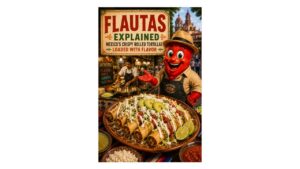
There is a particular kind of optimism involved in putting a plate of freshly fried flautas in front of someone and expecting the lettuce, crema, cheese, salsa, and avocado piled across the top to remain there for very long.
They won’t.
Underneath all of those toppings are tightly rolled tortillas fried until golden and crisp, wrapped around a savory filling and sturdy enough to survive at least the beginning of the delicious mess about to happen. Pick one up and the shell cracks. Cut into another and the crisp tortilla gives way to tender chicken, beef, potato, or whatever the cook has tucked inside.
Then there is the name.
Flauta.
In Spanish, it means flute, and once you see several of these long, narrow fried tortillas lined up on a plate, the comparison isn’t difficult to understand.
But understanding flautas gets considerably more interesting from there.
Ask exactly what separates a flauta from a taquito and you may encounter rules that sound wonderfully precise: flautas are long while taquitos are short; flautas use flour tortillas while taquitos use corn; one belongs to one region while the other belongs somewhere else. Spend enough time looking at Mexican cooking, however, and those wonderfully tidy rules begin developing exceptions.
That doesn’t make the names meaningless. It makes them cultural.
Flautas belong to Mexico’s larger world of fried tortilla foods, where shape, technique, regional vocabulary, family traditions, restaurant conventions, and local preference can overlap without always producing the perfectly sealed categories outsiders expect.
Our Mexican Street Food Beyond Tacos: Elote, Tortas, Tamales & More guide explores that larger world of antojitos, market foods, regional specialties, and everyday Mexican dishes. Here, we’re following one particularly crunchy branch of the family.
A tortilla is filled, rolled tightly, and lowered into hot oil. A few minutes later, something shaped vaguely like a flute emerges golden, crisp, and ready for salsa.
Introduction: Listen for the Crunch
Walk into a busy Mexican fonda, market kitchen, neighborhood restaurant, or antojito stand serving flautas and the finished plate can almost hide the food that gives the dish its name.
A row of long golden tortillas may disappear beneath shredded lettuce or cabbage. Crema runs across them in pale ribbons. Crumbled or grated cheese catches against the rough fried surfaces. Salsa roja or salsa verde settles into the cracks. Slices of avocado or a spoonful of guacamole add another cool, rich layer.
The plate looks generous because it is. But underneath everything is an unusually disciplined piece of construction.
The tortilla has to remain flexible long enough to wrap tightly around its filling, while the filling has to be flavorful without becoming so wet or bulky that the tortilla refuses to stay closed. The roll then has to survive frying, as hot oil removes moisture from the tortilla’s surface, develops toasted flavor, and turns something pliable enough to wrap into something rigid enough to crack.
That transformation connects flautas to the broader family of tacos dorados, Mexico’s golden fried tacos. But the rolled shape changes the experience.
Instead of folding a tortilla around a broad center, the cook creates a narrow cylinder, increasing the amount of tortilla surrounding each portion of filling. The first bite therefore brings a pronounced crack of fried corn or flour before reaching the softer interior, while salsa and crema begin working their way into the shell from the outside and the filling remains protected within.
The shape isn’t merely visual. It changes how the food cooks and how you experience every bite.
That is also why the Spanish name works so well. Flauta means flute, and the resemblance between the musical instrument and an elongated rolled tortilla provides an intuitive way to remember the dish. Yet the name should not tempt us into believing that every Mexican cook follows one nationally standardized measurement for how long a flauta must be.
Food rarely behaves that politely.
Some flautas are noticeably long and slender; others are shorter. Corn tortillas are common in many preparations, while flour tortillas also appear in particular places and styles. Fillings and toppings vary, and the terminology can overlap with taquitos and tacos dorados. Instead of trying to eliminate that complexity, this guide is going to use it, because flautas offer a useful lesson about Mexican food: culinary vocabulary can describe a tradition clearly enough to recognize it without requiring every cook in every region to prepare it identically.
What matters is learning what to look for: the tight roll, the crisp shell, the tender filling, the toppings added after frying, and that unmistakable first crunch.
FLAUTAS ARE MORE THAN FILLED TORTILLAS DROPPED INTO HOT OIL—THEIR TIGHTLY ROLLED SHAPE CREATES THE CRISP, GOLDEN STRUCTURE THAT GIVES THE DISH ITS CHARACTER.
⚡ Flautas Quick Guide
What are flautas?
Flautas are Mexican filled tortillas that are rolled tightly and fried until golden and crisp. Common fillings include shredded chicken or beef, potato, beans, and cheese, with the finished flautas often served with salsa, crema, cheese, lettuce or cabbage, avocado, and other toppings.
What does flauta mean in Spanish?
Flauta means “flute.” The name refers to the long, narrow shape created when a filled tortilla is tightly rolled before frying.
Are flautas the same as taquitos?
Not exactly, although the categories can overlap considerably. Flautas are often described as longer rolled tacos, while taquito literally suggests a small taco, but length, tortilla type, and terminology vary by region and cook. There is no single rule that cleanly separates every Mexican flauta from every taquito.
Are flautas made with corn or flour tortillas?
Both can be encountered. Corn tortillas are widely used for Mexican fried-tortilla preparations, while flour tortillas appear in some flauta traditions and regional styles. Claims that one tortilla universally defines all flautas oversimplify the diversity of Mexican cooking.
What are flautas usually filled with?
Shredded chicken and beef are common, along with fillings such as potato, beans, or cheese. The best fillings are flavorful but controlled enough in moisture and quantity for the tortilla to roll tightly and remain closed during frying.
How are flautas served?
Flautas are commonly served with combinations of salsa roja or salsa verde, Mexican crema, cheese, shredded lettuce or cabbage, avocado or guacamole, onion, and other garnishes. The exact presentation varies by region, restaurant, stand, and family tradition.
What Makes a Flauta a Flauta?
If you removed the toppings from a plate of flautas and placed one freshly fried roll by itself on the table, its basic architecture would tell you most of what you need to know.
A tortilla surrounds a relatively narrow line of filling. Instead of being folded once into a half-moon, it has been rolled around that filling until it forms a cylinder. Frying then locks the tortilla into its new shape, transforming the flexible wrapper into a crisp shell surrounding a softer center.
That sounds simple, but executing it well requires several things to happen in the right order.
The tortilla must first be pliable enough to roll without cracking. This is particularly important with corn tortillas that have cooled or begun drying. A little warmth makes them cooperative again, allowing the cook to wrap them tightly around the filling before frying changes their structure permanently.
The filling has to cooperate as well. A large pile of shredded chicken may sound generous, but generosity can become a structural problem once the tortilla needs to close around it. Too much filling creates pressure against the seam, excess liquid can escape into the oil, and large pieces can make the roll uneven. A relatively restrained strip of filling allows the tortilla to wrap tightly enough to create the narrow shape associated with flautas.
Then comes the roll itself.
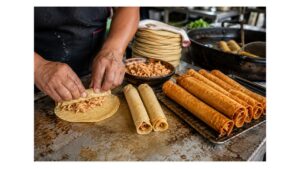
Each turn of tortilla creates another layer between the hot oil and the filling. That gives a flauta a different geometry from a folded fried taco. The exterior has more crisp tortilla relative to the amount of filling, which helps explain why crunch plays such an enormous role in the eating experience.
Once the flauta enters sufficiently hot oil, moisture near the tortilla’s surface rapidly begins escaping as steam. The exterior dries, firms, blisters, and browns, while toasted flavors develop and the tortilla becomes rigid enough to maintain the cylinder the cook created before frying.
The filling experiences something different. Protected inside the roll, shredded meat can remain tender, potato can stay soft and creamy, beans can remain dense and savory, and cheese can soften while the tortilla surrounding everything becomes progressively crisper.
That contrast is the engineering of the flauta: brittle outside, tender inside.
Shape also changes what happens after frying. A long rolled tortilla gives salsa, crema, and cheese a narrow raised surface to cling to. Some sauce runs between neighboring flautas, some settles into blisters and cracks, and some immediately begins returning moisture to the tortilla, slowly softening the shell that the cook just worked so carefully to crisp.
A flauta therefore continues changing even after it leaves the fryer. Fresh from the oil, the shell can be intensely crisp. Dress it with crema and salsa and the outermost surface begins absorbing moisture while protected portions remain brittle. Take a bite quickly enough and you can experience both conditions at once: a softened patch beneath the salsa followed immediately by a sharp crack from a still-dry edge.
The roll therefore does far more than make the food resemble a flute. It determines the ratio of tortilla to filling, helps control the filling during frying, creates the characteristic cylindrical structure, influences how toppings sit on the finished food, and produces the crunch that announces the dish before you have completely tasted what’s inside.
This is why defining a flauta solely as “a long taquito” doesn’t teach us very much. Before comparing it with its crispy relatives, it deserves to be understood on its own terms.
A FLAUTA GETS ITS IDENTITY FROM THE ROLL—A TIGHT CYLINDER THAT TURNS TORTILLA, FILLING AND HOT OIL INTO A CRISP SHELL BUILT AROUND A TENDER CENTER.
 🌶️ Professor Pepper Says…
The shape of a flauta changes more than its appearance. Rolling increases the amount of crisp tortilla surrounding the filling, so restraint matters: too much filling or moisture makes the tortilla harder to close and more likely to open during frying.
🌶️ Bring the Flavor Home
The crisp fried tortilla, savory filling, cooling crema, and fresh toppings of a flauta create plenty of room for chile flavor. Explore Peppers of Key West hot sauces when you want to add anything from bright, approachable heat to something considerably more adventurous without losing the crunch underneath.
Flautas vs. Taquitos: What’s Actually the Difference?
Few Mexican food questions produce more confident answers than the difference between a flauta and a taquito. The problem is that those answers do not always agree.
One explanation says flautas are long while taquitos are short. Another says flautas are made with flour tortillas and taquitos with corn. You may also encounter claims assigning each food to particular regions of Mexico or insisting that one distinction is the definitive rule separating the two.
Those explanations can describe real preparations and local conventions. What they cannot do reliably is explain every flauta and taquito prepared across Mexico.
That becomes obvious once you leave the neat world of definitions and look at the food itself. A cook may tightly roll a corn tortilla around shredded chicken, fry it until crisp, and call the result a flauta. Somewhere else, something remarkably similar may be called a taquito. A particularly long rolled tortilla may make the flute comparison visually obvious, while another flauta may be considerably shorter without suddenly becoming a different food.
The tortilla question is equally slippery. Flour tortillas are sometimes strongly associated with flautas in descriptions of the dish, and flour-tortilla versions certainly exist. But treating flour as a universal requirement ignores flautas made with corn tortillas. Likewise, corn tortillas are common in taquitos without giving us a rule capable of classifying every rolled fried taco in Mexico.
This is where the larger idea of tacos dorados becomes especially useful. Our Tacos Dorados Explained: Mexico’s Golden Fried Tacos and the Crispy Tradition Behind Them guide looks at the broader family of filled tortillas fried until golden and crisp. Some tacos dorados are folded. Others are rolled. Within that larger fried-taco tradition, names such as flautas and taquitos can provide more specific information while still overlapping around the edges.
Think of the relationship less like separate boxes and more like a family tree whose branches sometimes cross.
Taquito literally means “little taco,” while flauta means “flute.” Those words already emphasize different characteristics. One points toward size; the other toward shape. Neither word, by itself, gives us a national culinary regulation specifying an exact tortilla diameter, finished length, filling, or frying time.
That does not mean the distinction is useless.
If a restaurant serves especially long, slender fried rolls and calls them flautas, the name is communicating something meaningful about how that kitchen understands the dish. If another place distinguishes its taquitos from its flautas by tortilla type, that distinction matters there. Regional and restaurant vocabulary can be internally consistent without becoming a universal rule for every Mexican kitchen.
The useful question therefore isn’t “Which definition wins?” It is “What does this cook mean by flauta?”
That approach respects the food more than forcing every preparation into categories created after the fact. Mexican culinary vocabulary developed through regional cooking, family traditions, migration, restaurants, markets, and everyday repetition. Similar foods can acquire different names, and the same name can stretch around slightly different preparations.
For a traveler, that uncertainty can actually make eating more interesting. If you see flautas on a menu, notice whether they are corn or flour, how long they are, what they contain, and how they are served. If another restaurant presents something similar under a different name, you have not discovered a culinary mistake.
You have discovered how food vocabulary travels.
FLAUTAS AND TAQUITOS OVERLAP BECAUSE MEXICAN FOOD IS A LIVING TRADITION—THE NAMES MATTER, BUT THEY DON’T ALWAYS CREATE PERFECTLY SEALED CATEGORIES.
What Goes Inside Mexican Flautas?
Once a tortilla is rolled tightly enough to become a flauta, the filling has to live within some fairly strict architectural limits. That is why shredded meats work so naturally. Chicken can be cooked until tender, pulled into narrow strands, seasoned, and distributed along the tortilla without creating large obstacles to rolling. Shredded beef behaves similarly, giving the finished flauta a richer interior while remaining compact enough to fit inside the narrow cylinder.
Potato takes the experience in another direction. A well-seasoned potato filling remains soft and creamy while the tortilla surrounding it becomes brittle and crisp. The contrast can be especially satisfying beneath salsa verde, crema, cheese, and shredded lettuce, where an inexpensive ingredient becomes part of a dish built around temperature and texture rather than luxury.
Beans and cheese can work according to the same principle. Thick beans stay relatively controlled inside the tortilla, while cheese can soften as the exterior crisps. What matters is not whether a filling sounds impressive before frying, but whether it behaves properly once enclosed.
The flauta rewards restraint.
An oversized filling creates problems before the food ever reaches the oil. The tortilla becomes harder to roll tightly, the seam is more likely to open, and chunks of meat or excessive moisture can interfere with even frying. A relatively modest amount of filling may look sparse on the work surface, but the equation changes once several flautas are plated beneath lettuce, crema, cheese, salsa, and avocado.
That restraint also helps preserve the defining ratio of the dish. Flautas are not meant to become burrito-sized tubes dominated by their interiors. The rolled tortilla is supposed to remain noticeable. Its toasted flavor and crisp structure are part of what you ordered.
This is another reason seemingly humble fillings can work so well. Chicken, potato, beans, cheese, and shredded beef do not need to compete for attention with elaborate ingredients. The technique creates the excitement: something tender is enclosed within something increasingly crisp, then both are contrasted with whatever the cook adds after frying.
THE BEST FLAUTA FILLING DOESN’T OVERPOWER THE TORTILLA—IT GIVES THE CRISP SHELL SOMETHING TENDER, SAVORY AND SATISFYING TO PROTECT.
How Mexican Flautas Are Fried Until Golden and Crisp
Watch a practiced cook make flautas during a busy service and the sequence can happen quickly enough to disguise how much technique is involved.
Warm tortilla. Filling. Roll. Oil. Drain. Dress.
The cook may repeat that sequence dozens of times, but each step prepares the flauta for the one that follows. A tortilla that cracks cannot form a tight cylinder. An overfilled roll may open in the pan. Oil at the wrong temperature can undermine the texture, while toppings added too early can begin softening the shell before anyone gets a chance to enjoy it.
The first challenge is keeping the roll together. Once the filling has been arranged in a narrow line, the tortilla is wrapped tightly enough that the layers support one another. Depending on the kitchen and preparation, cooks may position the seam carefully during frying or use other practical methods to help the flauta hold its shape while the tortilla begins firming.
Then hot oil takes over.
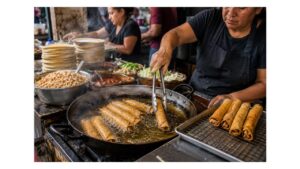
Frying surrounds much of the rolled tortilla with hot fat, transferring heat rapidly into its surface. Moisture begins escaping as steam, producing the bubbling visible around the flautas. As the surface loses moisture, the tortilla stiffens and develops the blistering, toasted flavor, and golden color associated with a properly fried shell.
The sound changes too. A freshly added tortilla can trigger vigorous bubbling as surface moisture escapes. As frying progresses, an experienced cook watches the color and surface while listening to what is happening in the pan. The process is less about obeying one universal number of minutes than recognizing the physical signs that the tortilla has become what the dish requires.
Golden matters here for the same reason it matters throughout the tacos dorados family. The Spanish word dorado describes that desirable golden-brown state, while crujiente describes the crisp texture the cook is trying to create. A flauta shouldn’t simply be fried; it should emerge dorado and crujiente.
That distinction helps explain why oil temperature matters. Oil that is too cool can extend frying while the tortilla absorbs more fat and struggles to develop the desired crisp exterior efficiently. Excessive heat can darken the outside before the flauta has heated properly through. Good frying occupies the useful territory between those extremes, where moisture escapes rapidly enough for the shell to crisp while the filling warms inside.
Once the flautas reach the right color and rigidity, they leave the oil and drain briefly. That moment may not look dramatic, but it matters: excess surface oil needs somewhere to go before crema, salsa, cheese, and other toppings arrive.
Then the cook begins deliberately undoing some of the dryness the fryer just created.
FRYING BUILDS THE FLAUTA’S STRUCTURE BY DRIVING OUT MOISTURE—THE ART IS STOPPING WHEN THE TORTILLA IS GOLDEN, TOASTED AND CRISP RATHER THAN SIMPLY LEAVING IT IN THE OIL LONGER.
🌶️ Professor Pepper Says…
Watch the tortilla rather than thinking only about frying time. Color, bubbling, blistering, and firmness tell you what is happening to the flauta as moisture leaves its surface. The goal isn’t merely “fried”—it’s golden and crisp.
Why Salsa, Crema, Cheese & Avocado Belong on Flautas
The moment a freshly fried flauta leaves the oil, the cook has created something hot, dry, crisp, and relatively rich. The toppings move almost entirely in the opposite direction. Shredded lettuce or cabbage brings freshness and a lighter kind of crunch. Crema contributes coolness, moisture, and dairy richness. Crumbled or grated cheese adds salt and another layer of richness. Avocado or guacamole provides a softer, buttery texture. Salsa introduces acidity, chile, aroma, and enough liquid to begin changing the fried tortilla immediately.
That opposition is what makes the plate work. A naked flauta can be delicious because the tortilla and filling have already developed contrast during frying. Dress it well, however, and every bite becomes more complicated: crisp shell meets soft filling, hot tortilla meets cool crema, and fried richness meets salsa’s acidity. Fresh lettuce interrupts the heavier textures, while avocado softens the chile and salt around it.
The toppings aren’t hiding the flauta. They’re completing the contrast the fryer started.
Salsa deserves particular attention because it can change the personality of the entire plate. Salsa verde built around tomatillo and green chile can bring bright acidity to chicken or potato. Salsa roja may contribute roasted tomato, garlic, dried chile, or deeper toasted flavors. A hotter salsa can push a mild filling forward, while a smokier one can reinforce the toasted notes already developed during frying.
There is also a clock running once the salsa touches the tortilla. Frying removed moisture to create crispness; salsa begins putting moisture back, while crema does the same more gently. Wherever those toppings remain in contact with the shell, the tortilla gradually softens.
That isn’t necessarily a flaw. A freshly dressed plate can produce bites that are crisp along one edge, slightly softened beneath the salsa, creamy on top, and tender at the center. Wait too long, however, and the balance shifts increasingly toward softness. Flautas therefore reward eating while those contrasts are still changing.
A GREAT PLATE OF FLAUTAS IS BUILT ON OPPOSITES—HOT AND COOL, CRISP AND CREAMY, RICH AND ACIDIC, ALL MEETING ON THE SAME ROLLED TORTILLA.
Where Flautas Fit in Mexico’s Antojito Tradition
To understand why a plate this elaborate can still feel like everyday food, it helps to understand the Mexican idea of the antojito.
The word comes from antojo—a craving or desire—and antojito is often translated as “little craving.” But the English translation can make the category sound more delicate than it really is. An antojito does not necessarily mean a tiny snack. It can be substantial enough to become lunch, dinner, or the plate that sends you looking for somewhere to sit down afterward.
Flautas fit naturally into this world alongside foods such as sopes, gorditas, quesadillas, tostadas, tlacoyos, tacos dorados, and other preparations built from tortillas, masa, fillings, salsa, toppings, and practiced cooking techniques.
What connects these foods isn’t one shape or one ingredient. It is the way everyday ingredients become immediately satisfying food through preparation.
A tortilla is inexpensive. Chicken or potato can be familiar household ingredients. Lettuce, crema, cheese, and salsa are hardly extravagant on their own. Yet frying changes the tortilla, rolling changes the ratio of shell to filling, and dressing the finished flautas creates layers of temperature, texture, richness, acidity, freshness, and chile.
Technique creates value long before expensive ingredients enter the conversation.
That helps explain why flautas can belong equally comfortably in a family kitchen, neighborhood fonda, market stall, or antojito restaurant. Fillings can be prepared ahead, tortillas warmed and rolled efficiently, and batches fried as customers order. At home, the same preparation can feed a table of people from ingredients that are familiar and adaptable.
The setting changes the experience without changing the underlying appeal.
At a market counter, you might watch flautas travel directly from fryer to plate while another customer reaches across you for salsa. At a fonda, they may arrive as a substantial comida with generous toppings and accompaniments. At home, the platter may be placed in the center of the table while everyone argues pleasantly about which salsa should go where.
None of those environments requires the flauta to become precious.
It only needs to be good.
FLAUTAS SHOW WHAT ANTOJITO CULTURE DOES SO WELL: TURN FAMILIAR TORTILLAS, HUMBLE FILLINGS AND EVERYDAY TOPPINGS INTO FOOD PEOPLE SPECIFICALLY GO OUT OF THEIR WAY TO CRAVE.
How Flautas Change Across Mexico
Knowing what a flauta is does not mean you can predict exactly what will arrive every time you order one in Mexico. That is part of the fun. One kitchen may serve long corn-tortilla flautas filled with chicken and covered generously with lettuce, crema, cheese, avocado, and salsa verde. Somewhere else, the tortillas may be flour. Beef may replace chicken, potato may appear, and the rolls may be dramatically long or considerably more compact. One restaurant may use flautas where another cook would reach for a different name.
Those differences reflect something much larger than the dish itself. Mexican regional cooking developed through Indigenous food traditions, local agriculture, climate, migration, livestock, available chiles, urban food culture, family cooking, and countless exchanges among regions and communities. Our Mexican Street Food by Region: How Flavor Changes from Baja to the Yucatán guide explores that broader culinary geography, and flautas provide another example of why regional variation matters.
A preparation can travel without remaining frozen. As cooks adapt a food to local tortillas, ingredients, preferences, and vocabulary, the dish can change while retaining enough of its underlying identity to remain recognizable. With flautas, the tightly rolled and fried tortilla provides that powerful visual and textural connection even when other details move around it.
This is also where the flauta-versus-taquito question becomes easier to live with. If you expect Mexican food vocabulary to function like a nationally standardized technical manual, variation looks like contradiction. If you understand food as something carried by people and places, variation becomes evidence.
Food vocabulary has geography. So does flavor.
For travelers, the best response is curiosity. Notice what kind of tortilla the kitchen uses, look at the length of the rolls, ask what is inside them, and pay attention to which salsa regular customers choose and whether the plate is lightly garnished or almost buried beneath toppings. Those observations will teach you more about the flautas in front of you than memorizing an internet rule and trying to enforce it from the table.
THERE ISN’T ONE PLATE OF FLAUTAS THAT CAN SPEAK FOR EVERY KITCHEN IN MEXICO—THE ROLL CONNECTS THE TRADITION WHILE REGIONS, COOKS AND FAMILIES GIVE IT LOCAL CHARACTER.
Where and How to Eat Flautas in Mexico
The best place to understand flautas is not necessarily the restaurant with the longest description on the menu. Sometimes it is the counter where you can hear the fryer.
Flautas belong comfortably in the everyday world of Mexican fondas, mercados, neighborhood antojito restaurants, casual lunch counters, and family kitchens. In those settings, the dish does not need an elaborate presentation to announce itself. A cook pulls several crisp rolls from the oil, lets them drain, arranges them on a plate, and begins adding whatever combination of lettuce, crema, cheese, salsa, avocado, or other accompaniments belongs to that kitchen.
Then the plate moves quickly.
That speed matters because flautas are unusually sensitive to time. The shell is at its crispest shortly after frying, while salsa and crema immediately begin softening whatever parts of the tortilla they touch. Eating them close to the fryer lets you experience the dish during that brief overlap when some surfaces remain brittle while others have already absorbed enough moisture to become slightly tender.
For a traveler, that means the most interesting flautas may be the ones that arrive without much ceremony but with very little distance between fryer and table.
It also means there is something to learn before taking the first bite. Look at the tortilla. Is it corn or flour? Notice the length and tightness of the roll. See whether the flautas are lightly dressed or almost hidden beneath toppings. Watch which salsa other customers reach for. If the kitchen offers several fillings, notice whether chicken, beef, potato, beans, or cheese dominate the menu.
Those details tell you how this particular kitchen understands flautas.

This is also where the flauta-versus-taquito debate becomes considerably less urgent. If the kitchen calls them flautas, serves them beautifully crisp, and has customers coming back for them, correcting the terminology from your chair is unlikely to improve lunch.
Curiosity will.
Ask what is inside, try the house salsa, notice the tortilla, and pay attention to how the toppings change the crunch. Compare the plate with flautas you encounter somewhere else. The goal of eating regional food isn’t to prove that you memorized the definition. It’s to discover what the definition looks like here.
That approach applies far beyond flautas. Mexican food becomes considerably more interesting when regional differences stop looking like inconsistencies that need correction and start looking like clues about ingredients, history, geography, and the people doing the cooking.
THE BEST WAY TO UNDERSTAND FLAUTAS IN MEXICO ISN’T TO SEARCH FOR ONE PERFECT VERSION—IT’S TO NOTICE WHAT EACH KITCHEN DOES WITH THE ROLL, THE FILLING, THE FRYER AND THE PLATE.
How to Make Authentic-Style Flautas at Home
Making flautas at home begins with a useful realization: the toppings may make the finished plate look elaborate, but the underlying technique is remarkably economical.
You need tortillas flexible enough to roll, a filling that can remain compact, oil for frying, and toppings that create the contrasts we’ve been following throughout this guide. The difficulty is not assembling a long ingredient list. It is controlling moisture, shape, and timing.
Start with the filling. Shredded chicken or beef should be tender and flavorful but not swimming in liquid. Potato should be seasoned and thick enough to remain inside the tortilla, while beans should likewise be relatively dense rather than loose and soupy. Whatever filling you choose, remember that more is not automatically better.
Warm the tortillas until they become pliable enough to roll without splitting. Place a restrained strip of filling slightly off center, then roll the tortilla into a tight cylinder. The goal is to eliminate unnecessary empty space without forcing so much filling inside that the seam struggles to remain closed. That is the architecture we saw in the Mexican kitchen earlier.
When it is time to fry, work carefully with hot oil and avoid crowding the pan. The flautas need enough room for hot oil to circulate around their surfaces and for you to manipulate them safely. Fry until the tortillas become firm, blistered, and attractively golden rather than relying solely on a predetermined cooking time. Once they reach that point, drain them briefly, dress them, and eat while the shells are still crisp.
A simple combination of shredded lettuce, Mexican crema, crumbled cheese, salsa, and avocado can recreate the basic system of contrasts that makes the dish work. You can certainly adapt the toppings to what you have available, but preserving the relationship among crispness, richness, freshness, acidity, and chile matters more than reproducing one restaurant’s exact plate.
Salsa should be chosen with the filling in mind. Bright salsa verde can work beautifully with chicken or potato. A deeper salsa roja can complement beef, while a hotter chile sauce can bring intensity to milder fillings. The important thing is remembering that sauce is not merely decoration: it contributes flavor while simultaneously beginning to soften the fried tortilla beneath it.
That creates one final lesson for the home cook:
Do not make beautifully crisp flautas and then make them wait for everyone else.
Have the lettuce shredded, crema ready, cheese crumbled, salsa on the table, and avocado prepared before the first batch leaves the oil. Flautas are at their best when the kitchen is ready for them—not when they are waiting for the kitchen.
GREAT HOMEMADE FLAUTAS DEPEND LESS ON A COMPLICATED RECIPE THAN ON GOOD SEQUENCING—PREPARE THE FILLING, ROLL TIGHTLY, FRY UNTIL CRISP, DRESS QUICKLY AND EAT WHILE THE CONTRASTS ARE STILL ALIVE.
🌶️ Recommended Peppers of Key West Products for Flautas
Flautas already bring richness, crunch, savory filling, cooling crema, fresh toppings, and often avocado or cheese to the plate. That makes chile sauce particularly useful because it can contribute heat, acidity, fruitiness, garlic, smoke, or brightness without requiring the cook to change the underlying dish.
The best pairing depends largely on what is inside the flauta and what kind of salsa or toppings are already on top.
Product Pairing Quick Guide
- Chicken Flautas → Peppers of Key West Cayenne Pepper Hot Sauce
- Beef Flautas → Peppers of Key West Habanero Pepper Hot Sauce
- Potato or Cheese Flautas → Peppers of Key West Serrano Pepper Hot Sauce
- Flauta Platter for the Table → Peppers of Key West 5 Sauce Heat Collection
🌶️ Best Peppers of Key West Sauces for Flautas
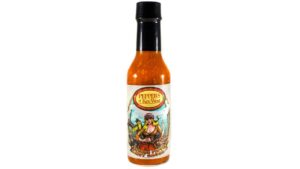
Peppers of Key West Cayenne Pepper Hot Sauce
Chicken flautas benefit from a hot sauce that adds lively pepper flavor without overwhelming the shredded chicken, crisp tortilla, crema, cheese, and fresh toppings. Peppers of Key West Cayenne Pepper Hot Sauce brings an approachable kick that can work alongside salsa rather than competing with everything already happening on the plate.
Drizzle it over chicken flautas just before eating, or put it on the table and let everyone control their own heat. It is an especially natural match with chicken, crema, lettuce, avocado, lime, and crisp fried tortillas.
Best With: Chicken flautas, shredded chicken tacos, quesadillas, eggs, nachos, and other everyday Mexican-inspired dishes.
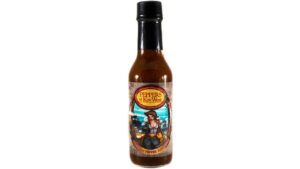
Peppers of Key West Habanero Pepper Hot Sauce
The richer flavor of shredded beef gives you room to push the heat higher. Peppers of Key West Habanero Pepper Hot Sauce brings considerably more intensity, making it a strong partner for savory beef while crema, cheese, and avocado provide cooling contrast.
Use it selectively rather than burying the flauta. A few drops can add a fiery counterpoint to beef, salsa roja, crema, cheese, avocado, and the toasted flavor of the fried tortilla while allowing the filling to remain part of the experience.
Best With: Beef flautas, carne asada, tacos, burritos, grilled beef, nachos, and other richer meat dishes.
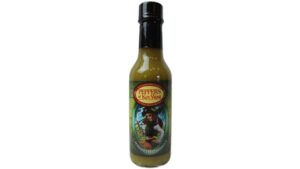
Peppers of Key West Serrano Pepper Hot Sauce
Mild fillings give chile flavor an opportunity to become more noticeable. Peppers of Key West Serrano Pepper Hot Sauce is an excellent choice for potato or cheese flautas, where its pepper-forward heat can wake up a creamy filling without requiring the extreme intensity of a superhot sauce.
Pair it with potato, melted cheese, beans, salsa verde, crema, avocado, and lime. The combination works particularly well when you want the hot sauce to provide some of the brightness and chile character that the filling itself intentionally leaves open.
Best With: Potato flautas, cheese flautas, bean dishes, quesadillas, breakfast tacos, nachos, and roasted vegetables.
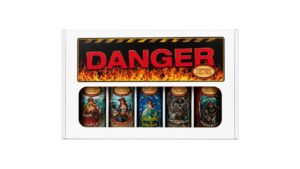
Peppers of Key West 5 Sauce Heat Collection
A platter of flautas is exactly the kind of meal where one hot sauce does not have to make everyone happy. The Peppers of Key West 5 Sauce Heat Collection turns the table into a heat-tasting experience, letting everyone explore different levels of chile intensity while eating the same crisp, freshly dressed flautas.
Set the collection beside a mixed platter of chicken, beef, potato, bean, and cheese flautas and let each person find the combination that works for them. It also gives adventurous eaters room to climb the heat ladder without forcing the entire table to follow.
Best With: Flauta platters, taco night, nachos, quesadillas, wings, grilled meats, and build-your-own Mexican food spreads.
Why Flautas Remain One of Mexico’s Great Crispy Foods
A flauta begins with ingredients so familiar that none of them necessarily announces what the finished dish is going to become: a tortilla, a modest amount of filling, hot oil, salsa, crema, cheese, and perhaps lettuce, avocado, or a squeeze of lime.
The transformation comes from what the cook asks those ingredients to do.
The tortilla must bend before it can become rigid. The filling must remain restrained so the roll can stay tight. Frying removes moisture until the shell becomes golden and brittle, then salsa and crema begin returning moisture almost as soon as the flauta reaches the plate. The dish is built around change.
That helps explain why the shape matters so much. Rolling the tortilla creates the narrow cylinder that gives the flauta its name, but it also determines the relationship between shell and filling, changes how the tortilla fries, creates a surface for toppings, and produces the distinctive crack that makes the first bite memorable.
It also explains why the argument over flautas and taquitos can only take us so far. Names matter because food vocabulary carries regional and cultural meaning, but Mexican cooking does not become more authentic when we force every kitchen into a definition that the cooks themselves do not universally follow. A flauta may be exceptionally long or considerably shorter. Corn tortillas appear, flour tortillas appear, and chicken, beef, potato, beans, and cheese can all find their way inside. Toppings and terminology move from place to place.
Yet the central idea remains remarkably recognizable. A tortilla wraps tightly around something tender, hot oil turns the outside crisp, and the finished roll becomes a platform for the cool, acidic, spicy, creamy, and fresh flavors added at the table.
That is the flauta.
Not simply a long taquito or merely another fried taco, and certainly not a food improved by forcing every version into one rigid definition. It is a lesson in how Mexican cooking can create enormous character from familiar ingredients through shape, technique, timing, and contrast.
And if someone at the next table calls something remarkably similar a taquito?
You now know enough to keep eating.
FLAUTAS ENDURE BECAUSE THE IDEA IS SIMPLE AND THE EXPERIENCE ISN’T—ONE TIGHTLY ROLLED TORTILLA CAN DELIVER CRUNCH, TENDERNESS, HEAT, COOLNESS, RICHNESS AND ACIDITY IN THE SAME BITE.
Frequently Asked Questions About Flautas
Are flautas and taquitos the same thing?
Not exactly, although the terms can overlap. Flautas are often associated with longer, tightly rolled tortillas, while taquito means “little taco.” Size, tortilla type, and terminology can vary by region and kitchen.
Are flautas made with corn or flour tortillas?
Both. Corn tortillas are common for Mexican flautas, but flour-tortilla versions also exist. There is no universal rule requiring every flauta to use one particular tortilla.
Why are they called flautas?
Flauta means “flute” in Spanish. The name refers to the long, narrow shape created when a tortilla is tightly rolled around its filling before frying.
What is the difference between flautas and tacos dorados?
Tacos dorados is a broader family of tortillas fried until golden and crisp. They may be folded or rolled, while flautas are especially recognizable by their tightly rolled, flute-like shape.
What are traditional flauta fillings?
Common fillings include shredded chicken, beef, potato, beans, and cheese. Good flauta fillings are flavorful but compact enough to remain inside the tortilla during rolling and frying.
Why do my flautas open while frying?
Flautas can open when tortillas are too stiff, rolls are too loose, or too much filling is used. Warm the tortillas until pliable, use a restrained amount of filling, and roll them tightly.
How do you keep flautas crispy?
Fry them until golden and crisp, drain them briefly, and add wet toppings just before serving. Salsa and crema begin softening the tortilla as soon as they touch it.
What toppings traditionally go on flautas?
Common toppings include shredded lettuce or cabbage, Mexican crema, crumbled or grated cheese, salsa roja or salsa verde, avocado or guacamole, and sometimes fresh lime.
What salsa is best with flautas?
It depends on the filling. Salsa verde works especially well with chicken or potato, while salsa roja complements beef. Hotter chile sauces can add contrast to milder cheese, bean, or potato fillings.
Can flautas be made ahead of time?
Prepare the fillings and toppings ahead, but fry and dress the flautas close to serving time. This preserves the crisp tortilla and the contrast between the hot shell and cool toppings.
Are flautas considered Mexican street food?
Yes. Flautas belong broadly to Mexico’s antojito tradition and can be found in markets, fondas, casual restaurants, food stands, and home kitchens.
How spicy are Mexican flautas?
Flautas do not have to be spicy. Much of their heat usually comes from salsa or hot sauce, allowing chicken, beef, potato, bean, or cheese flautas to range from mild to very hot.
🌮 Continue Your Mexican Street Food Journey
🌯 More Mexican Street Foods Worth Trying
- Taquitos Explained: Mexico’s Crispy Rolled Tacos Everyone Loves
- Tacos Dorados Explained: Mexico’s Golden Fried Tacos and the Crispy Tradition Behind Them
- Tostadas Loaded with Crispy Crunch, Seafood, Meat & Bold Mexican Flavor
- Sopes Explained: Thick Corn Cakes Loaded with Street Food Flavor
- Gorditas Explained: Mexico’s Stuffed Corn Pockets Deserve More Love
- Tlacoyos Explained: Mexico City’s Ancient Stuffed Corn Street Food
- Quesabirria Tacos & Crispy Cheese Street Food Chaos Worth Every Messy Bite
- Mexican Street Food Dishes Explained: Your Complete Guide to Authentic Mexican Favorites
🌶️Expand Your Mexican Food Journey
- What Is Masa? The Ancient Corn Dough Behind Authentic Mexican Street Food
- Best Mexican Street Taco Meats: The Ultimate Guide to Authentic Taco Flavor
- Best Taco Toppings for Taco Night: Fresh, Spicy & Crowd-Pleasing Favorites
- Mexican Street Food by Region: How Flavor Changes from Baja to the Yucatán
See More Keywords
Mexican street food, Mexican antojitos, antojitos mexicanos, rolled tacos, crispy rolled tacos, taquitos, flauta meaning, Mexican tortilla dishes, corn tortilla flautas, flour tortilla flautas, shredded chicken flautas, shredded beef flautas, potato flautas, cheese flautas, salsa verde for flautas, salsa roja for flautas, Mexican crema, queso fresco, guacamole, crispy fried tortillas, Mexican fried foods, traditional Mexican food, Mexican fonda food, Mexican market food, Mexican regional food, Mexican salsa, homemade flautas, authentic flautas
