
Chile de Árbol Explained: Flavor, Heat, Uses & Why This Mexican Chile Packs a Fiery Punch
Chile de árbol is proof that Mexico doesn’t need a giant pepper to start a small culinary fire.
Long, slender, bright red, and usually dried until its skin turns smooth and glossy, this little chile looks innocent enough sitting beside an ancho or guajillo. Then you taste it. Suddenly the tortilla chips are disappearing faster, somebody is looking for a cold drink, and that tiny pepper has everyone’s full attention.
But chile de árbol isn’t simply about heat. Its clean, sharp spiciness, lightly smoky and nutty flavor, and ability to remain intensely flavorful when dried have made it a Mexican cooking essential. From fiery table salsas and taco sauces to soups, marinades, oils, and Guadalajara’s famous tortas ahogadas, here’s why this skinny red chile deserves considerably more respect than its size suggests.
Walk through a Mexican market where dried chiles hang in bundles and fill bins by the kilogram, and chile de árbol is difficult to miss. Long, narrow red pods create flashes of brilliant color among the darker, broader shapes of ancho, pasilla, and other dried peppers.
Their appearance provides a useful warning.
These aren’t mild dried chiles added primarily for sweetness, fruitiness, or deep earthy complexity. Chile de árbol brings heat.
Native to Mexico and belonging to Capsicum annuum, chile de árbol typically reaches about 15,000–30,000 Scoville Heat Units, putting it well above the average jalapeño while remaining far below extreme peppers such as habaneros, ghost peppers, and Carolina Reapers. That middle territory makes it particularly useful in cooking: hot enough to transform a salsa, but manageable enough to use as an actual culinary ingredient rather than simply a test of endurance.
Its importance goes well beyond the Scoville scale.
Chile de árbol develops a distinctive clean, direct heat accompanied by grassy, lightly smoky, earthy, and nutty characteristics. The peppers are frequently dried, allowing cooks to toast, fry, simmer, grind, or blend them into foods where both flavor and heat matter.
That versatility has made chile de árbol especially important in Mexican salsa traditions. A handful of toasted dried peppers can turn tomatoes, tomatillos, garlic, and other simple ingredients into an intensely flavored table salsa capable of waking up tacos, eggs, grilled meats, beans, and countless other foods.
For a broader look at how individual peppers develop their distinctive flavors, heat levels, culinary uses, and identities, explore our Chile Pepper Guide: Flavor, Heat, Uses & Individual Peppers Explained. It connects chile de árbol to the larger world of fresh, dried, smoked, regional, and superhot peppers—and helps explain what makes each chile different.
And chile de árbol gives us an especially good lesson.
SMALL PEPPERS DON’T NEED SUPERHOT SCOVILLE NUMBERS TO COMPLETELY CHANGE A DISH.
Chile de Árbol Snapshot
Pronunciation: CHEE-leh deh AR-bohl
Spanish Name: Chile de árbol
Origin: Mexico
Species: Capsicum annuum
Scoville Heat: Approximately 15,000–30,000 SHU
Heat Level: Hot
Flavor: Clean, sharp, grassy, lightly smoky, earthy, and nutty
Color: Green when immature, bright red when ripe
Shape: Long, slender, narrow pods
Best Uses: Salsas, taco sauces, marinades, soups, chile oils, hot sauces, and seasoning blends
Common Forms: Fresh, dried, toasted, crushed, powdered, and blended into sauces
Best Substitute: Cayenne for comparable heat; pequin or other small hot dried chiles when appropriate
Quick Guide
What does chile de árbol taste like?
Chile de árbol has a relatively clean, sharp chile flavor with grassy, earthy, lightly smoky, and somewhat nutty notes. Its flavor is less sweet and fruity than many larger Mexican dried chiles.
How hot is chile de árbol?
Chile de árbol generally measures around 15,000–30,000 Scoville Heat Units, making it substantially hotter than a typical jalapeño but considerably milder than a habanero.
Is chile de árbol usually fresh or dried?
Both forms exist, but dried chile de árbol is especially common in Mexican cooking. Drying preserves its bright red color and concentrated heat, making it excellent for salsas and sauces.
What is chile de árbol used for?
It is commonly toasted or cooked into Mexican table salsas, taco sauces, marinades, soups, chile oils, hot sauces, and other preparations where concentrated pepper heat is desirable.
Is chile de árbol the pepper used in tortas ahogadas?
Chile de árbol is strongly associated with the fiery salsa accompanying Guadalajara’s tortas ahogadas. Jalisco is also home to the geographically protected regional Chile Yahualica, a celebrated chile de árbol tradition.
What can substitute for chile de árbol?
Cayenne can provide a reasonably similar level of direct heat, although the flavor isn’t identical. Other small dried Mexican chiles may work depending on whether heat or authentic flavor is the priority.
What Is Chile de Árbol?
Chile de árbol is a small, slender hot pepper from Mexico that becomes particularly recognizable after ripening and drying. Mature pods develop a vivid red color and typically retain a smoother, brighter exterior than the deeply wrinkled surfaces associated with many larger dried Mexican chiles.
The Spanish name literally translates to “tree chile.” The name is associated with the pepper plant’s woody, upright growth habit rather than suggesting that chile peppers actually grow on trees.
What makes chile de árbol especially valuable is the relationship between its size, concentrated heat, and relatively direct flavor.
Large dried Mexican chiles such as ancho and guajillo often contribute substantial body, sweetness, fruitiness, or earthy depth to sauces. Chile de árbol can play a different role. A cook may use larger mild chiles to establish the foundation of a sauce, then introduce chile de árbol to sharpen the heat.
That makes understanding chile de árbol useful far beyond memorizing another pepper name.
It teaches one of the central principles of Mexican chile cooking:
Different chiles can perform different jobs in the same dish.
Some provide color.
Some provide sweetness.
Some provide fruitiness or earthiness.
And some—like chile de árbol—can provide the fiery edge that brings the entire preparation into focus.
 🌶️ Professor Pepper Says…
Don’t assume that a dried chile is automatically milder than a fresh one. Drying removes moisture and changes flavor, but the pepper’s capsaicin remains. With chile de árbol, that means a small dried pod can still deliver a surprisingly concentrated punch.
How Hot Is Chile de Árbol? Scoville Heat Explained
Chile de árbol may be small and slender, but it occupies an important place on the pepper heat spectrum.
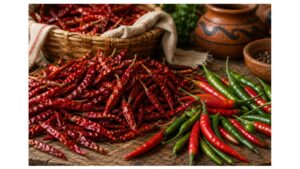
Most chile de árbol peppers measure approximately 15,000–30,000 Scoville Heat Units (SHU). That makes them considerably hotter than the average jalapeño and generally hotter than many serranos, yet still far removed from the extreme heat of habaneros and superhot peppers.
For perspective:
Jalapeño: 2,500–8,000 SHU
Serrano: 10,000–23,000 SHU
Chile de Árbol: 15,000–30,000 SHU
Cayenne: 30,000–50,000 SHU
Habanero: 100,000–350,000 SHU
Those numbers help explain why chile de árbol works so well in Mexican cooking. It delivers enough capsaicin to make its presence unmistakable without forcing cooks to use microscopic quantities.
A salsa containing chile de árbol can be genuinely fiery while still allowing roasted tomatoes, tomatillos, garlic, onion, herbs, and other chiles to contribute their own flavors.
The heat also tends to feel relatively quick, sharp, and direct. Instead of the intensely fruity burn associated with habanero or the overwhelming sustained heat of superhot peppers, chile de árbol can provide a bright burst of fire that wakes up the entire dish.
Individual peppers can vary, of course. Growing conditions, ripeness, genetics, and preparation all influence the experience of heat.
And there’s another important lesson here: size tells you almost nothing about how hot a chile will be.
A large poblano may be extremely mild. A skinny little chile de árbol can make an entire bowl of salsa noticeably hot.
CHILE DE ÁRBOL DOESN’T NEED SUPERHOT NUMBERS TO COMMAND YOUR ATTENTION—15,000 TO 30,000 SHU IS PLENTY WHEN THE PEPPER IS USED WELL.
🌶️ Professor Pepper Says…
The Scoville scale measures the concentration of capsaicinoids responsible for chile heat—it doesn’t measure how flavorful a pepper is. Chile de árbol matters because it delivers useful culinary heat and a distinctive chile character, which is why Mexican cooks use it for far more than simply making food hotter.
What Does Chile de Árbol Taste Like?
Heat may introduce chile de árbol, but flavor is what gives it staying power in the kitchen.
The pepper has a relatively clean, direct chile flavor with grassy, earthy, lightly smoky, and subtly nutty characteristics. Compared with some of Mexico’s larger dried chiles, it isn’t particularly sweet or fruit-forward.
That’s useful.
Ancho peppers can contribute raisin-like sweetness and deep earthy richness. Guajillos can bring brighter fruit and gentle tang. Chipotles introduce unmistakable smoke.
Chile de árbol can cut through those deeper flavors with something sharper.
When dried peppers are lightly toasted before being blended into salsa, their aroma becomes more pronounced and their nutty, toasted qualities can deepen. But there’s an important line between toasting and burning.
Chile de árbol is thin and relatively delicate. It can scorch quickly in a hot pan, and burned dried chiles can become unpleasantly bitter.
A brief toast is often enough.
This is one reason chile de árbol works so well in salsa: it can contribute heat and chile flavor without making the finished sauce excessively heavy or sweet.
Fresh vs. Dried Chile de Árbol: What’s the Difference?
Chile de árbol can be used fresh, but the dried form is the one many cooks encounter most often.
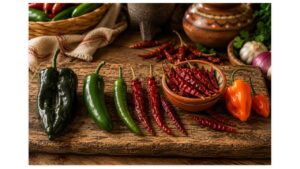
Fresh chile de árbol begins green and eventually ripens to red. In its fresh state, the pepper has a brighter, greener character alongside its considerable heat.
Drying changes the experience.
As moisture leaves the fruit, its flavors become more concentrated and the pepper develops the distinctive red appearance familiar in Mexican markets and kitchens. Unlike broad dried chiles such as ancho, dried chile de árbol remains narrow and relatively smooth-skinned.
The dried pepper is extraordinarily practical.
It stores well.
It can be toasted.
It can be fried briefly in oil.
It can be softened in hot water.
It can be ground into flakes or powder.
And, most importantly, it can be blended into salsa.
That makes dried chile de árbol less of a preserved substitute for the fresh pepper and more of a culinary ingredient with its own identity and uses.
This transformation is part of a much larger story in chile cooking. Drying, smoking, roasting, and ripening can dramatically change what a pepper contributes to food. A green jalapeño can ripen red and eventually become a smoky chipotle; a fresh poblano becomes an ancho when ripened and dried.
Chile de árbol demonstrates the same fundamental principle:
A PEPPER’S STORY DOESN’T END WHEN IT LEAVES THE PLANT—PROCESSING CAN CREATE AN ENTIRELY DIFFERENT CULINARY EXPERIENCE.
How Chile de Árbol Is Used in Mexican Cooking
Chile de árbol’s greatest strength may be its ability to move effortlessly between different kinds of Mexican cooking.
Its most recognizable role is in salsa.
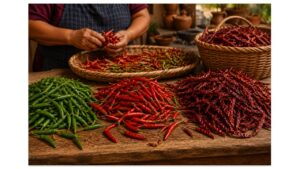
Dried chiles may be toasted or briefly fried before being blended with combinations of tomatoes, tomatillos, garlic, onion, salt, and other ingredients. Because chile de árbol brings substantial heat without the bulky flesh of a large pepper, even a relatively small quantity can transform an entire batch.
But salsa is only the beginning.
Chile de árbol can appear in adobos and marinades, where its direct heat works especially well with pork, beef, and chicken.
Whole dried peppers can flavor soups and broths.
They can be infused into oils, creating a spicy condiment that carries chile flavor into tacos, vegetables, eggs, seafood, and grilled foods.
Ground chile de árbol can contribute heat to seasoning mixtures and dry preparations.
And cooks can combine it with milder dried chiles when they want both complexity and fire.
This last use is particularly important.
Mexican chile cooking often isn’t about finding the one perfect pepper. It’s about understanding what several peppers contribute when used together.
An ancho might provide richness.
A guajillo might contribute fruit and color.
Chile de árbol can supply the heat.
That layering of peppers is one reason Mexican sauces can taste extraordinarily complex even when the ingredient list initially looks simple.
Readers building a broader foundation in Mexican chiles, herbs, seasonings, and traditional cooking vocabulary can also use The Complete Mexican Street Food Guide: Ingredients, Dishes, Regions & Cooking Terms Explained as a reference when these ingredients appear throughout our Mexican food guides.
Why Chile de Árbol Matters in Jalisco—and to Tortas Ahogadas
One of chile de árbol’s most fascinating regional stories leads directly to Jalisco.
Around Yahualica and Los Altos de Jalisco, chile de árbol cultivation developed such a distinctive regional identity that Chile Yahualica received protected Denomination of Origin recognition.
That matters because it demonstrates something we’ve encountered repeatedly while traveling through Mexican food: ingredients aren’t interchangeable simply because they belong to the same broad category.
Place matters.
Climate matters.
Soil matters.
Agricultural traditions matter.
And generations of local cooking matter.
In Guadalajara, that relationship becomes deliciously obvious in one of the city’s defining foods: the torta ahogada.
A traditional torta ahogada begins with sturdy birote salado filled with carnitas and drenched in sauce. The tomato-based sauce provides much of the sandwich’s characteristic soaking, while the hotter chile preparation brings the fire—and chile de árbol is intimately connected with that spicy side of the experience.
Our Tortas Ahogadas Explained: Guadalajara’s Famous Drowned Sandwich That Every Food Lover Should Try guide follows that relationship all the way from Jalisco’s regional chile tradition to the sauce-soaked sandwich itself.
This is exactly the kind of connection that makes studying individual peppers worthwhile.
Chile de árbol isn’t merely a number on a Scoville chart.
In Jalisco, it becomes part of a regional food identity.
🌶️ Professor Pepper Says…
When a chile becomes closely associated with a particular place, learning the geography can tell you almost as much as learning the Scoville rating. Chile Yahualica connects pepper cultivation, regional agriculture, traditional salsa, and Guadalajara’s torta ahogada into one distinctly Jalisco food story.
TO UNDERSTAND A GREAT CHILE, DON’T JUST ASK HOW HOT IT IS—ASK WHERE IT GROWS, WHO COOKS WITH IT, AND WHAT DISHES WOULDN’T TASTE THE SAME WITHOUT IT.
How to Cook With Chile de Árbol Without Burning It
Chile de árbol rewards a little restraint.
Because the dried pods are thin, they toast much faster than broad, fleshy dried chiles such as ancho or guajillo. A few extra seconds in a hot skillet can take them from fragrant and nutty to scorched and bitter.
For dry-toasting, place the chiles on a hot comal or skillet and turn them frequently. You’re looking for a deeper aroma and slight color change—not blackened skin or smoke pouring from the pan.
They can also be briefly fried in oil, which develops another layer of toasted flavor while allowing the fat to carry capsaicin and chile aroma throughout a salsa or sauce.
Again, brief is the important word.
Once toasted or fried, chile de árbol can be blended directly into some preparations or softened in hot water first, depending on the texture and style of sauce you’re making.
And don’t underestimate quantity.
A recipe calling for several ancho or guajillo chiles isn’t necessarily asking for equivalent numbers of chile de árbol. Their roles are different, and chile de árbol can increase the heat of a salsa very quickly.
Start conservatively. You can always add another chile.
🌶️ Professor Pepper Says…
Capsaicin dissolves readily in fat, which helps explain why briefly frying dried chiles in oil can spread their heat so effectively through a sauce. But chile de árbol’s thin skin also makes it easy to burn—so fragrance, not smoke, is your signal that it’s ready.
Chile de Árbol Salsa: Where This Pepper Really Shines
If there is one preparation that demonstrates why chile de árbol matters, it’s salsa.
The pepper’s concentrated heat and relatively clean flavor allow it to create fiery sauces without overwhelming the ingredients surrounding it.
A basic chile de árbol salsa might combine toasted or fried chiles with tomatoes or tomatillos, garlic, onion, salt, and sometimes additional dried chiles. Other versions are considerably simpler, allowing the chile itself to dominate.
The result can range from bright and acidic to roasted, smoky, nutty, or intensely fiery depending on the ingredients and technique.
Chile de árbol is particularly useful when a cook wants a salsa that delivers immediate heat in relatively small amounts.
That makes it ideal for spooning over tacos, eggs, beans, grilled meats, quesadillas, tortas, and other foods where the salsa should sharpen the dish rather than bury it.
It also explains why chile de árbol often appears alongside milder dried peppers.
Combining chiles isn’t redundancy. It’s flavor construction.
A guajillo can contribute fruitiness and color while chile de árbol supplies heat. An ancho can provide dark sweetness while chile de árbol adds a sharper edge.
THE BEST MEXICAN SALSAS AREN’T ALWAYS ABOUT FINDING ONE PERFECT CHILE—SOMETIMES THEY’RE ABOUT GIVING DIFFERENT CHILES DIFFERENT JOBS.
Chile de Árbol vs. Cayenne: Are They the Same?
No.
Chile de árbol and cayenne can look somewhat similar when dried, and both deliver a relatively direct style of heat, but they aren’t interchangeable in every situation.
Cayenne peppers commonly fall around 30,000–50,000 SHU, generally placing them somewhat above chile de árbol’s approximate 15,000–30,000 SHU range.
Flavor also matters.
Chile de árbol brings the grassy, earthy, lightly smoky, and nutty qualities that make it particularly useful in Mexican salsa traditions. Cayenne is often valued for its straightforward heat and is especially familiar in powdered form.
That doesn’t mean cayenne is a bad substitute.
If the primary goal is adding heat, cayenne can work.
If the goal is recreating the particular flavor of a traditional Mexican chile de árbol salsa, the substitution becomes less convincing.
The same principle applies throughout pepper cooking:
Heat equivalence isn’t flavor equivalence.
Two peppers can occupy neighboring territory on the Scoville scale and still produce noticeably different food.
Chile de Árbol vs. Jalapeño: How Much Hotter Is It?
Chile de árbol is substantially hotter.
A typical jalapeño falls around 2,500–8,000 SHU, while chile de árbol commonly reaches approximately 15,000–30,000 SHU.
At the upper end, chile de árbol can therefore carry several times the capsaicin intensity of a mild jalapeño.
But this comparison is especially useful because the peppers also occupy different culinary roles.
Jalapeños are thick-walled, juicy peppers commonly eaten fresh, roasted, pickled, stuffed, chopped into salsa, and incorporated directly into dishes.
Chile de árbol is much thinner and is especially important in dried form, where relatively small quantities can bring substantial heat to sauces and salsas.
For a deeper look at the pepper on the milder side of this comparison, Jalapeño Pepper Explained: Flavor, Heat, Uses & Why It’s America’s Favorite Chile covers its flavor, Scoville range, ripening, culinary uses, and importance in Mexican and American cooking.
So the question isn’t simply:
Which is hotter?
It’s also:
What job do you need the pepper to perform?
Chile de Árbol vs. Habanero: Two Very Different Kinds of Heat
The jump from chile de árbol to habanero is enormous.
Chile de árbol generally reaches approximately 15,000–30,000 SHU.
Habaneros commonly fall around 100,000–350,000 SHU.
But focusing exclusively on those numbers misses one of the most important differences.
Habaneros are famous for their fruity, floral, almost tropical character alongside intense heat. Chile de árbol is leaner and more direct, with grassy, earthy, lightly smoky, and nutty qualities.
Those flavor differences help explain their regional culinary identities.
Chile de árbol is deeply at home in Mexican table salsas and dried-chile preparations. Habanero has particularly strong associations with the Yucatán Peninsula and Caribbean cooking, where its fruitiness can interact beautifully with citrus, tropical ingredients, onions, and intensely seasoned foods.
Our Habanero Pepper Explained: Flavor, Scoville Heat, Uses & What Makes It So Hot guide goes deeper into why habanero tastes so different from many other hot peppers.
Neither pepper is simply a hotter or milder version of the other.
They’re different ingredients.
And that distinction is fundamental to understanding peppers.
What Can You Substitute for Chile de Árbol?
The best substitute depends on what you’re trying to preserve.
If heat is the priority, cayenne can work well, although it may run somewhat hotter and won’t perfectly reproduce chile de árbol’s flavor.
If you’re working within Mexican cooking and have access to other small dried chiles, alternatives such as pequin may sometimes make sense—but heat levels and flavor profiles can differ significantly.
Crushed red pepper can provide generic heat in a pinch, but it’s a less precise substitute because commercial blends can contain multiple pepper varieties and don’t necessarily reproduce chile de árbol’s distinctive flavor.
Guajillo and ancho are generally poor one-for-one replacements when heat is important. They’re excellent Mexican chiles, but their culinary roles are different.
A useful substitution rule is:
First decide what chile de árbol is doing in the recipe.
If it’s there primarily for heat, choose another reasonably hot pepper and adjust the quantity.
If it’s contributing both heat and recognizable dried-chile flavor to a salsa, finding actual chile de árbol is worth the effort.
If it’s part of a multi-chile sauce, consider what the other peppers already contribute before replacing it.
That approach is much more reliable than choosing substitutes based on appearance alone.
🌎 If You Ever Visit Mexico…
When browsing a Mexican mercado, look for chile de árbol among the dried-chile displays and notice how dramatically its slender, brilliant-red pods differ from broad ancho, dark pasilla, and smooth guajillo chiles. If you’re in Jalisco, pay particular attention to Chile Yahualica and ask vendors how they use it locally. Then find a salsa de chile de árbol—or better yet, a torta ahogada—and taste what happens when the pepper leaves the market stall and becomes part of the region’s cooking.
Why Chile de Árbol Belongs in Every Serious Chile Education
Chile de árbol demonstrates why learning peppers individually matters.
If peppers were simply ranked from mild to hot, there wouldn’t be much reason to understand dozens of varieties. You could choose a Scoville number and move on.
Cooking doesn’t work that way.
Chile de árbol occupies a particularly useful position: hotter than everyday jalapeños and many serranos, dramatically milder than habaneros and superhots, easily dried and stored, and flavorful enough to contribute something beyond capsaicin.
Then geography adds another layer.
In Jalisco, the story of Chile Yahualica connects a seemingly simple dried pepper to agriculture, regional identity, protected origin, salsa traditions, and one of Guadalajara’s most recognizable foods.
That’s why the broader Pepper Encyclopedia Explained: Flavor, Heat, Uses & the Complete Guide to Chile Peppers isn’t really a catalog of heat levels.
It’s a guide to understanding what makes individual peppers different.
And chile de árbol makes the point beautifully.
THE MORE YOU LEARN ABOUT CHILES, THE LESS USEFUL THE QUESTION “HOW HOT IS IT?” BECOMES—BECAUSE FLAVOR, FORM, TECHNIQUE, PLACE, AND PURPOSE ARE WHAT TURN A HOT PEPPER INTO AN INGREDIENT.
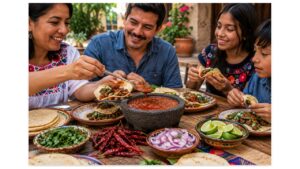
🌶️ Recommended Peppers of Key West Products for Chile de Árbol Lovers
Chile de árbol teaches an important lesson about hot sauce: good heat should contribute something besides pain.
Its relatively clean, direct burn works because it sharpens the flavors around it instead of overwhelming them. That’s the same principle worth applying when choosing a hot sauce for tacos, grilled meats, eggs, beans, sandwiches, and other foods where chile de árbol naturally feels at home.
At Peppers of Key West, our sauces and seasonings span a wide range of pepper personalities and heat levels, making it possible to choose a bottle based on the flavor you’re trying to create rather than simply chasing the biggest Scoville number.
Product Pairing Quick Guide
- Tacos & Tortas → Serrano Pepper Hot Sauce
- Everyday Tacos, Eggs & Savory Mexican Favorites → Cayenne Pepper Hot Sauce
- Grilled Pork, Chicken & Marinades → Habanero Pepper Hot Sauce
- Pepper Tasting & Taco Night → Ultimate Hot Sauce 5-Pack
🌶️ Best Peppers of Key West Pairings for Chile de Árbol Lovers
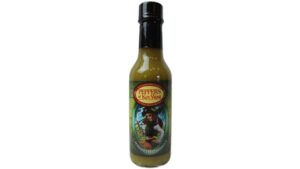
Serrano Pepper Hot Sauce
Serrano Pepper Hot Sauce is a natural recommendation for readers attracted to chile de árbol because serrano occupies nearby territory in Mexican cooking while bringing its own brighter, greener personality.
Where dried chile de árbol delivers concentrated, sharp heat, serrano provides a fresher chile character. That makes the comparison particularly interesting on tacos, carnitas, grilled meats, eggs, beans, and other foods where the pepper should enhance rather than dominate the meal.
Perfect For: Tacos, carnitas, eggs, beans, grilled meats, salsa, Mexican-inspired dishes
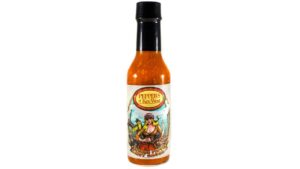
Cayenne Pepper Hot Sauce
Cayenne makes sense here for a different reason.
Throughout this guide, we’ve seen that cayenne is one of the closest familiar comparisons to chile de árbol when direct heat is the goal. It doesn’t duplicate chile de árbol’s flavor, but both peppers demonstrate how a relatively lean chile profile can add considerable fire without bringing the pronounced tropical fruitiness of habanero.
This is the bottle I’d reach for when the food itself should remain firmly in control.
Perfect For: Tacos, chicken, pork, eggs, sandwiches, soups, beans, everyday table use
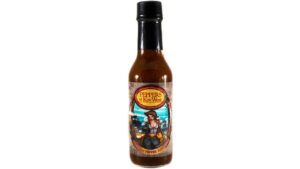
Habanero Pepper Hot Sauce
Habanero is where the comparison becomes much more dramatic.
Someone comfortable with chile de árbol may naturally wonder what happens when the heat climbs substantially higher. Habanero answers that question while also demonstrating why peppers should never be judged by heat alone.
Its fruity, aromatic character is fundamentally different from chile de árbol’s leaner, earthier profile.
That makes this recommendation as educational as it is delicious.
Perfect For: Tacos, seafood, chicken, pork, tropical dishes, marinades, serious heat lovers

Peppers of Key West Hot Sauce 5 Pack
For an article devoted to understanding an individual pepper, a variety pack has a particularly good reason to be here.
Taste several sauces beside the same taco, grilled meat, egg dish, or other simple food and the differences between peppers become much easier to recognize. Heat changes, certainly—but so do fruitiness, acidity, aroma, sweetness, earthiness, and the way each sauce interacts with the food.
That’s essentially the Pepper Encyclopedia lesson in edible form.
Perfect For: Pepper tasting, taco night, gifts, hot sauce flights, discovering new heat levels, chile enthusiasts
Frequently Asked Questions:
Is chile de árbol hotter than a jalapeño?
Yes. Chile de árbol generally measures around 15,000–30,000 SHU compared with roughly 2,500–8,000 SHU for jalapeños, making chile de árbol considerably hotter in most cases.
Is chile de árbol hotter than a serrano?
Their ranges can overlap, but chile de árbol generally reaches higher heat levels. Serranos commonly measure around 10,000–23,000 SHU, while chile de árbol can reach approximately 30,000 SHU.
Can you eat dried chile de árbol whole?
Technically yes, but they’re intensely hot and their dried texture isn’t usually the point. They’re more commonly toasted, fried, rehydrated, ground, or blended into sauces and salsas.
Should you remove the seeds from chile de árbol?
You can, particularly if texture is a concern, but removing seeds alone doesn’t eliminate most of the pepper’s heat. Much of its capsaicin is concentrated in the internal placental tissue.
Do you need to rehydrate chile de árbol before making salsa?
Not always. Preparation varies by salsa. Some recipes toast or fry the peppers before blending, while others soften them in liquid depending on the desired flavor and texture.
Why does chile de árbol sometimes taste bitter?
The peppers may have been scorched. Their thin walls toast quickly, so excessive heat or time can burn them and introduce unpleasant bitterness.
Is chile de árbol the same as crushed red pepper?
No. Commercial crushed red pepper can contain different pepper varieties. Chile de árbol is a specific chile with its own flavor, heat range, appearance, and Mexican culinary traditions.
What is Chile Yahualica?
Chile Yahualica is a geographically protected regional chile associated with Yahualica and Los Altos de Jalisco. It belongs to the chile de árbol tradition and has important regional culinary significance.
Why is chile de árbol so common in Mexican salsa?
Its concentrated heat, relatively clean flavor, small size, and suitability for drying make it exceptionally useful for creating fiery salsas without adding excessive bulk or sweetness.
How should dried chile de árbol be stored?
Keep dried peppers in an airtight container away from heat, moisture, and direct sunlight. Proper storage helps preserve their color, aroma, flavor, and pungency.
🌶️ Continue Your Pepper Journey
More Chile Peppers Worth Knowing
- Jalapeño Pepper Explained: Flavor, Heat, Uses & Why It’s America’s Favorite Chile
- Habanero Pepper Explained: Flavor, Scoville Heat, Uses & What Makes It So Hot
- Datil Pepper Explained: Flavor, Heat, Uses & Why This Pepper Is a Florida Favorite
- Poblano Pepper Explained: Flavor, Heat, Uses & Why It’s the Chile Behind Chiles Rellenos
Follow Chile de Árbol Into Mexican Cooking
- Tortas Ahogadas Explained: Guadalajara’s Famous Drowned Sandwich That Every Food Lover Should Try
- The Complete Mexican Street Food Guide: Ingredients, Dishes, Regions & Cooking Terms Explained
- Mexican Street Food Sauces Beyond Salsa: Crema, Chili Oils, Citrus Heat & More
- Regional Mexican Street Food Guide: Famous Dishes from Every Corner of Mexico
See More Keywords
chile de árbol, chile de arbol, árbol chile, Mexican chile peppers, Mexican dried peppers, dried red chiles, hot Mexican peppers, chile de árbol heat, chile de árbol SHU, chile de árbol Scoville, chile de árbol taste, chile de árbol uses, chile de árbol recipes, árbol pepper, dried chile salsa, Mexican salsa peppers, salsa de chile de árbol, chile Yahualica, Yahualica pepper, Jalisco chiles, Los Altos de Jalisco, peppers for Mexican salsa, hot peppers for tacos, chile de árbol substitute, cayenne substitute, chile de árbol vs serrano, chile de árbol vs jalapeño, chile de árbol vs cayenne, chile de árbol vs habanero, toasted dried chiles, Mexican pepper guide
