Bolillos Explained: The Crispy Bread That Built Mexico’s Favorite Sandwiches
The bolillo may look like Mexico took a French baguette, made it shorter, plumper, easier to carry, and immediately started stuffing it with everything worth eating. But this crisp-crusted Mexican bread has developed an identity entirely its own. Bolillos are everyday bakery staples, torta foundations, breakfast companions, soup-side dunkers, and proof that sometimes the most important ingredient in a legendary sandwich is the thing holding everything together. In this guide, we’ll dig into what a bolillo actually is, how its crackly crust and soft interior are created, where the bread came from, how Mexicans eat it, and why understanding the difference between bolillos, teleras, and Guadalajara’s birote salado makes Mexican sandwich culture considerably more interesting.
Walk into a neighborhood panadería in Mexico and the first things demanding your attention may be trays of colorful conchas, sugar-dusted pastries, or sweet breads begging to accompany a cup of coffee. But somewhere among all that temptation is one of the bakery’s quiet workhorses: the bolillo.
It isn’t particularly flashy.
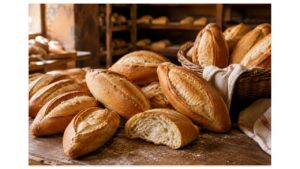
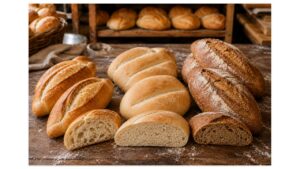
A traditional bolillo is a small, elongated white bread roll with tapered ends, a golden-to-deep-brown crust, and a soft, airy interior. Fresh from the bakery, the outside can crackle beneath your fingers while the crumb inside remains tender enough to soak up juices, sauces, beans, crema, and whatever else Mexican cooks decide belongs between two pieces of bread.
And they decide that quite often.
Bolillos are closely associated with tortas, Mexico’s enormous family of sandwiches. Slice one open and it can become the foundation for combinations of carnitas, milanesa, ham, cheese, beans, avocado, chiles, eggs, grilled meats, and countless regional fillings.
But reducing the bolillo to “Mexican sandwich bread” misses its larger place at the table.
Mexicans also eat bolillos with breakfast, alongside soups and stews, spread with butter or other toppings, dipped into beverages, and transformed into dishes that depend on bread’s ability to absorb flavor. Day-old bread doesn’t necessarily mark the end of its usefulness, either. Like practical breads around the world, yesterday’s bolillo can find another job in the kitchen.
That versatility makes bolillo an ideal subject for our larger journey through Mexican Tortillas, Masa & Breads Explained: The Complete Guide to How Mexican Street Food Is Built. Tortillas may dominate many people’s image of Mexican street food, but Mexican food isn’t built exclusively from corn and masa. Bread has its own enormous story, and the bolillo is one of the best places to begin telling it.
There’s another reason we’re here.
Our recent journey through Guadalajara’s Tortas Ahogadas Explained: Guadalajara’s Famous Drowned Sandwich That Every Food Lover Should Try introduced us to birote salado, the unusually sturdy regional bread capable of surviving a proper drowning in tomato sauce without immediately collapsing.
That naturally raises a question:
Is birote salado basically just a bolillo?
Not quite.
And once you begin understanding the differences among bolillos, teleras, and birote salado, Mexican sandwiches start looking less like random fillings stuffed into generic bread and more like what they really are: dishes in which the bread itself has been chosen to perform a particular job.
THE FILLING MAY GET THE ATTENTION, BUT GREAT MEXICAN TORTAS BEGIN WITH BREAD BUILT FOR THE JOB.
Bolillo Quick Guide
What is a bolillo?
A bolillo is a traditional Mexican white bread roll with a crisp crust and soft, airy interior. Its elongated shape and sturdy structure make it particularly well suited to tortas and other savory preparations.
What does bolillo bread taste like?
Bolillos have a relatively mild wheat flavor with more character coming from fermentation, browning, and the contrast between their crisp crust and tender interior than from sweetness or heavy seasoning.
Are bolillos used for tortas?
Yes. Bolillos are among the breads commonly used for Mexican tortas because they’re sturdy enough to hold meats, beans, cheese, avocado, salsa, vegetables, and other substantial fillings.
Is a bolillo the same as a telera?
No. They’re related Mexican sandwich breads, but teleras are generally softer, flatter, and wider, with their recognizable divided top. Bolillos tend to be more elongated with a more pronounced crust.
Is a bolillo the same as birote salado?
No. Birote salado is particularly associated with Guadalajara and has characteristics that make it exceptionally well suited to tortas ahogadas. Its distinctive crust and structure help it withstand the sandwich’s famous sauce-soaking treatment.
Where can you find bolillos in Mexico?
Bolillos are everyday breads commonly encountered in Mexican bakeries, markets, homes, sandwich shops, and food businesses serving tortas and other bread-based meals.
What Is a Bolillo?
At its simplest, a bolillo is a small Mexican wheat bread roll.
But that definition is about as satisfying as describing a tortilla as “a flat piece of corn.”
The details are what matter.
A classic bolillo is generally elongated rather than perfectly round, often narrowing toward both ends. The exterior develops a noticeably browned crust, frequently marked by a lengthwise score across the top. Break one open and the harder shell gives way to a much softer, lighter crumb containing irregular pockets of air.
That contrast is central to the bread’s appeal.
The crust gives the roll enough structural integrity to become a serious sandwich. The interior remains soft enough to compress around fillings and absorb flavorful juices without making every bite feel like you’re chewing through a baguette.
That balance explains much of the bolillo’s versatility.
A soft commercial sandwich roll might buckle beneath juicy carnitas, beans, avocado, salsa, crema, cheese, and vegetables.
An extremely dense or aggressively crusty loaf could overpower them.
Bolillo occupies useful territory between those extremes.
The bread itself is generally made from familiar ingredients—wheat flour, water, yeast, and salt form the basic foundation—yet technique determines whether those ingredients become a properly developed loaf rather than an ordinary white roll.
Fermentation develops flavor.
Gluten development provides structure.
Shaping creates the familiar form.
Scoring controls expansion.
And a hot, humid baking environment can help create the thin, crisp crust that makes a freshly baked bolillo so satisfying.
None of those characteristics exists simply for appearance.
They’re what allow the bread to do its job.
That’s an important concept throughout Mexican food construction. Whether we’re talking about a tortilla supporting a taco or bread supporting a torta, the starch surrounding the filling isn’t merely packaging.
It’s part of the dish.
A BOLILLO ISN’T JUST SOMETHING YOU PUT A TORTA INSIDE—ITS CRUST, CRUMB, SHAPE, AND STRUCTURE HELP DETERMINE HOW THAT TORTA EATS.
 🌶️ Professor Pepper Says…
The contrast between a bolillo’s crust and crumb isn’t accidental. Moisture and heat during baking help the exterior develop differently from the interior, giving the finished bread enough structure for substantial fillings while preserving the softer center that makes it pleasant to eat.
Where Did Bolillos Come From? The European Bread That Became Mexican
Bolillos feel completely at home in a Mexican panadería, but their story reflects a much larger chapter in the evolution of Mexican food.
Wheat itself arrived in Mexico with the Spanish during the colonial period. Before European contact, Indigenous civilizations throughout Mesoamerica had already developed extraordinarily sophisticated food traditions around corn, nixtamal, masa, beans, chiles, squash, and other native ingredients. Wheat introduced another grain—and eventually another enormous branch of Mexican baking.
Over centuries, Mexican bakers transformed European bread traditions into breads that belonged unmistakably within Mexican food culture.
The bolillo is part of that evolution.
Its resemblance to French bread is not coincidental. The bread is commonly associated with European—and particularly French-influenced—baking traditions that became increasingly prominent in Mexico during the nineteenth century. The elongated shape, scored surface, crisp crust, and airy crumb all reveal that ancestry.
But calling a bolillo a “small French baguette” doesn’t adequately describe what happened next.
Mexican bakers adapted the bread.
Mexican panaderías made it an everyday staple.
Mexican cooks gave it jobs European bakers never designed it to perform.
And Mexican sandwich culture turned it into the foundation for tortas filled with everything from milanesa and carnitas to beans, avocado, cheese, eggs, chiles, and regional specialties.
That’s an important distinction whenever we talk about foods influenced by another culture.
Origins tell us where part of the story began.
Culinary identity tells us what generations of cooks eventually made from it.
Today, the bolillo isn’t some foreign bread temporarily visiting Mexican cuisine. It is part of Mexico’s everyday bread culture.
MEXICO DIDN’T SIMPLY BORROW EUROPEAN BREAD—MEXICAN BAKERS AND COOKS TURNED IT INTO SOMETHING THEIR OWN.
🌶️ Professor Pepper Says…
Food traditions rarely develop behind closed doors. Ingredients and techniques travel, but local cooks decide what happens next. Bolillos are a great example: European wheat-bread traditions helped provide the foundation, while generations of Mexican bakers and cooks gave the bread its distinctly Mexican culinary life.
How Bolillos Are Made: Flour, Fermentation, Steam & a Hot Oven
A bolillo’s ingredient list can be surprisingly modest.
Wheat flour.
Water.
Yeast.
Salt.
Depending on the baker and recipe, methods and additional ingredients can vary, but those fundamentals demonstrate something important about bread:
Simple ingredients don’t necessarily mean simple technique.
The process begins by developing a dough capable of trapping the gases created during fermentation. As yeast metabolizes available sugars, carbon dioxide becomes trapped within the dough’s gluten network.
That’s what helps create the bolillo’s lighter internal crumb.
Fermentation also contributes flavor. A dough rushed directly from mixing to baking may technically become bread, but time allows aroma and complexity to develop.
Then comes shaping.
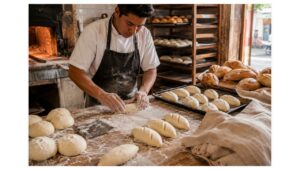
Bolillos are generally formed into compact elongated rolls with tapered ends rather than perfect cylinders. That shape isn’t merely decorative. It influences how the bread expands, bakes, slices, and eventually holds fillings.
Before baking, the top is typically scored.
That slash creates a controlled weak point where the expanding loaf can open in the oven. Instead of splitting unpredictably, the bread develops the recognizable ridge and opening associated with a properly shaped bolillo.
Then heat transforms everything.
The dough expands rapidly.
The crumb sets.
The exterior loses moisture.
Browning creates aroma and flavor.
And the surface develops the thin, crisp shell that distinguishes a good bolillo from an ordinary soft sandwich roll.
Steam or a humid baking environment can be particularly useful early in baking because moisture delays the immediate hardening of the crust, allowing the loaf to expand before the exterior becomes crisp.
The finished bread should provide contrast:
crisp outside → soft inside
That contrast is precisely what makes bolillos so useful once fillings enter the picture.
Bolillo vs. Telera: What’s the Difference?
Put a bolillo and a telera beside each other and the family resemblance is obvious.
Both are Mexican wheat breads.
Both can become tortas.
Both are common enough that a sandwich shop may encounter them as practical working breads rather than precious artisanal creations.
But they’re not identical.
The bolillo is generally more elongated, with tapered ends and a noticeably crusty exterior. A characteristic score runs along the top, allowing the bread to expand as it bakes.
The telera is usually broader, flatter, and softer.
Its most recognizable visual feature is the top of the roll, traditionally divided by two lengthwise impressions that create three raised sections. That wider, softer structure makes the telera particularly comfortable around generous sandwich fillings.
Think of the difference less as:
good bread vs. bad bread
and more as:
different architecture for different sandwiches.
A crustier bolillo brings texture and structural resistance.
A softer telera compresses more readily around the filling.
Either can make an excellent torta.
And depending on the region, sandwich, bakery, and personal preference, one may make more sense than the other.
This is why our Teleras Explained: Why Mexico’s Soft Sandwich Roll Is Perfect for Tortas deserves its own guide rather than being treated as a footnote to bolillos.
Understanding the distinction also helps prevent one of the easiest mistakes outsiders make when encountering Mexican bread culture: assuming every oval-shaped white roll is basically the same thing.
It isn’t.
BOLILLOS AND TELERAS CAN BUILD THE SAME CATEGORY OF FOOD WITHOUT BUILDING THE SAME EATING EXPERIENCE.
Bolillo vs. Birote Salado: Why Guadalajara Needed a Different Bread
This is where our recent trip to Guadalajara becomes especially useful.
A bolillo is sturdy.
A birote salado needs to survive something considerably more aggressive.
It needs to be drowned.
Guadalajara’s famous torta ahogada places extraordinary demands on its bread. The sandwich is filled—traditionally with pork such as carnitas—and then covered with sauce. A bread that’s too soft can quickly surrender, turning what should be a saturated sandwich into something closer to structural regret.
Birote salado is particularly associated with Guadalajara and Jalisco and is prized for the firm crust and resilient crumb that allow it to absorb sauce while maintaining enough structure to eat.
That’s why the distinction matters.
Bolillo and birote can look related at first glance. Both belong to Mexico’s wheat-bread traditions, both can have elongated forms, and both develop crusty exteriors.
But their culinary identities aren’t interchangeable.
The bolillo is an extraordinarily versatile everyday bread.
Birote salado is a deeply regional bread whose identity is inseparable from Guadalajara—and especially from the torta ahogada.
Our Tortas Ahogadas Explained: Guadalajara’s Famous Drowned Sandwich That Every Food Lover Should Try guide shows exactly why that extra structure matters once the sandwich meets its tomato sauce and fiery chile preparation.
This is one of the broader lessons emerging from our journey through Mexican street-food construction:
The best bread isn’t necessarily the strongest, softest, or crispiest bread.
It’s the bread whose structure matches the food being built.
A taco needs the right tortilla.
A torta needs the right roll.
And a sandwich that’s about to be submerged in sauce had better arrive prepared for the assignment.
BOLILLO CAN BUILD A GREAT TORTA. BIROTE SALADO WAS BUILT FOR A TORTA THAT’S ABOUT TO GO SWIMMING.
🌶️ Professor Pepper Says…
Bread structure becomes especially important when moisture enters a sandwich. A sturdy crust and well-developed crumb can slow the rate at which liquid destroys the bread’s structure—which helps explain why Guadalajara’s birote salado is so important to an authentic torta ahogada.
How Bolillos Became the Bread Behind Mexico’s Favorite Tortas
Bolillos become especially interesting when they stop sitting in a bakery basket and start becoming tortas.
Mexican tortas demonstrate how much engineering can hide inside something that looks like a sandwich.
The bolillo is sliced lengthwise, creating a sturdy foundation for ingredients that can include refried beans, avocado, cheese, crema, mayonnaise, tomatoes, onions, pickled chiles, eggs, and an enormous variety of meats.
- Carnitas.
- Milanesa.
- Chorizo.
- Ham.
- Shredded chicken.
- Carne asada.
- Pierna.
- And plenty more.
Depending on the torta, the bread may be served relatively fresh and crisp, toasted on a griddle, or warmed after assembly. Fat from the filling, beans, avocado, salsa, and other ingredients gradually soften the interior while the crust continues providing structure.
That interaction is part of what makes the bolillo so effective.
A great torta shouldn’t feel like bread surrounding a pile of unrelated ingredients. The bread, fillings, sauces, and garnishes should become one coherent bite.
Bolillos help make that possible because the crumb can absorb moisture and flavor while the exterior provides enough resistance to keep the sandwich satisfying.
This also explains why choosing bread based entirely on softness can backfire. Add beans, juicy meat, salsa, avocado, crema, and vegetables to an extremely soft roll and eventually physics wins.
The bolillo gives the torta a fighting chance.
Readers interested in the larger world surrounding these sandwiches can continue into Mexican Street Food Beyond Tacos: Elote, Tortas, Tamales & More, where tortas sit alongside the enormous range of Mexican street foods that exist beyond the tortilla.
A GREAT TORTA ISN’T JUST ABOUT WHAT GOES BETWEEN THE BREAD—IT’S ABOUT HOW THE BREAD AND FILLING BECOME ONE DISH.
Beyond Tortas: How Mexicans Eat Bolillos
Tortas may provide bolillos with their most recognizable starring role, but everyday bread culture is considerably broader.
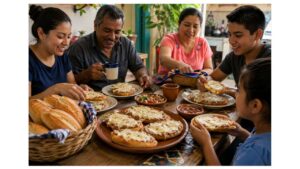
A fresh bolillo can accompany breakfast, soups, stews, beans, and saucy dishes. Its mild flavor makes it useful precisely because it doesn’t demand control of the meal.
- It can scoop.
- It can soak.
- It can carry.
- It can provide contrast.
And when the bread begins losing its fresh-from-the-bakery crispness, Mexican cooking has ways of giving it another life.
One of the most famous is molletes.
Bolillos may be famous for tortas, but one of their simplest transformations is also one of the most satisfying. Our Molletes Explained: Mexico’s Open-Faced Bean & Cheese Sandwich That Makes Breakfast Better guide dives deeper into how bolillos, refried beans, melted cheese, salsa, and pico de gallo become this everyday Mexican favorite.
A bolillo is split open, commonly topped with refried beans and cheese, and heated until everything becomes warm and melted. Pico de gallo or other toppings may finish the dish.
It’s simple food built around an extremely practical idea: the bread becomes a platform.
Bolillos can also appear in sweet preparations and dishes designed to make use of older bread. That reflects something larger than any single recipe—the long culinary tradition of treating bread as an ingredient rather than something disposable the moment it stops being perfectly fresh.
And then there is the pleasure requiring almost no preparation at all:
A fresh bolillo.
Something warm to drink.
Maybe butter, crema, beans, or whatever happens to be nearby.
Not every culturally important food needs to arrive as a spectacular restaurant dish. Sometimes its importance comes from being inexpensive, familiar, adaptable, and present often enough to become part of everyday life.
That’s where the bolillo truly belongs.
Molletes: When the Bolillo Becomes the Meal
If tortas demonstrate the bolillo’s ability to contain food, molletes demonstrate its ability to become the foundation of food.
The basic construction is wonderfully straightforward.
Split a bolillo lengthwise.
Spread the cut sides with refried beans.
Add cheese.
Heat until the bread is warm and the cheese melts.
Finish according to preference—often with pico de gallo, salsa, or other toppings.
The result lands somewhere between open-faced sandwich, breakfast, snack, and comfort food.
More importantly for understanding bolillos, molletes reveal why the bread’s structure matters.
The crumb accepts the beans.
The crust provides support.
Heating creates crispness around the edges.
Melted cheese binds the toppings together.
Fresh salsa can then add acidity, chile heat, and moisture without immediately turning the bread into mush.
That’s food construction again.
Different ingredients are performing different jobs.
For anyone accustomed to thinking about Mexican food primarily through tacos, molletes are also a useful reminder that Mexican everyday cooking has a substantial bread-based vocabulary alongside its extraordinary tortilla and masa traditions.
WHEN A BOLILLO BECOMES A MOLLETE, THE BREAD STOPS HOLDING THE MEAL AND BECOMES THE MEAL.
How to Choose, Store & Refresh Bolillos
A good bolillo should tell you quite a bit before you ever taste it.
Look first at the crust.
Fresh bolillos should have a well-developed golden exterior rather than looking pale and underbaked. The surface should feel relatively crisp, and the loaf should feel light enough to suggest an airy interior rather than an excessively dense crumb.
Freshness matters because bolillos are at their best when that contrast between crisp exterior and soft interior is still intact.
But bread naturally changes as it sits.
Moisture redistributes.
The crust softens.
The crumb firms.
That doesn’t automatically mean the bread belongs in the trash.
If a bolillo has simply become stale rather than spoiled, reheating can restore some of its appeal. A brief trip through a hot oven can help re-crisp the exterior and warm the crumb.
For longer storage, freezing is generally more useful than allowing good bread to deteriorate slowly on the counter. Bolillos can be frozen and reheated when needed, particularly if they’re destined for tortas, molletes, or another preparation where warming is already part of the process.
And older bread can sometimes be especially useful in preparations where absorption is desirable.
The important distinction is between stale and spoiled.
Stale bread has changed texture.
Spoiled bread—particularly bread showing mold—shouldn’t be rescued.
🌎 If You Ever Visit Mexico…
Visit a neighborhood panadería early in the day and look beyond the colorful pan dulce to the breads people are buying for everyday meals. Find the bolillos and notice their shape, scoring, crisp crust, and fresh-from-the-oven texture, then try one as a torta or mollete. If you travel to Guadalajara, compare the everyday bolillo with the city’s distinctive birote salado—especially in a sauce-drenched torta ahogada. You’ll quickly discover that Mexican bread isn’t one thing, and the differences matter.
Why Bolillos Matter in Mexican Food Culture
Bolillos are easy to overlook precisely because they’re so practical.
They aren’t usually decorated.
They aren’t intensely sweet.
They aren’t built around exotic ingredients.
They don’t need an elaborate ceremony.
They’re bread.
But everyday foods often tell us more about a cuisine than spectacular foods do.
The bolillo connects Mexico’s history with wheat to the neighborhood panadería. It connects bakery craftsmanship to torta stands. It connects crisp crust and airy crumb to the practical demands of sandwich construction.
It connects breakfast to lunch.
Fresh bread to leftover bread.
European baking ancestry to a thoroughly Mexican culinary identity.
And once you understand bolillos, several other foods become easier to understand too.
Teleras make more sense because you have something to compare them with.
Birote salado makes more sense because you understand why Guadalajara needed a bread capable of handling a very different job.
Tortas make more sense because the bread is no longer invisible.
That is exactly why breads belong beside tortillas and masa in our larger understanding of Mexican street-food construction.
THE BOLILLO’S GREAT ACHIEVEMENT ISN’T THAT IT BECAME MEXICO’S MOST EXOTIC BREAD—IT’S THAT IT BECAME ONE OF THE MOST USEFUL.
🌶️ Recommended Peppers of Key West Products for Bolillos & Mexican Sandwiches
Bolillos themselves aren’t spicy, and that’s exactly why the product recommendations here should be driven by what people build with them.
Tortas, molletes, breakfast sandwiches, carnitas, grilled meats, beans, cheese, avocado, and eggs all create opportunities for chile flavor and acidity without requiring the bread itself to become the focus of the heat.
At Peppers of Key West, the goal isn’t to make a bolillo taste like hot sauce. It’s to choose a sauce that complements the filling while allowing the bread’s crisp crust and soft crumb to continue doing their job.
Product Pairing Quick Guide
- Carnitas, Pork & Loaded Tortas → Serrano Pepper Hot Sauce
- Molletes, Beans, Eggs & Breakfast Bolillos → Jalapeño Garlic Hot Sauce
- Milanesa, Chicken & Everyday Tortas → Cayenne Pepper Hot Sauce
- Torta Night & Mexican Sandwich Tastings → Peppers of Key West Hot Sauce 5 Pack
🌶️ Best Peppers of Key West Pairings for Mexican Bread Lovers
Serrano Pepper Hot Sauce
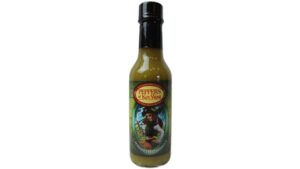
Serrano is particularly comfortable around the ingredients commonly stuffed into Mexican tortas.
Its brighter green-chile personality can cut through fatty carnitas, creamy avocado, cheese, beans, and mayonnaise while still feeling connected to the broader flavor vocabulary of Mexican cooking.
Rather than making the bread itself spicy, use it to sharpen the filling.
Perfect For: Carnitas tortas, pork, avocado, beans, grilled meats, loaded sandwiches
Jalapeño Garlic Hot Sauce
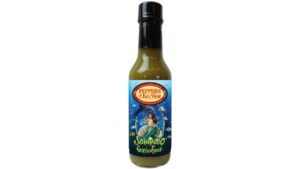
Molletes are where Jalapeño Garlic becomes particularly appealing.
Beans, melted cheese, toasted bolillo, and savory garlic already speak the same culinary language. Add jalapeño heat and the sauce can wake up an extremely simple preparation without turning breakfast into a test of endurance.
It also works naturally with egg-filled bolillos and milder tortas.
Perfect For: Molletes, eggs, beans, cheese, breakfast sandwiches, mild tortas
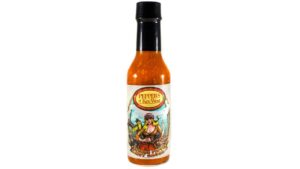
Cayenne Pepper Hot Sauce
Cayenne is the everyday utility player.
On a milanesa torta, chicken sandwich, ham-and-cheese torta, or another straightforward bolillo-based meal, a versatile cayenne sauce can supply acidity and heat without asking the sandwich to reorganize itself around the condiment.
Sometimes that’s exactly what you want.
Perfect For: Milanesa tortas, chicken, ham, cheese, eggs, everyday sandwiches
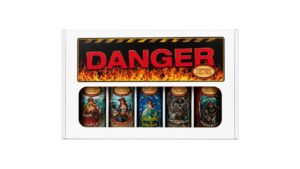
Peppers of Key West Hot Sauce 5 Pack
A torta bar offers the same opportunity as taco night: build a common foundation and let everyone customize the heat.
Set out bolillos, meats, beans, cheese, avocado, vegetables, and toppings, then use several pepper sauces to demonstrate how dramatically the same sandwich can change depending on the chile.
Perfect For: Torta bars, family meals, sandwich nights, pepper tasting, gifts, entertaining
Frequently Asked Questions:
Why are bolillos shaped with pointed ends?
The elongated shape and tapered ends are part of the bread’s traditional form and influence how the dough expands and develops crust during baking.
Why is my bolillo soft instead of crispy?
Freshness, baking conditions, humidity, and storage can all affect crust texture. A previously crisp bolillo will naturally soften as moisture redistributes after baking.
Can you toast a bolillo for a torta?
Yes. Toasting or griddling can add crispness and help the bread stand up to moist fillings such as beans, meats, salsa, avocado, and crema.
What sandwiches are made with bolillos?
Bolillos can hold tortas filled with carnitas, milanesa, ham, chicken, eggs, cheese, beans, avocado, chiles, and many other regional or personal combinations.
Are bolillos sweet?
Traditional bolillos are savory rather than sweet. Their flavor comes primarily from wheat, fermentation, salt, crust development, and browning during baking.
Can bolillos be used for molletes?
Yes. Split bolillos are a classic foundation for molletes, commonly topped with refried beans and cheese before being heated and finished with salsa or pico de gallo.
Can you make bolillos at home?
Yes. Home bakers can make bolillos using wheat flour, water, yeast, salt, fermentation, careful shaping, scoring, and a hot oven capable of developing a crisp crust.
What can I substitute for a bolillo?
A crusty but not excessively hard white roll can work when authentic bolillos aren’t available. The best substitute should balance a sturdy exterior with a relatively soft interior.
Why are bolillos important to Mexican food?
Their importance comes from versatility. Bolillos connect Mexican bakery culture with tortas, breakfasts, molletes, everyday meals, and generations of practical home cooking.
Are bolillos only eaten in Mexico?
Bolillos are strongly associated with Mexican baking and food culture, but Mexican communities and bakeries have carried the bread well beyond Mexico.
Continue Your Mexican Bread & Street Food Journey
- Start Here: Mexican Tortillas, Masa & Breads Explained: The Complete Guide to How Mexican Street Food Is Built
From the Mexican Bread & Construction Collection
- Tortas Ahogadas Explained: Guadalajara’s Famous Drowned Sandwich That Every Food Lover Should Try
- Teleras Explained: Why Mexico’s Soft Sandwich Roll Is Perfect for Tortas
More Mexican Food Worth Understanding
- Mexican Street Food Beyond Tacos: Elote, Tortas, Tamales & More
- The Complete Mexican Street Food Guide: Ingredients, Dishes, Regions & Cooking Terms Explained
- Regional Mexican Street Food Guide: Famous Dishes from Every Corner of Mexico
See More Keywords
bolillo, bolillos, Mexican bread roll, Mexican white bread, Mexican bakery bread, panadería bread, bread for tortas, traditional torta bread, Mexican sandwich rolls, crusty Mexican bread, Mexican wheat bread, Mexican bread history, bolillo recipe, bolillo ingredients, bolillo crust, bolillo crumb, fresh bolillos, torta rolls, Mexican torta rolls, mollete bread, Mexican breakfast bread, bolillo sandwich, telera bread, birote salado, Guadalajara bread, Mexican panadería, Mexican baking, Mexican sandwich culture, bread in Mexican cuisine, traditional Mexican breads, bolillo uses
