
Jalapeño Pepper Explained: Flavor, Heat, Uses & Why It’s America’s Favorite Chile
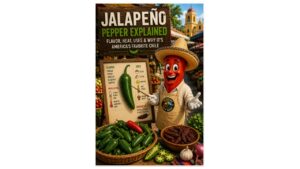
Most peppers dream of becoming famous. The jalapeño actually pulled it off.
From sizzling fajitas and loaded nachos to fresh pico de gallo and smoky chipotle peppers, the jalapeño has quietly become one of the world’s most recognizable chiles. It’s spicy enough to keep things interesting, mild enough for almost everyone to enjoy, and versatile enough to appear in everything from authentic Mexican street food to backyard burgers. If you’ve ever wondered why this humble green pepper seems to show up everywhere, you’re about to find out. Grab a handful of tortilla chips—or maybe a glass of milk—and let’s explore the pepper that made millions of people fall in love with a little heat.
Walk through almost any market in Mexico and you’ll find baskets overflowing with fresh green jalapeños alongside ripe red ones waiting to become smoky chipotle peppers. While many people recognize the jalapeño as the pepper sliced onto nachos or blended into salsa, its story begins long before it became a favorite topping in restaurants across America.
Native to Mexico and named after the city of Xalapa in Veracruz, the jalapeño has been cultivated for centuries and remains one of the country’s most important culinary ingredients. Its balanced heat, crisp texture, and bright flavor make it equally at home in fresh pico de gallo, grilled tacos, homemade hot sauces, hearty soups, and countless regional Mexican dishes. Unlike extremely hot peppers that are often used sparingly, jalapeños are valued as much for their flavor as for their heat.
Whether you’re curious about how hot jalapeños really are, wondering why some turn red, trying to understand the difference between a jalapeño and a chipotle pepper, or simply looking for the best ways to cook with them, this guide explains everything you need to know about one of the world’s most beloved chiles.
New to the world of chile peppers? Start with our Chile Pepper Guide: Flavor, Heat, Uses & Individual Peppers Explained to explore how individual peppers differ in flavor, heat, culinary uses, and character—and discover how familiar chiles like the jalapeño connect to the larger world of fresh, dried, smoked, regional, and superhot peppers.
Jalapeño Snapshot
- Pronunciation: hah-lah-PEN-yoh
- Spanish Name: Chile jalapeño
- Origin: Xalapa, Veracruz, Mexico
- Species: Capsicum annuum
- Scoville Heat: 2,500–8,000 SHU
- Flavor: Fresh, grassy, slightly earthy
- Color: Green when immature, red when fully ripe
- Best Uses: Salsa, tacos, burgers, pickling, hot sauce, grilling
- Common Forms: Fresh, pickled, smoked (chipotle)
- Best Substitute: Serrano (hotter) or Anaheim (milder)
Quick Guide
What does a jalapeño pepper taste like?
Jalapeños have a fresh, grassy flavor with a crisp bite and mild to moderate heat. Ripe red jalapeños develop a slightly sweeter taste than their green counterparts.
How hot is a jalapeño pepper?
Most jalapeños measure between 2,500 and 8,000 Scoville Heat Units (SHU), making them noticeably spicy without overwhelming most people.
Are chipotle peppers the same as jalapeños?
Yes. A chipotle is simply a ripe red jalapeño that has been smoked and dried, giving it a rich, smoky flavor.
What foods pair best with jalapeños?
Jalapeños are popular in tacos, burgers, nachos, salsas, guacamole, eggs, chili, pizza, grilled meats, seafood, and homemade hot sauces.
Can you eat jalapeños raw?
Absolutely. Fresh jalapeños are commonly eaten raw in salsas, salads, sandwiches, and as crunchy toppings for many Mexican dishes.
What Is a Jalapeño Pepper?
The jalapeño pepper (Capsicum annuum) is one of the world’s best-known chile peppers, celebrated for its crisp texture, bright flavor, and approachable heat. While it’s now grown across North America and in many other parts of the world, the jalapeño’s roots are firmly planted in Mexico, where it has been cultivated and enjoyed for generations.
Unlike extremely hot peppers that are often used sparingly, jalapeños are valued as much for their fresh flavor as for their moderate spice. Their thick walls make them ideal for roasting, stuffing, grilling, pickling, and blending into fresh salsas, while their balanced heat allows them to enhance a dish without overwhelming it.
Most jalapeños are harvested while green, giving them their familiar fresh, slightly grassy taste. If left on the plant longer, they ripen to a deep red color, becoming sweeter and more complex before often being smoked and dried into the chipotle peppers used in countless Mexican and Southwestern dishes.
Today, the jalapeño is just as comfortable in authentic Mexican street food as it is on backyard burgers, homemade pizzas, and barbecue platters, making it one of the most versatile peppers in the culinary world.
THE JALAPEÑO’S GREATEST STRENGTH ISN’T ITS HEAT—IT’S ITS INCREDIBLE VERSATILITY.
Why Is It Called a Jalapeño?
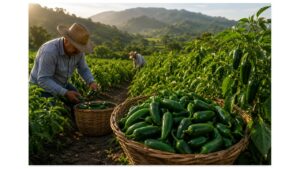
The name jalapeño comes from Xalapa (also spelled Jalapa), the capital city of the Mexican state of Veracruz. For centuries, this fertile region has been known for producing outstanding peppers thanks to its rich volcanic soils, warm climate, and abundant rainfall.
As the pepper became popular throughout Mexico, people began referring to it as the “pepper from Jalapa,” which eventually became simply jalapeño. Although commercial production now extends well beyond Veracruz, the pepper’s name continues to honor the region where it became famous.
Jalapeños have long been an important part of Mexican cooking. They’re sliced fresh into salsas, blended into sauces, stuffed with cheese or meat, pickled as a condiment, and served alongside tacos, tortas, grilled meats, seafood, and countless everyday meals. Their moderate heat makes them one of the easiest peppers for cooks to incorporate into both traditional recipes and modern cuisine.
Learning where a pepper comes from helps explain why it tastes the way it does and why it became an essential ingredient in regional cooking traditions.
EVERY JALAPEÑO STILL CARRIES THE NAME OF THE MEXICAN CITY THAT HELPED MAKE IT FAMOUS.
Flavor & Heat: What Does a Jalapeño Taste Like?
One reason the jalapeño has become America’s favorite chile is that it offers much more than heat alone. Fresh jalapeños have a clean, bright flavor with grassy, slightly earthy notes and a satisfying crisp texture. They add freshness to recipes while providing enough spice to be noticeable without overpowering the other ingredients.
On the Scoville Heat Scale, jalapeños typically measure between 2,500 and 8,000 Scoville Heat Units (SHU). That places them comfortably in the mild-to-moderate category, making them an excellent introduction for anyone exploring chile peppers for the first time.
Several factors influence how spicy an individual jalapeño may be. Growing conditions, maturity, variety, and even weather can affect the amount of capsaicin—the natural compound responsible for a pepper’s heat. A fully ripened red jalapeño often develops a slightly sweeter flavor than a green one, although the heat can vary from pepper to pepper.
Compared to many other popular peppers:
- Bell peppers contain no heat.
- Jalapeños provide a comfortable, everyday level of spice.
- Serrano peppers are generally hotter.
- Habaneros deliver dramatically more heat than jalapeños.
- This balance between flavor and spice is exactly why jalapeños appear in so many recipes around the world.
JALAPEÑOS AREN’T FAMOUS FOR BEING THE HOTTEST—THEY’RE FAMOUS FOR BEING ONE OF THE MOST BALANCED PEPPERS EVER GROWN.

Many people think every jalapeño tastes the same. In reality, peppers grown under different conditions can vary noticeably in both heat and sweetness, making each harvest a little unique.
How Jalapeños Are Used in Cooking
One of the reasons jalapeños have become one of the world’s most popular chile peppers is their incredible versatility. Unlike peppers that are reserved for only a handful of traditional recipes, jalapeños are equally comfortable in authentic Mexican cuisine, backyard barbecues, gourmet restaurants, and everyday home kitchens.
Fresh jalapeños add crisp texture and a bright, slightly grassy flavor that complements rather than overwhelms other ingredients. Their moderate heat makes them an excellent choice for cooks who want noticeable spice without making a dish uncomfortably hot.
Across Mexico, jalapeños are used in countless ways. They’re diced into fresh pico de gallo, blended into salsa verde, sliced onto tortas, tucked inside tacos, added to soups and stews, and served alongside grilled meats. Many families also pickle jalapeños, creating a tangy condiment that’s enjoyed with everything from street food to home-cooked meals.
Beyond Mexican cuisine, jalapeños have become a favorite ingredient around the world. They’re commonly found on burgers, pizzas, sandwiches, nachos, baked potatoes, omelets, mac and cheese, chili, and smoked barbecue. Their ability to pair with beef, pork, chicken, seafood, vegetables, and cheese makes them one of the most adaptable peppers available.
Unlike many hotter peppers that are often used sparingly, jalapeños frequently become part of the dish itself rather than simply serving as a source of heat.
FEW PEPPERS ARE AS COMFORTABLE IN BOTH TRADITIONAL MEXICAN COOKING AND EVERYDAY HOME KITCHENS AS THE JALAPEÑO.

Green Jalapeños vs. Red Jalapeños: What’s the Difference?
Most people are familiar with the glossy green jalapeños found in grocery stores, but that’s only one stage of the pepper’s life. If left on the plant, jalapeños gradually ripen from green to deep red, developing a sweeter flavor and a slightly softer texture along the way.
Green jalapeños are harvested earlier and are known for their fresh, crisp bite with bright, grassy notes. They’re the variety most often used in fresh salsas, nachos, sandwiches, tacos, and pickled pepper recipes.
Red jalapeños spend more time ripening on the plant, allowing their natural sugars to develop. While their heat may remain similar, their flavor becomes richer, slightly fruitier, and more complex. Because they’re harvested less frequently than green jalapeños, they’re also harder to find in many supermarkets.
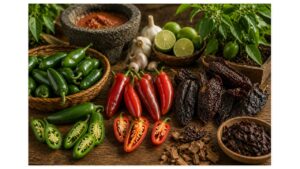
Many of the world’s most recognizable smoked peppers begin as ripe red jalapeños. Once harvested, they’re slowly smoked over wood fires until they become the deep, smoky chipotle peppers used in countless Mexican sauces, marinades, soups, and barbecue recipes.
Understanding the difference between green and red jalapeños helps cooks choose the right pepper for the flavor they’re trying to achieve.
THE SAME PEPPER CAN DELIVER TWO VERY DIFFERENT FLAVOR EXPERIENCES DEPENDING ON WHEN IT’S HARVESTED.
Don’t throw away red jalapeños if you find them at the market. Their sweeter flavor makes them outstanding for roasting, smoking, and homemade hot sauces, while green jalapeños are often the better choice for fresh salsas and crisp toppings.
Fun Facts About Jalapeños
- Jalapeños are named after Xalapa, Veracruz.
- Chipotles are smoked red jalapeños.
- They’re among the world’s most widely grown chile peppers.
- Corking is often considered desirable.
- Jalapeños belong to Capsicum annuum.
Buying, Storing & Choosing the Best Jalapeños
Whether you’re shopping at a neighborhood grocery store, a local farmers market, or an authentic Mexican mercado, choosing high-quality jalapeños starts with knowing what to look for.
Fresh jalapeños should feel firm, heavy for their size, and have smooth, glossy skin. Most are harvested while green, although ripe red jalapeños occasionally appear in specialty markets and during peak growing season. Minor white lines or small surface cracks, known as corking, are completely natural and often indicate that the pepper matured well on the plant. Many experienced cooks actually seek out corked jalapeños because they can develop excellent flavor.
Avoid peppers that feel soft, wrinkled, or have dark sunken spots, as these are signs that the pepper is past its peak freshness.
Fresh jalapeños will usually keep for about one to two weeks when stored unwashed in the refrigerator’s vegetable drawer. If you have an abundant harvest, they can also be frozen whole or sliced, although freezing softens their texture. Frozen jalapeños are best used in soups, sauces, chili, casseroles, and other cooked dishes rather than fresh salsas.
If you enjoy preserving food, jalapeños are also excellent candidates for pickling, fermenting, smoking, and drying, allowing their flavor to be enjoyed long after the growing season has ended.
CHOOSING GREAT JALAPEÑOS IS SIMPLE—LOOK FOR FIRM PEPPERS WITH VIBRANT COLOR AND FRESH, HEALTHY SKIN.
Don’t avoid jalapeños with light tan “corking” lines on the skin. Those natural markings are a normal part of the pepper’s growth and are often appreciated by experienced cooks.
Best Substitutes for Jalapeños
Sometimes recipes call for jalapeños when none are available. Fortunately, several peppers can provide similar flavor or heat, depending on what you’re preparing.
For a little more heat, serrano peppers are one of the best substitutes. They share a fresh, bright flavor but typically deliver a stronger kick.
If you prefer less heat, Anaheim peppers or poblano peppers offer mild flavor with very gentle spice, making them excellent choices for stuffing, roasting, or grilling.
When a recipe calls specifically for smoked jalapeño flavor, canned or dried chipotle peppers provide the same pepper with an entirely different character, adding rich smoky notes to soups, barbecue sauces, marinades, and stews.
Understanding these substitutions helps you adapt recipes while keeping the intended balance of flavor and heat.
THE BEST PEPPER SUBSTITUTION ISN’T ALWAYS ABOUT MATCHING HEAT—IT’S ABOUT MATCHING FLAVOR.
🌶️ Bring Jalapeño Flavor Home
Whether you’re cooking authentic Mexican dishes, firing up the grill, or simply looking for everyday flavor, these Peppers of Key West favorites make it easy to bring the fresh, balanced taste of jalapeños into your own kitchen.
Product Pairing Quick Guide
- Jalapeño Garlic Sauce → Everyday Mexican cooking, tacos, burgers, fresh salsa
- Serrano Pepper Hot Sauce → When you want a little more heat for tacos, burritos, eggs, and grilled chicken
- Hot Sauce Variety 5-Pack → Finding your favorite heat level, entertaining guests, game day
- BBQ Gift Box → Gifts, backyard BBQs, flavor explorers
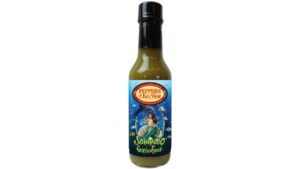
If you enjoyed learning how fresh jalapeños bring bright, balanced heat to Mexican cooking, Peppers of Key West Jalapeño Garlic Sauce is the perfect place to start. It delivers fresh jalapeño flavor with savory garlic, making it an easy everyday sauce for people who love authentic pepper flavor without overwhelming heat.
Why You’ll Love It: It captures the fresh, bright jalapeño flavor that makes this pepper one of the easiest to enjoy every day.
👉 Perfect For: Taco Tuesdays, backyard burgers, fresh salsa, grilled chicken, and easy weeknight dinners.
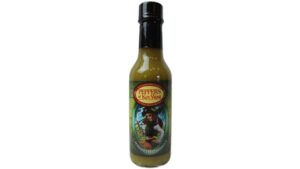
Ready to take the next step beyond jalapeños? Peppers of Key West Serrano Pepper Hot Sauce offers a brighter, livelier heat while maintaining the fresh pepper character that makes Mexican cooking so enjoyable. It’s a natural progression for anyone looking to explore peppers with a little more kick.
Why You’ll Love It: Weekend grilling, street taco nights, seafood, burritos, and homemade salsa.
👉 Perfect For: Street taco nights, burritos, seafood, grilled meats, weekend grilling, and homemade salsa.

One of the best ways to discover your favorite pepper is to taste several side by side. The Peppers of Key West Hot Sauce Variety 5-Pack lets you explore different peppers, heat levels, and flavor profiles so you can find the perfect sauce for every meal.
Why You’ll Love It: It lets you experience several peppers side by side and discover which flavors fit your cooking style.
👉 Perfect For: Family taste tests, game-day parties, taco bars, backyard BBQs, and finding your favorite heat level.

Love experimenting with bold flavors? The Peppers of Key West BBQ Gift Box brings together a collection of sauces and seasonings designed to make grilling, smoking, and outdoor cooking even more exciting. It’s an excellent choice for backyard pitmasters and anyone who enjoys sharing great food with family and friends.
Why You’ll Love It: It brings together bold flavors for memorable cookouts, family meals, and gifts that every pepper lover will appreciate.
👉 Perfect For: Summer cookouts, holiday gifts, Father’s Day, tailgates, and backyard grilling.
Frequently Asked Questions
Are jalapeños hot?
Jalapeños have mild to moderate heat, typically measuring between 2,500 and 8,000 Scoville Heat Units.
Are red jalapeños hotter than green jalapeños?
Not necessarily. Red jalapeños are simply more mature and often taste slightly sweeter, while their heat can vary from pepper to pepper.
Is a chipotle pepper a jalapeño?
Yes. Chipotle peppers are ripe red jalapeños that have been smoked and dried.
Can you eat jalapeños raw?
Yes. They’re commonly used raw in pico de gallo, salsas, salads, sandwiches, and taco toppings.
Can you freeze jalapeños?
Yes. Whole or sliced jalapeños freeze well for cooked recipes, although they’ll lose some of their crisp texture.
Do jalapeños continue ripening after they’re picked?
No. Unlike some fruits, jalapeños don’t significantly continue ripening once harvested.
What is corking on a jalapeño?
Corking refers to the natural tan lines or cracks that form as the pepper grows. It’s completely normal and often associated with mature, flavorful peppers.
What’s the best substitute for a jalapeño?
Serrano peppers provide more heat, while Anaheim and poblano peppers offer milder alternatives depending on the recipe.
Can you grow jalapeños at home?
Yes. Jalapeños are popular garden peppers that grow well in warm climates and containers with plenty of sunlight.
What foods pair best with jalapeños?
Jalapeños pair well with tacos, burgers, grilled meats, eggs, seafood, pizza, nachos, chili, fresh salsas, guacamole, and many Mexican dishes.
Continue Your Pepper Journey
Start Here: Chile Pepper Guide: Flavor, Heat, Uses & Individual Peppers Explained
Explore More Mexican Peppers
- Poblano Pepper Explained: The Mild Mexican Chile Behind Chiles Rellenos & Rich Sauces
- Habanero Pepper Explained: Fruity Flavor, Fiery Heat & How to Cook with It
- Chile de Árbol Explained: Flavor, Heat, Uses & Why This Mexican Chile Packs a Fiery Punch
- Datil Pepper Explained: Flavor, Heat, Uses & Why This Pepper Is a Florida Favorite
See More Keywords
jalapeño facts, jalapeño pepper uses, jalapeño recipes, jalapeño salsa, pico de gallo peppers, pickled jalapeños, stuffed jalapeños, jalapeño poppers, roasted jalapeños, grilled jalapeños, smoked jalapeños, chipotle vs jalapeño, serrano vs jalapeño, jalapeño vs poblano, jalapeño vs Anaheim, Capsicum annuum, Mexican peppers, fresh chile peppers, mild hot peppers, medium heat peppers, jalapeño pepper origin, Xalapa Veracruz jalapeño, Mexican cooking peppers, best peppers for salsa, best peppers for tacos, hot peppers for beginners, jalapeño nutrition, jalapeño pepper varieties, jalapeño gardening, jalapeño harvesting, chipotle peppers explained
