
Chile Pepper Basics Explained: Heat, Capsaicin, Scoville & How Peppers Work

Bite into a sweet bell pepper and you might taste crispness, sweetness and a little green bitterness. Bite into a jalapeño and those flavors are joined by a recognizable burn. Move up to a habanero and the experience changes again—fruity aroma, tropical character and considerably more heat. At the far end of the spectrum, superhot peppers such as Ghost Peppers and Carolina Reapers can produce levels of pungency that seem almost disconnected from the mild peppers sitting beside them in the produce aisle.
Yet all of these peppers belong to the same remarkable botanical genus: Capsicum.
That family includes thousands of cultivated varieties shaped over centuries for flavor, color, size, aroma, heat and culinary purpose. Some contain virtually no pungency at all. Others produce extraordinary concentrations of the compounds responsible for chile pepper heat. Understanding peppers therefore requires more than memorizing which one has the higher Scoville rating.
You need to understand what a chile pepper is, where its heat comes from, why capsaicin makes your nervous system interpret a pepper as hot, how scientists measure that pungency, why different species and varieties taste so different, and what happens as peppers ripen, dry or become powders and sauces.
That is what this guide is designed to explain.
If you want to explore individual peppers, compare varieties or move deeper into the enormous world of Capsicum, our Pepper Encyclopedia Explained: Flavor, Heat, Uses & the Complete Guide to Chile Peppers serves as the larger guide to the peppers themselves. Here, we’re going underneath those individual varieties to understand how chile peppers actually work.
Quick Guide: Chile Pepper Basics
What is a chile pepper?
A chile pepper is the fruit of a plant in the genus Capsicum. That family includes everything from sweet bell peppers to jalapeños, habaneros and some of the hottest peppers in the world.
What makes chile peppers hot?
Their pungency comes primarily from compounds called capsaicinoids. Capsaicin is the best known of them, but several related compounds contribute to the overall sensation of pepper heat.
Are the seeds the hottest part of a pepper?
Not exactly. Seeds can become coated with capsaicinoids, but much of a pepper’s pungency originates in the placental tissue inside the fruit rather than in the seeds themselves.
What does the Scoville Scale measure?
The Scoville Scale expresses chile pepper pungency in Scoville Heat Units (SHU). Modern laboratory methods can measure capsaicinoid concentrations far more precisely than the original human-tasting method.
Why do different peppers taste so different?
Heat is only one part of a pepper’s character. Genetics, species, ripeness, aroma compounds, sugars, growing conditions and processing can all influence how a pepper tastes.
Are all chile peppers the same species?
No. Most cultivated chile peppers belong to five domesticated Capsicum species, each containing peppers with different characteristics, histories and culinary traditions.
CHILE PEPPERS MAKE MUCH MORE SENSE ONCE YOU STOP THINKING OF THEM AS NOTHING MORE THAN DIFFERENT LEVELS OF HEAT.
What Is a Chile Pepper?
A chile pepper is the fruit of a plant belonging to the genus Capsicum, a group of plants native to the Americas that humans have cultivated and transformed for thousands of years. Botanically, that word fruit matters. Peppers are commonly treated as vegetables in the kitchen because they appear in savory dishes, but botanically they are fruits because they develop from a flower’s ovary and contain seeds. A sweet bell pepper, jalapeño, poblano, cayenne and Carolina Reaper all follow that same basic botanical pattern.
What makes the Capsicum family especially remarkable is the extraordinary diversity humans have developed within it. Peppers can be tiny or enormous, round or elongated, thin-walled or thick-fleshed. They can mature through shades of green, yellow, orange, red, brown, purple and nearly black, while their flavors can lean grassy, sweet, fruity, smoky, earthy, floral or bitter. Heat adds another layer to that diversity, but not every chile pepper is hot. Bell peppers are Capsicum too, despite having essentially no capsaicin-driven pungency, while at the opposite extreme are superhot peppers capable of producing astonishing concentrations of the compounds we perceive as burning heat.
That enormous range is why a pepper’s flavor should never be confused with its heat. Pungency is only one part of the sensory experience. A pepper also brings aroma, sweetness, bitterness, texture and distinctive flavor compounds. Two peppers with similar heat levels can taste remarkably different, while peppers belonging to the same species can vary enormously in pungency.
Thousands of cultivated peppers exist, but most of the peppers humans eat trace back to just five domesticated Capsicum species: Capsicum annuum, Capsicum chinense, Capsicum frutescens, Capsicum baccatum and Capsicum pubescens. Those scientific names provide a useful map of the pepper world. Capsicum annuum, for example, includes peppers as different as bell peppers, jalapeños, poblanos and many cayenne-type peppers. Capsicum chinense includes habaneros, Scotch bonnets and many of the world’s famous superhot varieties. The other domesticated species contain their own distinctive peppers, flavors, growing characteristics and culinary traditions.
You don’t need to memorize the Latin names to understand chile peppers. What matters is recognizing that the enormous variety we call “peppers” isn’t simply one plant producing hotter and milder versions of the same fruit. It is a diverse botanical family shaped by genetics, cultivation and thousands of years of human selection.
CHILE PEPPERS AREN’T A LADDER RUNNING FROM MILD TO HOT—THEY’RE A DIVERSE FAMILY IN WHICH HEAT IS ONLY ONE CHARACTERISTIC.
🌶️ Taste the Pepper, Not Just the Heat
Understanding chile peppers makes it easier to appreciate what a good hot sauce can actually do. Heat matters, but so do the fruitiness of a habanero, the familiar green character of a jalapeño, the smokiness of certain dried chiles and the intense personality of superhot peppers.
If you’d rather explore those differences with a bottle in front of you, browse our Hot Sauces to experience how different peppers, heat levels and flavor combinations translate from the chile itself into finished sauces.
Inside a Chile Pepper: Seeds, Flesh, Placenta & Heat
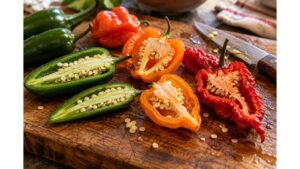
Cut a chile pepper open and its basic structure looks deceptively simple. There is an outer wall, or pericarp, surrounding the hollow interior, with seeds attached to pale internal tissue. Depending on the pepper, those structures may be thick and substantial or thin and delicate.
For generations, cooks have commonly described the seeds as “the hot part” of the pepper, but that’s not quite what is happening. The seeds can become coated with pungent compounds from surrounding tissues, which is why biting into one may seem hot, but the primary site associated with capsaicinoid production is the pepper’s placental tissue—the pale internal tissue to which the seeds are attached.
That distinction helps explain why scraping out the seeds often reduces a pepper’s apparent heat. Removing the seeds usually removes some of the surrounding placental tissue at the same time. It also helps explain why different parts of the same pepper don’t necessarily deliver identical levels of pungency: capsaicinoids aren’t simply distributed evenly through every seed, wall and piece of flesh.
In exceptionally hot varieties, the story becomes even more interesting. Superhot peppers can develop capsaicinoid-producing structures across additional internal surfaces, helping create the extraordinary pungency associated with peppers such as the Ghost Pepper and Carolina Reaper. Pepper anatomy therefore isn’t just botanical trivia—it helps explain something cooks, hot-sauce makers and chile lovers experience every time they cut open a hot pepper.
WHERE A PEPPER PRODUCES ITS HEAT AFFECTS WHERE WE ENCOUNTER THAT HEAT.
 🌶️ Professor Pepper Says…
The seeds get blamed for the burn, but they aren’t the pepper’s little heat factories. Much of the action happens in the pale placental tissue inside the pepper—the seeds can simply pick up some of those pungent compounds along the way.
Once we know where the pungent compounds originate, we can ask the question at the center of chile pepper science: What actually makes a hot pepper feel hot? The answer begins with a family of natural compounds called capsaicinoids—and one particularly famous member of that family: capsaicin.
What Makes a Chile Pepper Hot?
The heat of a chile pepper comes primarily from a family of naturally occurring compounds called capsaicinoids. These compounds are produced by the pepper plant and accumulate largely in tissues inside the fruit. Several different capsaicinoids can be present in a hot pepper, and the particular mixture and concentration help shape both the intensity and character of the pungency we experience.
The best-known member of that family is capsaicin. In many hot peppers, capsaicin accounts for a substantial portion of the total capsaicinoids, which is why its name has become almost synonymous with pepper heat. But capsaicin isn’t working alone. Dihydrocapsaicin is another major contributor, while compounds including nordihydrocapsaicin, homocapsaicin and homodihydrocapsaicin can contribute smaller portions of the overall capsaicinoid profile.
Those distinctions matter because pepper heat isn’t necessarily one uniform sensation. Some peppers seem to produce an immediate sharp burn, while others appear to build more gradually or linger longer. The concentration and combination of capsaicinoids can contribute to those differences, although the complete experience also depends on the pepper itself, how it is prepared and the person eating it.
This is also why saying that a pepper “contains capsaicin” tells us only part of the story. Capsaicin is the celebrity of chile pepper chemistry, but capsaicinoids are the larger chemical family responsible for the pungency of hot peppers.
CAPSAICIN MAY BE THE FAMOUS ONE, BUT PEPPER HEAT IS PRODUCED BY AN ENTIRE FAMILY OF CAPSAICINOIDS.
🔬 Go Deeper Into the Chemistry of Pepper Heat
Capsaicin is only the beginning. These guides explore the individual compounds behind chile pepper pungency and how they contribute to the burn we experience.
- What Is Capsaicin – The Natural Compound Behind Every Spicy Bite
- What is a Capsaicinoid: The chemical that makes your tongue scream!
- What is Dihydrocapsaicin: It’s the pepper compound that keeps the burn lingering!
- What is Nordihydrocapsaicin: Tiny molecule, big lingering burn!
- What is Homocapsaicin: The sneaky heat that lingers!
- What is Homodihydrocapsaicin: The quiet burner that sneaks up on you!
Why Capsaicin Feels Like Burning
Here’s where chile pepper heat becomes particularly interesting: capsaicin doesn’t actually make your mouth hot in the same way that boiling water does. Instead, it interacts with the sensory system your body uses to detect potentially harmful heat.
One of the key players is a receptor called TRPV1. These receptors are found on sensory nerve endings and respond to several types of potentially damaging stimuli, including high temperatures. Capsaicin can activate TRPV1 as well, triggering nerve signals that your brain interprets as burning heat even though the chile pepper hasn’t physically raised the temperature of your mouth to a dangerous level.
That explains one of the strangest characteristics of spicy food. The pepper contains a chemical compound, the compound interacts with a receptor, the receptor sends a warning signal through the nervous system, and your brain receives a message remarkably similar to the one it would receive from actual heat. Your mouth may feel as though it is burning, but the sensation is being produced through chemical activation of the body’s heat-sensing machinery.
The experience doesn’t necessarily stay confined to your tongue. Capsaicin-sensitive sensory nerves occur elsewhere in the body, which helps explain why very spicy food can produce reactions such as sweating, a runny nose and a powerful sensation of warmth. What begins as a chemical interaction with sensory receptors can therefore become a much larger physiological experience.
🌶️ Professor Pepper Says…
Your mouth isn’t actually getting hotter when you eat a chile pepper. Capsaicin is activating part of the same sensory system your body uses to warn you about real heat—which is why the burn feels so convincing.
A HOT PEPPER DOESN’T NEED TO BE PHYSICALLY HOT TO CONVINCE YOUR NERVOUS SYSTEM THAT SOMETHING IS BURNING.
🔥 Explore How Your Body Detects Pepper Heat
The chemistry explains what is in the pepper. The receptor science explains what happens when that chemistry meets the human body.
- What Are TRPV1 Receptors – Understanding Heat, Spice, and Capsaicin in Hot Peppers
- What Are TRPV2 Receptors – Understanding Extreme Heat Detection and Pepper Science
- What is the Difference Between TRPV1 and TRPV2 Receptors – Understanding Heat, Spice, and Capsaicin in Peppers
From Burning to the Scoville Scale
Knowing why a pepper burns creates another question: how do we describe just how hot that pepper is? A jalapeño and a Carolina Reaper can both activate the sensory pathways involved in chile pepper heat, yet the intensity of those experiences can be dramatically different. Pepper growers, scientists, sauce makers and consumers therefore need a way to communicate pungency beyond simply calling a pepper mild, medium or hot.
That brings us to one of the most recognizable ideas in the pepper world: the Scoville Scale. Scoville Heat Units are often treated like a simple scoreboard for ranking peppers, but the scale is really a way of expressing pungency—and the science behind those numbers, including how pepper heat is measured today, is considerably more interesting than the rankings alone suggest.
THE BURN IS A SENSATION. THE SCOVILLE SCALE IS OUR ATTEMPT TO PUT A NUMBER ON IT.
How the Scoville Scale Measures Pepper Heat
For more than a century, the Scoville Scale has provided the language most people use to describe chile pepper heat. A mild pepper may register only a few thousand Scoville Heat Units, while the hottest peppers can reach into the millions. Those numbers make it possible to compare peppers that produce dramatically different levels of pungency, but they are often misunderstood. Scoville Heat Units aren’t a temperature measurement, and they don’t tell us how physically hot a pepper becomes. They are a way of expressing the concentration of the compounds responsible for its pungency.
The scale traces back to pharmacist Wilbur Scoville and his early twentieth-century method of evaluating pepper heat through human taste. Pepper extracts were diluted until a tasting panel could no longer detect their pungency, with the amount of dilution providing the basis for the Scoville rating. It was an ingenious solution for its time, but it depended on human perception. People differ in their sensitivity to capsaicin, and repeated tasting can change how strongly subsequent samples are perceived.
Modern laboratories can approach the problem differently. Rather than relying on people to determine when the burn disappears, analytical instruments can measure the capsaicinoids present in a pepper sample. One important technique is high-performance liquid chromatography, or HPLC, which separates compounds in an extracted sample so researchers can determine how much of particular capsaicinoids is present. Those measurements can then be related back to the familiar Scoville Heat Unit system.
That distinction is important because today’s Scoville number may look like the same kind of number developed in Wilbur Scoville’s era, while the method used to obtain it can be very different. The original scale was based on sensory dilution; modern analytical testing can quantify the chemistry responsible for that sensation.
🌶️ Professor Pepper Says…
Think of the Scoville number as a measurement of pungency, not a complete description of the pepper. It can tell you a lot about the heat, but nothing about whether that pepper tastes fruity, grassy, smoky, floral or sweet.
THE SCOVILLE SCALE GIVES US THE FAMILIAR NUMBER, BUT MODERN LABORATORIES CAN MEASURE THE CHEMISTRY BEHIND THE BURN.
🌡️ Understand the Scoville Scale
The Scoville Scale has become shorthand for pepper heat, but there is much more behind an SHU number than simply deciding which pepper is hotter.

Why the Same Pepper Doesn’t Always Have the Same Heat
A Scoville rating can make pepper heat look more precise and predictable than it really is. We often talk about a jalapeño, habanero or Ghost Pepper as though every fruit of that variety contains exactly the same amount of heat, but chile peppers are biological products rather than manufactured objects. Two peppers from the same variety can differ noticeably in pungency.
Genetics establish much of a variety’s potential, but growing conditions and the development of the individual fruit can influence the amount of capsaicinoids it ultimately contains. Environmental conditions, plant stress, temperature, water availability, maturity and other factors can all contribute to variation. Even peppers harvested from the same plant aren’t necessarily chemically identical.
That is why established peppers are generally described with a Scoville range rather than one immutable number. The range is more useful than pretending every jalapeño or habanero will deliver precisely the same experience. It also explains something many chile lovers eventually encounter firsthand: one pepper can seem surprisingly manageable, while another pepper of the same variety delivers considerably more heat.
The same principle matters when comparing sauces and other finished foods. The pepper variety tells us something important about the potential heat, but the final experience also depends on how much pepper is used, which parts of the fruit are included, the concentrations of capsaicinoids in those particular peppers and everything else in the recipe.
A PEPPER VARIETY HAS A CHARACTERISTIC HEAT RANGE—NOT ONE GUARANTEED SCOVILLE NUMBER.
Heat Is Only Part of a Pepper’s Flavor
Scoville ratings are useful, but they can easily become the dominant way people think about chile peppers. A jalapeño is milder than a habanero, a habanero is milder than a Ghost Pepper, and a Carolina Reaper sits somewhere near the extreme end of the spectrum. That tells us something important about pungency, but it tells us surprisingly little about what those peppers actually taste like.
Chile peppers contain many of the same kinds of flavor and aroma compounds that make other fruits distinctive. Depending on the variety, a pepper may taste grassy and fresh, sweet and fruity, earthy, floral, citrusy or slightly bitter. A poblano and jalapeño don’t simply represent two positions on a heat scale; they bring different flavors, aromas, textures and culinary possibilities. The same is true when comparing a habanero with a cayenne or a Scotch bonnet with a superhot pepper.
Ripeness changes that character as well. Many peppers begin green and develop new colors, sugars, aromas and flavors as they mature. A green jalapeño and a fully ripened red jalapeño come from the same type of plant, yet the eating experience can be noticeably different. The mature fruit generally develops greater sweetness and a different flavor balance, demonstrating why color can represent more than appearance alone.
Processing can transform a pepper even further. Drying removes water and concentrates certain characteristics while allowing other flavors and aromas to become more prominent. Smoking introduces another dimension. Grinding dried peppers into flakes or powder changes how they are used and how their flavor becomes distributed throughout a dish. By the time a fresh chile becomes a dried chile, powder, seasoning or sauce, it may deliver a very different culinary experience even though the pepper itself remains the foundation.
SCOVILLE UNITS TELL US HOW PUNGENT A PEPPER CAN BE—THEY DON’T TELL US WHAT THAT PEPPER TASTES LIKE.
Why We Experience Pepper Heat Differently
Even when two people eat exactly the same pepper, they may not describe the experience the same way. The chemistry of the pepper hasn’t changed, but the human sensory system isn’t identical from person to person. Individual sensitivity, previous exposure to spicy foods, expectations and the food surrounding the pepper can all influence how intense the experience seems.
Repeated exposure is particularly interesting because people who regularly eat spicy food can become accustomed to sensations that might feel overwhelming to someone with little experience. That doesn’t mean the capsaicin has disappeared or that the pepper has somehow become chemically milder. Rather, our perception and response can change with experience, helping explain why one person’s comfortable everyday heat can be another person’s limit.
The rest of the meal matters too. Capsaicin interacts differently with foods than many people initially expect because it does not simply behave like something that can be washed away with water. Ingredients containing fat and proteins can affect how capsaicin is carried and removed from surfaces in the mouth, which is one reason the foods accompanying a hot pepper can change the overall experience.
That combination of pepper chemistry and human perception is one of the reasons spicy food is so fascinating. We aren’t merely detecting a flavor molecule. We’re experiencing a sensory response that can include burning, warmth, sweating and other physical reactions—and, for many people, considerable enjoyment.
THE PEPPER PROVIDES THE CAPSAICIN, BUT YOUR NERVOUS SYSTEM HELPS DETERMINE HOW THAT HEAT FEELS.
🔥 Why Do We Keep Coming Back for More?
Understanding the burn still leaves a wonderfully strange question: if chile peppers activate sensory pathways associated with potentially harmful heat, why do so many people enjoy eating them?
Why Do People Enjoy the Burn?
At first glance, enjoying spicy food seems almost contradictory. Capsaicin activates sensory pathways involved in detecting potentially harmful heat, producing a burning sensation that can make your mouth feel as though something is wrong. Yet millions of people deliberately seek out that sensation, gradually move toward hotter peppers and sauces, and sometimes describe the burn as one of the most enjoyable parts of eating spicy food.
Part of the explanation is that the experience involves much more than taste. The nervous system recognizes capsaicin as an intense sensory stimulus, and the body can respond with sweating, increased salivation, facial flushing and other reactions associated with heat and stress. At the same time, the brain knows something the sensory nerves do not: under ordinary culinary conditions, the meal itself isn’t literally setting your mouth on fire. That combination can turn the burn into a controlled sensory challenge rather than simply an unpleasant warning.
Experience can change the relationship further. Someone who rarely eats chile peppers may find relatively modest heat overwhelming, while a regular spicy-food eater may comfortably enjoy considerably greater pungency. Familiarity can make the sensation more predictable and manageable, allowing the flavors surrounding the heat to become easier to appreciate. For some people, the intensity itself also becomes part of the attraction—the anticipation, the first wave of heat, the building burn and the eventual fading of the sensation all become part of the eating experience.
That doesn’t mean everyone experiences or enjoys chile pepper heat in the same way. Individual sensitivity, culture, eating habits, expectations and previous exposure all help shape our response. What one person considers pleasantly warm may be genuinely uncomfortable to someone else, which is another reason a Scoville number can never completely predict the experience of eating a pepper.
SPICY FOOD ISN’T JUST SOMETHING WE TASTE—IT’S A SENSORY EXPERIENCE OUR BRAINS LEARN TO INTERPRET.
🔥 Explore the Science of Spicy Food
These existing guides take the sensory side of chile peppers deeper, from the physical sensation of burning to why people deliberately seek that sensation out.
- The Ultimate Guide to the Science of Hot Sauce Pain: Why Peppers Burn and You Love It
- Why People Love Spicy Food: The Addictive Heat That Rewires Your Brain
From Pepper Science to the Kitchen
Understanding chile pepper science becomes especially useful when you actually have to choose a pepper. Knowing that capsaicinoids create pungency, that Scoville ratings describe a range rather than an absolute promise, and that flavor exists independently of heat changes the question from simply “How hot is it?” to “What will this pepper contribute to the food?”
A mild pepper can provide sweetness, fresh green flavor or substantial flesh without overwhelming a dish. Medium-heat peppers can add noticeable pungency while still allowing their own flavor and the other ingredients to remain prominent. Hot and superhot peppers can contribute distinctive fruity, floral or earthy characteristics, but their intensity means relatively small amounts may dramatically change the finished food. Choosing a chile therefore involves balancing flavor, heat, texture and the role the pepper is supposed to play in the recipe.
The form of the pepper matters just as much. Fresh chiles can contribute moisture, texture and bright aromas, while dried chiles often bring concentrated, deeper or transformed flavors. Powders and flakes distribute differently through food, and sauces combine peppers with other ingredients that can reshape both their flavor and perceived heat. There isn’t one universally “best” form of chile—the useful choice depends on what you’re cooking and what you want the pepper to accomplish.
This is where all the science we’ve covered begins becoming practical. The goal isn’t to memorize chemical compounds or Scoville numbers simply for the sake of knowing them. It’s to understand chile peppers well enough to make better decisions about which pepper to use, how much heat you want and what kind of flavor you want that pepper to bring with it.
THE BEST PEPPER ISN’T NECESSARILY THE HOTTEST ONE—IT’S THE ONE THAT BRINGS THE RIGHT HEAT AND FLAVOR TO THE FOOD.
How Ripening Changes a Chile Pepper
A chile pepper doesn’t remain chemically or visually identical from the moment it reaches full size until the moment it is harvested. Many familiar peppers begin green and gradually change color as they mature, sometimes passing through several shades before reaching their final ripe color. Jalapeños commonly mature from green to red, for example, while other varieties may finish yellow, orange, brown or even very dark purple depending on their genetics.
Those color changes reflect real changes occurring inside the fruit. As a pepper ripens, chlorophyll responsible for much of its green color breaks down while other pigments become more visible or accumulate. Carotenoids are particularly important in many mature peppers, contributing to the brilliant reds, oranges and yellows associated with ripe chiles. At the same time, changes in sugars, acids, aroma compounds and texture can shift the pepper’s overall flavor.
That is why a green chile and a ripe version of the same variety shouldn’t automatically be treated as interchangeable. Younger green peppers often emphasize fresh, grassy or vegetal characteristics, while fully ripe peppers can become sweeter, fruitier or more aromatic. The exact transformation depends on the variety, but ripeness is one of the reasons the same pepper can play noticeably different roles in the kitchen at different stages of maturity.
Heat can change during development as well, but ripening shouldn’t be treated as a simple rule that every red pepper is automatically hotter than every green one. Capsaicinoid production follows its own biological patterns and can vary with genetics, maturity and growing conditions. Color therefore gives us useful information about a pepper’s development, but it isn’t a substitute for understanding the variety itself.
A PEPPER’S COLOR ISN’T JUST DECORATION—IT CAN BE A VISIBLE SIGN OF CHANGES IN FLAVOR, AROMA AND CHEMISTRY.
What Drying Does to Chile Peppers
Drying takes the transformation even further. Removing water from a chile doesn’t simply create a smaller, shelf-stable version of the fresh pepper. The balance of flavors and aromas changes, textures disappear, certain characteristics become concentrated, and entirely different culinary possibilities emerge. In some cuisines, the fresh and dried forms of the same pepper are treated almost like separate ingredients because they contribute such different qualities to food.
Poblano peppers provide a familiar example. Fresh poblanos are generally associated with a green, earthy character and substantial flesh, while ripe poblanos that are dried become ancho chiles with a darker, richer flavor profile. Jalapeños can undergo an even more dramatic transformation when they are ripened, dried and smoked to become chipotles. The underlying pepper remains recognizable, but processing has created an ingredient with a substantially different aroma, texture and culinary role.
Dried chiles can be used whole, toasted, soaked and blended into sauces, crushed into flakes or ground into powders. Each preparation changes how the pepper’s flavor and heat move through a dish. A whole dried chile slowly contributing flavor to a sauce behaves differently from a finely ground chile powder dispersed throughout the same recipe, even when both began with the same variety of pepper.
Understanding that distinction also helps explain why replacing a fresh pepper with a dried version—or replacing either with chile powder—isn’t always a straightforward one-for-one substitution. The question isn’t simply how much heat each contains. Water content, concentration, texture, aroma and the way the pepper is incorporated into the food have all changed.
DRYING DOESN’T JUST PRESERVE A CHILE PEPPER—IT CAN TRANSFORM IT INTO A DIFFERENT CULINARY INGREDIENT.
Storing Peppers Without Losing What Makes Them Good
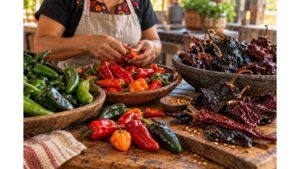
Once peppers are harvested or dried, storage becomes part of preserving their quality. Fresh peppers contain substantial moisture and continue to change after harvest, so temperature, humidity and time affect their texture, appearance and flavor. Refrigeration can slow deterioration, while freezing can extend useful storage much further when preserving the pepper for later cooking matters more than maintaining its original crisp texture.
Dried chiles present a different challenge. Removing most of their water makes them considerably more shelf-stable than fresh peppers, but it doesn’t make them permanent. Exposure to moisture, heat, light and air can gradually diminish their quality, weakening aromas, changing texture and increasing the risk of spoilage if they become damp. Proper storage therefore protects more than shelf life—it helps preserve the characteristics that made the chile worth keeping in the first place.
The best storage method ultimately depends on the form of pepper and how you expect to use it. A fresh jalapeño intended for next week’s salsa has different requirements from a harvest being frozen for several months, just as a package of dried ancho chiles has different needs from fresh poblanos. Understanding those differences allows peppers to be preserved without treating every chile as though it behaves the same way.
HOW YOU STORE A PEPPER DEPENDS ON WHAT FORM IT’S IN—AND WHAT YOU WANT TO PRESERVE ABOUT IT.
Where Chile Peppers Came From
Long before jalapeños appeared on nachos, cayenne filled spice jars or superhot peppers became international celebrities, chile peppers were plants of the Americas. Wild Capsicum species originated in the Americas, and people began gathering, cultivating and eventually domesticating different peppers thousands of years before European contact. Over generations, human selection helped transform wild fruits into peppers with an extraordinary range of sizes, shapes, colors, flavors and heat levels.
That process did not happen in a single place or produce a single domesticated pepper. Different Capsicum species developed distinct histories in different parts of the Americas, helping explain why chile diversity stretches from Mexico and Central America through the Caribbean and deep into South America. Peppers became embedded in regional food traditions long before the rest of the world knew they existed.
The global story changed dramatically after sustained contact between the Americas and Europe began at the end of the fifteenth century. Chile peppers moved across the Atlantic and entered expanding maritime trade networks, allowing them to travel through Europe, Africa and Asia. In many regions they proved relatively easy to grow, while their intense flavor made them useful in cuisines that already valued pungent spices and strongly seasoned foods.
What happened next is one of the most remarkable stories in food history. Chiles became so deeply integrated into cuisines across South and Southeast Asia, China, Korea, Africa and elsewhere that today it can be difficult to imagine many of those food traditions without them. Yet chile peppers arrived in those regions only after their movement out of the Americas. Communities around the world adopted the new ingredient and transformed it according to local agriculture, tastes and cooking traditions.
That history also helps explain why there is no single universal way to cook with chile peppers. Mexican dried-chile sauces, Caribbean pepper sauces, Indian chile preparations, Korean chile powders and Southeast Asian fresh-chile condiments developed within different culinary traditions. The common botanical ingredient traveled around the world, but people gave it new identities everywhere it took root.
CHILE PEPPERS BEGAN IN THE AMERICAS, BUT THEIR JOURNEY AROUND THE WORLD CHANGED THE WAY BILLIONS OF PEOPLE EAT.
One Pepper Family, Thousands of Culinary Traditions
The worldwide spread of chile peppers created something much larger than a collection of hot ingredients. Different cultures selected varieties that performed well in local climates and suited local tastes, while cooks developed ways of using them fresh, dried, smoked, fermented, ground, pickled and blended into sauces. Over time, particular peppers became closely associated with places and cuisines far removed from the American environments where Capsicum first evolved.
That helps explain the extraordinary variety encountered today. Some peppers are prized primarily for fresh flavor, others for drying, others for thick flesh or distinctive aromas, and still others for extreme pungency. A pepper’s usefulness cannot be reduced to where it sits on the Scoville Scale because generations of cultivation have selected peppers for many characteristics beyond heat.
This is also where the botanical and culinary sides of the chile pepper story come back together. The five domesticated Capsicum species provide the broad biological framework, but human cultivation created the remarkable diversity within them. Farmers and cooks weren’t simply preserving chile peppers as they found them; across generations, they helped shape the peppers that became part of regional cuisines.
NATURE CREATED CAPSICUM. THOUSANDS OF YEARS OF HUMAN CULTIVATION HELPED CREATE THE PEPPER WORLD WE KNOW TODAY.
Understanding a Pepper Means Looking Beyond the Number
By now, the limitation of treating peppers primarily as Scoville ratings should be clear. Heat matters, sometimes enormously, but it is only one dimension of a chile pepper. Species and genetics establish a foundation. Anatomy helps determine where capsaicinoids are produced. Ripeness changes color and flavor. Drying and other forms of processing can transform how a pepper tastes and behaves in food. History and human cultivation explain why thousands of varieties now occupy such different culinary roles.
That broader perspective makes individual peppers much easier to understand. Instead of asking only whether a habanero is hotter than a jalapeño, we can ask what each tastes like, which Capsicum species it belongs to, how it changes as it ripens, whether it works well fresh or dried, how it has traditionally been used and what it contributes to a finished dish. Scoville Heat Units remain useful, but they become one piece of a much richer description.
The same principle applies at the extreme end of the pepper world. Ghost Peppers and Carolina Reapers are fascinating partly because of their extraordinary pungency, but reducing them to record-setting numbers overlooks their genetics, flavors, histories and unusual capsaicinoid production. Extreme heat may attract attention; understanding the pepper requires looking beyond it.
THE SCOVILLE NUMBER TELLS YOU SOMETHING IMPORTANT ABOUT A PEPPER. IT DOESN’T TELL YOU EVERYTHING IMPORTANT ABOUT THE PEPPER.
Choosing the Right Chile Pepper
Once you understand how chile peppers work, choosing one becomes less about chasing a particular Scoville number and more about deciding what you want the pepper to accomplish. Heat is part of that decision, but so are flavor, aroma, texture, preparation and the other ingredients in the dish. A pepper that is perfect for a fresh salsa may not be the pepper you would choose for a dried-chile sauce, seasoning blend or extremely hot sauce.
Start with the level of pungency you actually want. Mild peppers allow you to use relatively large amounts while keeping the overall dish approachable, which can make their flavor and texture important parts of the recipe. Medium and hot peppers provide progressively greater pungency, while superhot varieties can influence an entire batch of food in remarkably small quantities. More heat isn’t inherently better; it simply changes how the pepper must be handled and balanced with everything around it.
Then consider flavor. Jalapeños can contribute fresh green character, habaneros are known for pronounced fruity and aromatic qualities, poblanos bring a different earthy character, and dried or smoked peppers can introduce still another range of flavors. Two peppers with similar Scoville ratings aren’t necessarily interchangeable because their flavor profiles may lead a dish in completely different directions.
Finally, consider form and preparation. Fresh, roasted, dried, smoked, powdered, fermented and sauce-based peppers behave differently in food. Understanding those differences is what turns chile pepper knowledge into something useful in the kitchen: instead of simply asking “Which pepper is hotter?”, you begin asking “Which pepper belongs in what I’m making?”
CHOOSING A CHILE PEPPER IS ABOUT MATCHING HEAT, FLAVOR AND FORM TO THE FOOD—NOT SIMPLY PICKING THE BIGGEST SCOVILLE NUMBER.
🌶️ Recommended Peppers of Key West Products for Exploring Chile Pepper Heat
Reading about capsaicin and Scoville Heat Units explains the science, but tasting peppers at different heat levels makes those differences much easier to understand. Hot sauces provide a particularly useful way to explore how different peppers combine pungency with flavor because the pepper remains central while the other ingredients help shape the finished experience.
Product Pairing Quick Guide
- Wings, Pizza, Eggs & Everyday Meals → Peppers of Key West Cayenne Pepper Hot Sauce
- Tacos, Guacamole, Eggs & Seafood → Peppers of Key West Jalapeño Garlic Sauce
- Tacos, Burgers, Pizza & Grilled Chicken → Peppers of Key West Serrano Pepper Hot Sauce
- Oysters, Eggs, Tacos & Caribbean-Inspired Dishes → Peppers of Key West Habanero Pepper Hot Sauce
- Chili, Grilled Meats & Serious Chile Heat → Peppers of Key West Ghost Pepper Hot Sauce
- Extreme Heat, Chili & Adventurous Cooking → Peppers of Key West Carolina Reaper Pepper Hot Sauce
- Extreme Heat & Serious Chile Heads → Peppers of Key West Black Caesar’s Weapon’s Grade Hot Sauce
- Exploring Five Chile Peppers from Cayenne to Carolina Reaper → Peppers of Key West 5 Sauce Heat Collection
Best Peppers of Key West Products for Exploring Chile Pepper Heat
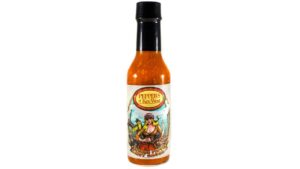
Peppers of Key West Cayenne Pepper Hot Sauce
🌶️ Approachable Heat
A great starting point for exploring chile pepper heat, our Cayenne Pepper Hot Sauce delivers approachable pungency with familiar pepper flavor. Try it on wings, pizza, eggs, tacos and everyday meals when you want noticeable heat without overwhelming the food.
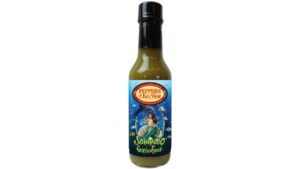
Peppers of Key West Jalapeño Garlic Sauce
🌶️🌶️ Mild Heat
Jalapeño shows how a chile can contribute recognizable pepper character without extreme heat. Our Jalapeño Garlic Sauce combines that bright green-pepper personality with plenty of garlic, making it an easy match for tacos, guacamole, eggs, chicken, seafood and sandwiches.
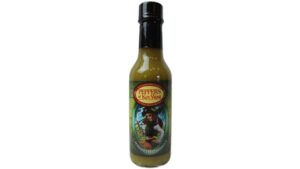
Peppers of Key West Serrano Pepper Hot Sauce
🌶️🌶️🌶️ Medium Heat
Serrano moves the heat upward while retaining the fresh chile character that makes green peppers so useful in the kitchen. Our Serrano Pepper Hot Sauce works especially well with tacos, burgers, grilled chicken and pizza when you want a stronger pepper kick without entering superhot territory.
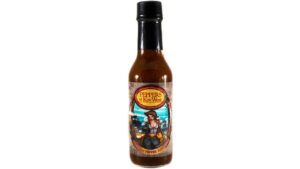
Peppers of Key West Habanero Hot Sauce
🌶️🌶️🌶️🌶️ Hot
Habanero demonstrates why Scoville ratings tell only part of a pepper’s story. Along with considerably more heat comes the distinctive fruity character associated with habanero peppers, making this a flavorful choice for seafood, eggs, grilled meats and Caribbean-inspired dishes.

Peppers of Key West Ghost Pepper Hot Sauce
🌶️🌶️🌶️🌶️🌶️ Extreme Heat
Ghost Pepper takes the experience into serious chile heat. Our Ghost Pepper Hot Sauce showcases the intensity that made Bhut Jolokia famous while giving experienced heat lovers a way to explore the distinctive character of a superhot pepper. A little goes a long way.
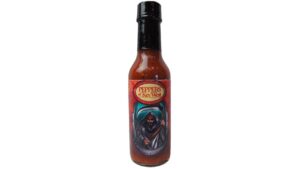
Peppers of Key West Carolina Reaper Pepper Hot Sauce
🌶️🌶️🌶️🌶️🌶️ Extreme Heat
Carolina Reaper pushes the experience to the extreme end of chile pepper pungency. Our Carolina Reaper Hot Sauce is intended for experienced heat lovers who want to explore the remarkable intensity of a superhot pepper. Use it sparingly—the pepper doesn’t need much help making itself known.
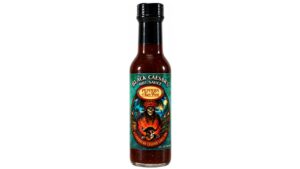
Peppers of Key West Black Caesar’s Weapon’s Grade Hot Sauce
🌶️🌶️🌶️🌶️🌶️🌶️ Extreme Heat
Black Caesar’s moves beyond everyday table-sauce territory and into serious chile-head heat. It’s designed for experienced hot-sauce lovers who actively seek intense pungency and want to explore just how powerful the chile pepper experience can become.

Peppers of Key West 5 Sauce Heat Collection
🌶️ → 🌶️🌶️🌶️🌶️🌶️ Heat Journey: Approachable to Extreme
Want to experience the progression instead of choosing just one pepper? Our 5 Sauce Heat Collection brings together Cayenne, Jalapeño, Habanero, Ghost Pepper and Carolina Reaper, creating a side-by-side journey from approachable everyday heat into the superhot end of the chile pepper world.
Continue Exploring the World of Chile Peppers
Chile peppers become much easier to understand once heat is placed in context. Capsaicin and the other capsaicinoids explain where pungency comes from. Sensory receptors explain why that chemistry feels like burning. The Scoville Scale gives us a way to describe its intensity, while species, genetics, ripeness, processing and centuries of cultivation explain why peppers with similar heat levels can still be completely different ingredients.
That foundation is what this guide is meant to provide. As the individual subjects become more detailed—pepper anatomy, Capsicum species, HPLC testing, ripeness, dried chiles, storage and the history of peppers around the world—each deserves room for a deeper explanation of its own. This pillar gives those subjects a common starting point while the individual guides take the science, history and cooking further.
For individual pepper profiles, comparisons, flavors and uses, continue into Pepper Encyclopedia Explained: Flavor, Heat, Uses & the Complete Guide to Chile Peppers. There you can move from the science of how peppers work to the individual peppers that put that science into practice.
UNDERSTAND THE SCIENCE, THEN EXPLORE THE PEPPERS—BECAUSE HEAT IS ONLY THE BEGINNING OF THE STORY.
Frequently Asked Questions About Chile Pepper Basics
What makes chile peppers hot?
Chile pepper heat comes primarily from a family of compounds called capsaicinoids, with capsaicin and dihydrocapsaicin generally making up much of the pungency in hot peppers. These compounds interact with sensory receptors in your body, producing the familiar sensation of burning heat.
Is capsaicin the same thing as pepper heat?
Capsaicin is the best-known compound responsible for chile pepper heat, but it isn’t the only one. Several related capsaicinoids contribute to pungency, which is why it is more accurate to think of pepper heat as the result of a family of compounds rather than capsaicin alone.
Are pepper seeds actually the hottest part?
Not exactly. The seeds can become coated with capsaicinoids, but much of the production of these compounds occurs in the placental tissue inside the pepper. Removing the seeds often reduces heat because some of that surrounding tissue is removed along with them.
Why does capsaicin make your mouth feel like it is burning?
Capsaicin can activate TRPV1 receptors, which are part of the sensory system involved in detecting potentially harmful heat. Your nervous system therefore sends signals that your brain interprets as burning even though the pepper hasn’t literally heated your mouth to that temperature.
What are Scoville Heat Units?
Scoville Heat Units, or SHU, are used to express the pungency of chile peppers and pepper products. Higher numbers generally indicate greater concentrations of the compounds responsible for chile pepper heat, although individual peppers of the same variety can vary.
Are Scoville ratings exact?
Not in the sense that every pepper of a particular variety will produce precisely the same number. Genetics, growing conditions, maturity and other factors can affect capsaicinoid levels, which is why peppers are often described using a Scoville range.
How is pepper heat measured today?
Modern laboratories can use analytical methods such as high-performance liquid chromatography (HPLC) to separate and measure capsaicinoids in a pepper sample. Those chemical measurements can then be related to the familiar Scoville Heat Unit system.
Does a hotter pepper always have more flavor?
No. Heat and flavor aren’t the same thing. Peppers can have grassy, fruity, floral, earthy, sweet, smoky or other characteristics independent of their pungency. A hotter pepper isn’t automatically a more flavorful pepper.
Does a pepper become hotter when it turns red?
Not necessarily. Ripening can change a pepper’s color, sweetness, aroma and overall flavor, while capsaicinoid levels follow their own developmental patterns. A red pepper therefore shouldn’t automatically be assumed to be hotter simply because it is fully ripe.
What’s the difference between fresh and dried chile peppers?
Drying removes water and changes the balance of flavor, aroma and texture in a chile. Some dried peppers develop such distinctive characteristics that their dried forms are treated as different culinary ingredients from their fresh counterparts.
Why can two peppers of the same variety have different heat levels?
Chile peppers are biological products, so individual fruits aren’t chemically identical. Genetics establish the variety’s general characteristics, while growing conditions, plant development, maturity and other factors can contribute to differences in pungency.
Where did chile peppers originally come from?
Chile peppers originated in the Americas, where different Capsicum species were cultivated and domesticated long before European contact. After the late fifteenth century, peppers spread through global trade networks and became deeply integrated into cuisines throughout much of the world.
🌶️ Continue Your Pepper Journey
- Start Here: Pepper Encyclopedia Explained: Flavor, Heat, Uses & the Complete Guide to Chile Peppers.
🔥 Continue Learning About Pepper Heat
🔬 Explore the Chemistry Behind the Burn
- What Is Capsaicin – The Natural Compound Behind Every Spicy Bite
- What is a Capsaicinoid: The chemical that makes your tongue scream!
- What Are TRPV1 Receptors – Understanding Heat, Spice, and Capsaicin in Hot Peppers
🔥 Explore Why Spicy Food Feels So Intense
- The Ultimate Guide to the Science of Hot Sauce Pain: Why Peppers Burn and You Love It
- Why People Love Spicy Food: The Addictive Heat That Rewires Your Brain
🌶️ More Individual Peppers Worth Exploring
- Jalapeño Pepper Explained: Flavor, Heat, Uses & Why It’s America’s Favorite Chile
- Serrano Pepper Explained: Flavor, Heat, Uses & Why It Gives Mexican Salsa Its Signature Bite
- Habanero Pepper Explained: Flavor, Scoville Heat, Uses & What Makes It So Hot
- Ghost Pepper Explained: Scoville Heat, Flavor, Uses & What Makes It So Hot
- Poblano Pepper Explained: Flavor, Heat, Uses & Why It’s the Chile Behind Chiles Rellenos
UNDERSTANDING HOW CHILE PEPPERS WORK IS THE FOUNDATION. FROM HERE, THE REAL FUN IS EXPLORING HOW DIFFERENT PEPPERS PUT THAT SCIENCE INTO PRACTICE.
See More Keywords: chile pepper science, hot pepper science, Capsicum explained, chile pepper pungency, pepper heat levels, capsaicin heat, capsaicin receptors, TRPV1 receptors, pepper placenta, pepper seeds and heat, Scoville rating, Scoville heat scale, measuring pepper heat, HPLC pepper testing, chile pepper flavor, pepper ripeness, ripe chile peppers, dried chile peppers, fresh chile peppers, chile powder, pepper genetics, domesticated Capsicum species, Capsicum annuum, Capsicum chinense, Capsicum baccatum, superhot peppers, mild peppers, hot pepper compounds, chile pepper chemistry, history of chile peppers
