
🔥 Why People Love Spicy Food: The Addictive Heat That Rewires Your Brain
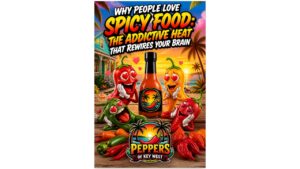
Understanding capsaicin and related chili pepper compounds like dihydrocapsaicin, nordihydrocapsaicin, homocapsaicin, and homodihydrocapsaicin is essential for anyone serious about spicy food, hot sauce, and extreme heat. This in-depth guide breaks down how these compounds work together to create the burning sensation in peppers like Carolina Reaper and Ghost Pepper, while also influencing flavor, intensity, and heat duration. Learn how capsaicin triggers pain receptors, why different peppers feel hotter even at similar Scoville levels, and how these chemical compounds impact everything from cooking and hot sauce production to heat tolerance and spice addiction. Whether you’re a casual spice lover or building your expertise with Peppers of Key West products, this guide gives you the science behind heat so you can better control, enjoy, and master spicy food at every level.
The reason ties directly into the science of hot sauce pain
🌶️ Why People Love Spicy Food – The Ultimate Authority Guide
Why people love spicy food is one of the most searched and misunderstood questions in food science, psychology, and culinary culture. Despite the burn, the sweat, and the intensity, people actively seek hotter peppers, stronger sauces, and more extreme heat experiences. At Peppers of Key West, why people love spicy food is not just theory—it is proven every day through hot sauce, chili peppers, and extreme flavor demand.
Why people love spicy food comes down to a powerful combination of capsaicin reaction, brain chemistry, thrill-seeking behavior, and flavor complexity. Understanding why people love spicy food allows you to control heat, build tolerance, and fully enjoy the experience rather than fear it.
Pain is the entry point—addiction is the outcome.
To understand how extreme peppers compare, dive into Carolina Reaper vs Ghost Pepper: The Brutal Heat War That Destroys Tastebuds and see the heat hierarchy in action.
🌶️ Why People Love Spicy Food (Quick Breakdown)
- brain reaction
- endorphins
- thrill
- flavor
🌶️ Why People Love Spicy Food Science and Capsaicin Reaction
Why people love spicy food starts with capsaicin, the compound responsible for heat in chili peppers. Capsaicin binds to pain receptors in the mouth, sending signals to the brain that mimic burning. This is why people love spicy food even when it feels intense—because the body responds with endorphins.
Endorphins are natural chemicals that reduce pain and create a sense of pleasure. When you eat spicy food, your body releases these chemicals to counteract the perceived threat. Over time, this creates a cycle where why people love spicy food becomes linked to the reward system in the brain.
Why people love spicy food is not just about taste—it is about chemical response. The more exposure you have, the more your tolerance increases, and the more heat you seek.
Why people love spicy food begins with capsaicin, the compound responsible for heat in chili peppers. Capsaicin binds to receptors in your mouth that detect heat and pain. To fully understand how this works, explore our capsaicin science explanation and how it triggers the body’s heat response.
Capsaicin activates TRPV1 receptors, which send signals to your brain that mimic burning sensations. This is why heat feels real even though there is no actual damage. For a deeper breakdown, check out how TRPV receptors respond to capsaicin and create the spicy food experience.
Your brain thinks you’re in danger—your body rewards you for it.
To go deeper into heat measurement, explore Scoville Scale Explained Why Some Peppers Hurt More Than Others and understand how intensity is ranked.
🌶️ Why People Love Spicy Food Psychology and Heat Addiction

Why people love spicy food is deeply rooted in psychology. Eating extremely spicy food creates a controlled stress response. Your body reacts as if it is under threat, but you remain safe. This creates excitement, adrenaline, and satisfaction.
This is why people love spicy food in challenges, competitions, and extreme hot sauce tasting. The experience becomes a test of endurance and control. Why people love spicy food is similar to thrill-seeking behavior seen in extreme sports.
At Peppers of Key West, this behavior is visible in how customers move from mild sauces to extreme Carolina Reaper products over time. Why people love spicy food evolves into a pursuit of higher intensity.
Spice is the only pain people willingly chase.
Curious how far people push it? Head over to Extreme Hot Sauce Challenge Guide That Will Test Your Limits and Your Life Choices and see real-world heat obsession.
This reaction is part of how hot sauce pain affects the brain
🌶️ Why People Love Spicy Food Flavor and Heat Complexity

Why people love spicy food is not just about heat—it is about flavor complexity. Chili peppers bring layers of sweetness, smokiness, bitterness, and depth that enhance food. Hot sauce amplifies these qualities, turning simple dishes into bold experiences.
At Peppers of Key West, sauces are crafted to balance heat with flavor. Ghost Pepper provides smoky richness, while Carolina Reaper delivers intense fruity heat. Why people love spicy food is tied directly to how these flavors transform meals.
Why people love spicy food increases when heat enhances rather than overwhelms. This is where proper sauce selection and heat control matter.
Heat is not the flavor—it unlocks the flavor.
To understand flavor differences, explore Flavor of Different Hot Peppers Your Taste Buds Aren’t Ready For This and expand your palate.
🌶️ Why People Love Spicy Food Culture and Global Influence

Why people love spicy food is shaped by culture and exposure. In many regions, chili peppers are essential ingredients that define cuisine. From early childhood, people develop tolerance and preference for heat.
Why people love spicy food becomes part of identity. Cultural dishes reinforce the use of chili peppers, making heat a normal and expected part of meals. Over time, this builds both tolerance and appreciation.
Why people love spicy food also spreads globally through food trends, challenges, and social media, increasing demand for hotter and more intense flavors.
Spice is culture, identity, and flavor combined.
To explore global heat levels, check out World’s Hottest Peppers Ranked Eat These and You Will Regret It Seriously Don’t and see how cultures embrace intensity.
🌶️ Why People Love Spicy Food and Hot Sauce Obsession

Why people love spicy food often leads directly to hot sauce obsession. Hot sauce allows customization of heat levels, flavor profiles, and intensity. It transforms everyday food into a personalized experience.
At Peppers of Key West, hot sauce is designed to match every level—from mild to extreme Carolina Reaper heat. Why people love spicy food evolves into collecting, experimenting, and constantly pushing limits.
Why people love spicy food is amplified when people discover they can control heat instead of being overwhelmed by it.
Dive deeper into The Ultimate Guide to the Science of Hot Sauce Pain
One drop turns curiosity into obsession.
👉 Ready to push your limits? Explore Carolina Reaper and Ghost Pepper hot sauces from Peppers of Key West and experience extreme heat done right.
If you want to master heat control, explore Cooking with Superhot Peppers Safely The No-Regret Guide to Extreme Heat Control and take full control of your spice experience.

🌶️ Frequently Asked Questions:
- Why do people love spicy food even when it burns?
People love spicy food because capsaicin triggers endorphin release, creating pleasure after the burn and reinforcing a cycle of enjoyment and increasing tolerance. - Is spicy food addictive?
Yes, spicy food can become addictive due to repeated endorphin release, leading people to seek stronger heat for the same pleasurable sensation. - Why does spicy food feel good?
Capsaicin activates pain receptors, causing the brain to release endorphins and dopamine, creating a feeling of pleasure and excitement. - Do people build tolerance to spicy food?
Yes, repeated exposure increases tolerance, allowing individuals to handle higher levels of heat over time. - Why do some people dislike spicy food?
Sensitivity varies, and some people have lower tolerance, making spicy food feel overwhelming rather than enjoyable. - Is spicy food healthy?
Spicy food can offer benefits like improved metabolism when consumed in moderation. - Why does spicy food make you sweat?
Capsaicin triggers heat receptors, causing the body to respond by sweating to cool down. - What is the hottest pepper people eat?
Carolina Reaper is one of the hottest peppers, reaching over 2 million Scoville units. - Can spicy food damage your mouth?
It typically does not cause permanent damage but can irritate sensitive tissues. - Why is hot sauce so popular?
Hot sauce enhances flavor, adds heat, and allows customization of spice levels.
