
Pozole Explained: Mexico’s Ancient Hominy Stew Built on Corn, Chiles & Tradition
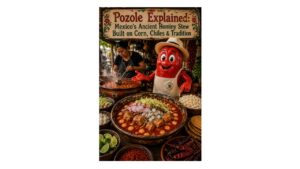
Pozole has the confidence of a dish that knows nobody is leaving the table hungry.
Start with an enormous bowl. Fill it with tender kernels of corn that have swollen until some look almost like little white flowers. Add a deeply flavored broth, pork or chicken, and enough chile to take the soup in completely different directions depending on where in Mexico you’re eating it.
Then comes the part where the bowl apparently wasn’t full enough.
Pile on shredded lettuce or cabbage, sliced radishes, chopped onion and oregano. Squeeze lime over everything, add chile and put tostadas alongside it. Congratulations. Your soup now has accessories.
But underneath all of that abundance is something considerably older and more important: corn transformed through one of the foundational cooking processes of Mexico.
Introduction: The Bowl That Tells a Much Bigger Mexican Story
Watch a bowl of pozole arrive at the table and your attention naturally goes to everything on top.
Bright radish slices stand against the broth. Shredded lettuce or cabbage adds a fresh green layer. Onion, oregano and chile wait to be mixed in, lime wedges sit nearby, and crisp tostadas usually aren’t far away. Depending on the region and the cook, the broth underneath may be almost clear, intensely red or distinctly green. Move some of those toppings aside, though, and the real story begins to appear.
Large pale kernels of corn sit throughout the broth, noticeably bigger and softer than the sweet corn most Americans picture when somebody says corn. Some have opened at the ends as they cooked, creating the flower-like appearance traditionally associated with pozole. This is maíz pozolero, and one of the varieties most closely associated with the dish is cacahuazintle (kah-kah-wah-SEENT-leh), a traditional Mexican maize known for its unusually large, pale kernels that swell and open as they cook. The corn is processed and simmered until those kernels become tender, plump and capable of absorbing the broth around them.
Without that corn, pozole isn’t pozole.
That distinction matters because someone encountering the dish for the first time might understandably describe it as a Mexican pork soup or chile stew. Neither description is entirely wrong, but both put the emphasis in the wrong place. Pozole is one of Mexico’s great maize dishes, and its ancestry reaches into the pre-Hispanic world while the pozole eaten today reflects centuries of change after European contact. Pork, for example, belongs to the later development of the dish rather than its earliest Indigenous foundations. Different regions subsequently developed their own broths, chiles, meats, garnishes and traditions until pozole became less a single fixed recipe than a recognizable family of Mexican preparations.
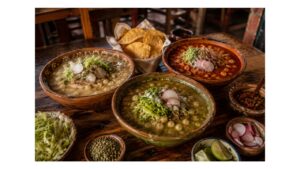
Today, the three broad versions most people encounter are pozole blanco, pozole rojo and pozole verde. Jalisco is particularly associated with red pozole colored and flavored with dried chiles such as guajillo and ancho, while Guerrero is famous for green versions that can incorporate ingredients such as tomatillo and ground pumpkin seed. White pozole leaves the broth comparatively uncolored and lets the corn and meat establish much of its character. Travel farther and pozole can acquire different meats, seafood, chiles and garnishes, while family recipes introduce another layer of variation. Even the toppings placed on the table can tell you something about where you are and who made the pot.
That makes pozole a perfect example of Mexico’s extraordinary regional food diversity. A recognizable Mexican dish can remain unmistakably itself while changing dramatically from one state, city or household to another.
Pozole also occupies a cultural position much larger than an ordinary bowl of soup, which is one reason it belongs alongside the many dishes explored in Mexican Street Food Beyond Tacos: Elote, Tortas, Tamales & More. It is strongly associated with celebrations, family gatherings and Mexico’s Fiestas Patrias, particularly around Independence Day in September.
But before the pork, before the chile broth and long before somebody starts passing around the tostadas, there is corn. Understanding that corn changes the way you understand the entire bowl.
POZOLE MAY ARRIVE COVERED WITH CHILES, RADISHES, ONION AND OREGANO, BUT ITS OLDEST AND MOST IMPORTANT INGREDIENT IS SITTING UNDERNEATH THEM ALL: MAIZE.
⚡ Quick Guide to Mexican Pozole
What is pozole?
Pozole is a traditional Mexican stew built around specially prepared kernels of maize, commonly called pozolero corn or hominy in English. The corn is simmered in broth and commonly combined with pork or chicken, while chile, herbs and other ingredients create regional styles. Finished bowls are typically served with fresh garnishes such as radish, onion, lettuce or cabbage, oregano, lime and chile.
What kind of corn is used for pozole?
Pozole is made with large-kernel maize prepared specifically for the dish. Cacahuazintle is one of the best-known Mexican corn varieties associated with pozole. During processing and cooking, the kernels swell considerably and often open at the ends, producing the distinctive large, tender pieces of corn found throughout the stew.
Is pozole the same as hominy?
Not exactly. Hominy refers to corn that has undergone an alkaline treatment such as nixtamalization, while pozole is the finished Mexican dish made using prepared maize. In the United States, canned or dried hominy is commonly used to make pozole, which is why the two words are sometimes treated as though they mean the same thing.
What’s the difference between red, white and green pozole?
The biggest difference is the broth and seasoning. Pozole blanco generally keeps a relatively clear broth. Pozole rojo gains color and flavor from red dried chiles, with guajillo and ancho appearing in well-known versions. Pozole verde uses green ingredients that can include tomatillos, green chiles, herbs and, particularly in Guerrero traditions, pumpkin seeds.
Is pozole always made with pork?
No. Pork is extremely common in modern pozole, but chicken, turkey and other proteins also appear, and coastal regional versions can incorporate seafood. The corn is more fundamental to the identity of pozole than any one meat.
Is pozole spicy?
It can be, but pozole doesn’t have one fixed heat level. The chiles used in the broth vary by recipe and region, and additional chile or salsa can often be added at the table. A deeply chile-flavored pozole isn’t necessarily extremely hot because dried Mexican chiles contribute aroma, fruitiness, earthiness and color as well as heat.
Why Pozole Begins with Corn, Not Pork
Take the pork out of a bowl of pozole and another protein can take its place. Change the garnishes and the bowl is still recognizable. Move from a red broth to a green one and you have changed the regional personality of the dish considerably, but you’re still eating pozole.
Take away the pozolero corn and something much more fundamental disappears.
That is why the best place to begin understanding pozole isn’t the meat counter or even the chile basket. It is with the enormous diversity of Mexican maize. Corn has been foundational to food in the region for thousands of years, but saying Mexican cuisine is “built on corn” can become so familiar that it loses some of its meaning. Pozole gives us an opportunity to see what that statement actually looks like in a pot.
The kernels used for pozole aren’t simply ordinary sweet corn tossed into broth. As we saw in the introduction, cacahuazintle (kah-kah-wah-SEENT-leh) is one of the Mexican maize varieties most closely associated with the dish, while maíz pozolero is a broader term used for corn intended for this kind of preparation. When properly prepared and cooked, the kernels swell dramatically, become tender and often open at one end. Their appearance has traditionally been compared to flowers or foam developing in the pot.
That transformation helps explain the name itself. Pozole derives from the Nahuatl pozolli, commonly associated with something foamy or frothy and with the appearance of the corn as it cooks. But what happens to the kernel is more important than the name because pozolero corn belongs to the enormous culinary world created by nixtamalization.
Nixtamalization is the ancient Mesoamerican technique of cooking or soaking maize in an alkaline solution, traditionally made with water and lime (cal). The process loosens the kernel’s outer skin, changes its texture and flavor, and makes important nutrients more available. It is one of the foundational technologies behind Mexican cooking, and if you’ve already explored What Is Masa? The Ancient Corn Dough Behind Authentic Mexican Street Food, you’ve encountered the same transformation from another direction.
Pozole demonstrates another possibility: the corn doesn’t have to become dough.
Instead of grinding the prepared kernels into masa, the cook leaves them whole and continues cooking them until they become the large, tender kernels that give pozole its unmistakable texture. The same ancient transformation of maize can therefore lead Mexican cooking in two very different directions. Grind the nixtamalized corn and it can become masa for tortillas, tamales and countless other foods. Leave those transformed kernels whole, and they become the defining ingredient in pozole.
One becomes dough. The other remains a kernel.
And that kernel isn’t merely floating in the broth for decoration. Bite into properly cooked pozolero corn and you get something substantial: tender but still identifiable, carrying its own corn flavor while absorbing the broth surrounding it. A spoonful containing broth, pork and one of those swollen kernels feels different from a spoonful of ordinary soup precisely because the maize has so much presence.
This is also why describing pozole simply as “Mexican hominy soup” doesn’t quite do the dish justice. The description may help an unfamiliar reader picture the ingredients, but it strips away some of the cultural importance of what happened to the corn before it reached the bowl. Nixtamalization wasn’t invented for pozole; it belongs to a much larger Indigenous technological tradition that fundamentally shaped how maize could be prepared and eaten throughout Mesoamerica.
Pozole carries that ancient knowledge forward in a particularly visible form. You don’t have to search for the corn underneath a tortilla or wonder how masa was made. There it is, floating right in the spoon.
 🌶️ Professor Pepper Says…
When you’re eating pozole, try one of the corn kernels by itself before loading the bowl with garnishes. Notice its size, texture and corn flavor. Pozolero corn isn’t filler added to make the stew more substantial—it is the ingredient the entire dish was built around.
Understanding the corn also prevents another common mistake: assuming that the meat determines what kind of pozole you’re eating. Pork can produce a rich broth, chicken can create a lighter one, and seafood takes certain coastal versions somewhere else entirely. But many of the most dramatic regional distinctions begin with what happens around the corn.
Does the broth remain relatively clear, or do dried red chiles turn it brick red? Do tomatillos, green chiles, herbs and pumpkin seeds move it toward green? Which chile varieties does the region favor? Which garnishes arrive at the table, and which meat has become traditional in that particular place? Those decisions help create the many pozoles Mexico knows today.
The details change from one pot to another and one region to another. The corn gives them something to have in common.
BEFORE POZOLE IS RED, WHITE OR GREEN—BEFORE IT CONTAINS PORK, CHICKEN OR SEAFOOD—IT IS A STORY ABOUT WHAT MEXICAN COOKS LEARNED TO DO WITH CORN.
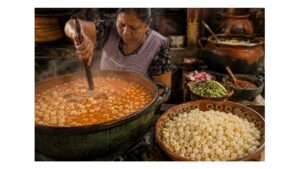
The corn establishes pozole’s identity. The next question is what Mexico decided to build around it—and that is where the bowl starts changing color.
🌶️ Bring Your Own Heat to the Pozole
Pozole already has a complicated relationship with chile. In a red version, dried chiles may be fundamental to the broth itself. In other preparations, much of the additional heat can arrive at the table through chile, salsa or other condiments chosen by the individual diner.
That’s where Peppers of Key West hot sauce can play a useful finishing role. The goal isn’t to replace the chile character that made the pozole distinctive. Taste the broth first and understand whether it is earthy, bright, rich, smoky or already plenty hot. Then, if you want more heat, add it to your individual bowl rather than changing the entire pot.
Because once the corn establishes what pozole is, the chiles begin telling us where that particular bowl wants to go.
Pozole Rojo, Blanco and Verde: Three Colors, Three Different Directions
Once the corn establishes pozole’s identity, the broth begins telling you where the bowl is going.
Across Mexico, pozole appears in countless family and regional variations, but three broad styles provide the easiest way to understand the landscape: pozole blanco, pozole rojo and pozole verde. The colors are not simply visual labels. They reflect different approaches to chiles, herbs, seeds and other ingredients added to the broth, and those choices can dramatically change the aroma and flavor surrounding the same familiar kernels of pozolero corn.
Pozole blanco is the most restrained of the three. Without a chile mixture coloring the broth, the flavor of the corn, meat and cooking liquid remains particularly exposed. Pork is common, although preparations vary, and much of the final personality can be added at the table through onion, radish, oregano, lime, chile and other garnishes. Calling blanco “plain pozole,” however, misses the point. Its relative simplicity makes the quality of the broth and corn harder to hide.
Pozole rojo takes the dish in a deeper, chile-driven direction. Dried red chiles are softened and blended into a sauce that colors and seasons the broth, producing shades that can range from rusty orange to deep brick red. Guajillo is especially common, sometimes joined by ancho or other dried chiles depending on the cook and region. The result should not simply taste “hot.” Good red pozole can carry fruitiness, earthiness, sweetness and chile aroma alongside its heat.
That distinction is worth remembering because dried Mexican chiles are flavor ingredients before they are heat challenges. Our Mexican Chiles Explained: Fresh vs Dried Peppers Used in Street Food explores that larger chile vocabulary, and pozole rojo provides an excellent demonstration of it in practice. A cook can build considerable chile character into a broth without turning every spoonful into a test of endurance.
Then there is pozole verde, where the flavor profile changes again. Green versions are particularly associated with Guerrero, where recipes can combine ingredients such as tomatillos, green chiles, herbs and ground pumpkin seeds. Instead of the earthy red-chile character associated with many pozoles rojos, the bowl can become brighter, greener and more herbaceous, while pumpkin seeds can contribute body and richness.
Put blanco, rojo and verde beside one another and the lesson becomes obvious. The corn hasn’t changed its job. It remains the substantial, tender foundation running through the bowl. What changes is the culinary world built around it.
🌶️ Professor Pepper Says…
Don’t read the colors as a heat scale. Red pozole isn’t automatically hotter than green pozole, and white pozole isn’t necessarily mild once the table condiments arrive. The color tells you more about how the broth was built than how much heat your tongue should expect.
RED, WHITE AND GREEN AREN’T THREE DIFFERENT DISHES. THEY ARE THREE WAYS MEXICAN COOKS HAVE BUILT FLAVOR AROUND THE SAME ANCIENT CORN FOUNDATION.
From Jalisco to Guerrero: Pozole Changes as You Travel
The three-color explanation becomes much more interesting once you put the bowls on a map.
Travel through Mexico and pozole doesn’t behave like a recipe protected by a single rigid set of rules. Regions developed versions around local ingredients, cooking traditions and preferences, while families continued adjusting those traditions from one kitchen to another. That is why asking for “authentic pozole” without saying where can be a little like asking for authentic barbecue in the United States without specifying a region.
Jalisco is one of the places most strongly associated with pozole rojo, particularly pork pozole seasoned with dried red chiles. The combination makes sense within a broader western Mexican food culture where pork and dried chiles appear in some of the region’s most recognizable dishes. The result is the version many diners outside Mexico now picture first when they hear the word pozole: large white kernels of corn and pieces of pork surrounded by a deeply colored red broth, with a generous collection of fresh garnishes waiting at the table.
Jalisco’s relationship with pozole also places the dish within a broader regional cooking tradition where deeply seasoned broths, sauces and cooking liquids play important roles. Pozole is its own tradition, but its red-chile character provides another reminder that Mexican regional cuisine is shaped not only by individual dishes, but by generations of cooks working with the ingredients and flavor preferences of a particular place.
Move south toward Guerrero and another personality emerges. The state is particularly celebrated for pozole verde, where tomatillos, green chiles, herbs and pumpkin seeds can transform both the flavor and appearance of the broth. Guerrero also has an especially strong social tradition surrounding pozole, including the custom commonly known as Jueves Pozolero — Pozole Thursday. In restaurants and communities where the tradition continues, Thursday becomes a day specifically associated with gathering over bowls of pozole.
That detail tells us something important. Pozole isn’t culturally significant only because it is old.
People still organize meals around it.
Elsewhere in Mexico, the dish keeps changing. White pozoles remain important in several regional traditions, while cooks use different combinations of pork, chicken and other meats. Coastal environments can push the idea toward seafood. Garnishes change. Chiles change. Broths change. Even two families living in the same city may disagree about what absolutely belongs in the pot and what should never go near it.
That is why the broader Regional Mexican Street Food Guide: Famous Dishes from Every Corner of Mexico matters when understanding foods like pozole. Mexican cuisine isn’t a single national recipe book with regional dishes acting as minor variations. Geography, agriculture, Indigenous traditions, migration and family cooking have created distinct regional food identities that sometimes share a name while expressing it differently.
Pozole makes that diversity unusually easy to see because its central ingredient remains so recognizable. No matter how dramatically the broth changes, those swollen kernels of maize keep appearing in the bowl.
TRAVEL THROUGH MEXICO AND POZOLE CHANGES COLOR, FLAVOR AND CHARACTER—BUT THE CORN KEEPS THE FAMILY RESEMBLANCE INTACT.
The Ancient History of Pozole Is More Complicated Than the Famous Story
A dish built so visibly around maize was never going to have a shallow history.
Long before pork entered Mexican cooking, Indigenous peoples throughout Mesoamerica were cultivating maize, transforming it through alkaline processing and building entire food systems around it. Pozole’s roots belong to that pre-Hispanic world, and its Nahuatl name connects the modern dish to a much older culinary tradition. But this is also where the history becomes more difficult.
Search for the origins of pozole and one dramatic claim appears almost immediately: that ceremonial versions of the dish were prepared with human flesh after ritual sacrifice. The story has been repeated so frequently that it is sometimes presented as the uncomplicated origin story of pozole itself. The historical picture deserves more care.
Early colonial accounts describe ritual sacrifice and the consumption of human flesh in particular Mexica religious contexts, and some later interpretations have connected those practices with ceremonial maize preparations associated with pozole. What those sources do not give us is a simple, uncontested recipe history proving that the everyday ancestor of modern pozole was universally or routinely made with human flesh. Saying “pozole was originally made with human meat” therefore turns a complicated combination of colonial accounts, ritual practices and later interpretation into a much cleaner story than the evidence warrants.
What we can say with much greater confidence is that maize carried profound nutritional, agricultural and spiritual importance in pre-Hispanic Mesoamerica, and preparations ancestral to modern pozole existed before Spanish colonization. After Europeans arrived, pigs were introduced to Mexico, and pork eventually became one of the meats most strongly associated with the dish we recognize today.
That evolution tells us something more useful about pozole than the sensational version of its origin story. Ingredients changed, new animals entered the food system, regional preparations evolved and family recipes accumulated. A food with Indigenous foundations passed through the enormous disruption of colonization and continued developing until it became part of celebrations, restaurants, neighborhood traditions and home cooking across modern Mexico.
That broader evolution belongs alongside The History of Mexican Street Food: How Markets, Vendors and Family Recipes Built a Culinary Empire. Mexican foods rarely tell a story of culinary traditions remaining frozen in a single historical moment. They reveal layers: Indigenous ingredients and technologies, colonial introductions, regional adaptation, family knowledge and generations of cooks deciding what should remain and what could change.
Pozole may be ancient, but it is not a museum piece. Its history is still being carried forward every time another pot is prepared and another family gathers around it.
THE MOST REMARKABLE THING ABOUT POZOLE’S HISTORY ISN’T A SENSATIONAL STORY FROM CENTURIES AGO. IT’S THAT AN ANCIENT MAIZE TRADITION IS STILL BEING LADLED INTO BOWLS TODAY.
Why Pozole Became a Food for Celebrations
A large pot of pozole changes the atmosphere of a meal before anyone takes the first spoonful.
This isn’t usually a dish built around one carefully plated individual serving prepared at the last minute. Pozole rewards scale. Corn, meat and broth can simmer together in a substantial pot while bowls of radishes, onion, lettuce or cabbage, oregano, lime, chile and other garnishes wait nearby. When people are ready to eat, everyone receives the same fundamental dish and then finishes the bowl according to personal taste.
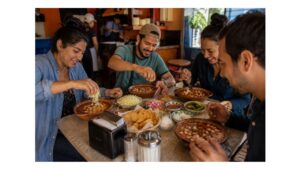
That combination makes pozole remarkably well suited to gatherings. It is filling enough to anchor a celebration, practical enough to serve a crowd and interactive enough that people naturally linger around the table adjusting their bowls. One person wants more oregano. Someone else piles on radishes. Another squeezes in extra lime or reaches for more chile. Crisp tostadas disappear from the stack as quickly as bowls are refilled.
Pozole is especially visible during Mexico’s Fiestas Patrias, including celebrations surrounding Independence Day in September. Red, white and green pozoles can feel particularly evocative during a season filled with the colors of the Mexican flag, although those culinary traditions developed from regional cooking rather than simply being created to represent the national colors.
But national celebrations are only part of the story. Pozole also belongs to birthdays, Sundays, restaurant traditions and ordinary family gatherings. Guerrero’s Jueves Pozolero, or Pozole Thursday, makes that particularly clear: a dish does not need a national holiday to become the reason people meet. Sometimes the tradition is simply knowing that Thursday is the day everyone gathers for pozole.
That social character also helps explain why the garnishes matter so much. The pot provides a shared foundation, while the table allows individuality. Everyone begins with the corn, broth and meat the cook prepared, but no two finished bowls necessarily have to taste exactly alike. More lime can sharpen one bowl. Extra oregano changes another. Radishes and cabbage bring crunch, while chile lets each diner decide how much heat belongs in the next spoonful.
The cook decides what goes into the pot. The diner gets the final word in the bowl.
That is what turns the radishes, cabbage, oregano, lime, tostadas and chile into more than decoration. They make eating pozole participatory, allowing a communal dish to remain personal even when a dozen people are being fed from the same pot.
POZOLE FEEDS A CROWD FROM ONE POT WHILE STILL LETTING EVERY PERSON AT THE TABLE BUILD A BOWL OF THEIR OWN.
How to Finish a Bowl of Pozole: The Garnishes Are Part of the Dish
A bowl of pozole arriving from the kitchen isn’t necessarily the finished dish.
That becomes obvious when you see the table around it. Plates and bowls may hold sliced radishes, shredded lettuce or cabbage, chopped white onion, Mexican oregano, lime wedges and chile. Crisp tostadas wait alongside. Depending on the restaurant, region and household, you may encounter additional garnishes or condiments, but the basic idea remains remarkably consistent: the cook builds the pozole, and the diner finishes it.
The fresh ingredients aren’t there simply to make a heavy stew look prettier. They change what happens from one spoonful to the next. Radishes provide a crisp, peppery bite against tender corn and meat. Lettuce or cabbage adds freshness and crunch. Raw onion brings sharpness, oregano contributes an herbal aroma, and lime cuts through the richness of the broth with acidity. Chile can increase both flavor and heat according to the person eating it.
That contrast is especially important because pozole is otherwise dominated by ingredients that have spent a long time becoming tender. The corn softens. The meat yields. The broth grows richer as it cooks. Adding something raw, crisp, acidic or aromatic at the table prevents all of that softness and richness from becoming monotonous.
Tostadas solve a similar problem from the side of the bowl. Their dry, brittle crunch provides a completely different texture from the stew, and they can be eaten between spoonfuls or used to accompany bites of meat and garnishes. Pozole doesn’t need to become crunchy itself because the meal already has crunch waiting beside it.
That is one reason the garnish system feels so integral to the dish. Remove every radish, shred of cabbage, squeeze of lime and pinch of oregano and you can still have pozole, but you lose much of the contrast that makes eating a full bowl interesting from beginning to end.
🌶️ Professor Pepper Says…
Don’t add everything to your pozole before you’ve tasted the broth. Try a spoonful first, then add lime, oregano, onion and chile gradually. Finishing the bowl is part of the experience, and tasting as you go lets you understand what each garnish actually changes.
There is no requirement that every diner build the same bowl. Someone who loves acidity can squeeze in more lime. Another person may want extra oregano and onion but very little chile. Someone else may keep reaching for radishes simply because that cold crunch against the hot broth is the part they like best.
That freedom isn’t a departure from the dish. It’s built into the way pozole is served.
THE POT CREATES THE POZOLE. THE GARNISHES LET EVERY DINER DECIDE HOW THE FINAL BOWL SHOULD TASTE.
How to Order Pozole in Mexico Without Overthinking It
Walk into a restaurant specializing in pozole and the menu can initially seem more complicated than the dish itself.
You may need to choose a color or regional style, a type of meat and sometimes a serving size. Depending on where you are, the choices might include blanco, rojo or verde, while the meat could be pork, chicken or a more specific cut or combination. A restaurant known for one regional style may eliminate most of those decisions entirely.
The easiest approach is to begin with what the restaurant does best.
If you’re in a place famous for pozole rojo, order the rojo. If a Guerrero restaurant is known for its verde, that’s probably the bowl you came to experience. Regional specialties are useful shortcuts because they allow the kitchen—not a generic checklist of what pozole is “supposed” to contain—to teach you what the local version looks and tastes like.
Don’t be surprised if the bowl is substantial. Pozole often eats like the meal rather than a starter before the meal, particularly once the meat, corn, garnishes and tostadas are taken into account. If serving sizes are offered, it’s worth paying attention before automatically choosing the largest one.
When the garnishes arrive, there is also no need to dump everything into the broth immediately. Taste first. Add some onion or oregano. Squeeze in lime. Try another spoonful. Add radish and lettuce or cabbage. Reach for chile when you know how much heat is already present.
That small ritual turns ordering pozole into something more interesting than selecting soup from a menu. The kitchen establishes the regional identity of the dish, but you get to experience how the bowl changes as you finish it at the table.
And if you happen to be eating pozole in a crowded restaurant in Guerrero on a Thursday, or during the Fiestas Patrias when enormous pots are feeding families across Mexico, pay attention to more than what’s in your bowl. Watch what everyone else does with theirs.
THE BEST WAY TO UNDERSTAND POZOLE IN MEXICO ISN’T JUST TO ORDER IT. IT’S TO WATCH HOW PEOPLE EAT IT.
Making Pozole at Home: Give the Corn and Broth the Time They Need
Pozole isn’t technically difficult in the way that some restaurant dishes are difficult. Its challenge is patience.
If you’re starting with dried pozolero corn, the maize needs sufficient preparation and cooking time to become tender and develop the swollen texture that defines the dish. Using prepared or canned hominy can shorten the process considerably, which makes home pozole much more approachable, although the texture and corn character can differ from a pot begun with dried Mexican pozolero corn.
The broth deserves the same patience. Meat needs time to become tender, and a pozole rojo needs its dried chile mixture to become integrated with the cooking liquid rather than tasting like chile sauce stirred into soup at the last moment. Pozole verde has its own balance to maintain: the green ingredients should remain expressive without losing the depth expected from a substantial stew.
This is where home cooks sometimes focus too heavily on heat. A red broth that isn’t spicy enough can always receive more chile at the table. A broth overwhelmed by aggressive heat is much harder to recover. The dried chiles should contribute flavor, aroma and color first; intensity can remain adjustable.
The corn matters even more. Pozole shouldn’t feel like ordinary broth with a handful of canned corn floating through it. Those large kernels need enough presence that nearly every spoonful reminds you what the dish is built around.
Once the pot tastes complete, stop trying to finish every flavor in the kitchen. Put the fresh ingredients on the table instead. Radishes should stay crisp. Cabbage should stay fresh. Lime should remain bright. Tostadas should remain crunchy. Those ingredients do their best work precisely because they haven’t spent hours simmering with everything else.
That division of labor is one of pozole’s smartest pieces of cooking logic: the pot develops depth; the table supplies contrast.
Get both right and you don’t need a restaurant presentation or an elaborate technique. You need properly prepared corn, a broth worth drinking on its own and enough fresh garnishes to let everyone take the bowl the rest of the way.
GREAT POZOLE ISN’T BUILT BY PUTTING EVERYTHING INTO THE POT. IT WORKS BECAUSE THE COOK KNOWS WHAT NEEDS HOURS OF COOKING—AND WHAT SHOULD WAIT UNTIL THE VERY LAST SECOND.
The Pozole Mistakes That Matter More Than Following a Perfect Recipe
Pozole is forgiving about variation. It is much less forgiving about losing sight of what makes the dish work.
There is no single chile combination, meat choice or garnish arrangement that every Mexican cook would recognize as the only correct version. Regional traditions alone make that impossible. A red pozole from Jalisco and a green pozole from Guerrero can look dramatically different while both remaining unmistakably pozole. The goal at home, then, shouldn’t be to chase one imaginary universal recipe. It should be to understand the relationships that hold the dish together.
The first mistake is treating the corn like an accessory. If the pozolero kernels are tough, undercooked or barely present, adding better pork or a more complicated chile sauce won’t restore the character of the dish. The corn needs enough time to become tender and substantial without dissolving into the broth. Every bowl should make its importance obvious.
The broth presents the opposite temptation: trying to make it do too much. More chile does not automatically create better pozole rojo, just as adding more green ingredients doesn’t guarantee a better verde. Chiles, meat, aromatics and seasonings should create a broth with enough depth to support the corn rather than bury it. This is particularly important with dried chiles, where guajillo, ancho and other varieties can contribute color, fruitiness and earthy flavor without needing to make the finished dish aggressively hot.
Then there is the garnish table. Adding cabbage, radishes, onion, oregano, lime and chile hours before serving defeats much of their purpose. They belong at the end because they supply the freshness, acidity, aroma and crunch that long cooking deliberately removes from everything inside the pot. The contrast isn’t accidental; it is part of the dish’s design.
Finally, don’t season every bowl for everyone before it reaches the table. One of pozole’s pleasures is that the communal pot doesn’t demand identical diners. Someone can want considerably more lime. Someone else may want extra oregano but very little chile. Another person may build a small mountain of radishes and cabbage before taking the first spoonful.
Pozole has already done the hard work by giving everyone a common foundation.
Leave some decisions for the people eating it.
🌶️ Professor Pepper Says…
If your pozole tastes heavy after several spoonfuls, don’t immediately reach for more salt or chile. Try lime, radish, cabbage or onion first. Sometimes the missing flavor isn’t more intensity—it’s contrast.
That lesson extends well beyond pozole. Mexican cooking frequently creates depth and freshness in different places rather than demanding that one sauce, filling or pot provide every possible flavor and texture at once. Long-cooked ingredients can sit beside raw ones. Rich meat can meet sharp acidity. Soft corn can be paired with something crisp. Deep chile flavor can coexist with a bright squeeze of lime.
Pozole puts all of those relationships into one meal.
THE BEST POZOLE DOESN’T COME FROM ADDING THE MOST INGREDIENTS. IT COMES FROM KNOWING WHICH INGREDIENTS BELONG IN THE POT, WHICH BELONG ON THE TABLE AND WHICH DECISIONS BELONG TO THE DINER.
What Pozole Teaches Us About Mexican Cooking
By the time a finished bowl reaches the table, thousands of years of food history have been compressed into something that feels remarkably immediate.
The maize points backward toward Indigenous agriculture and nixtamalization. The pork reflects ingredients introduced after European contact. The dried chiles, tomatillos, herbs and seeds reveal regional preferences. The garnishes bring the dish into the present moment, where the person holding the spoon still gets to decide what the next bite should taste like.
That combination is one reason pozole is such a useful dish for understanding Mexican food more broadly. Tradition doesn’t require every cook to reproduce one frozen recipe. It can provide a foundation strong enough to survive variation.
Corn is that foundation here.
Jalisco can surround it with a red chile broth. Guerrero can take it green. Another cook can keep the broth white. Pork can be replaced by chicken or, in particular regional interpretations, seafood. Families can disagree about garnishes and restaurants can become known for their own versions without the central identity disappearing.
That is not inconsistency. It is what a living culinary tradition looks like.
The same principle appears throughout The Complete Mexican Street Food Guide: Ingredients, Dishes, Regions & Cooking Terms Explained. Mexican food becomes easier to understand when ingredients, techniques and regional traditions are viewed as a connected system rather than as a collection of unrelated dishes. Maize becomes tortillas, tamales, masa preparations and whole-kernel dishes. Chiles can provide heat, color, fruitiness, smokiness or depth. A cooking technique can travel while local ingredients change what comes out of the kitchen.
Pozole brings those ideas together unusually clearly because so much remains visible in the bowl. The corn hasn’t been ground or hidden. The broth announces the direction the cook chose. The garnishes remain separate until the diner adds them. Even the tostadas sitting alongside provide another expression of maize at the same meal.
And then there are the people.
A large pot makes sense because pozole has become a food people gather around. The garnishes make sense because those people don’t all have to want exactly the same bowl. Regional variations make sense because generations of cooks continued making pozole with the ingredients, tastes and traditions of the places where they lived.
That may be the most important lesson in the entire dish.
Pozole survived for centuries not because nobody changed it, but because people kept making it meaningful enough to keep cooking.
POZOLE ISN’T SIMPLY AN ANCIENT DISH THAT SURVIVED INTO MODERN MEXICO. IT IS AN ANCIENT IDEA THAT GENERATIONS OF MEXICAN COOKS NEVER STOPPED DEVELOPING.
🌶️ Recommended Peppers of Key West Products for Pozole
Pozole doesn’t need hot sauce to become flavorful. The broth should already have a chile identity of its own, and a well-made bowl deserves to be tasted before anything else is added.
But pozole also arrives with something that makes Peppers of Key West products particularly natural here: permission to personalize the bowl.
Just as one diner reaches for more lime while another adds oregano or chile, hot sauce can become an optional finishing condiment for someone who wants additional heat. The best pairing should complement the character already in the bowl rather than cover it.
Product Pairing Quick Guide
- Pozole Blanco → Peppers of Key West Jalapeño Garlic Hot Sauce
- Pozole Rojo → Peppers of Key West Cayenne Pepper Hot Sauce
- Pozole Verde → Peppers of Key West Serrano Pepper Hot Sauce
- Rich Pork Pozole → Peppers of Key West Habanero Pepper Hot Sauce
- Pozole for a Crowd → Peppers of Key West 5 Sauce Heat Collection
Best Peppers of Key West Hot Sauces for Pozole
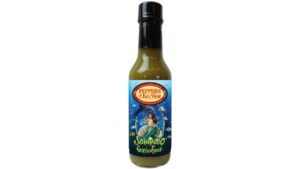
Peppers of Key West Jalapeño Garlic Hot Sauce
Pozole blanco leaves the corn, meat and broth relatively exposed, so the finishing sauce shouldn’t overpower what makes the style distinctive. Peppers of Key West Jalapeño Garlic Hot Sauce adds a brighter pepper flavor and savory garlic character while allowing the tender pozolero corn to remain at the center of the bowl.
Best for: Pozole Blanco
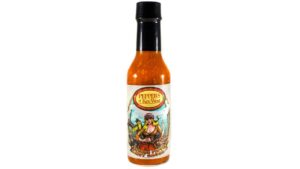
Peppers of Key West Cayenne Pepper Hot Sauce
Pozole rojo already receives much of its personality from dried Mexican chiles, so there is little reason to compete with them using an overly complicated finishing sauce. Peppers of Key West Cayenne Pepper Hot Sauce provides straightforward pepper heat that can raise the intensity of an individual bowl without replacing the deeper guajillo, ancho or other dried-chile flavors already present.
Best for: Pozole Rojo
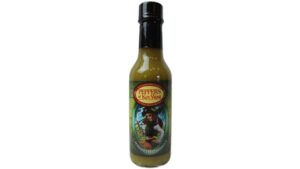
Peppers of Key West Serrano Pepper Hot Sauce
The fresher chile character of Peppers of Key West Serrano Pepper Hot Sauce makes it particularly well suited to pozole verde. Its pepper profile can sit naturally beside the tomatillo, green chile and herb flavors found in many green versions while giving the diner an easy way to increase the heat one spoonful at a time.
Best for: Pozole Verde
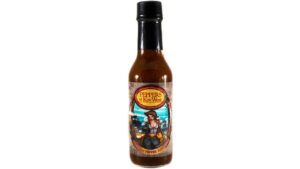
Peppers of Key West Habanero Pepper Hot Sauce
A rich pork pozole can support something considerably hotter, particularly when fresh cabbage, radish and lime are already providing contrast. Peppers of Key West Habanero Pepper Hot Sauce brings a brighter, more assertive heat that can cut through the richness of the meat and broth without requiring the entire pot to become hotter.
Best for: Rich Pork Pozole

Peppers of Key West 5 Sauce Heat Collection
Pozole may be one of the most natural dishes in this entire series for a hot sauce collection because everyone at the table is already expected to customize an individual bowl. Peppers of Key West 5 Sauce Heat Collection extends that same idea by allowing diners with different heat preferences to choose their own finishing sauce without changing the communal pot.
The rule remains simple: the pozole should taste like pozole before the hot sauce ever reaches the table. Peppers of Key West belongs in the final act, alongside the lime, oregano and chile, where each diner can decide what the bowl needs next.
Conclusion: An Ancient Corn Dish That Mexico Never Stopped Cooking
Return to the first bowl we encountered and it looks different now.
The radishes, cabbage, onion and lime still catch your eye. The tostadas still provide the crunch, and a red broth may still announce the presence of dried chiles before the first spoonful reaches your mouth. But now those enormous pale kernels underneath everything are harder to overlook.
They connect the bowl to an Indigenous maize tradition thousands of years old and to the transformation of corn through nixtamalization. Leave those kernels whole rather than grinding them into masa, surround them with broth and meat, and an entirely different branch of Mexican corn cooking emerges.
Then geography takes over. Jalisco turns the broth red. Guerrero takes it green. Other cooks leave it white or build versions around different meats and local ingredients. History introduces pork. Families develop their own preferences. Restaurants establish traditions around particular days of the week, while September celebrations bring enormous pots to tables filled with people.
Finally, the bowl reaches the diner. Someone adds more radish. Someone else wants oregano. Lime gets squeezed over the broth, a tostada breaks and chile gets passed across the table. The same pot becomes a slightly different meal for everyone sitting around it.
That may be the best way to understand why pozole has lasted: its identity is strong enough to survive change. The corn remains recognizable while generations of Mexican cooks continue deciding what should surround it. Pozole can therefore be simultaneously ancient and completely alive—a dish connected to pre-Hispanic maize traditions that still gives someone sitting at a table today the final decision about what the next spoonful should taste like.
Yesterday’s maize technology didn’t disappear into history. Mexico put it in a pot, kept cooking it and invited everyone to the table.
POZOLE ISN’T JUST A STEW BUILT ON CORN, CHILES AND TRADITION. IT IS PROOF THAT ONE OF MEXICO’S OLDEST FOOD STORIES IS STILL BEING WRITTEN ONE BOWL AT A TIME.
Frequently Asked Questions About Pozole
What is pozole?
Pozole is a traditional Mexican stew built around large kernels of specially prepared maize, commonly called pozolero corn or hominy in English. The corn is simmered with broth and commonly pork or chicken, then served with fresh garnishes such as radish, onion, cabbage or lettuce, oregano, lime and chile.
What does pozole mean?
The word pozole comes from the Nahuatl pozolli, commonly associated with something foamy or frothy. The name is traditionally connected with the appearance of the large corn kernels as they cook and open.
What kind of corn is used for pozole?
Mexican pozole uses large-kernel maize prepared for the dish. Cacahuazintle is one of the varieties most closely associated with traditional pozole, while maíz pozolero is a broader term for corn used in its preparation.
Is pozole made with hominy?
Yes, although “hominy” is an English-language description rather than the complete identity of the dish. Pozole uses maize that has undergone alkaline processing, part of the ancient Mesoamerican culinary technology of nixtamalization.
What is the difference between pozole rojo, blanco and verde?
Pozole blanco generally has a comparatively clear broth, while pozole rojo incorporates dried red chiles and pozole verde uses combinations of green ingredients that can include tomatillos, green chiles, herbs and pumpkin seeds. Exact preparations vary considerably by region and cook.
Is pozole always made with pork?
No. Pork is extremely common in modern pozole, but chicken and other proteins are also used, and some regional versions incorporate seafood. The prepared maize is more fundamental to pozole’s identity than any single meat.
Is pozole spicy?
Not necessarily. A chile-rich pozole can have considerable flavor without being extremely hot, and diners frequently control additional heat through chile, salsa or other condiments added to individual bowls.
What toppings go on pozole?
Common garnishes include sliced radishes, shredded lettuce or cabbage, chopped white onion, Mexican oregano, lime and chile. Crisp tostadas are commonly served alongside the bowl.
Why is pozole eaten on Mexican Independence Day?
Pozole has become strongly associated with gatherings and Fiestas Patrias, including Independence Day celebrations in September. Its ability to feed a crowd from one large pot makes it particularly suited to communal celebrations.
What is Jueves Pozolero?
Jueves Pozolero, or Pozole Thursday, is a particularly strong tradition associated with Guerrero in which Thursday has become a customary day for gathering to eat pozole in restaurants and other social settings.
What is the difference between pozole and menudo?
Both are substantial Mexican soups or stews, but their defining ingredients are different. Pozole centers on prepared maize kernels, while menudo is traditionally built around beef tripe. Their broths, garnishes and regional traditions also differ.
Can you make pozole with canned hominy?
Yes. Canned hominy makes home pozole considerably faster because the corn has already been processed and cooked. Dried Mexican pozolero corn requires more preparation and cooking time but can provide a different texture and more pronounced corn character.
🌮 Continue Your Mexican Street Food Journey
🌯 More Mexican Street Foods Worth Trying
- Tamales Explained: The Ancient Mexican Comfort Food That Still Dominates Street Food Culture
- Birria Explained: Jalisco’s Legendary Slow-Cooked Stew Before It Became a Taco Sensation
- Carne en su Jugo Explained: Guadalajara’s Beef Dish That Comfort Food Lovers Need to Try
- Tortas Ahogadas Explained: Guadalajara’s Famous Drowned Sandwich That Every Food Lover Should Try
- Pambazos Explained: Mexico’s Salsa-Soaked Sandwich That Eats Like a Full Meal
- Chilaquiles Explained: Mexico’s Crispy Tortilla Breakfast Covered in Salsa, Crema & Cheese
- Molletes Explained: Mexico’s Open-Faced Bean & Cheese Sandwich That Makes Breakfast Better
- Mexican Street Food Breakfast Favorites Worth Waking Up Early For
🌶️ Expand Your Mexican Food Journey
- The Amazing Guide to Taco Sauce Pairing: Best Hot Sauce for Tacos, Meats, Fish & Street Taco Flavor Hacks
- Habanero Pepper Explained: Flavor, Scoville Heat, Uses & What Makes It So Hot
- The Ultimate Guide to Mexican Street Food : The Flavor, Meat & Hot Sauce Breakdown
- Best Drinks for Taco Night: Margaritas, Mexican Beer & Sweet Pairings
See More Keywords
Mexican hominy soup, Mexican pork and hominy stew, pork pozole, chicken pozole, red pozole, green pozole, white pozole, pozole rojo ingredients, pozole verde ingredients, pozole blanco ingredients, cacahuazintle maize, maíz pozolero, Mexican maize varieties, nixtamalized corn, nixtamalization, ancient Mexican food, pre-Hispanic Mexican food, traditional Mexican soups, traditional Mexican comfort food, Mexican Independence Day food, Fiestas Patrias food, Guerrero pozole, Jalisco pozole, Jueves Pozolero Guerrero, Mexican oregano, pozole garnishes, radishes for pozole, cabbage for pozole, tostadas with pozole, dried chiles for pozole, guajillo chile pozole, ancho chile pozole, hominy vs pozolero corn, Mexican food traditions
