Traditional Mexican Pan Dulce Explained: 25 Bakery Favorites Every Food Lover Should Know
Walk into a Mexican panadería for the first time and there is a moment when enthusiasm gives way to a much more practical problem.
What exactly are you supposed to choose?
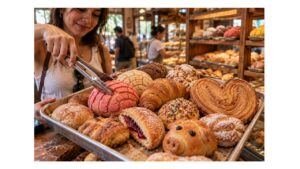
The bakery case doesn’t make the decision easy. One tray holds round breads covered in colorful sugar shells. Another is crowded with pastries shaped like ears, horns, bows and mustaches. There are breads dusted with sugar, pastries filled with fruit, cookies that crumble almost as soon as you touch them, glossy little cakes, spirals, twists and things whose names may not help very much until someone explains that the name is describing exactly what you’re looking at.
Then someone hands you a metal tray and a pair of tongs.
Good luck.
Of course, that small moment of confusion is part of what makes visiting a Mexican panadería so much fun. You aren’t choosing among twenty-five versions of essentially the same sweet roll. You’re looking at an extraordinary collection of breads, pastries, cookies and cakes built with different doughs, textures, fillings, toppings and baking techniques.
A concha is soft beneath its patterned sugar crust. A cuernito gets its identity from a familiar horn shape even though the dough beneath that shape can change. An oreja goes in almost the opposite direction, using layered pastry and caramelized sugar to create something brittle enough to scatter crumbs across your shirt. A sweet empanada hides its personality inside, where pumpkin, pineapple, cajeta, guava or another filling can influence the pastry built around it.
And those are only the beginning.
The secret to understanding Mexican pan dulce isn’t memorizing a list of names.
It’s learning how to read the bakery case.
Introduction: Learning to Read a Mexican Panadería One Tray at a Time
The phrase pan dulce translates literally as “sweet bread,” but that translation becomes inadequate almost as soon as you walk through the bakery door. Mexican pan dulce can include soft enriched breads, crisp layered pastries, filled turnovers, crumbly cookies, small cakes and other sweet baked foods that may have remarkably little in common structurally. What connects them is not one master dough or recipe. It is the bakery tradition that brings them together.
That tradition grew over centuries. Wheat and European breadmaking arrived in Mexico following the Spanish conquest, while later European bakers and pastry traditions introduced additional techniques that Mexican bakers adapted rather than simply preserving unchanged. Over generations, wheat doughs, enriched breads, layered pastries, sugar toppings, fillings and decorative forms became part of an increasingly distinctive Mexican bakery culture.
The result wasn’t simply a Mexican imitation of a European bakery.
It became something with a vocabulary and personality of its own. Shapes became names. A shell became a concha. A horn became a cuerno. An ear became an oreja. A mustache could become a bigote. A little pig became a puerquito. Learning those names is part of learning to see the bakery case differently, because many of them tell you something about the bread before you’ve even taken a bite.
That enormous variety is why pan dulce deserves more than a list of twenty-five definitions. Our broader guide, Pan Dulce Explained: Mexico’s Sweet Bread Tradition Beyond the Famous Concha, explores how the tradition developed and why dramatically different baked foods can belong beneath the same pan dulce umbrella. Here, we’re going to do something different.
We’re picking up the tray and tongs.
As part of the larger food culture explored in Mexican Street Food Beyond Tacos: Elote, Tortas, Tamales & More, we’re going to work our way through twenty-five bakery favorites the way a curious traveler might encounter them: looking first, noticing the shape and texture, figuring out what kind of bread or pastry we’re dealing with, discovering what’s inside or on top, and finally deciding which one deserves a place on the tray.
Preferably more than one.
THE BEST WAY TO UNDERSTAND MEXICAN PAN DULCE ISN’T TO MEMORIZE TWENTY-FIVE NAMES. IT’S TO LEARN WHAT THOSE NAMES, SHAPES, TEXTURES, FILLINGS AND TECHNIQUES ARE TELLING YOU ABOUT THE BAKERY CASE.
⚡ Quick Guide: Mexican Pan Dulce at a Glance
What is pan dulce?
Mexico’s broad tradition of sweet breads, pastries, cookies and other bakery treats.
Is a concha the same thing as pan dulce?
No. A concha is one famous type of pan dulce within a much larger bakery tradition.
How many kinds of Mexican pan dulce are there?
Hundreds of named breads and pastries exist, including regional and bakery-specific variations.
Why do pan dulce have names like concha and oreja?
Many are named for their shapes. Concha means shell, while oreja means ear.
When is pan dulce eaten?
At breakfast, during merienda, with coffee or hot chocolate, and as an everyday bakery treat.
What should I try first at a Mexican panadería?
Choose for contrast: something soft, something crisp and something filled or topped.
The First Thing to Understand: Pan Dulce Is a Bakery Tradition, Not a Dough
This is the idea that makes everything else in the bakery case easier to understand. If you expect the words pan dulce to describe one particular kind of sweetened bread dough, the assortment can seem almost chaotic. The concha and oreja don’t appear to belong in the same category. Neither necessarily looks much like a puerquito or a filled empanada. Put them side by side and you may wonder what culinary rule could possibly connect them.
The answer is that we’re looking for the wrong kind of rule. Mexican pan dulce is better understood through the panadería than through a single recipe. The bakery brings together multiple doughs and techniques under one everyday cultural tradition. Some pieces rise with yeast and remain soft. Others depend on thin pastry layers. Some get most of their sweetness from a topping, while others hide it inside a filling. Still others behave more like cookies or small cakes than what an English speaker would ordinarily call bread.
Once you understand that, the bakery case stops looking random and you begin noticing families. Soft breads sit beneath crisp or decorative toppings. Layered pastries reveal folds and caramelized edges. Filled pieces hint at fruit, cajeta or cream inside. Crumbly breads and cookies promise an entirely different bite. Seasonal breads may appear for celebrations and then disappear again until the calendar brings them back.
That is how we’re going to approach our twenty-five—not as numbers on a list, but as twenty-five lessons in how Mexican bakers transform dough.
 🌶️ Professor Pepper Says…
Don’t judge pan dulce only by how colorful it looks. Shape and decoration may get your attention, but texture tells you just as much. Look for whether a piece is soft, layered, crumbly, filled or caramelized, and you’ll already know considerably more about what you’re about to eat.
How to Choose Pan Dulce When You Don’t Recognize Anything
There is no requirement that you know every name before you’re allowed to enjoy a Mexican bakery. In fact, discovering the names after you’ve noticed the breads can be part of the experience. Start with the shape. Mexican bakery names frequently reward observation, so the shell, horn, ear or pig in front of you may already be giving away its identity. Then look at the surface. A scored sugar crust promises something very different from visible pastry layers, granulated sugar, glossy glaze or a crumbly coating.
Next, think about texture. If the bread looks soft and domed, expect a very different experience from something thin and deeply browned around the edges. Visible layers suggest that folding and fat played an important role. A seam may hint at a filling. A cookie-like surface may tell you not to expect the airy crumb of an enriched yeast bread. None of these clues requires knowing the Spanish name first. You’re learning to recognize how the baker built the food before you learn what the bakery calls it.
Finally, don’t overlook the bakery itself. One of the pleasures of a neighborhood panadería is that the assortment doesn’t have to be identical from one shop to another. Recipes, names, sizes, shapes and finishes can vary by region and baker, and that variation is part of the tradition rather than a problem requiring standardization. The same name may even lead to slightly different experiences as bakers make decisions about dough, fat, filling, sweetness, size and texture.
So don’t walk into the bakery asking only:
Which one is the best?
Ask a better question:
How different can I make this tray?
Choose something soft, something crisp and something filled. Pick something you’ve never heard of. Try the pastry whose shape makes you laugh or the bread whose sugar topping is already threatening your shirt. The goal isn’t to construct the objectively perfect tray. It’s to discover how many different ideas Mexican bakers can fit onto one of them.
By the time we finish the twenty-five bakery favorites ahead, you shouldn’t merely know more names. You should be able to walk into a Mexican panadería, pick up the tray and tongs, look across the bakery case and understand considerably more about what you’re seeing—and, more importantly, know what you want to try next.
THAT IS THE REAL PURPOSE OF THIS GUIDE: NOT TO TURN THE PANADERÍA INTO A CHECKLIST, BUT TO MAKE THE ENTIRE BAKERY CASE MORE INTERESTING ONCE YOU KNOW HOW TO READ IT.
🌶️ Bring a Little Sweet Heat to the Bakery Table
Mexican pan dulce doesn’t need hot sauce to be delicious, but sweet bakery flavors can create surprisingly good opportunities for fruit-forward chile sauces. Peppers of Key West carries sweet and spicy sauces that can add fruit, gentle heat and contrast to pastries, breakfast breads and bakery-inspired desserts when you feel like experimenting.
Soft, Sweet & Instantly Recognizable: The Breads That Catch Your Eye First
Some pan dulce announces itself before you know its name.
Walk along the racks of a Mexican panadería and certain breads are almost impossible to overlook. They may be covered in patterned sugar, twisted into recognizable shapes or decorated so distinctively that their appearance becomes part of their identity. These are useful places to begin because they teach one of the easiest ways to navigate an unfamiliar bakery case: look at the shape and surface before worrying about the name.
That approach leads naturally to Mexico’s most recognizable pan dulce of all.
1. Concha — The Shell-Topped Classic
If there is one piece of pan dulce most likely to be recognized outside Mexico, it is the concha. The name means “shell,” and one glance at the patterned topping explains why. A rounded, soft yeast bread sits beneath a sweet paste-like topping that is scored before baking to create the familiar shell design.
But the topping does more than make a concha recognizable. It creates the contrast that defines the experience. Beneath it, the bread should be soft, tender and only moderately sweet; above it, the topping contributes additional sweetness and a slightly firmer, crumbly texture. Vanilla and chocolate are classics, while bakeries may also use strawberry-colored, brightly tinted or more contemporary flavored toppings.
That balance matters. A concha isn’t simply cake disguised as bread, nor does it need to be overwhelmingly sugary. Part of its appeal comes from the relatively restrained bread underneath the sweeter topping, which is why conchas work so naturally beside coffee, milk or Mexican hot chocolate.
They’re also an excellent first lesson in reading the bakery case. Before you’ve learned a word of Spanish bakery vocabulary, the bread has already told you its name.
If you want to go deeper into why this particular bread became such an icon, Conchas Explained: Mexico’s Most Famous Sweet Bread and the Bakery Tradition Behind It should be the dedicated next lesson.
WHAT TO NOTICE: THE CONCHA TEACHES YOU TO LOOK AT THE SURFACE. ITS SIGNATURE SUGAR SHELL ISN’T JUST DECORATION—IT’S PART OF THE TEXTURE OF THE BREAD.
2. Cuernito — The Little Horn That Doesn’t Promise One Dough
Move a few trays farther and you may encounter a curved bread that seems familiar enough to tempt you into an easy assumption.
It looks a little like a croissant.
That doesn’t necessarily mean it eats like one.
Cuernito means “little horn,” and that name provides the most reliable clue to what you’re looking at. As we explored in Cuernitos Explained: Mexico’s Buttery Bakery Favorite That Makes Every Breakfast Better, Mexican cuernitos can range from softer, more bread-like versions to richer examples with more noticeable layering. What holds the family together most consistently is the curved horn shape rather than one universal dough formula.
That makes the cuernito particularly valuable in this guide because it teaches almost the opposite lesson from the concha. With a concha, the surface treatment immediately identifies the bread. With a cuernito, shape can remain recognizable even while the bread underneath it changes.
Look closely before choosing one. Does the exterior appear soft and smooth? Can you see distinct layers? Is the surface glossy, browned or dusted with sugar? Those clues can tell you whether the cuernito in front of you is likely to be soft and bread-like or richer and more pastry-like.
There is no need to decide which version is the “real” one before enjoying it. Variation between bakeries is part of what makes Mexican panadería culture interesting.
WHAT TO NOTICE: THE CUERNITO TEACHES YOU THAT A FAMILIAR SHAPE DOESN’T ALWAYS GUARANTEE A FAMILIAR TEXTURE.
3. Bigote — The Mustache-Shaped Bakery Favorite
If the cuernito teaches you to recognize a horn, the bigote makes the naming game even easier.
Bigote means “mustache.”
The bread earns the name from its curved form, typically extending outward on both sides in a shape that can resemble an exaggerated mustache. Depending on the bakery, the dough and finish can vary, but bigotes are commonly sweet, tender pastries that may be finished with sugar and can show varying degrees of richness or layering.
This is where learning Mexican pan dulce becomes genuinely fun. Names like bigote aren’t technical pastry classifications. They’re visual vocabulary. You don’t necessarily need to understand the precise dough formula to walk into a bakery, see that unmistakable shape and think, That has to be the mustache.
The comparison with the cuernito also gives you another useful lesson. Two breads can both be curved without being interchangeable. Look at the proportions, the finish and especially the way the dough appears to have been formed. The bakery case is beginning to become less of a collection of mysterious names and more of a collection of clues.
WHAT TO NOTICE: THE BIGOTE TEACHES YOU THAT MANY PAN DULCE NAMES ARE MEANT TO BE SEEN AS MUCH AS THEY ARE MEANT TO BE READ.
4. Moño — The Bow-Shaped Sweet Bread
Another shape may look as though the baker pinched or twisted the center of a piece of dough to make a bow.
That’s essentially the clue.
Moño means “bow,” and the name is used for Mexican bakery pieces whose form resembles a bow or bow tie. Exact preparation and appearance can vary among bakeries, which makes the moño another good reminder that pan dulce terminology does not always operate like a rigid catalog of standardized commercial products.
What matters for our bakery-case lesson is what happens when shaping becomes part of the food’s identity. Bakers aren’t merely making dough taste different; they’re manipulating it into forms that customers can recognize across a crowded display. Twisting, folding, rolling and pinching can turn related doughs into breads that feel like entirely different choices.
That means the shape isn’t frivolous decoration added after the “real” baking is finished.
The shape is part of the recipe.
WHAT TO NOTICE: THE MOÑO TEACHES YOU TO WATCH WHAT THE BAKER DID WITH THE DOUGH. FOLDING AND SHAPING CAN CREATE IDENTITY BEFORE FLAVORING EVER DOES.
5. Puerquito — The Little Pig That Changes the Texture Game
Then you find the pig.
A puerquito—also encountered under names such as marranito or cochinito—is immediately recognizable from its little pig silhouette, but the resemblance to the softer breads around it can end there. Rather than an airy yeast bread, these familiar bakery treats are generally denser and more cake- or cookie-like, with a deeply colored crumb traditionally associated with piloncillo and warm spice.
That makes the puerquito an important fifth stop because it breaks the pattern we’ve just established.
The concha taught us to examine the topping. The cuernito made us question assumptions about dough. The bigote and moño showed how shaping creates identity. Now the puerquito demonstrates that two things sitting beside each other in the pan dulce case may not even belong to the same textural family.
Pick up a concha and you expect softness and spring. Pick up a puerquito and the experience is more substantial: denser, darker, firmer and often warmly flavored. Yet both make perfect sense on the same bakery tray.
That’s the point.
Remember our first lesson: pan dulce is a bakery tradition, not a dough.
The puerquito proves it.
WHAT TO NOTICE: THE PUERQUITO TEACHES YOU NOT TO ASSUME THAT EVERYTHING IN THE PAN DULCE CASE WILL EAT LIKE BREAD. SHAPE MAY CATCH YOUR EYE, BUT TEXTURE CAN COMPLETELY CHANGE THE EXPERIENCE.
At this point, our tray already contains five bakery favorites, but more importantly, we’ve learned five ways to look at them. Conchas tell us to examine the surface. Cuernitos make us inspect the dough beneath the shape. Bigotes and moños show how bakers create identity through form. Puerquitos remind us that the pan dulce case can move from bread-like to cookie-like without ever leaving the same tradition.
And we haven’t even reached the pastries that crack when you bite them.
That’s where the bakery case changes again.
Crisp, Flaky & Layered: When the Bakery Case Starts to Crackle
So far, much of our tray has been shaped by what bakers do to soft or substantial doughs. Now look for something different.
Edges.
Layers.
Sugar that has browned against the heat of the oven.
This part of the bakery case doesn’t always invite the gentle squeeze you might associate with a concha. Some of these pastries are telling you exactly what will happen when you bite them: they’re going to crack, flake and leave evidence behind.
That change in texture introduces another branch of Mexican panadería tradition. Folding dough with fat, exposing layers, adding sugar and manipulating the shape can produce pastries whose appeal depends less on a soft crumb and more on crispness, caramelization and contrast. European pastry techniques helped provide some of that technical vocabulary, but generations of Mexican bakers incorporated those techniques into the much broader world of the panadería.
And perhaps no pastry demonstrates that transformation more clearly than the enormous ear staring back at you.
6. Oreja — The Crispy, Caramelized Ear
An oreja doesn’t hide what it is.
Oreja means “ear,” and the broad double-curled shape gives the pastry its name. But unlike some of the softer shaped breads we’ve already encountered, an oreja’s identity depends just as much on what happens inside those curves. Layered pastry dough is folded with sugar and baked until the exterior becomes deeply golden, crisp and caramelized.
The result should be dramatically different from the concha you put on the tray earlier. There is no pillowy center beneath a decorative shell. A good oreja breaks into delicate flakes and brittle caramelized fragments, with sugar concentrated along its folds and browned edges.
Our deeper guide, Orejas Explained: Mexico’s Crispy Palm Pastry That’s Impossible to Eat Just One, explores how such a simple combination of dough, fat, sugar and heat becomes one of the panadería’s most recognizable pastries. Here, the oreja gives us another way to read the bakery case: look for evidence of transformation.
Visible layers tell you the dough was folded. Deep golden edges tell you heat has done more than simply bake the pastry through. A glossy, caramelized surface tells you sugar has changed along with the dough.
And the crumbs?
Those tell you to lean over the plate.
WHAT TO NOTICE: THE OREJA TEACHES YOU TO LOOK FOR LAYERS, BROWNING AND CARAMELIZATION. THOSE CLUES CAN TELL YOU A PASTRY WILL BE CRISP BEFORE YOU EVER BITE IT.
7. Abanico — The Fan-Shaped Pastry
Once you recognize the logic of the oreja, other shapes in the flaky section become easier to understand.
An abanico takes its name from the Spanish word for “fan,” and its spread or folded appearance gives you the visual clue. Depending on the bakery, exact shapes and finishes can vary, but the pleasure comes from the relationship between shaped pastry, exposed edges, sugar and crisp texture.
Compare one with an oreja and you begin to see what Mexican bakers can accomplish without completely changing the underlying idea. Similar families of pastry techniques can be folded or shaped differently, changing the ratio of edges to center, the places where sugar collects and the way the finished pastry breaks apart.
That is an important lesson because we’ve now encountered the same principle from two directions. Earlier, the cuernito showed us that a recognizable shape can survive even when the dough beneath it varies. Here, related pastry techniques can produce different identities because the baker changes the shape.
The bakery case isn’t a collection of isolated recipes. Techniques and ideas travel across it.
WHAT TO NOTICE: THE ABANICO TEACHES YOU TO FOLLOW THE FOLDS. THE WAY A BAKER SHAPES LAYERED DOUGH CHANGES BOTH ITS APPEARANCE AND THE WAY IT CRISPS IN THE OVEN.
8. Moño de Hojaldre — Layers Tied into a Bow
We’ve already encountered a moño, but this version gives us an opportunity to see why names alone don’t always tell the entire story.
A moño de hojaldre takes the familiar bow idea into the world of layered pastry. Instead of focusing primarily on a soft bread shaped into a bow, the visual clues here are the folds and flaky layers of the pastry itself. Sugar may add sweetness and additional surface texture, while the twisted or pinched center creates the recognizable bow-like silhouette.
This is where the word hojaldre becomes useful. In Mexican bakery vocabulary, it points us toward layered pastry traditions rather than one single finished shape. Once you begin recognizing those layers, you can spot relationships among pastries that may carry completely different names.
That distinction also protects us from one of the easiest mistakes to make when learning pan dulce: assuming that the name of a shape automatically identifies one standardized recipe.
It doesn’t always.
Look at the dough too.
WHAT TO NOTICE: THE MOÑO DE HOJALDRE TEACHES YOU TO READ BOTH NAME AND TEXTURE. TWO PASTRIES CAN SHARE A SHAPE WITHOUT NECESSARILY SHARING THE SAME DOUGH.
9. Rehilete — The Pinwheel That Shows You the Baker’s Hand
Some pan dulce looks almost architectural.
The rehilete, named for a pinwheel, uses cuts, folds or turns in the dough to create a radiating shape. The exact bakery version can vary, but visually it gives you something especially useful: you can often see the baker’s work in the finished pastry.
Corners have been moved. Sections have been folded. Layers have been exposed. What began as a comparatively simple piece of dough becomes recognizable because someone deliberately manipulated it before it entered the oven.
That makes the rehilete a good bread to stop and examine rather than simply identify. Follow the lines from the center outward and you can begin reconstructing how the shape was made. In a bakery tradition famous for shells, ears, horns, bows and pigs, the pinwheel reinforces how often form is created with the baker’s hands rather than applied as decoration afterward.
By now, we’re doing something very different from memorizing names.
We’re starting to see technique.
WHAT TO NOTICE: THE REHILETE TEACHES YOU TO LOOK FOR THE BAKER’S HAND IN THE FINISHED SHAPE. CUTS, FOLDS AND TURNS CAN REVEAL HOW A PASTRY WAS BUILT.
10. Campechana — Crisp Layers, Sugar & a Different Kind of Bite
Then there is the campechana, another pastry that moves us decisively away from the soft-bread expectation.
Campechanas are associated with crisp, flaky pastry and sugar, often presenting a flatter or more elongated form than the dramatic curves of an oreja. What matters most for the reader standing in front of the bakery case is the texture being advertised by the surface: visible layering, browned pastry and sugar suggest something that should shatter or flake rather than compress like a soft roll.
Put a campechana beside a concha and the breadth of the phrase pan dulce becomes obvious. Both can accompany a cup of coffee. Both belong comfortably in the Mexican bakery. Yet nearly everything about the eating experience is different.
That contrast is precisely why we wanted both on our imaginary tray.
The first five favorites taught us to notice shape, surface and differences in crumb. These next five add layers, folds, caramelization, exposed edges and crispness to our bakery vocabulary.
You don’t have to know exactly how every pastry was laminated, folded or shaped to make a good choice.
You just have to start noticing the evidence.
WHAT TO NOTICE: THE CAMPECHANA TEACHES YOU THAT COLOR AND SURFACE CAN PREDICT TEXTURE. DEEPLY BAKED LAYERS AND CARAMELIZED SUGAR ARE CLUES THAT THIS PART OF THE TRAY IS GOING TO CRUNCH.
🌶️ Professor Pepper Says…
Crumbs are information. When you see thin layers, deeply browned edges and caramelized sugar, the bakery is already telling you to expect crispness. Compare that with the soft dome of a concha and you’re beginning to read pan dulce by texture instead of name.
Ten bakery favorites are now on our tray, and the differences are becoming much easier to see. We started with breads whose shapes and surfaces identify them, then moved into pastries where layers, folds, browning and caramelization tell us what kind of bite to expect.
But there is another category where looking at the outside only gets you so far.
Sometimes the most important part of the pastry is hidden.
Next, we need to find out what’s inside.
Filled, Fruity & Sweet Inside: When the Outside Doesn’t Tell the Whole Story
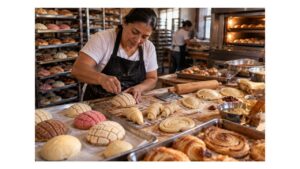
By now, we’re getting pretty good at judging pan dulce before taking a bite. We’ve learned to recognize a concha by its sugar shell, follow the curve of a cuernito, spot the layers of an oreja and predict crispness from deeply browned pastry edges.
Then the bakery gives us a new problem:
You can’t always see the best part.
Filled pan dulce asks you to look for different clues. A folded edge may tell you something has been sealed inside. A small opening might reveal a streak of fruit. A darker spot beneath the crust can hint at cajeta or another sweet filling. Sometimes the bakery label is the only clue you get before committing to the first bite.
And unlike shape, filling can completely change the personality of an otherwise familiar pastry.
11. Empanada de Calabaza — The Pumpkin-Filled Turnover
The familiar half-moon shape of an empanada gives you the first clue. Dough has been folded over something, the edges have been sealed, and whatever matters most is waiting inside.
With an empanada de calabaza, that something is pumpkin.
Mexican sweet pumpkin empanadas combine pastry or bread-like dough with a cooked pumpkin filling that can be enriched with piloncillo or sugar and warm spices. Exact recipes vary, and the surrounding dough can range from tender and bread-like to more pastry-like depending on the baker and regional tradition.
That variation is important because, as we explored in Sweet Mexican Empanadas Explained: The Bakery Pastries Filled with Fruit, Cajeta & Pumpkin, the empanada is better understood as a format rather than one universal recipe. Fold dough around a filling, seal it and bake it, and the filling can become the variable that gives each version its identity.
Pumpkin is particularly good at demonstrating that relationship because its soft, substantial filling creates a completely different experience from the airy breads and brittle pastries already sitting on our tray.
WHAT TO NOTICE: THE EMPANADA DE CALABAZA TEACHES YOU TO LOOK FOR SEALED EDGES. WHEN DOUGH HAS BEEN FOLDED AND CRIMPED, THERE’S A GOOD CHANCE THE MOST IMPORTANT CLUE IS INSIDE.
12. Empanada de Piña — The Bright, Fruity One
The same basic shape can lead somewhere completely different.
An empanada de piña replaces pumpkin’s deeper, earthier sweetness with pineapple. The filling brings fruitiness, acidity and a brighter character that can cut through the richness of the surrounding dough.
This is our first really clear demonstration of why recognizing a bakery format isn’t the same thing as knowing what something will taste like. Put a pumpkin empanada beside a pineapple empanada and their silhouettes may be nearly identical. Bite into them, and there is no confusing the two.
That’s useful information when you’re standing in front of an unfamiliar bakery case. Once you’ve identified something as an empanada, your next question shouldn’t simply be What is it?
It should be:
What’s inside it?
Look for labels, small openings in the dough, differences in color or simply ask the baker. In this part of the panadería, filling becomes another piece of vocabulary.
WHAT TO NOTICE: THE EMPANADA DE PIÑA TEACHES YOU THAT IDENTIFYING THE SHAPE IS ONLY HALF THE JOB. WITH FILLED PAN DULCE, FLAVOR OFTEN COMES FROM WHAT THE DOUGH IS HIDING.
13. Empanada de Cajeta — When the Filling Gets Richer
Fruit isn’t the only possibility.
Cajeta is Mexico’s traditional caramel-like confection made primarily from goat’s milk and sugar, cooked until concentrated, sweet and deeply flavored. Put it inside an empanada and the experience changes again.
Where pineapple contributes brightness and pumpkin brings soft, spiced richness, cajeta gives the pastry a dense, dairy-forward caramel character. That makes an empanada de cajeta useful for understanding another principle of the bakery case: fillings don’t merely provide different flavors; they change the balance of the entire pastry.
A richer filling may need relatively little assistance from the dough surrounding it. A tart fruit filling can create contrast. A thick filling can make the center feel substantial even when the pastry itself is comparatively delicate.
We’re no longer simply identifying baked shapes.
We’re beginning to predict how the pieces work together.
WHAT TO NOTICE: THE EMPANADA DE CAJETA TEACHES YOU TO THINK ABOUT BALANCE. THE SWEETNESS, RICHNESS AND TEXTURE OF THE FILLING CAN DETERMINE HOW THE ENTIRE PASTRY EATS.
14. Empanada de Guayaba — Sweetness with a Tropical Edge
Then there is guayaba, or guava.
Guava’s fragrant, distinctly fruity character makes it especially effective inside pastry because it doesn’t disappear behind the dough. Whether used as a thick paste, preserve-like filling or another bakery preparation, guava brings enough personality that the center remains the reason you’re eating the pastry.
By our fourth empanada, something important should be becoming obvious.
We’re not really learning four completely unrelated bakery foods.
We’re learning one adaptable form.
The folded dough gives us the recognizable architecture. Pumpkin, pineapple, cajeta and guava demonstrate how Mexican bakers can use that architecture to produce very different experiences without abandoning the underlying idea.
That is precisely the kind of pattern we’re trying to teach throughout this guide. Once you recognize the family, you don’t have to start from zero every time you encounter another member.
WHAT TO NOTICE: THE EMPANADA DE GUAYABA TEACHES YOU TO RECOGNIZE FAMILIES, NOT JUST INDIVIDUAL NAMES. LEARN THE FORM ONCE AND NEW VARIATIONS BECOME EASIER TO UNDERSTAND.
15. Niño Envuelto — A Sweet Surprise in a Different Form
Not every filled bakery favorite announces itself with a crimped half-moon.
Niño envuelto, literally “wrapped child,” is a name used for rolled or wrapped sweet preparations, and bakery versions can involve cake or bread surrounding a sweet filling. The exact form can vary, which is itself useful for our purposes: Mexican bakery names and preparations aren’t always standardized identically from bakery to bakery or region to region.
Instead of a sealed pocket, look for the roll. A cut piece may expose the relationship immediately: baked exterior surrounding a spiral or layer of filling. Depending on the version, that filling might contribute fruit, cream or another sweet element.
This gives us a second way to hide flavor inside baked dough. An empanada encloses its filling by folding and sealing. A rolled preparation distributes filling through a spiral or wrapped structure.
Same broad idea.
Different engineering.
And once again, the shape tells us something about how the pastry will eat.
WHAT TO NOTICE: NIÑO ENVUELTO TEACHES YOU TO LOOK AT THE CROSS-SECTION. A SPIRAL, LAYER OR ROLL CAN REVEAL A FILLING STRATEGY THAT THE OUTSIDE DOESN’T EXPLAIN.
From Looking at Pan Dulce to Looking Inside It
Fifteen favorites into our bakery tray, we’ve crossed an important threshold.
At first, we learned by looking at the outside. Shape identified a concha, cuernito or puerquito. Layers and browning helped us recognize pastries built for crispness. Now seams, folds, openings and cross-sections are telling us to investigate what the baker put inside.
That progression matters because a great panadería rewards curiosity at several levels. Sometimes you know what you’re getting from across the room. Sometimes you need to lean closer. And occasionally you don’t really understand what you picked until you break it open.
That’s part of the fun.
It also gives us a useful strategy when building a tray: don’t choose five pieces simply because they look different. Think about where their flavor comes from. One might get sweetness from a sugar topping. Another from caramelization. Another from the dough itself. Another may be carrying nearly all of its personality in a spoonful of fruit or cajeta hidden in the center.
THE MORE OF THE BAKERY CASE WE UNDERSTAND, THE LESS RANDOM THE VARIETY BECOMES. SHAPE, DOUGH, SURFACE, TECHNIQUE AND FILLING ARE STARTING TO FORM A LANGUAGE.
And now that we’ve spent fifteen selections studying some of the bakery’s most obvious breads, crispest pastries and sweetest fillings, we need to make another turn.
Because some of the most beloved things in a Mexican panadería don’t fit neatly into any of those groups.
Our tray still needs the crumbly ones, the cakey ones—and a few bakery favorites that refuse to behave like anything we’ve picked so far.
Crumbly, Cakey & Completely Different: When Pan Dulce Stops Acting Like Bread
By this point, our tray has taught us not to expect one texture from something simply because it lives in the pan dulce case. Still, the next group pushes that lesson further. These bakery favorites can be dense, crumbly, cakey or delicate enough to fall apart in your hand, and several sit much closer to cookies or small cakes than to the soft sweet breads that introduced us to the tradition.
That’s useful rather than confusing. Remember the idea that started this journey: pan dulce is a bakery tradition, not a dough. Now we’re about to see just how much territory that tradition can cover.
16. Polvorón — The Cookie That Practically Dissolves
Pick up a polvorón and the name gives you a warning about what is coming. It derives from polvo, meaning “dust” or “powder,” an appropriate description for a cookie famous for its delicate, crumbly texture.
Unlike the soft resilience of a concha or the brittle layers of an oreja, a polvorón breaks apart with very little resistance. The dough is typically rich in fat and formulated to produce tenderness rather than chew, creating a short, sandy crumb that can seem to dissolve as you eat it. Mexican bakery versions appear in different shapes, sizes and flavors, so don’t expect every polvorón to look identical.
What matters here is texture. Earlier we used visible pastry layers to predict that an oreja would crack. A polvorón gives us different clues: a dry-looking, delicate surface, fine crumb and edges that may already seem ready to break.
This is also a good moment to stop translating pan dulce too literally. If you entered the bakery expecting everything beneath that broad label to resemble bread, the polvorón has officially ended the argument.
WHAT TO NOTICE: THE POLVORÓN TEACHES YOU THAT CRUMB CAN BE THE MAIN EVENT. A PASTRY DOESN’T NEED TO BE SOFT OR FLAKY TO CREATE AN INTERESTING TEXTURE.
17. Garibaldi — A Little Cake Covered in Texture
The garibaldi changes the bakery case again. Rather than disguising itself as a loaf or roll, it behaves much more like a small cake, traditionally built around a tender buttery crumb and an exterior coated with apricot glaze and small white sugar sprinkles.
That exterior is worth noticing because we’ve already encountered several different ways Mexican bakers can make a surface matter. A concha gets a patterned sugar topping before baking. An oreja caramelizes sugar against exposed pastry. The garibaldi uses its coating to add sweetness and texture around a soft cake center.
Same bakery.
Completely different construction.
The garibaldi is also associated with Mexico City’s bakery tradition, particularly the historic El Globo pastry shop, where the pastry originated in the twentieth century. Its presence alongside older and more broadly distributed bakery favorites is a useful reminder that Mexican panadería culture didn’t stop developing once its foundational traditions were established. Bakeries continued creating foods that could become recognizable traditions in their own right.
For the person holding the tray, though, the lesson is wonderfully simple: if something looks like a little cake, don’t expect it to behave like a sweet roll simply because you found it in the same bakery case.
WHAT TO NOTICE: THE GARIBALDI TEACHES YOU TO LOOK AT HOW THE EXTERIOR AND INTERIOR WORK TOGETHER. A COATING CAN PROVIDE TEXTURE WHILE THE CENTER REMAINS SOFT AND CAKEY.
18. Mantecada — The Everyday Little Cake
A mantecada makes the cake side of the panadería even easier to recognize. Typically baked as an individual portion in a paper liner, it has a soft, tender crumb and a simple appearance that can seem almost understated beside brightly patterned conchas and elaborately shaped pastries.
Don’t mistake understated for unimportant.
Part of the beauty of a panadería is that not every choice needs to be spectacular. Mantecadas are straightforward, portable and particularly natural alongside coffee, milk or hot chocolate. Their appeal comes from the pleasure of a small, tender cake rather than a filling, elaborate decoration or recognizable animal shape.
The paper liner is also an excellent bakery-case clue. By now, we’re learning to gather information before we know a name, and seeing an individual piece baked in paper immediately suggests a different construction from the free-form breads and folded pastries surrounding it.
That’s what “reading” the bakery case actually means. You’re not memorizing flash cards. You’re learning to make increasingly good predictions.
WHAT TO NOTICE: THE MANTECADA TEACHES YOU THAT THE CONTAINER CAN BE A CLUE. A PAPER-LINED INDIVIDUAL CAKE IS ALREADY TELLING YOU TO EXPECT A DIFFERENT CRUMB FROM THE BREADS BESIDE IT.
19. Ojo de Buey — The Pastry with an Eye
Then Mexican bakery naming gets playful again.
Ojo de buey means “ox eye,” and versions of this bakery favorite use a round form with a contrasting center that creates the eye-like appearance responsible for the name. Depending on the bakery and regional style, preparations can differ, which makes this another case where recognizing the visual idea is often more useful than expecting one absolutely standardized formula everywhere.
That’s not a weakness in our guide. It’s one of the lessons.
By now we’ve encountered shells, horns, ears, mustaches, bows, pigs, fans and pinwheels. The ojo de buey belongs to that same wonderfully descriptive bakery language. These names make an enormous assortment easier to remember because they connect baked shapes to things people already recognize.
Look at the center first. Where some pastries hide their filling completely, the ojo de buey draws your attention toward the middle and makes contrast part of the visual identity.
The bakery is teaching you where to look.
WHAT TO NOTICE: THE OJO DE BUEY TEACHES YOU TO LOOK FOR CONTRAST. SOMETIMES THE CENTER OF A PASTRY ISN’T HIDDEN AT ALL—IT IS THE FEATURE THE ENTIRE SHAPE WAS BUILT TO FRAME.
20. Beso — Two Halves Are Better Than One
A beso brings us to another construction entirely. The name means “kiss,” and the bakery favorite is commonly made by joining two soft, cake-like halves with jam or another sweet filling, then finishing the exterior with sugar or another coating depending on the bakery.
Unlike an empanada, where filling is sealed inside folded dough, a beso allows you to see the relationship more clearly. Two pieces meet in the middle, and the filling acts almost like the point of connection between them.
That makes it particularly useful as our twentieth favorite because we’ve now seen sweetness incorporated in nearly every direction imaginable. It can sit on top of a concha, caramelize through the layers of an oreja, hide inside an empanada, coat around a garibaldi or join between the two halves of a beso.
Those aren’t just twenty different names.
They’re different solutions to the same fundamental bakery question:
What can we do with dough, pastry, cake, sugar, fat, filling, shape and heat?
WHAT TO NOTICE: THE BESO TEACHES YOU TO LOOK AT HOW PIECES ARE ASSEMBLED. FILLING DOESN’T ALWAYS HAVE TO BE ENCLOSED; SOMETIMES IT BECOMES THE CONNECTION HOLDING THE SWEET TOGETHER.
Twenty Favorites In, the Bakery Case Looks Different
Think back to where we started.
The bakery case seemed almost chaotic: unfamiliar names, different shapes, brightly colored toppings, flaky pastries and no obvious reason why everything belonged together. Twenty selections later, we haven’t made the variety smaller. We’ve made it legible.
You can recognize a shape and ask what it tells you. You can inspect a surface for sugar, glaze or caramelization. You can look for layers and predict crispness, find a seam and suspect a filling, notice a paper liner and anticipate cake, or examine a delicate crumb and know you’re moving toward the cookie side of the bakery.
That’s the transformation I want this article to accomplish.
The goal was never for you to memorize twenty-five definitions and pass a pan dulce exam. It was to make the next visit to a Mexican panadería more interesting because you’re noticing things you might once have walked past.
And we still have five spaces left on the tray.
For those, I wouldn’t simply choose five more everyday pastries that repeat lessons we’ve already learned. The final five should show how Mexican bakery tradition connects to place, celebration and moments when bread becomes more than an everyday bakery choice.
That is where our last trip through the bakery case should take us.
Regional, Seasonal & Celebratory: When Pan Dulce Tells a Bigger Story
Twenty selections have taught us how to read the physical clues in front of us. But there is one final piece of information the bakery case can’t always reveal by appearance alone.
Why is this bread here today?
Some Mexican breads are connected especially strongly to a place. Others appear when the calendar reaches a particular celebration. Some are carried home not simply because someone wanted something sweet with coffee, but because the bread belongs to a tradition shared by families and communities.
That means learning to read a panadería eventually requires looking beyond the tray. Shape, texture and filling can tell us how something was made. Place, season and occasion can tell us why it matters.
21. Cemita de Dulce — Puebla’s Sweet Bakery Tradition
The word cemita may immediately make you think of Puebla’s famous sandwiches, but the name belongs to a broader bread tradition. Sweet bakery versions provide an especially useful reminder that Mexican bread names don’t always fit neatly into the categories outsiders expect.
A cemita de dulce is associated particularly with Puebla and can appear as a sweetened bread finished with sugar and, depending on the style, other ingredients that give it a character quite different from the savory roll most food travelers associate with a cemita sandwich. Regional recipes and naming conventions can vary, so this isn’t a bread to reduce to one universal formula.
More important for our journey is what the cemita teaches us about geography. Until now, we’ve mostly asked questions such as What shape is it? Is it soft or crisp? Is something inside? The cemita adds another:
Where are we?
Mexican baking is national, but it isn’t uniform. Regional ingredients, preferences, histories and bakery traditions have produced breads that can become particularly meaningful in certain parts of the country.
WHAT TO NOTICE: THE CEMITA DE DULCE TEACHES YOU THAT PLACE CAN BE A BAKERY CLUE. NOT EVERY PAN DULCE HAS THE SAME IMPORTANCE EVERYWHERE IN MEXICO.
22. Pan de Yema — A Rich Bread with a Strong Oaxacan Identity
Travel south to Oaxaca and another bread demonstrates how strongly place and food can become connected.
Pan de yema, or egg-yolk bread, is a rich, gently sweet bread associated particularly with Oaxaca. Eggs contribute to its character and crumb, and the bread can accompany drinks such as hot chocolate, making it part of a broader eating experience rather than simply an isolated sweet.
That pairing matters. A bread doesn’t have to contain the most sugar or carry the brightest topping to earn an important place at the table. Sometimes its role comes from what surrounds it: the drink beside it, the time of day, the people sharing it and the regional traditions that give the combination meaning.
If the concha taught us to read a surface and the oreja taught us to read layers, pan de yema asks us to read context.
The bakery case is no longer the whole story.
WHAT TO NOTICE: PAN DE YEMA TEACHES YOU THAT THE BEST WAY TO UNDERSTAND A BREAD MAY BE TO ASK WHAT PEOPLE EAT AND DRINK WITH IT—AND WHERE THEY DO IT.
23. Pan de Muerto — Bread That Appears When the Calendar Says It’s Time
Then autumn approaches, Día de Muertos draws near, and Mexican bakery shelves begin telling you what time of year it is.
Pan de muerto is one of Mexico’s most recognizable seasonal breads, closely associated with Día de Muertos. There are regional variations rather than one universal version, but the familiar central-Mexican style is typically a soft enriched round bread decorated with pieces of dough commonly interpreted as bones and often finished with sugar.
Here, shape carries meaning in a way we haven’t encountered before. A concha resembles a shell because the design gives the bread its visual identity. Pan de muerto’s decorative elements participate in a much larger tradition involving remembrance, family, food and offerings for the dead.
It also teaches us something essential about the bakery case: it changes with the calendar.
A person visiting the same panadería throughout the year will not necessarily see exactly the same assortment every month. Seasonal breads arrive, occupy the shelves during the period when they matter, and then recede again.
So sometimes the question isn’t What bread is that?
It’s What is Mexico celebrating or remembering right now?
WHAT TO NOTICE: PAN DE MUERTO TEACHES YOU TO READ THE CALENDAR. SOME OF THE MOST IMPORTANT MEXICAN BREADS ARE MEANT TO APPEAR AT PARTICULAR MOMENTS, AND THEIR SEASONALITY IS PART OF THEIR MEANING.
24. Rosca de Reyes — The Bread Designed to Be Shared
When the holiday season moves into January, another unmistakable bread takes over bakery displays.
Rosca de Reyes is the ring-shaped bread traditionally associated with Día de Reyes, or Three Kings Day, on January 6. The large ring is typically decorated with colorful strips of candied or preserved fruit, making it dramatically different from the individual pastries we’ve been collecting on our tray.
But size isn’t merely spectacle.
Rosca de Reyes is made to be divided. Family, friends or coworkers gather around it, slices are cut, and small figurines representing the infant Jesus are traditionally hidden inside. Finding one carries another responsibility: the person who discovers the figurine is traditionally connected with providing tamales for the gathering associated with Día de la Candelaria on February 2.
Suddenly, bread is doing far more than satisfying hunger.
It is creating the next gathering.
That makes Rosca de Reyes one of the clearest demonstrations of why a guide to Mexican pan dulce can’t end with ingredients and textures. You could describe its crumb, sweetness and decorations perfectly and still miss much of what makes the bread important.
WHAT TO NOTICE: ROSCA DE REYES TEACHES YOU TO LOOK AT HOW BREAD IS SHARED. SOMETIMES THE MOST IMPORTANT THING A BAKERY MAKES ISN’T AN INDIVIDUAL TREAT—IT’S A REASON FOR PEOPLE TO GATHER.
25. Concha de Temporada — Tradition Doesn’t Stop Evolving
For our twenty-fifth selection, I don’t want to pretend Mexican pan dulce belongs only to the past.
Look again at the concha.
The basic visual vocabulary remains familiar: rounded bread, patterned topping, unmistakable shell. But contemporary Mexican bakeries have also used the concha as a canvas for new colors, flavors, fillings, decorations and seasonal interpretations. Some changes are playful. Some respond to local tastes or celebrations. Others are simply the result of a baker wondering what else can be done with something everybody already recognizes.
That doesn’t erase the classic concha we met at #1. It demonstrates something important about Mexican pan dulce: a living bakery tradition doesn’t have to choose between preservation and creativity. Mexican bakers inherited techniques and forms from generations before them, just as earlier bakers absorbed outside influences and transformed them within Mexico. Today’s innovations are another chapter in that continuing process.
That makes the contemporary or seasonal concha an especially appropriate place to finish our twenty-five. We aren’t ending with something completely unfamiliar. We’re returning to the bread that started our journey—but now we’re looking at it differently.
At #1, you saw the shell and learned how to identify it.
At #25, you can see that same shell and ask a much better question:
What did this baker decide to do with it?
WHAT TO NOTICE: THE SEASONAL CONCHA TEACHES YOU THAT A BAKERY TRADITION CAN BE RECOGNIZABLE WITHOUT BEING FROZEN. THE OLD FORMS KEEP GIVING NEW BAKERS SOMETHING TO WORK WITH.
Now Look at the Tray Again
There are twenty-five bakery favorites on it now, but the number isn’t really the accomplishment.
At the beginning of this guide, a crowded Mexican bakery case could look like an assortment of unrelated breads and pastries with unfamiliar names. Now there are clues everywhere. You notice the sugar shell on a concha and understand that the surface matters. You see the curve of a cuernito and know the shape doesn’t necessarily tell you exactly what dough lies underneath. You spot thin layers and browned sugar on an oreja and can practically hear the first crack before taking a bite.
A sealed edge makes you wonder what’s inside. A paper liner suggests cake. A crumbly surface changes your expectation of texture. A regional bread asks you to think about where you are, while pan de muerto and Rosca de Reyes make you look at the calendar. That’s what it means to read the bakery case.
And perhaps the best part is that twenty-five breads haven’t finished the subject. They have only given you enough vocabulary to explore it more intelligently. Another region, another neighborhood or another baker can put something unfamiliar in front of you tomorrow, and now you know what to do: look at the shape, notice the surface, think about the texture, find the layers, look for a seam, ask what’s inside, and consider where you are and what time of year it is.
Then pick up the tongs.
Because the goal was never to know the name of everything before you tasted it. It was to make the unfamiliar more understandable without making it less exciting.
THE GOAL WAS TO MAKE EVERYTHING IN THE PANADERÍA WORTH LOOKING AT MORE CLOSELY.
How to Build a Pan Dulce Tray That’s Actually Interesting
After twenty-five bakery favorites, choosing should theoretically be easier. There is just one problem:
Now you want everything.
Instead of trying to find the single “best” pan dulce, use what you’ve learned to build a tray around contrast. Start with something soft, perhaps a concha or cuernito. Add something crisp and caramelized like an oreja or campechana. Choose something filled—pumpkin, pineapple, cajeta or guava will each take the tray in a different direction. Then add something crumbly or cakey, such as a polvorón, mantecada or garibaldi. By that point, you’ve created something much more interesting than four variations on the same sweet bread. Every selection gives you a different texture, construction or source of sweetness.
Then use the last space for curiosity. Pick the bread whose name you don’t recognize. Choose the regional specialty you’ve never encountered. If it’s October and pan de muerto has appeared on the shelves, that’s an easy decision. If the bakery has created an unusual seasonal concha, see what the baker decided to do differently. The wildcard is what keeps your tray from becoming a formula.
That approach also makes sharing pan dulce more fun. Put several different pieces in the middle of the table, cut or break them into portions when appropriate, and suddenly everyone gets to compare soft against crisp, fruit against caramel, familiar against unfamiliar. Coffee, café con leche, milk or Mexican hot chocolate gives everyone an excuse to linger over the tray a little longer.
🌶️ Professor Pepper Says…
If you’re choosing several pieces of pan dulce, don’t make them all alike. Try one soft, one crisp, one filled and one wildcard. A tray built around contrast will teach you more about Mexican baking—and probably be more fun to eat.
The Panadería Is Part of What You’re Choosing
There is another reason not to become obsessed with constructing the objectively perfect tray: the bakery itself should influence what you choose.
A neighborhood panadería isn’t merely a distribution point for a standardized national collection of breads. Different bakeries develop their own specialties. Bakers make choices about dough, sweetness, size, fillings and finishes. Regional preferences influence what appears on the racks, while seasonal traditions change the assortment throughout the year.
That’s why two bakeries can both feel unmistakably Mexican while giving you noticeably different trays.
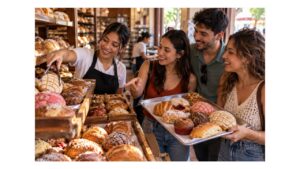
It is also why Mexican Panaderías Explained:hy Every Neighborhood Bakery Is the Heart of Mexican Morning Culture is such an important companion to this guide. The breads matter, but so does the system surrounding them: the racks of fresh baking, the metal trays and tongs, the regular customers who already know what they want and the person standing there for the first time trying to decide whether taking six pieces is excessive.
It probably isn’t.
The best panadería experiences aren’t necessarily the ones where you recognize every item. They’re the ones where something unfamiliar makes you stop, look closer and perhaps ask the baker what it is. That conversation is part of learning too.
A GREAT PANADERÍA DOESN’T JUST GIVE YOU MORE THINGS TO CHOOSE FROM. IT GIVES YOU MORE THINGS TO BECOME CURIOUS ABOUT.
🌶️ Recommended Peppers of Key West Products for Traditional Mexican Pan Dulce
Mexican pan dulce is already complete when it comes out of the bakery. A warm concha, crisp oreja or fruit-filled empanada doesn’t need anything poured over it to justify its place beside a cup of coffee.
But when pan dulce becomes part of a larger breakfast, dessert or sharing table, sweet and spicy flavors can create some surprisingly good combinations. Fruit-forward sauces, gentle chile heat and tropical flavors work best when they complement what the bakery has already created rather than overwhelming it.
The trick is matching the sauce to the kind of sweetness already on the tray.
Product Pairing Quick Guide
- Conchas, Mantecadas & Soft Sweet Breads → Peppers of Key West Cherry Pomegranate Grilling Sauce
- Orejas, Campechanas & Crisp Pastries → Fischer & Wieser’s Roasted Raspberry Chipotle Sauce
- Pineapple, Guava & Other Fruit-Filled Empanadas → Peppers of Key West Tropical Rum, Pineapple & Raisin Hot Sauce
- Pan Dulce with Mango, Pineapple or Tropical Fruit → Catch a Fire’s Mangolian Sweet Heat Pepper Sauce
Sweet & Spicy Pairings for the Pan Dulce Table
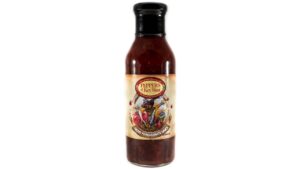
Peppers of Key West Cherry Pomegranate Grilling Sauce
Soft pan dulce generally needs restraint. A concha or mantecada can be gently sweet and buttery, so an aggressive chile sauce would overwhelm exactly what makes it appealing. Peppers of Key West Cherry Pomegranate Grilling Sauce brings fruit-forward sweetness and mild heat that can work as an optional accent on a broader breakfast or dessert plate.
Best For: Conchas, mantecadas, soft sweet breads and bakery plates served with fresh berries.

Fischer & Wieser’s Roasted Raspberry Chipotle Sauce
Crisp, caramelized pastries can stand up to a slightly deeper flavor combination. Fischer & Wieser’s Roasted Raspberry Chipotle Sauce brings raspberry fruitiness together with smoky chipotle, creating contrast against the browned sugar and flaky texture of pastries such as orejas and campechanas.
Best For: Orejas, campechanas, crisp pastries and pan dulce served with vanilla ice cream or fresh berries.
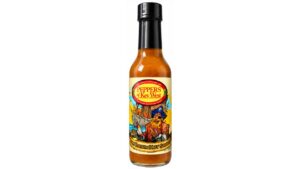
Peppers of Key West Tropical Rum, Pineapple & Raisin Hot Sauce
Fruit-filled pastries give us an opportunity to build on flavors already inside the dough rather than introducing something completely unrelated. Peppers of Key West Tropical Rum, Pineapple & Raisin Hot Sauce is particularly natural around pineapple and other tropical fruit fillings, where its sweetness and gentle chile character can extend the fruit rather than compete with it.
Best For: Pineapple empanadas, guava pastries, tropical fruit plates and bakery-inspired desserts.
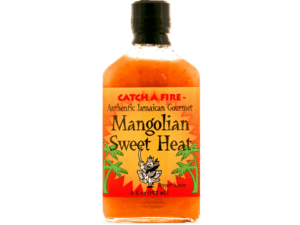
Catch a Fire’s Mangolian Sweet Heat Pepper Sauce
When the table already includes mango, pineapple or other tropical fruit, Catch a Fire’s Mangolian Sweet Heat Pepper Sauce can take the pairing in a hotter direction. This is the choice for someone who actually wants noticeable chile heat with dessert rather than simply a subtle sweet-and-spicy accent.
Best For: Tropical fruit, pineapple pastries, fruit-filled empanadas and pan dulce served as part of a sweet-and-spicy dessert spread.
These are optional Peppers of Key West serving pairings rather than traditional Mexican pan dulce toppings. A bakery-fresh piece of pan dulce doesn’t need sauce—the pairings are simply another way to experiment when you’re building a larger breakfast or dessert table.
Conclusion: The Best Pan Dulce Is the One That Makes You Reach for the Tongs
Twenty-five bakery favorites later, the Mexican panadería should look a little different.
Not smaller.
Not simpler.
More understandable.
The concha taught us to look at the surface. The cuernito taught us not to make assumptions based on shape alone. The oreja showed what layers, sugar and heat can accomplish. Empanadas taught us to look inside. Polvorones and mantecadas stretched our understanding of what belongs beneath the pan dulce umbrella, while pan de muerto and Rosca de Reyes reminded us that sometimes the most important clue isn’t sitting on the bakery tray at all. It’s the place, season or celebration surrounding it.
But knowing those names isn’t the real accomplishment.
The next time you walk into a Mexican panadería, you can notice the clues yourself. You can compare something soft with something crisp, recognize a filling hiding behind a sealed edge, wonder why one pastry has been folded while another has been rolled, or discover a bread you’ve never encountered and have some idea what to look for before taking the first bite.
And there should always be something you don’t recognize.
That’s important.
Because an exceptional bakery shouldn’t leave you feeling as though you’ve completed it. It should make you curious enough to come back and find out what else the baker put on the racks tomorrow.
So pick up the tray.
Take the tongs.
Choose the concha you recognize—and then choose something you don’t.
THE BEST PAN DULCE GUIDE DOESN’T TEACH YOU HOW TO FINISH THE BAKERY CASE. IT TEACHES YOU HOW TO KEEP EXPLORING IT.
Frequently Asked Questions About Traditional Mexican Pan Dulce
What does pan dulce mean?
Pan dulce literally means “sweet bread,” but in Mexico the term covers a much broader bakery tradition. It can include soft enriched breads, flaky pastries, cookies, small cakes, filled turnovers and many other sweet bakery treats.
What is the most popular Mexican pan dulce?
The concha is probably the most recognizable Mexican pan dulce, with its soft bread and distinctive shell-patterned sugar topping. But Mexican panaderías offer an enormous variety beyond conchas.
How many types of Mexican pan dulce are there?
There isn’t one definitive number. Mexico has hundreds of named breads and pastries, with regional specialties, seasonal breads and individual bakery variations making the tradition even larger.
What is the difference between pan dulce and a concha?
Pan dulce is the larger category of Mexican sweet breads and pastries. A concha is one specific type of pan dulce, recognizable by its rounded bread and scored sugar topping resembling a seashell.
Is all Mexican pan dulce actually bread?
No. Despite the name, the pan dulce tradition includes foods with very different structures and textures, including crisp layered pastries, crumbly cookies, cake-like treats and filled turnovers as well as yeast-raised sweet breads.
Why do Mexican sweet breads have names like concha, oreja and cuerno?
Many pan dulce names describe what the bread or pastry resembles. Concha means shell, oreja means ear and cuerno means horn, making appearance an important part of Mexican bakery vocabulary.
What do Mexicans drink with pan dulce?
Coffee, café con leche, milk and Mexican hot chocolate are natural companions. What people choose varies by household, bakery, region and occasion, but pan dulce and a warm drink are a classic combination.
When do people eat pan dulce in Mexico?
Pan dulce commonly appears at breakfast and during merienda, a light meal or snack later in the day. It can also be shared with family or guests, while seasonal breads become part of particular holidays and celebrations.
What should I order first at a Mexican panadería?
Instead of choosing several similar breads, build your first tray around contrast. Try something soft, something crisp, something filled and one piece you’ve never encountered before.
What is the difference between an oreja and a concha?
An oreja is typically crisp, layered and caramelized with sugar, while a concha is soft and bread-like beneath its patterned sugar topping. Putting the two on the same tray is an excellent demonstration of how diverse pan dulce can be.
Are pan de muerto and Rosca de Reyes types of pan dulce?
Yes. Both belong to Mexico’s broader sweet-bread tradition, but they are strongly associated with particular celebrations: pan de muerto with Día de Muertos and Rosca de Reyes with Día de Reyes.
Does every Mexican panadería sell the same pan dulce?
No. The selection can change with the bakery, baker, region and season. That’s part of what makes visiting different panaderías worthwhile—the bakery case reflects both recognizable traditions and the choices of the people making the bread.
🌮 Continue Your Mexican Street Food Journey
🌯 More Mexican Street Foods Worth Trying
- Pan Dulce Explained: Mexico’s Sweet Bread Tradition Beyond the Famous Concha
- Cuernitos Explained: Mexico’s Buttery Bakery Favorite That Makes Every Breakfast Better
- Orejas Explained: Mexico’s Crispy Palm Pastry That’s Impossible to Eat Just One
- Sweet Mexican Empanadas Explained: The Bakery Pastries Filled with Fruit, Cajeta & Pumpkin
- Mexican Panaderías Explained: Why Every Neighborhood Bakery Is the Heart of Mexican Morning Culture
- Mexican Street Food Breakfast Favorites Worth Waking Up Early For
- Chilaquiles Explained: Mexico’s Crispy Tortilla Breakfast Covered in Salsa, Crema & Cheese
- Molletes Explained: Mexico’s Open-Faced Bean & Cheese Sandwich That Makes Breakfast Better
🌶️ Expand Your Mexican Food Journey
- What Is Masa? The Ancient Corn Dough Behind Authentic Mexican Street Food
- The Amazing Guide to Taco Sauce Pairing: Best Hot Sauce for Tacos, Meats, Fish & Street Taco Flavor Hacks
- Best Taco Toppings for Taco Night: Fresh, Spicy & Crowd-Pleasing Favorites
- Best Hot Sauce for Breakfast Tacos: Wake Up Your Eggs with Heat
See More Keywords
pan dulce, panadería, Mexican bakery, concha, conchas, cuernito, cuernitos, oreja, orejas, Mexican empanadas, empanada de calabaza, empanada de piña, empanada de cajeta, empanada de guayaba, puerquito, marranito, bigote, moño, abanico, campechana, rehilete, polvorón, garibaldi, mantecada, ojo de buey, beso, pan de yema, cemita de dulce, pan de muerto, Rosca de Reyes, Mexican breakfast breads, Mexican bakery culture, Mexican bakery case, merienda, Mexican hot chocolate
