Pambazos Explained: Mexico’s Salsa-Soaked Sandwich That Eats Like a Full Meal
A pambazo looks like someone ignored the first rule of sandwich making: don’t get the bread wet.
Mexico had other ideas.
The bread is dipped or coated in a vivid red chile sauce, placed on a hot griddle until the outside darkens and develops crisp, toasted edges, then packed with fillings such as potato and chorizo, lettuce, crema, cheese and salsa. What should have become a soggy disaster instead becomes one of Mexico’s most satisfying street foods.
That’s the genius of the pambazo.
The sauce isn’t something you put on the sandwich. The sauce helps create the sandwich.
Introduction: This Sandwich Is Supposed to Get Wet
Watch a pambazo being made for the first time and there is a moment when the entire operation appears to be going terribly wrong.
The bread goes into the sauce.
Not a careful spoonful across the filling or a little salsa added at the table. The roll itself is coated in a deep red chile sauce until its pale exterior takes on the color of the chiles.
If your idea of good sandwich construction begins with protecting the bread from moisture, this seems reckless.
Then the pambazo hits the griddle.
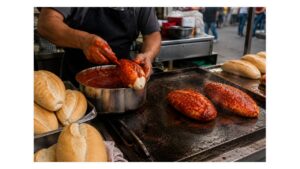
The sauced exterior meets hot metal. Moisture begins to cook away. The bread darkens in places and picks up toasted, slightly crisp edges while remaining soft enough to compress around the filling. What looked moments earlier like bread being ruined begins becoming something else entirely.
That transformation is the key to understanding the pambazo.
Among Mexico’s enormous family of handheld foods, the pambazo occupies a particularly satisfying position. It has the basic architecture of a sandwich—bread split around a substantial filling—but it doesn’t behave like an ordinary torta. The bread isn’t merely a container for everything inside. It becomes an active ingredient in the cooking process.
A classic Mexico City-style pambazo is commonly associated with a filling of potato and chorizo, followed by cooling and contrasting accompaniments such as shredded lettuce, crema and crumbled or grated cheese. Salsa can add another layer of heat. But before any of those ingredients reach your mouth, the sandwich has already announced itself through that red, griddled exterior.
That makes the pambazo a useful lesson in the larger world explored throughout our Mexican Street Food Beyond Tacos: Elote, Tortas, Tamales & More guide. Mexican street food isn’t defined by one tortilla, one cooking method or even one idea of what handheld food should look like. Bread can be sliced, stuffed, drowned, toasted, fried, griddled—or, in the case of the pambazo, deliberately soaked in chile sauce before being cooked.
That last detail matters because describing a pambazo as a Mexican sandwich covered in red sauce gets the ingredients roughly right while missing what makes the dish interesting.
The sauce isn’t decoration. It changes the bread.
Once you understand that, the pambazo starts making considerably more sense.
THE PAMBAZO ISN’T A SANDWICH THAT HAPPENS TO GET SAUCED. IT IS A SANDWICH BUILT AROUND WHAT HAPPENS AFTER THE BREAD MEETS THE SAUCE.
🔥 Pambazos Quick Guide
What is a pambazo?
A pambazo is a Mexican sandwich made with a bread roll that is coated or dipped in a red chile sauce and then griddled. It is filled with savory ingredients and finished with fresh, creamy and spicy accompaniments.
What is traditionally inside a pambazo?
One of the best-known versions, particularly associated with Mexico City, contains potatoes cooked with chorizo. Lettuce, crema, cheese and salsa are commonly added after the sauced sandwich has been griddled.
What sauce is used for pambazos?
The characteristic red coating is generally a chile-based sauce, commonly associated with guajillo chiles in Mexico City-style pambazos. The sauce provides color and flavor while helping create the sandwich’s distinctive griddled exterior.
Are pambazos the same as tortas?
No. Both belong to Mexico’s broad sandwich tradition, but a pambazo is distinguished by the treatment of its bread. The roll is coated in chile sauce and griddled, making the bread itself part of the cooking technique.
Are pambazos spicy?
They can be, but deep chile flavor and bright red color don’t automatically mean extreme heat. The sauce coating the bread can be relatively moderate, while additional salsa allows the eater to increase the heat.
Why don’t pambazos become soggy?
The bread does absorb sauce, but the next step changes its texture. Griddling the coated roll drives off moisture, toasts the exterior and creates the characteristic balance between a sauced surface and a substantial sandwich underneath.
What Is a Pambazo? Start with the Bread
It is tempting to define a sandwich by its filling.
Ham and cheese. Roast beef. Pork. Chicken. Potato and chorizo.
With a pambazo, that instinct sends us toward the wrong ingredient.
Start with the bread.
A pambazo belongs to Mexico’s enormous family of bread-based street foods, but its identity comes from asking the bread to do something unusual. Instead of keeping the roll dry and allowing the filling and condiments to provide moisture, the cook deliberately introduces moisture before the sandwich finishes cooking.
The roll is coated in red chile sauce. That sounds simple until you consider what it does to the structure of a sandwich. Bread normally separates your hands from the wetter ingredients inside and provides contrast against meat, vegetables, crema and salsa. Saturate it carelessly and that structure disappears.
The pambazo succeeds because soaking is only one stage of the process. Once the coated bread meets the hot griddle, its exterior begins changing again. The sauce cooks into the surface, moisture evaporates, and the exterior develops darker toasted areas and a texture completely different from an untoasted roll.
The cook has deliberately taken the bread in one direction and then pulled it back in another.
Dry bread becomes sauced bread. Sauced bread becomes griddled bread.
Only then does the full logic of the sandwich reveal itself.
Inside, a traditional potato-and-chorizo filling provides richness, salt, spice and enough substance to make the pambazo feel considerably more like a meal than a snack. Potatoes absorb rendered fat and seasoning from the chorizo while giving the filling body. The chorizo brings intensity; the potatoes prevent that intensity from becoming overwhelming.
Cool shredded lettuce then provides freshness and crunch against the hot filling. Crema adds richness while softening some of the sharper chile and sausage flavors. Cheese contributes saltiness and another layer of texture, while salsa can push the heat and acidity further. Each component makes sense individually, but none explains the pambazo as clearly as that red bread.
That’s also why comparing the dish only to another Mexican sandwich can be misleading. A torta can contain an enormous variety of meats, cheeses, vegetables and condiments while still being understood primarily through the familiar relationship between bread and filling. A pambazo adds another defining step: the exterior of the sandwich itself is seasoned and cooked.
That is the difference worth remembering: not simply what’s inside, but what happens outside.
 🌶️ Professor Pepper Says…
When you see intensely red pambazo bread, don’t assume you’re looking at extreme heat. Dried Mexican chiles can contribute enormous color and flavor without behaving like superhot peppers. In a good pambazo, the chile coating should help you taste the bread—not simply test how much heat you can tolerate.
And that distinction becomes even more important once we leave the sandwich itself and start asking where the pambazo came from, because—as with so many Mexican foods—the version most familiar today is only one part of the story.
THE FILLING MAKES A PAMBAZO SATISFYING. THE TRANSFORMATION OF THE BREAD MAKES IT A PAMBAZO.
🌶️ Explore the Chile Flavor Behind Mexican Street Food
Pambazos show how completely chile can change a dish without simply making it hotter. Dried chiles contribute color, aroma, acidity and depth before hotter salsa ever reaches the table. Explore Peppers of Key West hot sauces when you want to experiment with that same relationship between chile flavor and heat in your own cooking.
Pambazo History: Before the Red Sandwich, There Was the Bread
Long before the red Mexico City pambazo became an instantly recognizable street food, pambazo was a bread. That distinction changes the history considerably.
Records preserved by Mexico’s Archivo General de la Nación show that during the colonial period, bread in New Spain reflected economic divisions within society. The finest white bread, made from flor de harina, was associated with wealthier consumers. A more ordinary bread known as pambazo was made with darker flour and finely ground bran and sold through pulperías, neighborhood shops that served people with fewer economic resources.
In other words, the word did not begin as shorthand for potato, chorizo, lettuce, crema and a brilliant red chile coating.
It began with the bread itself.
That makes the modern sandwich even more interesting. A food once associated with relatively humble everyday bread eventually became the foundation for multiple regional preparations, including the chile-soaked version now strongly associated with Mexico City.
It also gives us reason to be careful with one of the stories frequently told about the name pambazo. You’ll sometimes encounter explanations tracing the word to pan basso or pan basso, along with picturesque stories connecting a Veracruz pambazo to the shape of Pico de Orizaba. Those stories are interesting pieces of culinary folklore, but I would not present them as settled etymology. The archival evidence gives us something firmer: pambazo was already the name of an ordinary bread in New Spain.
That ordinary status matters. Some of Mexico’s most enduring foods were never designed to become culinary monuments. They were practical foods made from available ingredients, shaped by affordability, work and appetite. The pambazo’s history belongs comfortably in that world.
The bread didn’t need to be prestigious.
It needed to feed people.
🌶️ Professor Pepper Says…
Food history gets especially interesting when a familiar dish turns out to be older than its modern form. With the pambazo, separate what we can document from the origin stories repeated around it. The historical bread is well documented; some of the more colorful explanations of its name are much harder to prove.
That older history also helps explain why we shouldn’t treat the Mexico City sandwich as the only legitimate pambazo. The name traveled forward with the bread while regional cooks developed different ways of turning it into a meal.
BEFORE PAMBAZO DESCRIBED A RED STREET-FOOD SANDWICH, IT DESCRIBED THE BREAD THAT MADE THE SANDWICH POSSIBLE.
Mexico City and Veracruz Show Why There Isn’t Just One Pambazo
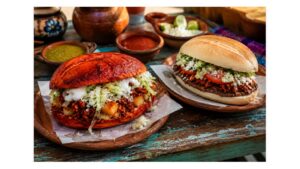
Return now to the sandwich most people picture. In Mexico City, the visual identity is unmistakable: a bread roll stained deep red with chile sauce, cooked on a hot surface and filled generously enough that eating it neatly can become an unrealistic ambition.
Potato and chorizo are the classic partnership. The potatoes provide bulk and absorb the seasoned fat released by the sausage, while chorizo gives the mixture its concentrated chile, spice and pork flavor. Lettuce introduces freshness. Crema cools and enriches. Cheese adds saltiness. Salsa lets the eater decide where the heat should go next.
The bread connects everything. Once coated in chile sauce and griddled, it stops behaving like the neutral wrapper of an ordinary sandwich. Its exterior carries flavor of its own, and the toasted surface provides enough structure to hold a filling that is simultaneously rich, soft, creamy and messy.
Travel east toward Veracruz, however, and the word pambazo can lead somewhere different.
The government of Veracruz includes pambacitos rellenos among the traditional foods of the state’s north-central region, describing wheat-flour pambazos filled with cooked beans, chorizo, lettuce dressed with oil and vinegar, fresh cheese and sliced tomato. Notice what isn’t central to that description: the dramatic red chile bath that visually defines the Mexico City version.
Same food name, different regional expression.
That difference is far more useful than trying to decide which version is the “real” pambazo. Mexican cooking is filled with words whose meanings shift as you move through the country. Geography changes ingredients. Local bread traditions change structure. Regional tastes change fillings and garnishes. Eventually, two cooks can use the same name for foods that are obviously related but hardly identical.
That regional variation is one of the defining characteristics of Mexican food, and our Regional Mexican Street Food Guide: Famous Dishes from Every Corner of Mexico explores how geography, local ingredients and culinary traditions create dramatically different foods across the country.
The pambazo makes that process unusually easy to see because the Mexico City version is so visually dominant. Once you’ve seen that red bread, it is tempting to turn the color into a universal requirement.
Regional Mexico refuses to cooperate.
Veracruz’s connection to the broader story is also historically interesting. Xalapa became an important link between the port of Veracruz and central Mexico during the colonial period, and by the eighteenth century it hosted one of New Spain’s major commercial fairs. It was a place where people, products and culinary influences moved through an important corridor between the Gulf and the central highlands.
That context doesn’t prove that Xalapa “invented” the pambazo. It tells us something more useful: pambazo belongs to a Mexican bread tradition with deeper regional roots than the famous red sandwich alone can show us.
THE RED MEXICO CITY PAMBAZO MAY BE THE MOST RECOGNIZABLE MEMBER OF THE FAMILY. IT ISN’T THE ENTIRE FAMILY.
How the Mexico City Pambazo Is Built
Once we return to Mexico City, the pambazo becomes a lesson in sequence.
The ingredients themselves aren’t especially complicated: bread, chile sauce, potato, chorizo, lettuce, crema, cheese and salsa. Order is what turns them into a pambazo.
Start with the potato-and-chorizo filling. As the chorizo cooks, it releases seasoned fat that coats the potatoes rather than leaving the two ingredients tasting like separate additions. The goal isn’t a pile of potatoes with sausage scattered through it. The filling should eat as one rich, savory mixture.
Then comes the step we’ve been following throughout the article: the bread meets the chile sauce. A guajillo-based preparation is particularly well suited to the job because dried guajillos can contribute deep red color and substantial chile flavor without requiring the bread itself to become punishingly hot. The coating seasons the exterior, while salsa remains available later for diners who want more heat.
Once coated, the bread meets the hot cooking surface, and this is where restraint matters. Leave it merely wet and you lose the textural transformation that makes the technique work. Push it too far and you lose the softer bread beneath the toasted exterior. The best result lives between those extremes: sauce absorbed into the surface, darker griddled areas outside, and enough structure to contain everything that’s coming next.
Only after that foundation is established does the sandwich get dressed. The warm potato and chorizo provide the substantial center of the meal. Lettuce gives that richness somewhere fresh to go. Crema adds coolness and fat. Cheese contributes salt and dairy richness, while salsa introduces acidity, chile flavor and whatever additional heat the eater wants.
Nothing about that balance is accidental. Richness is answered by freshness. Heat is answered by crema. Softness is interrupted by lettuce. The griddled exterior gives structure to a sandwich whose interior is deliberately generous.
This is also why making a good pambazo isn’t really about seeing how much filling can be forced between two pieces of bread.
The bread has already done some of the cooking.
Treat it merely as a container and you miss the technique that separates a pambazo from a torta wearing red salsa.
A GREAT PAMBAZO IS BUILT IN SEQUENCE: FILL THE POTATOES WITH CHORIZO FLAVOR, FILL THE BREAD WITH CHILE FLAVOR, LET THE GRIDDLE TRANSFORM THE SURFACE, THEN BUILD THE CONTRASTS INSIDE.
Why Potato and Chorizo Work So Well Together
Potato and chorizo sound almost too simple to explain, and that’s part of why the combination works.
Chorizo brings concentrated flavor: pork, chile, spice, salt and rendered fat. Potato does nearly the opposite. Its flavor is comparatively quiet, its starch absorbs seasoning beautifully, and its soft texture gives the filling enough body to turn a sandwich into something approaching a complete meal.
Put them together and each solves a problem created by the other. Chorizo alone could make the sandwich excessively rich and intense. Potato alone could disappear beneath the chile-coated bread and garnishes. Combined, the potato stretches and absorbs the chorizo while the sausage seasons something much larger than itself.
That relationship becomes particularly important in a pambazo because the filling isn’t working alone. The bread already carries chile flavor. Crema and cheese bring dairy richness. Salsa may add another layer of chile. Every ingredient that enters the sandwich is competing for a finite amount of attention.
Potato creates space between those flavors.
That’s a recurring lesson in Mexican cooking: an ingredient doesn’t have to be intensely flavored to be important. Sometimes its job is to carry, absorb or balance the ingredients around it. Here, the potato does all three.
When that hot filling meets cool lettuce, crema and cheese inside bread that has already been through sauce and fire, the pambazo finally delivers on the promise in this article’s title.
It doesn’t eat like a snack someone happens to be holding. It eats like a full meal.
🌶️ Recommended Peppers of Key West Products for Pambazos
A pambazo already brings considerable flavor to the table, so adding hot sauce shouldn’t become a contest with the chile-soaked bread. The better approach is to decide which part of the sandwich you want the sauce to emphasize.
A relatively approachable sauce can brighten the traditional potato-and-chorizo combination without burying it. A greener chile profile can play against crema, lettuce and cheese. Greater habanero heat makes sense when the eater deliberately wants the finishing sauce to become a more forceful part of the sandwich.
That is where Peppers of Key West hot sauces fit naturally: not as a replacement for the guajillo coating that helps make the pambazo what it is, but as finishing heat added after the sandwich has already been built.
Product Pairing Quick Guide
- Traditional potato-and-chorizo pambazo → Peppers of Key West Cayenne Hot Sauce
- Pambazo with plenty of crema, lettuce and cheese → Peppers of Key West Jalapeño Hot Sauce
- Extra-spicy chorizo pambazo → Peppers of Key West Habanero Hot Sauce
- Pambazo night with different heat preferences → Peppers of Key West 5 Sauce Heat Collection
Best Peppers of Key West Hot Sauces for Pambazos
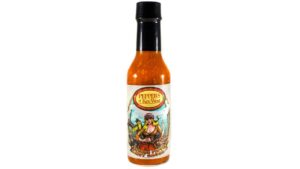
Peppers of Key West Cayenne Hot Sauce
Best With: Classic potato-and-chorizo pambazos
The cayenne’s straightforward chile heat gives the rich potato-and-chorizo filling a lift without turning the finishing sauce into the dominant flavor of the sandwich.
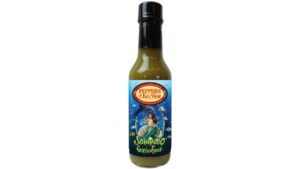
Peppers of Key West Jalapeño Hot Sauce
Best With: Pambazos loaded with lettuce, crema and cheese
Jalapeño brings a fresher chile character that works particularly well against cool crema, salty cheese and crisp lettuce while letting the red bread remain recognizable.
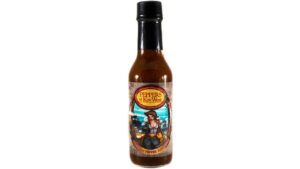
Peppers of Key West Habanero Hot Sauce
Best With: Spicier chorizo pambazos and serious heat lovers
Habanero raises the heat considerably while contributing enough chile character to stand beside chorizo, crema and the deeply seasoned exterior of a traditional pambazo.
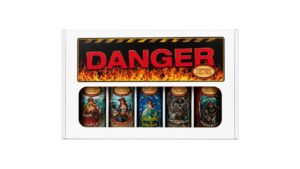
Peppers of Key West 5 Sauce Heat Collection
Best With: Pambazo night and build-your-own sandwich spreads
Put several freshly griddled pambazos on the table and let everyone choose the finishing heat that suits them, from approachable chile flavor to considerably hotter territory.
THE GUAJILLO SAUCE SHOULD HELP MAKE THE PAMBAZO. THE HOT SAUCE AT THE TABLE SHOULD HELP MAKE IT YOURS.
How to Eat a Pambazo Without Losing Half of It
A properly filled pambazo does not reward hesitation.
The bread has absorbed chile sauce. The potato and chorizo are warm. Crema and salsa are beginning to work their way into the filling, while lettuce provides freshness and another layer that can shift when the sandwich is squeezed. This is food designed to be eaten while everything is still working together.
Pick it up with both hands and expect some compression. That pressure isn’t necessarily a problem. It pushes the filling into the bread and brings the different textures together. What began as separate layers becomes a single bite: toasted chile-coated bread, soft potato, spicy chorizo, cool crema, crisp lettuce, salty cheese and salsa.
That first bite also explains why the griddle matters so much. Without that final cooking step, sauce-soaked bread carrying a warm, rich filling could quickly become difficult to handle. The toasted exterior gives the sandwich just enough resistance to survive the journey from plate to mouth while the interior remains softer and more yielding.
A pambazo should still be messy.
Crema may escape down one side. A few pieces of lettuce will probably land on the plate. Salsa can find your fingers. Trying to eliminate all of that by reducing the filling or keeping the bread dry would solve the wrong problem. The mess is partly a consequence of the contrasts that make the sandwich good.
There is also a practical lesson for anyone making pambazos at home: don’t make the finished sandwiches wait unnecessarily. Prepare the filling, toppings and salsa first. Have the table ready. Then coat and griddle the bread, assemble the sandwiches and serve them while the exterior still carries some of the texture created by the hot cooking surface.
The longer a fully assembled pambazo sits, the more moisture from the filling, crema and salsa migrates into bread that has already absorbed its chile coating. What was deliberately softened can eventually become simply soggy.
Timing protects the contrast.
A PAMBAZO SHOULD BE MESSY ENOUGH TO REQUIRE BOTH HANDS, BUT STRUCTURED ENOUGH TO MAKE IT TO YOUR MOUTH.
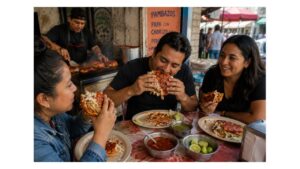
Pambazos, Tortas and Tortas Ahogadas: The Sauce Is Doing Different Work
Put a pambazo beside another Mexican sandwich and the family resemblance is obvious.
Bread provides the structure. Savory fillings provide substance. Chiles, vegetables, cheese, crema and other condiments build layers of flavor around them. That broad architecture connects the pambazo to Mexico’s remarkable torta tradition, but architecture only gets us so far.
The useful question is not simply whether these foods are sandwiches. It is what the cook asks the bread to do.
A conventional torta generally begins with bread that remains structurally recognizable as bread. It may be toasted, spread with beans or crema, moistened by salsa or filled with juicy ingredients, but soaking the entire exterior in chile sauce and then griddling it is not what defines the category.
The Mexico City pambazo changes that relationship. Its bread is deliberately coated so that sauce becomes part of the exterior itself, and the griddle then transforms that sauced surface again.
Then there is the torta ahogada, Guadalajara’s famous “drowned sandwich.” The name gives away the technique. Rather than using sauce to transform the bread on a griddle, a torta ahogada is served covered or partially submerged in sauce. Its distinctive regional bread is chosen in part because it must stand up to that treatment.
Three sandwiches, three relationships with moisture.
A torta is built with bread. A Mexico City pambazo transforms the surface of the bread. A torta ahogada deliberately drowns the assembled sandwich.
Those distinctions are more useful than trying to force every Mexican sandwich into a rigid taxonomy. They show how cooks can begin with the same basic idea—bread surrounding a meal—and produce completely different foods simply by changing when and how moisture enters the structure.
That is also why a pambazo isn’t just a torta wearing red salsa.
The sauce arrives too early for that.
By the time the sandwich is assembled, the chile has already participated in cooking the bread.
THE DIFFERENCE ISN’T WHETHER THE SANDWICH HAS SAUCE. IT’S WHAT THE SAUCE IS ASKED TO DO.
Where Pambazos Fit in Mexican Street-Food Culture
By now, the flamboyant red exterior can almost distract from something more ordinary about the pambazo: it is practical food.
Bread supplies carbohydrates and structure. Potato stretches a comparatively small amount of intensely flavored chorizo into a substantial filling. Lettuce provides freshness, while crema and cheese add richness. Chile appears both as part of the cooking technique and, if the eater wants it, as additional salsa at the table.
None of that requires an elaborate dining room. A hot cooking surface, prepared filling, bread, sauce and toppings can turn a relatively compact work area into a pambazo operation, with the finished sandwich moving directly from the griddle into someone’s hands.
That practicality helps explain why pambazos feel so at home within the broader world of Mexican street food and antojitos. The pleasure isn’t merely that they’re portable. It’s that several familiar ingredients are transformed into something much more substantial through technique—and the eater gets to watch much of that transformation happen.
The bread changes color. The griddle hisses. The exterior darkens. The sandwich is opened and filled. Cool toppings disappear into the warm center. Salsa finishes the job. Then the pambazo leaves the cooking station looking almost comically overfilled.
That visibility matters in street food. Part of the experience is watching an ordinary set of ingredients become your meal in front of you. The cook isn’t hiding the transformation behind a kitchen door.
The pambazo makes that process especially easy to recognize because the bread itself records what happened to it: red from chile, darkened by the griddle, softened by sauce, yet strong enough to hold dinner.
That may be the best explanation for why the pambazo is so memorable. Its appearance isn’t merely decoration. The outside of the sandwich is evidence of the cooking technique that created it.
🌶️ Professor Pepper Says…
When you’re exploring Mexican street food, watch what the cook does before focusing only on the ingredient list. Two foods can contain bread, meat, chile and cheese and still taste completely different because of when they’re sauced, toasted, fried or assembled. Technique often tells you more than the list of ingredients.
Conclusion: The Bread Tells the Story
At first glance, the pambazo seems easy to understand: it’s a Mexican sandwich with red bread.
But follow that bread backward and the story becomes considerably richer.
Before the famous Mexico City version, pambazo referred to bread itself. Regional traditions carried the name in different directions, and Veracruz demonstrates that a pambazo doesn’t universally require the brilliant red chile treatment that has become so visually recognizable elsewhere.
Mexico City shows what can happen when cooks deliberately transform that bread. The roll meets chile sauce, the sauce enters the surface, and the bread meets the griddle. Heat removes some moisture while creating toasted flavor and structure. Potato and chorizo turn the center into a meal, while lettuce, crema, cheese and salsa restore freshness, coolness, salt and heat.
Nothing about the finished sandwich makes as much sense if you look only at the filling.
Start with the bread.
That was the clue at the beginning, and after following the pambazo through its history, regional variations and cooking technique, it remains the clue at the end.
The pambazo takes one of the basic jobs of sandwich bread—keeping everything else contained—and complicates it. Instead of protecting the bread from sauce, the cook deliberately exposes it, then uses heat to turn that apparent mistake into the defining feature of the dish.
What looked reckless at the beginning wasn’t reckless at all.
It was the recipe.
THE FILLING MAKES IT A MEAL. THE BREAD MAKES IT A PAMBAZO.
Frequently Asked Questions About Pambazos
What is a pambazo?
A pambazo is a Mexican bread or sandwich tradition with several regional expressions. The famous Mexico City version uses bread coated in red chile sauce, griddled and commonly filled with potato and chorizo, lettuce, crema and cheese.
What does pambazo mean?
Historically, pambazo referred to a type of relatively humble bread in Mexico. The word later became associated with sandwiches made from pambazo bread, although regional preparations differ considerably.
Where did pambazos originate?
The history is more complicated than assigning the dish to one modern sandwich or city. Pambazo has older roots as a Mexican bread, while distinctive regional preparations developed in places including Mexico City and Veracruz.
Are pambazos from Mexico City?
The red, chile-coated potato-and-chorizo pambazo is strongly associated with Mexico City, but it is not the only regional pambazo tradition in Mexico.
Why are Mexico City pambazos red?
The bread is coated in a red chile preparation, commonly associated with dried guajillo chiles, before being cooked on a hot surface. This gives the exterior its characteristic brick-red appearance.
Are pambazos spicy?
Not necessarily. Guajillo chiles provide substantial color and chile flavor without extreme heat. Additional salsa or hot sauce can make the finished sandwich considerably hotter.
What is traditionally inside a pambazo?
The best-known Mexico City preparation commonly combines potatoes and chorizo with lettuce, crema and cheese. Regional pambazos can use different fillings and toppings.
What kind of bread is used for pambazos?
Pambazos traditionally use a sturdy wheat bread capable of absorbing sauce while retaining enough structure for filling and cooking. Regional bread styles and preparations vary across Mexico.
What’s the difference between a pambazo and a torta?
Both are Mexican sandwiches, but the Mexico City pambazo is distinguished by coating the bread in chile sauce and griddling it. A conventional torta does not depend on that bread-treatment technique for its identity.
What’s the difference between a pambazo and a torta ahogada?
A Mexico City pambazo has its bread coated in chile sauce and then griddled. A Guadalajara-style torta ahogada is assembled and then covered or “drowned” in sauce.
Can you make pambazos without chorizo?
Yes. Potato and chorizo are strongly associated with the classic Mexico City version, but pambazo traditions and fillings vary regionally. Home cooks can also adapt the filling while preserving the chile-coated, griddled bread technique that defines the Mexico City style.
When should hot sauce be added to a pambazo?
Treat hot sauce as finishing heat rather than a replacement for the chile preparation used on the bread. Add it after assembly so the traditional coating can perform its own role in flavoring and transforming the bread.
🌮 Continue Your Mexican Street Food Journey
🌯 More Mexican Street Foods Worth Trying
- Tortas Loaded with Meat, Melted Cheese & Street Food Flavor That Hits Hard
- Tortas Ahogadas Explained: Guadalajara’s Famous Drowned Sandwich
- Molletes Explained: Mexico’s Open-Faced Bean & Cheese Sandwich That Makes Breakfast Better
- Bolillos Explained: The Crispy Bread That Built Mexico’s Favorite Sandwiches
- Mexican Panaderías Explained: Why Every Neighborhood Bakery Is the Heart of Mexican Morning Culture
- Chorizo Tacos That Bring Smoky Heat, Crispy Texture & Aggressive Street Taco Flavor
- Mexican Street Food Markets Explained: How to Order Like a Local and Find the Best Food Fast
- The Complete Mexican Street Food Guide: Ingredients, Dishes, Regions & Cooking Terms Explained
🌶️ Expand Your Mexican Food Journey
- The Ultimate Guide to Mexican Street Food : The Flavor, Meat & Hot Sauce Breakdown
- The Amazing Guide to Taco Sauce Pairing: Best Hot Sauce for Tacos, Meats, Fish & Street Taco Flavor Hacks
- What Makes Mexican Street Tacos Different from Regular Tacos?
- Mexican Tortillas, Masa & Breads Explained: The Complete Guide to How Mexican Street Food Is Built
See More Keywords
Mexican sandwiches, Mexican street sandwiches, Mexican street food, Mexico City street food, Veracruz food, Veracruz pambazo, pambacitos rellenos, Mexican bread, Mexican bread rolls, guajillo chile, guajillo sauce, red chile sauce, chorizo and potatoes, Mexican chorizo, potato chorizo filling, crema mexicana, Mexican cheese, lettuce and crema, griddled sandwich, chile-soaked bread, Mexican antojitos, Mexican tortas, torta ahogada, bolillo bread, street food in Mexico City, traditional Mexican food, Mexican food history, regional Mexican food, Mexican sandwich fillings, Mexican street food culture
