Mexican Panaderías Explained: Why Every Neighborhood Bakery Is the Heart of Mexican Morning Culture
Walk into a Mexican panadería early in the morning and you’ll quickly learn one important lesson—never arrive hungry. The aroma of fresh bolillos, sweet conchas, buttery cuernitos, and warm pan dulce fills the air while customers carefully carry metal trays through rows of colorful pastries, somehow convincing themselves they’ll only buy two. Ten minutes later, they leave with a paper bag full of breakfast, dessert, and “a few extras for later.” Mexican panaderías aren’t just places to buy bread—they’re neighborhood gathering spots where generations begin their mornings, celebrate holidays, and keep family baking traditions alive one fresh batch at a time.
Few places capture everyday Mexican life better than a neighborhood panadería. Long before many people begin work or school, local bakeries are already busy pulling fresh bread from the ovens, arranging colorful trays of pan dulce, and welcoming customers picking up breakfast for the family.
Unlike many bakeries elsewhere in the world, a Mexican panadería isn’t simply somewhere to buy bread. It’s where neighbors greet one another, grandparents introduce grandchildren to favorite pastries, and generations of baking traditions continue every morning. Whether someone stops in for a warm bolillo, a sweet concha, or a box filled with assorted pastries to share, visiting the neighborhood bakery has become a cherished daily ritual across Mexico.
If you’re new to Mexican baking, our Pan Dulce Explained: Mexico’s Sweet Bread Tradition and the Bakeries That Keep It Alive guide introduces the country’s most beloved pastries before exploring the culture that surrounds them.
⚡ Quick Guide: Mexican Panaderías at a Glance
What is a Mexican panadería?
A neighborhood bakery specializing in fresh breads, pan dulce, bolillos, pastries, and seasonal baked goods.
What makes Mexican panaderías unique?
Customers usually select their own pastries using metal trays and tongs before paying at the counter.
What is the most famous item sold in a panadería?
Conchas are Mexico’s best-known sweet bread, but every bakery offers dozens of traditional varieties.
When are panaderías busiest?
Early mornings, breakfast hours, and evenings when families stop in to buy fresh bread for dinner.
Are panaderías only for desserts?
No. Most also bake everyday breads like bolillos, teleras, and other rolls used for sandwiches and family meals.
Why are panaderías important in Mexico?
They serve as neighborhood gathering places where baking traditions, family routines, and local culture come together every day.
What Is a Mexican Panadería?
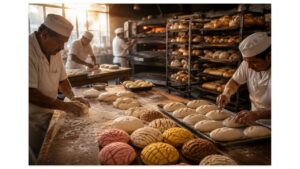
A panadería is a traditional Mexican bakery that produces both everyday breads and an incredible assortment of sweet pastries known collectively as pan dulce. While every neighborhood has its own favorite bakery, most panaderías begin baking long before sunrise so shelves are filled with fresh bread when the first customers arrive.
Inside, visitors are greeted by rows of colorful pastries displayed on open shelves rather than behind glass. Instead of ordering from behind a counter, customers typically grab a tray and tongs, walk through the bakery selecting their favorites, and pay by weight or by item at the register. The experience is relaxed, interactive, and part of what makes visiting a panadería so memorable.
Many bakeries also produce fresh bolillos, teleras, cemitas, and other breads used throughout the day for tortas, family meals, and everyday cooking. The result is a bakery that serves breakfast, lunch, dinner, celebrations, and holidays rather than focusing on sweets alone.
 🌶️ Professor Pepper Says…
The word panadería simply means “bakery,” but in Mexico it usually refers to a neighborhood bakery where both fresh everyday breads and pan dulce are baked throughout the day. Many families visit the same panadería for years, making it as much a community gathering place as a place to buy bread.
EVERY PANADERÍA TELLS THE STORY OF ITS NEIGHBORHOOD THROUGH THE BREAD IT BAKES EACH MORNING.
Before exploring Mexico’s neighborhood bakeries, be sure to visit our Mexican Street Food Beyond Tacos: Elote, Tortas, Tamales & More, where you’ll find dozens of authentic dishes, regional specialties, ingredients, and cultural traditions that make Mexican food so unforgettable. From pan dulce and tamales to tortas, churros, and street market favorites, it’s the perfect starting point for your culinary journey.
Why Mexican Panaderías Are More Than Just Bakeries
Step inside almost any Mexican neighborhood in the early morning, and chances are you’ll notice people carrying small paper bags filled with fresh bread before the day has even begun. Some are stopping on their way to work, others are buying breakfast for the family, while grandparents pick up pastries to enjoy with coffee during an unhurried morning conversation.
That daily routine is what makes a panadería so much more than a bakery.
Unlike many commercial bakeries that focus primarily on specialty cakes or desserts, Mexican panaderías are woven into everyday life. They provide fresh bread for breakfast, rolls for lunchtime tortas, bolillos for dinner, and sweet pan dulce for afternoon coffee or evening gatherings. Families may visit the same bakery several times each week, often knowing the bakers by name and developing traditions that span generations.
The experience itself is equally memorable. Rather than standing at a counter pointing to pastries behind glass, customers typically grab a round metal tray and a pair of tongs before slowly walking through long wooden displays filled with dozens of fresh breads. Every visit becomes a small ritual as people compare favorites, discover seasonal specialties, and inevitably leave with a few more pastries than they originally planned.
Many neighborhood panaderías still follow baking schedules that have changed very little over the decades. Bread comes out of the ovens throughout the day so customers can enjoy it while it’s still warm, filling entire neighborhoods with the unmistakable aroma of freshly baked bread that drifts through nearby streets each morning.
For visitors, a neighborhood panadería offers one of the easiest and most authentic ways to experience everyday Mexican life. There are no reservations, dress codes, or tourist attractions—just families selecting breakfast together, neighbors catching up on local news, and bakers continuing traditions that have shaped their communities for generations.
If you’d like to learn more about the crusty rolls found in nearly every Mexican bakery, our Bolillos Explained: The Crispy Bread That Built Mexico’s Favorite Sandwiches guide explores the history, baking traditions, and everyday role of Mexico’s most iconic bread.
A MEXICAN PANADERÍA ISN’T JUST WHERE PEOPLE BUY BREAD—IT’S WHERE EVERYDAY COMMUNITY LIFE RISES WITH THE MORNING OVENS.
Why Mexican Families Visit the Panadería Every Day
One of the biggest surprises for first-time visitors to Mexico is how often people stop at the neighborhood panadería. In many parts of the world, bakeries are reserved for birthdays, celebrations, or occasional treats. In Mexico, however, visiting the bakery is simply part of everyday life.
The day often begins with someone walking to the local panadería to pick up fresh bread while it’s still warm from the ovens. Families enjoy bolillos with eggs, beans, or breakfast, while sweet pan dulce accompanies a cup of coffee, hot chocolate, or atole. Later in the afternoon, another visit may be made for pastries to enjoy during la merienda—a light snack shared with family or friends. By evening, many people stop once more for fresh rolls to accompany dinner.
Because the bread is baked throughout the day, customers know they’ll almost always find something fresh waiting on the shelves. That commitment to freshness has helped neighborhood bakeries remain an essential part of daily life, even as supermarkets have become more common.
Just as importantly, the panadería serves as a neighborhood meeting place. Regular customers greet familiar bakers, neighbors catch up on local news, and children eagerly choose their favorite pastries from shelves lined with colorful conchas, orejas, cuernitos, empanadas, and dozens of other traditional breads. The experience is less about making a purchase and more about participating in a daily community tradition.
Unlike large commercial bakeries, many neighborhood panaderías are family businesses that have operated for decades. Recipes are handed down from one generation to the next, with many bakers beginning work long before sunrise so their communities wake up to the unmistakable aroma of fresh bread.
Fresh teleras are usually purchased the same day they’re baked, whether from a neighborhood panadería or a bustling local market. Our Mexican Street Food Markets Explained: How to Order Like a Local and Find the Best Food Fast guide explores the lively places where many Mexicans shop for fresh bread, produce, and street food every day.
FOR MILLIONS OF MEXICAN FAMILIES, A VISIT TO THE PANADERÍA ISN’T A SPECIAL OCCASION—IT’S SIMPLY PART OF EVERYDAY LIFE.
How a Traditional Mexican Panadería Works
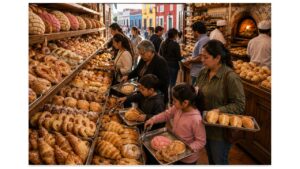
Walking into a neighborhood Mexican panadería for the first time is an experience unlike visiting most bakeries in the United States. Instead of ordering from behind a glass display case, customers are usually invited to browse shelves lined with dozens of freshly baked breads and pastries. The aroma of warm bread, cinnamon, vanilla, butter, and sugar fills the air as trays of fresh pan dulce continue arriving from the ovens throughout the morning.
Near the entrance, you’ll typically find a stack of metal trays and a pair of tongs. Customers walk through the bakery at their own pace, selecting exactly what they want before bringing their tray to the cashier. It’s a simple system that encourages people to explore and often leave with a greater variety of breads than they originally planned.
Because most Mexican panaderías bake continuously throughout the day, the selection changes from morning to afternoon. Early visitors may find warm bolillos perfect for breakfast sandwiches, while later in the day the shelves fill with colorful sweet breads for an afternoon coffee break. Every visit can be a little different depending on the baking schedule.
One of the most enjoyable parts of visiting a panadería is discovering how much variety exists beyond the familiar concha. Crispy sugar-coated pastries, buttery breakfast rolls, fruit-filled breads, flaky pastries, and crusty sandwich rolls often share the same shelves, giving families dozens of choices for breakfast, lunch, or an evening treat. Regular customers quickly learn when their favorite breads come out of the oven.
Unlike many commercial bakeries where customers buy a single loaf, Mexican families often purchase an assortment to share. A bag might contain sweet breads for children, crusty rolls for sandwiches, pastries for coffee, and fresh bread for dinner—all chosen during the same visit.
Many neighborhood bakeries still operate much as they have for generations, with family members mixing dough before sunrise, shaping breads by hand, and greeting customers who stop in nearly every day. These daily routines help explain why panaderías remain such an important part of community life throughout Mexico.
In many towns, customers don’t even need to place an order—the baker already knows which breads the family buys every morning.
A TRADITIONAL MEXICAN PANADERÍA ISN’T JUST A PLACE TO BUY BREAD—IT’S A DAILY RITUAL THAT BRINGS FAMILIES, NEIGHBORS, AND GENERATIONS TOGETHER.
The Traditional Breads You’ll Find in a Mexican Panadería
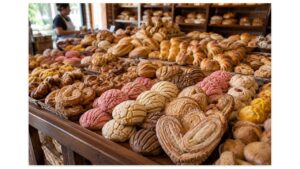
One of the biggest surprises for first-time visitors is just how many different breads fill the shelves of a traditional Mexican panadería. While many people recognize colorful conchas, they represent only a small part of what Mexican bakers prepare each day. Most neighborhood bakeries offer dozens—and sometimes more than a hundred—different varieties of sweet breads, pastries, rolls, and specialty loaves.
Mexican bakeries generally offer two broad categories of bread. The first is pan dulce, the sweet breads enjoyed with coffee, hot chocolate, or milk at breakfast and during the afternoon. These include familiar favorites like conchas, flaky pastries, sugar cookies, fruit-filled breads, and countless regional specialties that vary from one part of Mexico to another.
The second category consists of everyday breads that accompany meals rather than dessert. Crusty bolillos are one of the country’s most popular rolls, serving as the foundation for famous sandwiches such as tortas while also appearing alongside soups and family dinners. Soft teleras, another classic bakery bread, are equally important for sandwiches and everyday meals throughout much of Mexico.
Beyond these everyday favorites, every Mexican panadería develops its own personality. Some bakeries proudly preserve family recipes that have been handed down for generations, while others are known for regional specialties that reflect the traditions of their hometown. A bakery in Puebla may feature different breads than one in Mérida, Guadalajara, or Oaxaca, giving travelers another delicious way to experience Mexico’s remarkable regional food culture. Our Regional Mexican Street Food Guide: Famous Dishes from Every Corner of Mexico explores how every region of Mexico has developed its own unique culinary traditions.
A GREAT MEXICAN PANADERÍA DOESN’T SELL JUST ONE FAMOUS BREAD—IT OFFERS A DAILY COLLECTION OF TRADITION, CRAFTSMANSHIP, AND REGIONAL FLAVOR.
How Mexican Panaderías Are Different from American Bakeries
Although both Mexican and American bakeries produce fresh bread every day, the experience of visiting a traditional Mexican panadería is distinctly different. Rather than specializing in custom cakes, artisan loaves, or pastries sold individually behind a display case, neighborhood panaderías are built around everyday life. Families stop in before work, children choose a favorite sweet bread after school, and neighbors often visit several times a week for fresh rolls, pastries, or breakfast treats.
The self-service system is another unique feature. Customers walk through the bakery carrying a metal tray and using tongs to select exactly what they want. Instead of ordering one or two items from a counter, it’s common to leave with a mixed assortment of sweet breads, sandwich rolls, and pastries that everyone in the family can enjoy.
Freshness also shapes the experience. Because breads are baked continuously throughout the day, customers often arrive when a favorite item is still warm from the oven. Many regulars even know what time certain breads are finished baking and plan their visits accordingly.
Unlike many commercial bakeries where individual items dominate the display, Mexican panaderías emphasize variety. A single shop may offer dozens of different breads, pastries, cookies, and rolls, encouraging customers to try something new with every visit. This sense of discovery helps explain why no two bakery visits are exactly alike.
Many visitors quickly realize that a panadería feels less like a retail store and more like an extension of the neighborhood itself—a familiar gathering place where traditions continue one loaf at a time.
A MEXICAN PANADERÍA ISN’T JUST DIFFERENT BECAUSE OF ITS BREAD—IT’S DIFFERENT BECAUSE IT’S BUILT AROUND THE RHYTHM OF EVERYDAY COMMUNITY LIFE.
Panaderías vs. Pastelerías: What’s the Difference?
Although the terms are sometimes used interchangeably by visitors, a panadería and a pastelería traditionally serve different purposes. A panadería specializes in fresh breads, pan dulce, bolillos, teleras, and the everyday baked goods that families buy for breakfast, sandwiches, and dinner. A pastelería focuses more on decorated cakes, elegant pastries, desserts, and celebration sweets for birthdays, weddings, and other special occasions.
Today, many modern bakeries combine both traditions under one roof, offering fresh bread alongside cakes and desserts. Even so, neighborhood panaderías remain best known for the daily ritual of baking fresh bread that brings customers back morning after morning.
Why Panaderías Remain the Heart of Mexican Neighborhoods
For generations, the neighborhood panadería has been much more than a place to buy bread. It is where familiar faces greet one another, where families continue daily traditions, and where recipes passed down through generations remain part of everyday life. In many communities, visiting the local bakery is as routine as stopping by the neighborhood market or corner grocery store.
Children often remember walking to the bakery with parents or grandparents, carefully choosing a favorite pastry before carrying the warm paper bag home. Those small traditions become lasting memories, repeated from one generation to the next. Even as supermarkets have expanded throughout Mexico, many families still prefer their neighborhood panadería because they know the bakers, trust the quality, and appreciate bread that was baked only hours—or even minutes—earlier.
The local bakery also reflects the personality of its community. Some panaderías proudly feature recipes that have remained unchanged for decades, while others introduce seasonal specialties or regional favorites that celebrate local traditions. This combination of consistency and variety keeps customers returning year after year.
Whether someone stops in for a crusty roll to accompany dinner, a box of pan dulce for an afternoon gathering, or fresh bread for a weekend family breakfast, the experience is about far more than the food itself. It’s about preserving a daily tradition that continues to connect neighborhoods across Mexico.
Fresh bread is only one part of Mexico’s rich morning food culture. Mexican Street Food Breakfast Favorites Worth Waking Up Early For guide explores the traditional breakfasts, breads, and morning flavors that start the day across Mexico.
WHEN YOU VISIT A MEXICAN PANADERÍA, YOU’RE NOT JUST BUYING BREAD—YOU’RE PARTICIPATING IN A DAILY TRADITION THAT HAS CONNECTED FAMILIES AND NEIGHBORHOODS FOR GENERATIONS.
Tips for Visiting an Authentic Mexican Panadería
Whether you’re traveling through Mexico or simply hoping to experience a traditional neighborhood bakery for the first time, visiting a panadería is one of the easiest and most rewarding ways to experience everyday Mexican food culture. Unlike restaurants or tourist attractions, bakeries offer an authentic glimpse into daily life, where locals stop in for breakfast, dinner rolls, or an afternoon treat.
If it’s your first visit, don’t be surprised by the incredible variety. Instead of choosing just one item, many customers fill a tray with several different breads to enjoy throughout the day. Mixing sweet pan dulce with savory rolls like bolillos or teleras is completely normal and allows everyone in the family to have a favorite.
Try visiting early in the morning when the first batches come out of the oven or later in the afternoon when many families stop by on their way home. Either time offers the chance to enjoy bread at its freshest while watching the steady rhythm of neighborhood life unfold around you.
Don’t hesitate to try breads you’ve never seen before. Every bakery has its own specialties, and many regions proudly feature local favorites alongside classics like conchas, bolillos, and teleras. Part of the fun is discovering something new with each visit.
Most importantly, slow down and enjoy the experience. The aroma of fresh bread, the sound of trays filling with pastries, and the friendly conversations between customers and bakers are all part of what makes a Mexican panadería so memorable.
THE BEST WAY TO EXPERIENCE A MEXICAN PANADERÍA IS TO SHOP LIKE A LOCAL, TRY SOMETHING NEW, AND LET THE FRESH BREAD TELL ITS OWN STORY.
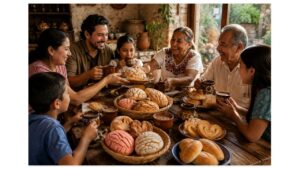
A traditional Mexican panadería is far more than a bakery. It’s a neighborhood institution where fresh bread, family traditions, and generations of craftsmanship come together every single day. From colorful pan dulce and crusty bolillos to soft teleras and regional specialties, every shelf tells a story about Mexico’s rich baking heritage.
Whether you’re planning a trip to Mexico or simply want to better understand the country’s food culture, stepping into a neighborhood panadería offers an experience that goes well beyond buying bread. It’s an opportunity to witness daily traditions, support local artisans, and enjoy recipes that have been passed down for generations.
The next time you see a Mexican bakery, grab a tray, pick out a few unfamiliar breads, and experience one of Mexico’s most cherished daily rituals for yourself. Chances are, you’ll leave with much more than a bag of fresh bread—you’ll leave with a deeper appreciation for the people, traditions, and community that make every panadería feel like home.
Frequently Asked Questions About Mexican Panaderías
What does the word “panadería” mean?
A panadería is a bakery specializing in fresh Mexican breads, pastries, and pan dulce. The word comes from the Spanish word pan, meaning bread.
What is the difference between a panadería and a pastelería?
A panadería focuses on breads and everyday baked goods, while a pastelería specializes in cakes, desserts, and pastries for celebrations and special occasions. Some businesses combine both under one roof.
Why do Mexican bakeries offer so many different breads?
Traditional panaderías are designed to serve the entire community. Offering dozens of breads allows customers to build a mixed assortment of sweet and savory favorites for breakfast, lunch, dinner, or an afternoon snack.
Are all Mexican panaderías family owned?
Many neighborhood panaderías are family-owned businesses that have passed recipes and baking techniques from one generation to the next, although larger commercial bakery chains also operate throughout Mexico.
What time do Mexican panaderías open?
Many begin baking long before sunrise so fresh bread is available for breakfast. Hours vary, but it’s common to find bakeries open early in the morning and remaining busy throughout the day.
Do panaderías only sell sweet bread?
No. While colorful pan dulce is often the most eye-catching, most bakeries also sell bolillos, teleras, sandwich rolls, cookies, pastries, and other everyday breads.
Why are trays and tongs used instead of ordering at the counter?
The self-service system lets customers browse at their own pace, select exactly what they want, and create a variety of breads for the whole family.
Can visitors buy just one piece of bread?
Absolutely. Customers may purchase a single pastry or fill an entire tray. There is no minimum purchase, making panaderías an easy stop whether you want a quick breakfast or bread for a family gathering.
Do different regions of Mexico have different bakery specialties?
Yes. While classics like conchas, bolillos, and teleras are widely available, many bakeries also feature regional recipes and seasonal specialties that reflect local traditions and ingredients.
What should I try on my first visit to a Mexican panadería?
A great first selection includes a concha for something sweet, a bolillo for its crisp crust, a telera for sandwiches, and one unfamiliar regional specialty recommended by the bakery staff. That combination offers a well-rounded introduction to authentic Mexican bakery culture.
Warm bread deserves something special. Cherry Pomegranate Pepper Jelly pairs beautifully with bolillos, teleras, breakfast pastries, cream cheese, Brie, and fresh bakery favorites.
🌶️ A Perfect Peppers of Key West Pairing for Fresh Mexican Bread
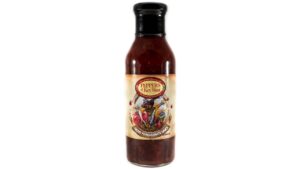
🍒 Cherry Pomegranate Pepper Jelly
This sweet-tart pepper jelly is a natural companion to warm bolillos, teleras, biscuits, toast, cream cheese, and mild cheeses. Its bright fruit flavor and gentle pepper finish pair beautifully with breakfast breads and afternoon coffee, making it an easy addition to a traditional bakery spread.
👉 Perfect For: Fresh bolillos, toasted teleras, cream cheese, breakfast pastries, crackers, Brie, and charcuterie.
Continue Your Adventure
Continue Exploring Mexican Bakery & Breakfast Traditions
- Mexican Street Food Breakfast Favorites Worth Waking Up Early For
- Bolillos Explained: The Crispy Bread That Built Mexico’s Favorite Sandwiches
- Teleras Explained: Why Mexico’s Soft Sandwich Roll Is Perfect for Tortas
Expand Your Flavor Journey
- Mexican Street Food Beyond Tacos: Elote, Tortas, Tamales & More
- The Complete Mexican Street Food Guide: Ingredients, Dishes, Regions & Cooking Terms Explained
- Regional Mexican Street Food Guide: Famous Dishes from Every Corner of Mexico
- How to Build the Ultimate Taco Night Spread
- Mexican Street Tacos Explained: The Authentic Street Food That Started It All
- Mexican Street Food Markets Explained: How to Order Like a Local and Find the Best Food Fast
See More Keywords
pan dulce, conchas, bolillos, teleras, orejas, cuernitos, empanadas, pastelería, Mexican pastries, Mexican sweet bread, Mexican bakery breads, Mexican rolls, fresh baked Mexican bread, café de olla, Mexican hot chocolate, Mexican breakfast, Mexican breakfast traditions, family bakery traditions, Mexican food culture, Mexican culinary traditions, bakeries in Mexico, Mexican artisan bread, traditional breads of Mexico, daily life in Mexico, fresh bread in Mexico, regional Mexican baking, panadería culture, Mexican morning traditions, authentic Mexican pastries, Mexican bread varieties
