
Carne en su Jugo Explained: Guadalajara’s Beef Dish That Comfort Food Lovers Need to Try
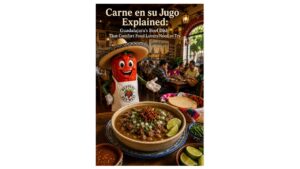
Imagine ordering what someone casually describes as “beef in its own juices” and expecting a small bowl of soup. A few minutes later, a steaming bowl arrives packed with tender beef, smoky bacon, flavorful broth, creamy beans, fresh cilantro, chopped onions, and warm tortillas waiting on the side. Suddenly, you understand why Guadalajara has been quietly obsessed with this dish for generations. Carne en su jugo isn’t flashy, overloaded with toppings, or built for Instagram—it’s the kind of comforting meal locals crave after a long day, on cool evenings, or whenever family gathers around the table. One spoonful explains why this humble specialty has earned legendary status throughout Jalisco. If you’ve never heard of it before, don’t worry. You’re about to discover one of Mexico’s greatest comfort foods hiding in plain sight.
If you spend enough time exploring Guadalajara, you’ll eventually notice something curious. While visitors often arrive looking for birria, tortas ahogadas, or tequila, locals quietly gather in neighborhood restaurants over steaming bowls of carne en su jugo. The rich aroma of simmering beef fills the room, tortillas arrive warm from the comal, bowls of salsa and lime are passed around the table, and conversations linger long after lunch has officially ended. This isn’t simply another regional specialty—it’s one of Guadalajara’s favorite comfort foods and a delicious reflection of the city’s warm hospitality.
Carne en su jugo, which literally means “beef in its own juices,” is a deeply satisfying combination of finely chopped beef slowly cooked in its own flavorful broth, often accompanied by crispy bacon, beans, fresh cilantro, onions, lime, and warm tortillas. Unlike hearty stews loaded with vegetables or thick gravies, this dish celebrates the natural richness of quality beef while allowing a handful of fresh ingredients to create remarkable depth of flavor.
Long before Guadalajara became one of Mexico’s cultural capitals, the fertile valleys and rolling ranchlands of Jalisco were home to generations of cattle ranchers whose livelihoods revolved around raising quality beef. Wide-open grazing land, a favorable climate, and a strong ranching tradition made cattle an essential part of the local economy and everyday life. As fresh beef arrived in city markets each morning, home cooks learned that the finest cuts needed little more than careful preparation to shine. Rather than masking the meat with heavy sauces, they created comforting dishes that celebrated its natural flavor. Carne en su jugo grew from those ranching traditions, becoming a meal that families still gather around in neighborhood fondas, traditional restaurants, and homes throughout Guadalajara today.
Fondas are small, family-owned restaurants that specialize in homemade regional cooking, making them some of the best places to experience authentic Guadalajara cuisine.
At Peppers of Key West, we love exploring the regional traditions that make Mexican cuisine so remarkable. From northern ranch cooking and coastal seafood to ancient Indigenous corn dishes and bustling street markets, our guides help food lovers understand not only what makes each specialty unique, but also the places, families, and traditions that continue to keep them alive.
Carne en su jugo is just one of the many remarkable dishes that showcase Mexico’s extraordinary regional diversity. If you’d like to see how specialties like tamales, cemitas, gorditas, aguachile, tlayudas, cabrito, and dozens of other iconic foods fit into the larger story, start with Mexican Street Food Beyond Tacos: Elote, Tortas, Tamales & More, your guide to the incredible variety of authentic Mexican street food beyond the taco.
By the time you finish this guide, you’ll understand why carne en su jugo isn’t simply a bowl of beef—it has become one of Guadalajara’s most beloved culinary traditions and one of the most comforting meals in all of western Mexico.
Quick Guide
What Is Carne en su Jugo?
Carne en su jugo is Guadalajara’s signature beef comfort dish, featuring finely chopped beef slowly simmered in its own flavorful juices and served with beans, crispy bacon, fresh cilantro, onions, lime, and warm tortillas.
Where Did Carne en su Jugo Originate?
The dish originated in Guadalajara, the capital of Jalisco, where it has become one of the city’s most iconic traditional meals and a staple of neighborhood fondas and family restaurants.
Why Is Carne en su Jugo Famous?
It’s famous for transforming simple ingredients into a deeply flavorful meal that reflects Jalisco’s cattle-ranching heritage and Guadalajara’s long tradition of hearty, comforting cuisine.
How Is Carne en su Jugo Made?
Small pieces of beef are cooked slowly in their own natural juices until tender, then served in a savory broth with beans, crispy bacon, chopped onions, cilantro, lime, and warm tortillas on the side.
What Does Carne en su Jugo Taste Like?
The dish has a rich, beef-forward flavor balanced by smoky bacon, fresh herbs, creamy beans, and bright citrus from fresh lime, creating a comforting yet surprisingly fresh meal.
When Do People Eat Carne en su Jugo?
Locals in Guadalajara enjoy carne en su jugo throughout the year, especially for leisurely family lunches, weekend gatherings, and comforting midday meals at traditional fondas.
What Is Carne en su Jugo?
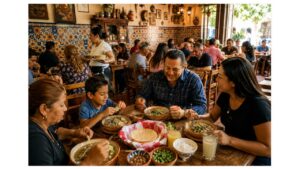
Walk into a traditional fonda or family-owned restaurant in Guadalajara around lunchtime, and there’s a good chance you’ll see tables filled with steaming bowls of carne en su jugo. The aroma of slowly simmered beef mingles with freshly warmed tortillas, crispy bacon, chopped cilantro, onions, and bright lime wedges waiting to be squeezed into the broth. Conversations flow easily as families, coworkers, and friends gather for one of the city’s favorite comfort meals.
Morning deliveries of fresh beef became part of everyday life in Guadalajara’s markets, giving home cooks access to quality ingredients that inspired simple, deeply satisfying meals.
Unlike many hearty beef stews found around the world, carne en su jugo celebrates simplicity. Thin slices or small pieces of beef are gently cooked in their own natural juices, creating a rich, intensely flavorful broth without relying on heavy sauces or large amounts of vegetables. Fresh toppings and creamy beans complete the dish while allowing the beef to remain the star of every bite.
Although visitors often associate Guadalajara with mariachi music, tequila, and tortas ahogadas, locals know carne en su jugo as another defining part of the city’s culinary identity. It’s a meal that reflects Jalisco’s long ranching tradition, where quality beef has been prized for generations and simple ingredients are transformed into something deeply satisfying.
Today, carne en su jugo remains a symbol of everyday Guadalajara. It’s served in neighborhood fondas, family restaurants, and long-established eateries where recipes have been passed from one generation to the next. While every cook adds a personal touch, the dish continues to represent the warmth, hospitality, and comforting flavors that have made Jalisco one of Mexico’s greatest food regions.
CARNE EN SU JUGO IS MORE THAN A BOWL OF BEEF—IT’S ONE OF GUADALAJARA’S MOST BELOVED CULINARY TRADITIONS.
Why Guadalajara Became the Home of Carne en su Jugo
Guadalajara sits in the heart of Jalisco, one of Mexico’s most important cattle-producing regions. For centuries, the surrounding valleys and ranchlands have supported ranching families whose livelihoods helped shape the local cuisine. Quality beef became a natural centerpiece of everyday meals, inspiring recipes that highlighted the meat itself rather than masking it with complicated preparations.
As Guadalajara expanded into one of Mexico’s largest cities, those ranching traditions traveled with it. Neighborhood cooks combined fresh beef with pantry staples like beans, onions, cilantro, and bacon to create a meal that was hearty enough for workers yet simple enough to prepare every day. Over time, carne en su jugo evolved from a practical home-cooked meal into one of the city’s signature dishes.
Today, visitors searching for authentic Guadalajara cuisine often discover that carne en su jugo tells the city’s story just as clearly as mariachi music or tequila. Every bowl reflects generations of ranching heritage, family recipes, and the welcoming spirit that continues to define Jalisco.
Naturally, this article also connects with your broader guide to Regional Mexican Street Food Guide: Famous Dishes from Every Corner of Mexico, where readers can explore how every region of Mexico developed its own distinctive specialties, ingredients, and cooking traditions.
THE STORY OF CARNE EN SU JUGO BEGINS WITH THE RANCHES, CATTLE, AND FAMILY KITCHENS OF JALISCO.
How Carne en su Jugo Is Made
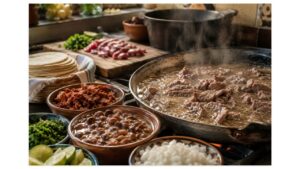
Making carne en su jugo begins with quality beef rather than a long list of ingredients. Unlike many traditional stews that rely on vegetables and heavy seasonings, this classic Guadalajara dish lets the natural flavor of the beef shine. Thin slices or finely chopped pieces of beef are gently cooked until they release their own flavorful juices, creating the rich broth that gives the dish its name.
One of the ingredients that surprises many first-time visitors is crispy bacon. Rather than overpowering the beef, the bacon contributes a subtle smoky richness that blends into the broth. The result is a deeper, more savory flavor while still allowing the beef to remain the centerpiece of every spoonful.
Creamy pinto beans are another essential component. Some cooks simmer the beans directly with the broth, while others serve them alongside the beef before combining everything in the bowl. Fresh toppings—including chopped white onions, cilantro, and a squeeze of lime—add brightness that balances the richness of the meat. One of the pleasures of eating carne en su jugo is making each bowl your own. Some diners add extra cilantro for freshness, others squeeze in more lime for a brighter finish, while hot salsa or sliced chiles provide an extra kick. These small personal touches allow every bowl to reflect individual tastes while still honoring the traditional recipe that has been served throughout Guadalajara for generations.
Warm corn tortillas complete the meal. Instead of simply serving as a side, they’re used to scoop up the beef, soak up the flavorful broth, or wrap individual bites with fresh salsa. Every restaurant and every family has its own preferred way of enjoying the dish, making each bowl feel both familiar and uniquely personal.
Although recipes vary across Guadalajara, the philosophy rarely changes. Fresh ingredients, careful preparation, and patience create a dish that feels comforting without being complicated. That’s one reason carne en su jugo has remained a favorite for generations.
THE SECRET TO GREAT CARNE EN SU JUGO ISN’T COMPLEXITY—IT’S LETTING HIGH-QUALITY BEEF, FRESH INGREDIENTS, AND TRADITIONAL COOKING TECHNIQUES SPEAK FOR THEMSELVES.
What Makes Carne en su Jugo Different from Other Mexican Beef Dishes?
Mexico is home to countless regional beef dishes, but few resemble carne en su jugo. While many recipes are slow-cooked until the meat falls apart or simmered with dried chiles and bold spice blends, Guadalajara’s signature dish takes a simpler approach. The focus is on enhancing the natural flavor of the beef rather than covering it with layers of seasoning.
For example, birria, another famous specialty from Jalisco, is traditionally cooked with dried chiles and aromatic spices that create a rich, deeply seasoned consommé. Carne en su jugo, by contrast, develops its character from the beef’s own juices, smoky bacon, and a handful of fresh ingredients.
In northern Mexico, grilled specialties such as carne asada celebrate open-fire cooking over mesquite, while dishes like cabrito reflect the ranching traditions of Monterrey and Nuevo León. Carne en su jugo represents another side of Mexican beef culture—one centered on comforting broths, neighborhood restaurants, and leisurely family lunches.
Even the presentation feels different. Rather than arriving on a platter with grilled vegetables or folded inside tortillas, carne en su jugo is served as a complete meal in a bowl. Every bite combines tender beef, flavorful broth, creamy beans, fresh herbs, and bright citrus, creating a balance of richness and freshness that has become uniquely associated with Guadalajara.
The incredible variety of Mexican beef dishes didn’t happen by accident. Regional geography, cattle ranching, Indigenous culinary traditions, Spanish influence, and generations of family recipes have all shaped the foods served across the country today. To learn how these regional traditions evolved into the diverse cuisine we know today, continue with The History of Mexican Street Food: How Mexico’s Streets Became the Heart of Its Cuisine.
AMONG MEXICO’S MANY ICONIC BEEF DISHES, CARNE EN SU JUGO STANDS APART FOR ITS SIMPLE INGREDIENTS, COMFORTING BROTH, AND UNMISTAKABLE CONNECTION TO GUADALAJARA.
Where to Eat Authentic Carne en su Jugo in Guadalajara
The best place to experience carne en su jugo is where it was born—Guadalajara, the capital of Jalisco. Across the city, neighborhood fondas, family-owned restaurants, and longtime local favorites continue serving recipes that have been passed down for generations. While each establishment has its own small variations, the heart of the dish remains remarkably consistent: tender beef simmered in its own juices, smoky bacon, creamy beans, and fresh garnishes served with warm tortillas.
Unlike foods designed to be eaten on the go, carne en su jugo invites people to slow down. Many locals enjoy it as a leisurely lunch with family or friends, lingering over conversation while adding onions, cilantro, salsa, and fresh lime to customize each bowl. The experience is as much about hospitality as it is about the food itself.
Some restaurants prepare the dish in large batches throughout the day, allowing the broth to develop even greater depth of flavor. Others cook each serving to order, preserving the delicate texture of the beef while maintaining the fresh taste that has made the dish famous throughout Guadalajara.
Travelers exploring the city’s mercados often discover smaller eateries tucked between produce vendors, butcher stalls, and spice merchants. These humble kitchens frequently offer some of the most memorable meals because they’re serving generations of neighborhood regulars rather than tourists. It’s a reminder that some of Mexico’s greatest dishes are found in everyday places where tradition matters more than presentation.
If you’re planning a food-focused trip, Mexican Street Food Markets Explained: How to Order Like a Local and Find the Best Food Fast offers practical tips for navigating traditional markets, understanding local food culture, and finding authentic regional specialties throughout Mexico.
THE BEST CARNE EN SU JUGO ISN’T JUST ABOUT THE RECIPE—IT’S ABOUT EXPERIENCING THE WARM HOSPITALITY, FAMILY TRADITIONS, AND EVERYDAY FOOD CULTURE OF GUADALAJARA.
Why Carne en su Jugo Represents the Heart of Guadalajara
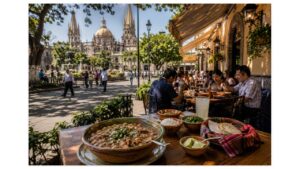
Every region of Mexico has dishes that tell the story of its people, landscape, and traditions. In Guadalajara, carne en su jugo reflects the agricultural heritage of Jalisco, where cattle ranching, family-owned businesses, and fresh local ingredients have shaped everyday cooking for generations.
Guadalajara’s culinary identity extends far beyond carne en su jugo. The city is also famous for crusty birote salado, the sturdy local bread used to make tortas ahogadas, another dish that could only have developed from the ingredients, traditions, and everyday food culture of Jalisco.
Rather than relying on elaborate techniques or expensive ingredients, the dish demonstrates how thoughtful preparation can transform simple foods into something unforgettable. The combination of beef, beans, bacon, onions, cilantro, and lime reflects the practical cooking traditions that have long defined home kitchens and neighborhood restaurants throughout western Mexico.
Today, carne en su jugo continues to bring families together around the table much as it has for generations. Whether you’re sitting in a neighborhood fonda in Guadalajara or recreating the dish at home, every bowl tells the story of Jalisco’s ranches, family kitchens, and cooks who learned that extraordinary comfort food often begins with the simplest ingredients. Tender beef, smoky bacon, creamy beans, fresh herbs, warm tortillas, and a squeeze of lime come together in a meal that feels deeply local yet instantly familiar. That is why carne en su jugo remains more than one of Guadalajara’s signature dishes—it is a warm, generous expression of the city itself.
Readers interested in exploring more regional specialties can continue their culinary journey with Cabrito Explained: Northern Mexico’s Legendary Fire-Roasted Goat That Defines Monterrey Cuisine, which highlights another iconic beef-centered tradition from northern Mexico.
🌶️ Recommended Peppers of Key West Products for Carne en su Jugo
The rich beef broth, smoky bacon, creamy beans, fresh cilantro, onions, and bright lime that define carne en su jugo pair best with sauces and seasonings that complement rather than overpower the dish. These Peppers of Key West favorites add fresh flavor, balanced heat, and versatility to authentic Guadalajara-style meals while also pairing beautifully with tacos, grilled meats, and Mexican-inspired dinners.
Product Pairing Quick Guide
- Carne en su Jugo → Jalapeño Garlic Hot Sauce
- Fresh Cilantro, Lime & Warm Tortillas → Serrano Hot Sauce
- Grilled Beef, Carne Asada & Mexican BBQ → Cayenne Hot Sauce
- Explore More Regional Mexican Flavors → 5-Pack Hot Sauce Gift Box
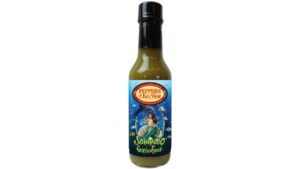
🌶️ Jalapeño Garlic Hot Sauce
Jalapeño Garlic Hot Sauce is the best overall match for carne en su jugo. Its smooth garlic flavor and mild jalapeño heat enhance the savory beef broth without overwhelming it, while complementing the fresh onions, cilantro, and lime that finish every bowl. It also pairs wonderfully with tacos, burritos, eggs, grilled chicken, and roasted vegetables.
👉 Perfect For: Carne en su jugo, tacos, burritos, eggs, grilled chicken, roasted vegetables.
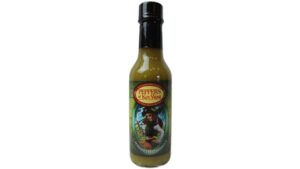
🌶️ Serrano Hot Sauce
Made for fresh Mexican flavors, Serrano Hot Sauce brings crisp pepper flavor and bright heat that pairs naturally with cilantro, lime, fresh salsa, and warm tortillas. It’s an excellent finishing sauce for carne en su jugo and equally at home on tacos, quesadillas, fajitas, and grilled seafood.
👉 Perfect For: Carne en su jugo, tortillas, tacos, quesadillas, fajitas, grilled seafood.
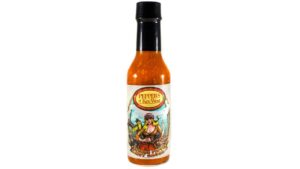
🌶️ Cayenne Hot Sauce
For readers who enjoy a little more heat, Cayenne Hot Sauce adds a clean pepper finish that complements grilled beef and traditional Mexican cooking. It works beautifully with carne asada, burgers, barbecue, pork, and roasted vegetables while remaining balanced enough not to overpower savory beef dishes.
👉 Perfect For: Carne asada, grilled beef, burgers, barbecue, pork, roasted vegetables.

🌶️ 5-Pack Hot Sauce Gift Box
Inspired by the regional flavors of Mexico? The 5-Pack Hot Sauce Gift Box lets you experiment with a variety of heat levels and flavor profiles across tacos, soups, grilled meats, eggs, seafood, and homemade Mexican favorites. It’s the perfect way to bring more authentic flavor to every meal.
👉 Perfect For: Mexican dinners, gift giving, tacos, soups, grilling, everyday cooking.
Frequently Asked Questions About Carne en su Jugo
What does carne en su jugo mean?
Carne en su jugo translates to “meat in its own juices.” The name refers to the way thin slices of beef are simmered in their own flavorful juices to create a rich, savory broth.
Where did carne en su jugo originate?
Carne en su jugo originated in Guadalajara, Jalisco, where it has become one of the city’s most iconic comfort foods. Today, it remains a favorite in homes, neighborhood restaurants, and traditional fondas throughout the region.
What kind of meat is used in carne en su jugo?
Most traditional recipes use thinly sliced beef such as flank steak, sirloin, or another tender cut that cooks quickly while producing a flavorful broth.
Is carne en su jugo spicy?
Traditional carne en su jugo is usually mild. Fresh salsa, chopped serrano peppers, or hot sauce are often served on the side so everyone can customize the heat to their taste.
What is served with carne en su jugo?
Carne en su jugo is commonly served with pinto beans, crispy bacon, chopped onions, fresh cilantro, lime wedges, avocado, and warm corn tortillas. Many restaurants also offer salsa and grilled onions alongside the dish.
Is carne en su jugo a soup or a stew?
It’s often described as something between the two. The broth is lighter than a traditional stew but richer than most soups, making carne en su jugo a unique dish with its own distinct character.
Why is carne en su jugo so popular in Guadalajara?
The dish reflects Jalisco’s ranching traditions and love of simple, hearty cooking. Its comforting flavors, fresh garnishes, and family-style presentation have made it a beloved local specialty for generations.
Can you make carne en su jugo at home?
Yes. While restaurants often have their own family recipes, home cooks can prepare authentic carne en su jugo using fresh beef, bacon, beans, onions, cilantro, lime, and a flavorful broth.
What’s the difference between carne en su jugo and birria?
Birria is traditionally slow-cooked with dried chiles and aromatic spices, creating a bold, richly seasoned broth. Carne en su jugo relies on the natural flavor of beef, enhanced by bacon, beans, and fresh toppings for a lighter yet deeply savory dish.
Is carne en su jugo worth trying when visiting Guadalajara?
Absolutely. Sampling carne en su jugo in Guadalajara offers a delicious introduction to Jalisco’s culinary traditions and gives visitors the chance to experience one of the city’s signature comfort foods where it originated.
Regional Guide Links
Continue Your Guadalajara Flavor Journey
- Tortas Loaded with Meat, Melted Cheese & Street Food Flavor That Hits Hard
- Chalupas Explained: Puebla’s Traditional Street Food That’s Nothing Like Taco Bell
- Mexican Street Food Markets Explained: How to Order Like a Local and Find the Best Food Fast
- The Complete Mexican Street Food Guide: Ingredients, Dishes, Regions & Cooking Terms Explained
- Mexican Street Food Breakfast Favorites Worth Waking Up Early For
- Memelas Explained: Oaxaca’s Thick Corn Street Food Favorite
- Cabrito Explained: Northern Mexico’s Legendary Fire-Roasted Goat That Defines Monterrey Cuisine
- Burros Explained: Northern Mexico’s Oversized Flour Tortilla Classic
- Carne Asada Explained: Northern Mexico’s Legendary Grilled Beef Tradition
Expand Your Mexican Food Journey
- How to Build the Ultimate Taco Night Spread
- Hot Sauce Heat Level Guide So You Stop Guessing and Start Handling Real Heat Like a Pro
- Barbacoa Tacos Packed with Smoky Beef, Rich Heat & Street Taco Flavor
- Best Hot Sauce for Beef Tacos: Bold Sauces That Cut Through the Fat
See More Keywords
carne en su jugo, carne en su jugo recipe, authentic carne en su jugo, traditional carne en su jugo, Guadalajara carne en su jugo, carne en su jugo Guadalajara, Mexican beef dish, Mexican beef soup, beef in its own juices, Jalisco beef dishes, Guadalajara food, Guadalajara restaurants, Guadalajara cuisine, Guadalajara specialties, foods from Guadalajara, Jalisco cuisine, traditional Jalisco food, famous food from Jalisco, regional Mexican cuisine, western Mexico food, authentic Mexican food, traditional Mexican cuisine, Mexican comfort food, Mexican regional dishes, iconic Mexican dishes, Mexican culinary traditions, family recipes from Mexico, Mexican food culture, local food in Mexico, authentic Mexican cooking, beef broth, pinto beans, cilantro, lime, bacon, homemade tortillas, what to eat in Guadalajara, best restaurants in Guadalajara
