Mexican Street Food by Region: How Flavor Changes from Baja to the Yucatán
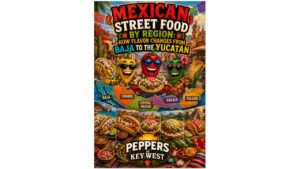
One taco stand serves smoky grilled fish fresh from the Pacific. Another slow-roasts pork underground until it practically melts. Somewhere else, giant crispy tortillas are piled high with toppings while ancient Mayan recipes still feed hungry families. Mexican street food isn’t one cuisine—it’s dozens of regional food cultures connected by tradition, local ingredients, and generations of unforgettable flavor.
Most visitors arrive in Mexico believing they’ll spend the week eating tacos.
They’re not wrong.
They’re simply about to discover that “tacos” barely scratch the surface.
Travel from one end of Mexico to the other and everything begins to change. Tortillas become thicker or thinner. Salsas shift from bright citrus to smoky dried chiles. Seafood dominates one coastline while slow-roasted pork defines another peninsula. Indigenous traditions, Spanish influences, local agriculture, and geography all leave fingerprints on every bite.
The result isn’t one version of Mexican street food.
It’s dozens.
A walk through a Baja fish market feels nothing like an evening in Mérida. Oaxaca’s bustling food stalls smell of charcoal, mole, and grilled meats, while Mexico City’s endless neighborhoods somehow produce thousands of unique street food experiences every single day.
That’s exactly why The Ultimate Guide to Mexican Street Food: The Flavor, Meat & Hot Sauce Breakdown serves as the perfect starting point before exploring how every region has developed its own unforgettable specialties.
The farther you travel, the more you realize that every state proudly claims to make something better than its neighbors—and after tasting your way across the country, you may discover they’re all right.
Quick Guide: Mexican Street Food by Region
- Baja California — Fish tacos, shrimp tacos, fresh seafood, citrus flavors.
- Northern Mexico — Carne asada, flour tortillas, grilled beef, smoky flavors.
- Central Mexico & Mexico City — Tacos al pastor, quesadillas, tlacoyos, bustling night markets.
- Puebla — Cemitas, mole, chalupas, rich historical flavors.
- Oaxaca — Tlayudas, memelas, mole, smoky charcoal cooking.
- Jalisco — Birria, tortas ahogadas, tequila country traditions.
- Yucatán Peninsula — Cochinita pibil, panuchos, salbutes, achiote and citrus.
- Gulf Coast — Seafood cocktails, ceviche, tropical flavors.
- Every region reflects its own climate, agriculture, and cultural history.
Baja California – Where Mexico’s Street Food Meets the Sea
Baja’s street food begins with the Pacific Ocean.
Fishing boats return each morning carrying snapper, shrimp, mahi-mahi, and countless other varieties that often appear on a tortilla before lunchtime. Unlike many inland regions where beef or pork dominate, Baja celebrates fresh seafood with simple preparation that allows natural flavors to shine.
The famous Baja fish taco perfectly demonstrates this philosophy. Lightly battered white fish, shredded cabbage, crema, fresh salsa, and a squeeze of lime create remarkable balance rather than overwhelming heat. The freshness matters as much as the recipe itself.
Professional street vendors rarely over-season seafood. Citrus, salt, and carefully chosen sauces enhance the fish instead of hiding it—a lesson many home cooks overlook.
Regional geography also influences the menu. Coastal communities feature ceviche, smoked marlin tacos, grilled octopus, and shrimp tostadas, while inland Baja introduces grilled beef inspired by the ranching culture farther north.
Anyone fascinated by Baja’s seafood traditions quickly understands why Mexican Street Seafood That Hits Different with Tropical Hot Sauce dives deeper into one of Mexico’s most distinctive coastal cuisines.
Baja also reminds visitors that authentic Mexican street food isn’t always fiery. Balance, freshness, texture, and acidity often matter far more than extreme heat.
THE BEST STREET FOOD DOESN’T COMPETE WITH ITS INGREDIENTS—IT LETS THEM SHINE.
Northern Mexico – Carne Asada Country Where Fire Rules Everything
Drive into northern Mexico and you’ll notice something changing almost immediately.
The grills become larger.
The beef becomes the centerpiece.
The tortillas often switch from corn to flour.
Northern states such as Sonora, Chihuahua, Coahuila, and Nuevo León have long embraced cattle ranching, making grilled beef one of the defining characteristics of the region. Carne asada isn’t merely a meal—it’s a social tradition that brings together families, neighbors, and entire communities around open fires.
Street vendors typically grill thin cuts of beef over mesquite charcoal before slicing them directly onto warm tortillas. Fresh onions, cilantro, grilled chiles, and salsa complete the taco without unnecessary extras.
One interesting regional detail many travelers miss is the widespread use of flour tortillas. While much of southern Mexico proudly favors corn, northern Mexico’s wheat-growing history helped make flour tortillas a local staple, particularly with grilled meats.
One interesting regional detail many travelers miss is the widespread use of flour tortillas. While much of southern Mexico proudly favors corn, northern Mexico’s wheat-growing history helped make flour tortillas a local staple, particularly with grilled meats. Flour Tortillas Explained: Why Northern Mexico Chose Wheat Over Corn explores how geography, agriculture, and regional food culture created one of Mexico’s great tortilla divides.
If grilled beef is your favorite part of Mexican cuisine, Best Taco Meats Ranked from Carne Asada to Birria with Bold Flavor & Street Taco Heat showcases how regional meat traditions have shaped some of the country’s most beloved tacos.
Northern Mexico proves that incredible street food doesn’t require dozens of ingredients. It simply requires exceptional meat, careful grilling, and respect for tradition.
SOMETIMES THE SIMPLEST TACO IS THE HARDEST ONE TO FORGET.
Central Mexico & Mexico City – The Heartbeat of Mexican Street Food
If one city could claim to be the capital of Mexican street food, Mexico City would make an incredibly convincing argument.
Nearly every neighborhood has its own favorite taco stand, market vendors, sidewalk grills, and late-night food carts serving recipes that have been perfected over generations. It’s one of the few places where breakfast, lunch, dinner, and midnight snacks each have their own distinct street food traditions.
Al pastor is perhaps the region’s most famous contribution. Thin slices of marinated pork slowly roast on a vertical trompo before being shaved directly onto warm tortillas with pineapple, onion, cilantro, and salsa. The cooking method reflects Lebanese influence brought to Mexico during the late nineteenth and early twentieth centuries, creating one of the country’s most iconic street foods.
But tacos are only the beginning. Tlacoyos stuffed with beans or cheese, huaraches topped with grilled meats, sopes layered with beans and crema, and freshly made quesadillas fill neighborhood markets from morning until late at night.
Many first-time visitors make the mistake of ordering only one type of taco. Experienced locals often sample several specialties from multiple vendors, allowing each stand to showcase its signature dish instead of expecting one vendor to do everything.
Anyone planning their first visit should spend time with Mexican Street Food Markets Explained: How to Order Like a Local and Find the Best Food Fast, where the experience of navigating Mexico’s famous markets becomes much less intimidating.
MEXICO CITY DOESN’T JUST SERVE STREET FOOD—IT CELEBRATES IT EVERY SINGLE DAY.
Puebla – Rich History Wrapped Inside Every Bite
Puebla’s streets tell stories through food.
Located between Mexico City and Veracruz, Puebla became one of colonial Mexico’s most important cultural crossroads, blending Indigenous traditions with Spanish influences in ways that still define its cuisine today.
The city’s famous cemitas immediately stand out from ordinary sandwiches. Large sesame-crusted rolls overflow with milanesa, carnitas, avocado, Oaxaca cheese, papalo, onions, and chipotle. Every ingredient plays an important role, creating layers of flavor that feel balanced rather than overwhelming.
Street vendors also serve traditional Puebla chalupas—small fried tortillas topped with salsa, shredded meat, and onions—which differ significantly from the versions many Americans know. Puebla’s originals are much smaller and focus on simplicity rather than excess toppings.
Even Puebla’s famous mole reflects the region’s culinary philosophy. While mole often appears in restaurants and family celebrations, its ingredients and techniques influence countless everyday street dishes throughout the city.
One detail many travelers overlook is papalo, an aromatic herb commonly served with cemitas. Its bold, peppery flavor surprises first-time visitors but has become one of Puebla’s defining ingredients.
Anyone curious about regional sandwiches quickly discovers why Cemitas Explained: Mexico’s Ultimate Street Food Sandwich Loaded with Flavor deserves its own deep dive into one of the country’s most satisfying handheld meals.
SOME OF MEXICO’S BIGGEST FLAVORS COME FROM ITS MOST HISTORIC STREETS.
Oaxaca & the Yucatán – Two Ancient Culinary Worlds Separated by Flavor
Travel south and Mexico transforms once again.
Although both Oaxaca and the Yucatán Peninsula celebrate Indigenous culinary traditions, their flavors couldn’t be more different.
Oaxaca is often called the “Land of Seven Moles,” but its street food extends far beyond its famous sauces. Giant tlayudas crackle over charcoal before being layered with beans, cheese, meats, avocado, and fresh vegetables. Memelas, garnachas, and grilled meats fill lively evening markets where charcoal smoke hangs in the air long after sunset.
Corn remains central to nearly every meal, and many vendors still prepare masa using traditional techniques passed through generations.
The Yucatán Peninsula tells an entirely different story.
Ancient Mayan traditions combine with tropical ingredients like sour orange, achiote, banana leaves, habaneros, and slow-roasted pork to create flavors found nowhere else in Mexico. Cochinita pibil, panuchos, salbutes, papadzules, marquesitas, and sopa de lima all reflect centuries of regional history shaped by geography and Indigenous culture.
One fascinating difference is seasoning. Oaxaca often emphasizes dried chiles and earthy complexity, while Yucatán cuisine leans toward citrus brightness, aromatic spices, and achiote’s distinctive red color.
Readers interested in the peninsula’s remarkable culinary identity will enjoy Yucatán Street Food Explained: The Ancient Flavors, Famous Dishes & Mayan Traditions You Need to Know, which explores one of Mexico’s most unique regional cuisines in greater detail.
THE FARTHER YOU TRAVEL ACROSS MEXICO, THE MORE YOU REALIZE THERE IS NO SUCH THING AS JUST “MEXICAN FOOD.”
Bring Mexico’s Regional Flavors Home
One of the best ways to appreciate Mexico’s regional diversity is to recreate those flavors at home. Whether you’re grilling Baja-inspired fish, preparing Yucatán pork, or hosting a taco night inspired by Mexico City, these Peppers of Key West favorites complement a wide variety of authentic regional dishes without overpowering their character.
Fresh seafood deserves seasonings that enhance delicate flavors instead of hiding them.
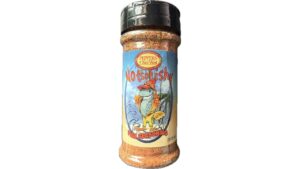
Designed for grilled fish, shrimp, and coastal cooking, Not So Fishy Fish Seasoning adds savory herbs and balanced spices that pair beautifully with Baja-style tacos, seafood tostadas, and fresh ceviche-inspired meals.
From northern Mexico’s carne asada to smoky beef tacos, grilled meats deserve bold seasoning.
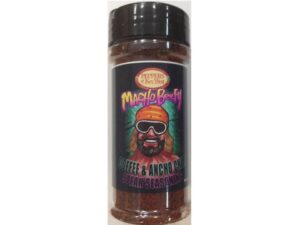
Macho Beefy Coffee & Ancho Steak Seasoning
Coffee, ancho chile, and savory spices create a rich crust on steaks while adding authentic grilled flavor to carne asada, barbacoa, burgers, and backyard taco nights.
Yucatán’s citrus-marinated dishes pair beautifully with bright, balanced heat.
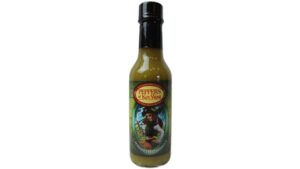
Fresh serrano peppers deliver vibrant heat that complements seafood, grilled chicken, tacos, tortas, roasted vegetables, and many of the lighter regional dishes featured throughout Mexico.
When you’re exploring several regional recipes, variety becomes your greatest ingredient.

Peppers of Key West BBQ Gift Box
Featuring Cherry Pomegranate Habanero Sauce, Jamaican Jerk Sauce, Asian Marinade, and Chicken Wing Sauce, this collection offers versatile flavors for grilling, marinating, dipping, and creating your own Mexican-inspired feast.
Conclusion
The beauty of Mexican street food isn’t that everyone cooks the same way.
It’s exactly the opposite.
Every mountain range, coastline, farming region, and historic city contributes something different to the nation’s remarkable culinary identity. A fish taco enjoyed beside the Pacific, a smoky carne asada in northern Mexico, a towering cemita in Puebla, or a panucho beneath the warm Yucatán evening sky all tell different stories while belonging to the same incredible food culture.
That’s why exploring Mexico one region at a time becomes so rewarding. Every destination introduces new ingredients, techniques, traditions, and family recipes that continue evolving while honoring generations of history.
The farther your journey takes you, the more you’ll realize that Mexican street food isn’t one cuisine waiting to be mastered.
It’s an entire country waiting to be tasted.
Frequently Asked Questions:
What region of Mexico has the best street food?
Every region has its own specialties. Baja is famous for seafood, Central Mexico for tacos al pastor, Oaxaca for tlayudas and mole, Puebla for cemitas, and the Yucatán for cochinita pibil, panuchos, and salbutes.
Why does Mexican street food vary so much by region?
Mexico’s diverse geography, Indigenous cultures, climate, agriculture, and historical influences have created unique regional cuisines that use local ingredients and traditional cooking methods.
What is the most famous Mexican street food?
Tacos are Mexico’s most famous street food, but every region offers signature dishes including tortas, tamales, tlayudas, birria, cemitas, elote, panuchos, and countless other local favorites.
Which Mexican region is best for seafood street food?
Baja California is widely known for fish tacos, shrimp tacos, ceviche, smoked marlin, and other fresh seafood served just steps from the Pacific Ocean.
What foods are unique to the Yucatán Peninsula?
The Yucatán is famous for cochinita pibil, panuchos, salbutes, papadzules, sopa de lima, marquesitas, and dishes flavored with achiote and sour orange.
Is Oaxaca known for street food?
Absolutely. Oaxaca is celebrated for tlayudas, memelas, mole, grilled meats, fresh cheeses, and vibrant markets where traditional cooking techniques remain an everyday part of local life.
What’s the difference between northern and southern Mexican street food?
Northern Mexico emphasizes grilled beef, flour tortillas, and smoky flavors, while southern regions rely more on corn, Indigenous recipes, tropical ingredients, moles, citrus, and regional spices.
Are tacos the same throughout Mexico?
No. Every region prepares tacos differently using local meats, seafood, tortillas, salsas, cooking methods, and traditional toppings that reflect regional culture.
What drinks pair best with regional Mexican street food?
Agua frescas, horchata, jamaica, tamarindo, atole, champurrado, café de olla, Mexican beer, and fresh fruit drinks all complement different regional dishes depending on the season and location.
How can I experience regional Mexican street food at home?
Start by preparing authentic regional recipes, using traditional ingredients whenever possible, and experimenting with different peppers, seasonings, and hot sauces to recreate the flavors of Mexico’s diverse culinary regions.
Continue Your Mexican Street Food Journey
Start Here:
From the Mexican Street Food Beyond Tacos Collection
- Mexican Street Corn (Elote) So Addictive You’ll Forget Tacos Exist
- Tortas Loaded with Meat, Melted Cheese & Street Food Flavor That Hits Hard
- Tamales Explained: The Ancient Mexican Comfort Food That Still Dominates Street Food Culture
- Tlayudas Explained: Oaxaca’s Giant Street Food Masterpiece
- Sopes Explained: Thick Corn Cakes Loaded with Street Food Flavor
- Huaraches Explained: Mexico’s Giant Oval Street Food Loaded with Flavor
- Cemitas Explained: Mexico’s Ultimate Street Food Sandwich Loaded with Flavor
- Mexican Street Food Markets Explained: How to Order Like a Local and Find the Best Food Fast
More Authentic Mexican Street Food to Enjoy
- Yucatán Street Food Explained: The Ancient Flavors, Famous Dishes & Mayan Traditions You Need to Know
- Best Hot Sauce for Fish Tacos: Citrus Heat & Coastal Flavor Pairings
- Best Taco Meats Ranked from Carne Asada to Birria with Bold Flavor & Street Taco Heat
- The Ultimate Guide to Mexican Street Food: The Flavor, Meat & Hot Sauce Breakdown
Explore More Mexican Street Food by Region Keywords
Mexican street food by region, regional Mexican cuisine, Baja California street food, Mexico City street food, Oaxaca street food, Puebla street food, Yucatán street food, authentic Mexican regional food, Mexican food map, regional tacos, fish tacos Baja, carne asada Sonora, cochinita pibil Yucatán, tlayudas Oaxaca, cemitas Puebla, Mexican food travel guide, famous Mexican street foods, regional Mexican specialties, Mexican culinary regions, traditional Mexican street food, best Mexican street food, Mexican regional dishes, authentic tacos Mexico, Mexican market food, Mexican food culture, regional Mexican recipes, Mexico food guide, foods of Mexico, Mexican travel food guide, authentic Mexican cuisine, Indigenous Mexican food, Mayan cuisine, Oaxacan cuisine, Baja seafood, Mexican food traditions, Mexican street vendors, regional flavors of Mexico, where to eat in Mexico, Mexican regional cooking, iconic Mexican dishes
