
Chipotle Pepper Explained: Flavor, Heat, Uses & How Smoked Jalapeños Become Chipotle
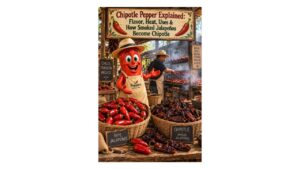
Most American shoppers meet the jalapeñowhile it is still green: smooth-skinned, crisp and vegetal, with enough heat to make itself known without overwhelming everything around it. We slice it onto nachos, stuff it with cheese, chop it into salsa, pickle it into rings and use it anywhere we want the unmistakable flavor of a fresh green chile. But that familiar green jalapeño represents only one moment in the pepper’s life. Leave the fruit on the plant and it continues to mature, gradually moving from green toward red as some of its sharp vegetal character softens and a riper sweetness begins to develop.
For many jalapeños, that additional time on the plant leads somewhere very different from the produce section. Instead of being harvested green for the fresh market, mature red peppers can begin a slower journey involving heat, wood smoke and dehydration. Over several days, moisture gradually leaves the fruit while smoke surrounds it. The jalapeño’s smooth skin wrinkles and darkens, its crisp flesh becomes leathery and concentrated, and the familiar fresh pepper develops aromas and flavors that were never nearly as obvious when it was green.
By the time the process is finished, the transformation is remarkable. The fresh, juicy chile that began on the plant has become darker, lighter and intensely aromatic, carrying smoke, earthiness, subtle sweetness and concentrated chile flavor alongside its heat. We know the result as chipotle, and the transformation is so complete that jalapeño and chipotle are often treated as though they were entirely different peppers. One belongs naturally to fresh salsa, pico de gallo and pickled rings; the other disappears into adobos, marinades, beans, stews, braised meats and deeply flavored sauces.
Botanically, however, there has been no switch from one pepper variety to another. A chipotle begins as a jalapeño. What changes is the pepper’s maturity and what happens to it after harvest, and those changes are powerful enough to give the finished chile another culinary identity.
That makes chipotle one of the most useful peppers for understanding something much larger about Mexican chile cooking. The pepper growing on the plant is not necessarily the finished ingredient. Ripening can change its flavor. Drying can concentrate it. Roasting can reshape it. Smoke can introduce aromas and flavors that weren’t present in the fresh chile at all. Sometimes those transformations are dramatic enough that the resulting ingredient receives another name and performs a completely different job in the kitchen.
Mexico’s chile traditions are filled with these relationships. A poblano can mature and dry into ancho, developing the darker, sweeter and fruitier character associated with that dried chile. A chilaca becomes pasilla when dried. A ripe jalapeño can be smoked and dried into chipotle. These aren’t simply different ways of storing the same ingredients; they demonstrate how maturity and processing can become part of a chile’s flavor, identity and culinary purpose.
Chipotle may be one of the clearest examples because smoke becomes inseparable from the ingredient itself. Put a fresh green jalapeño beside a dried chipotle and their relationship isn’t immediately obvious. Taste them and the distance seems even greater. Understanding how one became the other requires following the pepper beyond the field and into the process that transformed it.
CHIPOTLE ISN’T A DIFFERENT PEPPER. IT’S A JALAPEÑO TRANSFORMED BY RIPENING, DEHYDRATION, WOOD SMOKE AND TIME.
If you’re exploring that larger world of chile peppers, our Chile Pepper Guide: Flavor, Heat, Uses & Individual Peppers Explained explores how individual peppers develop their distinctive flavors, heat levels, culinary uses, and identities—including how ripening, drying, and smoking can transform a familiar chile into something remarkably different. Chipotle occupies an especially fascinating place in that story because understanding the pepper means understanding not only what grows, but what people do with it afterward.
To understand why that matters, we need to begin with the jalapeño.
Chipotle Pepper Snapshot
- Pronunciation: chih-POHT-lay
- Species: Capsicum annuum
- Fresh Pepper: Mature red jalapeño
- Strongest Association: Mexican cooking, smoked chiles, adobo sauces and deeply flavored salsas
- Scoville Heat: 2,500–8,000 SHU, generally comparable to the fresh jalapeño it came from
- Flavor: Smoky, earthy, moderately spicy, subtly sweet and deeply chile-forward
- Color: Reddish-brown to deep brown depending on the chile and smoking process
- Best Uses: Salsas, adobos, marinades, beans, soups, stews, braised meats, tacos, grilled foods and sauces
- Common Forms: Whole dried chipotle, ground chipotle powder and chipotles packed in adobo
- Fresh-to-Dried Relationship: Jalapeño → Chipotle
- Related Styles: Chipotle meco, morita and other smoked jalapeño forms
- What Makes It Special: Chipotle demonstrates how ripening, smoke and dehydration can dramatically change the flavor and culinary role of a familiar fresh chile without changing its underlying botanical identity.
Quick Guide
What is a chipotle pepper?
A chipotle is a mature red jalapeño that has been smoked and dried, creating its distinctive smoky, earthy flavor.
Does chipotle come from jalapeño peppers?
Yes. Chipotle is made from jalapeños, traditionally using mature peppers that have ripened to red.
What does chipotle taste like?
Chipotle tastes smoky, earthy and moderately spicy, with subtle sweetness and concentrated chile flavor.
How hot is a chipotle pepper?
Chipotle peppers generally range from 2,500–8,000 SHU, putting them in roughly the same heat range as fresh jalapeños.
Why are jalapeños smoked to make chipotle?
Smoking helps preserve ripe jalapeños while creating the deep, smoky flavor that distinguishes chipotle from the fresh pepper.
What is the difference between chipotle and chipotles in adobo?
Chipotle is the smoked, dried chile; chipotles in adobo are those peppers packed in a seasoned sauce.
What Is a Chipotle Pepper—and Is It Really Just a Smoked Jalapeño?
Walk through the produce section of an American supermarket and the jalapeño is difficult to mistake. The peppers are usually green, smooth and relatively plump, with thick enough flesh to provide a noticeable crunch when sliced. Cut one open and the aroma immediately suggests fresh pepper: grassy, vegetal and unmistakably green, with a level of heat that can vary considerably from one fruit to another.
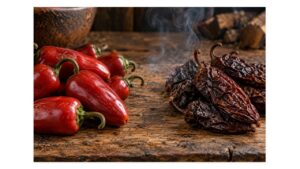
Place a whole dried chipotle beside it and the family resemblance becomes much harder to see. The chipotle is wrinkled and dry rather than smooth and crisp, and its color has moved away from bright green toward shades of red-brown and deep brown. Bring it close to your nose and smoke may announce itself before the chile does, followed by aromas that can seem earthy, sweet and considerably deeper than those of the fresh pepper sitting beside it. Despite those differences, these aren’t two unrelated chiles. They are two expressions of the same pepper separated by ripening, dehydration and smoke.
The transformation begins with ripeness. Most jalapeños sold fresh are harvested while green, before the fruit has completed its maturation. Leave a jalapeño on the plant and it eventually moves toward red, and that additional ripening changes the pepper before smoke ever enters the story. Some of its distinctly green character softens while greater ripe-pepper sweetness develops, giving the mature fruit a different starting flavor from the green jalapeño most shoppers recognize.
This distinction matters because traditional chipotle isn’t simply made by grabbing the same immature green jalapeños destined for the produce aisle and exposing them to smoke. Mature red fruit provides the starting point for the transformation, meaning chipotle’s eventual flavor reflects both what happened while the pepper was still on the plant and what happens afterward.
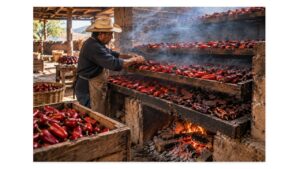
From there, the jalapeño enters an environment unlike anything it would encounter in the fresh market. In traditional Mexican production, mature peppers are arranged where heat and wood smoke can circulate around them. Rather than being cooked quickly over an open flame, they undergo a much slower process in which smoke and heat gradually remove moisture. Drying and smoking therefore happen together, allowing the physical transformation of the pepper and the development of its smoky character to unfold over the same period.
As moisture leaves the jalapeño, its texture and flavor change with it. A pepper that was once crisp and heavy with water becomes lighter, wrinkled and increasingly leathery. With less moisture separating the pepper’s flavor compounds, its chile character becomes more concentrated. The sweetness of the mature fruit becomes easier to notice, the fresh vegetal qualities recede, and wood smoke adds an aromatic dimension that simply wasn’t present when the jalapeño was fresh.
That is why describing chipotle as merely a “smoked jalapeño” is technically correct but culinarily incomplete. Smoking isn’t a little flavor added to an otherwise unchanged pepper. Ripeness, dehydration and smoke work together to create an ingredient that behaves differently in food, and comparing the two forms in a familiar preparation makes the distinction especially easy to understand.
Consider a simple salsa. Fresh jalapeño chopped with tomato, onion, cilantro and lime keeps the preparation bright and crisp, with little bursts of green chile appearing throughout the bowl. Introduce chipotle and the entire direction changes. Smoke enters the aroma. The chile flavor feels deeper. The salsa begins moving away from garden freshness toward something that suggests roasted food, dried peppers and fire.
Neither pepper is doing the other’s job badly; they are simply doing different jobs, and that distinction becomes even more obvious in cooked food. Chipotle can disappear into beans, stews, braised meats and sauces while leaving smoke and chile flavor throughout the dish. Blend it into a marinade and the pepper becomes part of the background flavor surrounding meat or vegetables. Mix it into an adobo and its smokiness joins acidity, spices and other aromatics to create something substantially more complex than simply adding fresh jalapeño heat.
This is where chipotle begins teaching us something about Mexican cooking that extends far beyond one pepper. Mexican chile traditions don’t always treat a pepper’s freshly harvested form as its final identity. Ripening, drying, roasting, smoking and other forms of preparation can alter an ingredient so profoundly that cooks begin thinking about the transformed chile differently. The underlying plant may be the same, but what matters in the kitchen is what the ingredient now tastes like and what it can do.
Poblano and ancho demonstrate the same principle from another direction. Fresh poblano is fleshy, green and particularly suited to roasting, stuffing and dishes such as chiles rellenos. Allow the pepper to mature and dry it, and ancho develops a darker, sweeter, fruitier character suited to very different preparations. The botanical relationship remains, but the culinary identity has changed. Chipotle follows the same pattern but adds another transformative force: smoke.
The name itself preserves the importance of that process. Chipotle traces back to Nahuatl—the Indigenous language historically spoken by the Aztecs and other peoples of central Mexico—with a word generally translated as “smoked chile.” The name itself is a reminder that smoking peppers has deep roots in Mexican food history.
What may have begun partly as a practical way to extend the useful life of ripe jalapeños also produced something valuable in its own right. Smoking didn’t merely help preserve the pepper; it created flavors and aromas that weren’t present in the fresh fruit, giving cooks an ingredient capable of doing things a green jalapeño could not.
That is why understanding chipotle shouldn’t begin and end with a Scoville number. Heat remains part of the pepper, but heat doesn’t explain why a spoonful of chipotle can change a pot of beans, why it works so naturally with slow-cooked meat, or why chipotles in adobo have become such a recognizable ingredient. Those qualities come from the transformation itself. The jalapeño grows on the plant, but chipotle is created through what happens afterward—ripening, dehydration and smoke. Understanding that journey is the key to understanding the pepper.
THE JALAPEÑO PROVIDES THE FOUNDATION. RIPENING, DEHYDRATION AND WOOD SMOKE TRANSFORM IT INTO THE DISTINCT CULINARY IDENTITY WE KNOW AS CHIPOTLE.
 🌶️ Professor Pepper Says…
If you’ve only tasted green jalapeños, compare one with a whole dried chipotle before you cook with either. Smell them first and pay attention to more than the heat. You’re experiencing two stages of the same pepper, and the difference shows why what happens after harvest can be just as important as what grew on the plant.
🌶️ Explore What Happens When Pepper Flavor Meets Smoke
Chipotle demonstrates why choosing a hot sauce by heat level alone misses so much of what chile peppers can contribute. Smoke, sweetness, fruitiness, earthiness and fresh pepper flavor can change a meal just as dramatically as increasing the heat. Explore Peppers of Key West hot sauces when you’re ready to discover how different peppers and flavor profiles can change what happens on the plate.
From Red Jalapeño to Chipotle: How Smoke Transforms the Pepper
Imagine arriving at the end of a jalapeño harvest in northern Mexico. Earlier in the season, much of the crop may already have left the field while the peppers were still green, firm and suited to the fresh market. What remains on the plants has been given something those earlier peppers did not receive: more time. The fruit continues to mature until green gives way to red, creating the ripe jalapeños that can begin the transformation into chipotle.
That sequence isn’t merely a convenient way to describe the process. In the area around Camargo, Chihuahua, Mexican agricultural authorities describe jalapeño production in much the same way: early harvests are commonly sold green, while later peppers are left on the plants to mature to red before being used for chipotle. The region has developed a particularly strong association with the smoked chile, and producers in Camargo and surrounding communities continue to use traditional production methods involving wood-fired smoking structures.
The importance of those red peppers is easy to underestimate. Smoking gets most of the attention because it provides chipotle’s most recognizable aroma, but the transformation has already begun before a jalapeño encounters its first curl of wood smoke. A mature red jalapeño brings a different flavor foundation than an immature green one, with less of the crisp vegetal character associated with the fresh pepper and more developed ripe-chile sweetness. Chipotle is therefore the result of two transformations working together: maturation changes the jalapeño first, and smoking and dehydration carry that transformation much further.
Traditional production makes that second transformation deliberately slow. Mature jalapeños are spread where smoke and heat from burning wood can circulate around them, allowing moisture to leave gradually rather than cooking the peppers quickly over an open flame. Mexico’s consumer protection agency describes ripe red jalapeños being placed on racks and smoked for several days with aromatic woods until they become completely dehydrated. In Chihuahua, current efforts to protect regional chipotle production specifically point to traditional adobe-and-wood ovens and the practices surrounding them as part of the product’s distinctive identity.
Inside that environment, drying and smoking happen together. Warm moving air gradually draws water from the fruit while wood smoke surrounds it, wrinkling the glossy red skin and concentrating the chile beneath it. The finished pepper hasn’t suddenly become a superhot chile; what has intensified is the entire flavor experience, combining mature jalapeño sweetness, concentrated chile character and the aromas contributed by smoke.
The visual transformation is just as dramatic. A ripe jalapeño entering the process may still be smooth, fleshy and bright red. A finished chipotle is wrinkled, dry and leathery, with colors that can range through reddish-brown into deeper brown. Mexican culinary references describe chipotle as a dark, wrinkled smoked chile whose fresh form is jalapeño, reinforcing how dramatically processing can alter the appearance of a pepper without changing where it came from.
That transformation also helps explain why smoking became more than a preservation technique. Removing moisture extends the usefulness of a ripe chile that would otherwise deteriorate, but smoke gives the preserved pepper a flavor identity worth seeking out in its own right. Mexican government sources describe chipotle as a product that continues a pre-Hispanic preservation technique, connecting the chile eaten today with a much older method of using smoke and dehydration to preserve food.
CHIPOTLE DEVELOPS ITS CHARACTER SLOWLY. RIPENING, DEHYDRATION AND WOOD SMOKE TRANSFORM THE JALAPEÑO INTO SOMETHING ENTIRELY ITS OWN.
🌶️ Professor Pepper Says…
When you taste chipotle, try separating the flavors in your mind. The heat came from the jalapeño, but the ripe sweetness developed as the fruit matured, while dehydration concentrated the chile and wood smoke contributed an entirely new layer of aroma. Chipotle tastes complex because several transformations happened before it ever reached your kitchen.
Chipotle, Morita and Meco: Why Not Every Smoked Jalapeño Looks the Same
Walk through a well-stocked Mexican chile market and the neat formula jalapeño → chipotle quickly becomes more complicated. Smoked jalapeños don’t always emerge looking exactly alike, and names can change according to the chile used, the region, the degree of ripeness, the drying and smoking method, and local culinary vocabulary. That is why shoppers can encounter names such as chipotle, chipotle meco, mora and morita attached to peppers that belong to the same broad family of smoked-jalapeño traditions.
This is also an area where oversimplified chile charts can cause trouble. It is tempting to treat every name as a completely separate pepper variety or, at the opposite extreme, to declare all of them interchangeable names for exactly the same thing. Mexican culinary references paint a more nuanced picture. Larousse’s Diccionario enciclopédico de la Gastronomía Mexicana, for example, notes that different jalapeño varieties can produce different chipotle forms and specifically identifies mora and morita among the related smoked chiles.
Chipotle meco is one name readers are likely to encounter, particularly when exploring whole dried Mexican chiles. The terminology requires some care because chile meco and chipotle meco are not necessarily the same thing. Larousse distinguishes a chile meco as a jalapeño that has been dried without smoking, while chipotle meco refers to the smoked form. That single distinction demonstrates why the word smoke matters so much when identifying these peppers.
Morita, meanwhile, is a small smoked dried chile with a smooth, relatively shiny skin and a dark purplish color. It belongs to the broader smoked-jalapeño story but has its own appearance and culinary identity in Mexican markets and kitchens. Larousse distinguishes morita from the larger chile mora while identifying both within the family of smoked chiles associated with jalapeño varieties.
For the cook standing in front of a market bin, those differences aren’t merely academic. The particular smoked chile chosen can affect the balance of smoke, fruitiness, sweetness, heat and dried-chile character that reaches the finished dish. A recipe calling for morita may be looking for something somewhat different from one built around a larger whole chipotle, even though both peppers tell versions of the same larger story.
That is why the most useful way to understand these names isn’t to force them into a perfectly tidy family tree. Mexican chile terminology is regional, culinary and historical, and names don’t always behave like botanical labels. Instead, begin with the relationship that remains dependable: jalapeños can be matured, dried and smoked into a family of chiles whose individual characteristics reflect the pepper selected and the way it was processed.
CHIPOTLE IS A SMOKED-JALAPEÑO TRADITION, NOT ONE PERFECTLY UNIFORM PRODUCT. REGION, PEPPER AND PROCESS HELP EXPLAIN THE DIFFERENCES.
What Does Chipotle Actually Taste Like?
Calling chipotle smoky is accurate, but it is about as complete as describing a jalapeño simply as hot. Smoke may be the first characteristic you notice, especially when smelling a whole dried pepper, but underneath it is the flavor of a mature chile that has been concentrated through dehydration. That combination gives chipotle considerably more range than its reputation as a convenient way to add smoke to food might suggest.
Start with the smoke itself. In a good chipotle, smoke should feel integrated into the pepper rather than sitting on top of it like artificial seasoning. It can suggest toasted wood, fire and roasted food, which is one reason chipotle fits so naturally with grilled and slow-cooked ingredients. Those aromas can make a dish feel deeper and more savory before the chile’s heat has even registered.
Beneath that smoke is earthiness, a quality that becomes particularly noticeable when chipotle is blended into beans, sauces, soups and braises. Earthiness helps the pepper settle into long-cooked food rather than demanding attention as a bright fresh ingredient. This is one of the clearest differences from green jalapeño: where the fresh pepper can lift a dish with crisp vegetal flavor, chipotle tends to pull flavors downward into something darker, rounder and more developed.
There is also sweetness, although not the sugary sweetness of a sweet pepper or fruit sauce. The jalapeño was allowed to mature before smoking, and that ripe-pepper character remains underneath the wood smoke and dried-chile flavor. Depending on the particular chipotle, some people also perceive subtle dried-fruit qualities that make the pepper especially compatible with tomatoes, roasted vegetables, pork, beef and sauces containing a little sweetness of their own.
Then comes the heat. Chipotle generally occupies the same moderate territory as the jalapeño from which it came, roughly 2,500–8,000 Scoville Heat Units, although natural variation means individual peppers can differ. What changes much more dramatically is everything surrounding that heat. The capsaicin is now arriving alongside smoke, concentrated chile flavor, mature sweetness and earthiness, which can make chipotle seem more powerful on the palate without requiring superhot levels of capsaicin.
That distinction matters when cooking with it. If a dish tastes flat and simply needs more heat, chipotle may not always be the neutral answer because it brings a substantial flavor signature with it. Add chipotle to a pot of beans and you aren’t merely making hotter beans; you’re introducing smoke and dried-chile depth. Add it to a tomato salsa and you’re changing the salsa’s entire personality. Blend it into a marinade and you’re adding a flavor that can suggest grilling and fire before the food ever touches a hot cooking surface.
This is ultimately why chipotle became more than a preserved jalapeño. Preservation explains why the technique was useful, but flavor explains why the ingredient endured. Smoking and drying didn’t merely allow people to keep ripe jalapeños longer; they created a chile capable of contributing something the fresh pepper could not.
CHIPOTLE TASTES OF MORE THAN SMOKE AND HEAT. RIPE SWEETNESS, EARTHINESS AND DEEP CHILE FLAVOR COMPLETE THE PICTURE.
Whole Dried Chipotle, Chipotle Powder & Chipotles in Adobo: Understanding the Forms
Knowing that chipotle begins as a ripe jalapeño answers the most important question about its identity, but it doesn’t necessarily prepare you for the ingredient aisle. Depending on where you shop, chipotle may appear as a whole dried chile, a reddish-brown powder, or a soft smoked pepper submerged in a dark red sauce inside a small can. All three begin with the same basic smoked-chile idea, yet they behave differently enough in the kitchen that choosing between them can change a dish.
Whole dried chipotle brings you closest to the pepper in its preserved form. Its concentrated smoky, earthy and ripe-chile character makes it particularly useful when the chile itself is part of the cooking process. Toast it briefly to awaken its aroma, rehydrate it for blending into salsa, chile paste, marinades or sauces, or allow it to soften gradually in a dish with enough liquid and cooking time. Starting with the whole chile also gives the cook greater control over the flavors surrounding it.
Chipotle powder removes most of that preparation. Ground smoked peppers can be stirred directly into spice rubs, taco fillings, beans, soups, chili, roasted vegetables, marinades and sauces. Because the powder disperses immediately, its smoke can build surprisingly quickly, so start modestly and taste before adding more.
Then there is the form that many American cooks encounter first: chipotles in adobo. Open the can and the dry, leathery pepper from the chile market has seemingly transformed again. The chipotles are soft and dark, surrounded by a thick reddish sauce that carries its own combination of chile, acidity, seasoning and sweetness. The pepper contributes its characteristic smoke and heat, but the adobo surrounding it means the cook is working with a prepared ingredient rather than a plain dried chile.
That distinction matters. A recipe calling for one dried chipotle and a recipe calling for one chipotle in adobo aren’t necessarily asking for interchangeable ingredients. The pepper packed in adobo brings some of the surrounding sauce with it, and even a spoonful of that sauce without the whole chile can contribute smoke, chile flavor and seasoning. This makes canned chipotles particularly useful when a dish needs an ingredient that will blend quickly into a sauce, marinade, soup or braise.
It also explains one of the easiest mistakes to make when first cooking with chipotle: assuming that chipotle and adobo are two names for the same thing. They aren’t. Chipotle is the smoked and dried chile. Adobo is the seasoned preparation surrounding the pepper in the canned product. Put them together and each affects the finished ingredient, which is why chipotles in adobo taste different from a whole dried chipotle used on its own.
There is no single form that is always better. Whole dried chipotles make sense when the chile itself is part of the cooking process and you want control over the surrounding flavors. Powder works when convenience and even distribution matter. Chipotles in adobo are particularly useful when you want a soft, blendable pepper accompanied by a ready-made layer of seasoned sauce. Understanding those differences lets you choose the form according to the food rather than assuming every package labeled chipotle will behave exactly the same way.
WHOLE, POWDERED OR PACKED IN ADOBO, CHIPOTLE’S FORM CHANGES HOW ITS SMOKE, HEAT AND FLAVOR ENTER THE DISH.
How Chipotle Is Used in Mexican Cooking
To understand what chipotle actually contributes to food, move away from the pepper itself and back toward the Mexican kitchen. A chipotle sitting alone on a cutting board can seem dominated by smoke. Once it enters a salsa, stew or braise, however, that smoke becomes part of a larger collection of flavors. Tomato may provide acidity and sweetness, onion and garlic build the aromatic base, herbs and spices add their own character, and the chipotle settles into the preparation as both chile and seasoning.
Salsa is one of the clearest places to experience the difference. A salsa made with fresh green chiles can feel immediate and bright, particularly when the other ingredients are fresh as well. Introduce chipotle and the salsa moves in another direction. The smoke deepens roasted tomato and tomatillo, the dried chile character adds weight, and the pepper’s moderate heat arrives as part of a darker overall flavor rather than as a burst of fresh green chile.
This is why chipotle works particularly well when other ingredients have also encountered heat. Tomatoes blistered on a comal, charred onion, roasted garlic and toasted dried chiles already contain flavors created through browning, roasting and dehydration. Chipotle doesn’t need to dominate those ingredients to make itself known. Its smoke can connect with their roasted qualities, making the finished salsa taste as though its flavors belong to the same culinary conversation.
Beans demonstrate another side of the pepper. A pot of beans doesn’t necessarily need aggressive heat, but it can benefit enormously from depth. A small amount of chipotle can move through the cooking liquid and give the entire pot a smoky background while the beans remain the primary ingredient. The effect can be subtle enough that a diner notices greater richness without immediately identifying chipotle as the reason.
Slow-cooked meats offer even more room for that character to develop. Beef, pork and chicken cooked with tomato, aromatics, spices and chile have time to absorb the pepper’s flavor as the cooking liquid reduces and concentrates. Here chipotle’s affinity for long cooking becomes especially apparent. Instead of remaining a separate piece of chile, it can become part of the sauce surrounding the meat, contributing smoke and moderate heat to every bite.
The same principle makes chipotle useful in marinades and adobos. Blended with acidic ingredients, aromatics, spices and other chiles, it becomes one component of a larger flavor system. The goal isn’t necessarily to make the finished food taste overwhelmingly smoky. Used with restraint, chipotle can make grilled or roasted food taste deeper and more developed while still allowing the character of the meat, vegetable or other main ingredient to remain recognizable.
That restraint is important because chipotle has a stronger flavor signature than many fresh peppers. Increasing the amount doesn’t merely increase heat. It also increases smoke, earthiness and concentrated dried-chile flavor, and those qualities can eventually overwhelm more delicate ingredients. The useful question when cooking with chipotle therefore isn’t simply “How hot do I want this?” It is “How much smoke and chile depth does this food need?”
That way of thinking also helps explain why chipotle works across such a wide range of dishes. Its usefulness isn’t limited to foods that are supposed to be fiery. Chipotle can contribute a background note to beans, become an important component of a salsa, deepen a braising sauce, season a marinade or become one of several chiles working together in a more complicated preparation. The amount and form change according to the dish, but the underlying purpose remains remarkably consistent: chipotle contributes the flavor created when ripe jalapeño, dehydration and wood smoke meet.
CHIPOTLE DOES MORE THAN ADD HEAT. IT CARRIES SMOKE, RIPE CHILE FLAVOR AND EARTHY DEPTH THROUGH THE DISH.
Fresh Jalapeño vs. Chipotle: Same Pepper, Different Job
Perhaps the easiest way to understand everything that has happened to the jalapeño is to bring the two forms back together in the kitchen. Start with the fresh green pepper. Slice it and you have crisp texture, vegetal aroma, juicy flesh and a recognizable jalapeño bite. It works naturally when freshness matters: chopped into salsa, scattered over tacos, pickled into rings or added wherever you want distinct pieces of green chile to remain part of the eating experience.
Chipotle approaches food from almost the opposite direction. Its crispness is gone. Its bright green flavor has receded. Instead of providing little fresh bursts throughout a dish, it is particularly good at becoming part of the dish itself. Rehydrated or blended, the pepper can disappear into a sauce while leaving smoke, earthiness, ripe-chile sweetness and heat behind.
That doesn’t make chipotle an upgraded jalapeño, nor does it make the fresh pepper an unfinished chipotle. Each form has culinary qualities the other cannot reproduce. Replacing fresh jalapeño with chipotle in pico de gallo, for example, wouldn’t simply make the salsa smokier; it would alter the fresh character that defines the preparation. Replacing chipotle with green jalapeño in a smoky braising sauce might provide comparable chile heat, but it would remove much of the depth that made chipotle useful there in the first place.
This is why substitutions based only on Scoville ratings can be misleading. Two peppers can occupy similar territory on the heat scale and still behave very differently in food. Jalapeño and chipotle make the point unusually well because they are literally different stages of the same chile. Their genetic relationship is as close as it could possibly be, yet maturity and processing have created ingredients suited to different jobs.
For cooks, that may be the most useful lesson chipotle has to teach. Choosing a chile isn’t merely a question of deciding how much heat a dish should contain. Freshness, ripeness, smoke, fruitiness, earthiness, texture and preparation all matter. The Scoville scale can tell us something important about capsaicinoid concentration, but it cannot tell us which pepper belongs in the salsa.
FRESH JALAPEÑO BRINGS BRIGHT, GREEN CHILE FLAVOR. CHIPOTLE BRINGS SMOKE, RIPENESS AND DEPTH. SAME PEPPER—VERY DIFFERENT JOB.
🌶️ Recommended Peppers of Key West Products for Chipotle Pepper Fans
Chipotle demonstrates why choosing a sauce by heat level alone can miss much of what a chile contributes. Smoke, ripe chile flavor, sweetness and earthiness can matter just as much as the burn. That same idea can help when choosing a sauce: start with the flavor you want to bring to the food, then decide how much heat belongs with it.
Chipotle works especially well with foods that already have some richness or browning—grilled meats, tacos, burgers, beans, roasted vegetables, eggs and slow-cooked dishes. Depending on the meal, you may want to reinforce that smoky character, introduce a brighter pepper flavor for contrast, add garlic and savory depth, or increase the heat without overwhelming everything underneath it.
Product Pairing Quick Guide
- Tacos, Burgers, Eggs & Grilled Chicken → Handyman Chipotle Hot Sauce
- Grilled Meats, Potatoes, Corn & Breakfast Dishes → Mountain Man Chipotle Pepper Hot Sauce
- Pork, Chicken, Cheese & Appetizers → Fischer & Wieser’s Roasted Raspberry Chipotle Sauce
- Ribs, Wings, Pork & Grilled Vegetables → Third Coast Honey Chipotle Pepper Glaze
The lesson is the same one chipotle has been teaching us throughout this article: don’t choose a sauce by heat alone. Think about what you want chipotle’s smoke, sweetness and deep chile flavor to contribute to the food.
Best Chipotle Sauces & Glazes for Exploring Smoky Pepper Flavor
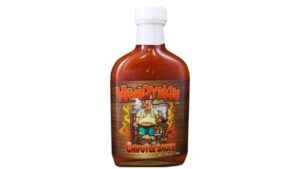
Handyman Chipotle Hot Sauce
Sometimes you want chipotle without turning the meal into a sweet sauce or heavy glaze. Handyman Chipotle Hot Sauce provides the most straightforward chipotle expression in this group, bringing smoky chile character to tacos, burgers, eggs, grilled chicken and roasted vegetables.
Best for: Tacos, burgers, eggs, grilled chicken and roasted vegetables
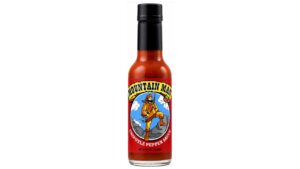
Mountain Man Chipotle Pepper Hot Sauce
Mountain Man takes chipotle in a more savory direction, making it particularly comfortable around browned, roasted and grilled flavors. It’s the kind of sauce that makes sense when the food itself has enough character to stand beside smoke.
Its savory profile works particularly well where browned, roasted or grilled flavors can stand beside chipotle’s smoke without being overwhelmed by it.
Best for: Grilled meats, potatoes, corn, eggs and tacos
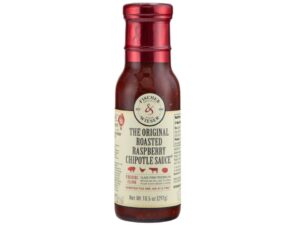
Fischer & Wieser’s Roasted Raspberry Chipotle Sauce
Chipotle doesn’t have to stay on the savory side of the kitchen. Pairing its earthy smoke with raspberry demonstrates how naturally the chile works against fruit and sweetness—the contrast makes both sides of the pairing more noticeable.
Use it with pork, chicken, cheese and appetizers, particularly when you want a sauce that moves between sweet, smoky and chile-forward flavors rather than relying primarily on heat.
Best for: Pork, chicken, cheese and appetizers
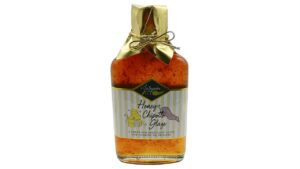
Third Coast Honey Chipotle Pepper Glaze
A glaze shows yet another side of chipotle. Honey brings sweetness while chipotle contributes smoke and chile depth, making the combination especially well suited to foods that brown and caramelize during cooking.
Brush it onto ribs, wings, chicken, pork or grilled vegetables, using it where a sticky glaze and smoky chile character can become part of the finished surface of the food.
Best for: Ribs, wings, chicken, pork and grilled vegetables
Chipotle: One Pepper, Completely Transformed
Few peppers demonstrate the power of preparation as clearly as chipotle. The journey begins with a familiar jalapeño, but allowing that pepper to fully ripen changes the starting point. Smoking and dehydration then take it somewhere entirely different, concentrating the chile while layering in the earthy, smoky character that defines chipotle.
That transformation explains why comparing chipotle with a fresh jalapeño by Scoville rating alone tells us so little. Their heat may occupy similar territory, but they perform very different jobs in the kitchen. Fresh jalapeño can bring brightness, crispness and fresh green chile character. Chipotle brings smoke, ripe pepper flavor and depth that can settle into salsa, beans, marinades, braises, grilled meats and sauces.
It also explains chipotle’s versatility. Whole dried peppers can become part of a slowly built sauce. Powder can distribute smoke and chile flavor quickly through a dish. Chipotles in adobo bring the pepper together with a seasoned sauce, while hot sauces, fruit sauces and glazes demonstrate how comfortably chipotle can move between savory, smoky and sweet flavors.
But perhaps the most useful lesson is larger than chipotle itself. A pepper’s identity doesn’t end when it leaves the plant. Ripening, drying, roasting, smoking, fermenting and other techniques can fundamentally change how we experience it, creating ingredients with culinary personalities dramatically different from the fresh peppers that produced them.
Chipotle may begin as a jalapeño, but understanding everything that happens afterward is what allows us to understand the pepper on the plate.
SAME PEPPER, DIFFERENT CULINARY IDENTITY. CHIPOTLE SHOWS JUST HOW MUCH RIPENING, SMOKE AND TIME CAN CHANGE WHAT A CHILE BECOMES.
Frequently Asked Questions About Chipotle Peppers
Is chipotle really just a smoked jalapeño?
Yes. Chipotle is a mature jalapeño, typically ripened to red, that has been smoked and dried. The process gives it the smoky, earthy character that distinguishes it from fresh jalapeño.
Is chipotle hotter than jalapeño?
Not necessarily. Because chipotle is made from jalapeños, their heat ranges overlap, although individual peppers can vary considerably.
How hot are chipotle peppers on the Scoville scale?
Chipotle peppers generally fall around 2,500–8,000 Scoville Heat Units (SHU). That places them in roughly the same heat range as fresh jalapeños.
What does a chipotle pepper taste like?
Chipotle tastes smoky, earthy and moderately spicy, with subtle sweetness and concentrated ripe-chile flavor. Its smoke is distinctive, but it shouldn’t be the only flavor you notice.
What is the difference between chipotle and chipotles in adobo?
Chipotle is the smoked and dried pepper itself. Chipotles in adobo are those peppers packed in a seasoned sauce that contributes additional flavor and moisture.
Are morita and chipotle the same thing?
Morita is one of the smoked jalapeño forms associated with the broader chipotle tradition. Names and characteristics can vary with the pepper, region and smoking or drying process.
Is chipotle powder the same as a whole chipotle pepper?
Chipotle powder is made from smoked, dried peppers that have been ground. It provides similar smoky chile character but behaves differently in cooking because it disperses immediately throughout a dish.
Can I substitute a fresh jalapeño for chipotle?
You can when pepper heat is the main concern, but the flavor will be different. Fresh jalapeño brings bright, vegetal flavor, while chipotle contributes smoke, earthiness and concentrated ripe-chile character.
What can I use instead of chipotle?
The best substitute depends on what the recipe needs. Choose a replacement based on whether you’re trying to reproduce chipotle’s heat, smoke or dried-chile depth rather than looking for one universal substitute.
How do you cook with whole dried chipotle peppers?
Whole dried chipotles can be toasted briefly, rehydrated, simmered or blended into a recipe. They’re especially useful in salsas, marinades, beans, soups and slow-cooked sauces.
What foods go well with chipotle?
Chipotle pairs especially well with tacos, beans, grilled meats, chicken, pork, burgers, eggs, roasted vegetables, soups, stews and salsas. Its smoky character works particularly well with grilled, roasted and browned foods.
Why does chipotle taste so different if it comes from a jalapeño?
Ripening, smoking and dehydration transform the pepper’s flavor and texture. It’s still a jalapeño underneath, but its culinary identity changes dramatically.
🌶️ Continue Your Pepper Journey
🔥 More Individual Peppers Worth Exploring
- Jalapeño Pepper Explained: Flavor, Heat, Uses & Why It’s America’s Favorite Chile
- Serrano Pepper Explained: Flavor, Heat, Uses & Why It Gives Mexican Salsa Its Signature Bite
- Chile de Árbol Explained: Flavor, Heat, Uses & Why It Defines Mexican Salsa Heat
- Habanero Pepper Explained: Flavor, Heat, Uses & Why It Tastes Fruity Before It Burns
- Poblano Pepper Explained: Flavor, Heat, Uses & Why Roasting Changes Everything
See More Keywords:
smoked chile peppers, dried Mexican chiles, Mexican chile peppers, ripe red jalapeños, jalapeño pepper, Capsicum annuum, Scoville Heat Units, SHU, chipotle heat level, chipotle chile flavor, smoky pepper flavor, morita pepper, chipotle morita, chipotle meco, meco chile, adobo sauce, chipotle adobo, ground chipotle powder, cooking with chipotle, chipotle salsa, chipotle marinade, chipotle sauce, chipotle hot sauce, chipotle for tacos, chipotle for grilled meats, chipotle for beans, chipotle pepper substitute, Mexican smoked chiles
