
Carne Asada Explained: Northern Mexico’s Legendary Grilled Beef Tradition
Some foods require a recipe. Carne asada requires an invitation. Across Northern Mexico, weekends often begin with someone firing up a charcoal grill, friends showing up with cold drinks, and the irresistible aroma of sizzling beef drifting through the neighborhood long before anyone sits down to eat. Sure, the steak is incredible, but carne asada is really an excuse to spend time together. You’ll find it wrapped in warm flour tortillas, piled onto tacos, tucked into burros, served beside grilled onions, or enjoyed straight from the grill with salsa and fresh guacamole. If you’ve ever wondered why Northern Mexicans take grilled beef so seriously—or why locals insist authentic carne asada tastes nothing like an ordinary backyard steak—you’ve come to the right place. Grab a tortilla and pull up a chair. The grill is already hot.
Imagine driving through Northern Mexico on a warm Saturday afternoon. Long before you reach your destination, the unmistakable aroma of mesquite smoke fills the air. Families gather beneath shaded patios, grills crackle with thin cuts of marinated beef, flour tortillas puff on the comal, and bowls of fresh salsa, guacamole, grilled onions, and roasted chiles begin appearing on tables. Nobody seems to be in a hurry because carne asada is about far more than grilling steak—it’s one of Northern Mexico’s favorite ways to bring people together.
Across Sonora, Chihuahua, Coahuila, Nuevo León, and other northern states, carne asada has become much more than a meal. It reflects generations of cattle ranching, wide-open landscapes, and a culture built around hospitality, family gatherings, and exceptional beef. Whether served as tacos, tucked inside oversized burros, enjoyed alongside grilled vegetables, or simply sliced fresh from the grill, carne asada represents one of the defining flavors of Northern Mexican cuisine.
Long before modern cities expanded across Northern Mexico, vast ranches stretched across the region’s plains and valleys. Generations of ranching families raised cattle on open grazing land, creating a tradition where high-quality beef became part of everyday life. Rather than covering excellent meat with heavy sauces, cooks learned that a hot fire, simple seasonings, and mesquite wood were often all that was needed to create unforgettable flavor. Those traditions remain at the heart of authentic carne asada today.
Unlike many grilled steak dishes around the world, carne asada isn’t defined by a single recipe. Every family has its own favorite cut of beef, marinade, seasoning blend, and grilling technique. What unites them is the experience itself—friends gathering around the grill, stacks of warm tortillas, fresh salsas passed around the table, and conversations that continue long after the last piece of beef has been served.
At Peppers of Key West, we love exploring the regional traditions that make Mexican cuisine so unforgettable. From ancient Indigenous corn dishes and bustling street markets to coastal seafood and legendary ranch cooking, our guides help food lovers discover not only what makes each specialty delicious but also the people, places, and traditions that keep these recipes alive.
Carne asada is one of the defining dishes featured throughout Mexican Street Food Beyond Tacos: Elote, Tortas, Tamales & More, where you’ll discover how regional specialties like burros, cabrito, carne en su jugo, tortas, gorditas, aguachile, tamales, and dozens of other iconic foods tell the story of Mexico’s remarkable culinary diversity.
By the end of this guide, you’ll understand why carne asada isn’t simply grilled beef. It’s a tradition that represents the ranching heritage, family gatherings, and outdoor cooking culture that have made Northern Mexico famous around the world.
Quick Guide
What Is Carne Asada?
Carne asada is Northern Mexico’s iconic grilled beef tradition, featuring thin cuts of high-quality beef cooked over charcoal or mesquite and served with warm tortillas, salsa, grilled onions, guacamole, and fresh lime.
Where Did Carne Asada Originate?
Carne asada developed across the cattle-ranching regions of Northern Mexico, particularly in states like Sonora, Chihuahua, Coahuila, and Nuevo León, where raising beef has been part of everyday life for generations.
Why Is Carne Asada So Famous?
It’s famous because it combines exceptional beef, simple preparation, and a strong tradition of family cookouts known as carne asadas, where the meal becomes a social gathering as much as a dinner.
How Is Carne Asada Made?
Thin cuts of beef are seasoned or lightly marinated, then quickly grilled over high heat—often using mesquite wood or charcoal—and served with tortillas, fresh salsas, grilled onions, and other traditional accompaniments.
What Does Carne Asada Taste Like?
Authentic carne asada delivers rich, beef-forward flavor with a smoky char from the grill, balanced by fresh toppings like salsa, onions, cilantro, guacamole, and a squeeze of lime.
When Do People Eat Carne Asada?
Carne asada is enjoyed year-round but is especially popular for weekend family gatherings, holidays, celebrations, backyard cookouts, and casual meals shared with friends.
What Is Carne Asada?
Drive through Northern Mexico on a warm weekend afternoon and you don’t have to wonder where the neighborhood gathering is taking place. The scent of mesquite smoke drifts through the air long before you see the grill. Families begin arriving with bowls of fresh salsa, stacks of flour tortillas, grilled onions, roasted chiles, and homemade guacamole while someone carefully watches thin cuts of beef sizzling over glowing coals. This is carne asada—not simply grilled beef, but one of Northern Mexico’s most cherished culinary traditions.
Unlike many grilled steak dishes around the world, carne asada isn’t defined by a single cut of meat or one official recipe. Instead, it’s built around exceptional beef, high heat, simple seasoning, and fresh accompaniments that allow the natural flavor of the meat to shine. Depending on the region, cooks may use arrachera (skirt steak), diezmillo (chuck flap), sirloin, ribeye, or other locally favored cuts, but the philosophy remains the same: quality ingredients prepared with respect.
Carne asada is also incredibly versatile. Fresh off the grill, the beef might be served whole on a platter for everyone to share, sliced into tacos, tucked inside oversized Sonoran burros, layered into tortas, or enjoyed alongside grilled vegetables and beans. Every family develops its own traditions, but the meal always encourages people to gather around the table.
Although carne asada is enjoyed throughout Mexico and the southwestern United States today, its deepest roots remain firmly planted in the ranching culture of Northern Mexico, where raising cattle and cooking outdoors have shaped everyday life for generations.
CARNE ASADA ISN’T JUST NORTHERN MEXICO’S FAVORITE WAY TO COOK BEEF—IT’S ONE OF THE REGION’S GREATEST TRADITIONS OF FAMILY, HOSPITALITY, AND OUTDOOR COOKING.
Why Northern Mexico Became the Home of Carne Asada
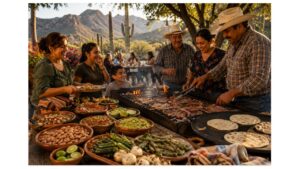
Carne asada could have developed almost anywhere cattle were raised, but Northern Mexico offered the perfect combination of geography, climate, and culture. Vast ranches stretched across Sonora, Chihuahua, Coahuila, Nuevo León, and neighboring states, where generations of ranching families built their livelihoods around raising exceptional beef. Open grazing land, dry climates, and strong ranching traditions naturally made beef the centerpiece of countless family meals.
Mesquite trees also played an important role. Long valued as both cooking fuel and a source of distinctive smoky flavor, mesquite wood became the preferred choice for grilling throughout much of the region. Rather than relying on heavy marinades or complicated sauces, cooks discovered that quality beef cooked over mesquite required little more than salt, fire, and patience.
One ingredient many visitors overlook isn’t the beef at all—it’s the wood. Throughout much of Northern Mexico, mesquite is the traditional fuel for grilling carne asada. Mesquite trees thrive in the dry climates of Sonora and other northern states, producing a dense hardwood that burns hot and imparts a rich, earthy smoke. Because the flavor is naturally bold, cooks often keep the seasoning simple, allowing the combination of quality beef and mesquite smoke to become the star of the meal.
While gas grills have become more common, many families still consider mesquite charcoal or wood the gold standard for authentic carne asada because of the unmistakable flavor it creates.
Weekend carne asadas soon became more than meals—they became social events. Birthdays, holidays, soccer matches, graduations, and ordinary Saturdays all became reasons to gather around the grill. Friends brought side dishes, children played nearby, and conversations often lasted well into the evening. Across Northern Mexico, inviting someone to a carne asada remains one of the simplest expressions of hospitality.
Today, the tradition continues much as it always has. Modern grills may replace older cooking methods, but the spirit remains unchanged: good beef, family, friends, and time spent together around the fire.
Readers interested in exploring how different regions developed their own unique specialties can continue with Regional Mexican Street Food Guide: Famous Dishes from Every Corner of Mexico, where the incredible diversity of Mexico’s regional cuisine comes to life.
THE STORY OF CARNE ASADA BEGINS ON THE RANCHES OF NORTHERN MEXICO, WHERE EXCEPTIONAL BEEF, MESQUITE FIRES, AND FAMILY GATHERINGS CREATED AN ENDURING CULINARY TRADITION.
How Authentic Carne Asada Is Made
Despite its legendary reputation, authentic carne asada is surprisingly simple. The goal isn’t to hide the flavor of excellent beef beneath thick sauces or complicated seasonings. Instead, every step is designed to highlight the quality of the meat itself.
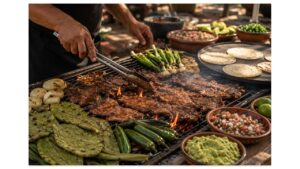
Most cooks begin by selecting a tender, well-marbled cut suitable for high-heat grilling. Depending on the region and family tradition, the beef may be lightly seasoned with salt and pepper or briefly marinated with citrus, garlic, and a few simple spices. The meat is then grilled quickly over hot mesquite charcoal, developing a flavorful crust while remaining juicy inside.
As the beef rests, flour tortillas warm on the comal while onions, jalapeños, and sometimes nopales cook directly over the fire. Fresh salsa, pico de gallo, guacamole, cilantro, lime wedges, and grilled vegetables complete the meal. Rather than following strict serving rules, everyone builds tacos or plates exactly the way they like them.
One of the joys of authentic carne asada is how personal it becomes. Some diners pile their tortillas high with salsa and grilled onions, while others prefer little more than beef, salt, and a squeeze of fresh lime. Every gathering reflects the family’s own traditions while honoring the same ranch-style cooking philosophy that has defined Northern Mexico for generations.
THE SECRET TO GREAT CARNE ASADA ISN’T A COMPLEX MARINADE—IT’S EXCEPTIONAL BEEF, A HOT MESQUITE FIRE, AND THE CONFIDENCE TO LET SIMPLE INGREDIENTS SHINE.
How Carne Asada Is Served Across Mexico
Although Northern Mexico is the birthplace of carne asada, the dish has spread across the country, with every region adding its own personality. The grilled beef itself remains the centerpiece, but the way it’s served often reflects local ingredients, family traditions, and regional tastes.
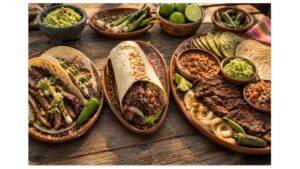
In Sonora, carne asada is almost inseparable from large, paper-thin flour tortillas. Freshly grilled beef is sliced into strips and wrapped with grilled onions, roasted chiles, guacamole, and salsa, creating simple tacos that let the quality of the beef shine. If you’ve ever wondered why wheat flour became the foundation of Northern Mexican cooking instead of corn, Flour Tortillas Explained: Why Northern Mexico Chose Wheat Over Corn explores the history behind Sonora’s famous tortillas and the region’s unique ranching traditions. Oversized burros are another regional favorite, using Sonora’s legendary flour tortillas to hold generous portions of grilled meat and fresh toppings.
Across neighboring states like Chihuahua, Coahuila, and Nuevo León, family cookouts often feature grilled sausages, whole onions, baked potatoes, charro beans, and melted cheese alongside the beef. These hearty accompaniments reflect Northern Mexico’s ranching traditions and make carne asada the centerpiece of long weekend gatherings.
Travel farther south, and you’ll find carne asada tucked into tortas, layered over fries, served with rice and beans, or incorporated into countless regional dishes. While the presentation changes, the same principles remain: quality beef, high heat, and fresh accompaniments.
If you’d like to experience another classic Northern Mexican specialty, Burros Explained: Northern Mexico’s Oversized Flour Tortilla Classic shows how Sonora’s legendary flour tortillas became the perfect partner for grilled carne asada.
WHEREVER YOU TRAVEL IN MEXICO, CARNE ASADA ADAPTS TO LOCAL TRADITIONS WHILE REMAINING A SYMBOL OF SIMPLE, FIRE-COOKED FLAVOR.
Where to Experience Authentic Carne Asada
Some of the best carne asada in Mexico isn’t found in famous restaurants—it’s enjoyed in backyards, ranches, neighborhood taquerías, and roadside grills where recipes have been passed down through generations. Throughout Sonora, Chihuahua, Coahuila, and Nuevo León, weekend afternoons are filled with the unmistakable aroma of mesquite smoke drifting through neighborhoods as families prepare for gatherings that often last until sunset.
Visitors exploring cities such as Hermosillo, Ciudad Obregón, Monterrey, Saltillo, or Chihuahua City will find countless taquerías and parrillas specializing in freshly grilled beef served with handmade flour tortillas and simple accompaniments. Many local restaurants proudly advertise beef sourced from nearby ranches, reflecting the region’s long-standing reputation for exceptional cattle.
One of the most memorable ways to experience carne asada is to visit during a local festival, family celebration, or weekend gathering where grilling is treated as a social event rather than simply a meal. Friends gather around the fire, children play nearby, conversations stretch for hours, and everyone builds tacos exactly the way they like them. The experience is every bit as important as the food itself.
If you’re fascinated by the ingredients that make authentic carne asada so memorable—from flour tortillas and nopales to roasted chiles and fresh salsas—continue with The Complete Mexican Street Food Guide: Ingredients, Dishes, Regions & Cooking Terms Explained
TO EXPERIENCE AUTHENTIC CARNE ASADA, FOLLOW THE MESQUITE SMOKE, FIND A LOCAL GRILL, AND SHARE THE TABLE WITH THE PEOPLE WHO HAVE KEPT THIS TRADITION ALIVE FOR GENERATIONS.
🌶️ Recommended Peppers of Key West Products for Carne Asada
Authentic carne asada doesn’t need to be complicated—it simply deserves products that complement its smoky grilled beef, fresh tortillas, and vibrant toppings. These Peppers of Key West favorites were selected specifically because they naturally pair with Northern Mexico’s legendary grilling tradition.
Product Pairing Quick Guide
- Authentic Carne Asada Steaks → Peppers of Key West Macho Beefy Steak Seasoning
- Carne Asada Tacos & Burritos → Peppers of Key West Jalapeno Garlic Sauce
- Extra Heat for Steak & Toppings → Peppers of Key West Serrano Pepper Hot Sauce
- Family Cookouts & Backyard BBQs → Peppers of Key West BBQ Gift Box
Best Peppers of Key West Seasonings and Sauces for Carne Asada
Authentic carne asada is built on quality beef, but the right seasoning and finishing sauce can elevate every bite. These Peppers of Key West favorites were chosen to complement mesquite-grilled steak, warm flour tortillas, fresh salsa, and the bold ranch-style flavors that define Northern Mexico.
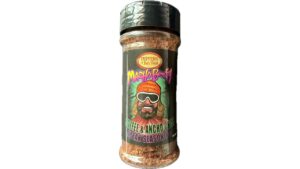
🥩 Peppers of Key West Macho Beefy Steak Seasoning
Made for grilled beef, this bold seasoning combines rich coffee, ancho chile, and savory spices that complement the natural flavor of carne asada without overpowering it. Sprinkle it on steaks before grilling over mesquite for a deep, smoky crust worthy of Northern Mexico.
👉 Perfect For: Carne asada, skirt steak, flank steak, grilled beef tacos, burros, fajitas.
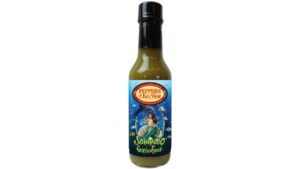
🌶️ Peppers of Key West Jalapeno Garlic Sauce
Fresh jalapeños and garlic bring bright flavor that works beautifully as a finishing sauce for sliced carne asada. Drizzle it over tacos, burritos, grilled onions, or roasted nopales for an extra layer of savory heat.
👉 Perfect For: Carne asada tacos, burritos, grilled onions, roasted peppers, nachos.
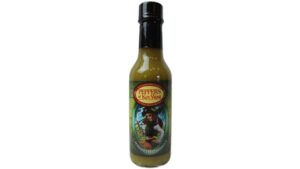
🔥 Peppers of Key West Serrano Pepper Hot Sauce
If you enjoy authentic Mexican-style table sauces with clean pepper flavor, this serrano sauce is a natural companion to grilled beef. A few dashes brighten steak, salsa, beans, and fresh tortillas without hiding the flavor of the meat.
👉 Perfect For: Carne asada, tacos, beans, rice, grilled vegetables, eggs.
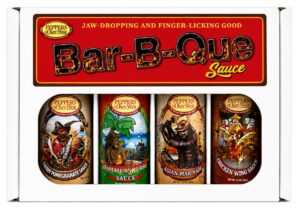
🎁 Peppers of Key West BBQ Gift Box
Planning a backyard cookout or shopping for a grill enthusiast? The BBQ Gift Box offers a variety of Peppers of Key West grilling favorites, making it easy to experiment with different flavor combinations for carne asada and other barbecue classics.
👉 Perfect For: Backyard grilling, family cookouts, gifts, BBQ weekends, outdoor entertaining.
Why Carne Asada Is More Than Grilled Beef
From a distance, carne asada may look like a straightforward meal of steak cooked over an open flame. Spend time in Northern Mexico, however, and it quickly becomes clear that the tradition is about much more than beef.
The grill becomes a gathering place. Parents prepare salsa and guacamole while someone tends the fire. Children carry tortillas to the table, relatives arrive with bowls of beans or grilled vegetables, and neighbors stop by after catching the unmistakable scent of mesquite smoke. The cooking may begin in the afternoon, but the conversations frequently continue long after the food is served.
Carne asada also reflects the landscapes and working traditions of Northern Mexico. Cattle ranches supplied the beef, dry climates supported mesquite trees, and flour tortillas became the practical foundation for tacos and oversized Sonoran burros. What began as regional ranch cooking gradually became one of Mexico’s most recognizable food traditions.
That is why authentic carne asada cannot be reduced to a marinade or a particular cut of steak. It is beef, fire, tortillas, hospitality, and the understanding that a good meal tastes better when the entire family gathers around it.
CARNE ASADA ENDURES BECAUSE IT TRANSFORMS SIMPLE BEEF AND FIRE INTO A CELEBRATION OF NORTHERN MEXICO’S RANCHING HERITAGE, FAMILY LIFE, AND GENEROUS HOSPITALITY.
Final Thoughts on Authentic Carne Asada
Carne asada proves that extraordinary food does not always require complicated ingredients. Quality beef, a hot mesquite fire, warm flour tortillas, grilled vegetables, fresh salsa, and a squeeze of lime are enough to create one of Northern Mexico’s most memorable meals.
Yet the food is only part of the experience. The real tradition lives in the people gathered around the grill, the recipes passed between generations, and the long afternoons that turn into evenings filled with conversation. Whether served as Sonoran tacos, tucked inside an oversized burro, or arranged on a platter with beans and roasted chiles, carne asada carries the unmistakable character of Northern Mexico.
Follow the mesquite smoke through Sonora, Chihuahua, Coahuila, or Nuevo León, and you will find more than grilled steak. You will find ranch cooking, regional pride, family hospitality, and one of Mexico’s greatest excuses to spend the entire weekend around the fire.
No matter which Northern Mexican state you visit, you’ll discover that carne asada isn’t simply something people eat—it’s how families celebrate, welcome friends, and keep generations of ranching traditions alive.
Frequently Asked Questions About Carne Asada
What cut of beef is traditionally used for carne asada?
Common cuts include arrachera, skirt steak, flank steak, sirloin, diezmillo, and other thin, flavorful cuts that cook quickly over high heat. The preferred cut varies by region and family.
Is carne asada always marinated?
No. Some cooks use citrus juice, garlic, pepper, or spices, while others season quality beef only with salt. In many Northern Mexican traditions, the mesquite smoke provides much of the flavor.
What is the difference between carne asada and grilled steak?
Carne asada refers not only to the grilled beef but also to a Northern Mexican style of cooking and gathering. It is commonly served with tortillas, salsa, grilled onions, chiles, beans, guacamole, and lime.
Why are flour tortillas commonly served with carne asada?
Flour tortillas are deeply associated with Northern Mexico, especially Sonora, where wheat grows well and large, flexible tortillas are used for tacos and burros.
Can carne asada be cooked on a gas grill?
Yes. A gas grill can produce excellent carne asada, although mesquite wood or charcoal adds the smoky flavor traditionally associated with Northern Mexican grilling.
How hot should the grill be for carne asada?
The grill should be very hot so thin steaks develop a browned exterior before the inside becomes dry. Most carne asada cuts require only a few minutes per side.
What sides are traditionally served with carne asada?
Popular accompaniments include flour tortillas, charro beans, grilled onions, roasted jalapeños, nopales, guacamole, salsa, pico de gallo, lime, and baked or grilled potatoes.
Is carne asada the same as carne asada tacos?
Not exactly. Carne asada is the grilled beef and the broader cooking tradition. Carne asada tacos are one of the most popular ways to serve the finished meat.
What does carne asada mean in English?
Carne asada translates approximately to “grilled meat” or “roasted meat,” although the term generally refers to grilled beef in Mexican cooking.
Can leftover carne asada be used for breakfast?
Yes. Leftover grilled beef is commonly added to breakfast tacos, burritos, eggs, quesadillas, and other morning dishes.
Continue Your Mexican Street Food Adventure
From This Collection
- Burros Explained: Northern Mexico’s Oversized Flour Tortilla Classic
- Cabrito Explained: Northern Mexico’s Legendary Fire-Roasted Goat That Defines Monterrey Cuisine
- Mexican Street Food Breakfast Favorites Worth Waking Up Early For
- Mexican Street Food Sauces Beyond Salsa: Crema, Chili Oils, Citrus Heat & More
- The Complete Mexican Street Food Guide: Ingredients, Dishes, Regions & Cooking Terms Explained
- Huaraches Explained: Mexico’s Giant Oval Street Food Loaded with Flavor
- Mexican Street Tacos Explained: The Authentic Street Food That Started It All
- Street Quesadillas vs American Quesadillas: Why They’re Not the Same Thing
Expand Your Flavor Journey
- Best Hot Sauce for Beef Tacos: Bold Sauces That Cut Through the Fat
- The Amazing Guide to Taco Sauce Pairing: Best Hot Sauce for Tacos, Meats, Fish & Street Taco Flavor Hacks
- Best Mexican Street Taco Meats: The Ultimate Guide to Authentic Taco Flavor
- Mild vs Hot Taco Sauces (How to Choose the Perfect Heat Level for Any Taco)
See More Keywords
carne asada meaning, carne asada origin, carne asada history, carne asada marinade, authentic carne asada recipe, Sonoran carne asada, Northern Mexico food, mesquite-grilled beef, carne asada seasoning, carne asada tacos, carne asada burrito, Sonoran burro, flour tortilla tacos, Mexican steak tacos, Mexican grilled steak, arrachera carne asada, diezmillo carne asada, skirt steak carne asada, carne asada side dishes, carne asada toppings, carne asada salsa, carne asada with guacamole, carne asada with nopales, Mexican cookout food, Mexican backyard barbecue, traditional Mexican grilling, mesquite wood grilling, Mexican ranch cuisine, Sonora ranching culture, Mexican beef dishes, carne asada platter, carne asada party, carne asada taco bar, grilled onions and jalapeños, authentic Northern Mexican cuisine, carne asada family gathering, how to serve carne asada, what to eat with carne asada
