
Fresh vs Cooked Salsa: Which One Tastes Better? (And Why People Argue About It)
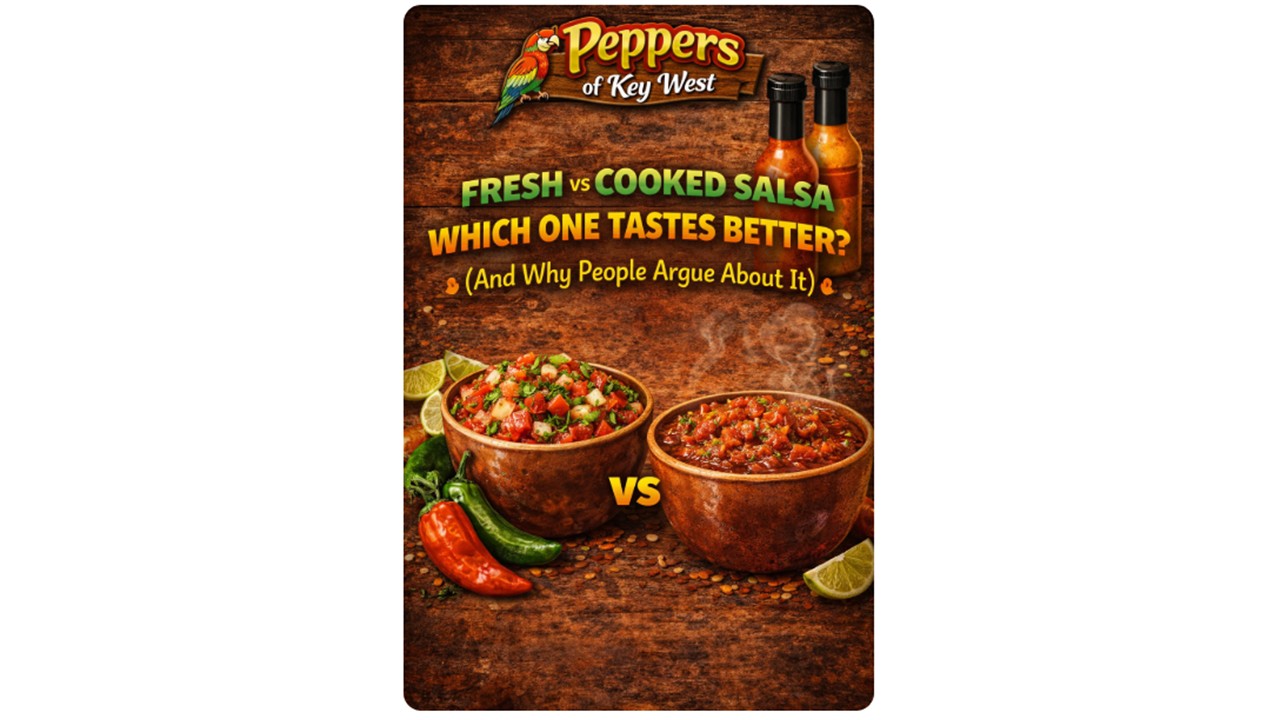
Fresh salsa is bright and lively. Cooked salsa is deep and rich. Choosing between them shouldn’t feel like picking a favorite child—but here we are.
Few food debates get as unexpectedly intense as fresh versus cooked salsa. It seems simple on the surface—one is raw, one is cooked—but once you start paying attention to how they taste, feel, and pair with food, you realize this isn’t just a small difference. It’s a completely different experience.
Fresh salsa, often referred to as salsa fresca or pico de gallo, is all about brightness. The ingredients are raw, which means nothing is softened or blended into submission. Tomatoes are crisp and juicy, onions are sharp, cilantro is vibrant, and lime brings everything together with a clean acidity. Every bite is distinct. You can taste each ingredient individually, yet they still work together as a whole.
Cooked salsa is the opposite approach. Heat transforms everything. Tomatoes become richer and slightly sweeter. Onions mellow out. Garlic deepens. The flavors blend into something more unified, more complex, and often more comforting. Instead of sharp contrasts, you get depth and cohesion.
If you’ve ever wondered why these two feel so different, understanding the difference between pico de gallo and salsa gives you a clear starting point. Fresh salsa highlights ingredients. Cooked salsa transforms them.
Texture plays a huge role in how we experience both. Fresh salsa is chunky and structured. It has bite. Cooked salsa tends to be smoother, sometimes even blended, creating a more consistent texture. Neither is better—it just depends on what you’re looking for.
Flavor is where the real debate happens. Fresh salsa feels alive. It’s bright, sharp, and refreshing. Cooked salsa, similar to our Key West Key Lime Salsa, feels deeper. It’s layered, rich, and often more intense. The question isn’t which one tastes better—it’s which one fits the moment.
This is where hot sauce becomes a powerful tool. A well-crafted hot sauce, like our Charlie’s Hard Times Hot Sauce, doesn’t just add heat—it helps bridge the gap between these two styles. It can enhance freshness or deepen richness, depending on how it’s used. Confused about what the best hot sauce for salsa is – this post will provide some information?
With fresh salsa, the goal is to preserve brightness. Adding too much heat can overwhelm the natural flavors. Instead, a lighter, citrus-forward hot sauce, like our Key West Key Lime Hot Sauce, works best. It amplifies what’s already there without taking over. This is exactly where Peppers of Key West hot sauce excels. Its balanced, tropical flavor profile enhances freshness instead of masking it.
Cooked salsa, on the other hand, can handle more intensity. Because the ingredients are already softened and blended, they can support bolder heat. Smoky or deeper hot sauces layer beautifully into cooked salsa, adding complexity rather than overpowering it.
If you’re trying to decide which style you prefer, it helps to think about what you’re eating. Fresh salsa pairs well with lighter dishes—grilled chicken, fish tacos, or simple chips. Cooked salsa works better with heavier dishes—enchiladas, burritos, or anything with melted cheese.
Choosing the best hot sauce for salsa depends on this context. There isn’t one perfect option—there’s only the right option for the situation.
Another important factor is how heat is perceived. In fresh salsa, heat feels sharper and more immediate. In cooked salsa, heat feels smoother and more integrated. This difference can completely change how spicy something feels, even if the actual heat level is the same.
Freshness also plays a role in how long salsa stays appealing. Fresh salsa is best enjoyed quickly. It’s vibrant and crisp, but those qualities fade over time. Cooked salsa lasts longer. Its flavors continue to develop, making it more forgiving.
If you’re trying to push your fresh salsa further, learning how to make pico de gallo spicier without losing that freshness is a great place to start. It teaches you how to balance heat without sacrificing what makes fresh salsa special.
Understanding peppers also adds another layer to this conversation. Different peppers behave differently when cooked. Some become sweeter. Others become smokier. Learning about peppers used in hot sauce helps you choose the right combination for each style.
One of the biggest mistakes people make is assuming they have to choose one over the other. You don’t. The best setups often include both. Fresh salsa for brightness. Cooked salsa for depth. Hot sauce to customize everything.
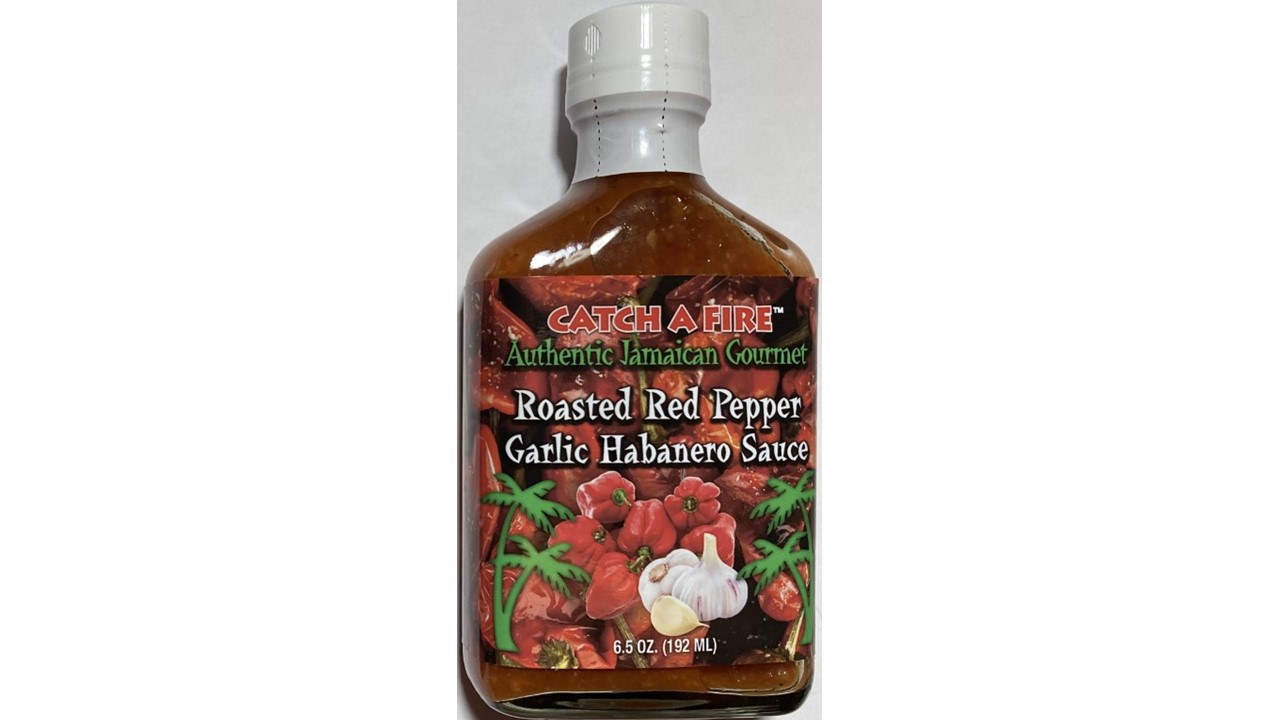
Want to taste the difference? Try Catch a Fire’s Roasted Red Pepper and Garlic Hot Sauce with both fresh and cooked salsa and see how it enhances each in a completely different way.
At the end of the day, this isn’t about declaring a winner. It’s about understanding what each style offers and using them intentionally. Once you do that, you stop arguing and start enjoying.
And if you’re ready to upgrade both styles at once, Peppers of Key West is where to start.
❓ Frequently Asked Questions
- What is the difference between fresh and cooked salsa?
Fresh salsa uses raw ingredients for a bright flavor, while cooked salsa uses heat to create deeper, richer flavors. - Which salsa tastes better, fresh or cooked?
It depends on preference—fresh is lighter and brighter, while cooked is deeper and more complex. - Can you add hot sauce to both types of salsa?
Yes, hot sauce enhances both fresh and cooked salsa when used properly. - Does cooked salsa have more flavor than fresh salsa?
Cooked salsa has deeper flavor, but fresh salsa offers more brightness and contrast. - What makes Peppers of Key West hot sauce work with both styles?
It delivers balanced heat and flavor that adapts to both fresh and cooked ingredients.
Quick Thoughts:
Salsa lovers are split into two passionate camps: those who swear by the bright, crisp flavor of fresh salsa, and those who prefer the deep, rich taste of cooked salsa. So, which one actually tastes better? The answer isn’t as simple as you might think—and that’s exactly why people argue about it.
At the core, the difference comes down to heat and transformation. Fresh salsa (raw / pico de gallo) is made with uncooked ingredients; cooked salsa is simmered or roasted to blend and deepen flavors
Fresh salsa:
Bright, crisp, and tangy
Chunky texture
Strong individual ingredient flavors
Cooked salsa:
Rich, smoky, and blended
Softer or smoother texture
Ingredients meld into a deeper flavor
Why People Argue About It
This debate isn’t really about “better”—it’s about preference psychology.
1. Freshness vs Comfort: Fresh salsa feels light and clean; Cooked salsa feels warm and satisfying
2. Texture Preference: Some people love chunky bites; Others prefer smooth, cohesive sauces
3. Flavor Intensity: Fresh salsa highlights individual ingredients; Cooked salsa blends everything into one unified taste
4. Cultural Influence: Mexican pico de gallo = fresh; Many traditional salsas = roasted or cooked
🌶️ Best Peppers for Each Type of Salsa
This is where your flavor really levels up.
For Fresh Salsa:
Jalapeños → mild heat, crisp bite
Serranos → brighter, sharper heat
👉 Great for pico de gallo and dipping
For Cooked Salsa:
Chipotle → smoky depth
Roasted Habanero → intense, fruity heat
👉 Perfect for tacos, meats, and sauces
🛒 Want Better Flavor? It Starts With Better Peppers
No matter which salsa you prefer, pepper quality makes the biggest difference.
Fresh salsa shines with crisp, flavorful peppers; Cooked salsa benefits from rich, well-developed heat
👉 Using premium peppers gives you: cleaner heat, stronger flavor, more consistent results
⚖️ So Which Salsa Actually Tastes Better?
Here’s the honest answer: Fresh salsa tastes better if you want brightness, freshness, and texture
Cooked salsa tastes better if you want richness, depth, and balance
👉 There’s no universal winner—just the right salsa for the moment
🧪 When to Use Each Type
Use Fresh Salsa When: Serving chips or appetizers, Topping tacos or salads, you want a refreshing flavor
Use Cooked Salsa When: Cooking meats or sauces, making enchiladas or stews, you want a deeper, richer taste
)