
Why Your Peppers Aren’t Hot (Fix Heat Fast)
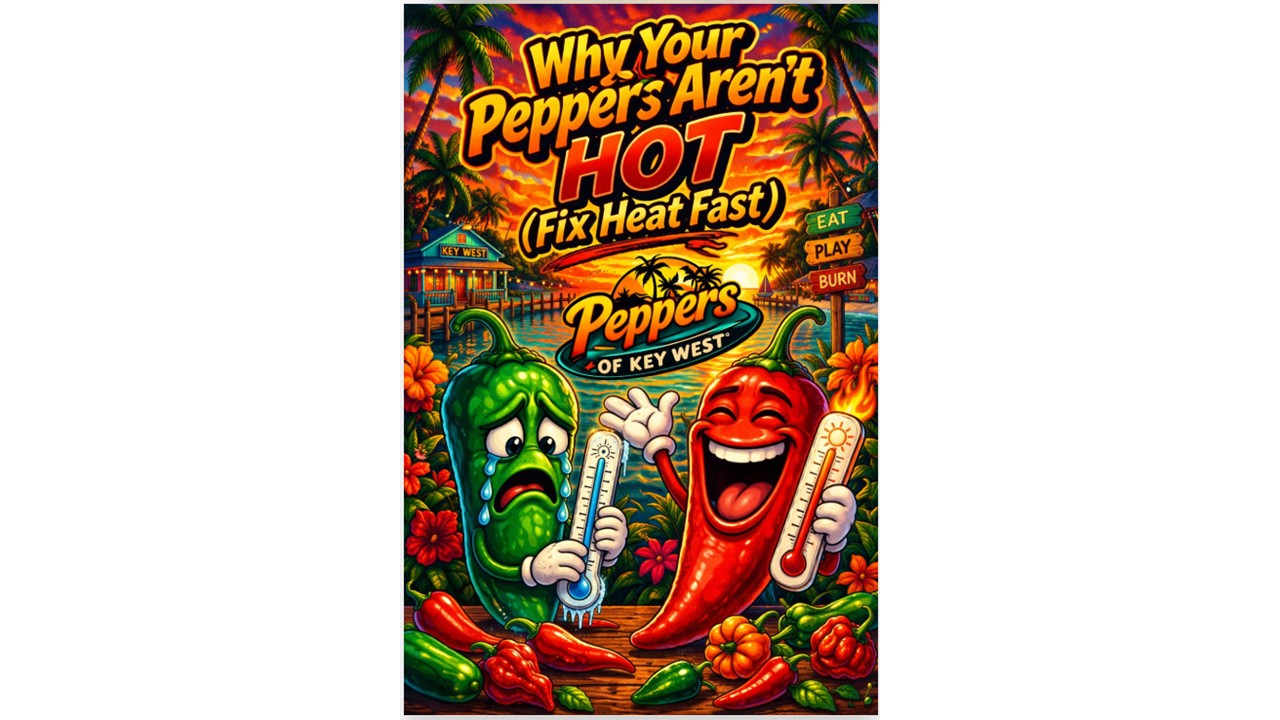
You waited patiently. You watered faithfully. You bragged a little. Then you took a bite… and nothing happened. If your peppers look fiery but taste suspiciously mild, you’re not alone. This guide explains why peppers lose their heat and how to fix it fast—without sacrificing flavor or your pride.
Want the full system first? Start with our Ultimate Guide to Growing Hot Peppers, Boosting Heat & Choosing Hot Sauce and see how it all fits together.
Why Your Peppers Aren’t Hot and How to Increase Pepper Heat Levels 🌶️
You grew the plants, watered them, waited patiently… and then the peppers showed up tasting like disappointment. If your peppers aren’t hot, something in your growing conditions is suppressing capsaicin production—the compound responsible for heat. This is one of the most frustrating problems growers face because the plant looks healthy, the peppers look perfect, but the heat just isn’t there.
Capsaicin production is not random. It’s directly influenced by stress, environment, genetics, and timing. When everything is too comfortable, your peppers stay mild. When conditions are dialed in correctly, heat develops fast and aggressively.
🔥 If your peppers aren’t hot, you didn’t grow them wrong—you grew them too comfortably.
To understand how pepper heat is actually measured, explore How Hot Is Too Hot? The Scoville Scale Explained and see how your peppers should compare.
Pepper Plant Growing Conditions That Reduce Heat and Flavor 🌡️
The biggest reason peppers lack heat is environmental balance. Too much water, too much nitrogen, and overly stable conditions reduce stress—and that reduces heat. Pepper plants produce more capsaicin when they experience controlled stress, particularly through slightly reduced watering and strong sunlight exposure.
Temperature also plays a critical role. Warm, consistent heat encourages capsaicin production, while cooler temperatures suppress it. If your peppers are growing in mild conditions, they will taste mild.
This concept directly connects to flavor development as well. Dive into The Flavor of Different Hot Peppers to understand how heat and flavor evolve together.
Best Ways to Increase Pepper Heat Fast Without Damaging Plants 🚀
If you want to increase pepper heat fast, you need to adjust stress levels carefully. Reduce watering slightly—never to the point of wilting—and allow the soil to dry between cycles. Increase sunlight exposure and avoid overfeeding with nitrogen-heavy fertilizers.
Switching to fertilizers higher in potassium and phosphorus encourages fruit development and heat concentration. Timing matters too. Peppers left on the plant longer will often develop more heat as capsaicin continues to concentrate.
🔥 Heat is not added at harvest—it’s built throughout the plant’s entire growing process.
To see how different peppers naturally vary in heat, check out World’s Hottest Peppers Ranked and understand the upper limits.
How Pepper Variety Affects Heat Levels and Final Spice 🌶️
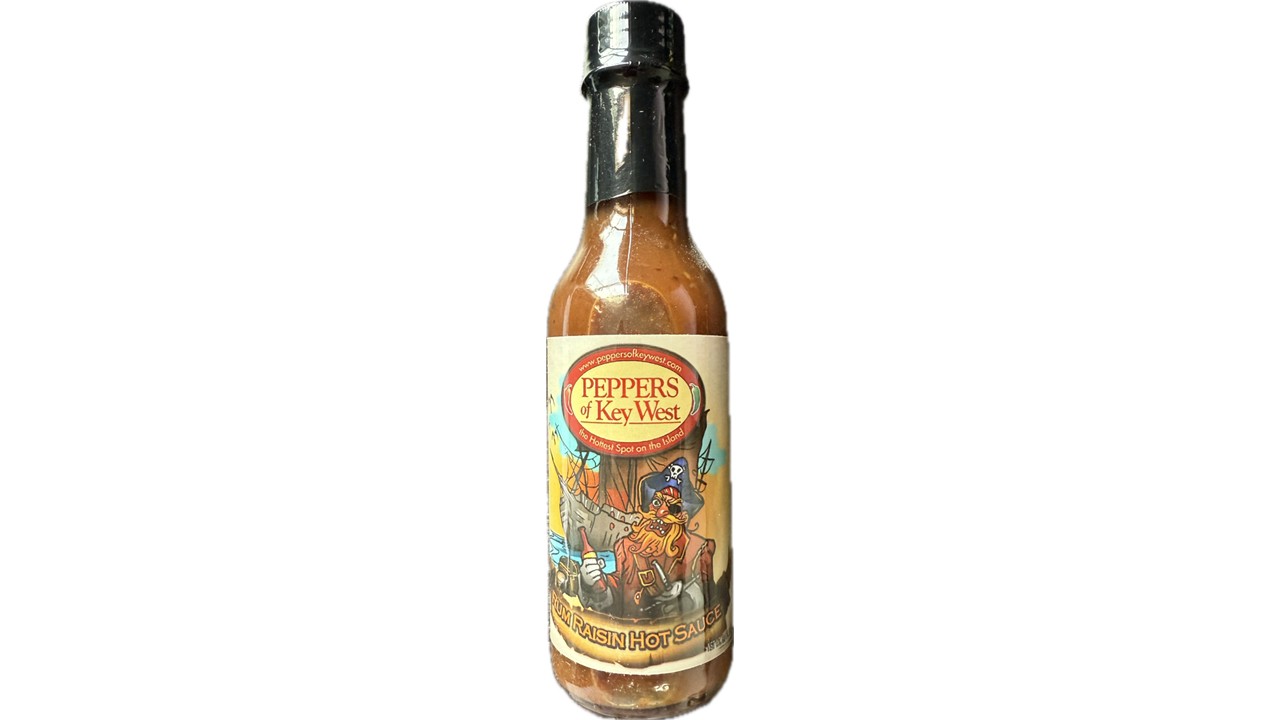
Not all peppers are capable of extreme heat. Genetics determine the baseline, and no amount of growing optimization will turn a jalapeño into a ghost pepper. However, even within a variety, growing conditions dramatically influence final heat levels.
Choosing the right pepper variety is critical if your goal is high heat. Habaneros, ghost peppers, and Carolina Reapers all have different heat potentials, and understanding these differences ensures realistic expectations.
🔥 You can’t grow extreme heat from mild genetics—but you can ruin extreme heat with poor conditions.
Explore Top Peppers Used in Hot Sauce to understand how pepper choice impacts both heat and flavor.
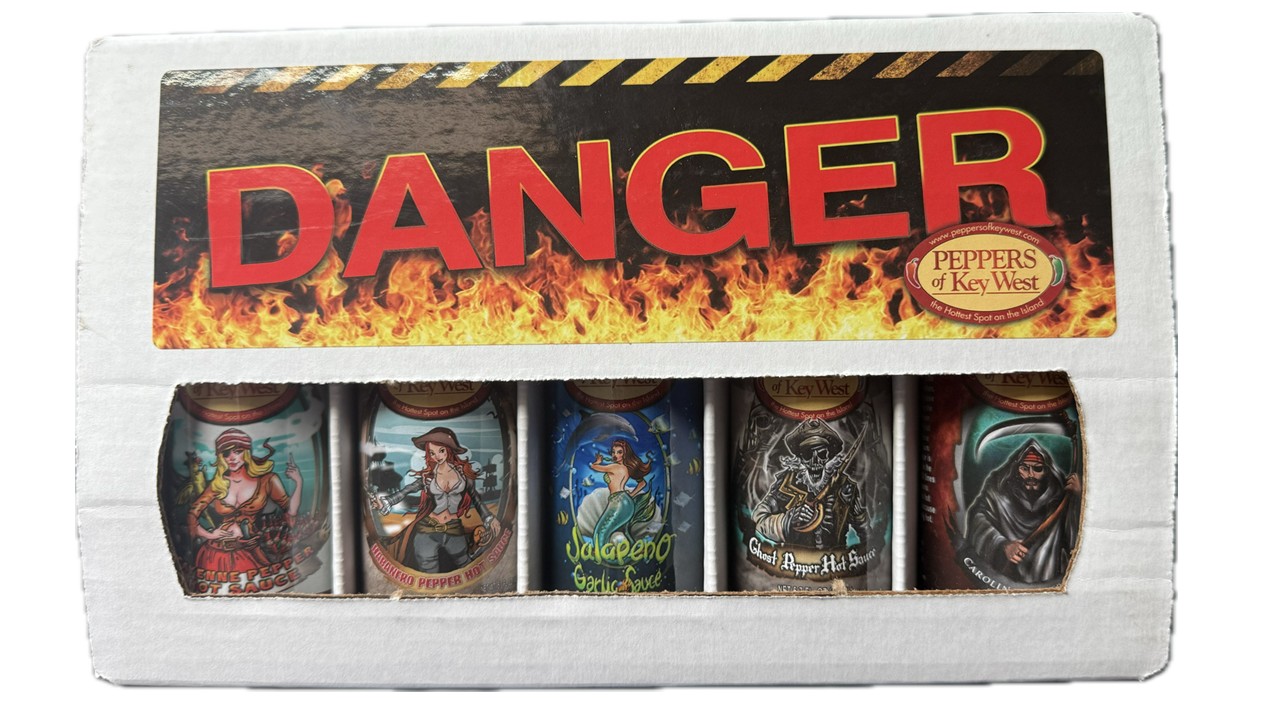
How Growing Better Peppers Translates to Better Hot Sauce Flavor 🌴🔥
Growing hotter peppers doesn’t just improve your garden—it transforms your hot sauce. Capsaicin contributes not only heat but also depth and complexity when balanced correctly.
At Peppers of Key West, the focus is always on balancing heat with bold, tropical flavor. The same principles that increase heat in your garden are what create unforgettable sauces in the bottle.
If you want to understand how heat and balance create great sauces, explore What Makes a Great Hot Sauce and see how everything connects.
❓ Frequently Asked Questions:
- Why are my peppers not spicy?
Peppers are not spicy due to low stress, excessive watering, mild temperatures, or genetics, all of which reduce capsaicin production and result in lower heat levels. - How can I make my peppers hotter?
Increase heat by reducing watering slightly, increasing sunlight, avoiding excess nitrogen, and allowing peppers to mature fully on the plant before harvesting. - Does watering affect pepper heat?
Yes, overwatering reduces stress and lowers capsaicin production, while controlled watering helps increase heat without damaging the plant. - Do peppers get hotter the longer they stay on the plant?
Yes, leaving peppers on the plant longer allows capsaicin levels to increase, resulting in hotter and more flavorful peppers at harvest. - What fertilizer helps peppers get hotter?
Fertilizers higher in potassium and phosphorus support fruit development and heat concentration, while excess nitrogen should be avoided. - Does sunlight increase pepper heat?
Yes, strong sunlight increases stress and capsaicin production, leading to hotter peppers with more intense flavor. - Can mild peppers become hot?
No, genetics determine baseline heat, so mild peppers cannot become extremely hot, but their flavor and slight heat can still be enhanced. - What temperature is best for hot peppers?
Warm temperatures between 70 and 90 degrees Fahrenheit encourage capsaicin production and optimal pepper growth. - Why do some peppers taste hotter than others?
Differences in genetics, growing conditions, and maturity levels affect capsaicin concentration, creating variation in heat levels. - Where can I learn more about peppers and hot sauce?
You can explore expert guides and pepper insights at Peppers of Key West, covering heat levels, flavor, and growing techniques.
👉Unlock deeper heat strategies, pepper insights, and flavor mastery below:
- How Hot Is Too Hot? The Scoville Scale Explained
- World’s Hottest Peppers Ranked
- The Flavor of Different Hot Peppers
- Mild vs Hot vs Extreme Hot Sauce
- Top Peppers Used in Hot Sauce
- Best Hot Sauces for Beginners
- Extreme Hot Sauce Challenge Guide
- Carolina Reaper vs Ghost Pepper
- Cooking with Superhot Peppers Safely
- What Makes a Great Hot Sauce
)