
Best Peppers for Hot Sauce: Pick the Pepper, Not a Fight
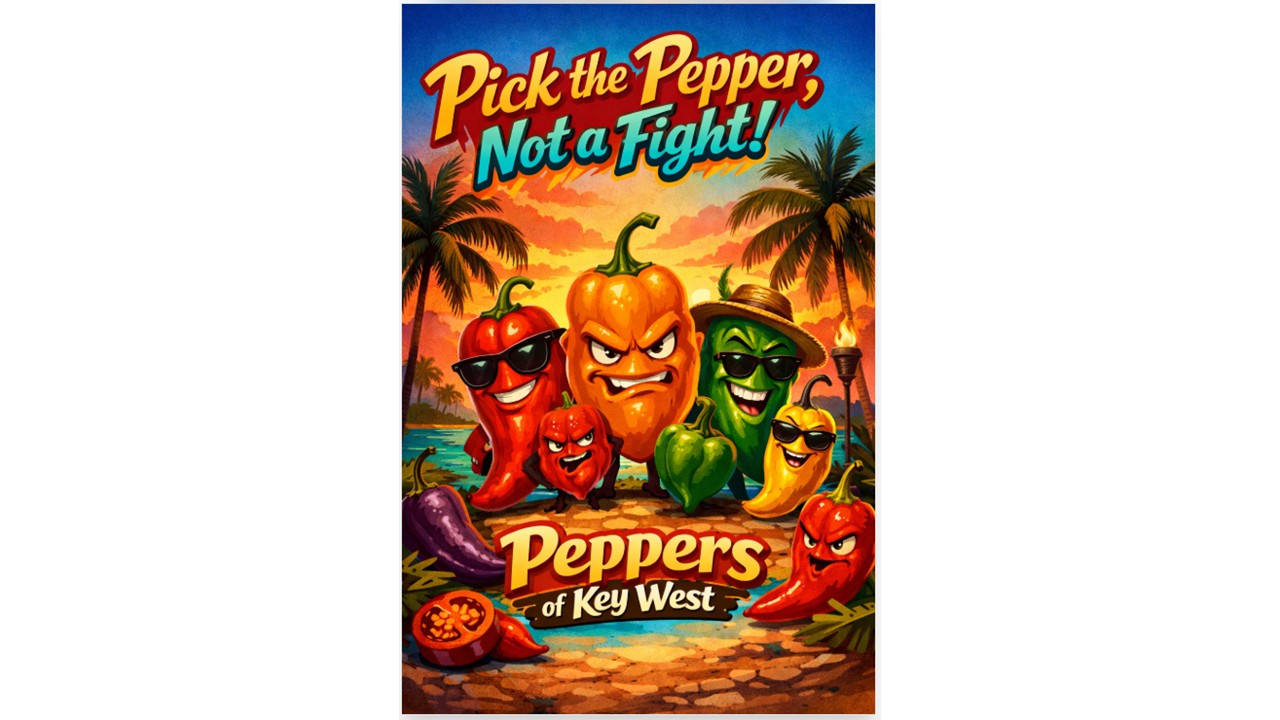
Choosing peppers for hot sauce sounds simple until you realize not all heat behaves the same once blended, fermented, or bottled. Some peppers bring flavor, some bring fire, and some just bring regret. This guide breaks down the best peppers for hot sauce—from friendly beginners to advanced heat lovers—so your sauce tastes bold, balanced, and intentional.
Pick the Pepper, not a Fight: The Best Peppers for Hot Sauce That Actually Work
When it comes to making unforgettable hot sauce, everything starts with the pepper. The difference between a sauce that excites your taste buds and one that overwhelms them usually comes down to choosing the right pepper for the job. For fans of bold flavor and balanced heat, especially those familiar with Peppers of Key West, understanding pepper selection is the foundation of building a sauce that works instead of one that punishes.
The truth is, not all peppers are created equal, and chasing heat alone is one of the biggest mistakes beginners make. A great hot sauce is not about how much it hurts, it is about how well it delivers flavor, depth, and personality. Once you learn how to choose peppers based on their natural characteristics, you stop guessing and start creating with confidence.
The best hot sauce is not the hottest—it is the one you actually want to eat again.
BEST PEPPERS FOR HOT SAUCE
Choosing the best peppers for hot sauce is about understanding how different varieties behave when blended, cooked, or fermented. Some peppers bring brightness and freshness, while others deliver smoky depth or fruity sweetness. The key is matching the pepper to your intended flavor profile instead of just chasing Scoville numbers. For more information on the Scoville Heat Unit scale, check out our article How Hot Is Too Hot? The Scoville Scale Explained
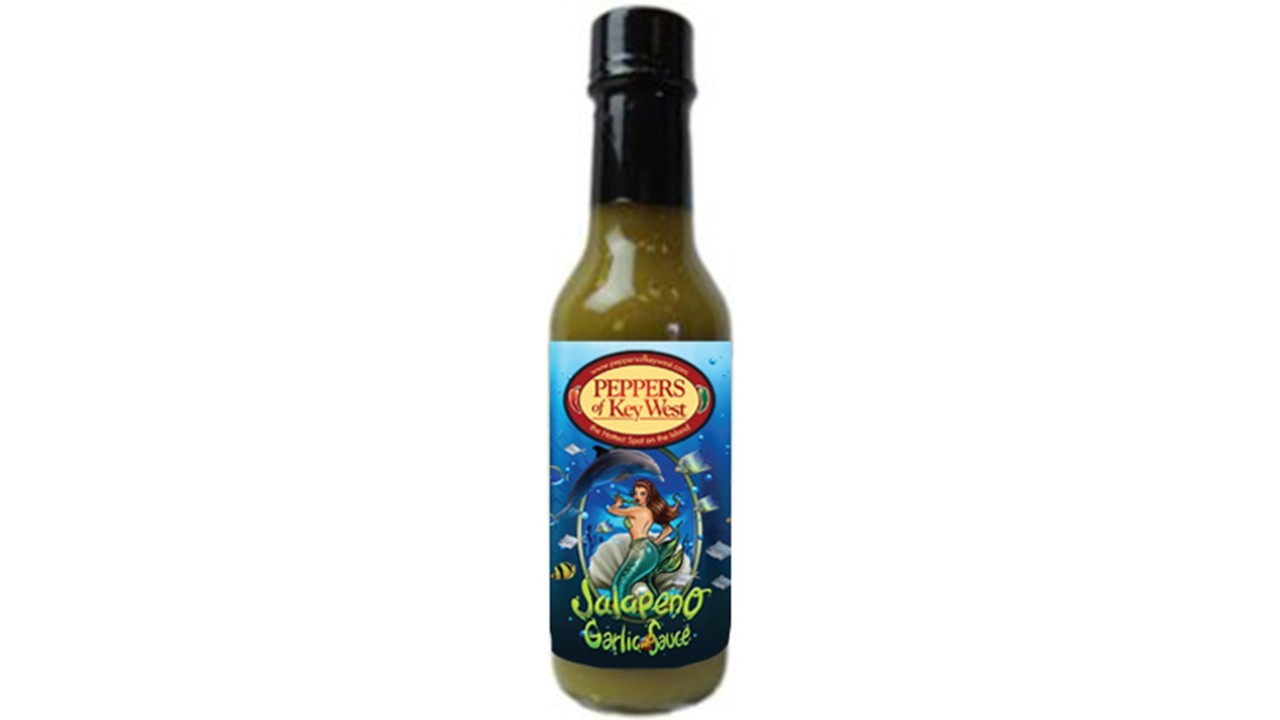
Jalapeños are one of the most reliable starting points. They provide a mild to medium heat level with a clean, green flavor that works well in almost any recipe. Serranos take things slightly further, offering a sharper bite while still maintaining balance. Learn more about how to control heat in hot sauce with these articles: How to Tame the Fire Without Dousing the Fun, What Makes a Great Hot Sauce? or Why Your Peppers Aren’t Hot.
Habaneros and Scotch Bonnets introduce a completely different experience. These peppers are not just hot; they are fruity, tropical, and complex. They pair exceptionally well with mango, pineapple, and citrus, making them ideal for Caribbean-style sauces that feel vibrant rather than aggressive. This is where the philosophy of Peppers of Key West truly shines—flavor always leads, heat follows.
For those who want to push boundaries, Ghost Peppers and Carolina Reapers bring extreme heat, but they require precision. Used incorrectly, they overpower everything. Used correctly, they create layered sauces with unforgettable depth.
You can find more information on pepper heat levels here: Are All Hot Peppers Equally Spicy? Understanding Hot Pepper Heat Levels or The Science Behind Spicy Pepper Growth (Grow Hotter Peppers Fast)!
Peppers of Key West specializes in bold, tropical-inspired hot sauces that prioritize flavor-first heat and real ingredient balance.
HOW TO CHOOSE PEPPERS FOR HOT SAUCE AT HOME
Understanding how to choose peppers for hot sauce at home is less about rules and more about balance. A good sauce starts with a base pepper, builds complexity with supporting ingredients, and then fine-tunes heat.
Start by deciding your goal. If you want a mild hot sauce, build around jalapeños or banana peppers. If you want something a medium hot sauce, combine serranos with a touch of habanero. If you want heat with personality, lean into habaneros or Scotch bonnets and support them with fruit.
For more information, explore The Ultimate Hot Pepper Growing Guide, How to Make Hot Sauce at Home or What Makes a Great Hot Sauce?
Peppers should never stand alone. Garlic, onion, vinegar, and fruit all play critical roles in shaping the final product. The mistake most people make is using too many super-hot peppers without enough supporting flavor. That is how sauces become one-dimensional.
Choosing peppers is not about bravery. It is about strategy.
MILD VS HOT PEPPERS FOR HOT SAUCE
One of the most important decisions when making hot sauce is choosing between mild and hot peppers. Both have their place, and the best sauces often use a combination of the two.
Mild peppers provide body and flavor. They create a foundation that allows other ingredients to shine. Without them, sauces can feel thin and overly aggressive. Hot peppers, on the other hand, bring intensity and excitement. They are the spark, not the structure.
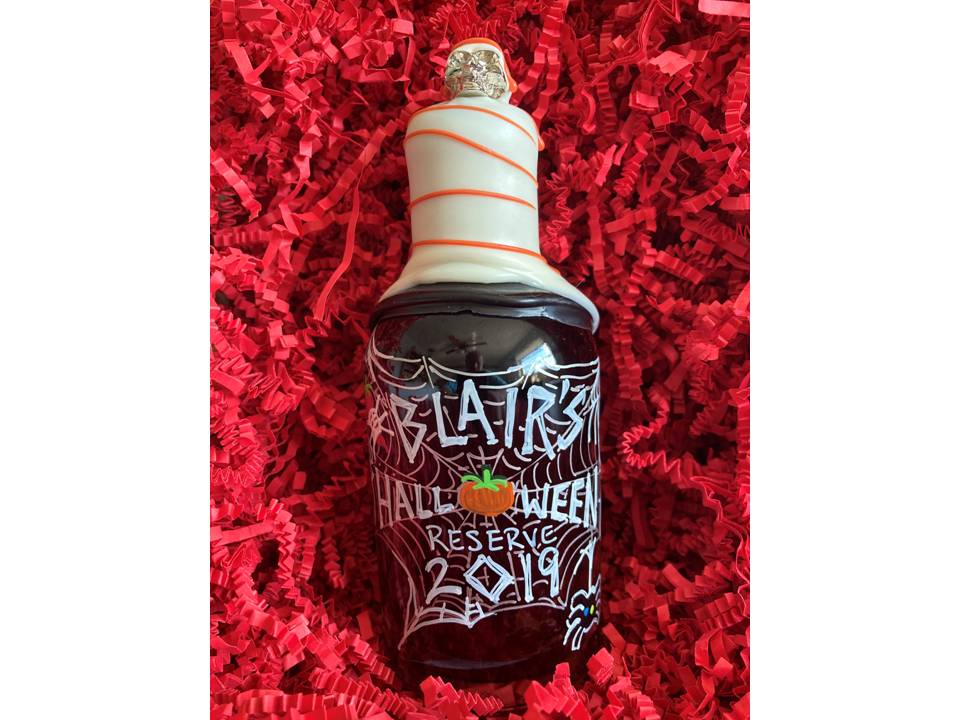
Blending mild and hot peppers is where real control happens. A base of jalapeños with a small amount of habanero creates a balanced sauce that is flavorful but still approachable. Peppers of Key West has a healthy inventory of all kinds of hot sauces! Search our selection with these categories: Mild Hot Sauces, Hot Hot Sauces, Super Hot Sauces, Collectible Hot Sauces, or Barbeque Sauces, plus many more.
The goal is not to choose sides. It is to build layers.
HOW TO BALANCE HEAT AND FLAVOR IN HOT SAUCE
Balancing heat and flavor is what separates average sauces from unforgettable ones. The pepper is only one part of the equation. Acid, sweetness, and salt all work together to shape the final experience.
Vinegar provides brightness and preservation. Citrus adds freshness. Fruit introduces natural sweetness that softens aggressive heat. Salt enhances everything and ties the flavors together.
A well-balanced hot sauce should hit multiple notes at once. It should start with flavor, build into heat, and finish clean.
BEST PEPPER COMBINATIONS FOR FLAVOR
If you want to move beyond basic recipes and start creating truly memorable hot sauce, mastering pepper combinations is where everything changes. The best hot sauces are rarely made from a single pepper. They are built by layering different peppers to create balance, depth, and complexity that hits your taste buds in stages instead of all at once.
One of the most reliable combinations starts with a mild base like jalapeños paired with a smaller amount of habanero. This creates a smooth, flavorful sauce that builds heat gradually instead of overwhelming you immediately. It is a perfect entry point for anyone learning how to create hot sauce that people actually enjoy eating.
For a more tropical and vibrant profile, habaneros combined with Scotch bonnets deliver bold heat with natural fruitiness. When paired with ingredients like mango or pineapple, this combination produces a signature island-style hot sauce that aligns perfectly with the flavor-first approach of Peppers of Key West. For more depth, check out our article Hot Sauce Flavor Pairing Ideas: Because Everything Deserves a Little Drama
If you are looking for something with more bite but still balanced, serranos blended with cayenne peppers create a sharper, more direct heat that works well in everyday sauces. This combination is excellent for tacos, grilled meats, and anything that needs a clean, spicy kick without too much sweetness.
For experienced heat seekers, combining ghost peppers with milder peppers like jalapeños or even roasted vegetables allows you to control intensity while still achieving that extreme heat profile. The key is dilution through flavor, not just reduction. This is where many people go wrong—they try to tame heat instead of balancing it.
Another powerful approach is combining smoky dried peppers like chipotle with fresh peppers. This creates a layered flavor that feels rich and complex rather than one-dimensional. It is especially effective for barbecue-style sauces and marinades.
The goal of combining peppers is not just to adjust heat. It is to build a complete flavor experience. A great hot sauce should start with flavor, rise into heat, and finish with something memorable. Once you understand how different peppers interact, you stop following recipes and start creating your own signature blends with confidence.
Choosing the right pepper is the difference between a hot sauce people try once and one they keep coming back to.
COMMON PEPPER MISTAKES IN HOT SAUCE
The biggest mistake people make is choosing peppers based on heat alone. This leads to sauces that are harsh, unbalanced, and difficult to enjoy.
Another common mistake is ignoring how peppers interact with other ingredients. A habanero paired with mango creates harmony. The same pepper used alone can feel overwhelming.
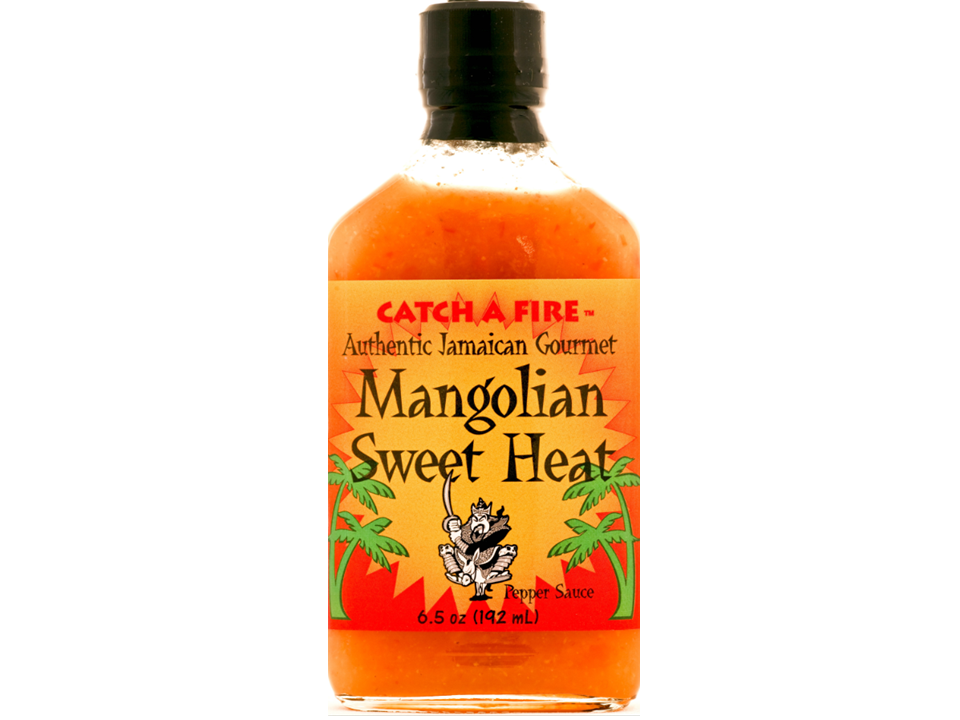
Overcomplicating recipes is another issue. Too many ingredients muddy the flavor instead of enhancing it. The best sauces are often the simplest ones. Take a look at this post for more interesting ideas for flavor combinations: Hot Sauce Flavor Pairing Ideas: Because Everything Deserves a Little Drama
Turn your flavor ideas into reality! Explore handcrafted tropical blends from Peppers of Key West and discover what perfectly balanced heat really tastes like.
Shop now: Peppers of Key West
❓ FREQUENTLY ASKED QUESTIONS
- What are the best peppers for hot sauce
The best peppers for hot sauce depend on your heat preference. Jalapeños are ideal for mild sauces, serranos for medium heat, and habaneros for bold, fruity heat. - Can you mix different peppers in hot sauce
Yes, mixing peppers is one of the best ways to control flavor and heat. Combining mild and hot peppers creates balance and depth. - What pepper makes hot sauce less spicy
Milder peppers like jalapeños or banana peppers can reduce overall heat when blended with hotter varieties. - Do hotter peppers make better hot sauce
Not necessarily. The best hot sauce focuses on flavor first and uses heat as a complement, not the main goal. - What is the easiest pepper for beginners
Jalapeños are the easiest starting point because they provide manageable heat and a clean, versatile flavor. - Are fresh or dried peppers better for hot sauce
Fresh peppers are best for bright, vibrant hot sauces with a clean flavor, while dried peppers create deeper, smokier, and more complex profiles. The best choice depends on the style of hot sauce you want to make. - What peppers blend well together
Peppers blend best when you combine mild varieties like jalapenos or banana peppers with hotter peppers like habaneros or serranos. This creates a balanced hot sauce with both flavor and controlled heat. - Can you mix mild and hot peppers
Yes, mixing mild and hot peppers is one of the best ways to control heat and build depth in hot sauce. It allows you to create a layered flavor profile without overwhelming spice. - Can you roast peppers for hot sauce
Yes, roasting peppers is a great way to add smoky depth and richness to hot sauce. Roasted peppers create a smoother, slightly sweeter flavor compared to fresh peppers, making them ideal for more complex sauces. - Do seeds make hot sauce hotter
Pepper seeds themselves do not contain much heat, but they are attached to the inner membranes where most of the capsaicin is concentrated. Leaving seeds and membranes in your recipe can increase the overall heat of your hot sauce.
