
Holidays & Entertaining: Seasonal Food, Parties, Cookouts & Celebration Guides

Some of our most memorable meals have very little to do with elaborate recipes or perfectly arranged tables. They’re remembered because of the people who gathered, the traditions they shared, and the food that became part of the occasion. A familiar dish prepared year after year can carry generations of memories, while an unexpected flavor or a new family recipe can become a tradition of its own.
Food has always played a central role in celebrations. It marks the changing seasons, reflects cultural and family traditions, and gives people a reason to gather around a table. Summer brings the smoky aromas of backyard grilling, fresh produce, and relaxed outdoor entertaining. Autumn introduces heartier ingredients, roasted vegetables, warming spices, and meals built around the harvest. Winter celebrations often favor comforting dishes, festive appetizers, and foods prepared specifically for sharing. Each season offers different ingredients and opportunities, but the connection between food and celebration remains constant.
Yet creating a memorable gathering involves considerably more than choosing recipes.
A successful holiday menu must account for the occasion, the number of guests, individual preferences, available cooking equipment, preparation time, and the way food will be served. A casual backyard barbecue requires a different approach than a traditional Thanksgiving dinner, while a holiday buffet introduces challenges that rarely arise during an ordinary family meal. Understanding these differences makes it easier to build menus that are satisfying, manageable, and appropriate for the celebration.
Flavor is another essential part of thoughtful entertaining. The best holiday meals balance richness with acidity, sweetness with savory depth, and familiar ingredients with occasional surprises. A smoky barbecue sauce can transform grilled chicken, a bright pepper relish can balance a rich roasted meat, and a carefully chosen seasoning can bring new character to an otherwise traditional side dish. These improvements don’t require complicated techniques or overwhelming heat. They begin with understanding how ingredients work together.
At Peppers of Key West, we believe that great food starts with great flavor. Hot sauces, barbecue sauces, seasonings, and specialty condiments are tools for building that flavor, not simply ways to make food hotter. Used thoughtfully, they can complement seasonal ingredients, enhance familiar recipes, and give guests the freedom to customize their meals without changing the character of the celebration.
But good entertaining also depends on what happens before anyone sits down to eat. Menu planning, portion estimates, food preparation, cooking schedules, serving arrangements, and even the decision to prepare certain dishes in advance can determine whether a gathering feels relaxed or unnecessarily stressful. The most experienced hosts understand that a well-organized meal creates more opportunities to enjoy the occasion rather than spending every moment managing the kitchen.
This comprehensive guide explores the principles behind successful holiday cooking and seasonal entertaining. We’ll examine how food traditions develop, how to create balanced menus, how seasonal ingredients influence flavor, and how to plan gatherings ranging from intimate family dinners to large backyard celebrations. We’ll also explore the role of sauces and seasonings, practical preparation strategies, and the distinctive foods associated with Memorial Day, Fourth of July, Thanksgiving, Christmas, Halloween, and other occasions throughout the year.
Along the way, our dedicated holiday guides, recipes, and entertaining resources will provide opportunities to explore individual celebrations in greater depth.
Because ultimately, successful entertaining isn’t measured by the number of dishes on the table or the complexity of the recipes. It’s about understanding the food, planning with purpose, respecting the traditions that matter, and creating an experience that brings people together.
Great holiday entertaining combines meaningful traditions, thoughtful planning, and memorable flavors to make every gathering worth celebrating.
Quick Guide: Holiday Food & Entertaining at a Glance
Successful holiday entertaining comes down to thoughtful planning, balanced flavors, and choosing foods that fit the occasion. Whether you’re hosting a summer barbecue, a traditional Thanksgiving dinner, or a festive Christmas gathering, a few fundamental principles can make the experience more enjoyable for everyone.
Start with the occasion and your guests. Consider the size of the gathering, dietary preferences, available space, and whether food will be served casually, buffet-style, or as a sit-down meal. Let these decisions guide the menu.
Build a balanced menu. Combine satisfying main dishes with complementary sides, fresh ingredients, and contrasting flavors. Rich foods benefit from lighter accompaniments, while familiar favorites leave room for a few creative additions.
Let the season guide your ingredients. Summer celebrations favor grilled foods, fresh produce, and refreshing sides. Autumn and winter gatherings naturally lend themselves to roasted vegetables, warming spices, hearty dishes, and comforting traditions.
Use sauces and seasonings thoughtfully. Sweet, smoky, tangy, savory, and peppery flavors can transform familiar recipes. Offer finishing sauces separately so guests can customize their meals without overwhelming the original dishes.
Plan preparation before cooking begins. Choose make-ahead recipes, estimate portions, coordinate oven and grill space, and establish a realistic cooking schedule. Good preparation reduces last-minute stress.
Choose the right serving style. Backyard cookouts, holiday buffets, appetizer parties, and formal dinners require different approaches. Consider food temperature, serving times, accessibility, and how guests will enjoy the meal.
These principles work together. The occasion shapes the menu, the menu determines the preparation, and thoughtful flavor choices make familiar foods memorable. When those elements are balanced, entertaining becomes less about managing the kitchen and more about enjoying the celebration.
Great holiday entertaining combines the right food, thoughtful preparation, and memorable flavors without losing sight of the people gathered together.

Why Food Traditions Matter: The Connection Between Food, Culture & Celebration
Food traditions are rarely created overnight. They develop through generations of shared meals, regional ingredients, cultural influences, family preferences, and the simple repetition of preparing certain dishes for meaningful occasions. Over time, those foods become associated with particular holidays, seasons, and memories, often carrying significance far beyond their ingredients.
A Thanksgiving turkey, a Christmas ham, or a backyard barbecue on the Fourth of July may seem like familiar parts of American celebrations, but each reflects a larger history of changing food customs. Some traditions grew from seasonal harvests and religious observances, while others developed through immigration, regional cooking practices, and evolving family preferences. Even within the same holiday, menus can differ dramatically from one household to another.
Consider Thanksgiving. One family might serve cornbread dressing, collard greens, and sweet potato pie, while another prepares bread stuffing, roasted root vegetables, and pumpkin pie. Both meals can be deeply traditional, even though the dishes reflect different regional and family histories. The importance of a holiday food isn’t determined by whether everyone serves it. It’s determined by the meaning it holds for the people gathered around the table.
These traditions also explain why familiar flavors create such powerful expectations. The smell of a particular spice blend, the taste of a homemade sauce, or the appearance of a favorite casserole can immediately bring a past celebration to mind. Food connects present experiences with earlier memories, making even ordinary recipes feel special when they’re associated with people and occasions we value.
Food traditions also evolve through cultural exchange. Ingredients, cooking methods, and recipes move between regions and generations, gradually becoming part of new celebrations. Families may combine inherited recipes with dishes introduced through travel, friendships, marriages, or changing tastes. What begins as something unfamiliar can eventually become a holiday favorite.
Yet honoring tradition doesn’t mean every recipe must remain unchanged. A new appetizer might become an annual request, while another dish remains exactly as a grandparent prepared it. Thoughtful holiday cooking recognizes the value of both approaches: preserving familiar favorites while allowing room for new experiences.
Before planning a holiday menu, consider which dishes carry special meaning for your guests, which traditions deserve a place at the table, and where there’s room to introduce something different.
Food traditions give celebrations their character, while thoughtful new flavors allow those traditions to grow without losing their meaning.
How to Build a Balanced Holiday Menu
A successful holiday menu is more than a collection of good recipes. Each dish has a role to play, and the way those dishes work together determines whether the meal feels satisfying, varied, and appropriate for the occasion. Even a beautifully prepared main course can leave a menu feeling incomplete if every accompaniment is equally rich or guests have too few choices that suit their preferences.
The starting point is usually the main dish, but it shouldn’t dictate every other decision. A smoked brisket, roasted turkey, glazed ham, or platter of grilled vegetables establishes a general direction for the meal. From there, consider what the centerpiece contributes in terms of flavor, texture, and richness. A heavily seasoned barbecue entrée might benefit from crisp slaw, fresh corn, and a tangy sauce, while a traditional roast dinner pairs naturally with vegetables, potatoes, gravy, and something bright enough to balance the richness.
Contrast is one of the most useful principles in menu planning. Rich foods become more enjoyable when paired with acidic or refreshing accompaniments. Tender meats benefit from crisp vegetables, while creamy side dishes gain interest alongside roasted or lightly charred ingredients. Temperature matters, too. A summer cookout benefits from cool, refreshing dishes, while a winter holiday dinner often calls for warmer, more comforting accompaniments. Variety doesn’t require dozens of recipes; it requires dishes that contribute something different to the overall meal.
Flavor balance deserves equal consideration. Sweetness, acidity, saltiness, bitterness, savoriness, and chile heat influence how food is experienced. A sweet barbecue glaze may be delicious, but pairing it with several sugary side dishes can make the meal feel one-dimensional. A vinegar-based slaw or pepper relish introduces contrast. Similarly, rich gravy, buttery potatoes, and roasted meats benefit from cranberry sauce, pickled vegetables, or a bright finishing condiment. The goal isn’t to include every flavor in every dish, but to create balance across the complete menu.
 Professor Pepper Says:
“A great holiday menu isn’t about how many dishes you serve, but how well they work together. Balance rich, smoky foods with something fresh, crisp, or tangy. Sometimes the right sauce or simple side dish makes all the difference.”
Portion planning becomes especially important when serving larger groups. A menu featuring numerous side dishes generally requires smaller portions of each because guests naturally sample several options. Consider the number of guests, the length of the gathering, and whether the food represents a complete meal or a series of smaller servings. Thoughtful estimates help avoid unnecessary waste without leaving guests short of their favorite dishes.
Guest preferences also deserve attention. Including familiar favorites alongside more adventurous choices, offering a satisfying vegetarian option, and keeping intensely spicy condiments separate allows guests to customize their meals without requiring an entirely different menu for everyone.
Ultimately, a carefully selected combination of complementary dishes makes a stronger impression than an oversized menu filled with competing flavors. One distinctive main course, a memorable side dish, or an unexpected sauce pairing can give the entire meal its own character.
A balanced holiday menu succeeds when every dish contributes something meaningful through complementary flavors, contrasting textures, and thoughtful variety.
Seasonal Ingredients, Flavors & Cooking Traditions
The changing seasons influence far more than the ingredients available at the grocery store. They shape how we cook, the flavors we associate with celebrations, and the kinds of meals that feel appropriate for different occasions. Freshly grilled vegetables seem perfectly suited to a warm summer afternoon, while roasted squash, slow-cooked meats, and fragrant spices become especially inviting as temperatures fall. Understanding these seasonal patterns provides a useful foundation for planning holiday menus that feel natural and satisfying.
Spring brings a transition toward lighter preparations, fresh herbs, crisp vegetables, and brighter flavors. Asparagus, peas, tender greens, strawberries, and other seasonal ingredients offer freshness after the heavier meals commonly associated with winter. Citrus-based dressings, herb-forward sauces, and gently seasoned vegetables complement spring dishes without overwhelming their natural character.
Summer encourages outdoor cooking and makes excellent use of tomatoes, sweet corn, peppers, cucumbers, berries, and stone fruits. Grilling develops smoky, caramelized flavors that contrast beautifully with crisp salads, fresh salsas, and tangy condiments. Ripe produce contributes natural sweetness and acidity, allowing simple preparations to deliver satisfying flavor without requiring elaborate recipes.
Autumn introduces heartier ingredients and deeper cooking traditions. Pumpkins, winter squash, sweet potatoes, apples, cranberries, and root vegetables become prominent as roasting, baking, and slow cooking take on greater importance. Savory herbs, browned meats, and comforting side dishes pair naturally with brighter accompaniments such as cranberry relish, mustard, or lightly pickled vegetables.
Winter celebrations often emphasize warmth, hospitality, and foods designed for sharing. Roasted meats, baked casseroles, savory pastries, and richly flavored desserts become familiar choices. Citrus, stored vegetables, dried herbs, and preserved ingredients contribute important flavor, while tangy sauces and seasonings provide contrast to dishes that are naturally rich or buttery.
Seasonal cooking isn’t a rigid set of rules. Regional climates, agricultural availability, cultural traditions, and personal preferences all influence what appears on the holiday table. A family in Florida might celebrate Christmas with seafood and outdoor dining, while a household in Pennsylvania prepares a traditional roast dinner. Both approaches reflect the relationship between food, place, and celebration.
The most useful approach is to let the season provide inspiration rather than limitations. Fresh produce often benefits from preparations that preserve its natural character, while heartier ingredients reward roasting, baking, and deeper seasoning.
Seasonal cooking connects celebrations to the time of year through fresh ingredients, complementary flavors, and traditions shaped by place and climate.
Planning Different Types of Holiday Gatherings
Not every celebration calls for the same approach to entertaining. A backyard barbecue where guests arrive throughout the afternoon presents different challenges than a Thanksgiving dinner served at a specific time. A Christmas appetizer party requires another strategy entirely, while a neighborhood potluck distributes cooking responsibilities among several households. Understanding these differences helps hosts choose food that fits the gathering rather than forcing the gathering to accommodate an overly ambitious menu.
The first consideration is how guests will experience the meal. Will everyone sit down together, or will people eat whenever they’re ready? Will food be served in courses, arranged on a buffet, or offered throughout the event? These decisions influence recipe selection, serving arrangements, and the amount of preparation required.
Backyard cookouts offer flexibility and encourage informal entertaining. Burgers, grilled chicken, ribs, and vegetable skewers can be prepared in batches, while salads, breads, and condiments allow guests to assemble their own plates. The challenge is coordinating the grill with the rest of the meal, particularly when guests arrive at different times.
Buffet-style gatherings allow guests to select their preferred dishes and portions, making them useful for larger groups with varied tastes. The best buffet foods maintain their quality during service, provided appropriate temperatures are maintained. Roasted meats, casseroles, sturdy salads, and vegetable dishes often work better than foods requiring immediate plating.
Sit-down holiday dinners emphasize a shared experience around the table. Thanksgiving and Christmas meals frequently involve several dishes served together, making preparation and timing especially important. Combining freshly finished entrées with make-ahead accompaniments helps create a coordinated meal without unnecessary last-minute pressure.
Appetizer parties encourage guests to mingle while enjoying smaller portions throughout the celebration. Savory pastries, dips, cheeses, vegetables, and bite-sized foods create variety without requiring a formal dinner. When appetizers replace a complete meal, the selection should include enough substantial dishes to satisfy guests.
Potlucks and shared meals distribute cooking responsibilities while introducing dishes that reflect different family traditions. Coordinating broad food categories and identifying dietary needs helps avoid unnecessary duplication while preserving the relaxed, communal atmosphere.
The setting also matters. Outdoor entertaining may require coolers, covered serving dishes, and protection from weather, while indoor gatherings benefit from accessible serving areas and comfortable movement between rooms. Whatever the format, food safety and practical serving arrangements deserve attention.
Ultimately, the right entertaining style depends on the occasion, guest count, available space, and desired atmosphere. A thoughtfully organized casual cookout can be every bit as memorable as an elaborate formal dinner.
The best entertaining style fits the occasion, complements the food, and allows hosts to enjoy the celebration alongside their guests.
How Sauces, Seasonings & Heat Enhance Holiday Food
Sauces and seasonings are often treated as finishing touches, but they can influence the character of an entire holiday meal. A rich barbecue sauce brings sweetness and smoky depth to grilled meats, a bright pepper relish balances roasted turkey, and a carefully chosen seasoning blend gives familiar vegetables new character. Understanding how these ingredients interact with food allows hosts to introduce memorable flavors while keeping the menu approachable for guests with different preferences.
The most useful starting point is flavor balance rather than heat level. Sweetness can soften sharp or bitter notes, acidity can cut through richness, and savory seasonings can deepen the natural flavor of meats and vegetables. Smokiness adds another dimension, while chile peppers contribute everything from fresh, grassy character to fruity, earthy, or intensely pungent flavors. A successful pairing brings these qualities together rather than allowing one to dominate.
Different holiday foods benefit from different approaches. Burgers, ribs, and grilled chicken often pair beautifully with sauces that combine sweetness, acidity, and smoke. Roasted turkey and ham may benefit from fruit-based glazes, tangy condiments, mustard, or herbs. Side dishes offer opportunities for contrast, too: a smoky seasoning complements roasted potatoes, while a bright, vinegar-forward sauce can balance richer preparations.
Chile heat deserves special consideration because pungency is only one aspect of pepper flavor. Jalapeños contribute fresh, green notes, chipotles add smokiness, and habaneros often bring fruity and floral qualities alongside considerably greater heat. Our Hot Sauce Heat Level Guide explains how pungency varies and why Scoville ratings alone don’t tell the whole story.
Professor Pepper Says:
“Chile peppers bring much more to the table than heat. Jalapeños add freshness, chipotles bring smokiness, and habaneros contribute fruity flavor. Choose your sauces for how they complement the food, and let guests add extra heat to suit their tastes.”
How heat is introduced also matters. A small amount of chile incorporated into a glaze or marinade can distribute warmth throughout a dish, while hot sauce served at the table allows guests to adjust the intensity themselves. For mixed groups, preparing familiar dishes at a mild or moderate heat level and offering hotter condiments separately is often the most welcoming approach.
Rather than offering numerous sauces simply for variety, consider choosing a few distinct flavor directions: something sweet or fruity, something smoky or savory, and something bright with a little pepper heat. These combinations can complement everything from summer barbecue favorites to roasted holiday meats and seasonal vegetables.
For readers interested in exploring individual peppers, our Pepper Encyclopedia Explained: Flavor, Heat, Uses & the Complete Guide to Chile Peppers provides a broader understanding of their distinctive flavors, heat levels, and culinary applications.
The goal isn’t to make every holiday dish spicy or unusual. It’s to choose flavors that complement the food, respect familiar traditions, and give guests opportunities to discover something new.
Great sauces and seasonings enhance holiday food through balance, depth, and personality without overpowering the dishes or the occasion.
Easter: Spring Ingredients, Family Brunches & Holiday Meals
Easter brings a welcome change in seasonal cooking, with menus that often reflect the freshness and lighter flavors of spring. For many families, the holiday includes religious traditions, shared meals, and gatherings that bring generations together around the table.
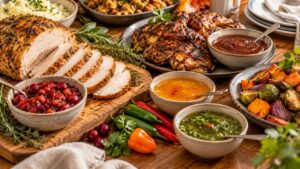
Easter entertaining frequently centers on brunch or an early afternoon dinner. Glazed ham, roasted lamb, egg dishes, fresh breads, spring vegetables, and seasonal desserts are familiar choices, although individual traditions vary considerably. Asparagus, peas, carrots, tender greens, fresh herbs, and citrus help create menus that feel bright and balanced after the heavier dishes commonly associated with winter celebrations.
Sauces and seasonings can complement these ingredients without dominating them. A fruit-and-pepper glaze pairs naturally with ham, herb-forward condiments enhance roasted vegetables, and a mildly spicy dressing can bring fresh character to spring salads.
Because Easter gatherings often include guests of different ages and preferences, offering a combination of familiar dishes and optional flavor additions creates a welcoming meal without requiring separate menus.
Memorable Easter entertaining celebrates fresh spring ingredients, cherished family traditions, and the pleasure of gathering around a shared table.
Memorial Day: The Beginning of Summer Cookout Season
Memorial Day marks a meaningful moment in the American calendar. Established to honor the men and women who died while serving in the United States military, it is also widely associated with the unofficial beginning of summer. For many families, the long weekend brings the first major backyard cookout of the season, combining remembrance with time spent outdoors among family and friends.
Memorial Day food traditions reflect that relaxed atmosphere. Hamburgers, hot dogs, grilled chicken, ribs, fresh corn, potato salad, coleslaw, and seasonal desserts are familiar favorites because they’re approachable, easy to share, and well suited to outdoor entertaining. The combination of smoky grilled foods, refreshing side dishes, and flavorful condiments creates a satisfying menu without requiring an elaborate formal meal.
Our Ultimate Memorial Day Backyard BBQ Food Guide for Legendary Summer Cookouts explores the holiday in greater depth, including menu ideas, grilling favorites, side dishes, and practical entertaining considerations.
One of the easiest ways to give familiar cookout foods more character is through thoughtful sauce selection. Sweet barbecue glazes, tangy pepper sauces, smoky condiments, and fresh relishes offer contrasting flavors while allowing guests to customize their plates. Our Best Hot Sauces for Memorial Day BBQs explores pairings for grilled meats and classic summer favorites.
For larger gatherings, menu simplicity becomes especially valuable. Choosing dishes that can be prepared ahead, cooked in manageable batches, and served without constant attention allows hosts to spend more time enjoying the occasion. Our Easy Cookout Foods for Feeding Huge Memorial Day Crowds provides additional ideas for serving groups efficiently.
A memorable Memorial Day cookout balances meaningful remembrance, relaxed summer traditions, and food that brings people together.

Fourth of July: Independence Day Cookouts & Backyard Celebrations
The Fourth of July brings together food, community, and celebration in a distinctly American summer tradition. Independence Day gatherings often extend beyond the backyard table to include neighborhood parties, family reunions, parades, and fireworks. With guests arriving throughout the afternoon and festivities continuing into the evening, holiday menus frequently emphasize foods that are easy to share, serve, and enjoy outdoors.
Grilled hamburgers, barbecue chicken, ribs, corn on the cob, chilled salads, watermelon, and berry-filled desserts are familiar Independence Day favorites. What makes the occasion distinctive isn’t necessarily the individual dishes, but the festive atmosphere surrounding them. Colorful summer produce, refreshing accompaniments, and a mixture of sweet, smoky, and tangy flavors help create a menu suited to a long day of celebration. Our Ultimate 4th of July Backyard BBQ Food Guide for Epic Independence Day Cookouts explores these traditions and the foods that bring them together.
Because Independence Day celebrations often begin well before the main meal, appetizers play a particularly useful role. Dips, skewers, fresh vegetables, bite-sized grilled foods, and other shareable dishes keep guests satisfied without interrupting the relaxed pace of the gathering. Our Best 4th of July BBQ Appetizers That Disappear Before the Burgers Are Ready offers additional inspiration for building an appealing selection of pre-dinner favorites.
Planning quantities is equally important, especially when guests may return for seconds or continue eating throughout the afternoon. Estimating portions, balancing substantial dishes with lighter sides, and accounting for the length of the celebration can help prevent both shortages and unnecessary waste. For a more detailed approach, see How Much Food Do You Really Need for a 4th of July BBQ? (Party Planning Made Easy).
A memorable Fourth of July celebration combines festive summer flavors, practical preparation, and food that keeps guests together throughout the day.

Labor Day: End-of-Summer Cookouts & Outdoor Entertaining
Labor Day honors the contributions of American workers and has also become closely associated with the unofficial end of summer. For many households, the long weekend offers one more opportunity to gather outdoors, enjoy seasonal foods, and celebrate before autumn routines return.
Labor Day menus often resemble familiar summer cookouts, featuring grilled chicken, burgers, ribs, sausages, fresh corn, salads, and fruit desserts. What distinguishes the occasion is its position between seasons. Late-summer tomatoes, sweet corn, peaches, peppers, and fresh herbs remain abundant, while heartier preparations begin to feel appropriate as cooler weather approaches.
This seasonal transition creates opportunities for interesting flavor combinations. Smoky barbecue sauces complement grilled meats, fruit-based pepper glazes pair with chicken and pork, and herb-forward condiments make excellent accompaniments to grilled vegetables. Choosing a few versatile sauces allows guests to enjoy different flavors without complicating the menu.
Like Memorial Day, Labor Day gatherings benefit from straightforward preparation, flexible serving arrangements, and foods that encourage guests to relax and spend time together.
A memorable Labor Day cookout celebrates the season’s final summer flavors while making room for the traditions of autumn.
Halloween: Party Foods, Sweet Treats & Playful Seasonal Flavors
Halloween brings a playful spirit to seasonal entertaining, encouraging hosts to experiment with creative presentations, unexpected flavor combinations, and foods designed for casual gatherings. Unlike holidays centered on a formal dinner, Halloween celebrations often feature appetizer tables, themed snacks, party dips, and sweet treats that guests can enjoy throughout the evening.
Autumn ingredients provide a natural foundation for Halloween menus. Pumpkin, squash, apples, roasted peppers, caramelized onions, and warming spices work well in comforting dishes, while smoky barbecue sauces, tangy condiments, and carefully balanced chile heat can give familiar party foods a distinctive twist. Spicy wings, loaded nachos, sliders, and savory dips are especially suitable for gatherings where guests prefer smaller portions.
Presentation can be part of the fun, but successful Halloween food doesn’t require elaborate decorations or complicated recipes. A few creative details, recognizable favorites, and a selection of mild and spicy options can create an inviting spread for guests with different tastes.
Great Halloween entertaining combines playful creativity, satisfying seasonal flavors, and food that’s easy to enjoy between the festivities.
Thanksgiving: Traditions, Holiday Meals & Gathering Around the Table
Thanksgiving occupies a special place in American food traditions. While summer holidays often revolve around outdoor grilling and informal gatherings, Thanksgiving typically centers on a shared meal prepared with considerable care. Roasted turkey, stuffing, mashed potatoes, gravy, cranberry sauce, sweet potatoes, and seasonal vegetables are familiar favorites, but the particular dishes served often reflect generations of family history, regional influences, and cherished recipes.
The Thanksgiving table also illustrates how contrasting flavors create a satisfying meal. Rich turkey and gravy are complemented by tart cranberry sauce, savory stuffing, roasted vegetables, and the natural sweetness of autumn ingredients. For hosts interested in exploring the complete holiday menu, our Ultimate Thanksgiving Food Guide: Recipes, Sides & Entertaining Ideas will bring together traditional favorites, seasonal variations, and practical preparation advice in one dedicated resource.
Unlike a casual cookout, Thanksgiving dinner often requires several dishes to be ready at approximately the same time. Coordinating oven space, preparing certain recipes in advance, and choosing side dishes that reheat successfully can make an enormous difference. Thoughtful planning also leaves room for new flavors, whether that means a smoky vegetable seasoning, a lightly spiced cranberry relish, or a complementary sauce served alongside the turkey. Our Best Hot Sauces for Thanksgiving Dinner: What Pairs with Turkey & Sides will explore those combinations without suggesting that every traditional dish needs additional heat.
Side dishes are especially important because they often carry the strongest family traditions. Cornbread dressing, green bean casserole, roasted squash, sweet potato preparations, and homemade breads can differ widely between households, yet each may be essential to a family’s celebration. Our Spicy Thanksgiving Side Dishes: Easy Recipes with a Little Heat will offer ways to introduce new flavor while respecting those familiar favorites.
A memorable Thanksgiving honors family traditions, balances comforting autumn flavors, and creates time to appreciate the people gathered around the table.

Christmas: Holiday Meals, Festive Entertaining & Food Traditions
Christmas brings together some of the year’s most cherished food traditions, from Christmas Eve dinners and festive breakfasts to holiday parties, cookie exchanges, and family celebrations. Although menus vary across cultures and households, the season shares a common theme: preparing and sharing food as an expression of hospitality, generosity, and togetherness.
Traditional Christmas meals may feature glazed ham, roast beef, turkey, seafood, or recipes passed down through generations. Seasonal ingredients such as cranberries, citrus, rosemary, cinnamon, and roasted nuts bring distinctive flavors to both savory dishes and holiday desserts. Sweet glazes, savory seasonings, and thoughtfully paired sauces can add character to familiar favorites without overwhelming their traditional appeal.
Christmas entertaining also extends beyond formal dinners. Appetizer gatherings, casual open houses, homemade treats, and specialty food gifts allow people to celebrate throughout the season. For hosts managing multiple occasions, choosing dishes that can be prepared ahead helps preserve time for the people who make the holidays meaningful.
Christmas entertaining is about more than a memorable meal; it’s about sharing traditions, generosity, and good food throughout the season.
New Year’s Eve: Appetizers, Celebrations & Foods for Sharing
New Year’s Eve celebrations often unfold over several hours, making food that encourages conversation and casual grazing especially appealing. Whether hosting an intimate gathering or a lively party, the evening calls for dishes that can be prepared in advance, served in manageable portions, and enjoyed without interrupting the festivities.
Appetizers frequently take center stage. Stuffed mushrooms, shrimp, meatballs, sliders, dips, and bite-sized savory pastries provide variety while allowing guests to sample different flavors. A thoughtful selection balances rich and lighter foods, warm and chilled preparations, and familiar favorites with a few unexpected combinations.
Sauces and condiments can make simple appetizers feel more distinctive. A sweet-and-spicy glaze adds character to cocktail meatballs, a smoky pepper sauce complements sliders, and a bright herb-based dip offers contrast to richer dishes. Serving heat separately allows guests to customize their choices.
Because the celebration may continue until midnight, replenishing smaller platters throughout the evening can help maintain food quality and make hosting easier.
The best New Year’s Eve menus keep guests comfortable, conversations flowing, and delicious food available throughout the celebration.
Preparing Ahead, Serving Food & Keeping Holiday Entertaining Manageable
Even the most thoughtfully planned holiday menu can become stressful when too much cooking, preparation, and serving must happen at once. Whether hosting a backyard barbecue or a traditional holiday dinner, the key to a more enjoyable gathering is organizing the work so that the most demanding tasks don’t compete for attention at the last minute.
Preparing ahead is one of the simplest ways to make entertaining manageable. Many sauces, marinades, dressings, desserts, and cold side dishes can be prepared before the celebration, while vegetables can often be washed, trimmed, and portioned in advance. Some casseroles and baked dishes can be assembled ahead of time, depending on the recipe. These small preparations reduce kitchen congestion and leave more time for foods that genuinely benefit from being cooked or finished just before serving.
Timing deserves particular attention when several dishes share the same equipment. A holiday roast may occupy the oven for hours, while side dishes require different temperatures or finishing times. Creating a simple preparation schedule helps identify conflicts before cooking begins. Planning around resting periods, reheating requirements, and available stovetop space often makes a greater difference than adding another elaborate recipe.
Professor Pepper Says:
“The best holiday hosts aren’t the ones who spend the entire celebration in the kitchen. Prepare what you can ahead of time, keep your menu manageable, and leave room for the unexpected. After all, enjoying your guests is just as important as feeding them.”
Serving arrangements should also support the gathering rather than complicate it. Keeping plates, utensils, napkins, and condiments together makes self-service easier, while arranging beverages separately from the main food area can reduce congestion. For larger gatherings, replenishing smaller serving platters instead of displaying everything at once helps maintain presentation and allows additional food to remain properly stored until needed.
Food safety is especially important when meals extend over several hours. Perishable foods should generally not remain at room temperature for more than two hours, or one hour when outdoor temperatures exceed 90°F. Cold foods should be held at 40°F or below, while hot foods should be maintained at 140°F or above. Coolers, warming equipment, and smaller replenished portions can help keep food within appropriate temperature ranges.
Finally, leave room for flexibility. Guests may arrive late, a dish may require extra cooking time, or the weather may change unexpectedly. A menu that includes a few reliable make-ahead foods and straightforward serving arrangements is easier to adjust than one dependent on every detail unfolding perfectly.
Successful holiday entertaining comes from thoughtful preparation, practical serving decisions, and enough flexibility to enjoy the celebration alongside your guests.
Holiday Food Gifts & Sharing Specialty Foods
Food has always played an important role in gift-giving traditions. Homemade cookies exchanged at Christmas, a favorite family recipe shared with a neighbor, a carefully prepared dish brought to a holiday gathering, or a collection of specialty foods given as a thank-you all express something beyond the food itself. They reflect generosity, hospitality, and the pleasure of sharing flavors that someone else might enjoy.
One reason food gifts remain popular is their versatility. Unlike decorative items that may not suit someone’s personal taste or living space, thoughtfully selected foods offer an experience that can be enjoyed, shared, and remembered. A specialty barbecue sauce might become part of a summer cookout, a distinctive seasoning blend could inspire a new family recipe, and an assortment of hot sauces can introduce someone to flavors they might never have explored otherwise.
The best food gifts reflect the recipient’s preferences rather than simply offering the largest or most unusual assortment. Someone who enjoys outdoor cooking may appreciate smoky barbecue sauces and savory seasonings, while an adventurous cook might prefer a selection of chile-based condiments with different flavor profiles. For someone less familiar with spicy foods, sweet-and-savory sauces, fruit-forward varieties, and milder pepper blends can provide an approachable introduction.
Presentation also contributes to the experience. A thoughtfully assembled gift box, a handwritten note, or a few serving suggestions can make even a modest collection feel personal. Grouping complementary products together is often more useful than selecting items solely for variety. A collection designed around grilling, everyday cooking, or sweet-and-spicy flavors gives the recipient a clear starting point for enjoying the gift.
Specialty foods can also serve as thoughtful host gifts. Bringing a distinctive sauce, seasoning, or locally inspired food product offers an alternative to traditional flowers or desserts, particularly when the recipient enjoys cooking or entertaining. Shelf-stable products can be especially convenient because they generally don’t require immediate preparation or refrigerator space before opening, although individual storage instructions should always be followed.
At Peppers of Key West, we believe memorable food gifts should offer more than novelty or extreme heat. Our hot sauces, cooking sauces, seasonings, and curated gift boxes are intended to help people explore different flavors, discover new favorites, and bring something distinctive to the meals they share.
The most meaningful food gifts are chosen with the recipient in mind, offering flavors and experiences worth sharing long after the celebration ends.
🌶️ Bring Holiday Flavor Home: Peppers of Key West Favorites
Great holiday food begins with familiar traditions, but the right sauces and seasonings can make those traditions even more memorable. From summer backyard barbecues to Thanksgiving dinners and Christmas celebrations, thoughtfully selected flavors can complement favorite recipes, inspire new dishes, and bring something unexpected to the table.
At Peppers of Key West, we’ve selected a variety of signature hot sauces, versatile seasonings, and specialty sauce collections that suit different holidays, cooking styles, and heat preferences. Whether you’re preparing a meal for family and friends, looking for a distinctive finishing touch, or choosing a thoughtful food gift, these favorites offer something for every occasion.
Holiday Food & Product Pairing Quick Guide
Wings, Burgers & Casual Holiday Cookouts → Peppers of Key West Cayenne Pepper Hot Sauce
Party Dips, Appetizers & Grilled Chicken → Peppers of Key West Jalapeño Garlic Sauce
Grilled Pork, Chicken & Tropical-Inspired Holiday Dishes → Peppers of Key West Goin’ Bananas Hot Sauce
Extreme Heat & Adventurous Holiday Guests → Peppers of Key West Ghost Pepper Hot Sauce
Steaks, Burgers & Savory Holiday Cooking → Peppers of Key West Macho Beefy Steak Seasoning
Holiday Hosts, Food Lovers & Specialty Food Gifts → Peppers of Key West 5 Sauce Heat Collection
Best Peppers of Key West Products for Holiday Cooking & Entertaining
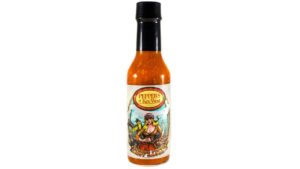
Peppers of Key West Cayenne Pepper Hot Sauce
🌶️🌶️ Approachable Heat
Some holiday favorites are even better with a familiar pepper kick. Our Cayenne Pepper Hot Sauce brings classic cayenne flavor to chicken wings, burgers, sandwiches, eggs, and casual party foods. It’s an easy addition to Memorial Day barbecues, Fourth of July cookouts, and game-day gatherings, where guests can add as much or as little heat as they prefer.
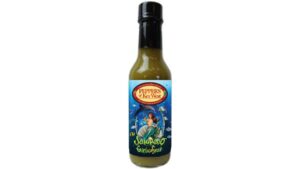
Peppers of Key West Jalapeño Garlic Sauce
🌶️🌶️ Mild Heat
Jalapeño and garlic are a natural combination for entertaining because they complement so many familiar foods. Our Jalapeño Garlic Sauce works especially well with grilled chicken, tacos, party dips, roasted vegetables, and appetizers. Its fresh pepper character and savory garlic flavor make it a useful choice when you want to introduce a little excitement without overpowering the meal.
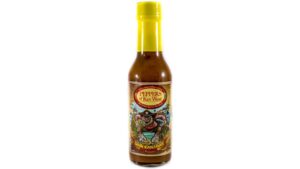
Peppers of Key West Goin’ Bananas Hot Sauce
🌶️ Sweet & Spicy
Holiday entertaining is a wonderful opportunity to introduce guests to unexpected flavor combinations. Our Goin’ Bananas Hot Sauce brings tropical banana sweetness together with chile pepper character, making it an interesting complement to grilled pork, chicken, and island-inspired dishes. It also offers a playful alternative to more traditional condiments at summer cookouts and casual celebrations.

Peppers of Key West Ghost Pepper Hot Sauce
🌶️🌶️🌶️🌶️ Extreme Heat
Every gathering seems to have at least one guest who wants to explore the hotter side of chile peppers. Our Ghost Pepper Hot Sauce provides a serious heat option for experienced enthusiasts, particularly alongside grilled meats, hearty appetizers, and savory dishes. Serve it separately rather than adding it to shared recipes, allowing adventurous guests to control their own experience.
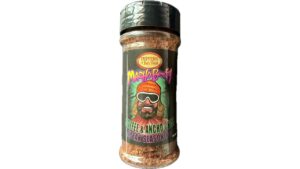
Peppers of Key West Macho Beefy Steak Seasoning
🌶️Savory Seasoning
Great holiday cooking isn’t limited to what happens after the food reaches the table. Our Macho Beefy Steak Seasoning adds savory character to steaks, burgers, roasted potatoes, and other hearty dishes. Whether you’re grilling outdoors during the summer or preparing a comforting meal during the cooler months, a versatile seasoning can help build flavor from the beginning.

Peppers of Key West 5 Sauce Heat Collection
🌶️ → 🌶️🌶️🌶️🌶️🌶️ Approachable to Extreme Heat
Turn your next holiday gathering into a tasting experience with the Peppers of Key West 5 Sauce Heat Collection. Featuring Cayenne, Jalapeño Garlic, Habanero, Ghost Pepper, and Carolina Reaper hot sauces, this collection takes guests on a flavorful journey from approachable everyday heat to some of the world’s hottest chile peppers. It’s a fun addition to holiday parties, backyard cookouts, and family celebrations, and makes a distinctive gift for adventurous food lovers.
GOOD HOLIDAY ENTERTAINING ISN’T ABOUT MAKING EVERY DISH SPICY. IT’S ABOUT OFFERING THE RIGHT FLAVORS SO EVERY GUEST CAN MAKE THE MEAL THEIR OWN.
Frequently Asked Questions About Holiday Food & Entertaining
How do you plan a holiday menu for a large group?
Start by estimating the number of guests, choosing a manageable main course, and selecting side dishes that offer contrasting flavors and textures. Consider how long the gathering will last and whether guests will eat together or throughout the event. Make-ahead recipes and foods that can be prepared in batches help reduce last-minute cooking.
What foods work best for holiday entertaining?
The best foods depend on the occasion, season, and serving style. Grilled meats, salads, and fresh produce are popular for summer cookouts, while roasted dishes, casseroles, and seasonal vegetables suit cooler-weather celebrations. For appetizer parties, choose smaller foods that are easy to serve and enjoy while mingling.
How far in advance should you prepare holiday food?
Many sauces, dressings, desserts, and certain side dishes can be prepared one or two days ahead, depending on the recipe and storage requirements. Vegetables can often be washed and trimmed in advance, while some casseroles can be assembled before baking. Follow recipe-specific refrigeration and food-safety guidance, particularly for dishes containing meat, dairy, or eggs.
How can you make a holiday meal feel special without preparing too many dishes?
Focus on a few well-chosen recipes that complement one another rather than offering an oversized selection. A memorable main course, contrasting side dishes, and one distinctive sauce or condiment can create a complete experience. Thoughtful presentation and comfortable serving arrangements often contribute more to a successful gathering than additional recipes.
What are the best sauces for holiday meats?
Sauce selection depends on the meat and its preparation. Smoky barbecue sauces pair naturally with grilled chicken, ribs, and burgers, while fruit-based glazes, mustard, and tangy condiments can complement ham or roasted turkey. Rich meats often benefit from sauces that introduce acidity or freshness.
How do you add spice to holiday food without making everything too hot?
Use mild or moderate seasoning in shared dishes and offer hotter sauces separately. This allows guests to control their own heat levels while enjoying the same meal. Remember that chile peppers contribute flavor as well as pungency, so selecting a pepper that complements the recipe is just as important as choosing its heat level.
What is the difference between a holiday buffet and a sit-down dinner?
A buffet allows guests to select their own portions and eat with greater flexibility, making it useful for larger or more informal gatherings. A sit-down dinner creates a shared dining experience but generally requires more precise timing. The best choice depends on the number of guests, available space, and atmosphere you want to create.
How do seasonal ingredients improve holiday meals?
Seasonal ingredients help menus reflect the time of year through freshness, flavor, and familiar cooking traditions. Spring vegetables and herbs complement lighter meals, summer produce suits outdoor entertaining, and autumn squash, apples, and root vegetables work well in roasted dishes. Local growing seasons vary, so use seasonal availability as inspiration rather than a strict rule.
How do you accommodate guests who prefer different foods or heat levels?
Include a few familiar dishes, provide a satisfying option for guests who don’t eat meat, and identify common allergens when possible. Keep intensely spicy sauces and strong condiments separate so guests can customize their plates. Asking about important dietary restrictions before planning can prevent unnecessary complications.
How long can holiday food safely sit out during a party?
Perishable food generally should not remain at room temperature for more than two hours, or more than one hour when temperatures exceed 90°F. Keep cold foods at 40°F or below and hot foods at 140°F or above. Replenishing smaller serving dishes from properly stored food helps maintain safe temperatures during longer gatherings.
What makes a good holiday food gift?
A thoughtful food gift reflects the recipient’s tastes and cooking interests. Barbecue sauces and seasonings suit grilling enthusiasts, while a selection of hot sauces can appeal to adventurous cooks. Gift boxes built around complementary flavors are often more useful than assortments chosen simply for novelty or extreme heat.
How can you make holiday entertaining less stressful?
Choose a menu that matches your available time, equipment, and serving space. Prepare suitable dishes ahead, create a simple cooking schedule, and avoid planning too many recipes that require attention at the same moment. Leaving room for flexibility makes it easier to handle unexpected delays and enjoy time with guests.
Continue Exploring Holidays & Entertaining
Every holiday brings its own food traditions, seasonal ingredients, and opportunities to gather around the table. Whether you’re planning a summer backyard barbecue, preparing a traditional family dinner, or exploring new flavors for a special occasion, our holiday guides offer more detailed ideas to help you make the most of each celebration.
Explore our growing collection of seasonal cooking and entertaining resources:
- Ultimate Memorial Day Backyard BBQ Food Guide for Legendary Summer Cookouts — Discover grilling favorites, seasonal side dishes, barbecue flavors, and practical ideas for welcoming the summer cookout season.
- Ultimate 4th of July Backyard BBQ Food Guide for Epic Independence Day Cookouts — Explore Independence Day menus, festive appetizers, outdoor cooking inspiration, and food-planning ideas for summer celebrations.
- Ultimate Thanksgiving Food Guide: Recipes, Sides & Entertaining Ideas — Explore Thanksgiving dinner traditions, roasted turkey, comforting side dishes, seasonal flavors, and practical ideas for bringing a memorable holiday meal together.
As our holiday collection grows, we’ll continue adding dedicated guides for Christmas, Halloween, Easter, Labor Day, and New Year’s Eve, bringing together recipes, entertaining ideas, and seasonal flavor combinations for celebrations throughout the year.
At Peppers of Key West, we believe great food brings people together. From familiar family recipes to new sauces and seasonings that add something unexpected, the best celebrations are built around food worth sharing.
Whatever the occasion, memorable entertaining begins with good food, thoughtful preparation, and the people who make the celebration special.
See More Keywords: Memorial Day BBQ ideas, Fourth of July cookout ideas, Labor Day cookout food, Thanksgiving dinner ideas, Christmas entertaining ideas, Halloween party food ideas, Easter brunch ideas, New Year’s Eve appetizer ideas, holiday food gift ideas, holiday buffet planning, holiday appetizer party ideas, holiday potluck ideas, seasonal ingredients for holiday cooking, holiday BBQ sauces, spicy holiday food ideas, holiday sauces and seasonings, holiday meal preparation tips, holiday food safety tips, holiday cooking traditions, family holiday recipes
