
Spicy Thanksgiving Side Dishes: Easy Recipes with a Little Heat

Thanksgiving side dishes have a way of inspiring surprisingly strong opinions. Someone insists the stuffing must taste exactly like Grandma’s. Someone else believes mashed potatoes should contain nothing more adventurous than butter, cream, and salt. And there’s almost always a debate over whether sweet potato casserole belongs under a blanket of marshmallows or a crunchy pecan topping.
These traditions are part of what makes Thanksgiving special. But they don’t mean every side dish has to taste exactly the same year after year.
A little chile pepper can bring something new to familiar holiday favorites without changing what makes them comforting in the first place. Jalapeños add fresh pepper flavor to creamy potatoes, cayenne peppers can brighten rich vegetable dishes, and a carefully chosen pepper jelly can introduce sweetness and gentle warmth to roasted squash or sweet potatoes. Even cranberry sauce can benefit from a subtle touch of heat when the balance is right.
At Peppers of Key West, we’ve always believed that great spicy food begins with flavor rather than simply adding more heat. That philosophy is especially important at Thanksgiving, when the side dishes need to complement the turkey, gravy, and other traditional foods sharing the table. The goal isn’t to surprise everyone with a mouthful of fire. It’s to give familiar recipes a little more personality while preserving the flavors people look forward to every November.
If you’re planning the complete holiday meal, our Ultimate Thanksgiving Food Guide: Turkey, Side Dishes, Recipes & Holiday Planning explores everything from roasting the turkey and choosing complementary side dishes to organizing your cooking schedule and making the most of leftovers.
Here, we’re focusing on the side dishes themselves: which Thanksgiving favorites respond well to a little chile warmth, how to introduce peppers and sauces without overpowering the food, and which combinations deserve a place on your holiday table.
🌶️ Quick Guide: Spicy Thanksgiving Side Dishes
- Best dishes for a little heat: Mashed potatoes, stuffing, sweet potato casserole, roasted vegetables, and cranberry sauce all work well with carefully chosen peppers and seasonings.
- Best peppers to use: Jalapeños add fresh pepper flavor, ancho brings earthy depth, chipotle introduces smokiness, and cayenne provides a more direct kick.
- Best way to control the heat: Start with small amounts, taste as you cook, and keep stronger hot sauces available separately.
- Best sweet-and-spicy combinations: Sweet potatoes, roasted carrots, winter squash, and cranberry sauce pair naturally with fruit-forward pepper sauces, jalapeño honey, or pepper jelly.
- Best savory combinations: Garlic, jalapeños, sage, thyme, and mild chile seasonings complement stuffing, mashed potatoes, Brussels sprouts, and other traditional holiday sides.
- Best approach for a mixed crowd: Prepare one or two dishes with gentle heat, keep the remaining favorites traditional, and let guests add more spice at the table.
What Makes a Great Spicy Thanksgiving Side Dish?
The best spicy Thanksgiving side dishes begin with the same qualities that make traditional holiday recipes successful: good ingredients, balanced seasoning, appealing texture, and flavors that work together across the entire meal. Adding chile peppers shouldn’t replace those fundamentals. It should build on them.
Consider mashed potatoes. Their buttery richness provides a natural foundation for garlic and jalapeño, but too much vinegar-forward hot sauce can make them taste sharp rather than creamy. Stuffing presents a different opportunity. Sage, thyme, onion, celery, and toasted bread already create a strong savory character, so a little pepper warmth can add depth without requiring a dramatic change in the recipe. Roasted vegetables, meanwhile, develop natural sweetness and caramelized edges that pair particularly well with smoky peppers, mild chile seasonings, and sweet-tart sauces.
The important distinction is between pepper flavor and pepper intensity. Fresh jalapeños contribute a green, slightly vegetal character that can complement potatoes and vegetables even when the heat remains modest. Ancho chile brings earthy, fruity depth, while chipotle contributes smoke. Cayenne sauce adds both pepper warmth and acidity, which can be useful with rich dishes but less appropriate in recipes where a delicate creamy texture is essential. Understanding those differences makes it easier to choose an ingredient for what it contributes to the food rather than simply how hot it tastes.
Thanksgiving often brings together guests with very different preferences for spicy food. Choose a few dishes where peppers genuinely improve the flavor, keep other favorites traditional, and offer additional sauces at the table. That creates variety without requiring separate versions of the entire meal.
 🌶️ Professor Pepper Says…
Thanksgiving isn’t the time to see how much heat your relatives can handle. If a little jalapeño makes the mashed potatoes more interesting or a touch of chile brings out the sweetness in roasted squash, you’re doing it right. The best spicy side dishes still taste like the foods everyone came to enjoy.
GOOD THANKSGIVING HEAT SHOULD COMPLEMENT THE BUTTER, HERBS, VEGETABLES, AND ROASTED FLAVORS ALREADY ON THE TABLE.
Choosing the Right Peppers and Sauces for Thanksgiving Sides
Different Thanksgiving dishes respond to different kinds of pepper flavor, and choosing the right ingredient is often more important than deciding how much heat to add. Fresh peppers, dried chile seasonings, hot sauces, and pepper jellies each behave differently in a recipe. Some become part of the dish during cooking, while others work better as finishing touches or condiments served separately.
Fresh jalapeños are particularly versatile because they can be chopped, sautéed, roasted, or incorporated into a sauce. Removing the seeds and internal membranes can reduce some of their heat, although individual peppers vary considerably. Finely diced jalapeños can be cooked with onions and celery before being added to stuffing, while roasted jalapeños can be blended into a garlic-butter mixture for mashed potatoes. Their fresh pepper character works especially well with savory Thanksgiving ingredients.
Dried chile powders and seasonings offer a different advantage. Ancho chile can deepen the flavor of roasted root vegetables, mushrooms, or savory casseroles without introducing the sharp acidity of a bottled hot sauce. Chipotle brings smoke that complements caramelized vegetables and hearty preparations, although it should be used carefully when a dish already contains strongly flavored herbs. Cayenne powder provides more direct heat and is best measured conservatively, especially when preparing food for a group.
Hot sauces are often most useful when the dish needs brightness as well as warmth. A few drops of a balanced cayenne sauce can complement roasted Brussels sprouts or green beans, while a garlic-forward jalapeño sauce can work with savory potatoes and stuffing. Fruit-forward sauces and pepper jellies are better suited to foods with natural sweetness, including roasted carrots, winter squash, and sweet potatoes. Their sweetness should be considered alongside any brown sugar, honey, or other sweet ingredients already present in the recipe.
The cooking method matters, too. A sauce stirred into a finished dish may taste different from one exposed to prolonged oven heat, particularly when it contains sugar or delicate fruit flavors. Sweet glazes can burn if applied too early, while fresh pepper flavor may become more subdued during extended cooking. For many Thanksgiving recipes, adding peppers during preparation and reserving a little sauce for finishing offers the best combination of integrated flavor and flexibility.
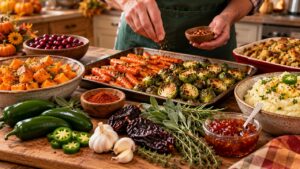
Spicy Mashed Potatoes: Creamy Comfort with Jalapeño & Garlic
Mashed potatoes are one of the easiest Thanksgiving favorites to enhance with fresh pepper flavor. Their buttery richness pairs naturally with garlic and jalapeños, while the potatoes themselves provide a creamy foundation that allows those ingredients to shine without dominating the dish.
For a milder result, remove the seeds and pale internal membranes from fresh jalapeños before finely chopping them. Sautéing the peppers in butter with garlic softens their raw bite and distributes the flavor throughout the potatoes. Roasting the jalapeños first creates a deeper, slightly smoky variation that pairs particularly well with herb-roasted turkey and gravy.
Texture remains important. Russet potatoes produce a fluffier mash, while Yukon Gold potatoes tend to be naturally creamier. Avoid excessive mixing after adding butter and warm dairy, which can make the potatoes gluey rather than light and smooth.
Our Classic Creamy Mashed Potatoes with Butter, Garlic & Sweet Hot Jalapeños builds on those familiar ingredients with a flavorful twist. The garlic adds savory depth, while Sweet Hot Jalapeños complement the potatoes without overwhelming their traditional character.
Thanksgiving Stuffing with a Little Chile Warmth
Traditional Thanksgiving stuffing already has a distinctive savory character, thanks to sage, thyme, onion, celery, butter, and toasted bread. A little chile pepper can add another dimension, particularly when its flavor blends naturally with those familiar ingredients.
Finely diced jalapeños work especially well when sautéed alongside the onions and celery before being combined with bread, herbs, and broth. Cooking the peppers first softens their raw bite and distributes their flavor evenly. For a heartier variation, a small amount of ancho chile introduces earthy warmth that complements mushrooms, sausage, and browned bread.
Our Classic Herb Stuffing with Sage, Thyme & Sweet Hot Jalapeños follows this approach, allowing traditional herbs to remain the centerpiece while Sweet Hot Jalapeños provide a subtle twist. The finished stuffing pairs naturally with roasted turkey and gravy.
Proper texture is just as important as seasoning. Dried bread absorbs broth more predictably, adding liquid gradually helps prevent sogginess, and baking stuffing separately from the turkey allows the top to develop a lightly crisp surface.
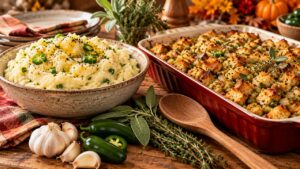
Sweet Potato Casserole with Jalapeño Honey & Gentle Heat
Sweet potato casserole offers a different opportunity for introducing spice because sweetness is already one of its defining characteristics. Whether the family recipe uses brown sugar, cinnamon, marshmallows, or a pecan topping, the dish often leans closer to dessert than to a savory vegetable preparation. A carefully chosen pepper ingredient can help balance that sweetness, adding a little warmth and complexity without making the casserole noticeably hot.
Jalapeño honey is especially useful because it combines familiar sweetness with a gentle pepper character. Rather than adding an entirely new flavor direction, it can complement the brown sugar, butter, and warm spices already present in the casserole. A small amount can be incorporated into the sweet potato mixture or used as part of a finishing drizzle, depending on the recipe. The important consideration is the overall sweetness of the dish. If jalapeño honey is added, the amount of other sweeteners may need adjustment to keep the casserole balanced.
A pecan streusel topping provides another valuable contrast. The toasted nuts contribute crunch and a slightly savory quality that offsets the soft sweet potatoes, while their browned edges add flavor beyond simple sweetness. Combining that texture with gentle chile warmth creates a more interesting dish without abandoning the traditional casserole that guests expect.
Our Sweet Potato Casserole with Pecan Streusel & Jalapeño Honey brings those elements together. The sweet potatoes remain rich and comforting, the pecan topping adds texture, and the jalapeño honey provides a subtle twist that works especially well alongside savory turkey, stuffing, and roasted vegetables.
For cooks who prefer a less sweet preparation, roasted sweet potato wedges are another excellent option. Olive oil, smoked paprika, a little ancho chile, and fresh thyme can create a savory alternative with caramelized edges and a mild pepper finish. This approach is particularly useful when the Thanksgiving menu already includes several sweet dishes, such as glazed carrots, cranberry sauce, and rich desserts.
Roasted Thanksgiving Vegetables with Smoky & Savory Heat
Roasted vegetables may be the most flexible category of spicy Thanksgiving side dishes because they naturally develop flavors that pair well with chile peppers. Brussels sprouts become nutty and slightly sweet as their edges brown, carrots develop concentrated sweetness, and winter squash takes on a richer character when roasted. A little heat can complement those changes, particularly when balanced with herbs, garlic, or acidity.
The first priority is proper roasting. Vegetables need enough space on the baking sheet for moisture to escape, allowing their surfaces to brown rather than steam. Cutting pieces into reasonably uniform sizes helps them cook evenly, while using an appropriate amount of oil encourages caramelization without leaving the vegetables greasy. Once those fundamentals are in place, pepper seasonings can add another layer of flavor.
Brussels sprouts are particularly good with garlic, black pepper, and a small amount of cayenne or chipotle. Their slightly bitter, earthy character can handle stronger seasonings than more delicate vegetables, although an overly smoky preparation may compete with the herbs used elsewhere in the meal. Roasted carrots respond differently. Their natural sweetness pairs well with mild chile warmth, a little citrus, or a restrained drizzle of pepper-infused honey. Cauliflower, parsnips, and winter squash can also benefit from ancho, smoked paprika, or other gently warming seasonings.
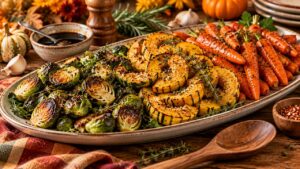
Our Balsamic Roasted Delicata Squash with Caramelized Onions & Savory Steak Seasoning is especially appropriate for Thanksgiving. The squash develops tender flesh and lightly browned edges, while balsamic vinegar adds a sweet-tart contrast. Caramelized onions contribute savory depth, and the seasoning gives the dish additional character without requiring an aggressively spicy sauce.
When preparing several vegetable sides, however, it’s worth varying the seasonings rather than giving every dish the same smoky or spicy profile. Brussels sprouts might receive garlic and a touch of cayenne, while carrots are finished with a little honey and thyme. Delicata squash can provide a balsamic and savory contrast. This makes the overall Thanksgiving plate more interesting and prevents the vegetables from tasting like variations of the same recipe.
Cranberry Sauce with a Little Pepper Kick
Cranberry sauce might seem like an unusual place to introduce chile peppers, but its natural tartness makes it particularly compatible with gentle heat. Cranberries already provide the acidity that helps balance rich turkey, gravy, stuffing, and buttery potatoes. A small amount of pepper flavor can deepen that contrast, creating a condiment that feels familiar while offering something slightly different.
The most successful combinations preserve the cranberry flavor as the centerpiece. Jalapeños can introduce a fresh, green note, while a small amount of fruit-forward habanero sauce can contribute warmth and additional fruit character. Orange zest, cinnamon, and carefully measured sweetness can help round out the mixture, but each addition should have a purpose. Too many competing ingredients can obscure the bright, distinctive taste that makes cranberry sauce valuable on the Thanksgiving table.
Our Not Your Grandma’s Cranberry Sauce demonstrates how a familiar holiday condiment can accommodate a little pepper character without losing its identity. The cranberries remain the dominant flavor, while the pepper sauce provides a subtle finishing note. It’s particularly appealing with roasted turkey and can also make an interesting addition to leftover turkey sandwiches after Thanksgiving.
One advantage of cranberry sauce is that it can be prepared ahead of time. Making it a day or two before Thanksgiving allows the flavors to settle and removes another task from the holiday cooking schedule. If you’re experimenting with a pepper addition, begin conservatively, taste after the sauce has cooled, and remember that the perceived balance of sweetness, acidity, and heat may change as the mixture chills.

🌶️ Bring a Little Heat to Your Thanksgiving Table
You don’t need a cabinet full of hot sauces to make Thanksgiving side dishes more interesting. A few versatile choices can provide fresh pepper flavor, savory depth, or a sweet-and-spicy finish without changing the traditional character of the meal.
At Peppers of Key West, we’d recommend starting with ingredients that complement the foods you’re already preparing. A garlic-forward jalapeño sauce makes sense with potatoes and stuffing, while a balanced cayenne sauce adds brightness to roasted vegetables. Sweet and savory seasonings can be especially useful when preparing dishes that spend time in the oven.
🌶️ Thanksgiving Side Dish Product Pairing Quick Guide
- Mashed Potatoes, Herb Stuffing & Green Beans → Peppers of Key West Jalapeño Garlic Sauce
- Roasted Brussels Sprouts, Glazed Carrots & Savory Vegetables → Peppers of Key West Cayenne Pepper Hot Sauce
- Roasted Delicata Squash, Mushrooms & Root Vegetables → Macho Beefy Coffee & Ancho Steak Seasoning
- Sweet Potato Casserole, Roasted Carrots & Winter Squash → Peppers of Key West Cherry Pomegranate Grilling Sauce
Each of these products brings something different to the Thanksgiving table, from fresh jalapeño and garlic to smoky ancho seasoning and fruit-forward sweetness. Here’s a closer look at how each one can complement your favorite holiday side dishes.
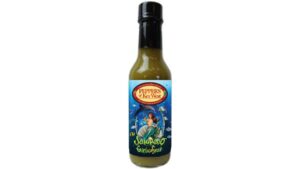
Peppers of Key West Jalapeño Garlic Hot Sauce
Best for: Mashed potatoes, stuffing, and savory vegetable sides
Jalapeño and garlic are natural companions to many traditional Thanksgiving ingredients. This sauce brings a savory pepper character that works particularly well with buttery potatoes, herb stuffing, and green vegetables. Its greatest advantage is versatility: guests can add a little to their plates without requiring the cook to season an entire dish more aggressively.
For mashed potatoes, try a small amount stirred into an individual serving or mixed with softened butter to create a simple finishing condiment. With stuffing, a few drops can complement the garlic, onion, and herbs already present.
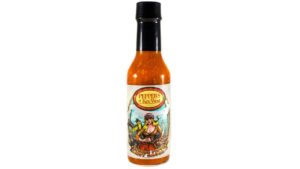
Peppers of Key West Cayenne Pepper Hot Sauce
Best for: Brussels sprouts, roasted carrots, and rich vegetable dishes
Cayenne sauce is a useful Thanksgiving condiment because it provides both pepper warmth and acidity. That combination can help balance the richness of buttery vegetables and roasted dishes without introducing an entirely different flavor profile.
A few drops over roasted Brussels sprouts can add brightness, while a restrained amount mixed into a finishing sauce can complement carrots or other root vegetables. It’s also a practical table condiment for guests who prefer a little more heat than the recipe itself provides.
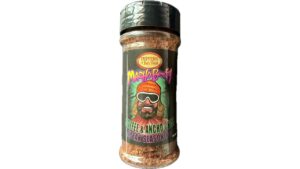
Macho Beefy Coffee & Ancho Steak Seasoning
Best for: Roasted squash, mushrooms, potatoes, and root vegetables
Despite its steak-focused name, Macho Beefy Coffee & Ancho Steak Seasoning can be a useful addition to savory Thanksgiving vegetables. The coffee and ancho flavor profile provides deeper, earthy notes that complement roasted mushrooms, winter squash, and root vegetables.
Use it sparingly alongside oil before roasting, allowing the vegetables’ natural sweetness and caramelization to remain the focus. It’s particularly appealing when you want a more savory alternative to the honey- or brown-sugar-based seasonings often used on holiday vegetables.
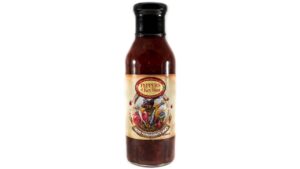
Peppers of Key West Cherry Pomegranate Grilling Sauce
Best for: Sweet potatoes, glazed carrots, and roasted winter squash
Cherry and pomegranate flavors bring a sweet-tart character that works naturally with several Thanksgiving vegetables. This grilling sauce is especially useful when a dish would benefit from a fruit-forward finishing glaze rather than a traditional vinegar-forward hot sauce.
Try a light coating on roasted carrots or winter squash near the end of cooking, or offer a small amount alongside sweet potatoes for guests who enjoy a sweet-and-savory contrast. Because the sauce contributes sweetness of its own, it’s best to avoid combining it with too many additional sweeteners.
A Little Heat Can Make Thanksgiving Sides More Memorable
Thanksgiving side dishes don’t need dramatic changes to feel special. Sometimes the most successful variation is as simple as adding a little jalapeño to creamy mashed potatoes, introducing gentle chile warmth to traditional stuffing, or balancing roasted vegetables with a carefully chosen seasoning. Those small adjustments can bring new flavor to familiar recipes while preserving the comfort and tradition that make Thanksgiving dinner so appealing.
The best approach is to choose a few dishes where peppers genuinely contribute something useful, keep the rest of the menu approachable, and let guests adjust the heat to their preferences. Whether you’re preparing a traditional family meal or experimenting with a few new recipes, a little thoughtful seasoning can make the Thanksgiving table more interesting without making it any less welcoming.
Frequently Asked Questions About Spicy Thanksgiving Side Dishes
Can I make spicy Thanksgiving side dishes ahead of time?
Yes. Stuffing, sweet potato casserole, and cranberry sauce can be prepared ahead of time, although some dishes are best baked or reheated just before serving.
Should I use fresh jalapeños or pickled jalapeños in Thanksgiving recipes?
Fresh jalapeños provide clean pepper flavor, while pickled or sweet-hot jalapeños add tanginess or sweetness. Choose based on the flavor you want in the finished dish.
How can I make a Thanksgiving casserole less spicy if I’ve added too much pepper?
Add more unseasoned ingredients to dilute the heat. Extra potatoes, bread, or other base ingredients can help restore balance without dramatically changing the dish.
Can I serve spicy Thanksgiving sides to children or guests who don’t like hot food?
Absolutely. Keep most dishes mild and offer hot sauces or spicy toppings separately so everyone can adjust the heat to their preference.
Which Thanksgiving side dishes work best with sweet-and-spicy sauces?
Sweet potatoes, roasted carrots, winter squash, and cranberry sauce pair especially well with fruit-forward hot sauces, pepper jelly, and jalapeño honey.
🌶️ Continue Your Thanksgiving Journey
Spicy side dishes are only one part of a successful holiday meal. For turkey preparation, menu planning, traditional recipes, desserts, and entertaining ideas, return to our Ultimate Thanksgiving Food Guide: Turkey, Side Dishes, Recipes & Holiday Planning.
🌶️ Explore More Thanksgiving Recipes & Flavor Guides
- Best Hot Sauces for Thanksgiving Dinner: What Pairs with Turkey & Sides
- Classic Creamy Mashed Potatoes with Butter, Garlic & Sweet Hot Jalapeños
- Classic Herb Stuffing with Sage, Thyme & Sweet Hot Jalapeños
- Sweet Potato Casserole with Pecan Streusel & Jalapeño Honey
- Balsamic Roasted Delicata Squash with Caramelized Onions & Savory Steak Seasoning
- Not Your Grandma’s Cranberry Sauce
- Hot Sauce Heat Level Guide So You Stop Guessing and Start Handling Real Heat Like a Pro
