
Hot Sauce for Turkey: Best Flavors, Pairings & Ways to Use It

Thanksgiving turkey has a reputation for being the centerpiece of the holiday table, but let’s be honest: turkey doesn’t always deliver the biggest flavor. Even a beautifully roasted bird can benefit from a little something extra, especially when you’re serving thick slices of breast meat alongside mashed potatoes, stuffing, and gravy.
That’s where hot sauce for turkey becomes surprisingly useful.
The right hot sauce can brighten rich roasted meat, complement savory herbs, add depth to gravy, or give leftover turkey sandwiches an entirely new personality. And despite what some people might think, using hot sauce doesn’t mean turning Thanksgiving dinner into a heat challenge.
A mild cayenne sauce can provide a gentle, tangy finish. Jalapeño garlic hot sauce brings savory character to herb-roasted turkey. A Habanero sauce adds a brighter, fruitier kick for guests who enjoy more noticeable heat.
The trick is understanding which flavors work with turkey, when to introduce them, and how to give everyone at the table a choice.
Whether you’re preparing your first Thanksgiving turkey or looking for a new way to serve a familiar family favorite, this guide explains how to use hot sauce before roasting, after carving, in gravy, and with the leftovers everyone looks forward to the next day.
QUICK GUIDE: THE BEST WAYS TO USE HOT SAUCE WITH TURKEY
- For traditional roasted turkey: Choose a vinegar-forward cayenne sauce that cuts through rich skin, butter, and gravy without overwhelming the meat.
- For garlic and herb turkey: Jalapeño garlic hot sauce complements sage, thyme, rosemary, and savory pan juices.
- For a brighter, bolder finish: Habanero hot sauce brings fruity pepper flavor and more noticeable heat to sliced turkey.
- For seasoning before roasting: Mix a small amount of hot sauce into softened butter or a marinade rather than coating the entire bird in undiluted sauce.
- For serving at the table: Offer hot sauces separately so everyone can choose their preferred flavor and heat level.
- For turkey gravy: Stir a few drops into an individual serving or a small portion of gravy, then taste before adding more.
- For leftover turkey: Use hot sauce in sandwiches, wraps, turkey salad, and other next-day meals to give familiar leftovers a new flavor.
THE BEST HOT SAUCE FOR TURKEY SHOULD COMPLEMENT THE ROAST, NOT COVER IT UP
Turkey has a relatively mild flavor, which makes it an excellent partner for sauces and seasonings. But not every hot sauce works equally well with every preparation.
A traditional Thanksgiving turkey often features butter, salt, black pepper, sage, thyme, rosemary, and roasted garlic. During cooking, those ingredients create savory aromas and browned flavors that deserve to remain recognizable.
The best hot sauce adds another dimension without hiding what makes roasted turkey delicious in the first place.
Acidity is especially useful. A vinegar-forward hot sauce can cut through rich turkey skin, butter, and gravy, helping each bite taste a little brighter. This is one reason cayenne-based sauces are such versatile companions to a classic holiday dinner.
Garlic-forward sauces work differently. Rather than creating a sharp contrast, they reinforce the savory character of the meal. They’re particularly appealing with herb-roasted turkey, stuffing, and roasted vegetables.
Fruitier pepper varieties, including habanero, introduce another possibility. Their natural pepper character can complement sweet-savory elements such as cranberry sauce, glazed carrots, or fruit-based accompaniments. The additional heat makes them better suited to guests who enjoy a more assertive finishing sauce.
The goal isn’t to find the hottest bottle on the table. It’s to choose a sauce that makes the turkey taste better.
 🌶️ Professor Pepper Says:
Taste the turkey before reaching for the hot sauce. A well-seasoned bird may only need a few drops of something bright and tangy, while a mild slice of breast meat can handle a bolder finishing sauce.
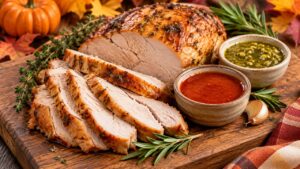
CAYENNE, JALAPEÑO GARLIC, AND HABANERO BRING DIFFERENT FLAVORS TO THANKSGIVING TURKEY
Choosing hot sauce for turkey becomes much easier when you think about flavor first and Scoville heat second.
Three pepper styles offer especially useful starting points because they bring different characteristics to the same holiday meal.
Cayenne Hot Sauce: A Classic Match for Roasted Turkey
Cayenne hot sauce is one of the easiest ways to introduce a little heat to traditional Thanksgiving turkey. Its familiar red-pepper flavor and tangy character complement roasted poultry, buttery mashed potatoes, and savory gravy. Just a few drops can brighten a slice of turkey breast without overpowering the meal.
Cayenne is also a practical choice for gatherings with different heat preferences, offering an approachable starting point for guests who enjoy a little spice. Try our signature Peppers of Key West Cayenne Hot Sauce on freshly carved turkey, stirred into a small serving of gravy, or added to a leftover turkey sandwich the following day.
Our house made Peppers of Key West Cayenne Hot Sauce is a natural option for this style of pairing.
Jalapeño Garlic Hot Sauce: Made for Savory Herbs and Turkey
If your Thanksgiving turkey is seasoned with garlic, sage, thyme, and rosemary, jalapeño garlic hot sauce is an especially appealing companion. The jalapeño contributes fresh green-pepper flavor, while garlic reinforces the savory character of the roast rather than competing with traditional Thanksgiving seasonings. This combination works beautifully with herb butter, freshly carved turkey, and even a small serving of gravy.
For cooks who want to experiment before roasting, a modest amount of our signature Peppers of Key West Jalapeño Garlic Hot Sauce can be blended into softened butter and spread beneath the turkey’s breast skin. The same sauce adds flavor to leftover turkey sandwiches, making it a versatile choice for both Thanksgiving dinner and the meals that follow.
Habanero Hot Sauce: A Brighter Finish for Turkey Lovers Who Enjoy Heat
Habanero brings a different dimension to Thanksgiving turkey, combining substantial heat with a naturally fruity pepper character. That combination works particularly well with cranberry sauce, sweet potatoes, and other sweet-savory holiday favorites. A few drops on freshly carved turkey can create a lively contrast without hiding the flavors of the traditional meal.
Rather than seasoning the entire bird with habanero, offer it as a finishing sauce so guests can control their own heat. Our distinctive Peppers of Key West Habanero Hot Sauce is an excellent option for those who enjoy a more assertive kick. Alongside cayenne and jalapeño garlic, it provides a useful range of flavors and heat levels for the Thanksgiving table.
HOT SAUCE CAN SEASON TURKEY BEFORE ROASTING, BUT HOW YOU APPLY IT MATTERS
Hot sauce can add wonderful flavor to Thanksgiving turkey before it ever reaches the oven, but the way you apply it makes a difference. Simply pouring hot sauce over a raw bird can create uneven seasoning, soften the skin, and interfere with the golden, crispy finish that makes roasted turkey so appealing.
A better approach is to incorporate hot sauce into a familiar preparation method, such as herb butter, a balanced marinade, or a seasoning mixture. Combining it with butter, oil, garlic, and fresh herbs distributes the flavor more evenly while allowing the turkey’s natural character to shine. The following methods offer practical ways to introduce extra flavor without completely changing your traditional Thanksgiving roast.
Make Hot Sauce Herb Butter for Roasted Turkey
One of the simplest ways to introduce hot sauce before roasting is to mix it into softened butter.
Start with unsalted butter, finely chopped herbs, garlic, and a small amount of your preferred hot sauce. Cayenne creates a traditional peppery variation, while jalapeño garlic adds a more savory character.
For an easy starting mixture, combine:
- ½ cup softened unsalted butter
- 1–2 teaspoons cayenne or jalapeño garlic hot sauce
- 1 tablespoon finely chopped fresh herbs, such as sage, thyme, or rosemary
- 1 small garlic clove, finely minced
- Black pepper to taste
- Mix until evenly combined. Taste the butter and adjust the hot sauce before applying it to the turkey.
- Gently loosen the skin over the turkey breast and spread some of the seasoned butter directly onto the meat beneath it. Use the remaining butter sparingly over the outside of the bird.
Because hot sauces vary in salt and acidity, taste the herb butter mixture before adding extra salt, particularly if the turkey has already been brined or treated with a salt solution. Roast according to your preferred turkey recipe, using a food thermometer to confirm that the thickest parts of the breast and thigh reach a safe internal temperature of 165°F. This method adds flavor directly to the meat while preserving the familiar appearance and character of traditional Thanksgiving turkey.

Use Hot Sauce in Turkey Marinades Without Overdoing the Acidity
Hot sauce can add flavor to a turkey marinade, particularly when combined with oil, garlic, herbs, and other seasonings. However, vinegar-based sauces shouldn’t be treated as a shortcut to tenderizing turkey. Prolonged exposure to strongly acidic marinades can change the texture of the meat’s surface without significantly tenderizing the center of a large bird.
For a whole Thanksgiving turkey, a properly seasoned roast, dry brine, or hot sauce herb butter is generally more practical. Marinades work particularly well with smaller portions, such as turkey cutlets, tenderloins, or boneless breast pieces, where the seasoning can coat the meat more evenly and deliver consistent flavor.
Always marinate turkey in the refrigerator, keep raw poultry separate from ready-to-eat foods, and discard any marinade that has touched raw turkey unless it is brought to a full boil before reuse. For a traditional whole roasted turkey, herb butter remains the simpler and more predictable starting point.
Should You Brush Hot Sauce on Turkey While It Roasts?
Brushing hot sauce onto turkey during roasting can add flavor, but timing and sauce composition matter. A thin glaze applied near the end of cooking, particularly when blended with melted butter, can provide an appealing finish. Sweetened sauces require extra caution because their sugars can darken or burn under prolonged oven heat, while even unsweetened hot sauces may create an uneven coating if applied too heavily.
For a traditional Thanksgiving turkey with crisp, golden skin, keeping the exterior seasoning relatively simple is often the better approach. Additional hot sauce can be served after carving, allowing guests to enjoy their preferred flavors without compromising the roast’s appearance or texture.
THE RIGHT FINISHING SAUCE CAN MAKE CARVED THANKSGIVING TURKEY EVEN BETTER
Once your Thanksgiving turkey has been roasted, rested, and carved, a finishing sauce offers an easy way to introduce additional flavor without changing the meal you’ve carefully prepared. Arrange the turkey slices with their natural juices and serve a few hot sauces alongside them, allowing guests to add their preferred amount directly to their plates or combine it with gravy.
For a more polished presentation, pour small amounts of hot sauce into individual ceramic serving bowls rather than crowding the table with bottles. Keep the original bottles nearby so guests can identify each variety. This approach also makes it easy to sample different flavors while keeping the traditional Thanksgiving presentation intact.
Another option is to create a simple finishing sauce by stirring a little hot sauce into warm, unsalted melted butter or turkey drippings. The butter softens the vinegar’s sharpness and helps distribute the pepper flavor evenly across the meat. This works particularly well with sliced turkey breast, adding moisture, richness, and a subtle layer of heat.
Give Turkey Gravy a Little Extra Character
Turkey gravy is another natural place to introduce hot sauce, especially when it’s made from flavorful pan drippings. Prepare your usual gravy recipe, then transfer a small portion to a separate bowl or saucepan once it reaches your desired consistency. Stir in a few drops of hot sauce, taste, and adjust gradually until you achieve the flavor you want.
Cayenne adds a peppery tang that complements rich turkey drippings, while jalapeño garlic contributes savory depth. Both can enhance traditional Thanksgiving gravy without requiring an entirely different recipe. Serving a small batch of seasoned gravy alongside the original also gives guests a choice without changing a holiday favorite.
Avoid adding large amounts of hot sauce directly to the roasting pan or the entire gravy batch. The vinegar and salt in hot sauce can alter the balance of an already seasoned gravy, making it difficult to correct. Starting with a small portion gives you better control over the final flavor.
🌶️ Professor Pepper Says:
Don’t experiment with the entire gravy boat. Season a small serving first, taste it with an actual piece of turkey, and let that combination tell you whether it needs anything else.

LEFTOVER TURKEY IS THE PERFECT OPPORTUNITY TO TRY BOLDER HOT SAUCE FLAVORS
Thanksgiving dinner may be the main event, but leftover turkey offers even more opportunities to experiment with hot sauce. Once the traditional meal is over, there’s no need to coordinate every flavor with stuffing, cranberry sauce, and the rest of the holiday spread. That freedom makes leftovers an ideal opportunity to try bolder combinations and turn familiar turkey into something entirely different.
A turkey sandwich is an easy starting point. Mix a few drops of cayenne or jalapeño garlic hot sauce into mayonnaise, spread it onto toasted bread, and layer with sliced turkey, lettuce, and leftover cranberry sauce. For something more substantial, use shredded turkey in a warm wrap with sautéed onions, cheese, and a little habanero hot sauce. The cheese and vegetables provide richness, while the pepper adds a flavorful contrast.
Leftover turkey also works beautifully in quesadillas, rice bowls, soups, and turkey salad. For a quick spicy turkey salad, combine chopped cooked turkey with mayonnaise, diced celery, a little mustard, and a small amount of jalapeño garlic hot sauce. Serve it on bread, crackers, or lettuce leaves for an easy lunch that tastes completely different from the original Thanksgiving dinner.
Remember to refrigerate cooked turkey within two hours of cooking and use refrigerated leftovers within three to four days, or freeze them for longer storage. When reheating leftover turkey or prepared dishes containing it, heat thoroughly to an internal temperature of 165°F.
PRODUCT PAIRING QUICK GUIDE: WHICH HOT SAUCE SHOULD YOU SERVE WITH TURKEY?
If you’re deciding which bottles to bring to the Thanksgiving table, start with how you plan to use them.
- Classic roasted turkey and gravy: Peppers of Key West Cayenne Hot Sauce adds a familiar peppery tang that complements traditional seasonings.
- Garlic and herb-roasted turkey: Peppers of Key West Jalapeño Garlic Hot Sauce builds on the savory flavors of garlic, sage, thyme, and rosemary.
- Turkey with cranberry sauce or sweet-savory sides: Peppers of Key West Habanero Hot Sauce offers a brighter, fruitier pepper character and more noticeable heat.
- Turkey sandwiches and adventurous leftovers: Peppers of Key West Ghost Pepper Hot Sauce provides a much hotter option for experienced chile lovers.
For a traditional Thanksgiving gathering, cayenne and jalapeño garlic are especially versatile starting points. Habanero and ghost pepper are better suited to guests who deliberately want a stronger finish.
FOUR PEPPERS OF KEY WEST HOT SAUCES WORTH BRINGING TO THE TABLE
Turkey may be the centerpiece of Thanksgiving, but the right hot sauce can bring something extra to every plate. From the familiar tang of cayenne and the savory character of jalapeño garlic to the fruity heat of habanero and the fiery intensity of ghost pepper, these four Peppers of Key West hot sauces offer distinct ways to complement your holiday meal.
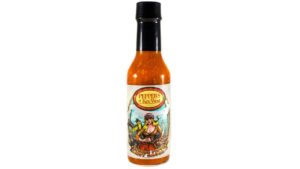
Peppers of Key West Cayenne Pepper Hot Sauce
Best for: Carved turkey, gravy, and leftover sandwiches
Cayenne’s bright pepper flavor and tangy character make it a natural companion to traditional Thanksgiving turkey. Serve a few drops alongside freshly carved slices, stir a little into an individual portion of gravy, or mix it with mayonnaise for leftover turkey sandwiches. It’s a versatile choice for adding familiar pepper warmth without overwhelming the holiday meal.
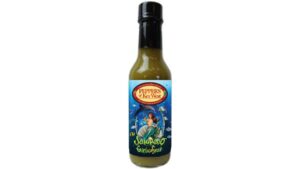
Peppers of Key West Jalapeño Garlic Hot Sauce
Best for: Herb-roasted turkey, garlic butter, and turkey sandwiches
Jalapeño Garlic builds on the savory flavors of traditional herb-roasted turkey, particularly when garlic, sage, thyme, and rosemary are part of the seasoning. Blend a small amount into softened herb butter before roasting or combine it with warm melted butter for a flavorful finishing sauce. Its fresh green-pepper character also makes it an excellent addition to leftover turkey sandwiches.
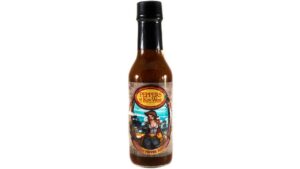
Peppers of Key West Habanero Hot Sauce
Best for: Sliced turkey, cranberry sauce, and leftover turkey wraps
Habanero delivers a more assertive level of heat with a naturally fruity pepper character that complements cranberry sauce, sweet potatoes, and other sweet-savory Thanksgiving favorites. Offer it alongside carved turkey for guests who enjoy stronger heat, or add a small amount to leftover turkey wraps and quesadillas for a completely different flavor experience.
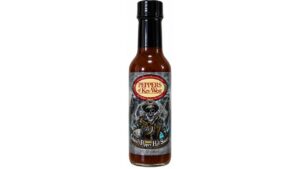
Peppers of Key West Ghost Pepper Hot Sauce
Best for: Small portions of carved turkey, spicy gravy, and bold leftovers
Ghost Pepper Hot Sauce is designed for serious heat lovers who want to take their Thanksgiving turkey in a considerably hotter direction. Its powerful pepper intensity makes it best suited to individual servings rather than the entire roast. Start with just a drop or two on carved turkey or in a personal portion of gravy, adjusting carefully to your preferred heat level.
BRING MORE FLAVOR TO THE THANKSGIVING TABLE WITH OUR FIVE-PACK GIFT BOX

Peppers of Key West 5-Pack Hot Sauce Gift Box
Best for: Thanksgiving hosts, holiday gifts, hot sauce lovers, and family gatherings
The Peppers of Key West 5-Pack Hot Sauce Gift Box brings together Cayenne, Jalapeño Garlic, Habanero, Ghost Pepper, and Carolina Reaper in one convenient collection. With five distinct flavor profiles and heat levels, it offers something for nearly every hot sauce enthusiast, from those who enjoy familiar pepper warmth to experienced chile lovers seeking serious intensity.
Beyond Thanksgiving dinner, the collection makes a thoughtful hostess gift or holiday present for anyone who appreciates great hot sauce. It’s also a practical way to explore different pairings throughout the holiday season, from roasted turkey and gravy to sandwiches, soups, and leftover Thanksgiving favorites.
FREQUENTLY ASKED QUESTIONS ABOUT HOT SAUCE FOR TURKEY
What is the best hot sauce for Thanksgiving turkey?
Cayenne is an excellent all-around choice because its tangy pepper flavor complements traditional roasted turkey. Jalapeño Garlic works particularly well with herb-seasoned turkey, while Habanero offers a fruitier, hotter alternative.
Can you put hot sauce on turkey before roasting?
Yes. Mixing a small amount of hot sauce into softened herb butter and spreading it beneath the breast skin is an effective way to add flavor without heavily coating the outside of the turkey.
Does hot sauce make turkey more tender?
Not necessarily. Vinegar-based hot sauces can affect the surface texture of meat, but they won’t reliably tenderize an entire turkey. Proper cooking and avoiding overcooking are more important for tenderness.
Can you mix hot sauce into turkey gravy?
Absolutely. Stir a few drops of Cayenne or Jalapeño Garlic Hot Sauce into a small portion of prepared gravy, taste, and adjust gradually. This adds flavor without changing the entire batch.
Should you brush hot sauce onto turkey while roasting?
You can apply a thin glaze near the end of roasting, but avoid heavy coatings. Sweetened sauces may burn, and too much liquid can interfere with crisp skin.
What hot sauce goes best with leftover turkey sandwiches?
Cayenne and Jalapeño Garlic are excellent choices for turkey sandwiches, especially when mixed into mayonnaise. Habanero works well for those who prefer a hotter, fruitier finish.
Can you serve hot sauce with Thanksgiving turkey without making the meal too spicy?
Yes. Serve a few different hot sauces alongside the carved turkey so guests can choose their preferred flavor and heat level without changing the traditional roast.
A LITTLE HOT SAUCE CAN GIVE THANKSGIVING TURKEY A WHOLE NEW PERSONALITY
A memorable Thanksgiving turkey begins with good seasoning, careful roasting, and the familiar flavors that make the holiday special. Hot sauce offers a simple way to build on that foundation, whether it’s incorporated into herb butter before roasting, stirred into a small serving of gravy, or used to bring new flavor to Thanksgiving leftovers. The goal isn’t to reinvent the holiday meal, but to discover how different peppers and seasonings can complement a traditional favorite.
From the bright tang of cayenne to the savory character of jalapeño garlic and the bolder heat of habanero, each sauce brings something different to the table. With a few thoughtfully chosen options, Thanksgiving turkey can remain the centerpiece everyone remembers while offering a little extra flavor for those who want it.
CONTINUE YOUR THANKSGIVING FOOD JOURNEY
- Ultimate Thanksgiving Food Guide: Turkey, Side Dishes, Recipes & Holiday Planning — Explore our complete Thanksgiving planning guide, including holiday favorites, menu ideas, and practical hosting advice.
- Best Hot Sauces for Thanksgiving Dinner: What Pairs with Turkey & Sides: What Pairs with Turkey & Sides — Discover how different hot sauce styles complement the entire Thanksgiving meal, from turkey and stuffing to potatoes and vegetables.
- Spicy Thanksgiving Side Dishes: Easy Recipes with a Little Heat: Easy Recipes with a Little Heat — Explore ways to bring extra flavor to classic holiday sides.
