
Mexican Chiles Explained: Fresh vs Dried Peppers Used in Street Food
Walk into a Mexican market expecting to grab “a chile” and you’ll quickly realize you’ve made a rookie mistake. Suddenly you’re surrounded by shiny green jalapeños, wrinkled ancho chiles, bright red guajillos, tiny fiery árbol peppers, smoky chipotles, and names you’ve never heard before. Then someone casually tells you they’re all used for completely different purposes.
Welcome to the wonderfully confusing world of Mexican chiles.
Building your Mexican street food knowledge? Start with Mexican Street Food Beyond Tacos: Elote, Tortas, Tamales & More, your guide to the dishes, ingredients, regions, and traditions that define authentic Mexican street food. Then come back here to discover the peppers that bring many of those iconic foods to life.
The good news? You don’t need to memorize hundreds of peppers to understand authentic Mexican cooking. Once you learn the difference between fresh and dried chiles—and meet the handful that appear again and again in street food—you’ll start recognizing why one pepper ends up in salsa verde, another flavors birria, and another transforms into rich mole negro sauce. Consider this your roadmap to one of Mexico’s most important ingredients.
Mexican food has a reputation for being spicy.
In reality, it’s far more accurate to say that Mexico is a country of remarkable chile diversity.
From the crisp bite of a fresh serrano to the deep, raisin-like richness of a dried ancho, chiles shape nearly every part of authentic Mexican cooking. They’re blended into vibrant salsas, simmered into complex sauces, stuffed and roasted, stirred into soups and stews, and used to season everything from grilled meats to fresh seafood. Some contribute bold heat. Others add sweetness, smokiness, earthiness, or rich color without being particularly spicy at all.
The incredible variety exists because Mexico is home to centuries of agricultural traditions and regional cooking styles. Fresh green chiles are prized for their bright, lively flavor, while drying transforms many peppers into entirely new ingredients with deeper, more concentrated characteristics. In many cases, a dried chile even receives a different name, making the world of Mexican peppers seem far more complicated than it really is.
This guide isn’t designed to teach hundreds of individual peppers.
Instead, it will help you understand the major families of Mexican chiles, the differences between fresh and dried varieties, why both are essential to authentic street food, and how each contributes to the incredible diversity of Mexican cuisine.
Once you understand the big picture, you’ll begin recognizing the peppers behind your favorite tacos, tamales, birria, pozole, enchiladas, moles, salsas, and countless other dishes.
If you’re beginning a broader journey through authentic Mexican cuisine, start with The Complete Mexican Street Food Guide: Ingredients, Dishes, Regions & Cooking Terms Explained, where you’ll find the ingredients, regions, dishes, and cooking techniques that make Mexican street food one of the world’s great culinary traditions.
Later in this guide, we’ll also recommend several Peppers of Key West products that complement the fresh, smoky, fruity, and chile-forward flavors you’ve just discovered.
🌶️ Mexican Chiles Quick Guide
What are Mexican chiles?
Mexican chiles are peppers used throughout the country’s cuisine in both fresh and dried forms. They provide heat, flavor, aroma, color, and depth to everything from tacos and salsas to moles and soups.
What’s the difference between fresh and dried chiles?
Fresh chiles are crisp, bright, and often grassy or fruity, while dried chiles develop deeper, richer, smokier, and sometimes sweeter flavors as moisture is removed.
Are dried chiles hotter than fresh chiles?
Not necessarily. Drying changes a chile’s flavor more than its heat. Some dried chiles are quite mild, while others remain very spicy.
Which fresh chiles are most common in Mexican cooking?
Jalapeños, serranos, poblanos, habaneros, and chilacas are among the most widely used fresh chiles in authentic Mexican cuisine.
Which dried chiles are used most often?
Ancho, guajillo, pasilla, chipotle, and chile de árbol are some of the most common dried chiles found in Mexican markets and recipes.
Why do Mexican recipes use both fresh and dried chiles?
Using both allows cooks to balance brightness, sweetness, smokiness, earthiness, color, and heat, creating the complex flavors that define authentic Mexican cooking.
What Makes Mexican Chiles Different?
Many people outside Mexico think of chiles simply as a way to make food spicy.
In Mexican cooking, they’re much more than that.
A chile is an ingredient with its own personality. Some are bright and grassy, while others taste fruity, smoky, earthy, nutty, or even slightly sweet. One pepper might add fresh heat to salsa verde, while another gives mole its deep mahogany color. Some are stuffed and roasted whole, while others are toasted, soaked, and blended into silky sauces.
That’s why Mexican recipes rarely say, “Add a hot pepper.”
They call for a specific chile because each one contributes something different to the finished dish.
Another unique feature of Mexican cuisine is that many peppers appear in both fresh and dried forms. Drying isn’t simply a way to preserve them—it completely transforms their flavor. A fresh poblano becomes an ancho chile when dried, developing rich notes of dried fruit, cocoa, and mild earthiness. A ripe jalapeño becomes a smoky chipotle after being smoked and dried, creating an entirely different ingredient.
Understanding these transformations is one of the keys to understanding authentic Mexican cooking.
Many of these chiles appear in the same regional dishes you’ll find throughout Mexico’s markets and street-food stalls. Our Regional Mexican Street Food Guide: Famous Dishes from Every Corner of Mexico explores how different states rely on different peppers to create their signature flavors.
MEXICAN CHILES AREN’T JUST ABOUT HEAT—THEY PROVIDE THE DISTINCT FLAVORS, AROMAS, COLORS, AND PERSONALITIES THAT DEFINE THE COUNTRY’S EXTRAORDINARY CUISINE.
Fresh Chiles vs. Dried Chiles: Why Both Matter
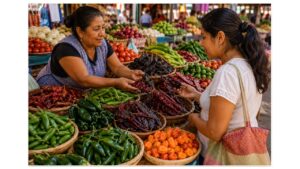
One of the first things visitors notice in a Mexican market is that fresh and dried chiles are often sold side by side.
That isn’t because one is better than the other.
It’s because they serve completely different purposes.
Fresh chiles bring brightness, crispness, and lively flavor to a dish. Their natural moisture makes them perfect for fresh salsas, grilled vegetables, stuffed peppers, seafood dishes, and recipes where clean, vibrant flavors are the goal. Jalapeños, serranos, poblanos, and habaneros all shine in fresh preparations that highlight their unique personalities.
Dried chiles, on the other hand, become richer and more concentrated. As moisture disappears, their natural sugars, aromas, and earthy characteristics intensify. Before cooking, they’re often lightly toasted to deepen their flavor, then soaked until soft before being blended into sauces, soups, marinades, and stews.
Rather than replacing fresh chiles, dried chiles expand the cook’s palette.
A single recipe may even combine both, using fresh peppers for brightness and dried peppers for depth. This balance helps explain why Mexican cuisine produces such layered, memorable flavors without relying solely on extreme heat.
You’ll also notice that many dried chiles have entirely different names than their fresh counterparts. That’s because the drying process transforms them so dramatically that cooks have long treated them as distinct ingredients rather than simply preserved versions of the same pepper.
In the next section, we’ll meet the major chile families you’ll encounter most often in authentic Mexican street food and learn what makes each one unique.
FRESH CHILES BRING BRIGHTNESS, DRIED CHILES BRING DEPTH—TOGETHER THEY CREATE THE EXTRAORDINARY FLAVOR FOUNDATION OF AUTHENTIC MEXICAN COOKING.
 🌶️ Professor Pepper Says…
Fresh doesn’t simply mean milder, and dried doesn’t automatically mean hotter. Drying changes a chile’s flavor even more than its heat. Think of fresh peppers as bright and lively, while dried peppers become richer, sweeter, smokier, and more complex.
The Major Families of Mexican Chiles
Walk through almost any market in Mexico and you’ll quickly realize there isn’t just one type of chile.
There are dozens.
Some are sold fresh in colorful piles beside tomatoes and onions. Others hang in long strings or fill woven baskets as dried chiles with wrinkled skins and deep, earthy aromas. Some are prized for their bright, grassy flavor, while others are valued for the rich sweetness, smokiness, or complexity they develop after drying.
At first, the variety can feel overwhelming.
Fortunately, most of the chiles you’ll encounter in authentic Mexican street food belong to a handful of major families. Once you become familiar with these peppers, you’ll start recognizing them in everything from salsa verde and pico de gallo to birria, mole, pozole, tamales, and tacos.
Let’s meet the peppers that form the foundation of authentic Mexican cooking.
Fresh Chiles At a Glance
- Jalapeño → Bright, versatile, medium heat
- Serrano → Crisp, hotter than jalapeño
- Poblano → Mild, rich, ideal for roasting
- Habanero → Fruity, floral, very hot
- Chilaca → Mild, earthy, often dried into pasilla
Dried Chiles At a Glance
- Ancho → Sweet, mild, raisin-like
- Guajillo → Bright, tangy, slightly smoky
- Pasilla → Earthy, complex, rich
- Chipotle → Smoked dried jalapeño
- Chile de Árbol → Thin, bright, fiery heat
🌶️ Professor Pepper Says…
Don’t try to memorize every pepper today. Learn the personalities of five fresh chiles and five dried chiles first. Once you recognize those, you’ll understand most of the peppers used in authentic Mexican street food.
Fresh Chiles
Fresh chiles bring brightness, crunch, and lively flavor to Mexican cuisine. They’re commonly roasted, grilled, stuffed, chopped into fresh salsas, or blended into sauces that highlight their natural freshness.
Jalapeño
One of Mexico’s best-known peppers, the jalapeño delivers moderate heat with a fresh, grassy flavor that makes it incredibly versatile. It’s equally at home in salsa verde, pico de gallo, nachos, tacos, burgers, and countless everyday dishes.
Its balance of flavor and heat makes it the perfect introduction to Mexican chiles.
If you’ve enjoyed tacos from a street stand or spooned salsa onto your meal, you’ve almost certainly eaten jalapeños. They remain one of the most common peppers found throughout Mexican Street Tacos Explained: The Authentic Street Food That Started It All. They’re also a classic garnish for comforting dishes like Carne en su Jugo Explained: Guadalajara’s Beef Dish That Comfort Food Lovers Need to Try, where fresh jalapeños add brightness and just the right amount of heat to every bowl.
If you’d like to learn more, our Jalapeño Pepper Explained: Flavor, Heat, Uses & Why It’s America’s Favorite Chile guide explores its history, flavor, uses, and regional importance in greater depth.
Serrano
Often mistaken for a small jalapeño, the serrano packs noticeably more heat while maintaining a crisp, clean flavor. Because its thin skin rarely needs peeling, it’s a favorite for fresh table salsas, salsa verde, and many authentic taco toppings.
Across Central Mexico, serranos are one of the most common fresh chiles you’ll find at taquerías and neighborhood markets.
Serranos are equally important in many coastal dishes, especially the bright green marinades used for seafood. They’re one of the defining ingredients in Aguachile Explained: Mexico’s Fiery Seafood Dish That Makes Ceviche Look Tame
Poblano
Large, dark green, and relatively mild, the poblano is one of Mexico’s most versatile cooking peppers. It’s famous for dishes like chiles rellenos, but it’s also roasted for soups, sauces, rice dishes, and creamy preparations.
When dried, the poblano transforms into an ancho chile—a perfect example of how dramatically drying changes a pepper’s personality.
Poblanos are also famous for roasted strips known as rajas, a favorite filling for quesadillas throughout central Mexico. If you’d like to learn more, see Street Quesadillas vs American Quesadillas: Why They’re Not the Same Thing
Habanero
Despite its fearsome reputation, the habanero isn’t just about heat.
Its naturally fruity, citrus-like aroma makes it one of Mexico’s most distinctive peppers. It’s especially important in the Yucatán Peninsula, where bright habanero salsas accompany regional specialties like cochinita pibil, panuchos, and salbutes.
If you’d like to learn more, our Habanero Pepper Explained: Flavor, Scoville Heat, Uses & What Makes It So Hot guide explores its fruity flavor, intense Scoville heat, culinary uses, and importance in Yucatán cooking in greater depth.
Chilaca
Long, slender, and dark green, the chilaca is less familiar outside Mexico but plays an important role in traditional cooking. Fresh chilacas have a mild, earthy flavor that’s ideal for roasting and stewing.
Once dried, they become pasilla chiles, developing much deeper flavors that are essential in many classic sauces.
FRESH CHILES BRING THE BRIGHTNESS, CRISP FLAVOR, AND LIVELY HEAT THAT GIVE MANY OF MEXICO’S MOST ICONIC STREET FOODS THEIR FRESH CHARACTER.
Dried Chiles
While fresh chiles bring brightness and crisp flavor, dried chiles provide the rich foundation behind many of Mexico’s most beloved sauces, stews, marinades, and street foods.
Drying is far more than a preservation method.
As a chile loses moisture, its natural sugars become more concentrated, its aroma deepens, and entirely new flavors begin to emerge. Many dried chiles are lightly toasted before being soaked in warm water and blended into sauces, allowing their full character to develop.
That’s why so many authentic Mexican recipes call for dried chiles instead of fresh ones. They’re not interchangeable—they’re completely different ingredients.
Ancho
The ancho is the dried version of the poblano pepper and one of the mildest dried chiles in Mexican cooking.
Instead of intense heat, ancho chiles contribute sweet, earthy flavors with hints of raisins, dried fruit, chocolate, and tobacco. They’re essential in many traditional mole sauces, enchilada sauces, adobos, and marinades where depth of flavor is more important than spiciness.
Because of their rich, mellow profile, ancho chiles are often one of the first dried peppers home cooks learn to use.
Guajillo
Recognized by its smooth, deep red skin, the guajillo is one of Mexico’s most widely used dried chiles.
Its flavor is bright, slightly tangy, mildly smoky, and just moderately spicy, making it one of the most versatile ingredients in Mexican cuisine. Guajillo chiles frequently appear in birria, pozole, adobos, tamales, enchilada sauces, and countless marinades.
If you’re exploring authentic Mexican cooking, chances are you’ll encounter guajillo again and again.
Guajillo chiles are among the most important dried peppers in Mexican cooking, appearing in birria, rich adobos, tamales, enchilada sauces, pozole, and countless regional recipes. Their balanced flavor, vibrant color, and gentle heat make them one of the country’s most versatile dried peppers. You’ll see guajillos create the rich red consommé in our Birria Tacos Recipe That Delivers Juicy, Slow-Cooked Meat, Crispy Tortillas, and Bold, Dripping Flavor in Every Bite, and they’re equally important in the flavorful sauces and fillings featured in Tamales Explained: The Ancient Mexican Comfort Food That Still Dominates Street Food Culture
Pasilla
Long, dark, and almost black, the pasilla develops from the fresh chilaca pepper after drying.
Its flavor is deeper and more complex than many other dried chiles, with notes of cocoa, dried fruit, herbs, and earthiness. Pasillas are often blended with ancho and guajillo chiles to build the layered flavor profiles found in classic Mexican sauces and moles.
Rather than dominating a dish, they quietly add richness and complexity.
Chipotle
Chipotle is perhaps Mexico’s most famous transformed chile.
It begins as a ripe red jalapeño before being slowly smoked and dried, creating a pepper that’s instantly recognizable for its smoky aroma and bold flavor.
Chipotles add depth to salsas, barbecue sauces, soups, beans, tacos, burgers, and marinades. Their distinctive smoky character has made them popular far beyond Mexico, but they remain deeply rooted in traditional Mexican cooking.
Chipotles add depth to salsas, barbecue sauces, soups, beans, tacos, burgers, and marinades. Their distinctive smoky character has made them popular far beyond Mexico, but they remain deeply rooted in traditional Mexican cooking. You’ll also find chipotles adding smoky depth to many of the regional condiments featured in Mexican Street Food Sauces Beyond Salsa: Crema, Chili Oils, Citrus Heat & More, where they complement everything from salsa macha to rich table sauces.
Chile de Árbol
Small, slender, and fiery, chile de árbol delivers significantly more heat than many of the other dried chiles in this guide.
Despite its size, it contributes a clean, bright heat that shines in salsa taquera, chile oils, hot sauces, and table salsas served with tacos and grilled meats.
Just a few árbol chiles can dramatically increase the heat of an entire recipe without overpowering its other flavors.
DRIED CHILES PROVIDE THE RICH, SMOKY, EARTHY FLAVORS THAT GIVE MANY OF MEXICO’S MOST ICONIC SAUCES, STEWS, AND STREET FOODS THEIR REMARKABLE DEPTH.
Why Some Mexican Chiles Have Two Different Names
One of the biggest sources of confusion for people learning Mexican cooking is discovering that some peppers seem to change names overnight.
In reality, they’re the same chile—just at a different stage of its life.
When certain peppers are harvested fresh, they’re known by one name. After they’re allowed to ripen, dry naturally, or undergo smoking and drying, they often receive a completely different name because their flavor, texture, color, and culinary purpose have changed so dramatically.
Some of the best-known examples include:
- Poblano → Ancho
- Fresh Red Jalapeño → Chipotle
- Chilaca → Pasilla
These aren’t marketing names or different varieties.
They’re traditional culinary names that have been used throughout Mexico for generations.
Understanding these transformations makes shopping much easier and helps explain why recipes sometimes call for ingredients that appear unrelated at first glance.
Instead of thinking of them as different peppers, it’s helpful to think of them as two chapters in the same pepper’s story.
🌶️ Professor Pepper Says…
Don’t be surprised if one pepper has two names. A poblano becomes an ancho after drying, and a jalapeño becomes a chipotle after it’s smoked and dried. You’re looking at the same pepper in a completely different stage of its life.
SOME OF MEXICO’S MOST IMPORTANT CHILES CHANGE SO MUCH DURING DRYING THAT THEY BECOME ENTIRELY NEW INGREDIENTS WITH THEIR OWN NAMES, FLAVORS, AND CULINARY ROLES.
Why Different Regions of Mexico Use Different Chiles
Travel across Mexico and you’ll notice something remarkable:
The country’s most iconic peppers aren’t used everywhere in the same way.
Every region has developed its own favorite chiles based on climate, local agriculture, Indigenous traditions, and the dishes that define its cuisine. While many peppers are available nationwide, certain varieties have become deeply connected to the places where they’re grown and the foods they’re help create.
That regional identity is one of the reasons Mexican food is so diverse.
Northern Mexico
In the north, where ranching traditions and open-fire grilling have shaped local cuisine for generations, cooks often favor fresh chiles that complement beef, flour tortillas, and smoky grilled meats.
In many northern markets, you’ll find baskets of fresh jalapeños and serranos sitting beside stacks of handmade flour tortillas, sacks of mesquite charcoal, and the day’s cuts of beef—a snapshot of the ranching traditions that define the region’s cuisine.
Jalapeños, serranos, and roasted poblanos commonly appear alongside carne asada, cabrito, burros, burritos, and hearty salsas served with grilled foods.
The bold flavors of Northern Mexico don’t rely on overwhelming heat—they rely on balance between quality meat, fresh peppers, and fire.
Central Mexico
Central Mexico is home to one of the country’s greatest concentrations of street food, and its chile selection reflects that incredible diversity.
Markets throughout Mexico City, Puebla, Hidalgo, and surrounding states feature both fresh and dried peppers used in tacos, tlacoyos, huaraches, sopes, tamales, quesadillas, and countless family recipes.
Morning markets throughout Central Mexico buzz with tortilla makers, salsa vendors, and produce stalls overflowing with fresh chiles, creating the colorful backdrop for one of the world’s greatest street food cultures.
This is also where many of Mexico’s most famous table salsas come to life, combining fresh serranos, jalapeños, dried guajillos, árbol chiles, and other regional ingredients.
Oaxaca
Few places celebrate chiles like Oaxaca.
Home to one of Mexico’s richest culinary traditions, Oaxaca uses an impressive variety of fresh and dried peppers in moles, tamales, tlayudas, memelas, soups, and countless regional specialties.
Many of the state’s traditional mole recipes rely on carefully balanced combinations of several dried chiles rather than a single dominant pepper, creating extraordinary depth without depending solely on heat.
Oaxaca is also home to several unique regional chile varieties that are difficult to find anywhere else.
Markets throughout Oaxaca often display baskets filled with colorful dried chiles beside fresh herbs, chocolate, spices, and towering stacks of tortillas—an immediate reminder that many of the state’s famous moles begin long before they reach the table.
Veracruz
Along Mexico’s Gulf Coast, Veracruz combines Indigenous, Spanish, and Caribbean influences into a cuisine known for fresh seafood, tropical ingredients, and bold sauces.
Both fresh and dried chiles appear in seafood dishes, roasted salsas, marinades, and slow-cooked stews, often paired with tomatoes, garlic, herbs, olives, citrus, and local spices.
Along Veracruz’s Gulf Coast, the aroma of roasted chiles, garlic, tomatoes, and fresh seafood drifts through open-air markets where coastal cooking blends Indigenous, Spanish, and Caribbean influences.
Yucatán Peninsula
The Yucatán has developed one of Mexico’s most recognizable chile traditions.
Here, the habanero reigns.
Bright orange habaneros are stacked high in neighborhood markets across the Yucatán, where cooks pair their fruity heat with sour oranges, achiote, and slow-roasted pork to create some of Mexico’s most distinctive flavors.
Its fruity aroma and intense heat are essential to the peninsula’s famous table salsas, where it complements cochinita pibil, panuchos, salbutes, poc chuc, and many other regional dishes influenced by centuries of Mayan culinary traditions.
The Beauty of Regional Diversity
Even neighboring towns may prepare similar dishes using different peppers.
Walk through five Mexican markets in five different states and you’ll see five completely different collections of peppers. That’s one of the reasons traveling across Mexico feels like exploring several cuisines instead of just one.
Another chooses jalapeños.
A neighboring village might rely on dried guajillos or árbol chiles instead.
These local differences aren’t mistakes—they’re traditions passed from one generation to the next.
Rather than searching for one “correct” pepper, it’s better to appreciate each chile as part of the unique culinary identity of its region.
MEXICO’S EXTRAORDINARY CHILE DIVERSITY REFLECTS THE COUNTRY’S REGIONAL IDENTITY, WHERE LOCAL INGREDIENTS AND GENERATIONS OF TRADITION CREATE DISTINCT FLAVORS FROM ONE STATE TO THE NEXT.
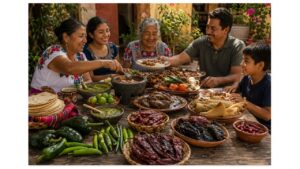
How to Choose the Right Mexican Chile
One of the biggest questions new cooks ask isn’t, “Which chile is the hottest?”
It’s: “Which chile should I use?”
The answer depends less on heat and more on the type of flavor you’re trying to create.
If you want a fresh, bright salsa for tacos, grilled chicken, or seafood, fresh jalapeños or serranos are excellent choices. Their crisp flavor adds lively heat without overpowering the other ingredients.
Planning to roast or stuff peppers? Poblanos are ideal because of their mild flavor and sturdy size, making them perfect for dishes like chiles rellenos.
When you’re making rich sauces, birria, enchiladas, pozole, adobos, or mole, dried chiles become the stars. Guajillos contribute bright red color and balanced flavor, ancho chiles add sweetness and depth, pasillas provide earthy complexity, and chipotles bring unmistakable smoky richness.
For cooks who enjoy bold heat, habaneros and chile de árbol deliver powerful spice while still contributing their own distinctive flavors.
Don’t worry if your local grocery store doesn’t carry every variety. Even buying one fresh jalapeño and one dried guajillo is enough to start experiencing the difference between fresh and dried Mexican chiles.
The beauty of Mexican cooking is that there isn’t one perfect chile.
There are simply different peppers for different jobs.
The more you experiment, the more you’ll discover how each one contributes its own personality to authentic Mexican cuisine.
🌶️ Professor Pepper Says…
When shopping, choose peppers based on flavor first and heat second. Many of Mexico’s most famous recipes rely on mild peppers because they contribute sweetness, fruitiness, or smokiness—not just spice.
THE BEST MEXICAN CHILE ISN’T NECESSARILY THE HOTTEST—IT’S THE ONE THAT BRINGS THE RIGHT BALANCE OF FLAVOR, AROMA, COLOR, AND HEAT TO THE DISH YOU’RE PREPARING.
🌶️ Recommended Peppers of Key West Products for Mexican Chiles
Understanding Mexican chiles is the first step toward creating more authentic, flavorful meals at home. Whether you’re making fresh salsa, grilling tacos, roasting vegetables, or experimenting with bold regional flavors, these Peppers of Key West favorites help you continue the journey you just began. Each product highlights a different side of the chile experience—from fresh everyday flavor to smoky heat and adventurous spice.
Product Pairing Quick Guide
- Fresh Salsa, Nachos & Everyday Mexican Cooking → Jalapeño Garlic Hot Sauce
- Street Tacos, Burritos & Grilled Chicken → Habanero Pepper Hot Sauce
- Explore Different Chile Flavors → Hot Sauce Variety 5-Pack
- Backyard Taco Nights & BBQ Entertaining → BBQ Gift Box
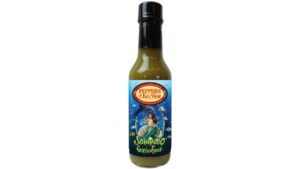
🌶️ Jalapeño Garlic Hot Sauce
If today’s guide inspired you to learn more about fresh Mexican chiles, Peppers of Key West Jalapeño Garlic Hot Sauce is the perfect place to start. Its balanced jalapeño flavor delivers mild-to-medium heat with savory garlic, making it easy to enjoy on everyday meals while showcasing why jalapeños remain one of Mexico’s most beloved peppers.
Why You’ll Love It: Fresh jalapeño flavor that brings authentic chile character without overwhelming heat.
👉 Perfect For: Fresh salsa, tacos, quesadillas, nachos, grilled vegetables, eggs, burgers, and weeknight Mexican dinners.
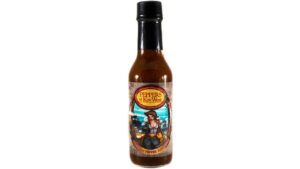
🌶️ Habanero Pepper Hot Sauce
Ready to experience another side of Mexican chile flavor? Peppers of Key West Habanero Pepper Hot Sauce highlights the fruity, citrus-like character that makes habaneros one of Mexico’s most distinctive peppers. It adds bold heat while complementing tacos, grilled meats, seafood, and countless Mexican-inspired dishes.
Why You’ll Love It: Discover the tropical fruitiness and bold personality that make habaneros unforgettable.
👉 Perfect For: Street tacos, burritos, grilled shrimp, chicken, carne asada, roasted vegetables, wings, and adventurous taco nights.

🌶️ Hot Sauce Variety 5-Pack
One of the best ways to appreciate Mexican chiles is by comparing different peppers side by side. The Peppers of Key West Hot Sauce Variety 5-Pack lets you experience a range of flavors and heat levels inspired by different chile personalities, helping you discover new favorites with every meal.
Why You’ll Love It: Compare different pepper profiles and find the perfect sauce for every dish.
👉 Perfect For: Taco nights, family dinners, cookouts, party buffets, food lovers, and discovering your favorite pepper.

Authentic Mexican cooking is meant to be shared, and so are great peppers. The Peppers of Key West BBQ Gift Box brings together sauces and seasonings that help turn backyard grilling, taco nights, and family gatherings into memorable meals inspired by the bold flavors you’ve explored throughout this guide.
Why You’ll Love It: Everything you need to bring authentic chile-inspired flavor to your next gathering.
👉 Perfect For: Backyard BBQs, taco bars, Father’s Day, holiday gifts, summer cookouts, and entertaining friends.
Authentic Mexican chiles are far more than ingredients that add heat. They provide the color, aroma, sweetness, smokiness, fruitiness, and depth that define regional Mexican cooking. From fresh jalapeños and serranos to smoky chipotles, rich ancho chiles, and versatile guajillos, each pepper tells part of Mexico’s remarkable culinary story.
Learning the difference between fresh and dried chiles is one of the biggest steps toward understanding authentic Mexican cuisine. Once you recognize how each pepper contributes its own unique personality, you’ll begin seeing recipes, salsa bars, markets, and regional dishes in an entirely new way.
Whether you’re preparing fresh salsa, slow-simmered mole, grilled tacos, or a simple weeknight dinner, choosing the right chile can transform an ordinary meal into something unforgettable.
The next time you walk through a Mexican market or browse the chile aisle, you won’t simply see green peppers and dried pods—you’ll recognize generations of culinary tradition, regional identity, and the extraordinary ingredients that have shaped one of the world’s greatest food cultures.
Every basket of peppers in a Mexican market tells a story. Some have been harvested fresh that morning. Others have spent weeks drying beneath the sun or over wood smoke, waiting to become the rich sauces, comforting stews, and unforgettable street foods that generations of families have enjoyed. Once you understand their differences, you’ll never look at a chile the same way again.
🌶️ Professor Pepper Says…
If you’re just getting started, buy one fresh pepper and one dried pepper. Make a fresh salsa with the first and a simple sauce with the second. You’ll immediately taste why Mexican cooks keep both in their kitchens.
THE MORE YOU LEARN ABOUT MEXICAN CHILES, THE MORE YOU’LL DISCOVER THAT EVERY PEPPER HAS ITS OWN STORY TO TELL.
Frequently Asked Questions About Mexican Chiles
What is the difference between fresh and dried Mexican chiles?
Fresh chiles have a crisp texture and bright, grassy, or fruity flavors that work well in fresh salsas, roasted dishes, and grilled foods. Dried chiles develop deeper, sweeter, earthier, and sometimes smokier flavors, making them essential for moles, adobos, marinades, soups, and slow-simmered sauces.
Are dried chiles hotter than fresh chiles?
Not always. Drying changes a chile’s flavor much more than its heat. Many dried chiles, such as ancho and pasilla, are relatively mild, while chile de árbol remains quite spicy. Heat depends on the pepper itself rather than whether it’s fresh or dried.
Why do some Mexican chiles have different names after drying?
Some peppers change so dramatically during drying that they receive traditional culinary names. For example, a poblano becomes an ancho, a ripe smoked jalapeño becomes a chipotle, and a chilaca becomes a pasilla. Although they’re the same pepper, their flavors and culinary uses are very different.
Which Mexican chile is best for beginners?
Jalapeños and poblanos are excellent starting points. Jalapeños provide balanced heat and fresh flavor, while poblanos are mild enough for roasting and stuffing. Among dried chiles, ancho peppers are a great introduction because they’re rich in flavor without being overly spicy.
Which dried chile is used most often in Mexican cooking?
Guajillo chiles are among the most commonly used dried peppers in Mexico. Their balanced heat, bright red color, and versatile flavor make them popular in birria, pozole, enchilada sauces, marinades, tamales, and many traditional recipes.
What is the hottest Mexican chile?
Among the peppers covered in this guide, habaneros and chile de árbol deliver the most heat. However, authentic Mexican cooking usually values flavor and balance over extreme spiciness, often combining several chiles to create depth rather than simply increasing heat.
Can I substitute one Mexican chile for another?
Sometimes, but the results may change significantly. Each chile contributes its own flavor, color, aroma, and level of heat. While substitutions are possible, using the chile called for in a recipe usually produces the most authentic flavor.
Do authentic Mexican recipes use more than one type of chile?
Yes. Many traditional recipes combine several fresh and dried chiles to create layers of flavor. Classic moles, adobos, and regional sauces often rely on carefully balanced blends rather than a single pepper.
Where can I buy authentic Mexican chiles?
Fresh and dried Mexican chiles are widely available in Mexican markets, Latin grocery stores, specialty food shops, and many supermarkets. Dried peppers are also easy to purchase online if they’re difficult to find locally.
Are Mexican chiles only used in spicy food?
No. Many Mexican chiles are chosen for their sweetness, smokiness, fruitiness, color, or earthy flavor rather than their heat. In authentic Mexican cuisine, chiles are ingredients that build complexity—not simply a way to make food spicy.
Continue Your Adventure
Continue Exploring Mexican Chiles
- Jalapeño Peppers Explained: Mexico’s Most Popular Chile from Garden to Table
- Serrano Peppers Explained: The Bright, Bold Chile Behind Mexico’s Favorite Green Salsas
- Poblano Peppers Explained: Mexico’s Mild Roasting Chile with Big Flavor
- Habanero Peppers Explained: The Fruity Fire Behind Yucatán’s Boldest Flavors
- Ancho Chiles Explained: The Sweet, Smoky Dried Poblano That Defines Mexican Sauces
- Guajillo Chiles Explained: Mexico’s Most Versatile Dried Pepper
- Pasilla Chiles Explained: The Rich, Earthy Pepper Behind Classic Mexican Moles
- Chipotle Peppers Explained: How Smoked Jalapeños Changed Mexican Cooking
- Chile de Árbol Explained: Flavor, Heat, Uses & Why This Mexican Chile Packs a Fiery Punch
Expand Your Flavor Journey
- Mexican Salsas Explained: Roja, Verde, Macha, Borracha, Taquera & More
- Regional Mexican Street Food Guide: Famous Dishes from Every Corner of Mexico
- The Complete Mexican Street Food Guide: Ingredients, Dishes, Regions & Cooking Terms Explained
- The Ultimate Guide to Mexican Street Food: Ingredients, Dishes, Regions & Cooking Terms Explained
See More Keywords (25–35)
Mexican chile peppers, chile varieties Mexico, authentic Mexican ingredients, dried chile pods, fresh chile peppers, Mexican spice guide, chile flavor guide, roasted peppers Mexican cuisine, mole peppers, birria peppers, pozole peppers, enchilada sauce peppers, salsa peppers, taco peppers, grilled pepper recipes, smoked chipotle peppers, chile cooking tips, Mexican market peppers, Oaxaca chiles, Yucatán peppers, Puebla cooking, regional Mexican cuisine, traditional Mexican ingredients, authentic Mexican recipes, chile heat levels, Mexican food guide, street food ingredients, cooking with dried chiles, chile preparation, toasted dried peppers, rehydrating dried chiles, Mexican culinary traditions.
