Pan Dulce Explained: Mexico’s Sweet Bread Tradition Beyond the Famous Concha
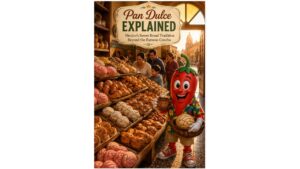
The famous concha may be Mexico’s most recognizable sweet bread, but it’s only the beginning of an incredible bakery tradition. From flaky cuernitos and buttery orejas to colorful pastries found only in local panaderías, pan dulce is woven into everyday life across Mexico. Discover the history, regional favorites, breakfast traditions, and hidden gems that make Mexico’s sweet bread culture so much more than a single pastry.
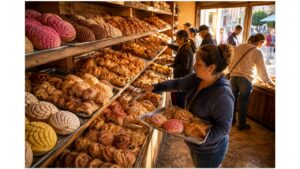
Walk into almost any neighborhood panadería (Mexican bakery) early in the morning and you’ll immediately understand why pan dulce holds such a special place in Mexican food culture. Glass cases are filled with colorful conchas, buttery cuernitos, flaky orejas, empanadas, and dozens of other sweet breads fresh from the oven. Families stop in before work, children pick out their favorite pastries before school, and the aroma of freshly baked bread mixes with steaming cups of café de olla as another day begins.
For many visitors, the famous concha is the only pan dulce they recognize. In reality, it’s just one member of a family of hundreds of traditional Mexican pastries shaped by centuries of Indigenous ingredients, European baking techniques, and regional creativity. Every town has its own favorites, every bakery has its own recipes, and every generation grows up with memories of visiting the local panadería.
PAN DULCE ISN’T JUST A PASTRY—IT’S ONE OF MEXICO’S MOST CHERISHED DAILY TRADITIONS.
Whether you’re planning a trip to Mexico, exploring authentic Mexican breakfasts, or simply wondering why conchas have become famous around the world, this guide explains everything you need to know about Mexico’s remarkable sweet bread tradition. You’ll discover how pan dulce became a cultural icon, the pastries every first-time visitor should recognize, how to order like a local, and why a neighborhood bakery is often one of the best places to experience everyday Mexican life.
Pan dulce is only one chapter in Mexico’s incredible street food story. From steaming tamales and overstuffed tortas to smoky elote, crispy quesadillas, and dozens of regional specialties, every neighborhood offers its own flavors and traditions. If you’re ready to discover the foods that make Mexican street cuisine one of the world’s most celebrated culinary experiences, continue with our Mexican Street Food Beyond Tacos: Elote, Tortas, Tamales & More guide and explore the authentic favorites found in mercados, plazas, and street corners across Mexico.
Quick Guide: Pan Dulce at a Glance
- What is Pan Dulce? A collection of traditional Mexican sweet breads and pastries enjoyed throughout the day, especially at breakfast.
- Most Famous Variety: Conchas
- Where You’ll Find It: Neighborhood panaderías (Mexican bakeries), mercados, cafés, and street vendors.
- Often Enjoyed With: Café de olla, atole, hot chocolate, or milk.
- Popular Varieties: Conchas, cuernitos, orejas, empanadas dulces, roles de canela, polvorones, puerquitos, and many regional specialties.
- Best Time to Buy: Early morning, when bakeries have the freshest selection.
- What Makes It Unique: Hundreds of regional recipes, colorful toppings, soft textures, and generations of family baking traditions.
What Is Pan Dulce? Understanding Mexico’s Beloved Sweet Bread Tradition
The phrase pan dulce literally translates to “sweet bread,” but in Mexico it means far more than a single pastry. Rather than describing one specific recipe, pan dulce refers to an enormous family of sweet breads and baked goods that have become part of everyday life throughout the country. Walk into almost any neighborhood panadería and you’ll find shelves filled with dozens—sometimes hundreds—of varieties, each with its own shape, texture, flavor, and history.
For many visitors, the colorful concha is the first pastry they recognize. Its shell-shaped sugar topping has become one of the world’s most recognizable symbols of Mexican baking. Yet conchas are only one member of a remarkably diverse family that includes flaky cuernitos, crisp orejas, buttery polvorones, sweet empanadas, puerquitos flavored with molasses, cinnamon-scented roles de canela, and countless regional specialties that rarely leave the towns where they were created.
PAN DULCE IS A CATEGORY OF BREADS—NOT A SINGLE PASTRY.
One of the reasons pan dulce is so deeply woven into Mexican culture is its versatility. Families enjoy it with café de olla before work, children pick out favorite pastries after school, grandparents gather at neighborhood bakeries for conversation over coffee, and holiday celebrations often include special seasonal varieties prepared only during certain times of the year. It’s comfort food, breakfast, an afternoon snack, and a family tradition all at once.
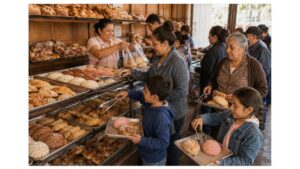
Unlike many bakery traditions where one or two signature breads dominate the shelves, Mexican panaderías celebrate variety. Customers often use trays and tongs to choose several different pastries rather than purchasing just one. It’s common for a family to leave the bakery with an assortment of shapes, flavors, and textures so everyone can enjoy a personal favorite around the breakfast table.
Many of these breads reflect the blending of Indigenous ingredients with European baking techniques introduced during the colonial period. Over centuries, Mexican bakers adapted recipes using local flavors, creating a bakery tradition that is unmistakably its own. Today, every region continues to add its own specialties, making pan dulce one of the richest and most diverse baking cultures in the world.
Many of the freshest varieties of pan dulce are found inside neighborhood panaderías located near Mexico’s bustling mercados. To learn how these local markets connect food, families, and daily life, visit our Mexican Street Food Markets Explained: How to Order Like a Local and Find the Best Food Fast.
Now that you know what pan dulce actually is, the next question is how Mexico developed one of the world’s most diverse bakery traditions. The answer stretches back centuries, blending Indigenous ingredients, European baking techniques, and generations of family craftsmanship into the breads enjoyed across Mexico today.
The History of Pan Dulce: How Indigenous Ingredients and European Baking Created a Mexican Icon
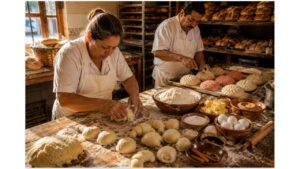
The story of pan dulce begins long before the first concha was ever baked. For thousands of years, Indigenous civilizations throughout Mexico relied on corn, cacao, vanilla, honey, and other native ingredients as the foundation of their diets. Wheat, however, was unknown in the Americas before the arrival of the Spanish during the 16th century.
When Spanish colonists introduced wheat cultivation and European baking techniques, they also brought new ingredients such as butter, sugar, eggs, milk, and yeast. Bakers gradually combined these Old World methods with local flavors and traditions, creating something entirely new. Rather than simply copying European breads, Mexican bakers adapted recipes to local tastes, ingredients, and customs, giving rise to the remarkable variety of pan dulce enjoyed today.
PAN DULCE IS ONE OF MEXICO’S BEST EXAMPLES OF CULINARY FUSION, WHERE INDIGENOUS TRADITIONS AND EUROPEAN TECHNIQUES CREATED SOMETHING COMPLETELY UNIQUE.
Throughout the centuries, neighborhood bakeries became gathering places where families stopped each morning for fresh bread before work or school. Recipes were passed from one generation of bakers to the next, while each region developed specialties influenced by local ingredients, climate, and community traditions. Some pastries reflected French techniques introduced during the 19th century, while others remained rooted in simpler family recipes that had evolved over generations.
Today, Mexico is home to hundreds of recognized varieties of pan dulce. Although the famous concha has become the international symbol of Mexican baking, every bakery offers its own combination of familiar favorites and regional specialties. Visiting different panaderías often means discovering breads you’ve never seen before, even if you’ve traveled extensively throughout Mexico.
The diversity of pan dulce reflects the same regional identity found throughout Mexican cuisine. Just as tacos, tamales, and street food specialties vary from Baja California to the Yucatán Peninsula, bakery traditions continue to evolve from one community to the next, making every visit to a local panadería a unique culinary experience.
If you’d like to discover how regional traditions shape Mexican food far beyond the bakery, our Regional Mexican Street Food Guide: Famous Dishes from Every Corner of Mexico explores the iconic foods that define each part of the country.
Understanding where pan dulce comes from makes every bakery visit even more meaningful. But with hundreds of different pastries lining the shelves, many first-time visitors wonder which ones they should actually try. Fortunately, a handful of classic favorites appear in almost every Mexican panadería and provide the perfect introduction to this remarkable baking tradition.
The Most Popular Types of Pan Dulce Every Visitor Should Recognize
Walk into a traditional Mexican panadería and you’ll quickly notice something surprising: there isn’t just one kind of pan dulce. Instead, shelves are filled with dozens of shapes, textures, and flavors that reflect generations of regional baking traditions. While every bakery has its own specialties, a handful of classic pastries appear throughout much of Mexico and provide the perfect introduction for first-time visitors.
YOU DON’T HAVE TO TRY EVERYTHING—JUST KNOWING A FEW CLASSICS WILL MAKE YOUR FIRST PANADERÍA VISIT FAR MORE ENJOYABLE.
🌸 Conchas
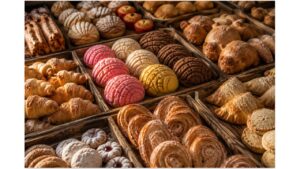
Without question, the concha is Mexico’s most famous sweet bread. Named for its shell-like sugar topping, conchas are soft, slightly sweet yeast breads covered with a crunchy cookie-like crust that comes in colors such as white, pink, yellow, chocolate, and occasionally green. They’re often enjoyed with café de olla or hot chocolate and have become an international symbol of Mexican baking.
🥐 Cuernitos
Resembling small croissants, cuernitos are light, buttery pastries with delicate flaky layers. Although inspired by European baking traditions, they’ve become a familiar sight in Mexican bakeries and are popular for breakfast or an afternoon snack alongside coffee.
🍂 Orejas
Known as “ears” because of their distinctive shape, orejas are crisp, caramelized pastries made with folded puff pastry coated in sugar. Their delicate crunch makes them one of the most recognizable pastries behind the bakery counter.
🐷 Puerquitos
Often called marranitos, these charming pig-shaped pastries are flavored with cinnamon, molasses, and warm spices. Their soft texture and comforting flavor have made them a favorite among generations of Mexican families.
🍪 Polvorones
These buttery, crumbly cookies practically melt in your mouth. Although recipes vary by region, polvorones remain one of the classic treats found in many neighborhood panaderías.
🥟 Sweet Empanadas
Unlike the savory empanadas found elsewhere in Latin America, many Mexican bakeries also prepare sweet versions filled with fruit preserves, pumpkin, pineapple, sweet potato, or creamy custards depending on the season and local traditions.
Every variety of pan dulce begins with simple ingredients transformed through generations of baking tradition. If you’d like to learn more about the ingredients, cooking methods, and culinary terms that define authentic Mexican cuisine, continue with our Mexican Street Food Ingredients & Cooking Terms Explained guide.
Choosing your first pastry is only half the experience. Visiting a neighborhood panadería has its own customs and routines, and learning how locals order, select, and enjoy pan dulce is part of what makes the tradition so memorable.
How to Visit a Mexican Panadería Like a Local
One of the first things many visitors notice is that ordering pan dulce doesn’t work the way it does in many bakeries. Instead of pointing through a display case while someone behind the counter gathers your order, most traditional Mexican panaderías invite customers to become part of the experience themselves.
Near the entrance, you’ll usually find a stack of metal trays and a pair of tongs. From there, you simply wander through rows of freshly baked pastries, selecting whatever catches your eye. Don’t worry if you don’t recognize every pastry by name. Discovering something new is part of the experience. Many first-time visitors discover new favorites simply by following the aroma of fresh bread or choosing pastries that look too beautiful to leave behind. The warm aroma of butter, cinnamon, sugar, and fresh bread often fills the bakery before you even reach the shelves.
THE PAN DULCE TRAY ISN’T JUST A WAY TO SHOP—IT’S PART OF THE TRADITION.
It’s also common to buy several different pastries instead of just one. A single tray might hold a colorful concha, a flaky oreja, a buttery cuernito, a sweet empanada, and a puerquito shaped like a little pig. Families often build a mixed assortment so everyone at home can choose a favorite over coffee or breakfast, turning a simple bakery visit into a small daily ritual shared across generations.
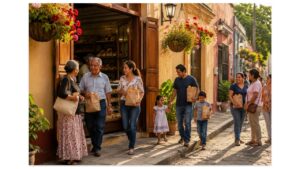
One of the things visitors notice first is that Mexican families rarely buy just one piece of pan dulce. Instead, they leave with a mixed assortment so everyone can choose a favorite at home. A single paper bag may contain colorful conchas, flaky orejas, buttery cuernitos, sweet empanadas, and pastries unique to that neighborhood bakery. Sharing the assortment becomes part of the tradition, with every family member reaching for the bread they love most.
Of course, these are only a small sample of Mexico’s incredible bakery tradition. Some panaderías display more than one hundred different varieties of pan dulce, with regional specialties that may only be found in a single town or state. That’s part of the fun—every visit offers an opportunity to discover something completely new.
Once you’ve finished making your selections, you simply carry your tray to the counter. The baker or cashier counts each pastry, bags your assortment, and sends you home with one of Mexico’s simplest—and most enjoyable—food traditions.
How to Order Pan Dulce Like a Local
- How to Order Pan Dulce Like a Local
- Grab a metal tray and a pair of tongs near the entrance.
- Wander through the bakery and choose a variety of pastries.
- Carry your tray to the cashier when you’re finished.
- The cashier counts each pastry and bags your assortment.
- Take your pan dulce home—or enjoy it right away with a cup of café de olla.
THE BEST WAY TO LEARN PAN DULCE IS TO PICK UP A TRAY, FOLLOW YOUR CURIOSITY, AND TRY SOMETHING NEW.
Most panaderías are busiest early in the morning and again later in the afternoon, when families stop in before breakfast, after school, or on the way home from work. Freshness matters, so if you see warm bread being brought out from the back, that is usually a very good sign.
Once your tray is full, you take it to the counter where the bakery staff counts your selections, bags them, and rings you up. It is simple, casual, and wonderfully personal. Every visit gives you a chance to discover a new favorite.
Pan dulce is often enjoyed with café de olla, atole, hot chocolate, or milk, but it also fits naturally into a larger Mexican breakfast. If you want to see how sweet breads connect with morning foods like tamales, chilaquiles, and breakfast tacos, our Mexican Street Food Breakfast Favorites Worth Waking Up Early For guide is the perfect next stop.
Once you understand how to choose pan dulce like a local, the next question becomes even more delicious: when do people actually eat it, and why has it become such an important part of daily life in Mexico?
When Mexicans Eat Pan Dulce and What They Drink with It
Pan dulce is often associated with breakfast, but it is not limited to the morning. Across Mexico, sweet bread appears throughout the day as part of small everyday rituals: a quick bite before work, an after-school treat, an afternoon break with coffee, or a simple evening snack shared with family.
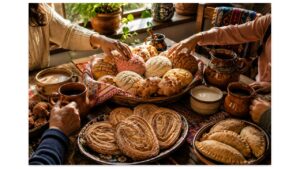
One of the most traditional pairings is pan dulce with café de olla, a warm Mexican coffee often brewed with cinnamon and piloncillo. The gentle sweetness of the bread balances beautifully with the spice and depth of the coffee, making the combination feel comforting without being heavy.
Atole is another classic companion, especially during cooler mornings or holidays. Its thick, warm texture makes it especially satisfying with conchas, puerquitos, and other soft breads. Hot chocolate is also common, particularly for children or family gatherings.
PAN DULCE ISN’T ONLY ABOUT WHAT YOU EAT—IT’S ABOUT THE MOMENT YOU SHARE AROUND IT.
What makes the tradition special is how casual and familiar it feels. A bag of pan dulce on the kitchen table invites everyone to choose their favorite. One person reaches for a concha, another breaks off part of an oreja, and someone else saves the last empanada for later. It is simple, generous, and deeply connected to daily family life.
Pan dulce is also closely tied to holidays and seasonal celebrations. Around Día de los Muertos, bakeries fill their shelves with pan de muerto, a soft, lightly sweet bread often flavored with orange blossom or citrus and decorated with bone-shaped pieces of dough. In January, families share rosca de Reyes, a ring-shaped sweet bread served for Three Kings Day and often decorated with candied fruit. During Christmas and other family celebrations, many panaderías prepare special breads, cookies, and festive pastries that only appear at certain times of year. These seasonal breads remind us that pan dulce is not just an everyday breakfast tradition—it is also part of Mexico’s holiday calendar, family gatherings, and most meaningful food memories.
Pan dulce also fits naturally into Mexico’s larger street food culture. It may not be spicy or savory, but it belongs to the same world of neighborhood vendors, morning markets, family recipes, and local traditions. Pan dulce is just one of the many authentic foods that make Mexico’s street food culture so unforgettable. From steaming tamales and crispy quesadillas to hearty tortas, roasted elote, and countless regional specialties, every neighborhood tells its own culinary story. Continue your journey with our Mexican Street Food Beyond Tacos: Elote, Tortas, Tamales & More guide to discover the incredible variety that awaits beyond Mexico’s famous tacos.
Pan dulce may begin in the bakery, but its meaning continues at the table. To understand why it matters so much, it helps to look beyond the pastries themselves and see how neighborhood panaderías became part of everyday Mexican life.
Why Pan Dulce Remains One of Mexico’s Most Beloved Food Traditions
In a world filled with fast breakfasts and grab-and-go meals, pan dulce continues to represent something refreshingly simple: slowing down long enough to share good food with the people around you.
Whether purchased from a neighborhood panadería that has served the same community for generations or picked up from a bustling bakery inside a local mercado, pan dulce remains woven into everyday life across Mexico. It is a tradition that connects grandparents with grandchildren, longtime bakers with first-time visitors, and centuries of culinary history with the morning routines of today.
PAN DULCE IS MORE THAN SWEET BREAD—IT IS A DAILY TRADITION THAT BRINGS PEOPLE TOGETHER THROUGH FOOD, FAMILY, AND COMMUNITY.
For travelers, visiting a panadería offers far more than the chance to enjoy a delicious pastry. It provides a glimpse into everyday Mexican life that many tourists never experience. Watching customers greet familiar bakers, children carefully choose their favorite concha, and families leave with bags filled with assorted pastries reveals how deeply food is connected to community.
For home cooks, pan dulce serves as a reminder that authentic Mexican cuisine extends well beyond tacos and spicy dishes. Mexico’s culinary traditions include remarkable baking, rich regional specialties, comforting breakfasts, and generations of family recipes that continue to shape everyday meals throughout the country.
Whether you begin with a colorful concha, a flaky oreja, a buttery cuernito, or a sweet empanada, every visit to a neighborhood panadería opens the door to one of Mexico’s most enduring culinary traditions. Chances are, your first pastry won’t be your last.
Morning in Mexico often begins with simple comforts—a warm tamal, a fresh piece of pan dulce, and a hot cup of café de olla shared before the day gets underway. Discover why tamales have remained one of Mexico’s most beloved traditional foods in our Tamales Explained: The Ancient Mexican Comfort Food That Still Dominates Street Food Culture guide.
Now that you’ve discovered the history, traditions, and everyday experience of pan dulce, you might be surprised to learn that certain fruit-forward and mildly spicy flavors can create wonderful sweet-and-savory pairings with some of Mexico’s favorite pastries.
The next time you step inside a neighborhood Mexican panadería, you’ll know you’re looking at far more than shelves filled with colorful pastries. Every concha, flaky oreja, buttery cuernito, sweet empanada, and soft puerquito reflects generations of baking traditions, family recipes, and community life that continue to shape everyday mornings across Mexico.
From the careful craftsmanship of local bakers to the simple ritual of sharing fresh pan dulce around the breakfast table, these beloved sweet breads tell a story that reaches far beyond the bakery itself. They remind us that some of the world’s most memorable food experiences aren’t found in fine dining restaurants, but in neighborhood shops where familiar faces gather, traditions are preserved, and every loaf carries a little piece of local history.
Whether your first choice is a colorful concha or a pastry you’ve never seen before, don’t be afraid to try something new. The best way to understand pan dulce isn’t by reading about it—it’s by walking into a local panadería, filling a tray with whatever catches your eye, and enjoying it the way generations of Mexican families have for centuries.
🌶️ Product Pairing Quick Guide
- Goin’ Bananas → A naturally sweet tropical sauce that pairs beautifully with fruit-filled empanadas, breakfast pastries, French toast, pancakes, waffles, and other sweet brunch favorites.
- Goin’ Bananas with Rum → Rich banana and rum flavors complement conchas, café de olla, cinnamon pastries, bread pudding, and sweet-and-savory Mexican breakfasts.
- Rum Raisin → Warm raisin, spice, and rum notes make this an outstanding pairing for pan dulce, cinnamon pastries, baked desserts, and holiday breakfast spreads.
- Cherry Pomegranate Habanero Grilling Sauce → Adds a sweet-savory finish to breakfast ham, grilled pork, sausage, or breakfast sandwiches served alongside fresh pan dulce.
🌶️ Peppers of Key West Pairings for Traditional Mexican Breakfasts
While pan dulce is enjoyed for its sweet, comforting flavors, a traditional Mexican breakfast often includes savory dishes as well. These Peppers of Key West favorites complement the complete breakfast experience—from fruit-filled pastries and café de olla to breakfast tacos, eggs, tamales, and grilled breakfast meats.
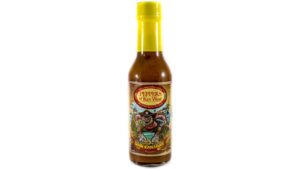
🍌 Goin’ Bananas Hot Sauce
Made with real bananas and tropical flavors, Goin’ Bananas pairs beautifully with fruit-filled empanadas, French toast, pancakes, waffles, and other sweet breakfast favorites. It also works surprisingly well as a glaze for breakfast ham or sausage, creating a sweet-and-savory combination that complements a traditional Mexican breakfast.
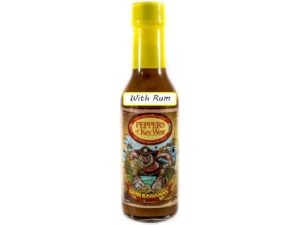
🥃 Goin’ Bananas” Hot Sauce with Rum
The rich banana and rum notes make this one of the best companions for cinnamon pastries, conchas, café de olla, bread pudding, and brunch-inspired breakfasts. It brings warm Caribbean-inspired flavors that feel right at home beside freshly baked pan dulce.
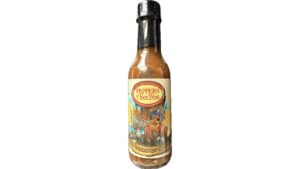
🍇 Tropical Rum, Pineapple & Raisin Hot Sauce
Rum Raisin’s warm spice, raisin, and rum flavors naturally complement baked goods and desserts. It pairs especially well with pan dulce, cinnamon pastries, bread pudding, French toast, and other bakery-inspired breakfast favorites.
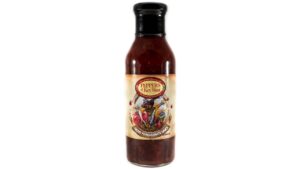
🍒 Cherry Pomegranate Habanero Grilling Sauce
Traditional Mexican breakfasts often balance sweet pastries with savory dishes like tamales, eggs, ham, pork, or breakfast sandwiches. This mild grilling sauce adds a lightly sweet, fruity finish that complements those savory favorites while fitting naturally into a complete breakfast spread.
Frequently Asked Questions:
What does pan dulce mean?
Pan dulce literally means “sweet bread” and refers to the wide variety of traditional Mexican pastries and baked goods enjoyed throughout the country.
What is the most famous type of pan dulce?
The concha is the best-known variety, recognized by its colorful shell-shaped sugar topping.
Is pan dulce only eaten for breakfast?
No. While it’s especially popular in the morning, pan dulce is also enjoyed as an afternoon snack, dessert, or evening treat.
What do people drink with pan dulce?
Traditional pairings include café de olla, atole, hot chocolate, milk, and regular coffee.
What is a panadería?
A panadería is a traditional Mexican bakery where fresh breads, pastries, and pan dulce are baked daily.
Why are conchas called conchas?
Their crunchy sugar topping resembles the ridges of a seashell, or concha in Spanish.
Are all pan dulce pastries sweet?
Most are lightly sweet, although sweetness varies depending on the pastry and regional recipe.
Do all Mexican bakeries sell the same pastries?
No. Every panadería has its own recipes and often features regional specialties alongside classic favorites.
Can pan dulce be found outside Mexico?
Yes. Many Mexican bakeries throughout the United States and other countries prepare traditional pan dulce every day.
Why is pan dulce important in Mexican culture?
It represents generations of family traditions, neighborhood bakeries, and everyday moments shared around the breakfast table.
Continue Your Mexican Street Food Journey
From This Collection
- Mexican Street Corn (Elote): So Addictive You’ll Forget Tacos Exist
- Tortas: Loaded with Meat, Melted Cheese & Street Food Flavor That Hits Hard
- Tamales Explained: The Ancient Mexican Comfort Food That Still Dominates Street Food Culture
- Mexican Street Food Breakfast Favorites Worth Waking Up Early For
- Mexican Street Food Markets Explained: How to Order Like a Local and Find the Best Food Fast
- Mexican Street Food Ingredients & Cooking Terms Explained: The Building Blocks of Authentic Mexican Flavor
- Mexican Street Food for First-Timers: What to Order and Why
- Best Mexican Street Food Party Menu for Feeding a Crowd
Continue Your Culinary Adventure
- Regional Mexican Street Food Guide: Famous Dishes from Every Corner of Mexico
- Mexican Street Tacos Explained: The Authentic Street Food That Started It All
- Street Quesadillas vs American Quesadillas: What’s the Difference?
- Best Hot Sauces for Mexican Street Corn, Tortas & Tamales
Explore More Keywords
pan dulce, Mexican sweet bread, conchas, concha bread, Mexican bakery, panadería, authentic Mexican pastries, traditional Mexican baking, Mexican breakfast, café de olla, atole, hot chocolate Mexico, orejas, cuernitos, puerquitos, polvorones, sweet empanadas, Mexican baked goods, neighborhood bakery, Mexican breakfast traditions, Mexican comfort food, traditional pastries, authentic Mexican breakfast, bakery culture in Mexico, family bakery, fresh baked conchas, colorful Mexican pastries, morning in Mexico, regional Mexican pastries, Mexican food culture, Mexican culinary traditions, artisan bakery, handmade pastries, Mexican bread varieties, what is pan dulce, pan dulce history, traditional Mexican desserts, famous Mexican breads, Mexican breakfast pastries, authentic panadería
