
Aguachile Explained: Mexico’s Fiery Seafood Dish That Makes Ceviche Look Tame
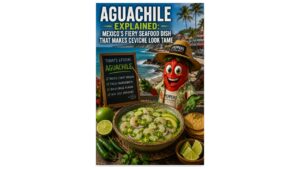
If ceviche is the calm, citrusy seafood dish people already know, aguachile is its louder, hotter, more impatient cousin who showed up from Mexico’s Pacific coast carrying fresh shrimp, fiery serrano peppers, and enough lime juice to make your mouth water before the first bite. This isn’t just another seafood dish—it’s one of Mexico’s boldest culinary traditions.
Most people first hear about aguachile when someone describes it as “Mexican ceviche.”
It’s an easy comparison—but it isn’t an accurate one.
While both dishes celebrate incredibly fresh seafood and bright citrus flavors, authentic aguachile has its own identity. Instead of slowly curing seafood in lime juice, aguachile is built around immediacy. Fresh shrimp meets an intensely flavorful blend of lime juice, fresh chile peppers, cilantro, and crisp vegetables to create a dish that’s brighter, hotter, and far more aggressive than traditional ceviche.
Born along Mexico’s Pacific coast—especially in the state of Sinaloa—aguachile reflects generations of fishing communities, abundant shrimp harvests, and a love of bold flavors that never overpower the seafood itself.
Understanding aguachile also opens the door to Mexico’s remarkable coastal cuisine. If you’re new to authentic Mexican food, you’ll also enjoy Mexican Street Food Ingredients & Cooking Terms Explained: The Building Blocks of Authentic Mexican Flavor, where you’ll learn about many of the traditional ingredients, peppers, herbs, and culinary techniques that appear throughout Mexican cooking.
Today, you’ll find aguachile everywhere from humble seaside marisquerías to award-winning restaurants, yet the philosophy remains the same: start with exceptional seafood and let freshness do the talking.
AGUACHILE IS NOT CEVICHE WITH EXTRA HEAT—IT IS ONE OF MEXICO’S MOST DISTINCTIVE SEAFOOD TRADITIONS.
Quick Guide
Origin: Sinaloa, Mexico
Category: Mexican seafood specialty
Main Protein: Fresh shrimp
Traditional Marinade: Lime juice, fresh chile peppers, cilantro, and salt
Heat Level: Medium to extremely spicy
Usually Served With:
- Tostadas,
- saltine crackers,
- avocado,
- fresh cucumber,
- cold Mexican beer
Most Famous Region: Pacific Coast of Mexico
Best Way to Describe It: Fresh seafood with bold chile heat—not simply spicy ceviche.
What Is Aguachile?
Aguachile is one of Mexico’s most exciting seafood dishes, combining incredibly fresh shrimp with lime juice, fresh chile peppers, cilantro, onions, cucumber, and salt to create a meal that’s vibrant, refreshing, and unapologetically spicy.
The name literally translates to “chile water,” a fitting description for the vivid green, red, or black marinades that define the dish.
Although it’s often compared to ceviche, the similarities only go so far. Traditional ceviche typically spends more time curing in citrus juice, allowing the seafood to firm up before serving. Aguachile, by contrast, is usually prepared and served almost immediately. The shrimp remains tender, the lime stays bright, and the chile peppers remain the star of every bite.
Because the ingredient list is remarkably simple, every component matters. Fresh shrimp, ripe limes, aromatic cilantro, crisp cucumbers, and flavorful chile peppers all have to be at their peak.
That simplicity is exactly what makes great aguachile unforgettable.
THE FEWER THE INGREDIENTS, THE MORE IMPORTANT EACH ONE BECOMES.
Sinaloa may be famous for aguachile, but every region of Mexico has its own unforgettable street food traditions. Discover the dishes that define the country’s diverse culinary landscape in Regional Mexican Street Food Guide: Famous Dishes from Every Corner of Mexico.

Where Did Aguachile Come From?
Aguachile is deeply rooted in the Pacific state of Sinaloa, one of Mexico’s most celebrated seafood regions.
Unlike dishes that gradually spread across multiple countries and evolved into countless variations, aguachile has a strong regional identity. It reflects the culture of fishing communities where shrimp is plentiful, seafood markets are part of daily life, and freshness is valued above almost everything else.
Today, Sinaloa remains Mexico’s largest shrimp-producing state, making it the natural birthplace of one of the country’s most iconic seafood dishes. Its productive Pacific waters support generations of fishermen, bustling seafood markets, and neighborhood marisquerías where shrimp often goes from boat to kitchen in a matter of hours. That extraordinary freshness isn’t just a point of pride—it’s the foundation of authentic aguachile and one of the reasons the dish remains so closely tied to Sinaloa’s coastal culture.
Early versions were remarkably simple, often combining water, native chiltepin peppers, and salt. Over time, cooks incorporated fresh lime juice, creating the vibrant, chile-forward dish recognized throughout Mexico today. While modern chefs have introduced green, red, black, and even tropical variations, the foundation remains unchanged: exceptionally fresh seafood paired with bold chile flavor.
One of the best ways to appreciate this connection is by visiting a traditional seafood market. If you’re curious about the lively atmosphere where dishes like aguachile come to life, Mexican Street Food Markets Explained: How to Order Like a Local and Find the Best Food Fast explores the people, ingredients, and traditions behind these unforgettable culinary experiences.
With its productive Pacific waters, thriving shrimp industry, and generations of coastal cooks, Sinaloa has become synonymous with authentic aguachile. Its marisquerías continue to set the standard for freshness and bold flavor throughout Mexico.
AGUACHILE COULD ONLY HAVE BEEN CREATED IN A PLACE WHERE EXTRAORDINARILY FRESH SEAFOOD IS A WAY OF LIFE.
What’s the Difference Between Aguachile and Ceviche?
If there’s one misconception surrounding aguachile, it’s that it’s simply “spicier ceviche.” While the two dishes certainly share some ingredients, they’re built on different philosophies, textures, and traditions.
Both begin with exceptionally fresh seafood and rely on citrus for brightness, but that’s where many of the similarities end.
Traditional ceviche is typically marinated for a longer period, allowing the citrus juice to gradually firm the seafood before it’s served. Depending on the region, it may also include tomatoes, tomato juice, olives, or sweeter flavor profiles that balance the acidity.
Aguachile takes a far more immediate approach.
The shrimp is usually butterflied and dressed just moments before serving in a vivid blend of freshly squeezed lime juice, chile peppers, cilantro, and salt. Rather than allowing the seafood to slowly “cook” in citrus, the goal is to preserve its delicate texture while coating every bite with vibrant chile flavor.
That difference creates an entirely different eating experience.
Ceviche tends to be mellow, layered, and refreshing. Aguachile is brighter, sharper, and intentionally more intense, with the fresh peppers playing just as important a role as the seafood itself.
Regional traditions also influence each dish. Ceviche appears throughout Latin America in countless forms, while aguachile remains closely tied to Mexico’s Pacific coast, particularly the state of Sinaloa, where shrimp and fresh chile peppers have long shaped the local cuisine.
BOTH DISHES CELEBRATE FRESH SEAFOOD—THEY SIMPLY TELL VERY DIFFERENT STORIES.
Aguachile is just one of Mexico’s remarkable coastal seafood traditions. To discover the fish, shellfish, and regional specialties that define the country’s Pacific and Gulf coast cuisines, continue with Mexican Seafood Explained: The Coastal Dishes Every Food Lover Should Know.
Aguachile vs. Ceviche at a Glance
Both dishes celebrate fresh seafood and bright citrus flavors, but they reflect different culinary traditions and create very different eating experiences.
Aguachile:
- Originated in Sinaloa, Mexico
- Prepared and served almost immediately
- Fresh chile peppers are the star of the dish
- Most commonly made with shrimp
- Bright, bold, and noticeably spicy
Ceviche:
- Found throughout Latin America in many regional styles
- Typically cured longer in citrus juice
- Citrus flavors usually take center stage
- Made with shrimp, fish, scallops, octopus, and other seafood
- Refreshing and generally milder in heat
Both are outstanding examples of coastal cuisine, but if ceviche is smooth and refreshing, aguachile is vibrant, fiery, and unapologetically bold.
Traditional Aguachile Ingredients
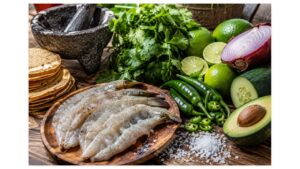
Authentic aguachile succeeds because every ingredient contributes something essential. There are no heavy sauces or complicated cooking techniques to hide imperfections. When a recipe contains only a handful of ingredients, quality becomes everything.
Fresh shrimp is unquestionably the star. In Sinaloa, cooks often prepare shrimp that arrived from the Pacific only hours earlier, butterflying each piece so the marinade coats every surface while maintaining a tender bite.
Lime juice provides far more than acidity. Freshly squeezed Mexican limes create the bright, citrus-forward base that defines the entire dish. Bottled juice simply can’t reproduce the same vibrant flavor.
The chile peppers determine the personality of the aguachile. Serranos are the classic choice, offering clean, grassy heat that complements seafood without overpowering it. Depending on the region or the chef, chiltepín, jalapeños, habaneros, or other local peppers may also appear.
Fresh cilantro adds herbal brightness that ties the marinade together, while thinly sliced red onions and crisp cucumbers introduce sweetness and crunch that balance the intense citrus and chile heat.
Many versions finish with creamy avocado and are served alongside crispy tostadas or saltine crackers, allowing diners to scoop up every drop of the intensely flavorful marinade.
Although modern restaurants continue experimenting with tropical fruits, smoked chiles, charcoal-black marinades, and creative garnishes, traditional aguachile remains beautifully uncomplicated.
If you’re preparing aguachile at home, remember that authentic recipes rely on exceptionally fresh shrimp that’s only lightly marinated. Always buy high-quality seafood from a trusted source and handle it according to current food safety recommendations.
THE SECRET TO GREAT AGUACHILE ISN’T MORE INGREDIENTS—IT’S BETTER INGREDIENTS.
Authentic aguachile depends on a handful of remarkably fresh ingredients, each with a specific role in building flavor. To learn more about the peppers, herbs, citrus, cheeses, and traditional cooking terms you’ll encounter throughout Mexican cuisine, continue with Mexican Street Food Ingredients & Cooking Terms Explained: The Building Blocks of Authentic Mexican Flavor.
How to Eat Aguachile Like a Local
One of the biggest surprises for first-time visitors to Mexico’s Pacific coast is that nobody rushes through a bowl of authentic aguachile. The dish arrives ice cold with crispy tostadas, sliced avocado, cucumber, and plenty of fresh lime, inviting everyone at the table to slow down and enjoy every bite.
The traditional way to eat aguachile is simple. Scoop a shrimp, a little cucumber, and some of the vibrant chile-lime marinade onto a crispy tostada before taking a bite. The crunchy tostada balances the cool seafood while capturing the bright citrus and fresh chile flavors that make the dish so memorable.
Just as important, don’t leave the marinade behind. That vivid green, red, or black broth isn’t simply a sauce—it’s the heart of the dish. Many diners happily finish every last spoonful after the shrimp is gone because it’s packed with fresh lime juice, serrano peppers, cilantro, and the flavors that define authentic aguachile.
Because aguachile is prepared moments before serving, it’s meant to be enjoyed immediately while the shrimp is at its freshest and the citrus remains bright. Waiting too long allows the lime juice to continue curing the seafood, gradually changing the texture that makes freshly prepared aguachile so special.
An ice-cold Mexican lager, sparkling mineral water, or a refreshing agua fresca is the perfect companion. The cool drink balances the lively chile heat without masking the clean, fresh flavors of the seafood.
YOUR FIRST BITE SHOULD TASTE LIKE THE PACIFIC COAST ITSELF—COOL SHRIMP, BRIGHT LIME, CRISP VEGETABLES, AND A BOLD SERRANO KICK THAT LINGERS JUST LONG ENOUGH TO MAKE YOU REACH FOR ANOTHER TOSTADA.
Green, Red & Black Aguachile: What’s the Difference?
Although green aguachile is the version most people recognize, it’s far from the only style you’ll encounter along Mexico’s Pacific coast. Regional traditions, family recipes, and creative chefs have produced several distinct variations, each with its own personality while staying true to the dish’s fresh seafood roots.
Green aguachile (aguachile verde) is the classic. Serrano peppers, cilantro, fresh lime juice, and a touch of cucumber create the vibrant emerald marinade that has become synonymous with Sinaloa. Bright, herbaceous, and refreshingly spicy, it’s often the first style people experience—and for many, it remains the benchmark.
Red aguachile (aguachile rojo) delivers a deeper, smokier flavor. Depending on the recipe, cooks may blend ripe red chiles, dried chile peppers, tomatoes, or a combination of ingredients that produces a richer color and a more rounded heat. While still unmistakably fresh, red aguachile often feels slightly earthier than its green counterpart.
Black aguachile (aguachile negro) offers one of the most dramatic presentations. Its dark color usually comes from roasted peppers, charred ingredients, or deeply toasted seasonings, creating an intense appearance that surprises first-time diners while preserving the citrus-forward character that defines authentic aguachile.
Modern chefs have also embraced tropical interpretations featuring ingredients such as mango, pineapple, passion fruit, or coconut, particularly in popular beach destinations. These contemporary versions add sweetness and creativity, but they never replace the importance of impeccably fresh seafood and vibrant chile flavor.
No matter the color, every authentic aguachile shares the same philosophy: exceptional seafood, fresh citrus, bold chile peppers, and immediate preparation.
THE COLOR MAY CHANGE, BUT FRESHNESS IS ALWAYS THE MAIN INGREDIENT.
Mexico’s coastal cuisine continues to evolve while honoring the traditions that made dishes like aguachile famous. Mexican Mariscos Explained: Why Coastal Seafood Is Street Food at Its Finest explores the seafood culture, regional specialties, and ocean-to-table traditions that define Mexico’s Pacific and Gulf coast cuisines.
🏖️ Experience Aguachile Like a Local in Sinaloa
Reading about aguachile is one thing. Sitting at a marisquería overlooking the Pacific with a freshly prepared bowl in front of you is something else entirely.
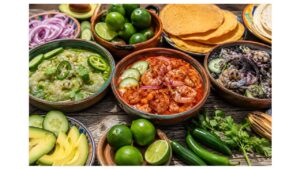
Across Sinaloa, shrimp boats head out before sunrise, seafood markets come alive with the morning’s catch, and neighborhood marisquerías transform that incredible freshness into dishes that celebrate the sea rather than disguise it. Aguachile often arrives at the table just minutes after it’s prepared, accompanied by crispy tostadas, sliced avocado, cold drinks, and plenty of fresh limes.
There’s no elaborate presentation or flashy technique to admire. The focus is simple: exceptional seafood, vibrant chile peppers, bright citrus, and sharing a meal with family and friends.
You smell fresh lime before the plate even reaches the table. The first bite delivers cool shrimp, bright citrus, crunchy cucumber, and the unmistakable kick of serrano peppers all at once.
Whether you’re enjoying aguachile in Mazatlán, Los Mochis, Culiacán, or a small fishing village along the Pacific coast, the experience feels unmistakably connected to the ocean that made the dish possible.
SOMETIMES THE BEST WAY TO UNDERSTAND A DISH IS TO EXPERIENCE THE PLACE THAT CREATED IT.
The story of aguachile is just one chapter in Mexico’s extraordinary culinary landscape. Mexican Street Food Beyond Tacos: Elote, Tortas, Tamales & More introduces the regional dishes, traditions, and unforgettable flavors that make authentic Mexican street food one of the world’s greatest food cultures.
How Aguachile Is Traditionally Served
Aguachile isn’t designed to be eaten in a hurry. In coastal Mexico, it’s often shared among friends and family, arriving at the table while the shrimp is still at its freshest and the lime-and-chile marinade is bursting with vibrant flavor.
The dish is typically served cold in a wide bowl, allowing the shrimp to rest in the bright green, red, or black marinade. Thin slices of cucumber and red onion provide cooling crunch, while creamy avocado softens the intensity of the citrus and chile peppers.
Crispy tostadas are the traditional companion, giving diners the perfect way to scoop up shrimp and every last drop of the flavorful marinade. Saltine crackers are another common accompaniment in many marisquerías, offering a simple, satisfying contrast to the bold seafood flavors.
Cold Mexican lagers, sparkling mineral water, and refreshing aguas frescas are popular beverages alongside aguachile, helping balance the dish’s lively heat without overshadowing its freshness.
Unlike heavier seafood meals, aguachile is meant to celebrate simplicity. Every element on the table supports the shrimp rather than competing with it.
AUTHENTIC AGUACHILE IS SERVED FRESH, SHARED GENEROUSLY, AND ENJOYED WHILE EVERY INGREDIENT IS AT ITS PEAK.
Many of Mexico’s most beloved street foods are defined not only by their ingredients but also by the traditions surrounding how they’re served and enjoyed. Mexican Street Food Dishes Explained: Your Complete Guide to Authentic Mexican Favorites brings together the iconic foods, regional specialties, and culinary traditions that make Mexico’s street food culture unforgettable.
🌶️ Peppers of Key West Product Pairings for Aguachile
Authentic aguachile doesn’t need heavy sauces to shine. The fresh shrimp, bright lime juice, and serrano peppers already deliver plenty of flavor. The goal is to complement those vibrant ingredients—not overpower them.
If you’d like to add another layer of heat or a hint of tropical flavor, these Peppers of Key West favorites pair beautifully with fresh seafood.
Product Pairing Quick Guide
- Serrano Pepper Hot Sauce; Best For: Traditional green aguachile; Flavor Match: Fresh, bright heat that mirrors authentic serrano peppers.
- Jalapeño Garlic Hot Sauce; Best For: Shrimp, tostadas, and avocado; Flavor Match: Mild garlic notes that enhance the citrus without overwhelming the seafood.
- Habanero Pepper Hot Sauce; Best For: Red aguachile and grilled shrimp; Flavor Match: Fruity habanero heat that complements richer chile flavors.
- Not So Fishy Fish Seasoning; Best For: Grilled shrimp, fish, and seafood appetizers; Flavor Match: Bright citrus and herbs that naturally pair with coastal seafood.
🌶️ Peppers of Key West Favorites for Aguachile Lovers
Our handcrafted sauces and seasonings are designed to complement fresh seafood while letting its natural flavor remain the star of the plate.

Serrano Pepper Hot Sauce
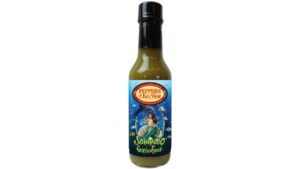
Few sauces pair as naturally with aguachile as Serrano Pepper Hot Sauce. Its fresh, grassy heat echoes the traditional serrano peppers found in authentic green aguachile, adding another layer of bright flavor without masking the shrimp or lime.
Jalapeño Garlic Hot Sauce
For readers who enjoy a little more savory depth, Jalapeño Garlic Hot Sauce brings gentle garlic flavor that works especially well with avocado, shrimp, and crispy tostadas while keeping the dish light and refreshing.

Habanero Pepper Hot Sauce
If you enjoy a little more excitement, Habanero Pepper Hot Sauce adds fruity heat that pairs especially well with red aguachile and grilled seafood while still respecting the fresh flavors that define the dish.
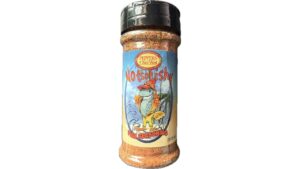
Not So Fishy Fish Seasoning
Not every seafood meal needs more heat. Our Not So Fishy Fish Seasoning delivers bright herbs and citrus notes that are perfect for grilled shrimp, fish tacos, seafood appetizers, or any coastal meal inspired by Mexico’s Pacific cuisine.
Frequently Asked Questions:
Is aguachile the same as ceviche?
No. While both dishes feature fresh seafood and citrus, aguachile is prepared and served almost immediately with a bold chile-lime marinade, while ceviche is typically cured longer in citrus juice.
Is authentic aguachile made with raw shrimp?
Traditionally, yes. Aguachile is prepared with exceptionally fresh shrimp that is butterflied and lightly dressed in lime juice just before serving. As with any raw seafood dish, freshness and proper food handling are essential.
Why is aguachile so spicy?
Fresh serrano peppers are one of the defining ingredients. Their bright, grassy heat balances the acidity of the lime while highlighting the natural sweetness of the shrimp.
Where did aguachile originate?
Aguachile comes from the Pacific state of Sinaloa, where generations of fishing communities developed the dish using freshly caught shrimp, chile peppers, and lime.
What does “aguachile” mean?
The name translates to “chile water,” referring to the vibrant chile-and-lime marinade that surrounds the seafood.
What is traditionally served with aguachile?
Aguachile is commonly served with crispy tostadas, saltine crackers, sliced avocado, fresh cucumber, and cold beverages that complement its bright, spicy flavors.
Can you make aguachile with fish instead of shrimp?
Yes. While shrimp is the classic choice, many coastal regions prepare aguachile with fresh fish, scallops, octopus, or other seafood depending on local traditions and availability.
What peppers are traditionally used in aguachile?
Serrano peppers are the most traditional choice, although some regional recipes use chiltepín, jalapeños, habaneros, or other fresh chiles.
What are the different types of aguachile?
The most common styles are green, red, and black aguachile, each featuring different chile combinations while maintaining the same emphasis on fresh seafood and citrus.
Is aguachile considered Mexican street food?
Yes. While it’s also served in restaurants, aguachile is a beloved coastal specialty found in marisquerías, seafood markets, beachside stands, and street food destinations throughout Mexico’s Pacific coast.
🌎 Continue Your Mexican Street Food Journey
🌮 More Authentic Mexican Street Food to Discover
- Regional Mexican Street Food Guide: Famous Dishes from Every Corner of Mexico
- Mexican Street Food Ingredients & Cooking Terms Explained: The Building Blocks of Authentic Mexican Flavor
- Mexican Seafood Explained: The Coastal Dishes Every Food Lover Should Know
- Mexican Mariscos Explained: Why Coastal Seafood Is Street Food at Its Finest
- Mexican Ceviche Explained: Fresh Coastal Street Food Bursting with Citrus Flavor
- Tostadas Loaded with Crispy Crunch, Seafood, Meat & Bold Mexican Flavor
- Mexican Street Food Markets Explained: How to Order Like a Local and Find the Best Food Fast
- Mexican Street Food Dishes Explained: Your Complete Guide to Authentic Mexican Favorites
🍽️ Your Next Mexican Street Food Stop
- The Amazing Guide to Taco Sauce Pairing: Best Hot Sauce for Tacos, Meats, Fish & Street Taco Flavor Hacks
- Best Hot Sauce for Shrimp Tacos: Sweet Heat Combos That Hit Perfect
- Fish Tacos with Baja-Style Crunch, Citrus Heat & Coastal Taco Flavor
- Best Hot Sauce for Fish Tacos: Citrus Heat & Coastal Flavor Pairings
Explore More Keywords
aguachile, aguachile explained, authentic aguachile, authentic Mexican aguachile, shrimp aguachile, green aguachile, red aguachile, black aguachile, aguachile recipe, Sinaloa aguachile, Sinaloa seafood, Mexican seafood, Mexican mariscos, marisquerías, Pacific coast Mexico, coastal Mexican cuisine, Mexican shrimp dishes, Mexican ceviche, ceviche vs aguachile, fresh shrimp recipes, serrano peppers, lime shrimp, traditional Mexican seafood, seafood street food, authentic Mexican food, Mexican street food, Mexican regional cuisine, seafood markets Mexico, Mexican coastal dishes, tostadas with seafood, avocado and shrimp, seafood appetizers, spicy shrimp dishes, cilantro lime shrimp, Mexican culinary traditions, Pacific seafood, Mexican food culture, Mexican seafood explained, street food Mexico, shrimp specialties
