Street Quesadillas vs American Quesadillas: Why They’re Not the Same Thing

Order a quesadilla in Mexico expecting a giant flour tortilla stuffed with cheddar cheese, grilled chicken, sour cream, and pico de gallo, and you may find yourself staring at something completely different. Authentic Mexican street quesadillas are handmade with fresh masa or corn tortillas, cooked on a hot comal, filled with regional ingredients, and—depending on where you are—may not even contain cheese. Yes, you read that correctly. This guide explores why authentic Mexican street quesadillas and American quesadillas evolved into two very different dishes, what makes each one unique, and why both deserve a place at the table. Just don’t start an argument in Mexico City by insisting every quesadilla has cheese—you’ve been warned.
Ask someone in the United States to describe a quesadilla, and you’ll probably hear the same answer: a large flour tortilla folded over melted cheese with chicken, steak, vegetables, or beans before being grilled until golden brown.
Ask the same question in Mexico, however, and the answer depends entirely on where you’re standing.
In many parts of Mexico, especially at neighborhood markets and busy street-food stalls, quesadillas are handcrafted from fresh masa or corn tortillas, filled with regional ingredients, folded by hand, and cooked on a hot comal just moments before they’re served. Some are packed with mushrooms, squash blossoms, huitlacoche, chicharrón prensado, or slow-cooked meats. Others may surprise first-time visitors even more.
Not every authentic Mexican quesadilla contains cheese.
That single fact has sparked one of the country’s most famous culinary debates, particularly in Mexico City, where ordering a quesadilla with cheese often requires asking for it specifically. While visitors may find the tradition confusing, it perfectly illustrates how deeply regional Mexican street food can be.
American quesadillas, on the other hand, evolved into a larger, cheese-focused meal that reflects Tex-Mex influences and modern restaurant dining. They’re delicious in their own right, but they follow a very different philosophy than the fresh, made-to-order quesadillas found throughout Mexico’s street-food culture. Most American-style quesadillas trace their popularity to Tex-Mex restaurants, where larger flour tortillas and generous amounts of melted cheese became the defining characteristics of the dish.
Understanding the differences between Street Quesadillas vs American Quesadillas offers a fascinating look at how one simple dish evolved into two distinct culinary traditions.
If you’ve been exploring authentic regional specialties, Mexican Street Food Beyond Tacos: Elote, Tortas, Tamales & More introduces dozens of iconic dishes that showcase the incredible diversity of Mexico’s street-food culture.
Of course, every great quesadilla deserves a flavorful finishing touch. Whether you’re pairing earthy mushrooms, grilled chicken, slow-cooked meats, or fresh vegetables, Peppers of Key West handcrafted hot sauces are designed to complement authentic Mexican flavors without overwhelming the ingredients that make every quesadilla unique.
THE BEST QUESADILLAS AREN’T DEFINED BY HOW MUCH CHEESE THEY HOLD—THEY’RE DEFINED BY THE QUALITY OF EVERY INGREDIENT INSIDE.
🌮 Quick Guide: Street Quesadillas vs American Quesadillas
Authentic Mexican Street Quesadillas: Handmade from fresh masa or corn tortillas and cooked on a traditional comal.
American Quesadillas: Usually made with large flour tortillas and generous amounts of melted cheese.
Traditional Fillings: Huitlacoche, squash blossoms, mushrooms, chicharrón, grilled meats, potatoes, beans, Oaxaca cheese, and regional specialties.
Cooking Method: Folded by hand and cooked fresh on a hot comal.
Biggest Surprise: In parts of Mexico, a quesadilla may not automatically include cheese.
Where You’ll Find Them: Mexico City markets, Oaxaca, Puebla, neighborhood taquerías, street vendors, and restaurants across Mexico.
Best For: Anyone curious about authentic Mexican street food, regional traditions, and how Mexican quesadillas differ from their American counterparts.
Why Authentic Mexican Street Quesadillas Are Different
Walk up to a busy street-food stall in Mexico City and order a quesadilla, and you may witness something that surprises many first-time visitors.
Instead of pulling out a large flour tortilla, the vendor often begins by pressing fresh masa into a thick tortilla by hand or selecting a freshly made corn tortilla that’s still warm from the comal. Moments later, it’s filled with your chosen ingredients, folded, cooked until lightly crisp, and served piping hot.
The process feels more like watching an artisan at work than someone assembling fast food.
That’s because authentic Mexican street quesadillas aren’t built around one ingredient—they’re built around balance. The tortilla isn’t simply a container for melted cheese. It’s an essential part of the flavor, contributing the rich aroma of freshly nixtamalized corn while supporting fillings that vary dramatically from one region to another.
Rather than relying on oversized portions, authentic street vendors focus on fresh ingredients prepared moments before serving. Every quesadilla reflects generations of local cooking traditions, with recipes often passed from one family member to the next.
AUTHENTIC STREET QUESADILLAS CELEBRATE TRADITION, NOT EXCESS.
If you’re curious about the ingredients that make handmade tortillas and authentic fillings so distinctive, Mexican Street Food Ingredients & Cooking Terms Explained: The Building Blocks of Authentic Mexican Flavor explores the essential building blocks behind Mexico’s incredible street-food culture.

The Great Quesadilla Debate: Does Every Mexican Quesadilla Have Cheese?
Perhaps no topic creates more friendly debate in Mexican street food than this one.
For many Americans, the answer seems obvious.
Of course, a quesadilla has cheese.
After all, the word itself comes from queso, the Spanish word for cheese.
But travel through Mexico—especially Mexico City—and you’ll quickly discover the answer isn’t always so simple.
Many street vendors prepare quesadillas filled with mushrooms, huitlacoche, squash blossoms, potatoes, beans, chicharrón prensado, or slow-cooked meats without automatically adding cheese. If you’d like cheese, you’ll often need to ask for it separately.
To many visitors, that sounds impossible.
To many locals, it’s simply the way they’ve always ordered quesadillas.
Elsewhere in Mexico, cheese remains a traditional ingredient and is included by default. Neither approach is “right” or “wrong.” Instead, the debate highlights one of the greatest strengths of Mexican cuisine: every region proudly preserves its own traditions.
The lesson isn’t whether cheese belongs inside a quesadilla.
The lesson is that authentic Mexican street food rarely follows one universal rule.
MEXICO’S REGIONAL FOOD TRADITIONS ARE WHAT MAKE ITS STREET FOOD SO EXTRAORDINARILY DIVERSE.
If you’d like to explore how different regions have developed their own unforgettable specialties, Regional Mexican Street Food Guide: Famous Dishes from Every Corner of Mexico showcases the incredible diversity found throughout the country.
Traditional Fillings You Won’t Find at Most American Restaurants
American quesadillas often revolve around familiar ingredients like shredded chicken, steak, peppers, onions, and generous amounts of melted cheese.
Authentic Mexican street quesadillas tell a much broader story.
Depending on the city, neighborhood, or even the individual vendor, you might find fillings that many visitors have never encountered before.
Some of the most beloved include:
- Huitlacoche — the earthy corn fungus often called “Mexican truffle.”
- Flor de calabaza (squash blossoms) — delicate flowers with a light, slightly sweet flavor.
- Chicharrón prensado — richly seasoned pressed pork.
- Hongos — sautéed mushrooms.
- Papa con chorizo — potatoes cooked with spicy Mexican sausage.
- Tinga de pollo — shredded chicken simmered with tomatoes and chipotle.
- Quesillo (Oaxaca cheese) — creamy, stringy cheese that melts beautifully.
- Frijoles refritos — slow-cooked refried beans.
These fillings reflect local agriculture, family recipes, and regional preferences rather than a standardized menu.
Many street vendors become known for preparing one or two exceptional fillings instead of offering dozens of choices.
That specialization is part of what makes discovering authentic Mexican street food so rewarding.
THE BEST STREET VENDORS DON’T TRY TO MAKE EVERYTHING—THEY PERFECT A FEW THINGS EXTRAORDINARILY WELL.
If you’re looking to branch out beyond tacos, Mexican Street Food for First-Timers: What to Order and Why introduces many of these authentic fillings and regional specialties that make Mexico’s street-food culture unlike any other in the world.

Why American Quesadillas Evolved So Differently
The biggest difference in Street Quesadillas vs American Quesadillas isn’t simply the type of tortilla or the amount of cheese. It’s the culinary tradition behind each dish. As Mexican cuisine spread north, quesadillas naturally evolved to reflect local ingredients, changing tastes, and larger restaurant portions.
There’s absolutely nothing wrong with that.
American quesadillas are delicious in their own right.
The important distinction is understanding that they’re part of a different culinary tradition.
Authentic Mexican street quesadillas emphasize handmade tortillas, regional ingredients, and fresh preparation. American quesadillas place greater emphasis on generous portions, abundant cheese, and customizable fillings that reflect Tex-Mex influences and modern casual dining.
Neither version is “better.”
They’re two distinct culinary traditions that evolved from the same idea.
The next time you enjoy a quesadilla, you’ll probably appreciate it even more knowing which tradition inspired the one on your plate.
UNDERSTANDING BOTH STYLES MAKES YOU APPRECIATE EACH FOR WHAT IT DOES BEST.
If you’d like to see another classic dish that evolved differently on opposite sides of the border, Mexican Street Tacos Explained: The Authentic Street Food That Started It All explores why authentic street tacos are often much simpler than their American counterparts.
The Best Hot Sauces for Authentic Street Quesadillas
One of the reasons authentic Mexican street quesadillas work so well is that every ingredient serves a purpose. The tortillas provide the foundation. The fillings deliver character. Fresh salsas contribute brightness and heat.
A carefully chosen hot sauce should follow that same philosophy.
Rather than covering the flavors of handmade masa, Oaxaca cheese, mushrooms, squash blossoms, or slow-cooked meats, the right sauce should complement them.
Fresh serrano peppers bring clean, vibrant heat to vegetable-based quesadillas. Jalapeño and garlic create a smooth, savory balance that pairs beautifully with grilled chicken and carne asada. Fruity habanero peppers add bold warmth to richer fillings like chicharrón prensado and slow-cooked beef without overwhelming the dish.
The goal isn’t to make a quesadilla hotter—it’s to make every bite more flavorful.
It’s making every bite more flavorful.
THE BEST HOT SAUCE ENHANCES AUTHENTIC FLAVOR—IT NEVER HIDES IT.
For more ideas on pairing handcrafted sauces with traditional Mexican favorites, Best Hot Sauces for Mexican Street Corn, Tortas & Tamales offers additional pairing inspiration across many of Mexico’s most iconic street foods.
🌶️ Product Pairing Quick Guide
Serrano Pepper Hot Sauce — Squash blossom, mushroom, huitlacoche, vegetable, and chicken quesadillas.
Jalapeño Garlic Hot Sauce — Carne asada, grilled chicken, beans, and Oaxaca cheese quesadillas.
Habanero Pepper Hot Sauce — Chicharrón prensado, slow-cooked beef, carnitas, and bold regional fillings.
Peppers of Key West 5 Pack — Discover the perfect handcrafted hot sauce for every authentic quesadilla filling.
🌶️ Peppers of Key West Product Pairings
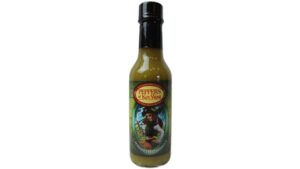
Crisp, clean serrano heat pairs beautifully with lighter quesadilla fillings, adding vibrant pepper flavor while allowing fresh masa, Oaxaca cheese, vegetables, and herbs to remain the stars of every bite.
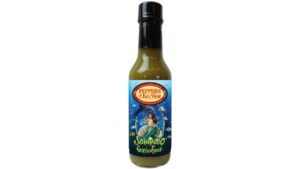
Savory garlic and mild jalapeño peppers enhance grilled meats and classic street-food ingredients without overwhelming the delicate flavors of handmade tortillas and traditional fillings.
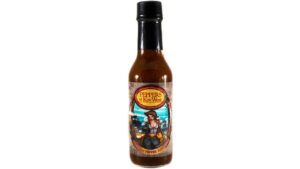
The naturally fruity character of habanero peppers adds exciting warmth to hearty quesadilla fillings while preserving the authentic flavors that define traditional Mexican street food.

From classic Cayenne to fiery Carolina Reaper, the Peppers of Key West 5 Pack lets you match every handcrafted sauce to different quesadilla fillings, meats, vegetables, and heat preferences.
Frequently Asked Questions
Do authentic Mexican quesadillas always have cheese?
No. In parts of Mexico, especially Mexico City, many quesadillas are served without cheese unless you specifically request it.
Why are Mexican street quesadillas usually made with corn tortillas?
Fresh corn tortillas made from nixtamalized masa have been a staple of Mexican cooking for centuries and complement traditional fillings without overpowering them.
What is Oaxaca cheese?
Oaxaca cheese, or quesillo, is a mild, stringy Mexican cheese that melts exceptionally well and is commonly used in authentic quesadillas.
What is huitlacoche?
Huitlacoche is a naturally occurring corn fungus prized for its earthy, mushroom-like flavor. It’s often called “Mexican truffle.”
What are squash blossoms?
Squash blossoms are edible flowers with a delicate flavor that are commonly used as a traditional quesadilla filling throughout Mexico.
Are American quesadillas authentic?
American quesadillas are authentic to Tex-Mex cuisine but differ significantly from traditional Mexican street quesadillas.
What is a comal?
A comal is a flat cooking surface traditionally used to prepare tortillas, quesadillas, sopes, huaraches, and many other Mexican street foods.
Which hot sauce pairs best with vegetable quesadillas?
Fresh, bright sauces like Serrano Pepper Hot Sauce pair beautifully with mushrooms, squash blossoms, and other vegetable-based fillings.
Can I make authentic street quesadillas at home?
Yes. Using fresh corn tortillas or handmade masa, traditional fillings, and a hot cast-iron skillet or comal produces excellent results.
What’s the biggest difference between Street Quesadillas and American Quesadillas?
The biggest difference between Street Quesadillas and American Quesadillas is their culinary philosophy. Authentic street quesadillas emphasize handmade corn tortillas, regional ingredients, and fresh preparation, while American quesadillas typically feature large flour tortillas, abundant cheese, and Tex-Mex-inspired fillings.
Continue Your Mexican Street Food Journey
From This Collection
- Mexican Street Tacos Explained: The Authentic Street Food That Started It All
- Tortas Loaded with Meat, Melted Cheese & Street Food Flavor That Hits Hard
- Tlayudas Explained: Oaxaca’s Giant Street Food Masterpiece
- Sopes Explained: Thick Corn Cakes Loaded with Street Food Flavor
- Huaraches Explained: Mexico’s Giant Oval Street Food Loaded with Flavor
- Tlacoyos Explained: Mexico City’s Ancient Stuffed Corn Street Food
- Memelas Explained: Oaxaca’s Thick Corn Street Food Favorite
- Mexican Street Food Flatbreads Compared: Gorditas vs Sopes vs Tlacoyos vs Memelas vs Huaraches
Expand Your Flavor Journey
- The Ultimate Guide to Mexican Street Food: The Flavor, Meat & Hot Sauce Breakdown
- Best Hot Sauces for Mexican Street Corn, Tortas & Tamales
- Mexican Street Food Ingredients & Cooking Terms Explained: The Building Blocks of Authentic Mexican Flavor
- Regional Mexican Street Food Guide: Famous Dishes from Every Corner of Mexico
Explore More Keywords
Mexican street quesadillas, authentic quesadillas, American quesadillas, Oaxaca cheese, quesillo, handmade tortillas, fresh masa, nixtamalized corn, comal cooking, Mexico City street food, huitlacoche, squash blossoms, chicharrón prensado, flor de calabaza, hongos, tinga de pollo, Mexican street food, authentic Mexican cuisine, Tex-Mex quesadillas, traditional quesadilla fillings, regional Mexican food, corn tortillas, flour tortillas, Mexican food culture, authentic street vendors, street food recipes, best hot sauce for quesadillas, handcrafted hot sauce, Peppers of Key West, grilled quesadillas, homemade quesadillas, traditional Mexican cooking, salsa verde, salsa roja, authentic Mexican ingredients, Oaxaca cuisine, Mexican markets, fresh tortillas, comal, regional specialties
