
Flavor of Different Hot Peppers – Your Taste Buds Aren’t Ready for This
Think all peppers just burn? Think again. From sweet and smoky to straight-up fire, these hot peppers bring serious flavor along with the heat. Your taste buds are in for a wild ride.
For the complete breakdown from growing to heat to flavor, check out our Ultimate Guide to Growing Hot Peppers, Boosting Heat & Choosing Hot Sauce and Ultimate Guide to Hot Pepper Growing: From Seed to Sauce (Complete System) and see how heat, flavor, and growing all connect.
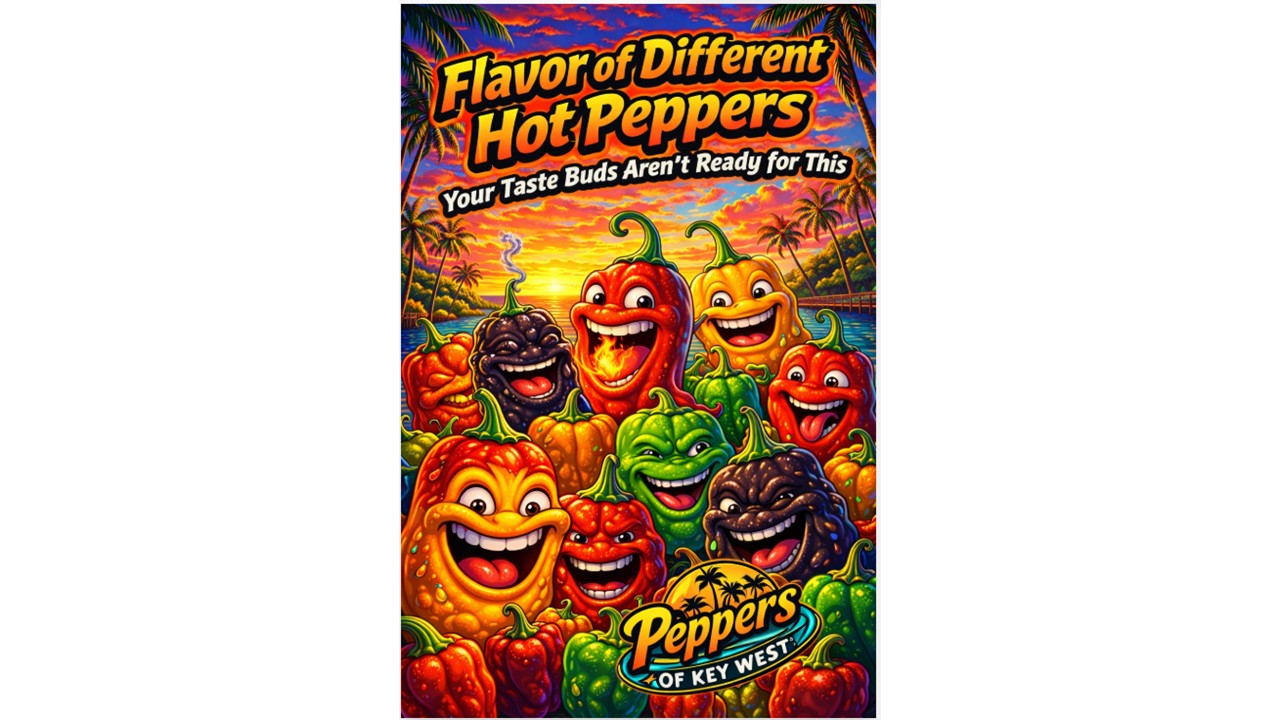
🔥 Flavor of Different Hot Peppers – Your Taste Buds Aren’t Ready for This
Flavor of Different Hot Peppers by Heat Level and Taste Profile Explained 🌶️🔥
Most people think hot peppers are just about heat—but that’s like saying music is just noise. Every pepper has a personality. Some are bright and citrusy, others smoky and deep, and some hit you with sweetness before unleashing chaos. Understanding the flavor of different hot peppers is what separates average food from unforgettable flavor.
If you only chase heat, you’re completely ignoring the reason hot peppers exist.
Flavor and heat both come from the science of hot sauce pain
Mild to Medium Hot Peppers Flavor Profiles with Scoville Ratings 🌱
At the lower end of the Scoville scale, peppers shine with flavor-first profiles that enhance food without overwhelming it. Bell peppers (0 SHU) bring sweetness and crunch, while banana peppers (100–500 SHU) add mild tang with a slightly sweet finish. Poblano peppers (1,000–2,000 SHU) deliver earthy richness, perfect for roasting.
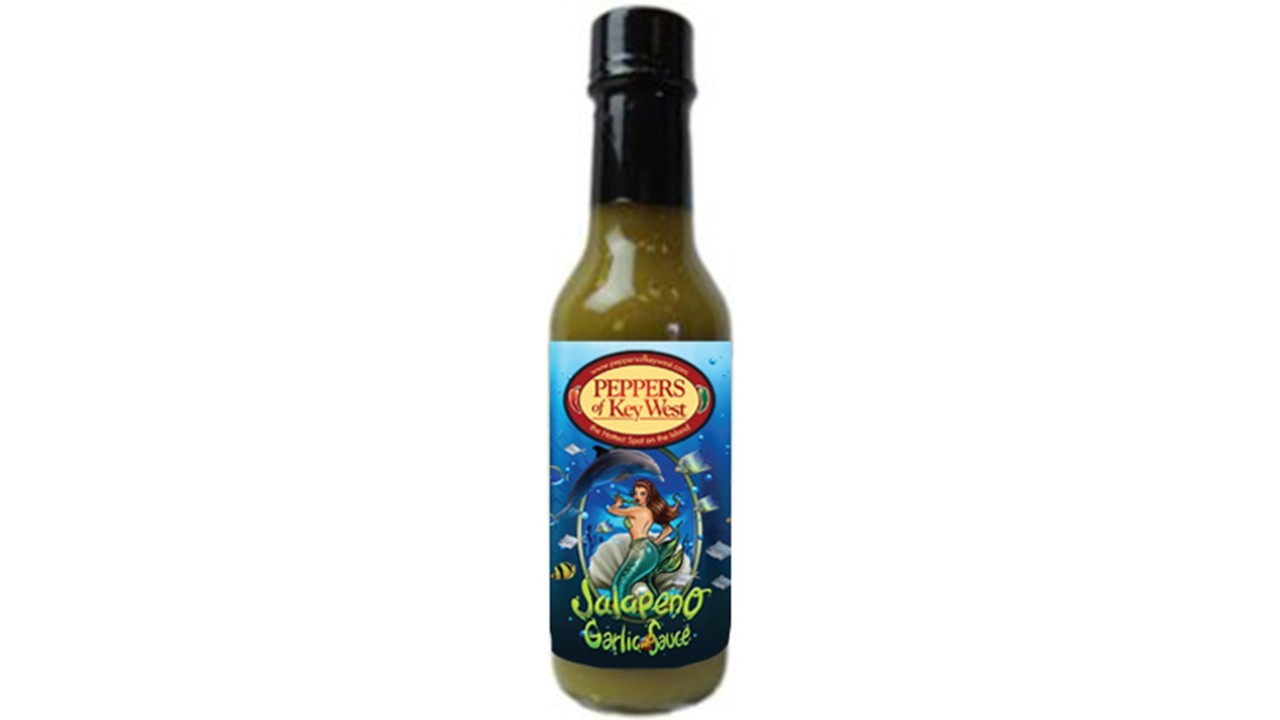
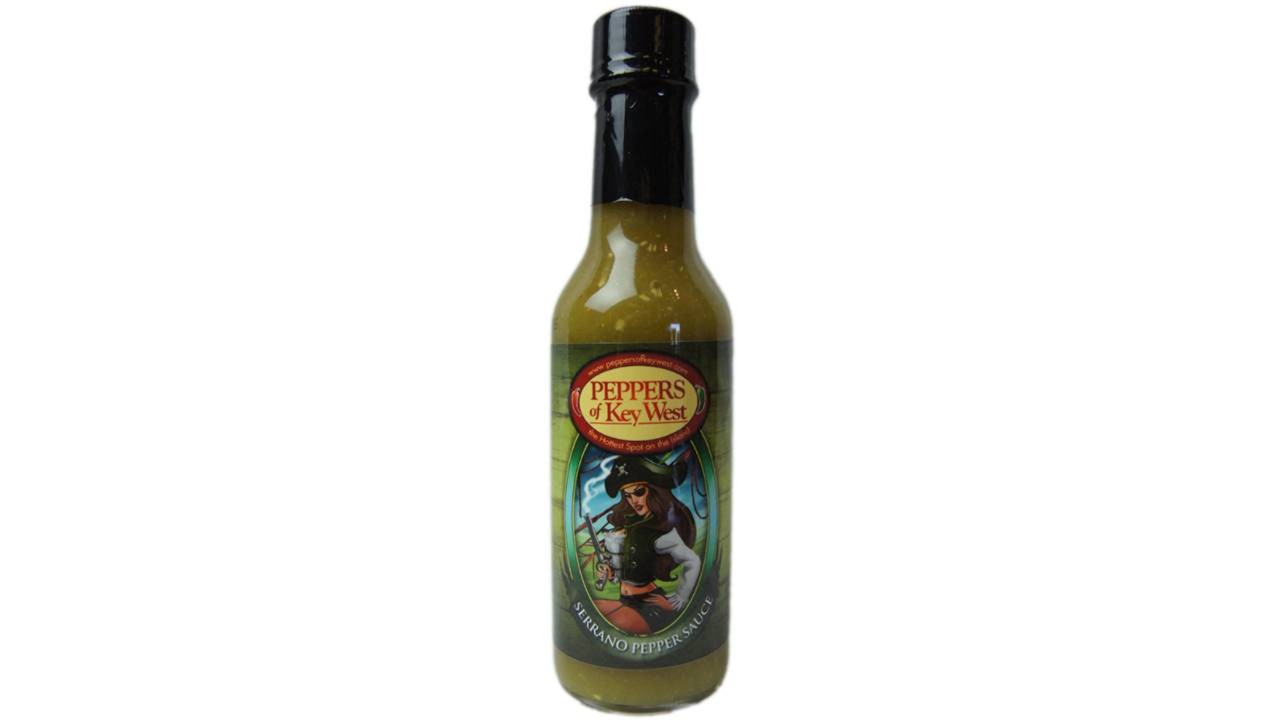
Jalapeños (2,500–8,000 SHU) are the gateway pepper—fresh, grassy, and versatile, with just enough heat to wake things up. Serranos (10,000–23,000 SHU) are sharper and brighter, adding a clean, crisp bite. Hungarian wax peppers (5,000–15,000 SHU) offer a mild sweetness with a slow-building heat.
These peppers are ideal for everyday cooking and form the backbone of many balanced sauces. If you’re learning how to match flavor and heat, check out How to Choose the Best Hot Sauce for Your Taste.
Hot Peppers Flavor Profiles from Habanero to Ghost Pepper 🌶️🔥
As heat increases, flavors become more intense and complex. Cayenne peppers (30,000–50,000 SHU) deliver a straightforward, slightly smoky heat that works in everything from sauces to spice blends. Thai peppers (50,000–100,000 SHU) bring a sharp, immediate heat with subtle fruitiness.
Habaneros (100,000–350,000 SHU) are where things get interesting—explosively fruity, citrusy, and floral before the heat kicks in. Scotch bonnets (100,000–350,000 SHU) offer a similar heat but with deeper sweetness and tropical notes.
Ghost peppers (800,000–1,000,000+ SHU) bring a slow-building, lingering heat with a slightly smoky undertone, making them a favorite for extreme sauces.
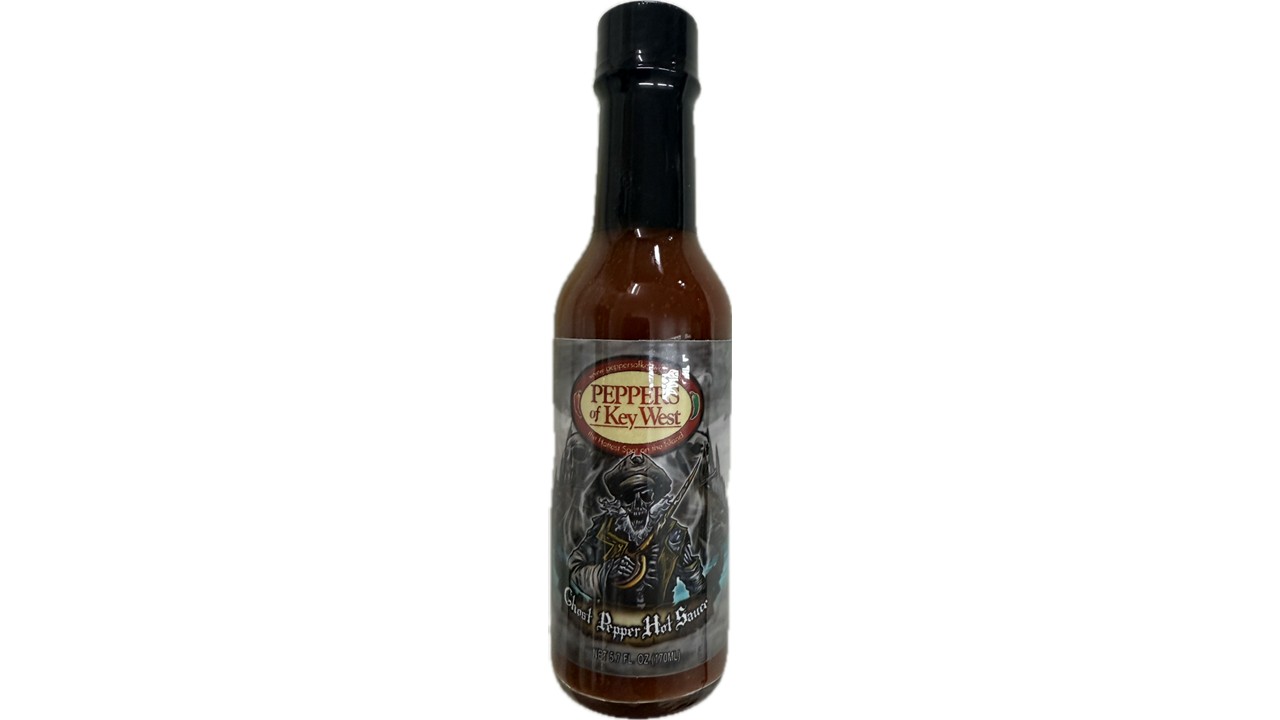
The hotter the pepper, the more complex the flavor—if you can handle it long enough to notice.
To understand how these levels compare, explore How Hot Is Too Hot? The Scoville Scale Explained.
Different compounds shape both taste and heat experience
Extreme Hot Peppers Flavor Profiles Carolina Reaper and Beyond 💀🔥
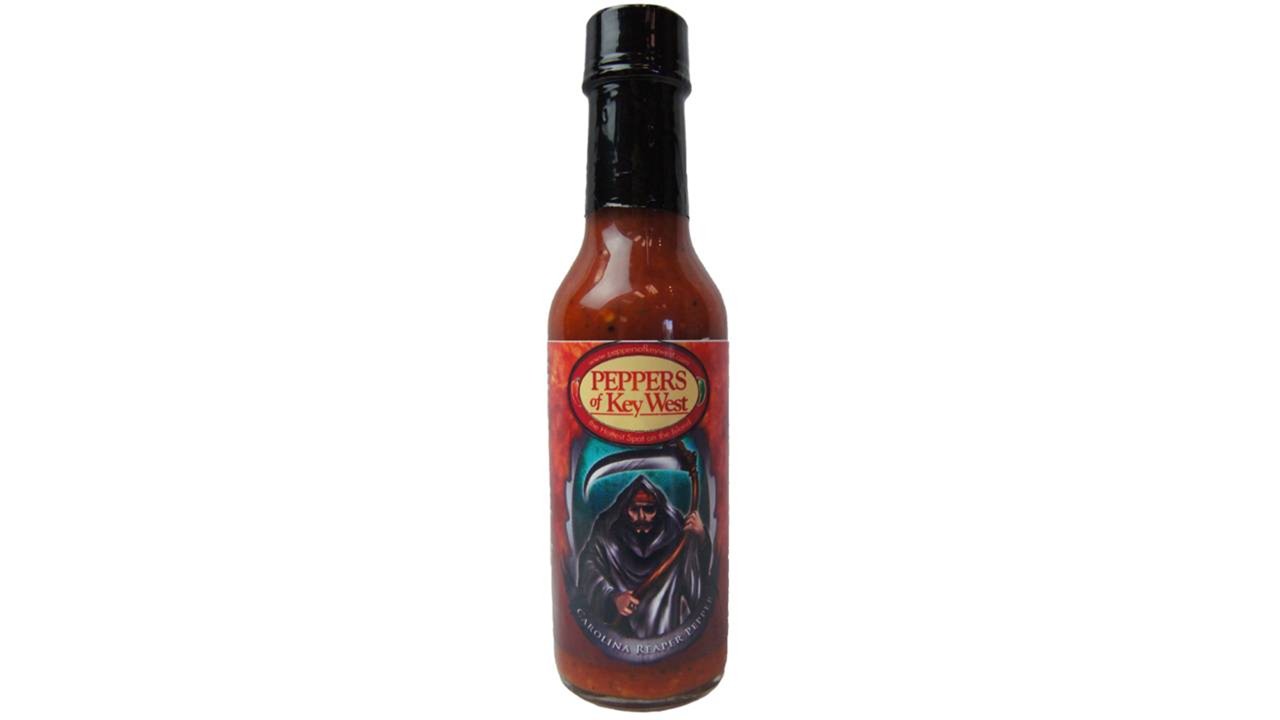
At the extreme end, peppers become intense in every way. The Carolina Reaper (1,500,000–2,200,000 SHU) delivers brutal heat but also surprising sweetness and fruity undertones. Trinidad Scorpion peppers (1,200,000–2,000,000 SHU) hit fast and aggressively, with a slightly floral flavor.
Pepper X (2,500,000+ SHU) pushes beyond traditional limits, delivering extreme heat with a subtle earthy complexity. These peppers are not just hot—they’re experiences.
👉 See how these rank in World’s Hottest Peppers Ranked
How Growing Conditions Change Pepper Flavor and Heat 🌡️🌱
Flavor is not fixed—it evolves based on how peppers are grown. Soil quality, sunlight, watering, and nutrient balance all affect both taste and heat. Peppers grown under controlled stress develop stronger flavor and higher capsaicin levels.
Overwatering reduces intensity, while strong sunlight enhances both sweetness and heat. Nutrient balance determines how well peppers develop their full flavor potential.
👉 Learn how to optimize this in Feed Them Right or Don’t Complain
👉 And fix production issues in Your Pepper Plants Ghosted You
How Pepper Flavor Translates Into Better Hot Sauce 🌴🔥
Every hot sauce starts with the pepper. Fruity peppers create bright sauces, smoky peppers build depth, and extreme peppers add intensity. The best sauces combine these elements into a balanced experience.
At Peppers of Key West, flavor always comes first. Heat is important—but it’s the flavor that keeps people coming back.
Great hot sauce isn’t about surviving the heat—it’s about enjoying what’s underneath it.
👉 Learn more in What Makes a Great Hot Sauce?
🌶️ 20 HOT PEPPERS RANKED BY HEAT + FLAVOR
- Bell Pepper (0 SHU) – Sweet, crisp, fresh vegetable flavor
- Banana Pepper (100–500 SHU) – Mild, tangy, slightly sweet
- Poblano (1,000–2,000 SHU) – Earthy, rich, slightly smoky
- Anaheim (500–2,500 SHU) – Mild, slightly sweet, roasted flavor
- Jalapeño (2,500–8,000 SHU) – Bright, grassy, fresh heat
- Serrano (10,000–23,000 SHU) – Sharp, clean, crisp heat
- Hungarian Wax (5,000–15,000 SHU) – Sweet with moderate heat
- Cayenne (30,000–50,000 SHU) – Straightforward, slightly smoky heat
- Tabasco Pepper (30,000–50,000 SHU) – Vinegary, sharp, bright
- Thai Chili (50,000–100,000 SHU) – Fast, intense, slightly fruity
- Bird’s Eye (50,000–100,000 SHU) – Clean, sharp, citrus hint
- Habanero (100,000–350,000 SHU) – Fruity, tropical, citrusy
- Scotch Bonnet (100,000–350,000 SHU) – Sweet, tropical, deeper fruit
- Red Savina (350,000–580,000 SHU) – Sweet with intense heat
- Chocolate Habanero (300,000–500,000 SHU) – Smoky, rich, earthy
- Ghost Pepper (800,000–1,000,000 SHU) – Slow heat, slightly smoky
- Naga Viper (1,000,000+ SHU) – Intense, slightly fruity
- Trinidad Scorpion (1,200,000–2,000,000 SHU) – Fast, aggressive heat
- Carolina Reaper (1,500,000–2,200,000 SHU) – Sweet, fruity, brutal heat
- Pepper X (2,500,000+ SHU) – Extreme heat, subtle earthy undertone
Want to taste these flavor profiles in real form? Explore Peppers of Key West hot sauces…
Explore it fully in The Ultimate Guide to the Science of Hot Sauce Pain
❓ Frequently Asked Questions:
- What determines the flavor of hot peppers?
Flavor depends on genetics, growing conditions, soil nutrients, and ripeness, all of which influence sweetness, smokiness, fruitiness, and overall heat intensity. - Do hotter peppers taste better?
Not always, as some extremely hot peppers focus on heat while others offer more complex and enjoyable flavor profiles. - What is the best pepper for flavor?
Habaneros are widely considered among the best for flavor due to their balance of sweetness, fruitiness, and heat. - Can growing conditions affect flavor?
Yes, sunlight, soil quality, and watering practices all impact both flavor intensity and heat levels in peppers. - Why are some peppers fruity?
Certain varieties naturally develop sugars and aromatic compounds that create fruity and tropical flavor notes. - Are mild peppers flavorful?
Yes, mild peppers often have rich, complex flavors without overwhelming heat, making them ideal for everyday use. - What peppers are best for hot sauce?
Habaneros, jalapeños, and ghost peppers are commonly used for their balance of flavor and heat. - Does pepper color affect taste?
Yes, ripeness often changes flavor, with red peppers typically being sweeter than green ones. - Why do peppers vary in heat?
Heat varies due to genetics, growing conditions, and capsaicin concentration within the pepper. - Where can I learn more about peppers?
Peppers of Key West offers detailed guides on growing, flavor, and hot sauce selection for all experience levels.
🔥 🌶️ Think You Can Handle More? Dive Into These:
- Your Pepper Plants Ghosted You
- Why Your Peppers Aren’t Hot
- Feed Them Right or Don’t Complain
- How Hot Is Too Hot?
- World’s Hottest Peppers Ranked
- Top Peppers Used in Hot Sauce
- How to Choose the Best Hot Sauce
- Mild vs Hot vs Extreme Hot Sauce
- What Makes a Great Hot Sauce
- Ultimate Guide to Hot Pepper Growing
