
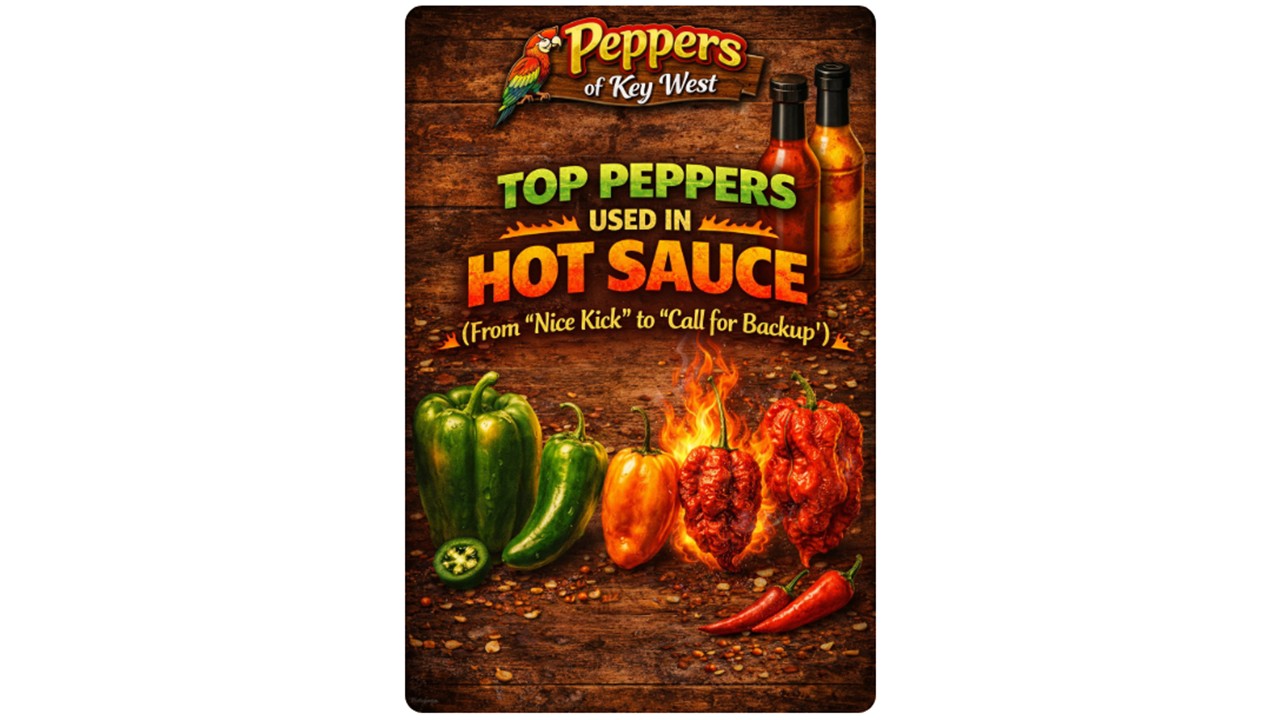
Top Peppers Used in Hot Sauce (From “Nice Kick” to “Call for Backup”)
Some peppers add flavor. Others question your life choices. Here’s how they all end up in your hot sauce.
This is just one piece of the puzzle—see the entire process in our Ultimate Guide to Growing Hot Peppers, Boosting Heat & Choosing Hot Sauce.
Hot sauce doesn’t start in a bottle—it starts with a pepper. And not all peppers are created equal. Some are mild and approachable, bringing flavor with just a hint of warmth. Others are aggressive, unpredictable, and capable of turning a casual meal into a full-blown endurance test. Understanding the peppers used in hot sauce is the key to understanding why some sauces enhance your food while others completely take over.
Most people think of peppers in terms of heat, but that’s only part of the story. Flavor matters just as much, if not more. A great hot sauce isn’t just hot—it’s balanced. It delivers heat, yes, but also acidity, sweetness, and depth. That balance starts with choosing the right pepper.
Let’s start at the mild end of the spectrum. Peppers like Anaheim peppers and Poblano peppers are low in heat but rich in flavor. They’re often used as a base in sauces to add body and complexity without overwhelming the palate. Jalapeños are the next step up. They bring a mild to moderate heat with a fresh, slightly grassy flavor that works well in a wide range of dishes.
Jalapeños are one of the most common peppers used in hot sauce because they strike a balance between accessibility and flavor. They’re approachable enough for beginners but still provide enough heat to make things interesting. This makes them ideal for sauces that are meant to enhance rather than dominate.
As you move up the scale, serrano peppers introduce a sharper, more immediate heat. They’re brighter and more intense than jalapeños, which makes them a popular choice for fresh salsas and lighter sauces. If you’ve ever explored the difference between pico de gallo and salsa, you’ve likely encountered serranos in pico for that exact reason—they deliver heat without sacrificing freshness.
Then things start to get interesting. Habanero peppers are where heat meets flavor in a serious way. They’re significantly hotter than jalapeños or serranos, but they also bring a distinct fruitiness that sets them apart. This combination makes them one of the best peppers for creating complex hot sauces.
This is exactly where Peppers of Key West hot sauces shine. By using peppers like habaneros and combining them with tropical flavors, these sauces create a balance that feels bold but not overwhelming. It’s heat with purpose, not just intensity for the sake of it.
Beyond habaneros, you enter the world of extreme heat. Ghost peppers, also known as Bhut Jolokia, deliver an intense, lingering burn that builds over time. Carolina Reapers take things even further, pushing heat levels into territory that most people approach with caution.
But here’s the thing—extreme heat isn’t always better. In fact, it’s often less useful in everyday cooking. These peppers are best used in small amounts, carefully balanced with other ingredients. Without that balance, the result is one-dimensional and overwhelming.
If you’re trying to understand how these peppers translate into real-world use, it helps to think about how hot sauce interacts with food. For example, when choosing the best hot sauce for salsa, you’re not just picking a heat level—you’re choosing a flavor profile that complements your ingredients.
Milder peppers work well in fresh, bright dishes. Medium-heat peppers add versatility and depth. Extreme peppers are more specialized, used for creating bold, high-impact experiences rather than everyday flavor.
Another important factor is how peppers are processed. Fresh peppers deliver a clean, immediate heat. Roasted peppers, like the Chipotle Pepper, add smokiness and depth. Fermented peppers introduce tanginess and complexity. These processing methods play a huge role in shaping the final hot sauce.
Understanding this can completely change how you use hot sauce. Instead of grabbing whatever is closest, you start choosing intentionally. You think about how the flavor will interact with your food, how the heat will build, and how the overall experience will feel.
If you’ve ever struggled with making salsa, such as our Harvest Peach & Hatch Rumba Salsa, or pico just right, the type of pepper you use can make all the difference. Learning how to make pico de gallo spicier isn’t just about adding more heat—it’s about choosing the right kind of heat.
Texture also matters. Some peppers break down easily, creating smoother sauces. Others retain more structure, adding body and variation. This affects how the sauce feels as much as how it tastes.
One of the most overlooked aspects of peppers is their aroma. Different varieties release different scents, which influence how we perceive flavor. This is why some hot sauces smell fruity while others smell smoky or earthy.
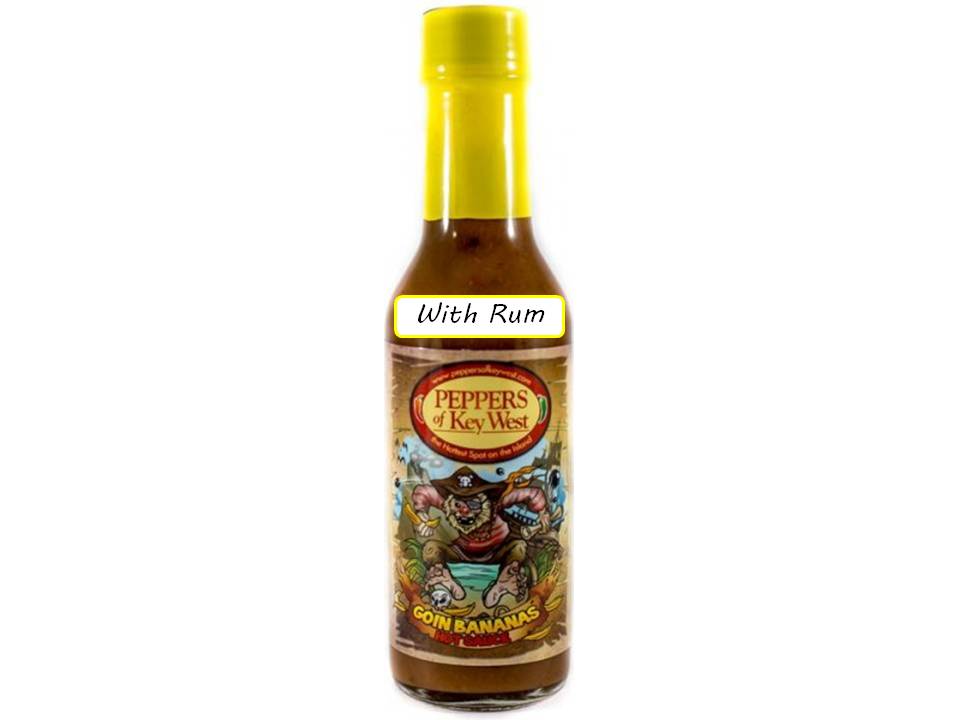
Want to taste the difference? Try a Peppers of Key West hot sauce, similar to Peppers of Key West’s Goin Bananas with Rum, and experience how different peppers come together to create something balanced and bold.
At the end of the day, understanding peppers isn’t about memorizing heat levels—it’s about understanding flavor. Once you start paying attention to that, everything changes. You stop chasing heat and start building experiences.
And if you’re ready to explore what great hot sauce can actually do, Peppers of Key West is where to start.
❓ Frequently Asked Questions
What peppers are most commonly used in hot sauce?
Jalapeños, serranos, habaneros, and ghost peppers are among the most common.
Which pepper is hottest in hot sauce?
Carolina Reaper is one of the hottest peppers used in hot sauce.
Are hotter peppers always better for hot sauce?
No, flavor balance matters more than heat level.
What pepper is best for beginner hot sauce?
Jalapeños are ideal because they provide mild heat and great flavor.
What makes Peppers of Key West hot sauce unique?
It combines bold peppers with balanced flavors for a better overall experience.
)