
How Do You Maintain Pepper Plants to Maximize Pepper Harvests
How to Maintain Pepper Plants for Maximum Harvests (Because One Sad Pepper Is Just Embarrassing)
Before you dive in, get the full system with our Ultimate Guide to Hot Pepper Growing: From Seed to Sauce (Complete System).
Maintaining pepper plants for maximum harvests involves consistent watering, proper nutrients, pruning, and full sunlight to support strong growth and fruit production.
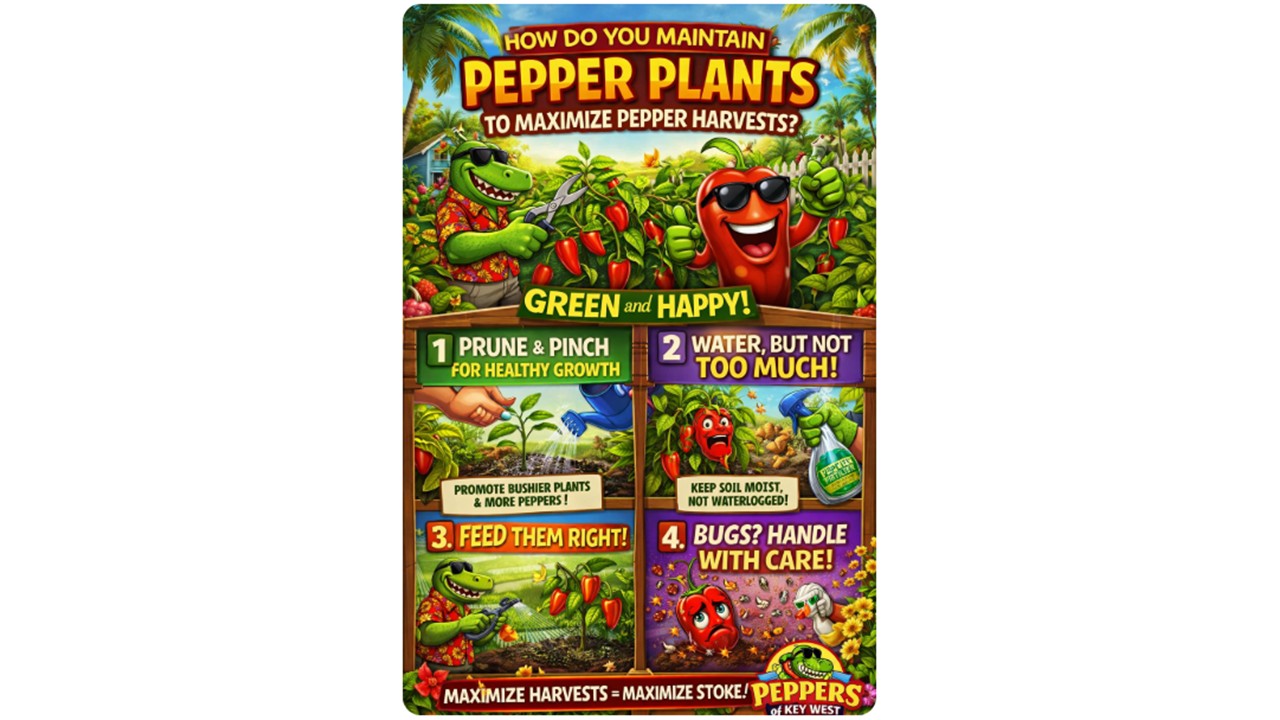
If your pepper plants are giving you one lonely pepper and a whole lot of attitude, your maintenance routine might be the problem. This guide shows you how to properly care for your plants, so they grow stronger, produce more, and deliver bold flavor worthy of Hot Sauce and Peppers of Key West.
Explore our Ultimate Hot Pepper Growing Guide
🌿 How to Maintain Pepper Plants for Maximum Harvest and Growth
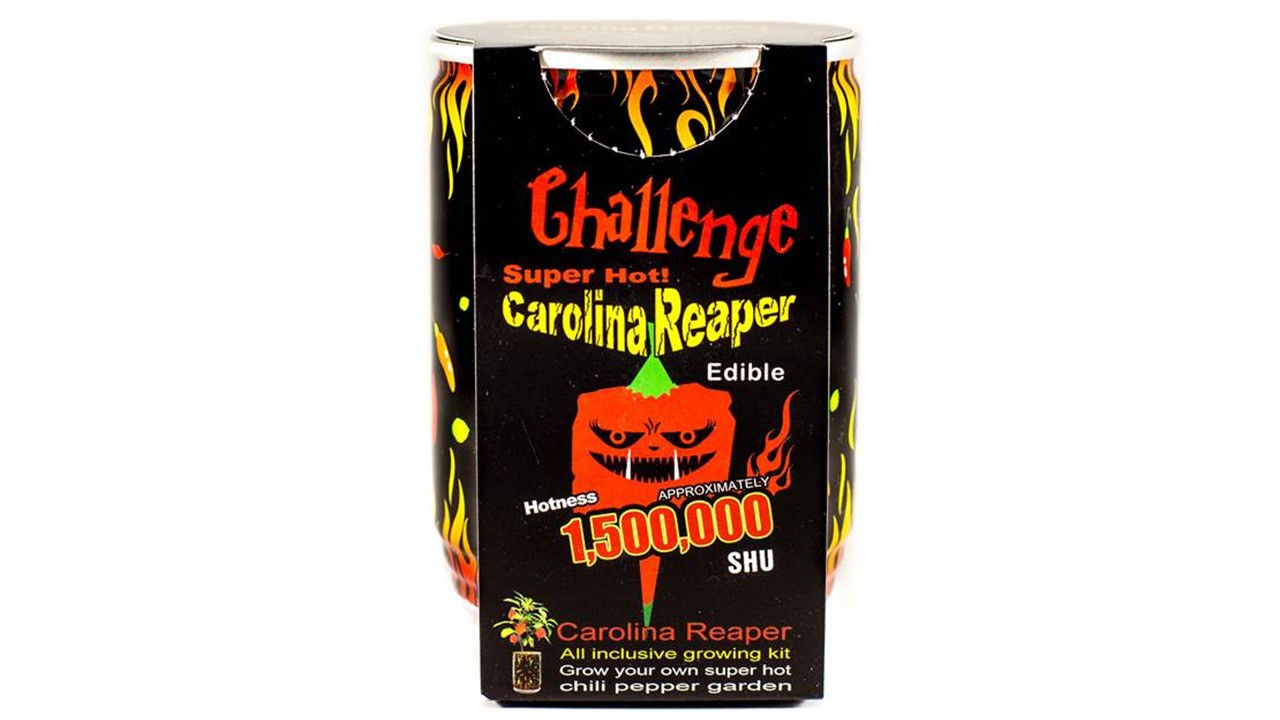
Growing pepper plants is one thing—maintaining them properly is what separates average results from explosive harvests. Many gardeners start strong but lose momentum as the season progresses, leading to weaker plants and disappointing yields. Maintenance is not just about keeping plants alive; it’s about optimizing every factor so your peppers can thrive.
Pepper plants require consistent care throughout their lifecycle. This includes proper watering, nutrient balance, pruning, and environmental control. When all these elements are aligned, your plants produce more peppers, develop stronger flavor, and remain healthy throughout the growing season.
The difference between a struggling pepper plant and a high-yield producer comes down to consistent, smart maintenance.
💧 Proper Watering for Pepper Plants to Increase Yield
Watering is one of the most critical aspects of maintaining pepper plants, yet it’s one of the most commonly misunderstood. Too much water can suffocate roots and reduce flavor, while too little can stress the plant and limit growth.
Pepper plants thrive when soil remains consistently moist but not saturated. Deep watering encourages strong root systems, allowing plants to access nutrients more effectively. Shallow or inconsistent watering leads to weaker roots and reduced productivity.
Consistent watering supports root development, nutrient uptake, and overall plant health, directly impacting pepper yield.
To avoid common watering issues, review Gardening Mistakes to Avoid If You’re Growing Jalapeño Peppers!, which often include improper watering practices.

🌱 Best Fertilizer and Nutrient Balance for Pepper Plants
Pepper plant productivity is directly influenced by environmental conditions such as sunlight, soil quality, watering, and nutrient availability.
Nutrient management is essential for maximizing pepper production. While nitrogen supports early growth, potassium and phosphorus become increasingly important as the plant begins to flower and produce fruit.
Balanced fertilization ensures that your plants have access to all essential nutrients without creating imbalances. Too much nitrogen can lead to excessive leaf growth at the expense of fruit, while insufficient nutrients can result in weak plants and low yields.
To understand how nutrients impact your results, explore Potassium Power: Making Your Peppers Feel Like Superheroes! which plays a key role in fruit development and flavor.
Maintaining proper nutrient levels allows your plants to perform at their best throughout the growing season.
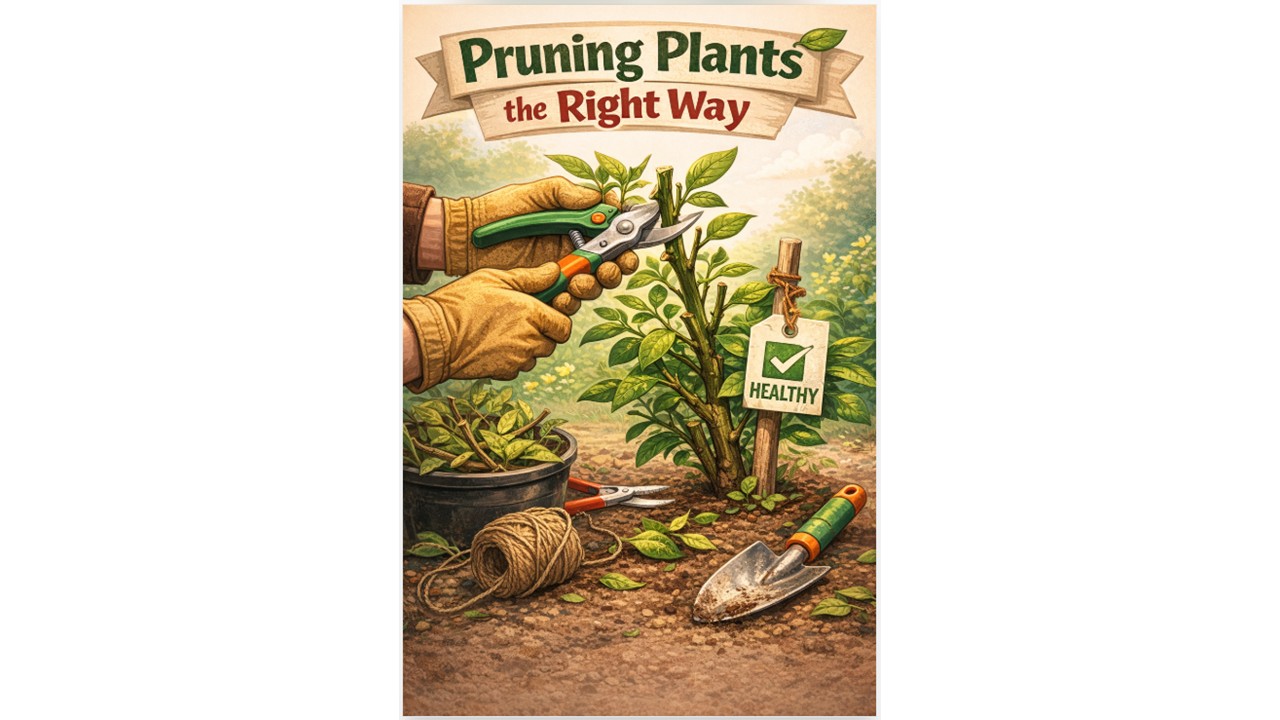
✂️ Pruning Pepper Plants for Better Growth and Production
Pruning is often overlooked, but it can significantly improve plant performance. Removing excess leaves and weak branches allows the plant to focus its energy on producing fruit rather than maintaining unnecessary growth.
Proper pruning also improves airflow, reducing the risk of disease and helping plants stay healthy. Strategic trimming encourages stronger structure and better light penetration, which leads to more productive plants.
When done correctly, pruning transforms your pepper plants into efficient, high-yield producers.
🌞 Sunlight and Environmental Conditions for Maximum Pepper Yield
Pepper plants require consistent sunlight to produce energy for growth and fruit development. Without adequate light, plants become weak and unproductive. Ideally, peppers should receive at least six to eight hours of direct sunlight daily.
Environmental conditions such as temperature, spacing, and airflow also play a role. Proper spacing prevents overcrowding, while good airflow reduces disease risk.
If your plants are underperforming, environmental factors are often the cause. Learn how to optimize these conditions in How to Grow Hot Peppers So Spicy They Make You Question Your Life Choices (In a Good Way)! which covers the essentials for strong, healthy plants.
🌶️ How Maintenance Impacts Pepper Flavor and Hot Sauce Quality
Maintenance doesn’t just affect how many peppers you grow—it affects how they taste. Well-maintained plants produce peppers with stronger flavor, better texture, and
more consistent heat.
If you’re growing peppers for hot sauce, this becomes even more important. High-quality peppers create sauces with depth, balance, and intensity. Poorly maintained plants produce weaker, less flavorful results.
That’s the philosophy behind Hot Sauce and Peppers of Key West. When peppers are grown with care and precision, the flavor speaks for itself.
❓ Frequently Asked Questions
- How often should I water pepper plants?
Water consistently to keep soil moist but not saturated, adjusting based on weather conditions. - What is the best fertilizer for pepper plants?
A balanced fertilizer with increased potassium during fruiting stages works best. - Should I prune pepper plants?
Yes, pruning improves airflow, plant structure, and fruit production. - How much sunlight do pepper plants need?
Pepper plants need at least six to eight hours of direct sunlight daily. - How can I increase my pepper harvest?
Focus on proper watering, nutrient balance, pruning, and sunlight. - Does maintenance affect pepper flavor?
Yes, better care results in stronger flavor and more consistent heat.
