
Potassium Power: Making Your Peppers Feel Like Superheroes
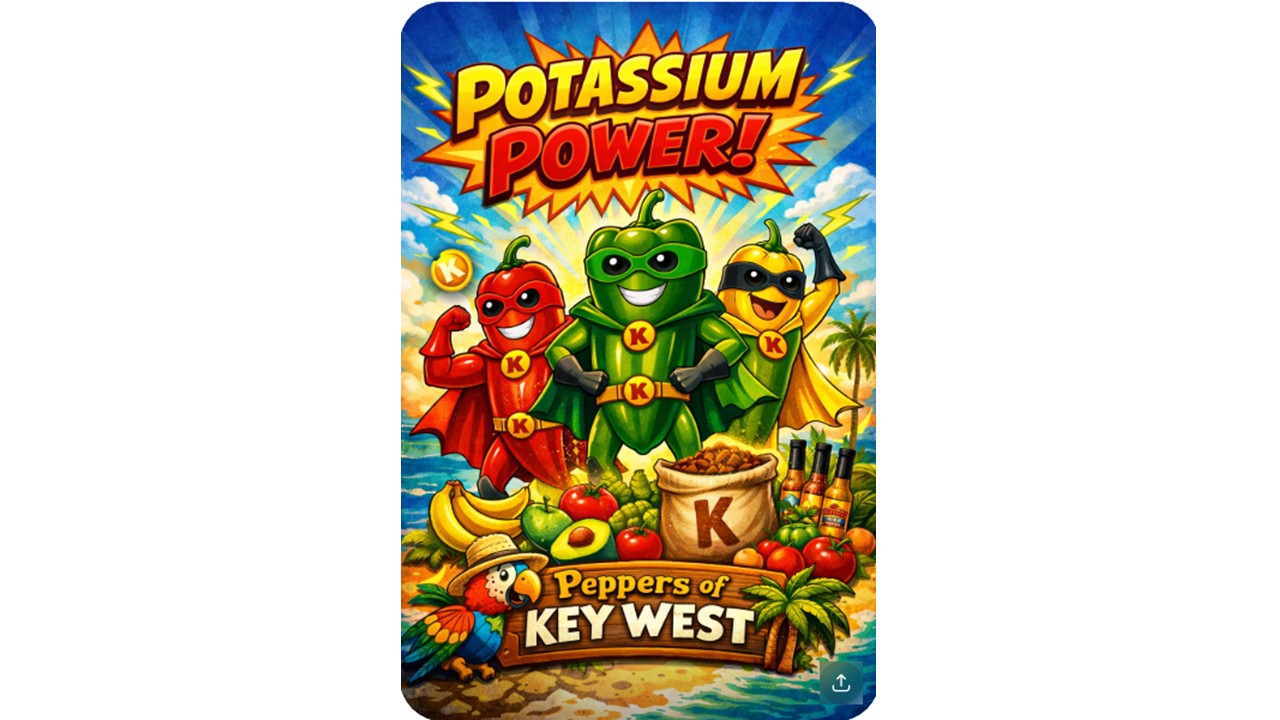
Potassium helps pepper plants grow stronger by improving root development, increasing disease resistance, and enhancing fruit size, flavor, and heat.
If your pepper plants look tired, underwhelming, or just plain dramatic, they might be missing their secret weapon—potassium. This guide breaks down how to supercharge your peppers for stronger growth, better yields, and bold flavor perfect for crafting unforgettable sauces like Hot Sauce and Peppers of Key West.
🌶️ Potassium for Pepper Plants: Why It Matters for Growth and Yield
If nitrogen is the fuel for plant growth, potassium is the performance enhancer that turns average plants into high-producing, flavor-packed machines. Without potassium, pepper plants struggle to develop strong roots, resist disease, and produce high-quality fruit. Many gardeners focus heavily on watering and sunlight but overlook the role nutrients play, especially potassium.
Potassium regulates water movement within the plant, strengthens cell walls, and supports overall plant resilience. It directly impacts how your peppers grow, how many they produce, and how flavorful they become. When potassium levels are balanced, plants are stronger, more productive, and far more capable of handling environmental stress.
If your peppers aren’t producing bold flavor and strong yields, potassium is often the missing piece.
🌱 Potassium Deficiency in Pepper Plants: Signs and Symptoms
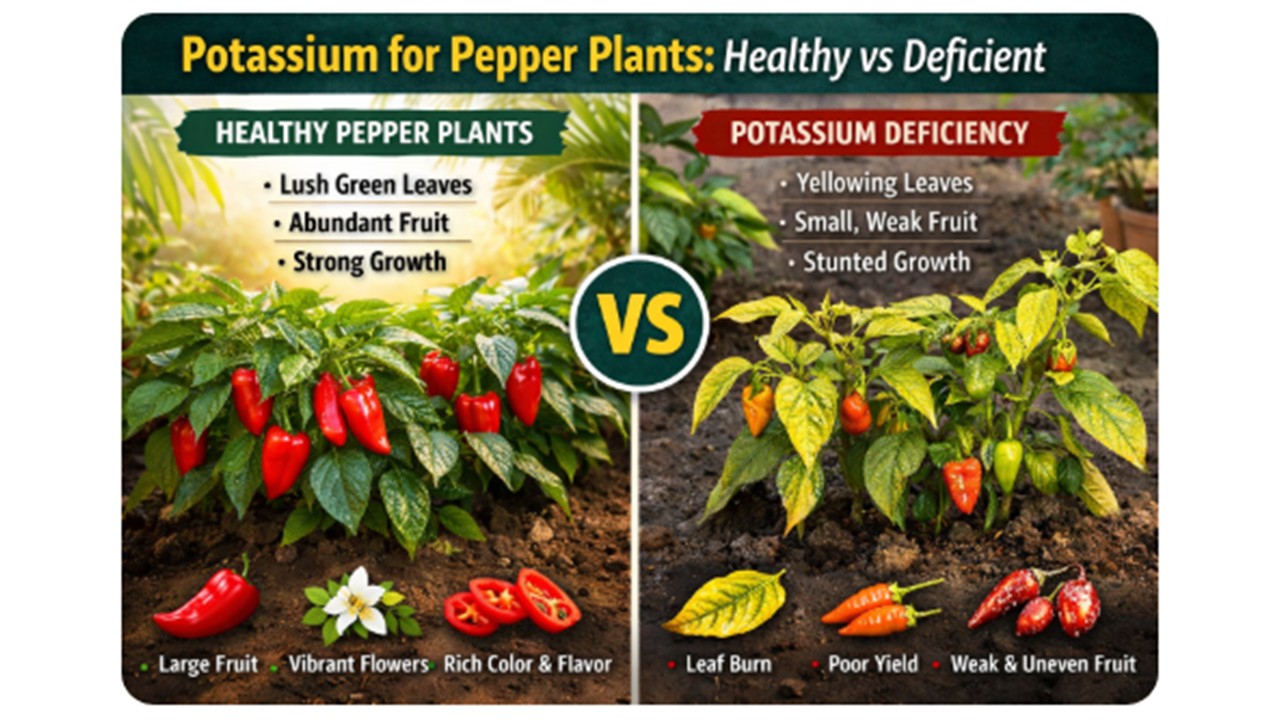
Recognizing potassium deficiency early can save your entire harvest. One of the most common signs is yellowing along the edges of leaves, often followed by browning or curling. Plants may appear weak, with reduced growth and smaller fruit.
As deficiency progresses, peppers may develop uneven ripening or poor flavor. The plant struggles to move nutrients efficiently, which leads to inconsistent development. This not only affects yield but also the quality of the peppers you harvest.
Understanding these signs allows you to correct the issue before it becomes severe. Healthy plants should have vibrant leaves, steady growth, and strong fruit production.
🌿 Best Fertilizer for Hot Peppers with High Potassium
Choosing the right fertilizer is essential for delivering potassium effectively. Many balanced fertilizers include potassium, but when growing peppers for maximum yield and flavor, higher potassium ratios are often beneficial.
Organic options like compost and natural amendments improve soil structure while providing essential nutrients. Balanced feeding ensures that potassium works alongside nitrogen and phosphorus, creating a complete system that supports plant health.
Too much of any one nutrient can cause imbalance, so consistency is key. Feeding your plants regularly and monitoring their response helps maintain optimal growth conditions.
Potassium is essential for fruiting plants because it supports nutrient transport and improves yield consistency.
🌞 When to Apply Potassium for Maximum Pepper Yield
Timing is just as important as the nutrient itself. Applying potassium during the flowering and fruiting stages helps support the development of strong, healthy peppers. This is when the plant’s demand for nutrients increases significantly.
Early growth focuses on leaves and stems, but once fruiting begins, potassium becomes critical. It helps improve fruit size, enhances color, and supports flavor development.
To fully optimize your results, combine proper nutrient management with proven growing techniques found in
- How to Grow Hot Peppers So Spicy They Make You Question Your Life Choices (In a Good Way)!, along with
- 7 Gardening Tips for a Huge Pepper Harvest This Year and
- How Do You Maintain Pepper Plants to Maximize Pepper Harvests.
🌶️ How Potassium Improves Pepper Flavor and Hot Sauce Quality
Potassium doesn’t just affect plant health—it directly impacts flavor. Peppers grown with proper nutrient balance develop stronger taste profiles, better texture, and more consistent heat.
If you’re growing peppers for hot sauce, this is where everything comes together. Strong plants produce peppers with deeper flavor, which translates into better sauce. When ingredients are grown correctly, the final product requires less adjustment and delivers more natural complexity.
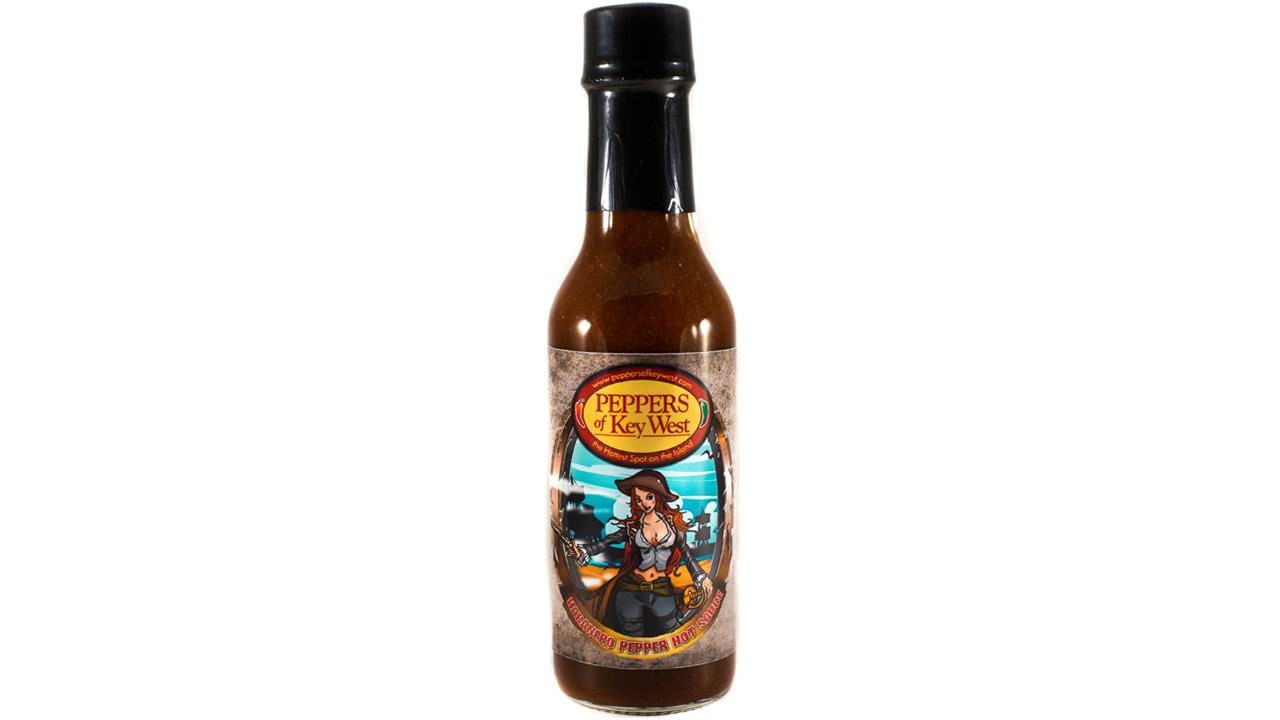
That’s exactly what defines Hot Sauce and Peppers of Key West. High-quality peppers create bold, unforgettable sauces that stand out without needing artificial enhancement.
🌱 When to Use Potassium for Pepper Plants
Potassium should be applied strategically during the most important growth stages of your pepper plants, especially during flowering and fruiting. Early in the season, peppers focus on leaf and root development, but once flowers begin to form, the plant shifts its energy toward producing fruit. This is when potassium becomes critical. Applying potassium at this stage helps support stronger fruit development, improves overall plant resilience, and enhances flavor. Consistent feeding during fruiting ensures your peppers develop fully without becoming weak or uneven.
⚖️ How Much Potassium Peppers Need
Peppers require a balanced nutrient profile, but during fruiting, they benefit from a slightly higher potassium ratio compared to nitrogen. A common approach is using a fertilizer with a higher third number (such as 5-10-10 or similar), which indicates potassium content. The exact amount depends on your soil quality, but consistency matters more than excess. Overloading plants with nutrients can create imbalance, while steady feeding supports healthy growth. Monitoring plant response is key—strong growth, vibrant leaves, and consistent fruiting indicate proper potassium levels.
🚨 Potassium Deficiency Symptoms Guide
Potassium deficiency in pepper plants often shows up first in the leaves. You may notice yellowing along the edges, followed by browning or a scorched appearance as the condition worsens. Plants may appear weak, with slower growth and smaller, underdeveloped fruit. In severe cases, peppers may ripen unevenly or lack flavor. These symptoms occur because potassium is essential for nutrient movement and overall plant strength. Catching these signs early allows you to correct the issue quickly and restore healthy growth.
❓ Frequently Asked Questions
- What does potassium do for pepper plants?
Potassium strengthens plant structure, improves nutrient movement, and increases fruit quality and yield. - How do I know if my peppers need potassium?
Look for yellowing leaf edges, weak growth, and poor fruit development. - What is the best fertilizer for peppers?
A balanced fertilizer with a higher potassium ratio works best during fruiting stages. - When should I apply potassium to pepper plants?
Apply potassium during flowering and fruiting stages to support strong pepper development. - Does potassium affect pepper flavor?
Yes, it improves overall flavor, texture, and consistency in peppers. - Can potassium improve hot sauce quality?
Absolutely. Better peppers lead to more flavorful and balanced hot sauce.
